
Used Mac Curtainside Trailers For Sale in Pennsylvania
Shop used Mac curtainside trailers in Pennsylvania. Compare 48-foot aluminum specs, Conestoga-style systems, air ride, and securement features.
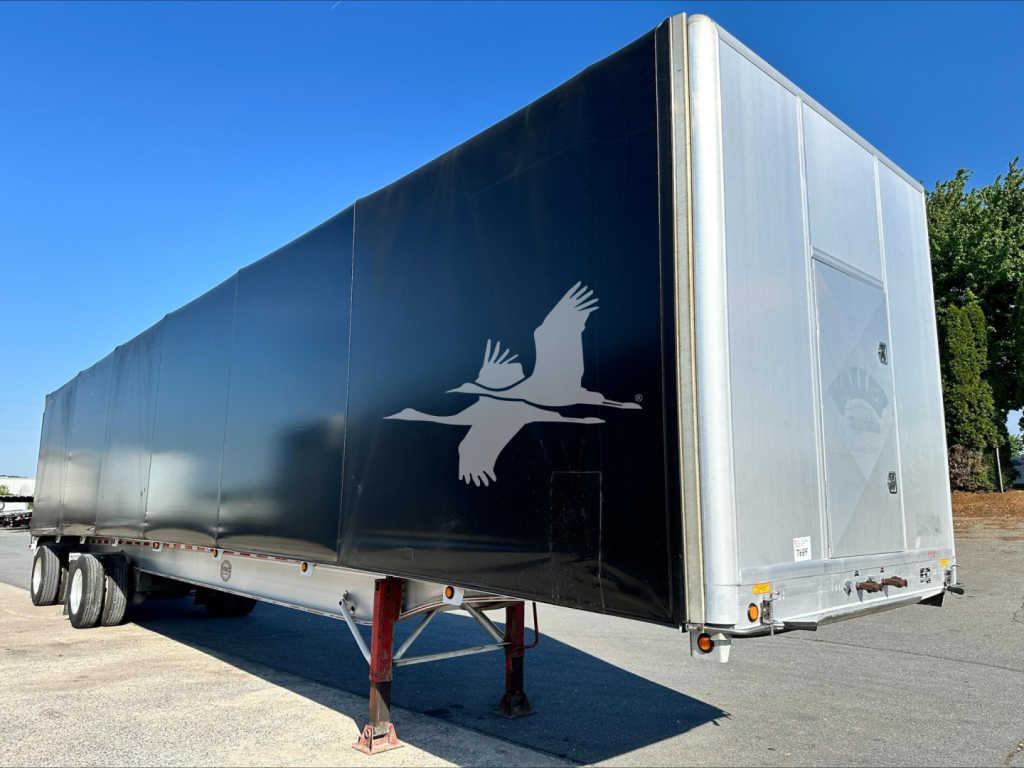
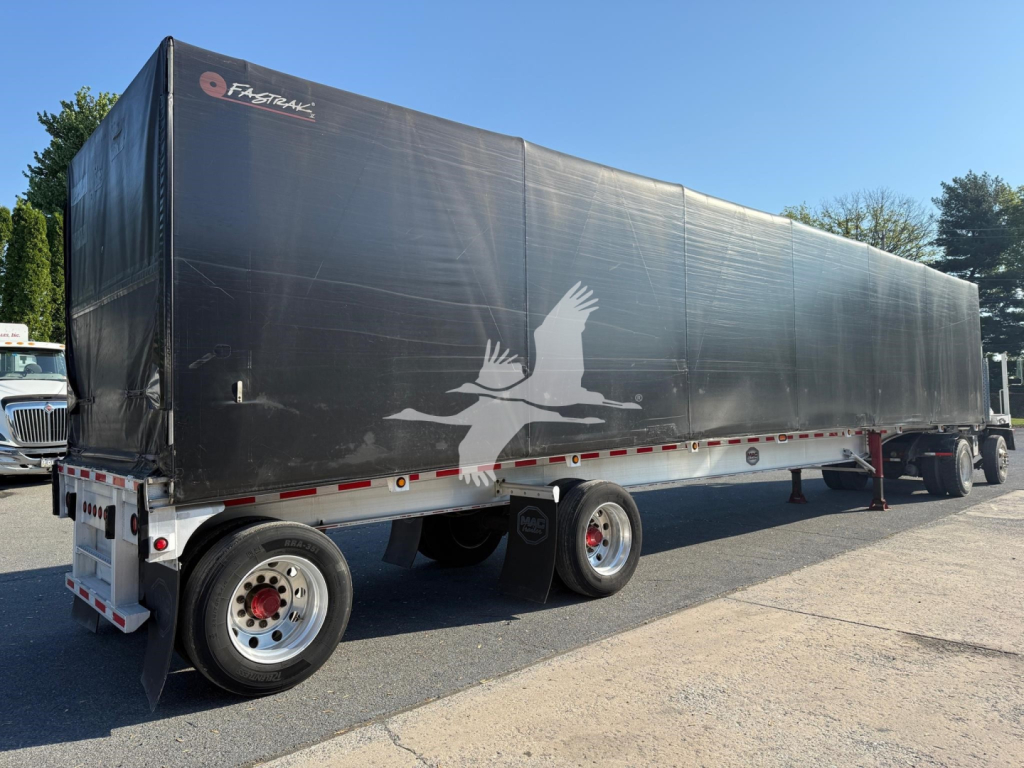
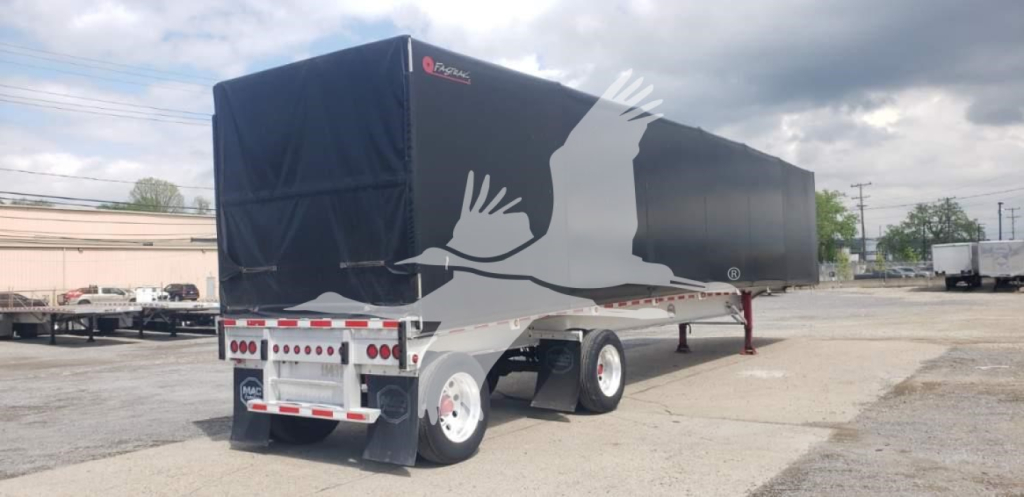
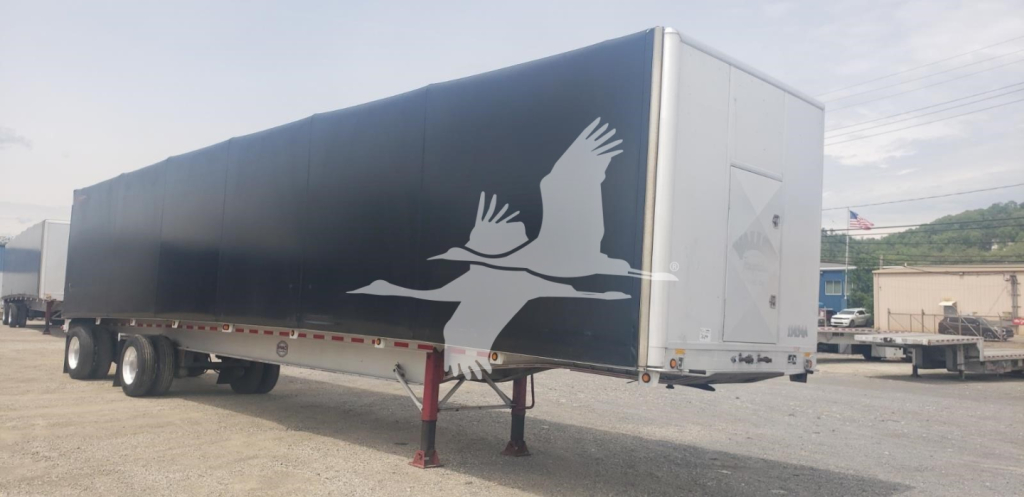
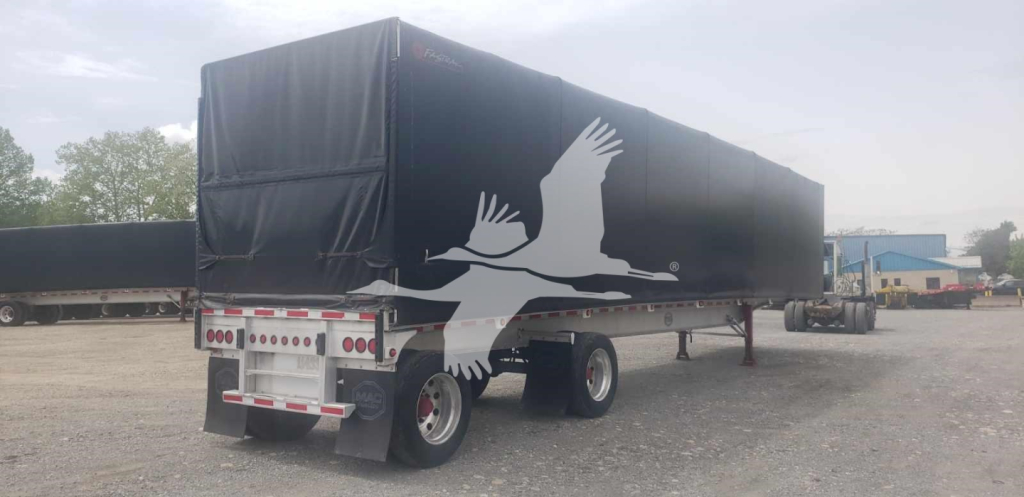
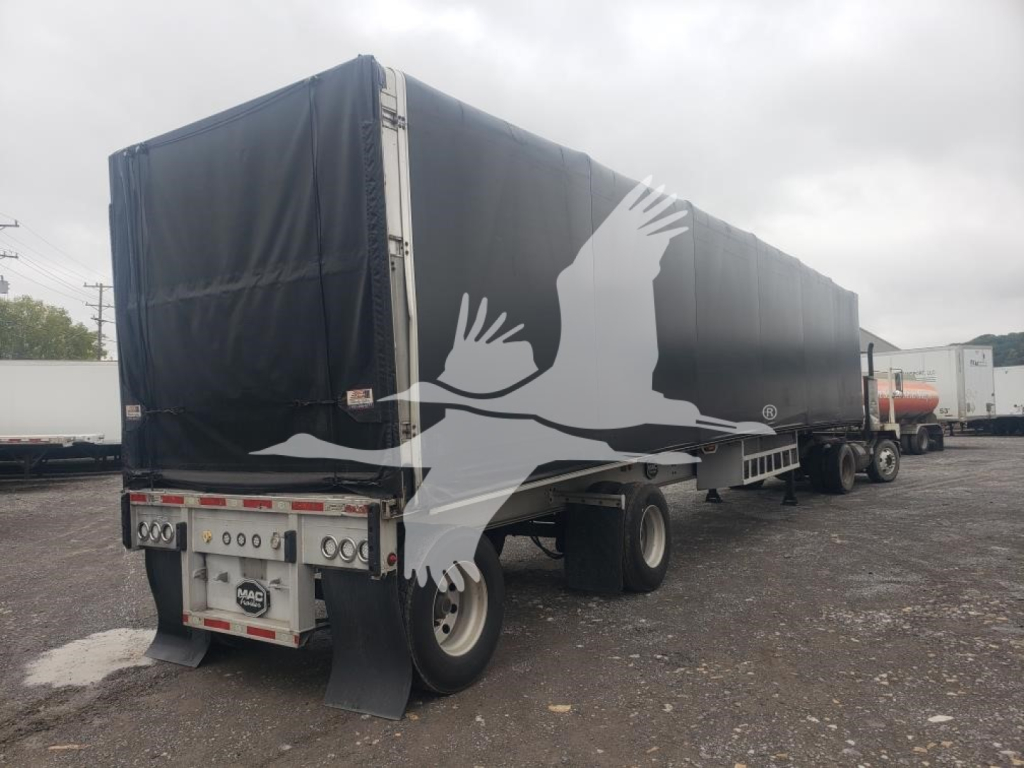
Have used mac curtainside trailer to sell? List it here to reach thousands of buyers.
Used Mac Curtainside Trailers in Pennsylvania
A lot of buyers start with the structure and dimensions. Common configurations in this category include 48-foot by 102-inch trailers with aluminum floors, aluminum bulkheads, aluminum side rails, and a 72,000-pound beam rating. Features like 16-inch crossmember spacing, kingpin settings around 30 inches, and dual-purpose securement layouts matter because they affect both payload capability and how easily the trailer fits your freight mix. If you haul coils, pipe, crated freight, or dense palletized loads, details such as coil packages, stub crossmembers, pipe spools, chain racks, tiedown hooks, and nailing strips are worth checking closely.
On used Mac curtainsides, the tarp system deserves as much attention as the running gear. Many units use a Fast Track Conestoga-style system with rear roll operation and about 96 inches of inside height. Buyers should look at tarp condition, frame alignment, roller and track wear, curtain tension, and how well the system opens and closes under load-site conditions. On the chassis side, tandem axle air ride suspension such as Hendrickson Intraax 30K is common, along with 24.5 low-profile tires, aluminum wheels, Jost two-speed landing gear, and electric dump valve setups. Tire percentages, brake remaining, and suspension condition can make a meaningful difference in reconditioning cost on a used trailer.
For Pennsylvania operations, corrosion exposure, seasonal weather, and bridge-law payload planning all matter. Aluminum construction helps keep tare weight down, but buyers still need to inspect the rear frame, crossmembers, floor condition, side rails, and landing gear mounts for signs of fatigue, damage, or hard forklift use. A good used Mac curtainside should match the way you load, not just the freight you haul. If your operation depends on side loading, frequent tarping, steel securement, or quick turnaround in mixed weather, the right curtainside trailer can give you flatbed versatility with better cargo protection and a more efficient loading routine.
Frequently Asked Questions about Used Mac Curtainside Trailers in Pennsylvania
What is a Mac curtainside trailer typically used for?
A Mac curtainside trailer is typically used for freight that benefits from flatbed-style side loading but still needs protection from weather and road spray. Common applications include lumber, palletized building materials, packaged steel, machinery, bagged products, and other cargo that can be loaded by forklift from the side. Many Mac units in this class are aluminum flatbeds fitted with a Conestoga-style rolling tarp system, which makes them a practical option for fleets that want open-deck access without exposing freight in transit.
What should I inspect first on a used Mac curtainside trailer?
Start with the tarp system, the trailer structure, and the running gear. On the tarp side, inspect the curtain material, bows, rollers, tracks, tension, rear roll function, and signs of impact or binding. On the trailer itself, look closely at the aluminum floor, crossmembers, side rails, bulkhead, kingpin area, rear frame, and landing gear mounts. Then review suspension condition, axle alignment, brake wear, tire tread and age, wheel condition, and any evidence of uneven wear that could point to maintenance issues or prior overloading.
Are Mac curtainside trailers good for steel or dense freight?
They can be, provided the trailer has the right beam rating and securement package for the work. Many buyers look for a 72K beam rating, coil package, stub crossmembers, tiedown hooks, chain racks, and pipe spools when hauling steel, coils, or other dense cargo. The important point is not just gross capacity, but how the trailer is reinforced and how the load can be properly secured. Securement layout and floor integrity matter as much as the headline weight rating.
Why do buyers choose an aluminum Mac curtainside trailer?
Aluminum construction is popular because it helps reduce tare weight while still offering strong payload capability for many applications. A lighter trailer can improve legal payload in weight-sensitive operations and may also offer better corrosion resistance in regions with winter road treatment and wet conditions. That said, aluminum trailers still need careful inspection for cracked welds, floor wear, crossmember damage, and fatigue around high-stress points, especially on older units that have seen heavy forklift traffic or concentrated loads.
What Pennsylvania buyers should consider when shopping used curtainside trailers?
Pennsylvania buyers should pay close attention to weather exposure, corrosion, and route demands. Winter salt, moisture, and mixed road conditions can accelerate wear on brakes, wiring, suspension components, and rear frame areas. It is also smart to compare axle placement, kingpin setting, and overall tare weight against the type of freight and bridge-law requirements you run most often. A trailer that looks similar on paper can perform very differently once it is matched to local loads, customer loading practices, and state-to-state weight compliance.