
Used Mac Curtainside Trailers For Sale
Shop used Mac curtainside trailers, including Conestoga-style aluminum flats with sliding tarp systems, air ride suspensions, and coil packages.
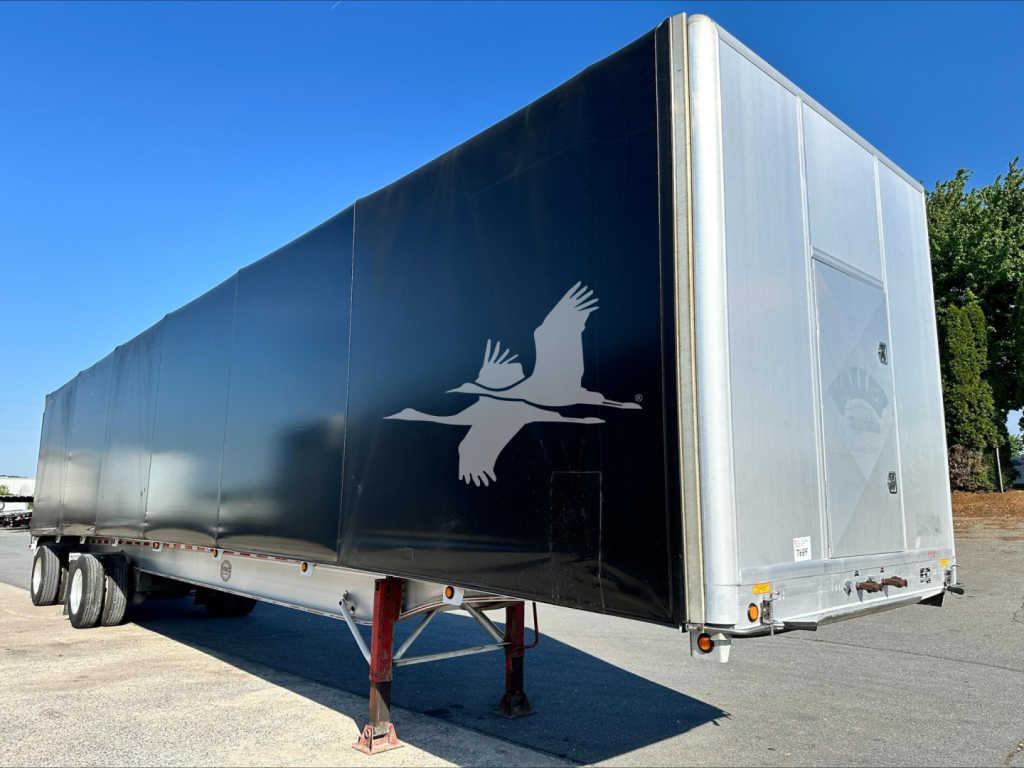
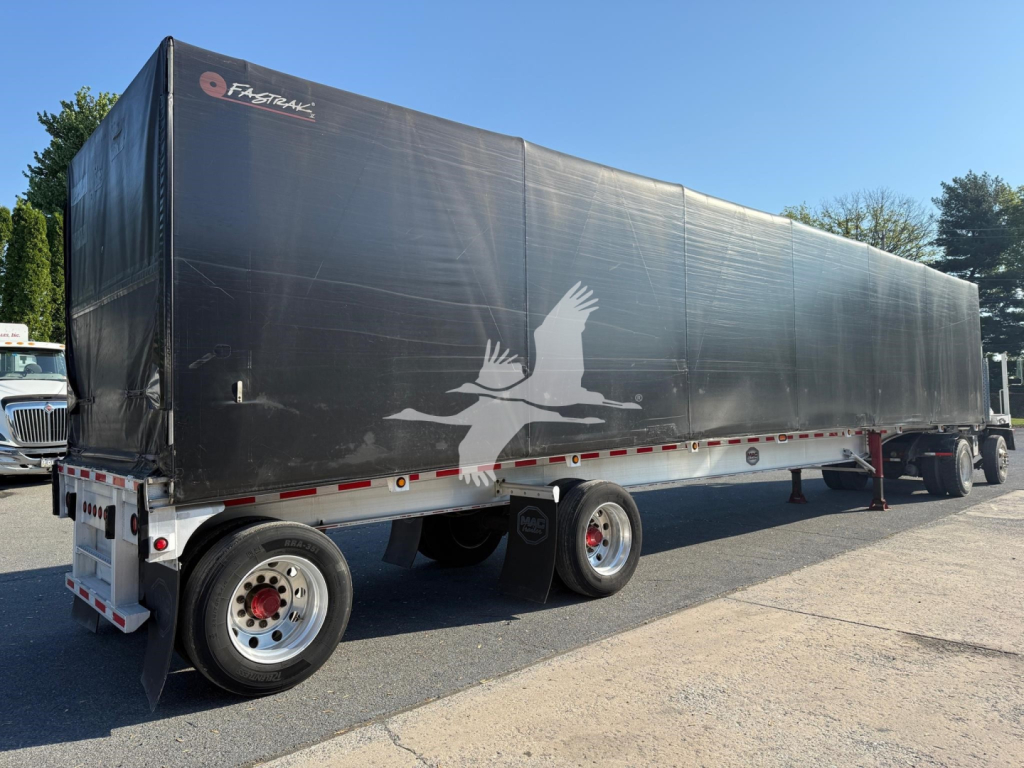
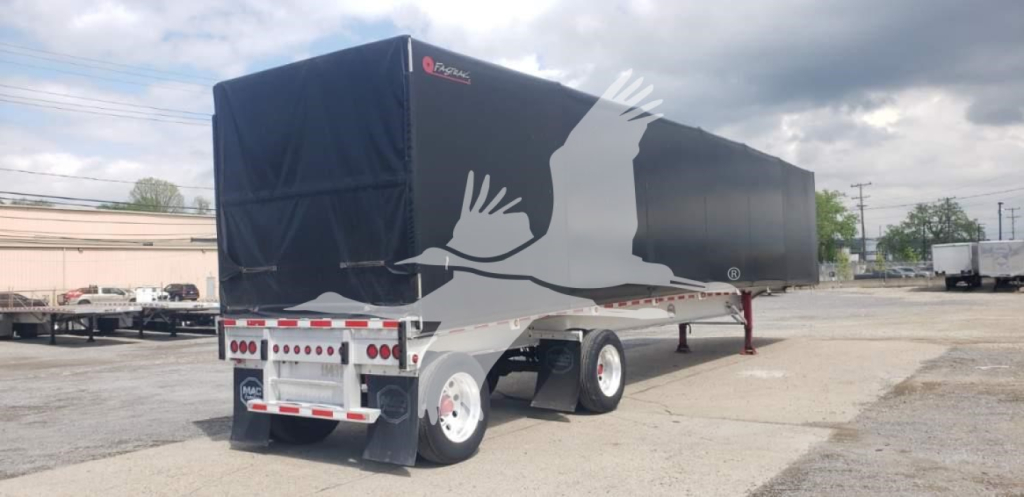
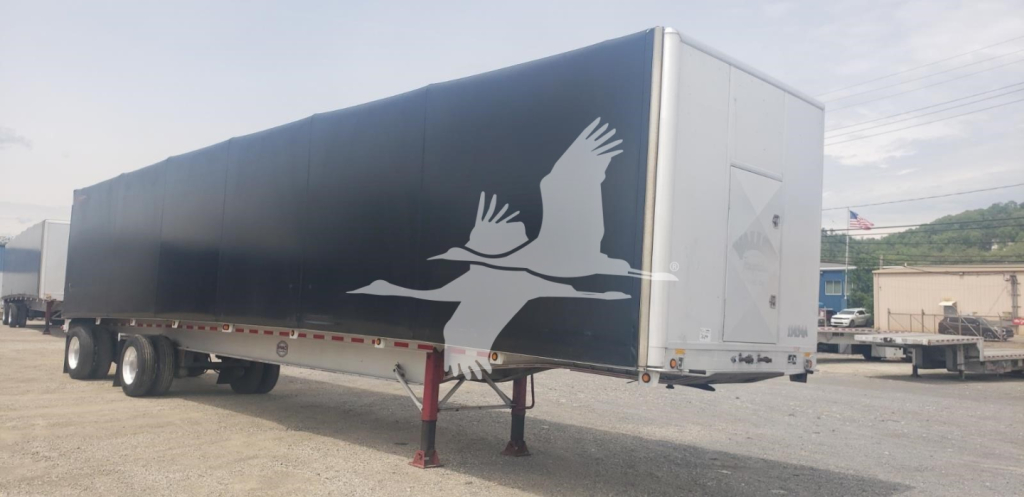
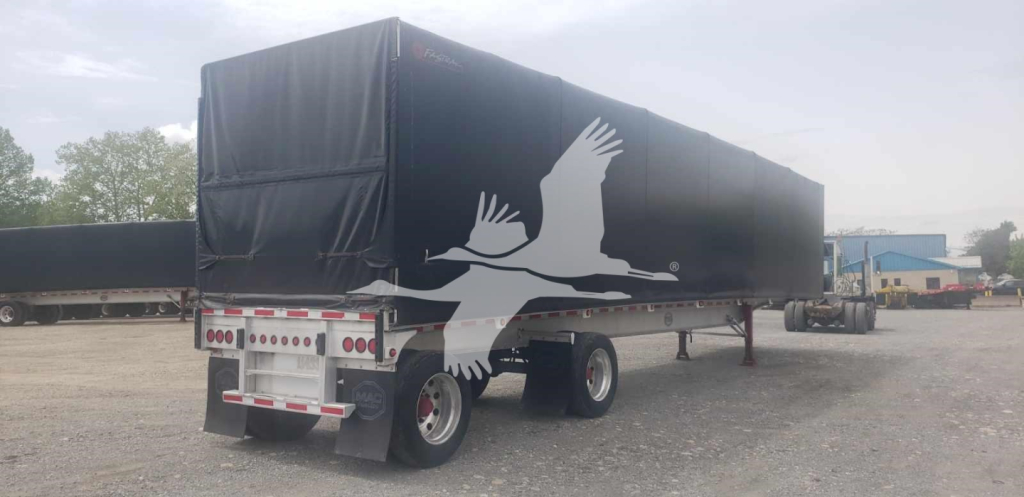
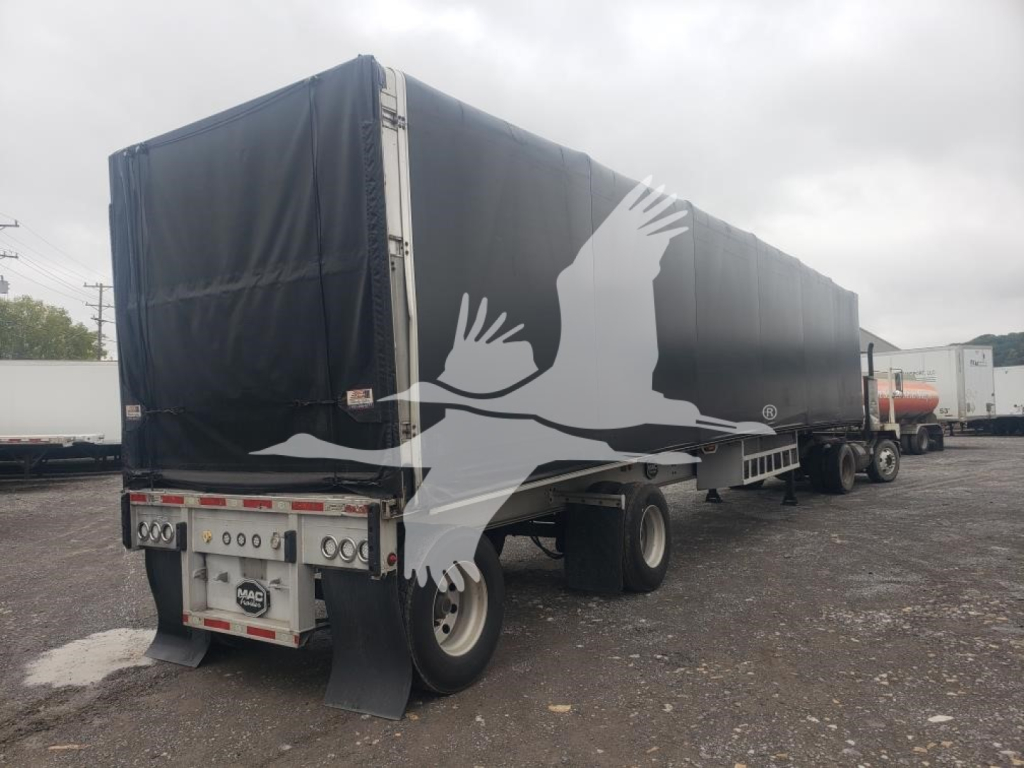
Selling a used mac curtainside trailer? List your used mac curtainside trailer for sale and reach thousands of commercial buyers.
Used Mac Curtainside Trailers
The first buying decision is usually the tarp system itself. On used Mac curtainside trailers, buyers will often see Conestoga-style systems from brands such as Quick Draw, Merlot, or Sure-Trac-type sliding assemblies. Condition matters as much as brand. Check curtain or tarp wear, rear door or rear roll-up function, bow alignment, track condition, and how smoothly the system slides under load and on uneven ground. A good system should open and close without binding, and the frame should show minimal damage from forklift contact or repeated side loading. If the trailer is handling dense freight, features like coil packages, pipe spools, stake pockets, nail strips, sliding winches, and a full roadside winch track add real value because they preserve flatbed-style securement flexibility.
Mac curtainside trailers in the used market are commonly 48 feet long and 102 inches wide with tandem axles, fixed spread or spread-axle layouts, and air ride suspension from makers like Hendrickson. Aluminum floors, aluminum main beams, aluminum rails, and aluminum wheels help keep empty weight down, but buyers should still inspect crossmember spacing, floor condition, bulkhead integrity, and kingpin setting for compatibility with their freight and tractor setup. Bulkheads with man doors, two-speed landing gear, toolbox configuration, tire size, and brake type can all affect daily usability. If your operation loads with forklifts from both sides, pay close attention to side opening clearance and internal height under the tarp kit because those details impact loading speed more than advertised exterior dimensions.
A used Mac curtainside trailer makes the most sense for fleets that want the cargo protection of a van with the loading access and tie-down options of a flatbed. It is not the right fit for every dock operation, and it will not replace a true dry van for loose freight, but for regional building supply, dedicated industrial freight, and customers that require clean, covered delivery with side access, this trailer class is highly efficient. The best used examples tend to be the ones with a straight chassis, a well-maintained sliding tarp system, even tire wear, healthy air ride components, and securement hardware that matches the freight you actually haul.
Frequently Asked Questions about Used Mac Curtainside Trailers
What is a Mac curtainside trailer typically used for?
A Mac curtainside trailer is typically used for freight that needs weather protection but also benefits from side loading or overhead loading access. Common applications include lumber, palletized products, bagged materials, machinery, and industrial freight that would be awkward to load through swing doors at a dock. Many used Mac units in this category are aluminum flatbeds fitted with Conestoga-style sliding tarp systems, so they retain much of the cargo securement flexibility of a traditional flatbed.
How do I inspect a used Conestoga or sliding tarp system on a Mac trailer?
Start with the basic operation of the system. The frame should slide smoothly, the rollers and tracks should not bind, and the bows should remain square when opened and closed. Inspect the tarp fabric for tears, patching, dry rot, and worn attachment points. Check the rear closure, front cap area, and any moving hardware for signs of impact or corrosion. Damage from forklifts and improper side loading is common, so look closely at the frame rails, curtain supports, and top structure before treating the trailer as job-ready.
Are used Mac curtainside trailers usually aluminum?
Many Mac curtainside trailers are aluminum or heavily aluminum-spec'd, especially when they are based on Mac flatbed platforms. Aluminum main beams, decks, side rails, bulkheads, and wheels are common because they reduce tare weight and help preserve payload capacity. Even with an aluminum build, buyers should still inspect for floor fatigue, cracked welds, crossmember damage, and corrosion at mixed-metal connection points because lightweight construction still sees heavy-duty use in real service.
What specs matter most when comparing used Mac curtainside trailers?
The most important specs usually include trailer length, axle configuration, suspension type, tarp system brand and condition, inside clearance, kingpin setting, and the securement package. For many operators, coil package availability, sliding winches, winch track location, stake pockets, pipe spools, and bulkhead design matter as much as the base chassis. Tire size, brake condition, spread setting, and crossmember spacing also affect operating cost and load compatibility, especially if the trailer is moving dense freight or making frequent forklift-loaded deliveries.
Is a Mac curtainside trailer better than a dry van for covered freight?
It depends on the freight and how it is loaded. A Mac curtainside trailer is usually better when cargo needs side access, overhead crane loading, or flatbed-style tie-down points along with weather protection. A dry van is usually better for dock freight, loose freight, and operations that prioritize sealed cargo space over loading flexibility. For shippers handling building products, industrial materials, or dedicated palletized freight that cannot be exposed to the weather, a curtainside setup often delivers a strong balance of protection and access.