
Mac Curtainside Trailers For Sale
Shop Mac curtainside trailers with Conestoga-style tarp systems, aluminum construction, air ride suspensions, and 48x102 specs.
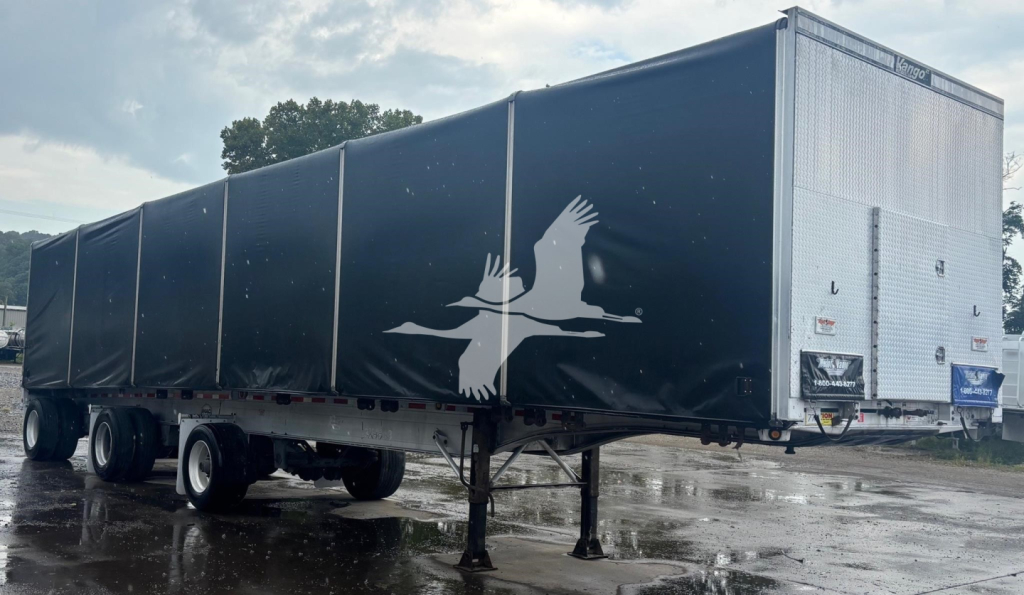
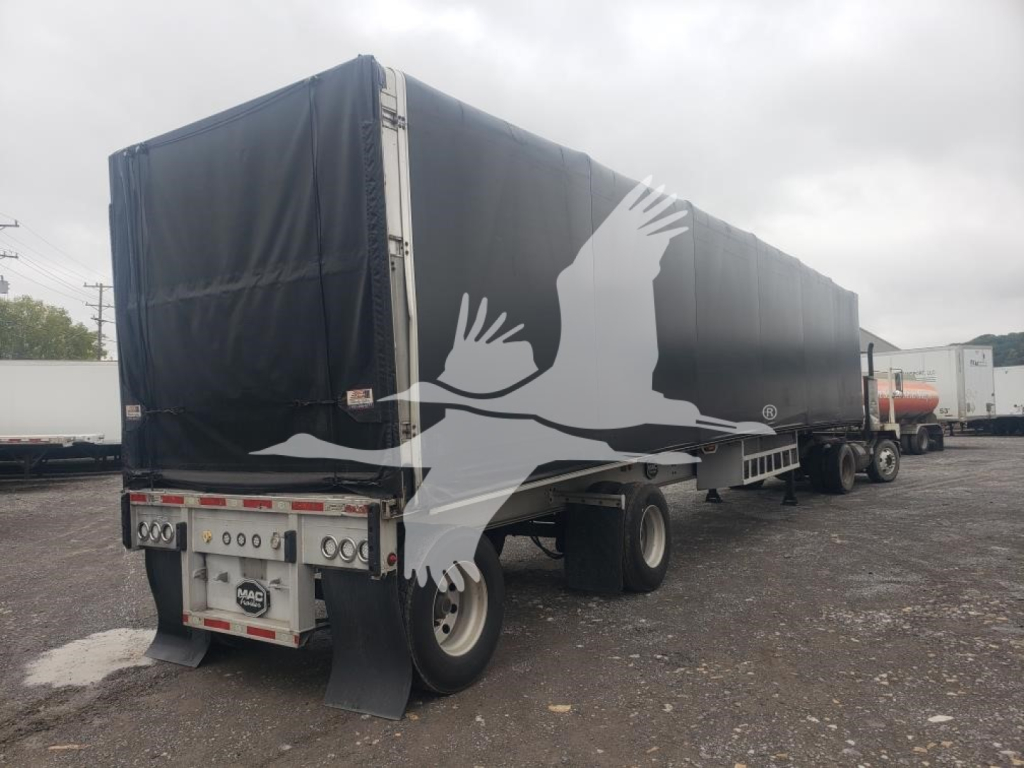
Selling a mac curtainside trailer? List your mac curtainside trailer for sale and reach thousands of commercial buyers.
Mac Curtainside Trailers
A lot of the buying decision comes down to deck and curtain system details. Common specs in this class include 48-foot length, 102-inch width, tandem axles, and air ride suspension, often with a spread axle configuration. Aluminum floors, aluminum side rails, and aluminum crossmember structures help keep empty weight down without giving up everyday durability. On freight that requires frequent tarping, a Quick Draw, Merlot, or similar retractable tarp system can save labor and reduce cargo claims compared with manual tarps. Buyers should also pay attention to bulkhead design, man doors, rear roll-up access, coil package equipment, winch track location, sliding winch count, and crossmember spacing if the trailer will see concentrated loads.
Mac units in this category are commonly spec'd for securement-intensive work. Features such as double pipe spools, roadside winch tracks, nailing strips, chain storage, toolboxes, and bulkheads with integrated access doors matter more in daily use than they do on paper. Tire size, brake type, and suspension brand also deserve a close look because they affect operating cost and service support. Hendrickson air ride suspensions are common in the market, and buyers comparing used trailers should check tire wear patterns, brake lining percentage, tarp condition, bow alignment, roller operation, and any signs of side impact damage around the frame, side rail, or rear structure.
The main advantage of a Mac curtainside trailer is versatility. It can cover freight that a standard flatbed handles, but with faster weather protection and less exposure to tarp damage, loose straps, and loading delays. For operations moving packaged steel, finished products, lumber, or industrial cargo where dock access is limited, this trailer class can improve turnaround without giving up open-deck loading options. The right spec usually depends on freight density, loading method, and how often the tarp system will cycle each week, so buyers should match trailer weight, securement layout, axle setting, and tarp brand support to the lane and customer base they run most often.
Frequently Asked Questions about Mac Curtainside Trailers
What is the difference between a Mac curtainside trailer and a standard flatbed?
Most Mac curtainside listings in this segment are flatbed-style trailers equipped with a rolling tarp enclosure, often called a Conestoga-style system. A standard flatbed leaves the cargo fully exposed and requires manual tarping when weather protection is needed. A curtainside or rolling tarp setup keeps side and overhead loading access while giving the load much faster coverage. That can reduce loading time, labor, and cargo exposure on freight that cannot ride open.
What freight is a Mac curtainside trailer best suited for?
These trailers are commonly used for palletized building materials, machinery, packaged steel, finished industrial products, and other freight that benefits from weather protection but still needs open-deck loading. They are especially useful when customers load from the side with a forklift or from above with a crane. Freight that requires frequent tarping, has awkward dimensions, or is vulnerable to water intrusion is often a strong match for this trailer type.
What specs matter most when buying a used Mac curtainside trailer?
The most important specs usually include overall length and width, axle configuration, suspension type, floor material, kingpin setting, crossmember spacing, and the tarp system brand and condition. Buyers should also review securement equipment such as winch tracks, sliding winches, pipe spools, bulkheads, nailing strips, and coil package features. On a used trailer, the operating condition of the tarp rollers, bows, rear closure, brakes, tires, and suspension components is just as important as the basic build sheet.
Are Mac curtainside trailers typically aluminum?
Many Mac trailers in this category use aluminum for the floor, side rails, and structural components because aluminum helps reduce tare weight and can improve payload capacity. That lighter construction is attractive for fleets hauling higher-cube or weight-sensitive freight. The exact composition still varies by build, so buyers should confirm floor type, crossmember design, bulkhead construction, and any steel reinforcements in high-stress areas before making a final comparison.
Is a Conestoga-style tarp system expensive to maintain?
Maintenance costs are usually higher than a plain flatbed because the tarp system adds moving parts, rollers, bows, tracks, and fabric that all wear over time. Even so, many fleets accept that tradeoff because the system cuts manual tarping time and can help prevent cargo damage claims. The key is to inspect tarp fabric condition, frame alignment, latch operation, rear closure function, and parts availability for the specific tarp brand, since those factors have a direct impact on long-term operating cost.