
Mac Curtainside Trailers For Sale in Pennsylvania
Browse Mac curtainside trailers with common specs, tarp system details, axle setups, and flatbed-style features for protected side loading.
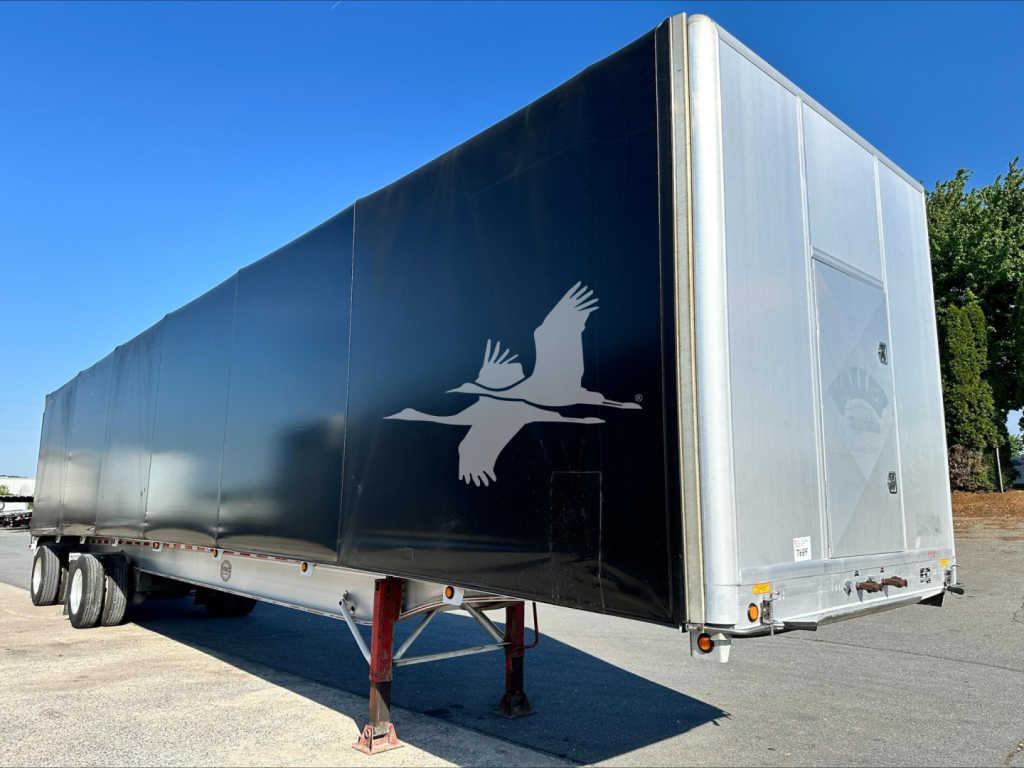
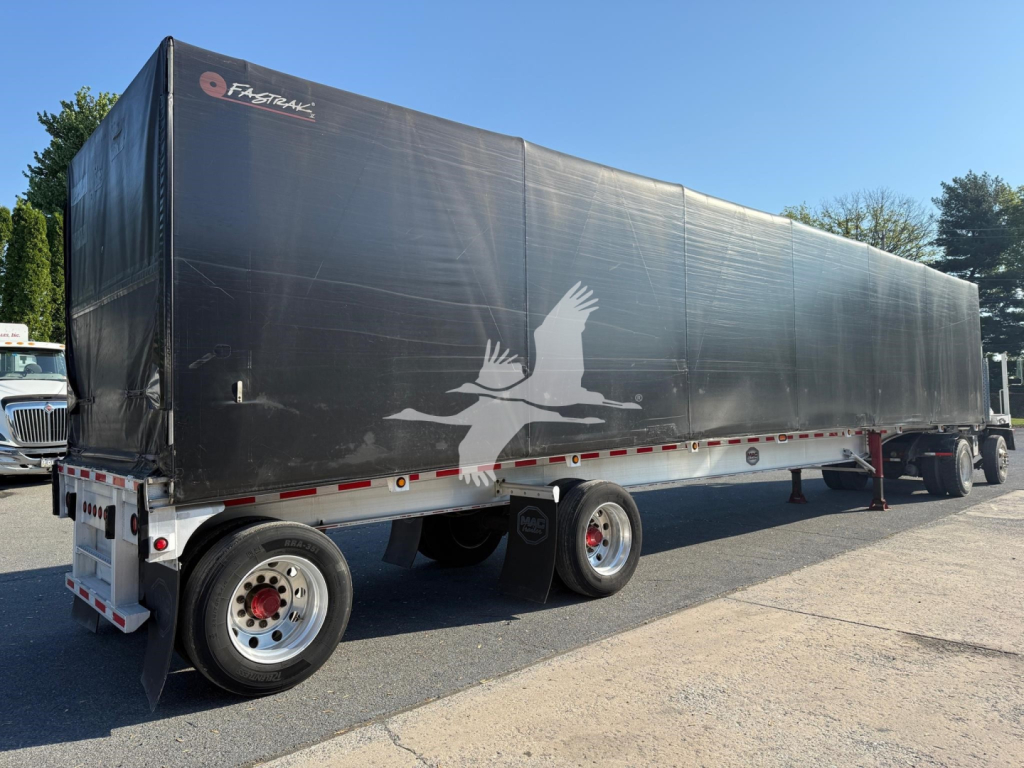
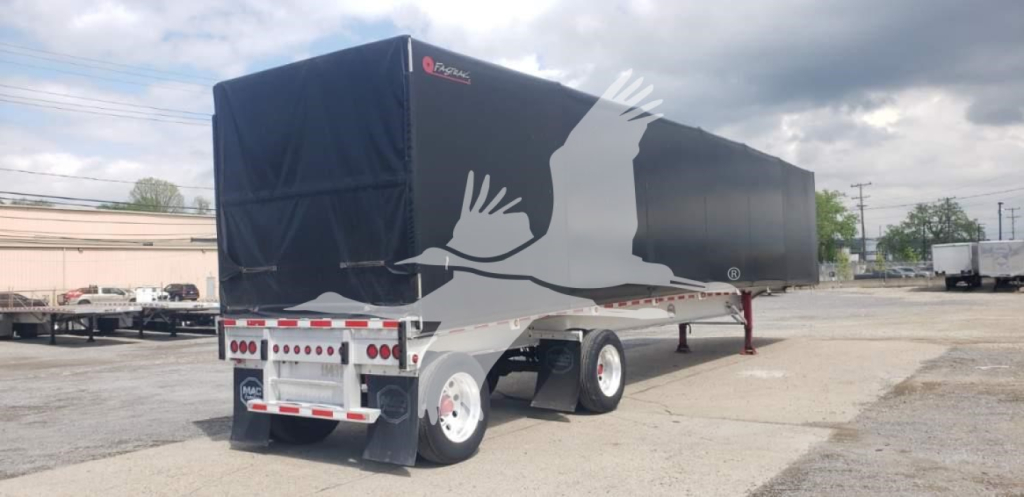
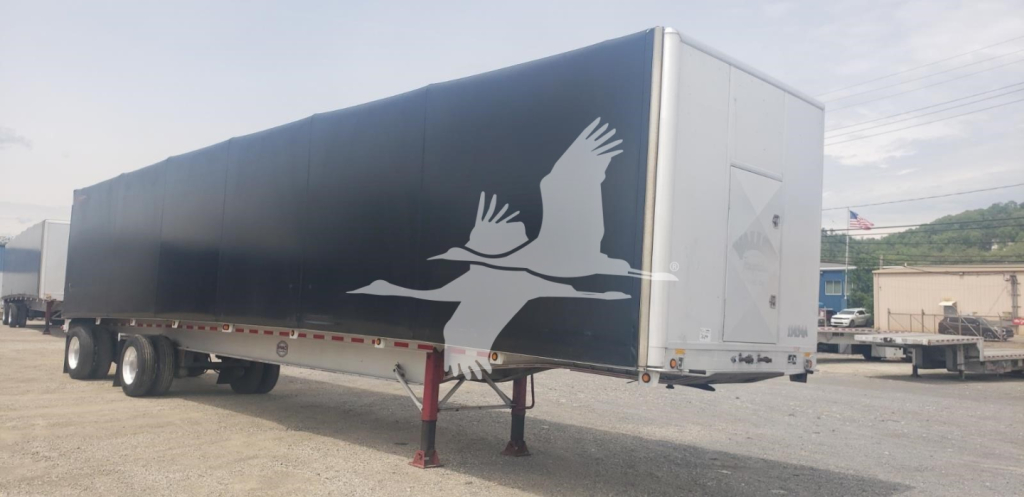
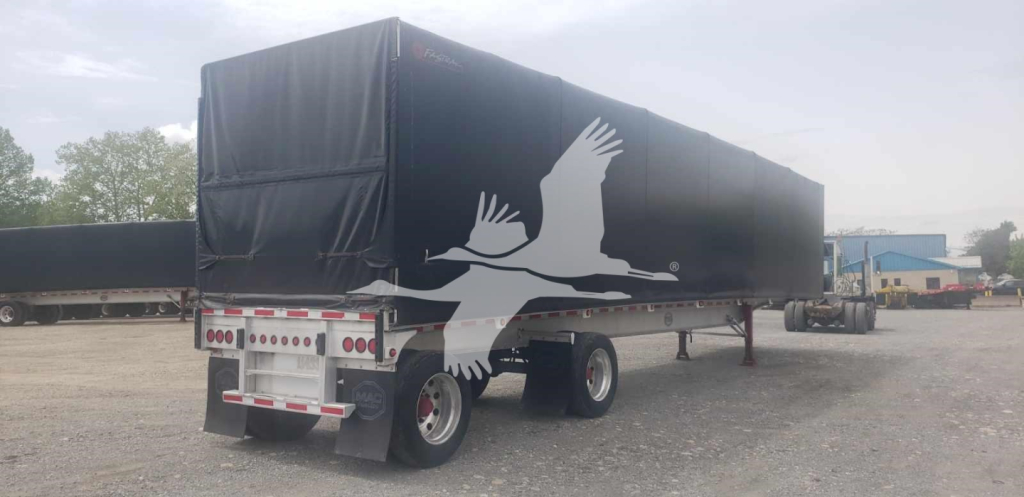
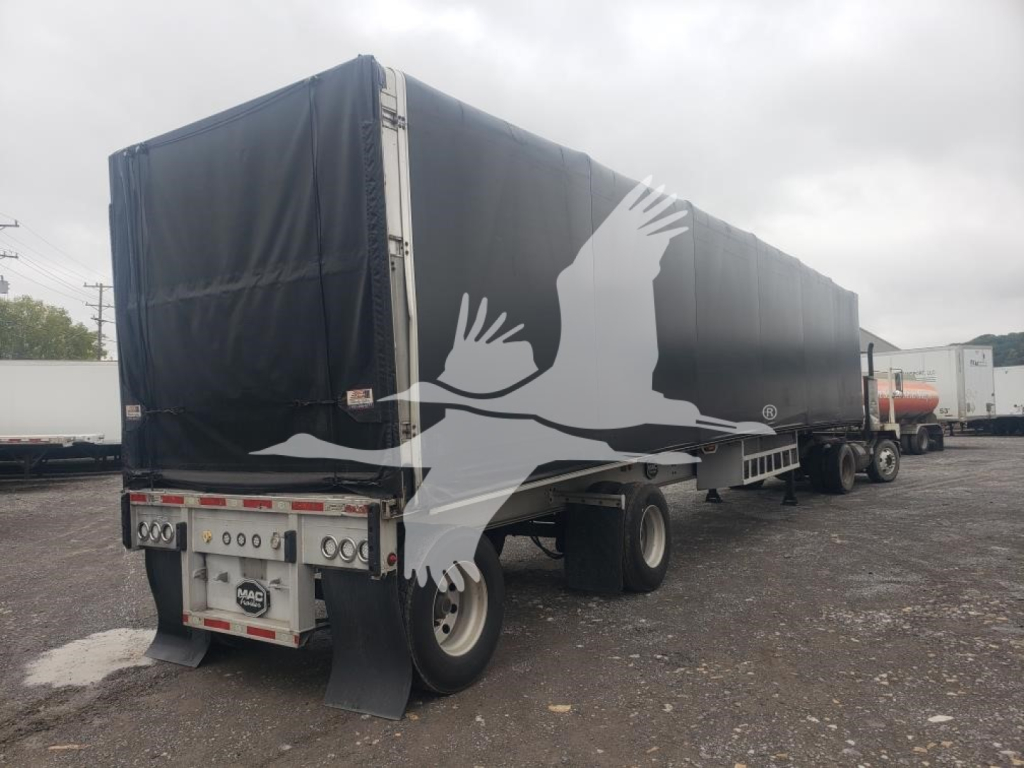
Looking for the easiest place to sell your mac curtainside trailer? List it here to reach thousands of buyers.
Mac Curtainside Trailers in Pennsylvania
A close look at the deck and understructure matters as much as the curtain system itself. Common specs in this class include 48-foot length, 102-inch width, aluminum floors, aluminum side rails, aluminum front and rear members, and bulkheads with man doors. Buyers should also check for practical freight-handling features such as nailing strips, winch tracks, sliding winches, pipe spools, chain storage, toolboxes, and coil packages. Crossmember spacing, kingpin setting, and landing gear configuration affect durability, bridge law flexibility, and day-to-day hookup performance. On Pennsylvania lanes, where mixed freight and regional turns are common, those details can make a real difference in loading speed and long-term maintenance.
The tarp or curtain system deserves careful inspection because it drives both uptime and operating cost. Conestoga and similar retractable systems should be checked for bow alignment, track wear, roller condition, rear curtain operation, water intrusion points, and overall tarp fabric condition. Brand-specific systems such as Merlot or Quick Draw can vary in parts support, operating feel, and repair cost, so buyers should compare not just curtain appearance but the frame, latch hardware, rear closure, and ease of operation when the trailer is loaded on uneven ground. If the trailer has been used in steel or dense freight service, inspect the bulkhead, floor condition, securement points, and signs of concentrated load stress.
Suspension and running gear still make or break total ownership cost. Many Mac curtainside trailers in this class are tandem axle units with air ride suspension, often on Hendrickson components, with standard 11R22.5 or 11R24.5 tires. Tire condition, brake type and remaining life, axle spacing, wheel specification, and mud flap bracket placement all deserve attention before purchase. A curtainside trailer can cover a broad freight mix, but the best unit for your operation depends on how often the curtain will cycle, what forklifts are loading it, how much deck abuse your freight causes, and whether low tare weight or heavier-duty structure is the bigger priority.
Frequently Asked Questions about Mac Curtainside Trailers in Pennsylvania
What is a Mac curtainside trailer best used for?
A Mac curtainside trailer is best suited for freight that needs side-loading access and weather protection without giving up flatbed-style loading flexibility. Common applications include palletized building materials, packaged products, crated freight, machinery, and freight that is difficult to load through swing doors. The retractable curtain system allows forklifts to load from the side much faster than a dry van, while still protecting cargo from rain, road spray, and debris.
Are Mac curtainside trailers the same as Conestoga trailers?
Not always, but many trailers listed in this category use a Conestoga-style rolling tarp system on a flatbed platform. Buyers often use the terms curtainside, Conestoga, and rolling tarp trailer interchangeably, even though the exact frame and curtain design can vary by trailer and tarp-system brand. The important distinction is whether the trailer has a true retractable side-curtain structure, how it opens, and whether it provides full side access for forklift loading.
What should I inspect first on a used Mac curtainside trailer?
Start with the curtain system, frame alignment, and deck condition. Check tarp fabric for tears, patching, UV wear, and water entry points, then inspect rollers, tracks, bows, latches, and rear curtain operation. After that, review the aluminum floor, bulkhead, side rails, crossmembers, winch track, and securement equipment for fatigue or freight damage. Running gear matters too, so tire condition, brake life, suspension wear, and axle alignment should be part of any serious evaluation.
Is an aluminum Mac curtainside trailer a good choice for payload-sensitive freight?
Yes. Aluminum construction is a major advantage when payload matters because it generally reduces trailer tare weight compared with heavier steel designs. That can be valuable for operations hauling dense but protected freight where every pound of legal payload counts. The tradeoff is that buyers should pay close attention to floor wear, concentrated load areas, and any signs of abuse from forklifts or heavy point loads, especially on trailers that have handled steel or industrial freight.
Which specs matter most when comparing Mac curtainside trailers?
The most important specs are trailer length and width, axle configuration, suspension type, floor construction, bulkhead design, crossmember spacing, kingpin setting, and tarp-system brand and condition. Buyers should also compare securement equipment such as sliding winches, winch tracks, coil packages, pipe spools, and nailing strips. Those details determine how easily the trailer fits your freight mix, how quickly it loads, and how expensive it will be to maintain over time.