
Used Double Drop Expandable Trailers For Sale in Pennsylvania
Used double drop expandable trailers for sale in Pennsylvania. Compare deck length, loaded deck height, axle setup, and hydraulic neck options.
Selling a used double drop expandable trailer? List your used double drop expandable trailer for sale and reach thousands of commercial buyers.
Used Double Drop Expandable Trailers in Pennsylvania
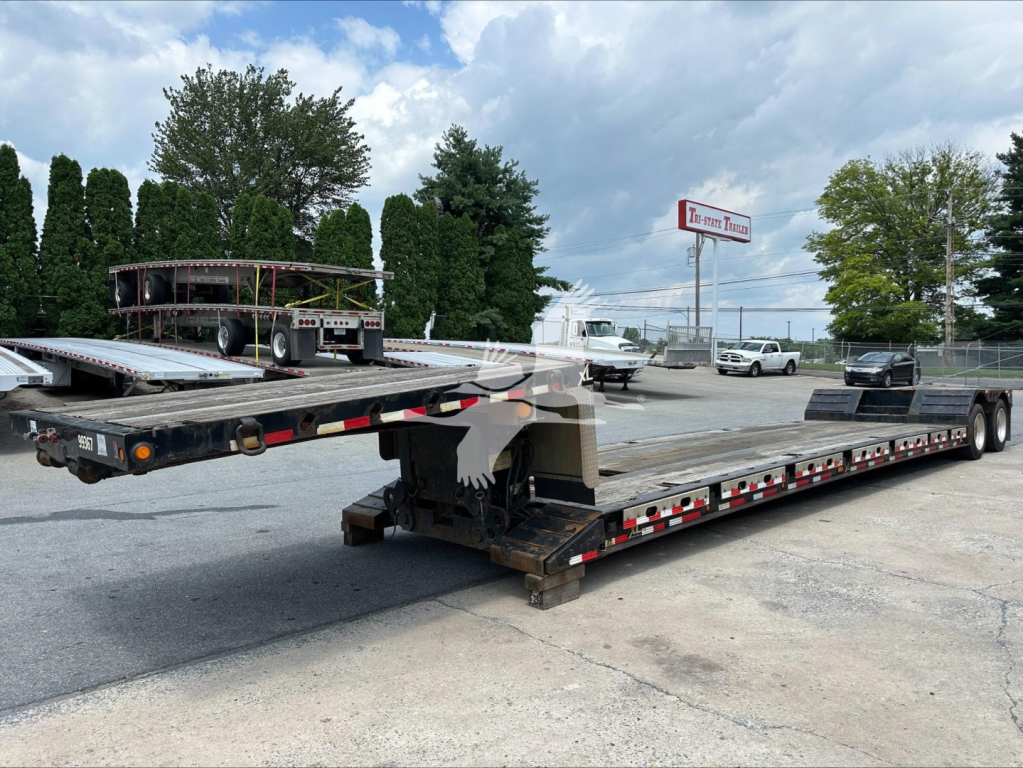
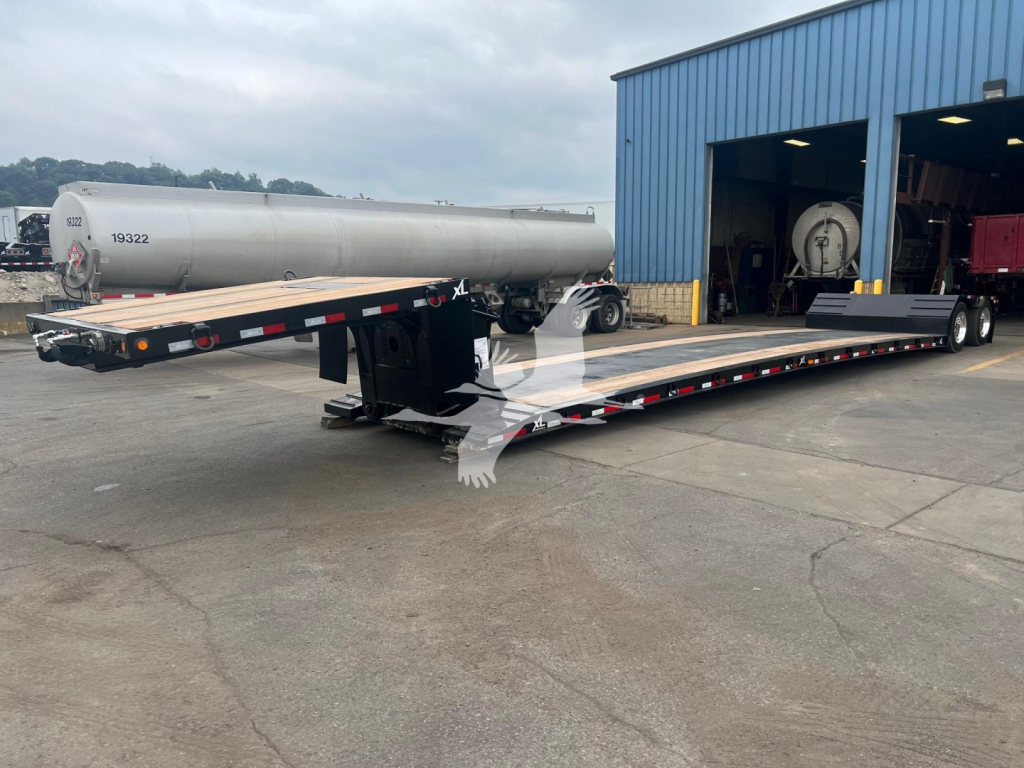
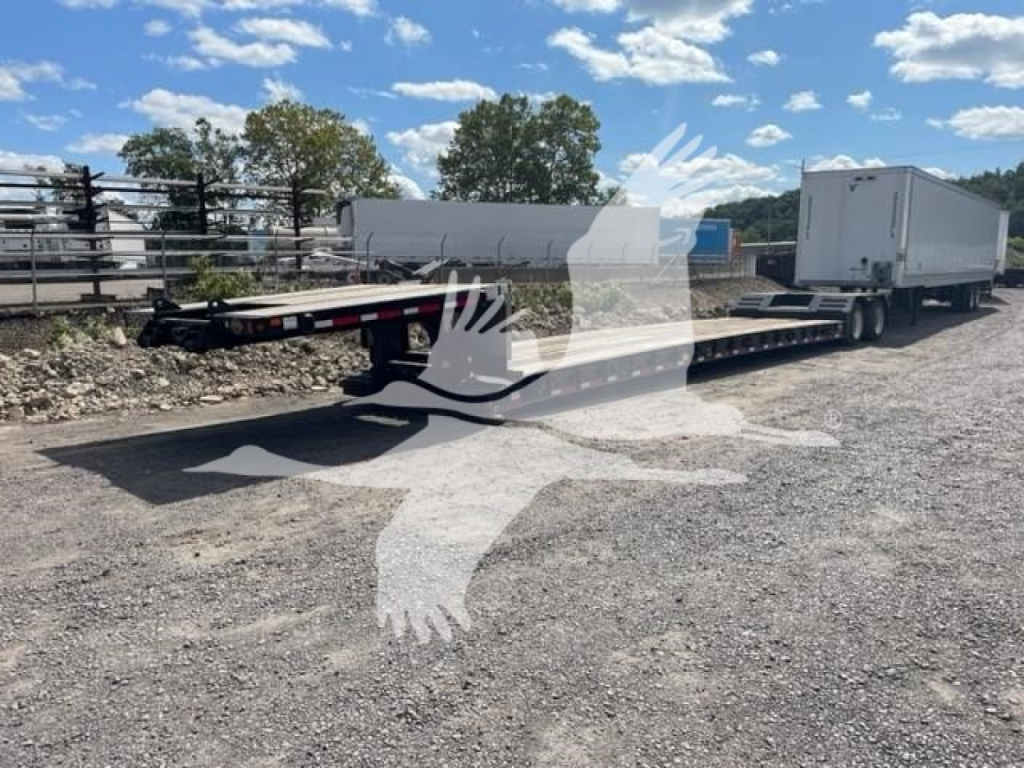
For most buyers, the first decisions are deck height, closed and extended deck length, and neck style. Many used double drop expandable trailers in this class run around 53 feet overall, with a main deck in the low-30-foot range when closed and extension capability out to roughly 60 feet depending on the model. Loaded deck height is often a major advantage, with mini-deck and low-profile configurations getting down near 12 inches, while other double drops may sit closer to 18 to 20 inches. Hydraulic detachable goosenecks are common, including non-ground-bearing designs with pony motors, and they matter if your operation loads self-propelled equipment regularly. Swing clearance, fifth wheel height, kingpin setting, and ride height adjustment range all affect tractor compatibility and loading angle, so those details deserve a close look before purchase.
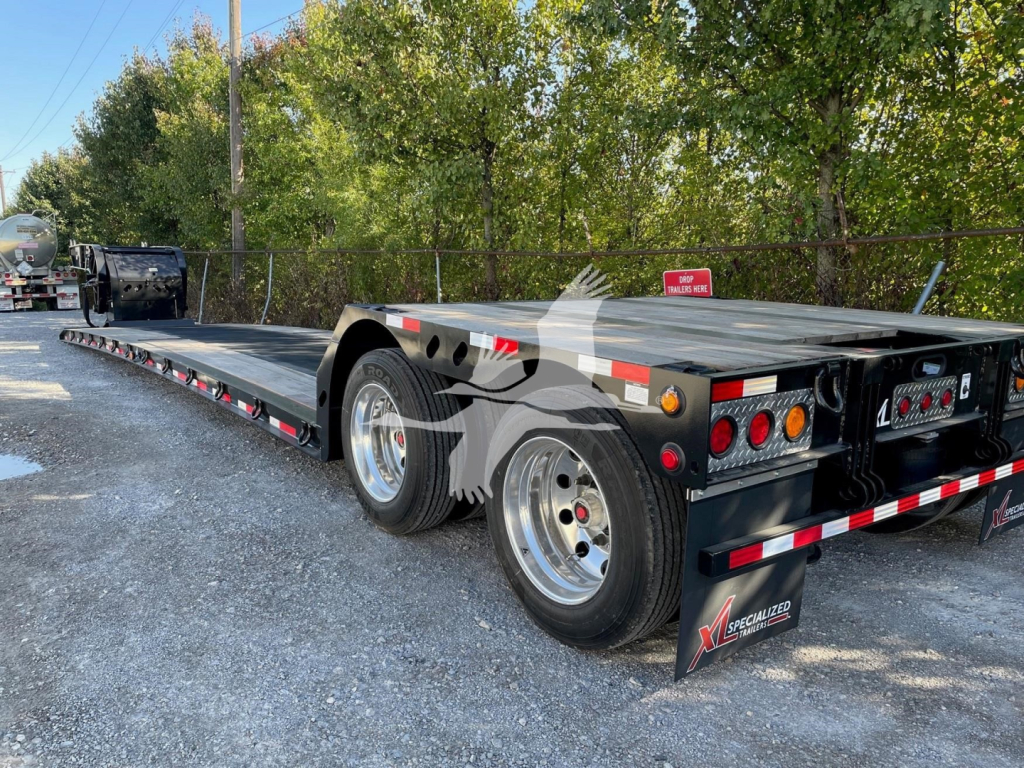
Capacity and structure are just as important as dimensions. In this category, 40-ton ratings are common, and some trailers are spec'd for concentrated loads over a defined section of deck. A buyer should pay attention to axle count, axle spacing, flip axle provisions, air ride suspension, raise-and-lower valves, and brake and tire condition on used units. Structural details like crossmember spacing, steel perimeter beams, apitong flooring, steel decking between main beams, outriggers, D-ring count, and tail channel reinforcement all tell you how the trailer was built and what kinds of cargo securement it supports. If your freight includes tracked machines or concentrated wheel loads, inspect the deck surface, beam condition, neck connection points, and any signs of repairs or fatigue around suspension mounts and extension areas.
Pennsylvania buyers should also think about how the trailer will be permitted and routed across the Northeast. Bridge laws, axle group spacing, and overall loaded length can affect which setup makes the most sense. A used double drop expandable trailer with air ride, adjustable ride height, and rear flip axle connections can give an operation more flexibility across different loads and permit scenarios. Also known as a double drop extendable trailer or expandable low deck trailer, this category fits fleets that need one trailer to cover multiple heavy haul jobs without giving up the low deck advantage that keeps taller freight manageable.
Frequently Asked Questions about Used Double Drop Expandable Trailers in Pennsylvania
What is the main advantage of a double drop expandable trailer over a standard lowboy or flatbed?
A double drop expandable trailer combines two important benefits: lower deck height and adjustable deck length. The double drop well lets tall freight sit lower than it would on a flatbed, which helps control overall loaded height. The expandable main deck lets the trailer handle longer equipment or components without requiring a fixed long trailer for every job. That makes this category useful for fleets that haul a mix of tall and long over-dimensional freight.
What deck dimensions should I compare on a used double drop expandable trailer?
Focus on top deck length, main deck length when closed, clear deck length, rear deck length, and total length when extended. Buyers should also compare loaded deck height and ground clearance because those numbers directly affect legal loaded height and real-world usability on job sites, rail crossings, and uneven pavement. A lower loaded deck can be a major advantage, but only if the trailer still provides enough clearance for the routes and loading conditions you deal with.
Are hydraulic detachable necks worth it on this type of trailer?
For many heavy haul operations, yes. A hydraulic detachable gooseneck makes loading self-propelled machines faster and more practical than using ramps on a fixed-neck trailer. Features such as non-ground-bearing design, pony motor power units, swing clearance, and multiple ride height positions can improve compatibility with different tractors and loading environments. On a used trailer, the neck system should be inspected carefully for cylinder condition, hydraulic leaks, wear at connection points, and proper locking function.
What should I inspect first on a used double drop expandable trailer?
Start with the frame, neck, extension mechanism, suspension, brakes, tires, and deck. Look closely at beam flanges, crossmembers, deck inserts, outriggers, D-ring areas, axle mounts, and the neck hook-up points for cracks, distortion, or welded repairs. Then verify practical wear items such as brake lining life, tire condition, air ride function, raise-and-lower valve operation, lights, and flooring condition. On an expandable trailer, the slide or extension area deserves extra attention because wear or damage there affects both safety and ease of operation.
How do flip axle connections affect buying decisions in this category?
Flip axle connections can add useful flexibility for permit loads by helping distribute weight and adjust axle group configurations. That can matter when hauling heavier equipment or trying to meet axle and bridge requirements on specific state routes. If a used trailer includes rear flip axle provisions, confirm the connection style, compatibility with your existing axle equipment, and any related permit considerations in the states where you run most often.