
Used Double Drop Expandable Trailers For Sale
Used double drop expandable trailers for hauling tall, heavy, and overlength equipment with low deck height, detachable neck options, and payload flexibility.
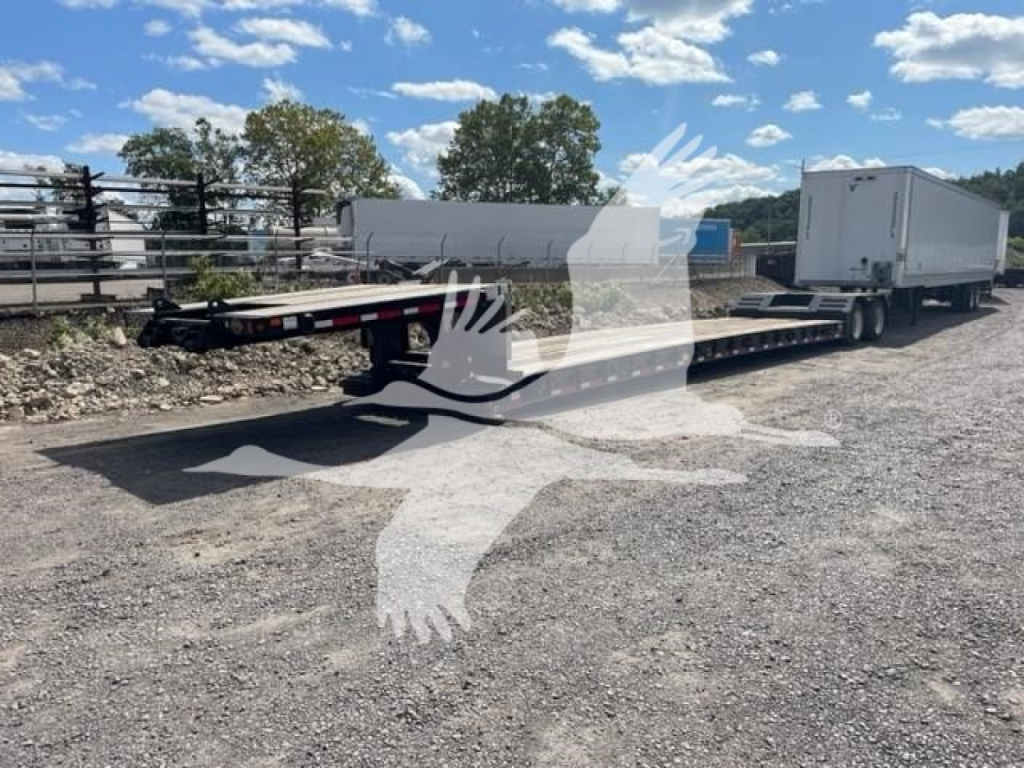
Selling a used double drop expandable trailer? List your used double drop expandable trailer for sale and reach thousands of commercial buyers.
Used Double Drop Expandable Trailers
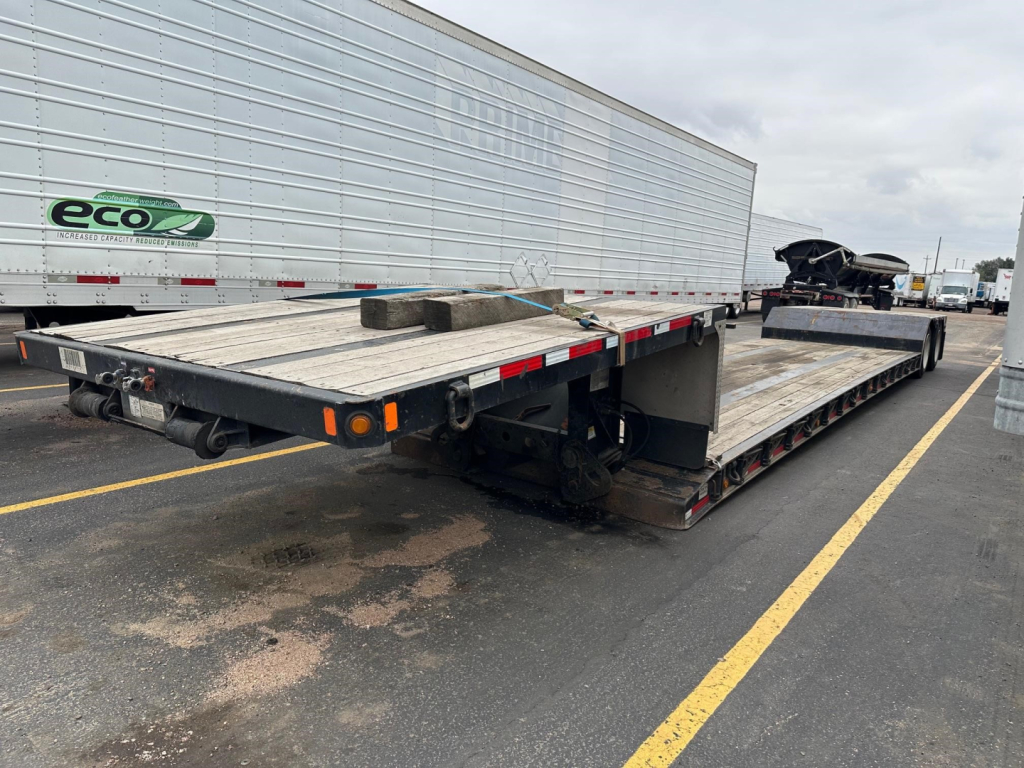
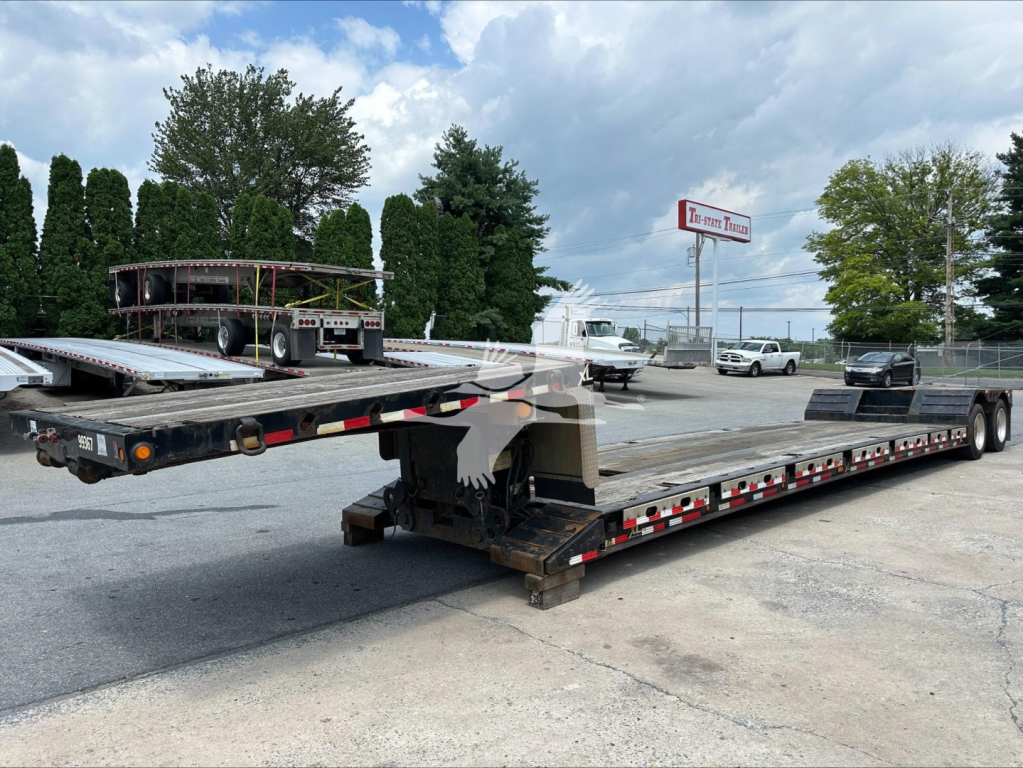
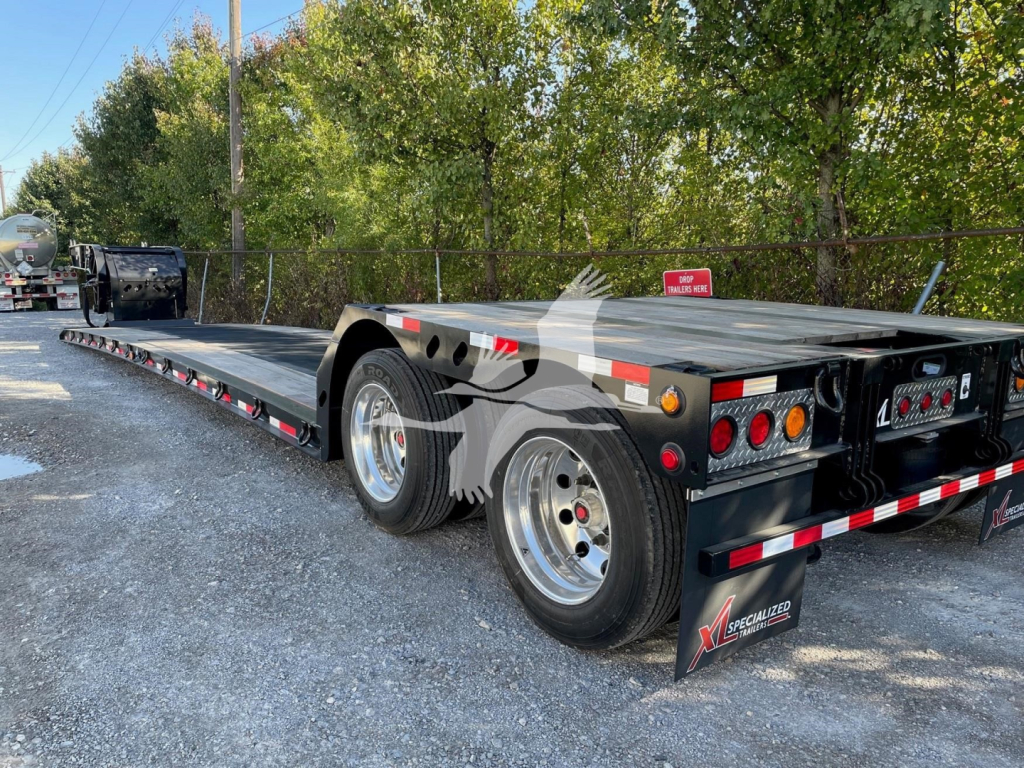
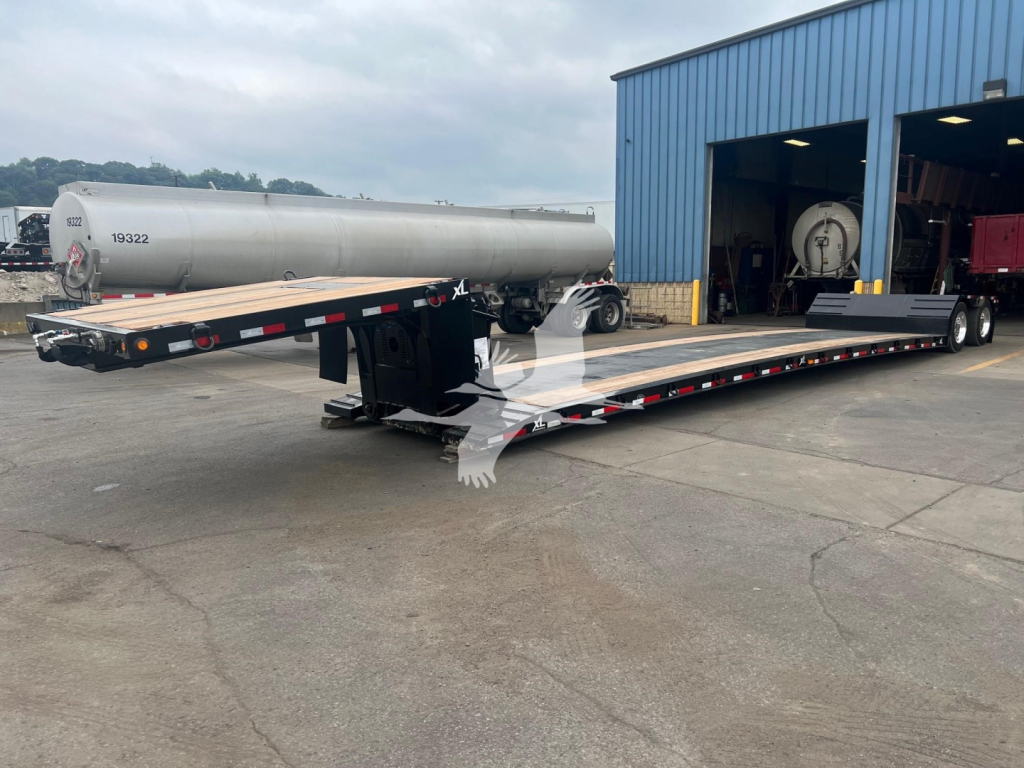
The first specs to compare are closed deck length, extended deck length, loaded deck height, and weight rating. Many used units in this class run 48 to 53 feet closed, with the main deck extending significantly farther depending on design. Main deck height often falls in the low teens up to around 20 inches, and that difference matters when you are chasing every inch of legal clearance. Buyers should also look closely at ground clearance, kingpin setting, axle spacing, and swing clearance, especially if the trailer will be paired with different tractors or used on mixed jobsite and highway routes. Common configurations include tandem axle air ride suspensions, 255/70R22.5 tires, steel perimeter frames, apitong flooring, and detachable goosenecks, including hydraulic non-ground-bearing necks with pony motors.
Application matters because not every double drop expandable is set up the same way. Mini deck and low deck designs are often chosen for taller self-propelled equipment, compact cranes, pavers, loaders, and other machines that benefit from a very low loaded height. Other trailers in this category are better suited for longer freight such as tanks, components, fabricated steel, or agricultural and industrial equipment that needs additional well length. Features like flip axle connections, provisions for a third axle, ride height adjustment, D-ring placement, pull-out outriggers, steel decking between the beams, and rear deck layout all affect how flexible the trailer will be in real service. A trailer rated at 40 tons may fit the job on paper, but deck distribution and concentrated load ratings are just as important as the headline capacity.
On a used trailer, condition inspection should focus on the telescoping section, neck structure, locking mechanism, suspension, brakes, air system, and deck wear. Check for frame repairs, elongation around pin holes, rust in high-stress areas, and signs of uneven extension alignment. Flooring condition matters if the trailer has seen concentrated steel-track traffic. Hydraulic detachable neck models should be checked for cylinder leaks, hose condition, power unit operation, and proper ride height function. If the trailer is intended for permitted freight, confirm the axle group setup, any flip axle compatibility, and the exact dimensions you can scale and permit in your operating states. A good used double drop expandable trailer is not just about maximum length or tonnage. It is about matching deck geometry, neck style, and axle configuration to the freight you actually haul.
Frequently Asked Questions about Used Double Drop Expandable Trailers
What is a double drop expandable trailer used for?
A double drop expandable trailer is used to haul tall and overlength freight that cannot be loaded efficiently on a standard flatbed or fixed-length lowboy. The dropped main deck lowers the cargo height between the neck and rear axles, and the extendable frame adds deck space for long equipment, fabricated materials, or specialized loads. This makes the category popular for machinery, construction equipment, industrial components, tanks, and other freight that challenges both height and length limits.
What should I look at first when comparing used double drop expandable trailers?
Start with main deck height, closed and extended deck length, axle configuration, and load rating. Those four specs determine whether the trailer fits your freight profile and your permitting needs. After that, compare neck style, ground clearance, kingpin setting, swing clearance, D-ring layout, and whether the trailer has flip axle provisions or concentrated load ratings that match your work. On used equipment, the condition of the extension rails, locking points, suspension, and detachable neck system should be reviewed before cosmetic details.
Are all double drop expandable trailers detachable gooseneck models?
No. Many are detachable gooseneck trailers, including hydraulic and mechanical neck designs, but the category can include different loading styles and neck arrangements. Detachable neck models are often preferred for driving or winching equipment onto the deck, while other configurations may be chosen for simpler operation or lower maintenance. The best choice depends on the type of cargo, how often the trailer is loaded on uneven ground, and whether low loading angles or hydraulic neck functions are important in your operation.
How low is the deck on a double drop expandable trailer?
Deck height varies by model, but used double drop expandable trailers commonly have loaded main deck heights from around 12 inches to 20 inches. Lower deck height helps keep tall freight within legal height limits, but it also affects ground clearance and route flexibility. A very low trailer can be ideal for specialized machinery, yet buyers still need enough clearance for railroad crossings, uneven jobsites, and access roads. The usable deck height is not just the published number. It also depends on tire size, suspension setting, and how the trailer sits under load.
Why do flip axle provisions matter on this type of trailer?
Flip axle provisions give a trailer more flexibility for heavier permitted loads by allowing an additional axle group to be added at the rear. That can improve load distribution and help meet bridge and state permitting requirements. Even if a used trailer is currently running as a tandem, rear connections for a flip axle can make it more versatile later. Buyers hauling machinery or dense freight should confirm not only that the trailer has flip axle compatibility, but also how that added axle changes overall length, turning, and permit strategy.