
Used XL Specialized Double Drop Expandable Trailers For Sale in Pennsylvania
Used XL Specialized double drop expandable trailers for heavy haul, oversized equipment, and low deck height applications in Pennsylvania.
Selling a used xl specialized double drop expandable trailer? List your used xl specialized double drop expandable trailer for sale and reach thousands of commercial buyers.
Used XL Specialized Double Drop Expandable Trailers in Pennsylvania
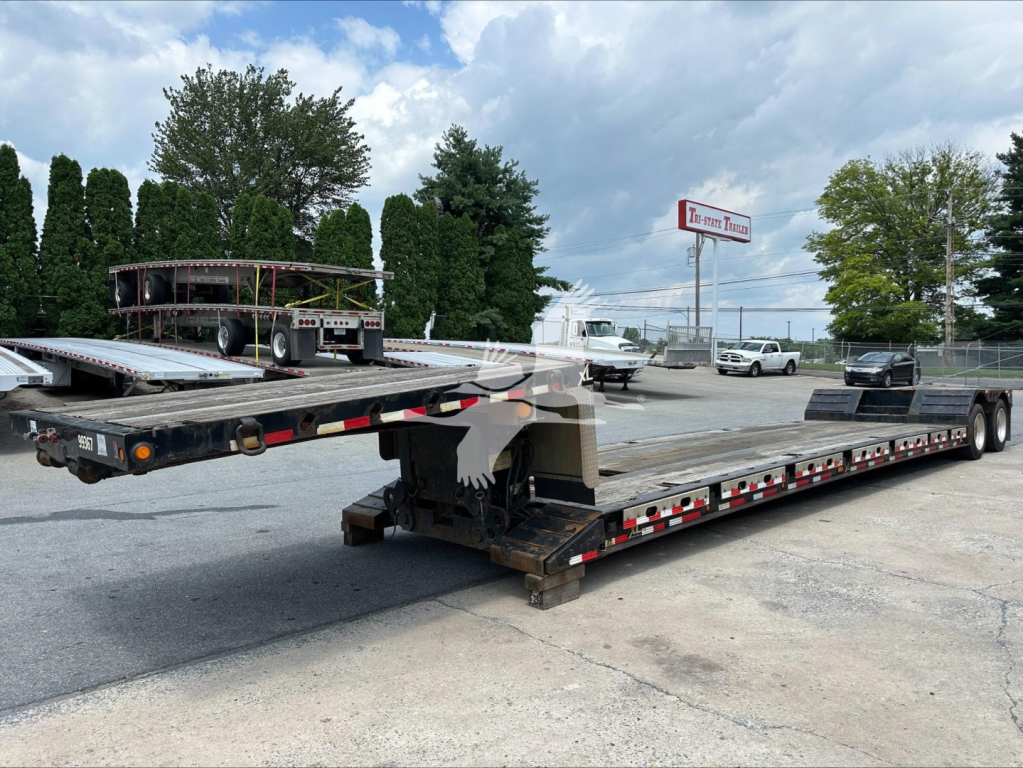
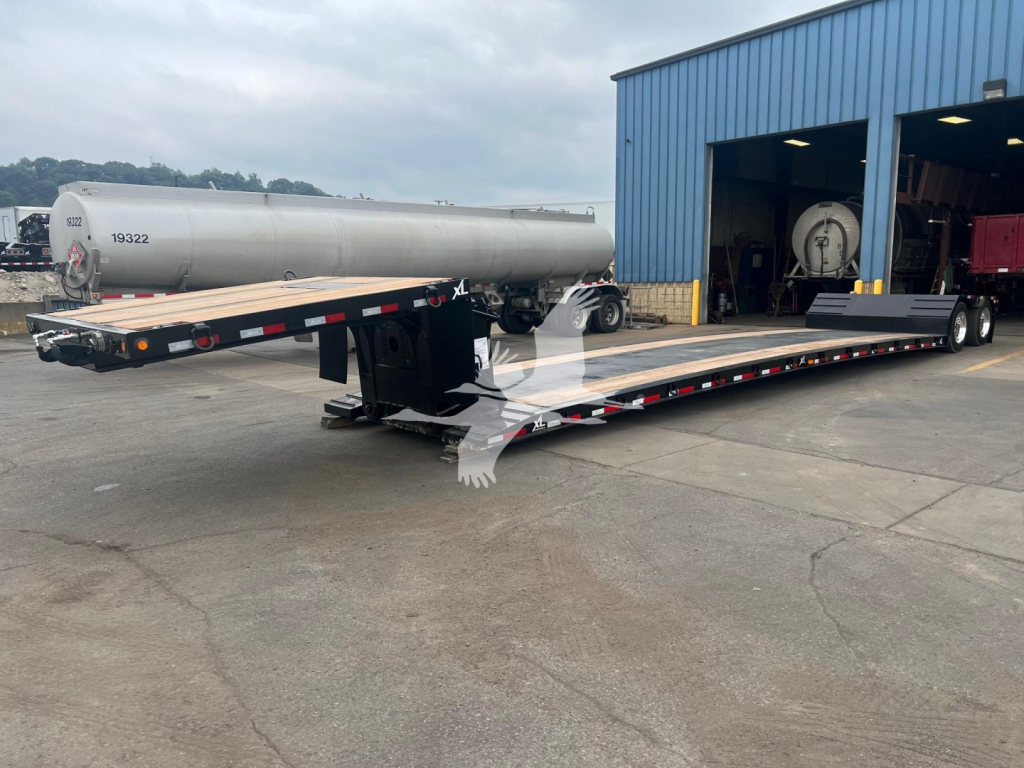
A close look at deck layout matters more than the badge on the trailer. Common specs in this class include overall lengths around 48 to 53 feet, 102-inch width, top decks around 10 to 11 feet, and rear decks near 9 feet. Main deck lengths often fall in the high-20-foot to low-30-foot range before expansion, with loaded deck heights commonly around 12 to 18 inches depending on model and setup. Expandable versions are valuable when the job mix changes, especially for longer tracked equipment, large attachments, or freight that needs extra deck space without moving into a completely different trailer class. Buyers should compare clear deck length, deck height under load, ground clearance, and whether the trailer is rated for distributed weight or concentrated weight in a shorter section.
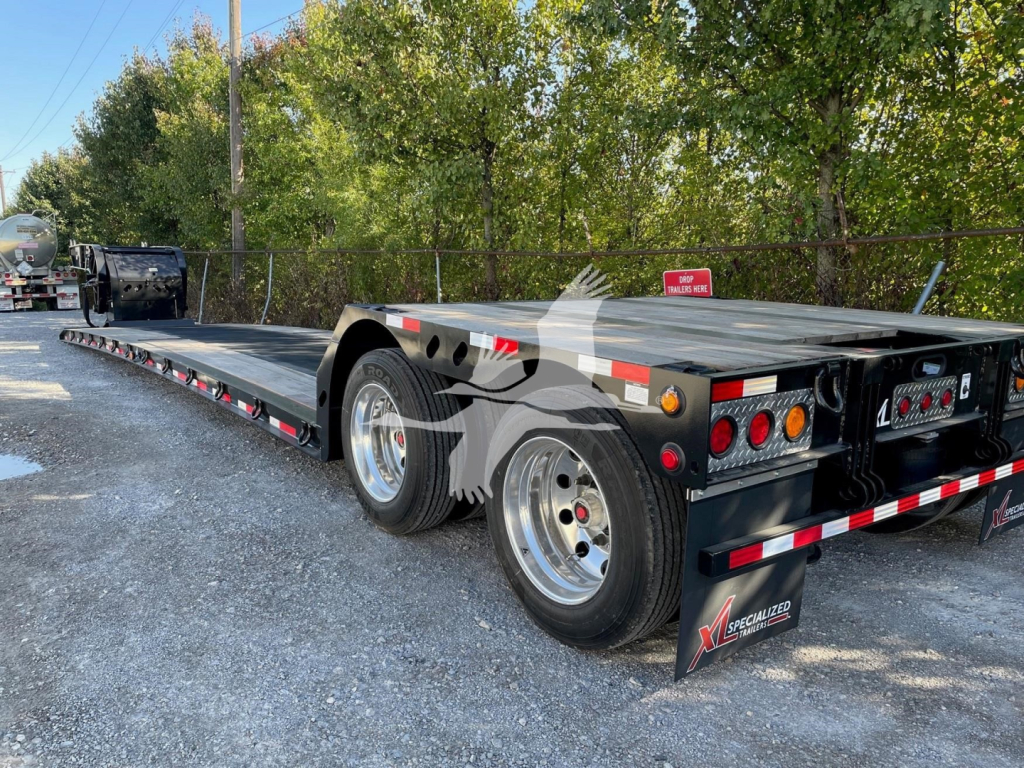
Neck design is a major buying decision on used XL Specialized units. Hydraulic detachable neck models with pony motors speed up loading and unloading and are common for operators moving machines regularly. Mechanical neck versions can be simpler and lighter, but they change the loading routine and may fit some operations better than others. Pay attention to swing clearance, loaded fifth wheel height, kingpin setting, ride height positions, and whether the neck is ground bearing or non-ground bearing. Suspension and running gear details also matter. Many trailers in this category use air ride suspensions, 54-inch axle spacing, 255/70R22.5 tires, and flip axle connections at the rear for added capacity when needed.
On a used trailer, condition details drive value quickly. Check apitong flooring, steel decking between the beams, crossmember spacing, D-ring count and placement, pullout outriggers, rear taper, brake and tire percentages, and signs of frame repair or deck fatigue. In Pennsylvania, buyers should also think about bridge law, permit routes, and how axle group setup matches the loads they expect to move most often. A well-matched used XL Specialized double drop expandable trailer can be a productive heavy haul tool, but the right choice comes down to how the deck dimensions, neck style, and weight distribution line up with your freight profile.
Frequently Asked Questions about Used XL Specialized Double Drop Expandable Trailers in Pennsylvania
What is a double drop expandable trailer used for?
A double drop expandable trailer is used for hauling tall, heavy, or overlength freight that needs a low deck height and more deck flexibility than a standard flatbed or step deck. Common applications include construction equipment, agricultural machinery, industrial components, and specialized oversized loads. The expandable deck is especially useful when load lengths vary from job to job and a fixed-length trailer would be too limiting.
What should I inspect first on a used XL Specialized double drop expandable trailer?
Start with the structural areas that affect safety and payload. Inspect the main beams, neck connection points, crossmembers, deck extension components, axle area, and rear frame for cracks, repairs, or visible distortion. Then check wear items such as apitong flooring, suspension, brakes, tires, hydraulic lines, pony motor operation if equipped, and all securement points including D-rings and outriggers. A trailer can look clean and still have costly structural or hydraulic issues.
Is a hydraulic detachable neck better than a mechanical neck on this type of trailer?
A hydraulic detachable neck is often preferred for frequent equipment loading because it reduces setup time and can simplify loading procedures in the field. Many operators like the convenience of a pony motor and variable ride height positions, especially when moving machines regularly. A mechanical neck can still be a solid choice if simplicity, lower tare weight, or a different maintenance profile fits the operation better. The better option depends on how often the trailer is loaded, the type of equipment being hauled, and shop support.
How important is deck height on a double drop expandable trailer?
Deck height is one of the most important specifications because it directly affects legal loaded height and route flexibility. Even a few inches can change whether a load stays under permit thresholds or requires a different route. Buyers should compare loaded deck height, ground clearance, and rear transition geometry together, because a very low trailer still has to function on rough job sites, uneven approaches, and loading areas with breakover concerns.
What axle and capacity details matter most when comparing used units?
Look beyond the advertised ton rating and study how the trailer carries weight. Distributed capacity, concentrated load ratings, axle count, axle spacing, flip axle compatibility, suspension type, and kingpin setting all affect how the trailer performs in real hauling conditions. These details also influence permitting and bridge compliance. A trailer with the right deck and wrong axle arrangement can be less useful than a lower-rated unit that matches your freight and state requirements more closely.