
Used 2015 Trailers For Sale in Pennsylvania
Browse used 2015 trailers in Pennsylvania, including dry vans and flatbeds, with specs that matter for payload, loading, and regional hauling.
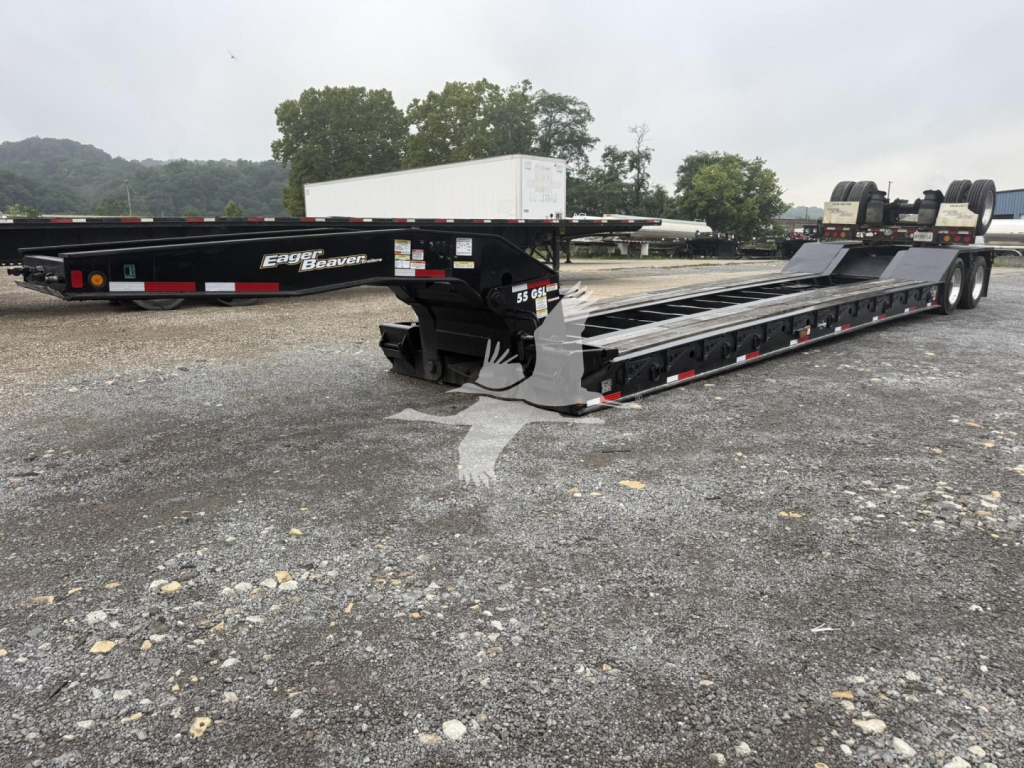
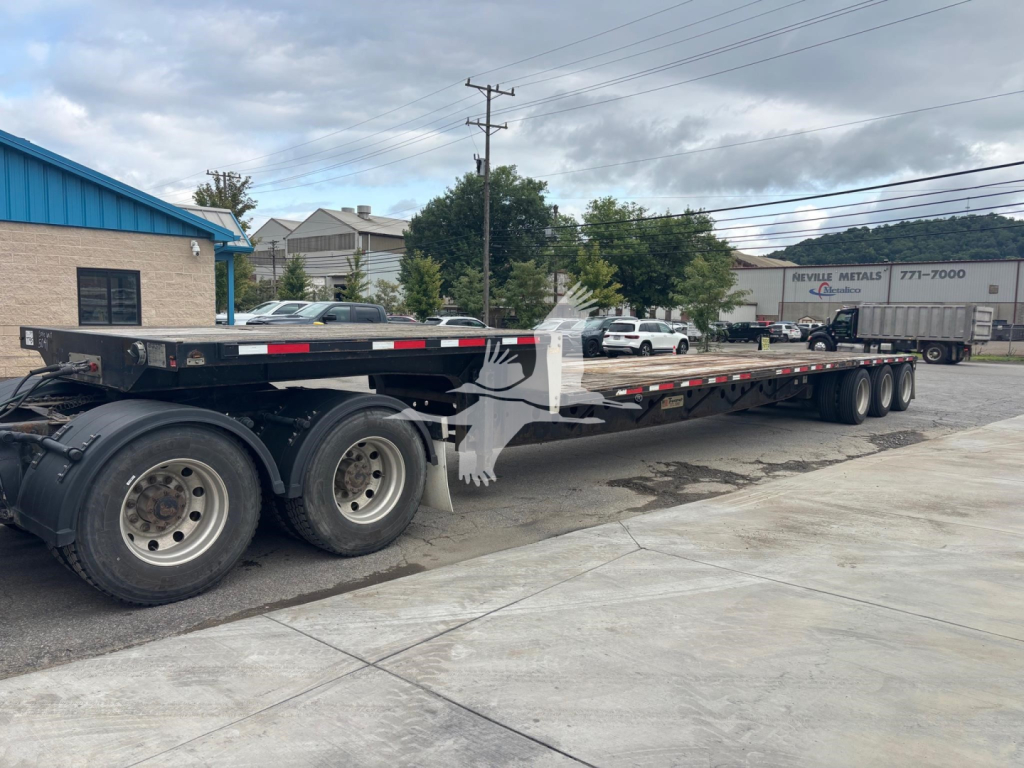
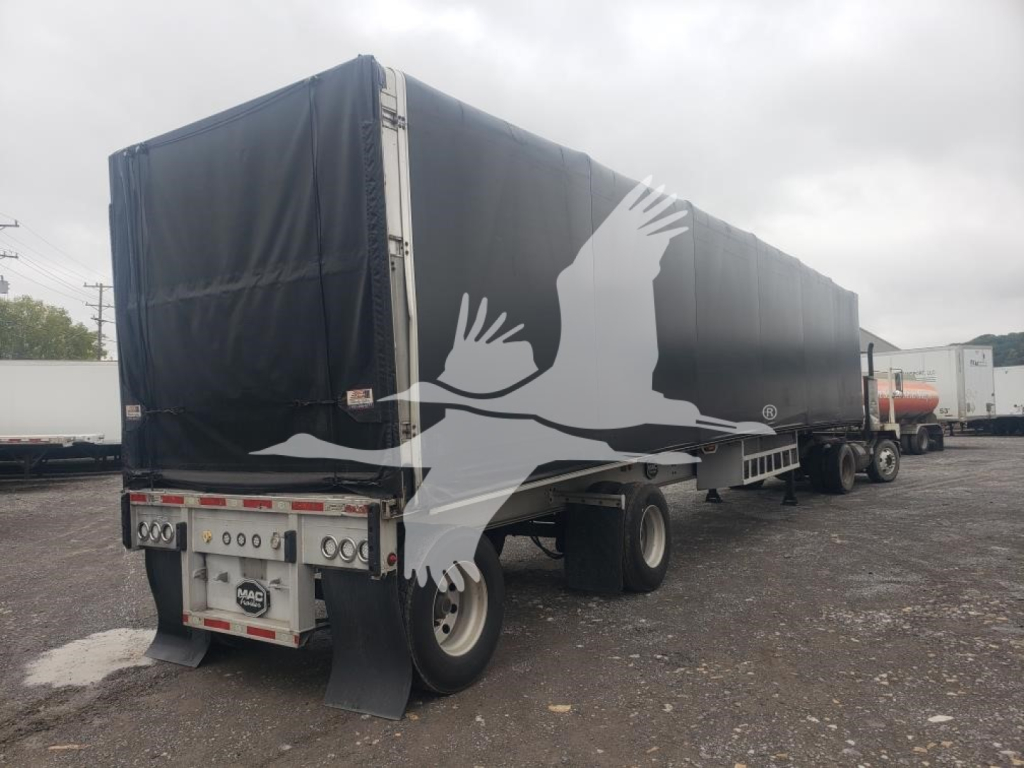
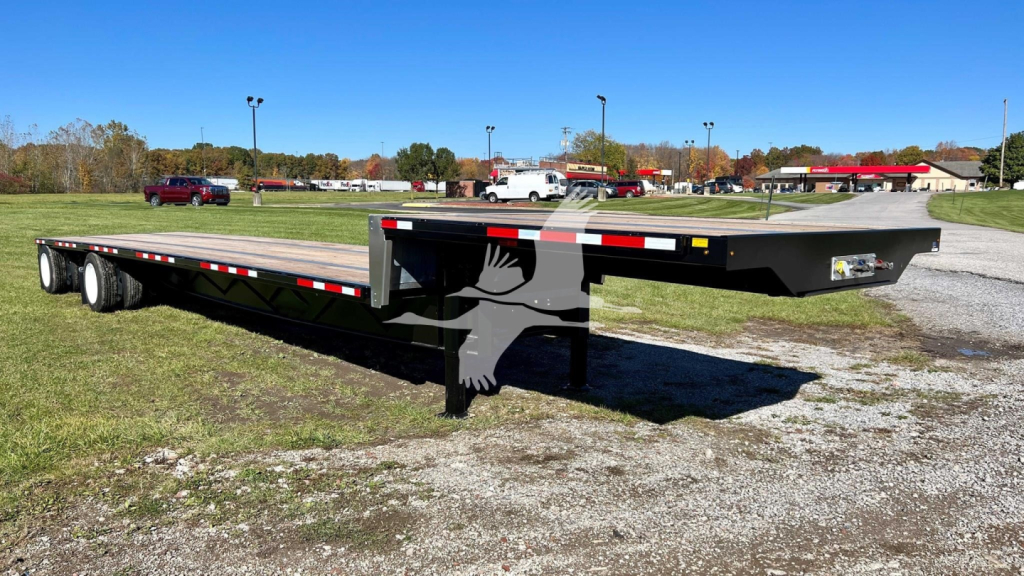
Selling a used 2015 trailer? List your used 2015 trailer for sale and reach thousands of commercial buyers.
Used 2015 Trailers in Pennsylvania
Pennsylvania buyers often need equipment that handles a mix of highway miles, warehouse loading, and seasonal weather. That makes underbody condition, rear frame corrosion, roof integrity, floor wear, and suspension health especially important on a used 2015 trailer. On dry vans, galvanized rear frames, hardwood or laminated oak floors, plate or sheet-and-post wall construction, and air-ride suspensions are common features worth comparing. On flatbeds, aluminum versus steel construction changes tare weight, payload potential, and repair cost. Tire size, wheel type, brake life, and landing gear condition also matter because replacement costs can change the real purchase value of an older trailer quickly.
A 2015 dry van trailer, also known as a van trailer or enclosed freight trailer, is often chosen for palletized freight, retail loads, consumer goods, and dock-to-dock lanes. Buyers should pay close attention to inside width, inside height, door opening dimensions, and kingpin setting, especially if the trailer will be assigned to a dedicated fleet or specific customer dock network. Logistics posts, scuff protection, and roof bow spacing can tell you a lot about how the trailer was spec'd for repeated forklift loading. A 2015 flatbed trailer, also known as an open deck trailer, is more application-driven. Apitong nailing strips, pipe spools, sliding winches, air-ride versus spring ride, and crossmember spacing all affect how well the trailer fits steel, lumber, machinery, or building materials.
The best used 2015 trailer is usually the one with the right spec history, not just the lowest price. A buyer comparing listings should look beyond year and brand to axle rating, suspension brand, tandem setting, floor condition, wheel-end service history, and signs of previous structural repair. In Pennsylvania, where trailers may see heavy freight corridors, rough winters, and mixed urban-rural routes, condition around the rear sill, ICC bumper, tandem slider rails, and landing gear mounts deserves extra scrutiny. A properly matched 2015 trailer can still offer solid service life and lower acquisition cost, especially for fleets that know their freight profile and maintenance standards.
Frequently Asked Questions about Used 2015 Trailers in Pennsylvania
What should I inspect first on a used 2015 trailer?
Start with the frame, suspension, brakes, tires, floor, roof, and rear structure. On a dry van, pay close attention to floor soft spots, sidewall damage, roof leaks, and the condition of the rear frame and door hardware. On a flatbed, inspect crossmembers, side rails, deck wear, winch track condition, and any signs of cracked welds or past structural repair. Corrosion around slider rails, landing gear mounts, and the ICC bumper is especially important on trailers that have operated through Pennsylvania winters.
Is a 2015 trailer still a good choice for commercial hauling?
Yes, a 2015 trailer can still be a strong value if it has been maintained properly and the specification matches the intended freight. Many 2015 dry vans and flatbeds were built with durable components such as air-ride suspensions, hardwood or laminated flooring, galvanized rear frames, and heavy-duty crossmember spacing. The real question is remaining structural life, component wear, and whether repair exposure offsets the lower acquisition cost compared with newer trailers.
What specs matter most on a 2015 dry van trailer?
The most important dry van specs are length, interior height, door opening, wall construction, floor material, tandem slider setting, kingpin setting, and suspension type. Buyers should also review logistics post spacing, scuff liners, roof bow spacing, and the condition of the threshold plate and dock bumpers. These details affect cube, dock compatibility, forklift durability, and how easily the trailer fits into an existing fleet.
What specs matter most on a 2015 flatbed trailer?
On a 2015 flatbed, focus on deck length, deck material, side rail strength, crossmember spacing, suspension type, axle configuration, and securement equipment. Features such as Apitong strips, pipe spools, sliding winches, winch tracks, and coil package provisions directly affect load versatility. Aluminum construction can reduce tare weight, while steel construction may offer a different balance of durability and repair cost depending on the operation.
Why does trailer use in Pennsylvania change what buyers should look for?
Pennsylvania operations often combine interstate hauling, local delivery, warehouse loading, and winter exposure. That makes corrosion resistance, brake condition, tire condition, and suspension wear more important than they might be in milder climates. Buyers should look closely at rust on the underframe, slider components, rear frame, and fasteners, and they should verify that the trailer tracks straight and the running gear has been maintained for uneven roads and year-round freight duty.