
Used Gasoline - Fuel Trailers For Sale in Pennsylvania
Used gasoline fuel trailers for sale in Pennsylvania, including MC-406 petroleum tank trailers with multi-compartment setups and air ride suspensions.
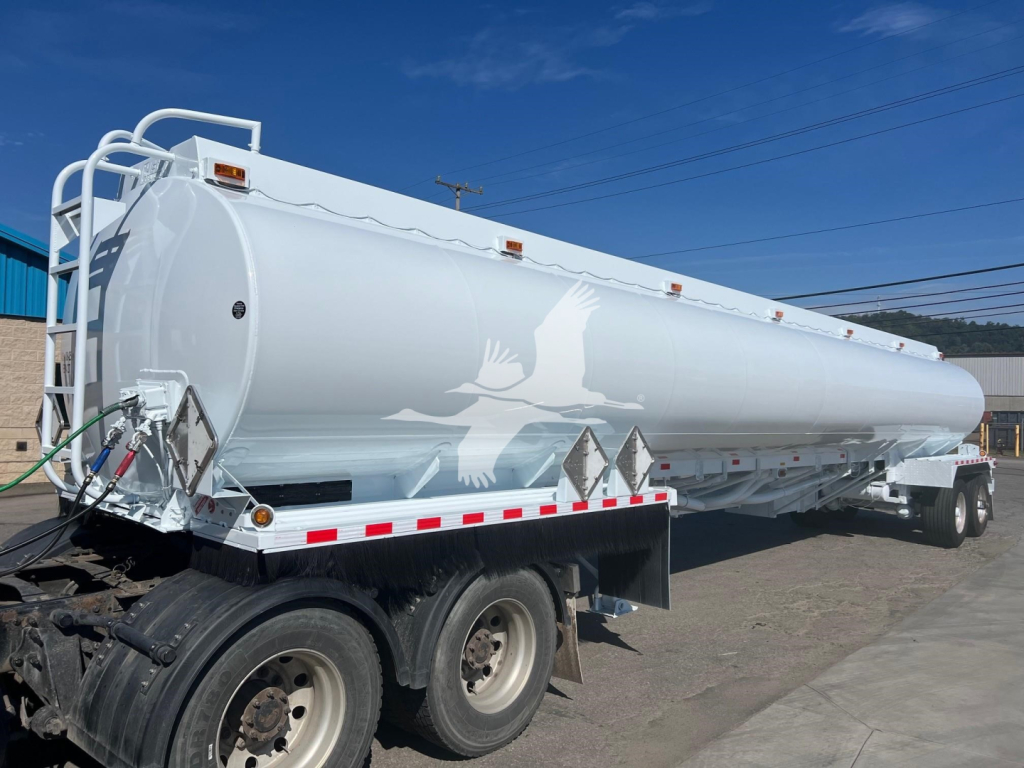
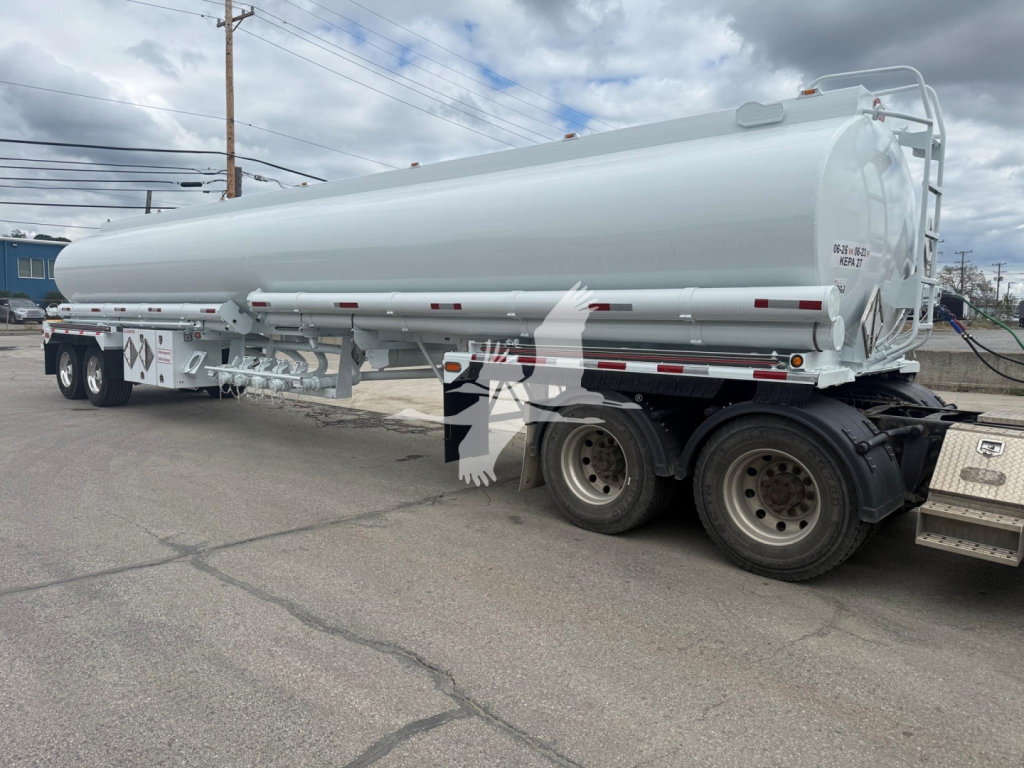
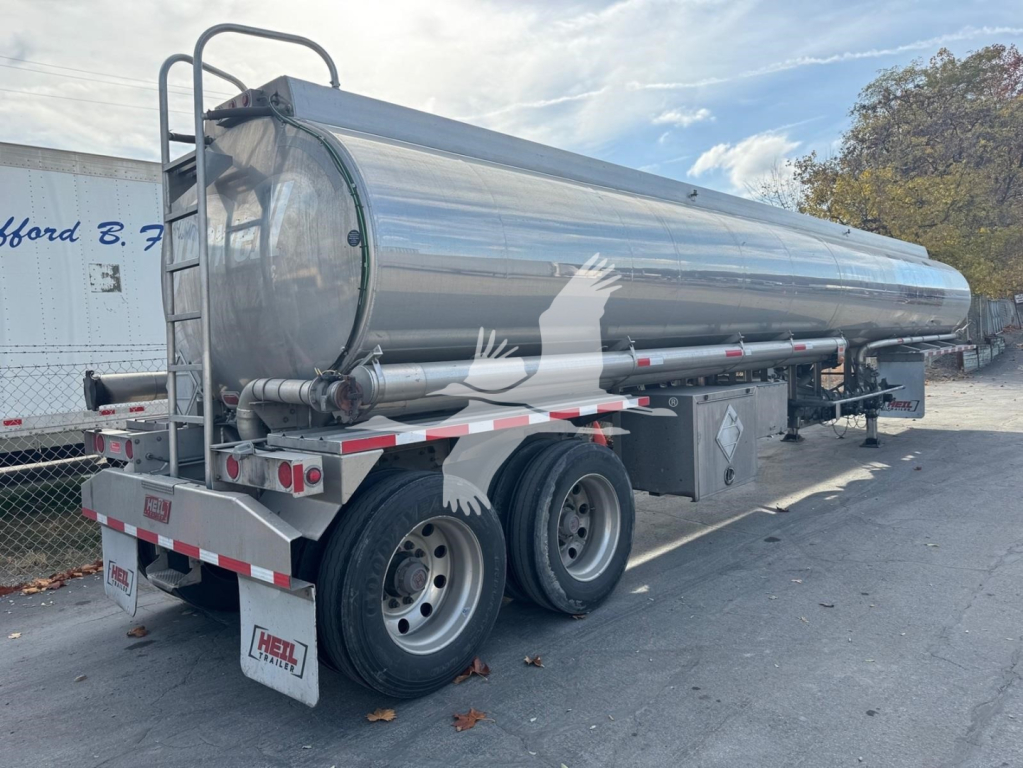
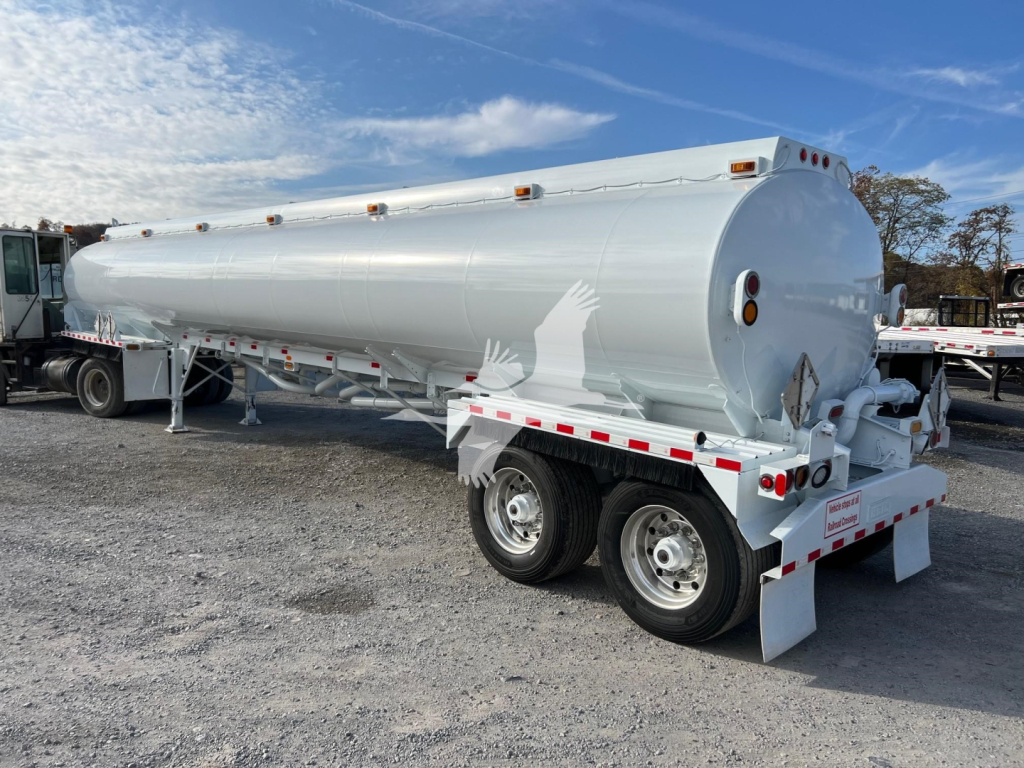
Selling a used gasoline - fuel trailer? List your used gasoline - fuel trailer for sale and reach thousands of commercial buyers.
Used Gasoline - Fuel Trailers in Pennsylvania
A serious buying decision starts with the trailer’s test status and fuel-spec equipment. Current V and K, I and P, and state inspection dates are critical because a fuel trailer that is out of test can add immediate compliance cost and downtime. Buyers should also verify the overfill system, vapor recovery configuration, emergency valve controls, and discharge components. Many used petroleum trailers in this class are equipped with Civacon ROM II or similar overfill protection, air-operated emergency valves, internal or external vapor recovery, openable API adaptors, and dedicated EVO cabinets. If the trailer will be assigned to branded fuel work or terminal loading with strict rack requirements, compatibility with existing bottom-loading and vapor systems should be confirmed before purchase.
Spec details on a used gasoline trailer have a direct effect on route efficiency and maintenance cost. Aluminum piping, aluminum wheels, aluminum suspension frames, and lightweight components help preserve legal payload while resisting corrosion. Tandem axle setups with air ride suspension, often Hendrickson Intraax, are common for road stability and product protection. Tire size, brake type, axle track, kingpin setting, and suspension setting all matter when matching the trailer to a specific tractor and operating territory. Pennsylvania operators working urban deliveries, tighter service stations, and mixed secondary roads should pay close attention to hose tube layout, cabinet access, ladder position, rear lighting, and discharge-area work lights because these details affect daily usability as much as tank capacity does.
Condition on a used gasoline fuel trailer is more than cosmetic. Barrel condition, sump and drain design, bulkhead configuration, brake wear, tire remaining life, landing gear condition, and signs of previous fuel contamination all deserve close review. Many buyers also look for practical upgrades like internal vapor lines, internal drains, disc brakes, LED cabinet lighting, spill kit storage, and roll stability ABS. A well-spec’d used petroleum tank trailer can be a strong fit for convenience store deliveries, fleet fueling, heating oil crossover work, or regional petroleum distribution, provided the trailer’s compartment layout, compliance status, and terminal compatibility match the operation.
Frequently Asked Questions about Used Gasoline - Fuel Trailers in Pennsylvania
What is the most important thing to check on a used gasoline fuel trailer?
The most important first check is compliance status. Confirm current V and K testing, I and P inspection dates, and any applicable state inspection status before focusing on cosmetics or tires. After that, verify the trailer’s MC-406 configuration, overfill protection, vapor recovery system, emergency valves, and terminal loading compatibility. A used petroleum trailer that looks clean but is out of test or mismatched to your loading rack can create immediate downtime and added rework cost.
What capacity and compartment setup is common on used gasoline trailers?
Many used gasoline fuel trailers in this category are around 9,000 to 9,200 gallons and built with four or five compartments. Multi-compartment layouts let carriers separate regular, premium, diesel, and other products while maintaining axle balance. The right setup depends on your delivery pattern. A route serving multiple retail stations often benefits from more compartment flexibility, while simpler commercial fueling routes may prioritize larger individual compartment sizes.
Why does vapor recovery and overfill equipment matter so much?
Gasoline trailers depend on properly functioning vapor recovery and overfill systems for both safety and terminal compliance. Vapor recovery controls fuel vapors during loading and unloading, while overfill protection helps prevent product release from the tank compartments. Equipment such as Civacon ROM II or similar systems is common, but the exact rack and probe requirements can vary by customer and terminal. Buyers should make sure the trailer’s hardware matches the terminals and accounts it will actually serve.
Are aluminum components desirable on a used petroleum trailer?
Yes. Aluminum piping, wheels, fenders, and suspension structures are common because they reduce tare weight and improve corrosion resistance. Lower empty weight can help preserve legal payload, which matters on dense fuel products and multi-stop routes. Aluminum construction does not replace the need for careful inspection, however. Buyers should still evaluate barrel condition, weld integrity, suspension wear points, and any signs of impact or chemical damage.
What features help a gasoline fuel trailer work better on local and regional delivery routes?
For local and regional petroleum work, practical operating features can make a meaningful difference. Hose tube placement, cabinet size, ladder location, spot lights at the discharge area, placard setup, landing gear condition, and suspension ride quality all affect how efficiently drivers can work at each stop. Air ride suspension, reliable emergency valve controls, easy-access fittings cabinets, and clear compartment identification are especially useful for multi-stop station deliveries and other route-based fuel work.