
Used Heil Gasoline - Fuel Trailers For Sale in Pennsylvania
Used Heil gasoline and fuel trailers for sale, including MC-406 petroleum tank trailers with multi-compartment setups for refined fuel delivery.
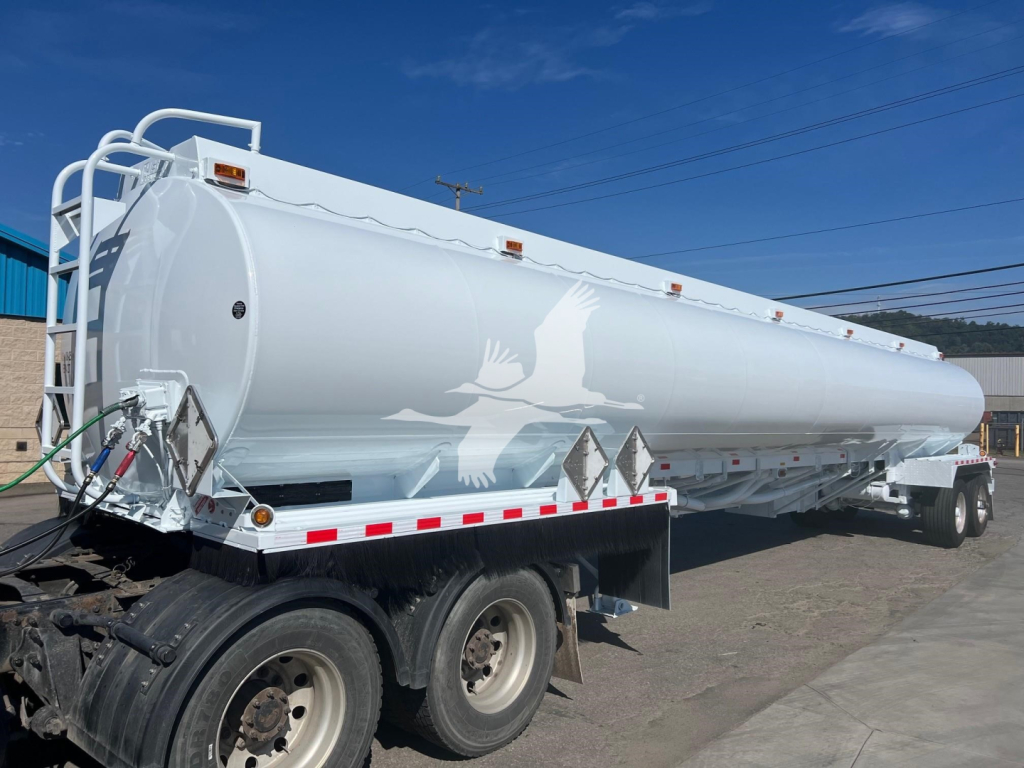
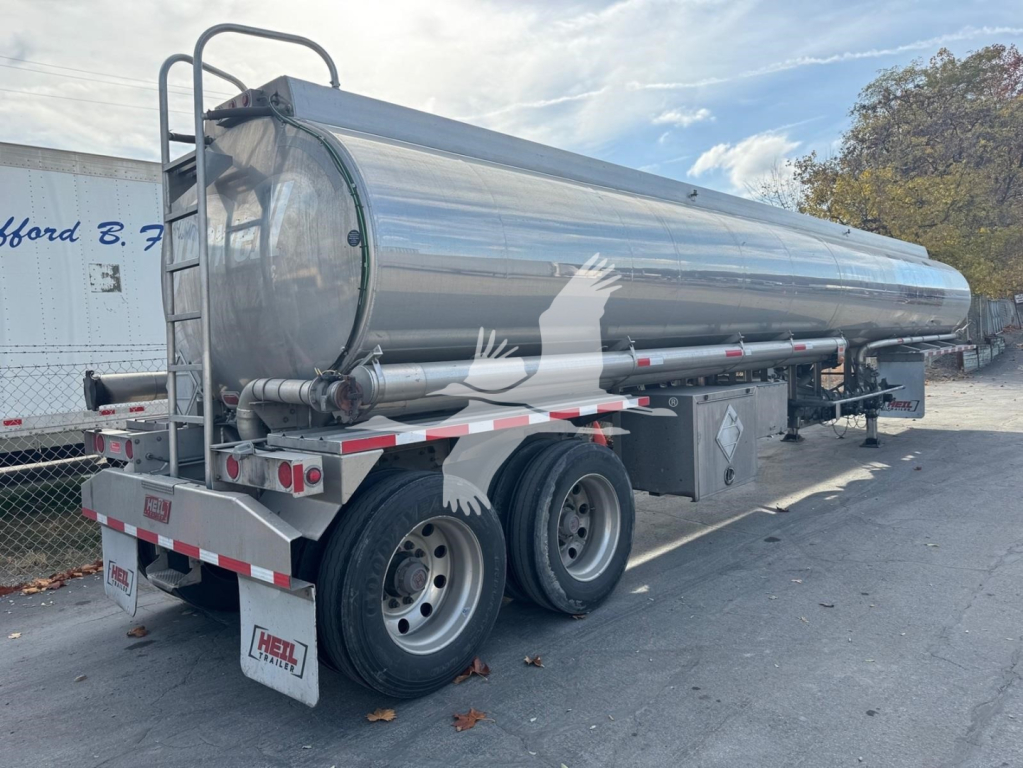
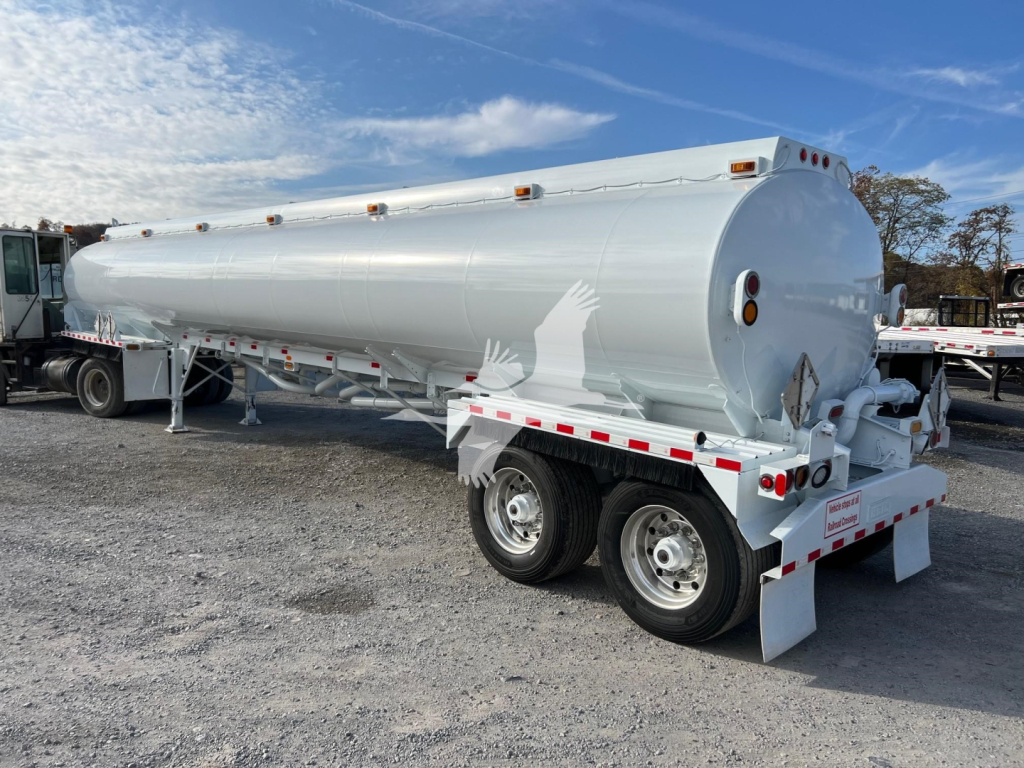
Selling a used heil gasoline - fuel trailer? List your used heil gasoline - fuel trailer for sale and reach thousands of commercial buyers.
Used Heil Gasoline - Fuel Trailers in Pennsylvania
A common configuration in this class is a 9,200 gallon elliptical trailer with multiple compartments, often in four-compartment or five-compartment layouts. That split is important because compartment sizes determine how efficiently a trailer can service mixed-product drops without leaving usable capacity behind. Heil trailers in this category often use aluminum construction, aluminum piping, air-operated emergency valves, and trough-bottom or sump-style designs that support complete product evacuation. Equipment details like openable adaptors, bubble sight glasses, commodity indicators, internal drains, and EVO cabinets are not small features on a fuel trailer. They directly affect unloading speed, operator convenience, and day-to-day compliance at the rack and at the customer site.
Running gear deserves just as much attention as the tank itself. Many used Heil fuel trailers are tandem axle units with Hendrickson Intraax air ride suspension, 49-inch tandem settings, aluminum wheels, and either drum or disc brakes. Tire size can vary, with low-profile 22.5 rubber and 24.5 LP setups both showing up in petroleum service. Buyers should review kingpin setting, landing gear type, suspension frame material, ABS and roll stability equipment, and any corrosion resistance features such as galvanized hangers. On a used gasoline trailer, cabinet condition, hose tube layout, placard hardware, ladder placement, lighting package, and fender condition all matter because these trailers work in tight, repetitive delivery environments where access and durability affect uptime.
For Pennsylvania buyers, inspection status and test dates should be near the top of the list because a fuel trailer that looks clean but is near due for testing can change the real purchase cost quickly. It also pays to confirm the exact products previously hauled, especially if the trailer will be dedicated to gasoline, split between gas and diesel, or reassigned to broader refined fuel service. Heil has a strong reputation in petroleum hauling for practical compartment design and serviceable aluminum construction, so the right used unit often comes down to matching compartment sizes, vapor recovery configuration, brake spec, and delivery hardware to your routes and customer mix.
Frequently Asked Questions about Used Heil Gasoline - Fuel Trailers in Pennsylvania
What should I check first on a used Heil gasoline-fuel trailer?
Start with compliance and serviceability. Confirm the MC-406 specification, current V and K test dates, inspection status, overfill system, vapor recovery configuration, and emergency valve operation. After that, review barrel condition, compartment layout, sump or trough design, piping material, brake condition, suspension, tires, and cabinet hardware. A fuel trailer can appear clean and still need immediate testing, valve work, or brake repairs, so documentation and operational condition should be verified before cosmetic items.
What gallon capacity and compartment setup are most common on Heil petroleum trailers?
A very common setup is around 9,200 gallons with four compartments, although five-compartment versions are also used when operators want more flexibility on mixed-product deliveries. Compartment sizing matters more than total capacity for many fuel haulers because it determines how efficiently the trailer can handle multiple stops and different grades or products on the same route. A good compartment layout reduces leftover product and helps maximize revenue per trip.
Why is vapor recovery and overfill protection so important on a fuel trailer?
These systems are central to safe and legal petroleum transport. Vapor recovery affects how the trailer interfaces with loading racks and delivery sites, while overfill protection helps prevent spills during loading and unloading. Buyers often see Civacon systems, top and bottom probes, and multiple vapor recovery outlets on this type of trailer. If these components are outdated, damaged, or incompatible with your terminals, the trailer may require additional investment before it can be put to work.
Are Heil fuel trailers usually built with aluminum components?
Yes, many Heil gasoline-fuel trailers use aluminum tank construction, aluminum piping, aluminum wheels, and aluminum suspension-related components to reduce empty weight and resist corrosion. That lighter construction can help payload and long-term durability, especially in refined fuel service. Even so, buyers should still inspect for cracking, corrosion at mounts and hangers, cabinet wear, and general fatigue in high-use areas around suspension points, ladders, and discharge equipment.
Do disc brakes make a difference on a used petroleum trailer?
They can. Disc brakes generally offer strong stopping performance, simpler visual inspection, and easier service access compared with some drum brake setups. Many used fuel trailers still run drum brakes successfully, so the better choice depends on your maintenance program, parts support, and operating conditions. The key is not just the brake type, but the actual remaining brake life, ABS function, and overall condition of the running gear.