
Used Heil Gasoline - Fuel Trailers For Sale
Used Heil gasoline and fuel trailers for sale, including MC-406 petroleum tank trailers with multi-compartment layouts and air ride suspensions.
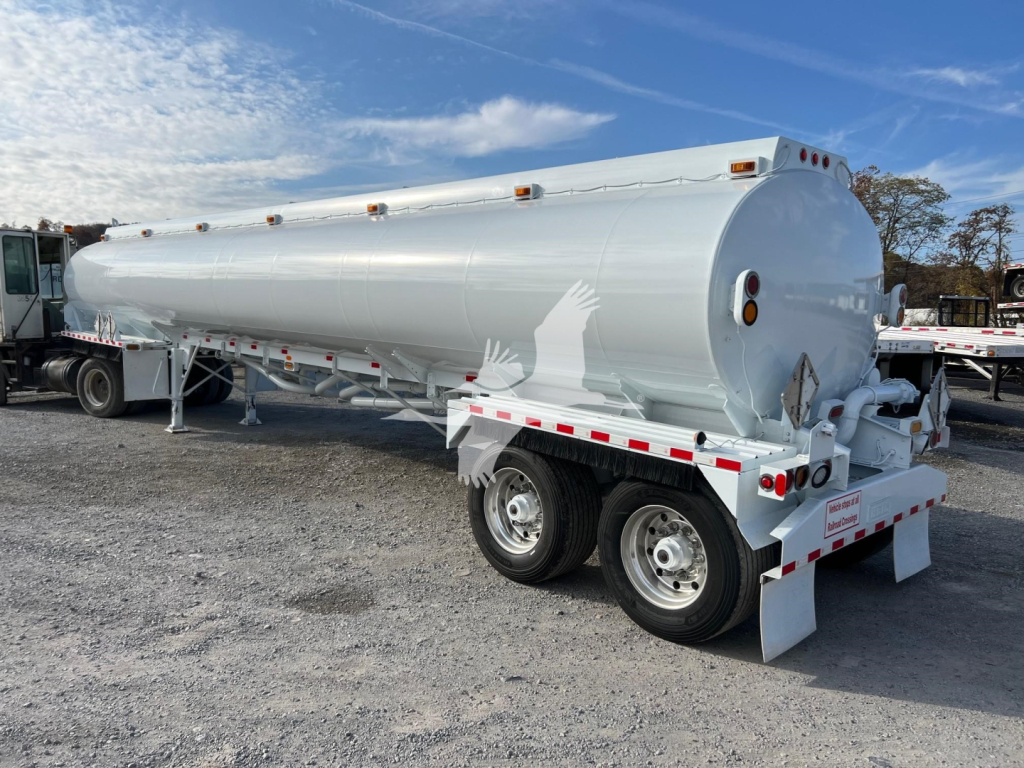
Selling a used heil gasoline - fuel trailer? List your used heil gasoline - fuel trailer for sale and reach thousands of commercial buyers.
Used Heil Gasoline - Fuel Trailers
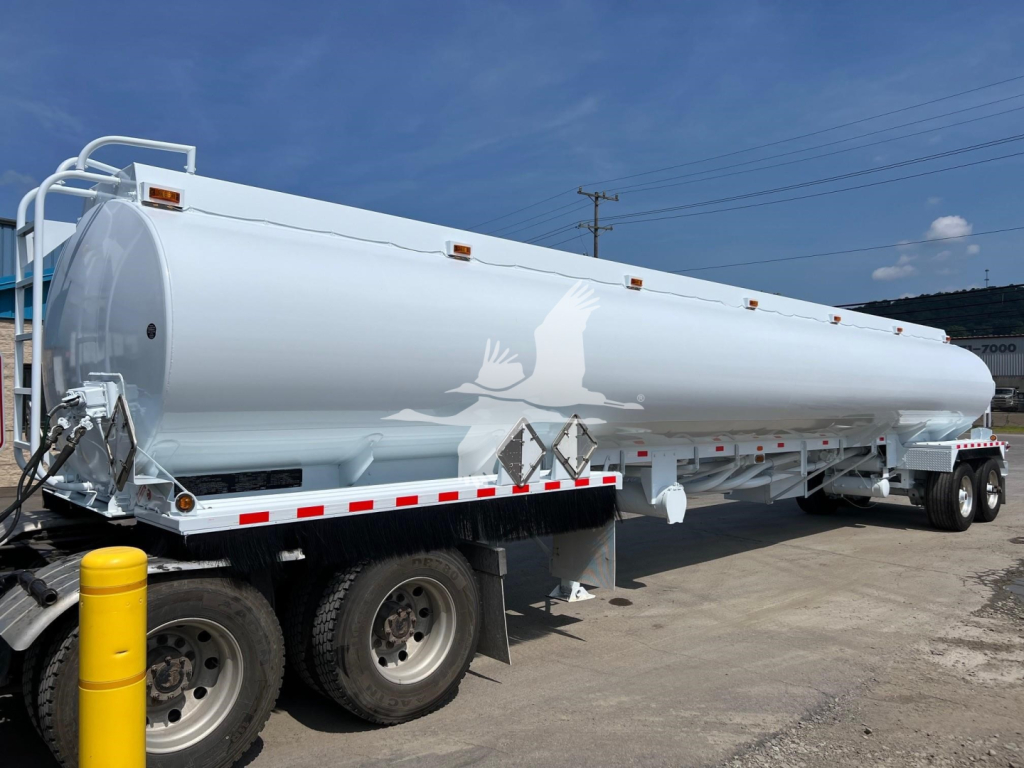
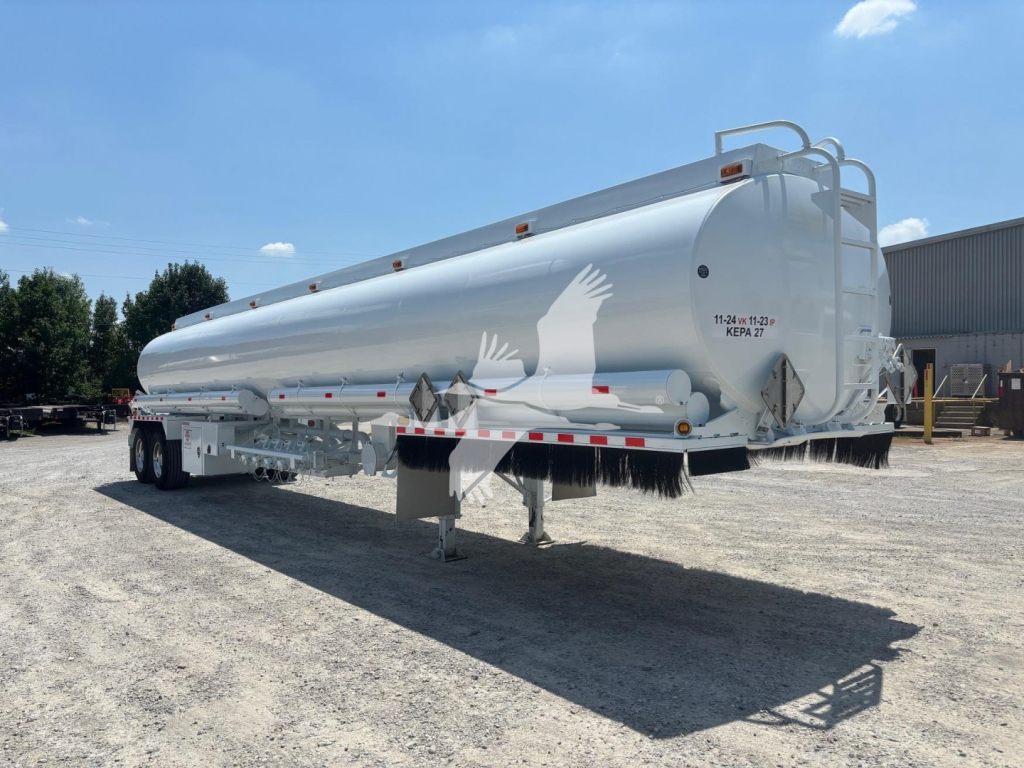
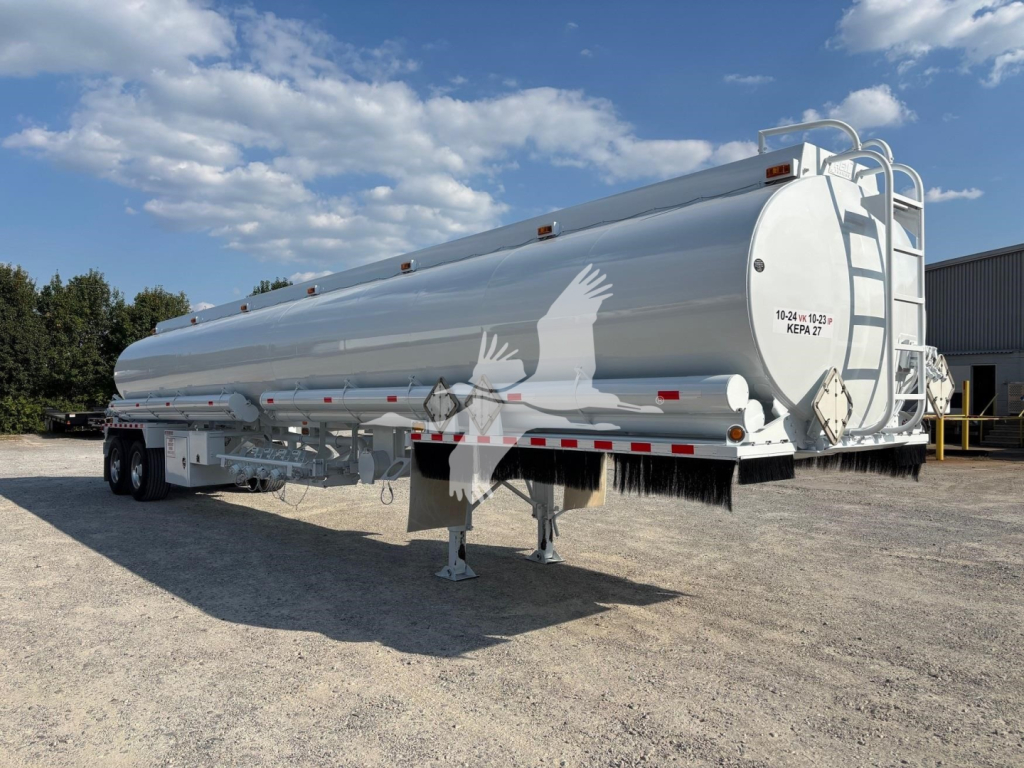
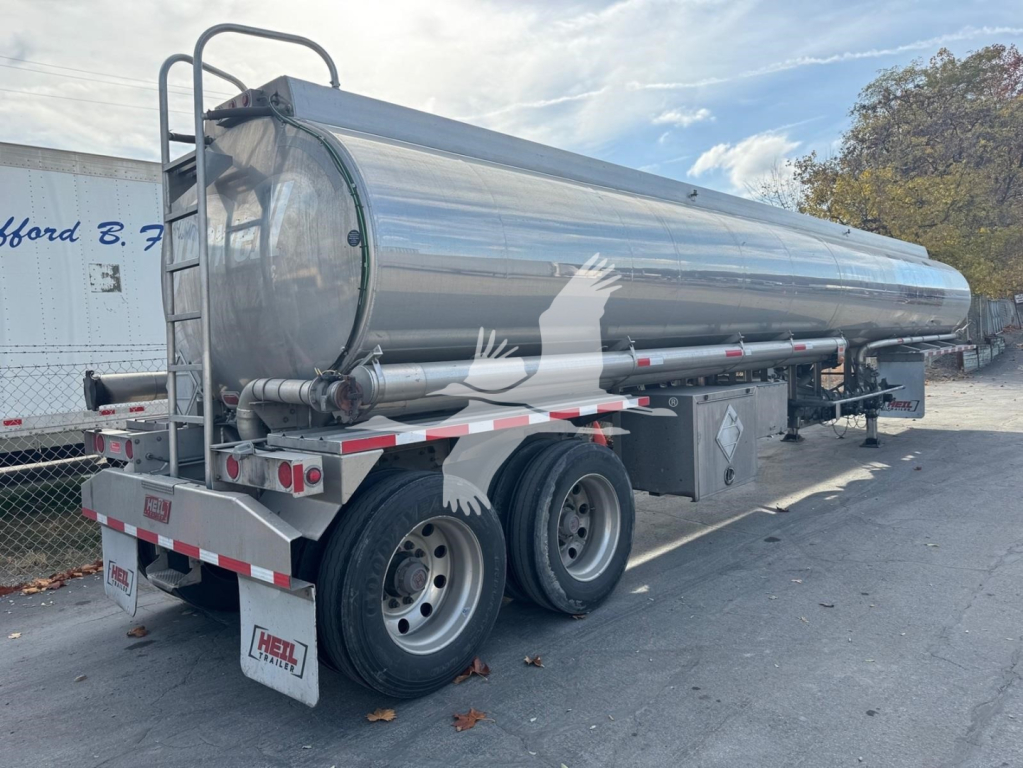
One of the first details to compare is compartment configuration. A 4-compartment or 5-compartment setup can make a major difference in route flexibility, especially for mixed gasoline and diesel drops. Common Heil petroleum trailers in this class may include layouts such as 3200/2300/1100/2600 or 2500/2100/1000/1500/2100, and those splits directly affect how efficiently a trailer can cover c-store deliveries, branded fuel work, or smaller volume rural stops. Buyers should also look closely at vapor recovery design, overfill equipment such as Civacon ROM II or ROMLink systems, internal versus external vapor lines, and whether the trailer uses top and bottom probes. Those items are central to terminal compatibility and day-to-day loading efficiency.
On the chassis side, many used Heil fuel trailers are tandem axle units with Hendrickson air ride suspensions, aluminum wheels, aluminum suspension frames, and low-profile 22.5 or 24.5 tires. Features like disc brakes, ABS with roll stability, galvanized suspension hangers, and 49-inch suspension settings can be important depending on regional bridge laws, maintenance standards, and fleet spec preferences. Kingpin setting, ladder position, hose tube count, fittings cabinet size, and EVO cabinet access all affect how the trailer works in real delivery conditions. A front ladder versus rear ladder, or three hose tubes versus four, may seem minor on paper but can matter a lot for driver workflow and stop times.
For used buyers, the real value is in the trailer’s test history, product history, and overall condition of the barrel, valves, brakes, tires, and cabinet hardware. Recent V and K, I and P, or state inspection dates can help establish readiness, but petroleum-spec trailers still need careful review of barrel integrity, sump and trough condition, vapor recovery components, emergency valve operation, and signs of corrosion or impact damage around the undercarriage and discharge area. If the trailer hauled gasoline only versus mixed fuel products, that can also influence how a buyer evaluates cleaning needs, seal condition, and intended redeployment. A well-kept used Heil tanker can be a strong fit for fuel haulers that need a proven MC-406 platform with practical compartment splits and fleet-friendly serviceability.
Frequently Asked Questions about Used Heil Gasoline - Fuel Trailers
What should I look for first on a used Heil gasoline-fuel trailer?
Start with compliance and operating condition. Confirm the MC-406 specification, current test dates such as V and K and I and P, compartment layout, overfill system type, vapor recovery setup, and emergency valve operation. After that, inspect the barrel, piping, cabinets, suspension, brakes, and tires. A fuel trailer can look clean cosmetically and still need costly work in the discharge system or testing-related components, so paperwork and functional inspection should come before appearance.
What capacity and compartment layouts are common on Heil petroleum tank trailers?
A common size in this category is around 9,200 gallons, typically in 4-compartment or 5-compartment configurations. Examples include splits like 3200/2300/1100/2600 or 2500/2100/1000/1500/2100. The right layout depends on the type of delivery work. More compartments usually improve flexibility for multi-grade gasoline and diesel drops, while larger compartments may better suit higher-volume stops with fewer product changes.
Why do vapor recovery and overfill systems matter on a fuel trailer?
These systems affect terminal loading compatibility, safety, and legal operation. Vapor recovery routing, outlet count, and internal versus external configuration can vary by trailer spec and customer requirements. Overfill systems such as Civacon ROM II or ROMLink, along with top and bottom probes, are critical for preventing overfills during loading and for matching terminal rack requirements. If these systems are outdated, damaged, or incompatible with your loading points, the trailer may require upgrades before it can go to work.
Are aluminum components important on used gasoline trailers?
Yes. Aluminum piping, wheels, suspension frames, fenders, and cabinets can help reduce weight and resist corrosion, which is valuable in petroleum service. Lower tare weight can improve payload flexibility, and corrosion resistance can support longer service life when the trailer is properly maintained. Buyers should still inspect aluminum components closely for cracks, repairs, abrasion, and galvanic corrosion around dissimilar metals and mounting points.
How much do axle and suspension specs matter on a used fuel tanker?
They matter more than many buyers expect. Tandem axle setups with Hendrickson air ride suspensions are common because they balance ride quality, load control, and serviceability. Tire size, axle track, brake type, suspension setting, and kingpin setting all influence maneuverability, bridge compliance, maintenance cost, and tractor compatibility. Matching these specs to your operating region and existing fleet standards can simplify maintenance and reduce surprises after purchase.