
Used Gasoline - Fuel Trailers For Sale
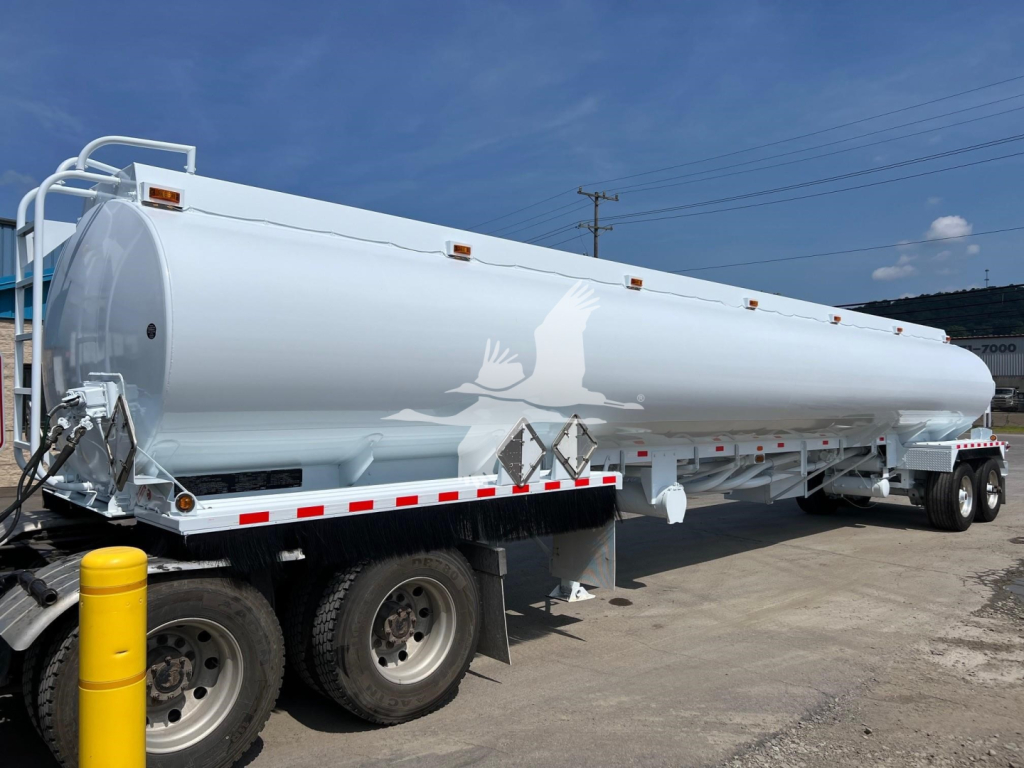
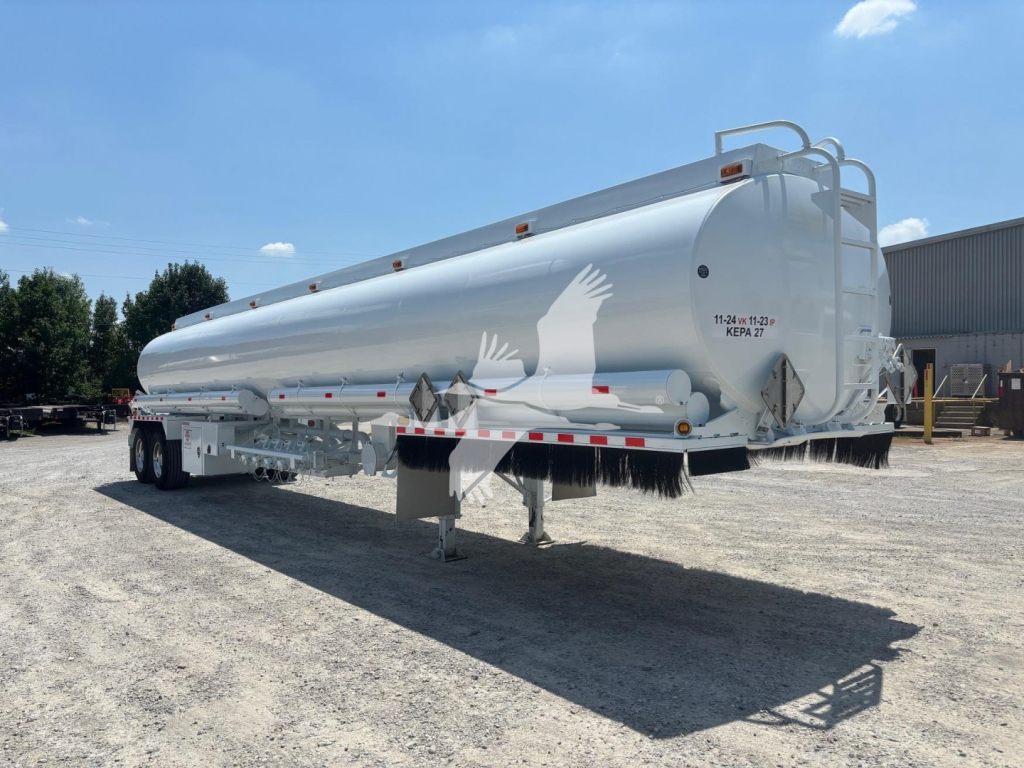
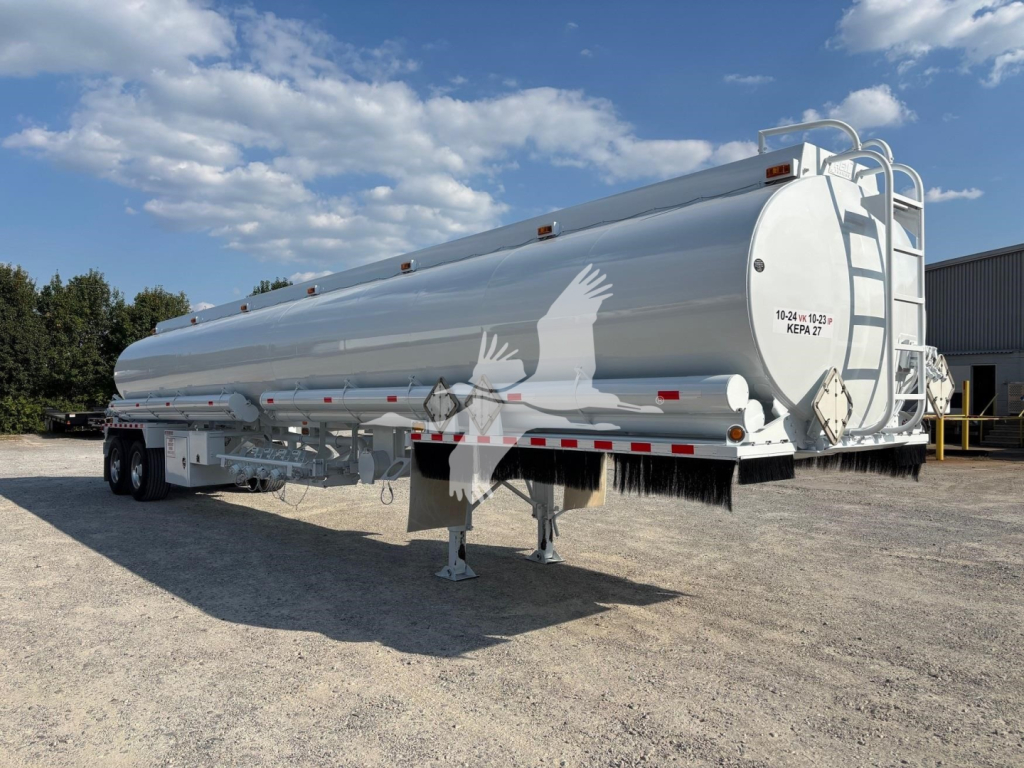
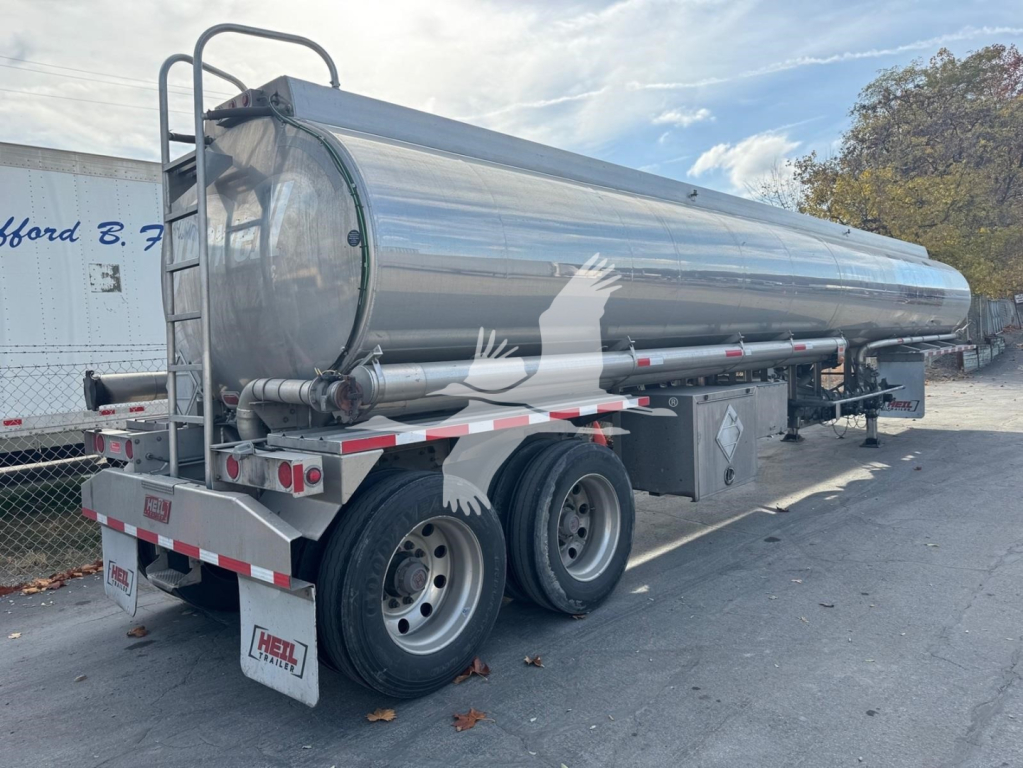
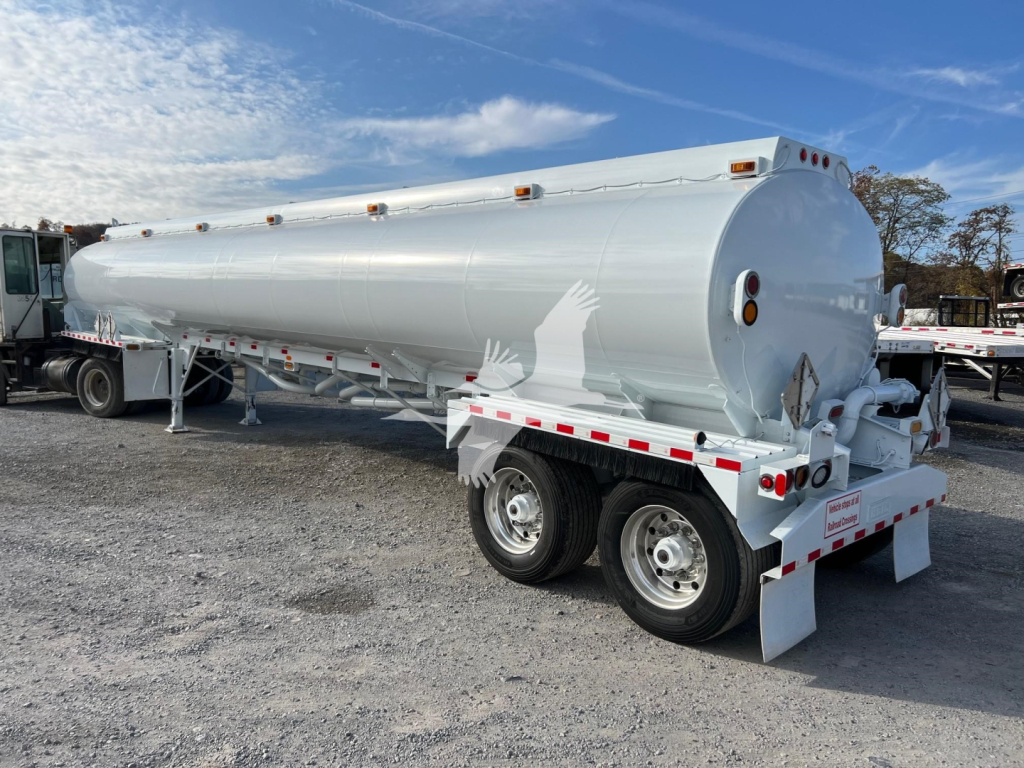
Browse used gasoline fuel trailers, including DOT 406 aluminum tankers with multi-compartment setups, bottom loading, vapor recovery, and air ride.
Selling a used gasoline - fuel trailer? List your used gasoline - fuel trailer for sale and reach thousands of commercial buyers.
Used Gasoline - Fuel Trailers
Compartment layout matters as much as total gallon capacity. A typical setup might split the tank into compartments around 3,200, 2,300, 1,100, and 2,600 gallons, which gives flexibility for gasoline grades and ethanol blends without wasting cube. Buyers should also look closely at bulkhead design, sump or trough-bottom construction, internal drains, and discharge configuration. Bottom-load systems with openable adaptors, air-operated emergency valves, overfill protection from brands like Civacon, and multiple vapor recovery outlets are standard features on many late-model petroleum trailers. Hose tray placement, fittings cabinet size, EVO cabinet access, ladder position, and placard arrangement all affect day-to-day usability at the rack and at the store.
On used gasoline trailers, compliance and maintenance history are just as important as barrel condition. Current V and K testing, I and P testing, brake condition, ABS specification, and documentation on overfill and vapor equipment should be reviewed before purchase. Suspension details also matter. Many trailers in this class ride on air suspension such as Hendrickson Intraax, often with aluminum frames, aluminum wheels, low-profile 445/50R22.5 tires, and kingpin settings designed for petroleum fleet service. Disc or drum brake condition, axle track, landing gear condition, and fifth wheel plate wear all influence operating cost and uptime.
A buyer comparing used gasoline fuel trailers should match the trailer to delivery profile first, then to regulatory needs and terminal compatibility. Local and regional fuel haulers may prioritize compartment flexibility, cabinet storage, and tight station access, while higher-mileage operations may focus on suspension spec, tire program, lighting, rollover stability systems, and corrosion resistance. Also known as petroleum tank trailers or fuel tank semitrailers, these units are application-specific assets. The best choice is usually the one with the right code, clean test history, compatible loading and recovery hardware, and a compartment design that fits the actual drop pattern.
Frequently Asked Questions about Used Gasoline - Fuel Trailers
What is the typical capacity of a used gasoline fuel trailer?
Most used gasoline fuel trailers on the market fall in the 9,000 to 9,500 gallon range, though exact legal payload depends on axle spacing, tare weight, product density, and state bridge laws. Many petroleum tank semitrailers are configured with four compartments so the operator can carry multiple grades of gasoline or blended fuel on the same run. Capacity alone is not the best buying metric. The compartment split often matters more because it determines how efficiently the trailer matches real store deliveries.
What code should a gasoline fuel trailer have?
Gasoline fuel trailers are commonly built to DOT 406 or MC-406 specification for flammable liquid service. Buyers should confirm the code on the data plate and make sure the trailer's configuration matches the intended commodity, terminal requirements, and current compliance standards. It is also important to verify test records, including periodic cargo tank inspections and leakage tests, because a correct code plate does not replace current documentation and serviceable equipment.
What features are most important on a used petroleum trailer?
The most important features usually include compartment configuration, bottom-load hardware, vapor recovery, overfill protection, emergency valves, barrel condition, and current test status. Buyers should also review the piping material, sight glasses, adaptor style, cabinet layout, hose tube arrangement, and ladder placement because those details affect productivity every day. On the chassis side, suspension type, brake condition, tire size, wheel condition, landing gear, kingpin area, ABS, and lighting should all be inspected carefully.
Why are aluminum gasoline trailers so common?
Aluminum is widely used in gasoline fuel trailers because it keeps tare weight down, resists corrosion well, and supports higher legal payload than a heavier steel design in many applications. That lighter construction is valuable in petroleum hauling, where payload efficiency directly affects route economics. Aluminum also remains common in frames, wheels, cabinets, and piping, although the condition of welds, barrel shell, and structural areas still needs close inspection on any used unit.
How do I choose the right compartment setup for fuel delivery?
Choose a compartment layout based on the actual gallons delivered per stop, the number of grades carried, and the need to separate products such as regular, mid-grade, premium, diesel, or ethanol blends. A four-compartment trailer is popular because it gives good routing flexibility without making each compartment too small to be practical. If the trailer's compartment sizes do not match your store network, operators can end up making extra trips, carrying unusable residual volume, or limiting the number of stops per route.