
Used XL Specialized Trailers For Sale in Pennsylvania
Shop used XL Specialized trailers in Pennsylvania, including lowboy and double drop models built for heavy haul, machinery, and oversized loads.
Selling a used xl specialized trailer? List your used xl specialized trailer for sale and reach thousands of commercial buyers.
Used XL Specialized Trailers in Pennsylvania
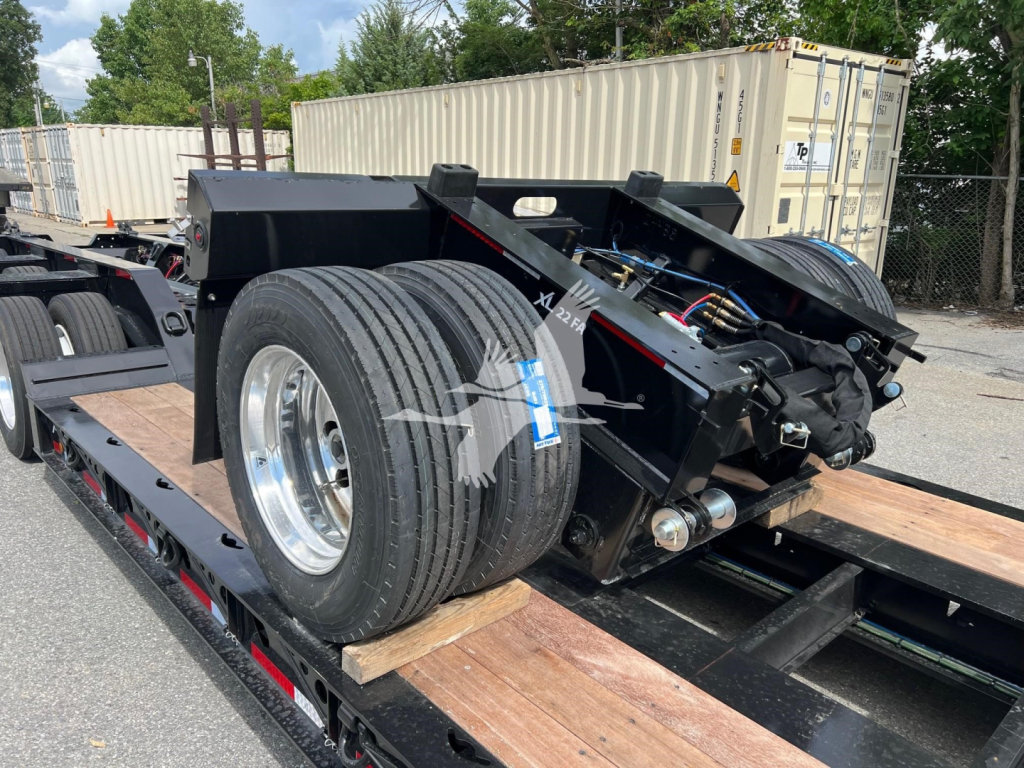
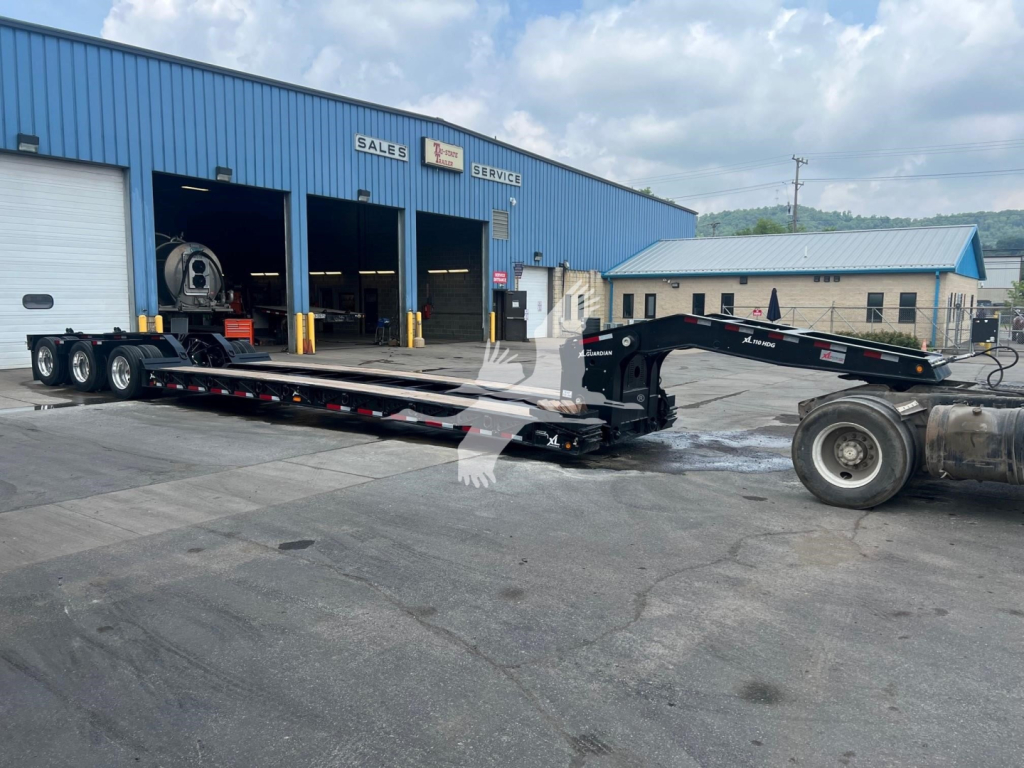
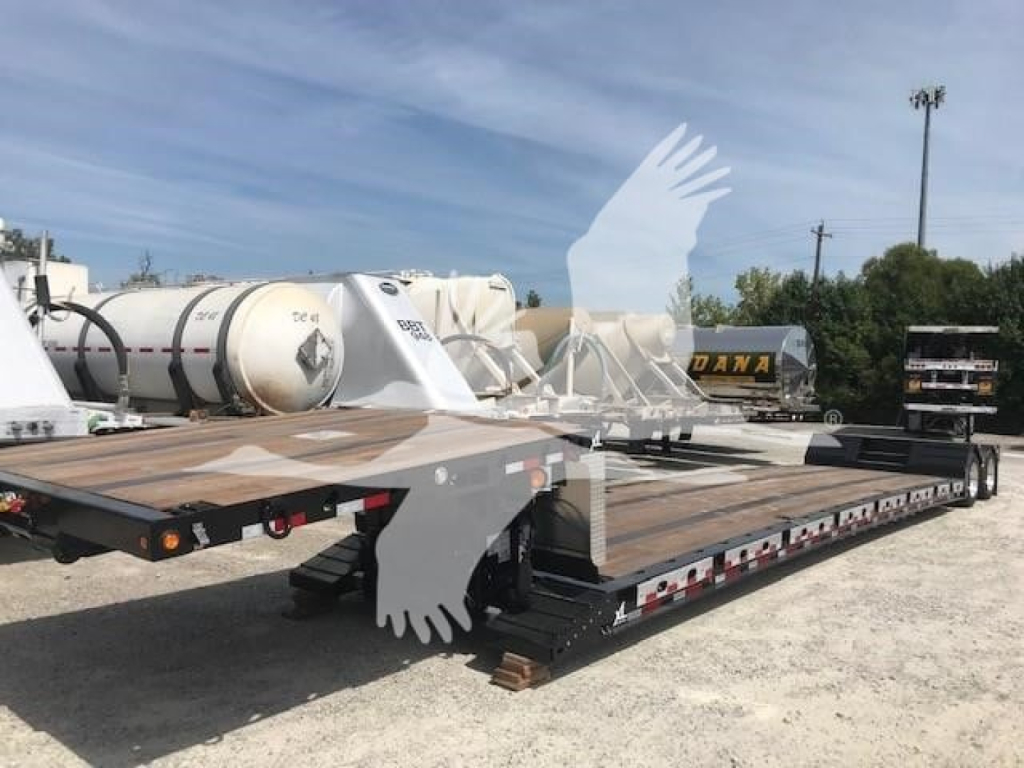
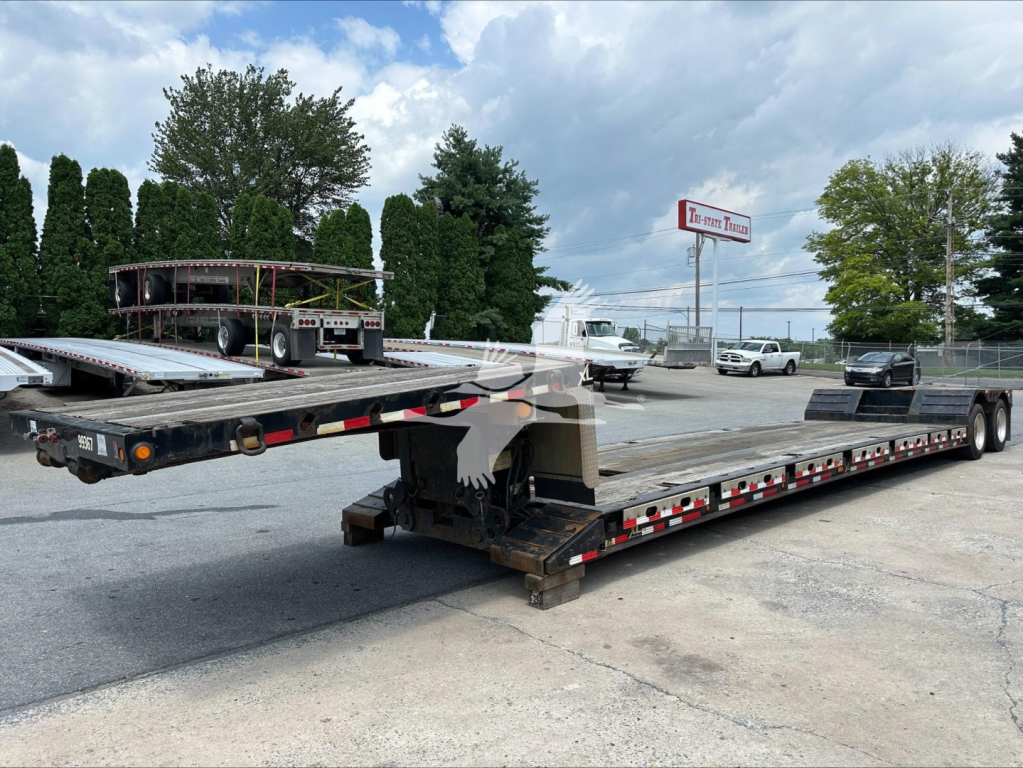
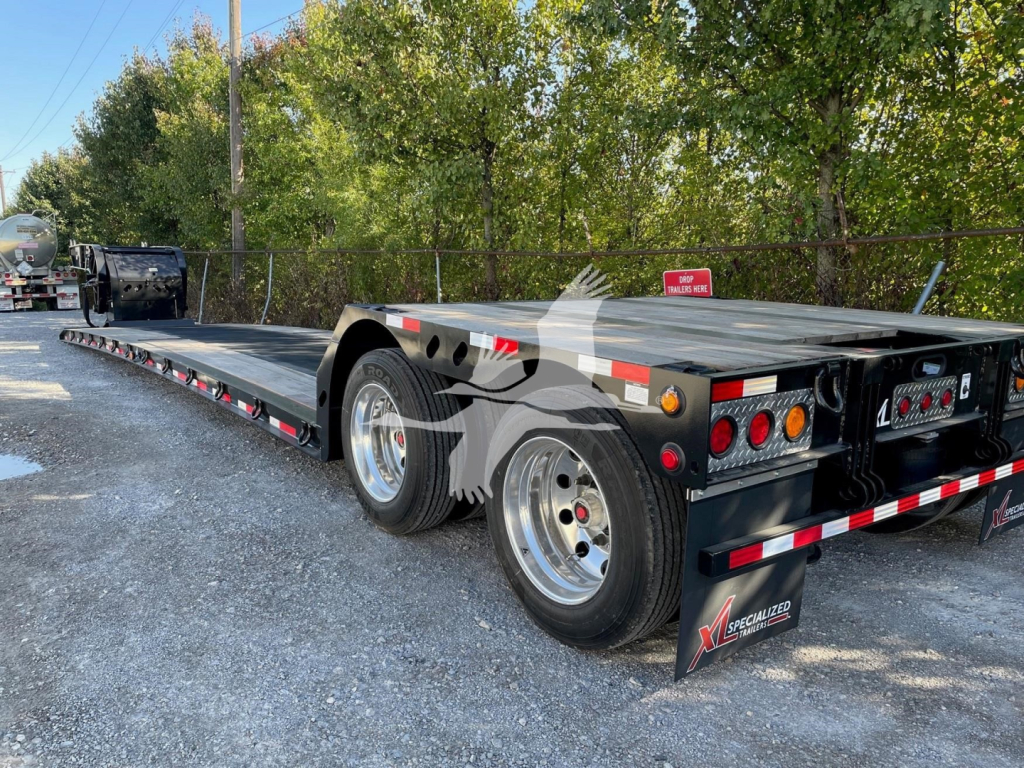
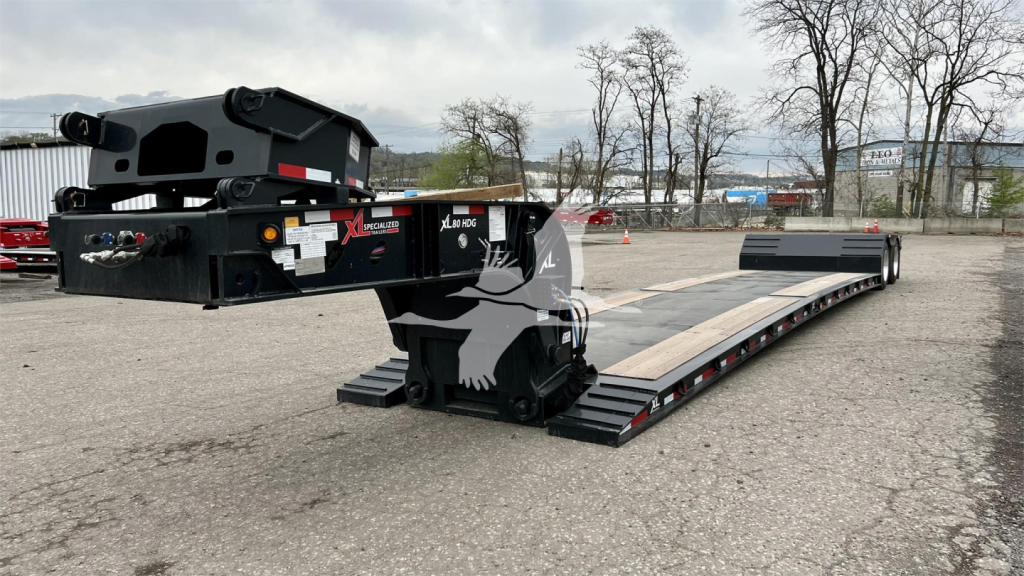
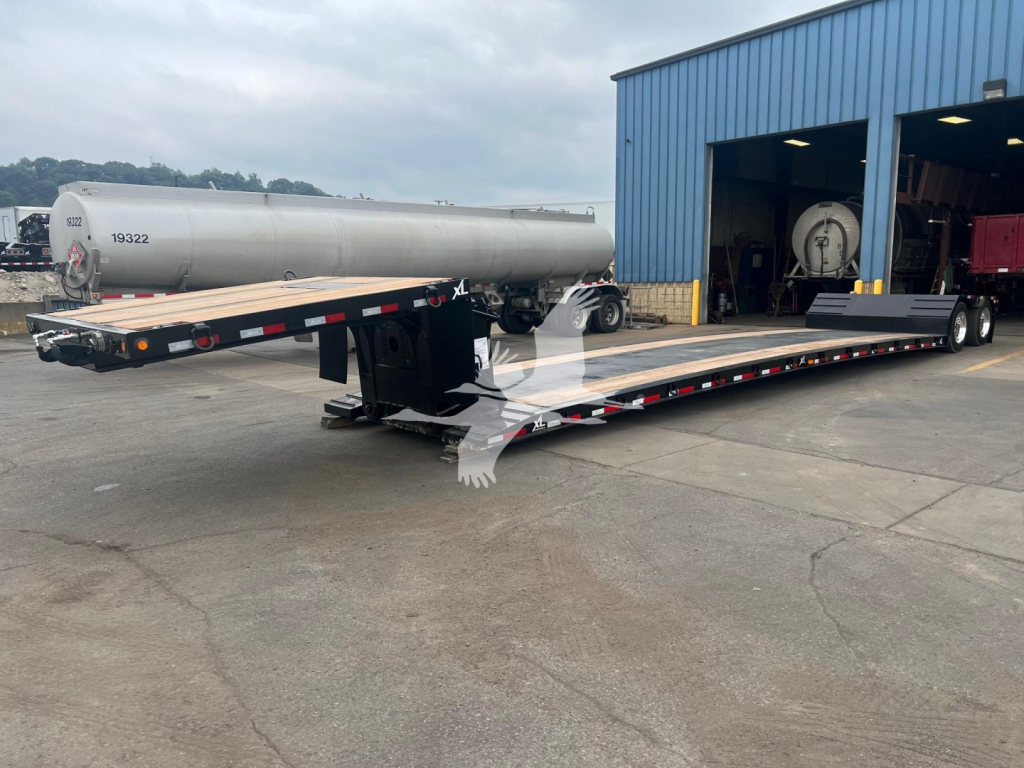
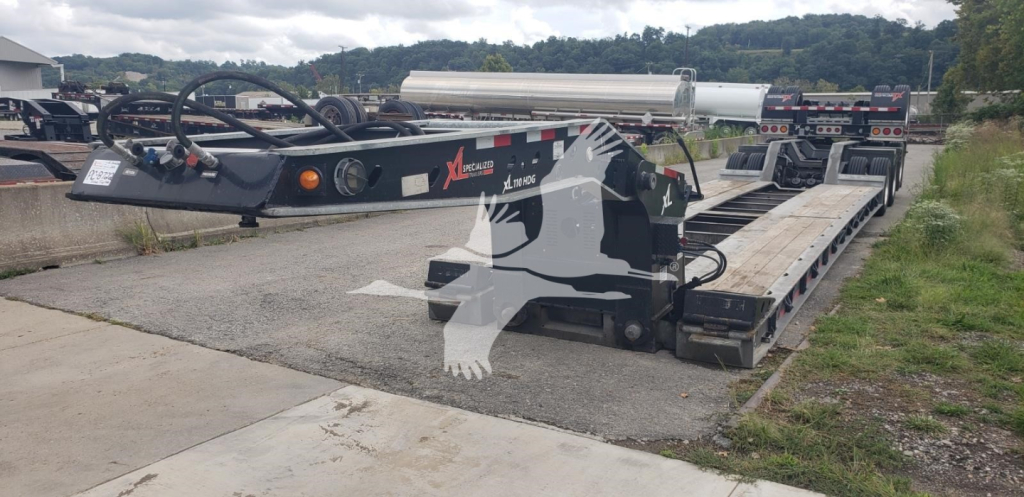
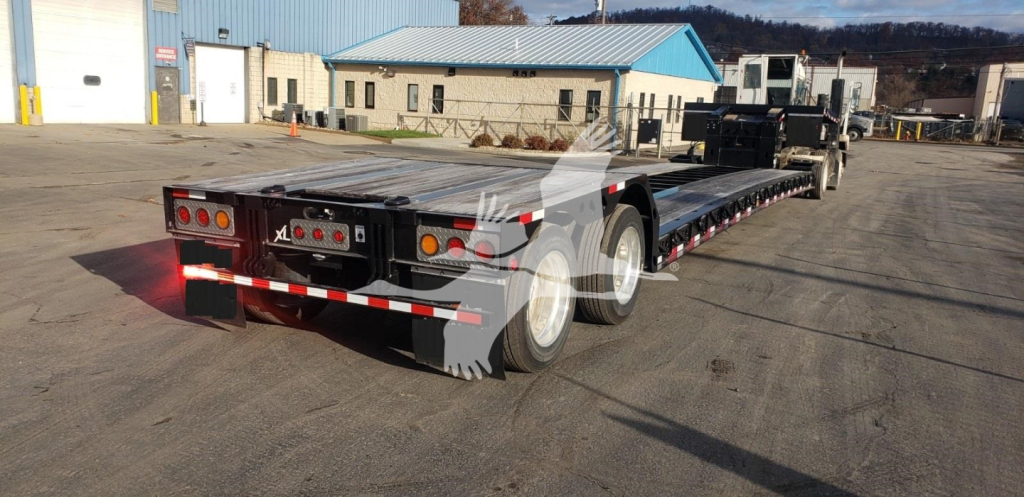
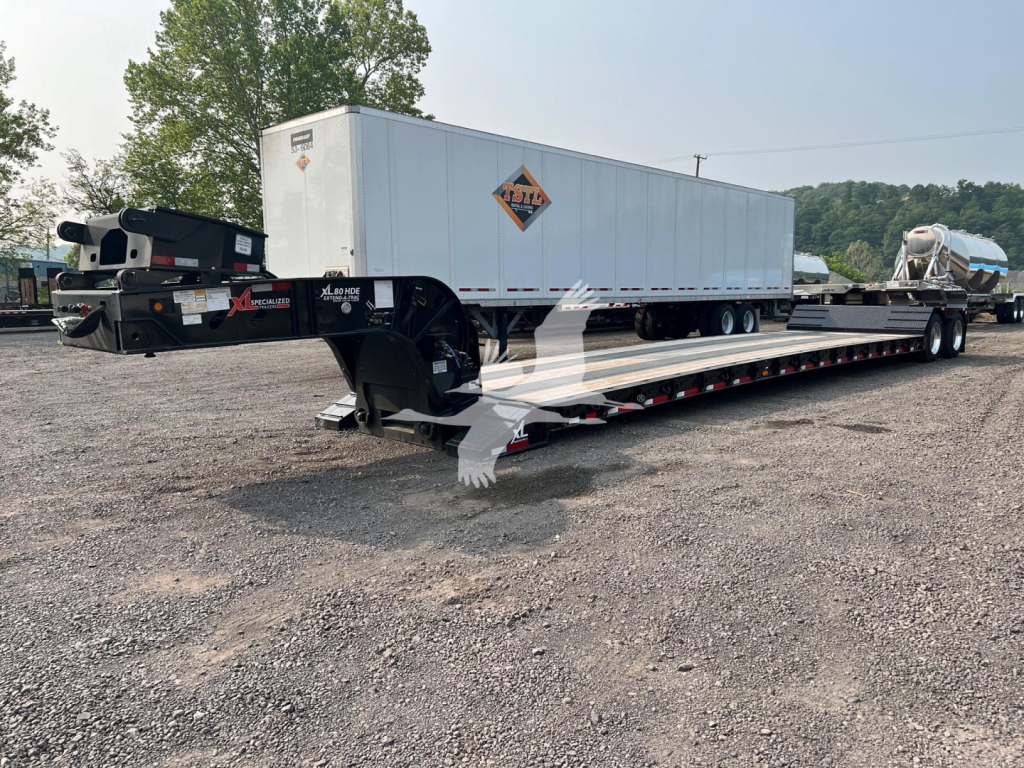
For many buyers, the first decision is trailer style. A used XL Specialized lowboy is commonly chosen for tall equipment that needs a low loaded deck height and easy loading from the ground, especially with hydraulic detachable gooseneck designs. Double drop expandable models, sometimes called low deck expandables or mini-decks depending on the configuration, are often selected when longer freight or concentrated load placement matters more than simple drive-on loading. Common specs in this category include 102-inch width, apitong flooring, air ride suspension, 16-inch kingpin settings, 54-inch axle spacing, 255/70R22.5 tires, and compatibility for flip axles or neck extensions. Buyers should pay close attention to loaded deck height, ground clearance, swing clearance, ride height adjustment, and whether the trailer is built for rear axle lift or flip axle connections.
Condition matters more on used heavy haul trailers than the model year alone. Inspect the gooseneck structure, deck crossmembers, main beam flanges, outriggers, ramp assemblies, and rear bridge area for repairs, elongation, or cracking from repeated concentrated loads. On XL Specialized equipment, it is also smart to evaluate hydraulic systems, pony motor operation, manual raise and lower valves, suspension response, and any detachable neck locking points. Apitong deck condition, chain slots, D-rings, scuff areas, and wear around bucket wells or boom wells can reveal the kind of freight the trailer has handled. Tire match, brake percentage, wheel mix, paint condition, and signs of corrosion around air lines and lighting harnesses also affect the true cost of ownership after purchase.
XL Specialized trailers tend to appeal to fleets and owner-operators who need practical heavy haul specs without moving into a highly specialized multi-axle platform. Features such as swing-out brackets, removable outriggers, full-width neck decks, front flip ramps, chain drops, and adjustable ride height can make a real difference in loading efficiency and permit compliance. A buyer comparing used XL lowboys and double drops in Pennsylvania should match the trailer to the freight first, then confirm capacity in the loaded deck section, closed versus open deck length, and compatibility with the tractor's fifth wheel height and hydraulic setup. That approach usually leads to a trailer that works day to day, not just one that looks right on paper.
Frequently Asked Questions about Used XL Specialized Trailers in Pennsylvania
What are used XL Specialized trailers commonly used for?
Used XL Specialized trailers are commonly used for hauling construction equipment, excavators, dozers, loaders, pavers, compactors, agricultural equipment, and certain forms of oversized industrial freight. Their low deck heights and heavy-duty frame designs make them especially useful for freight that is too tall or too heavy for a standard flatbed. Lowboy and double drop configurations are the most common choices when load height, concentrated weight, or loading angle is a primary concern.
What should I check first on a used XL Specialized lowboy or double drop?
Start with the structural and mechanical areas that directly affect safety and operating cost. Inspect the gooseneck, main beams, crossmembers, axle group, suspension, braking system, and hydraulic components for wear, previous repairs, or signs of overload. Then check deck height, ground clearance, kingpin setting, axle spacing, and any flip axle or neck extension connections to make sure the trailer matches the freight and the tractor that will pull it. Deck condition, especially apitong wear and damage around tiedown points, is also important.
What is the difference between an XL Specialized lowboy and a double drop expandable?
A lowboy is typically the better choice for self-propelled equipment that needs a low loading angle and direct loading over a detachable neck. A double drop expandable is generally better for longer freight, specialized machinery, or loads that benefit from a very low deck section between the upper and rear deck. Expandable models add flexibility when overall cargo length changes, but buyers need to confirm how extension affects capacity, axle loading, and securement options.
Are flip axle connections important on a used XL Specialized trailer?
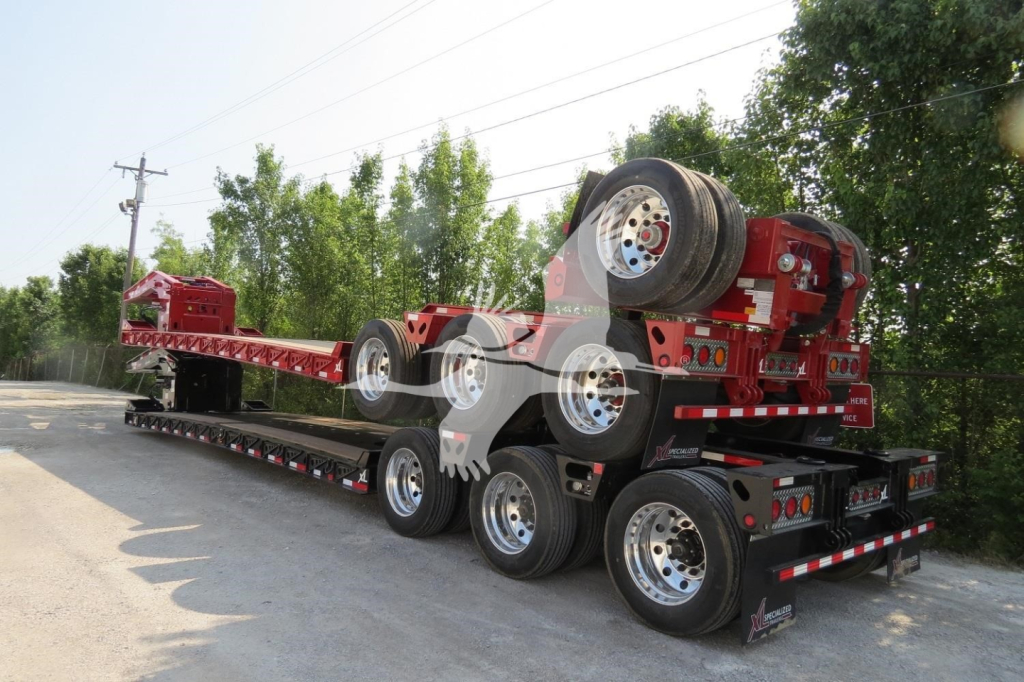
Yes. Flip axle compatibility can be a major advantage for buyers who routinely haul heavier freight or need to adjust axle group configuration for bridge law and permitting. A trailer built to accept a flip axle gives more flexibility in distributing weight and meeting state requirements, especially on heavy haul routes. Buyers should verify that the connections, electrical provisions, air hookups, and structural attachment points are complete and in good condition.
Why does deck height matter so much on heavy haul trailers?
Deck height directly affects legal load height, loading practicality, and route flexibility. A lower loaded deck height allows taller equipment to stay under permit thresholds or avoid route limitations, which can reduce escort requirements or simplify planning. On used XL Specialized trailers, buyers should compare loaded deck height with actual ground clearance, suspension travel, and the type of freight being hauled, because a very low deck is only useful if the trailer still works reliably in real jobsite and highway conditions.