
Used 2024 XL Specialized Trailers For Sale in Pennsylvania
Shop used 2024 XL Specialized trailers, including lowboy and double drop models built for heavy haul, detachable neck work, and specialized loads.
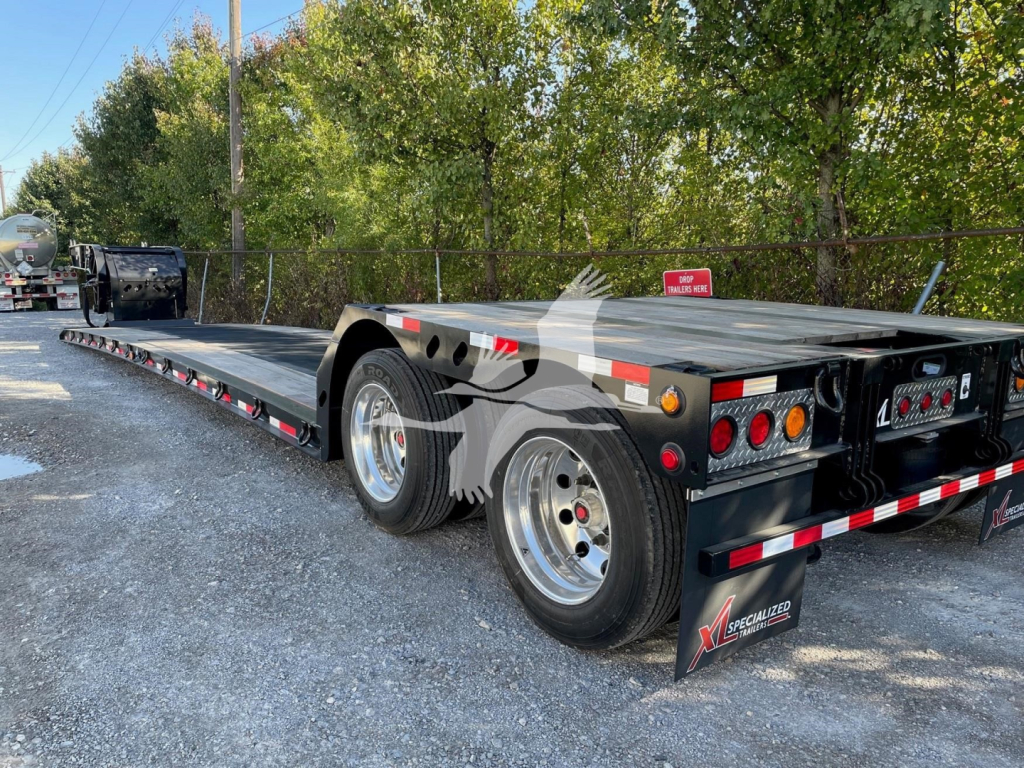
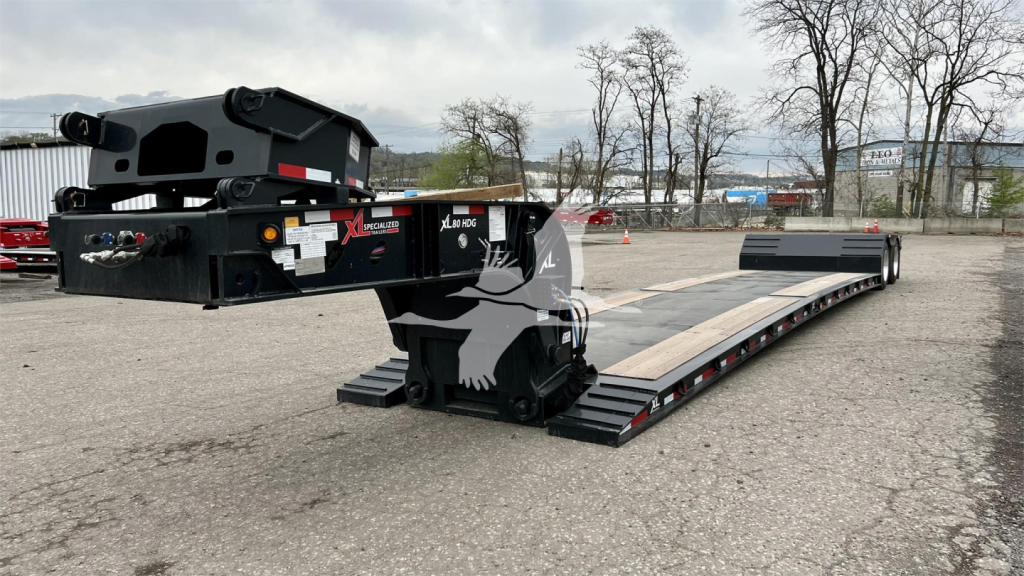
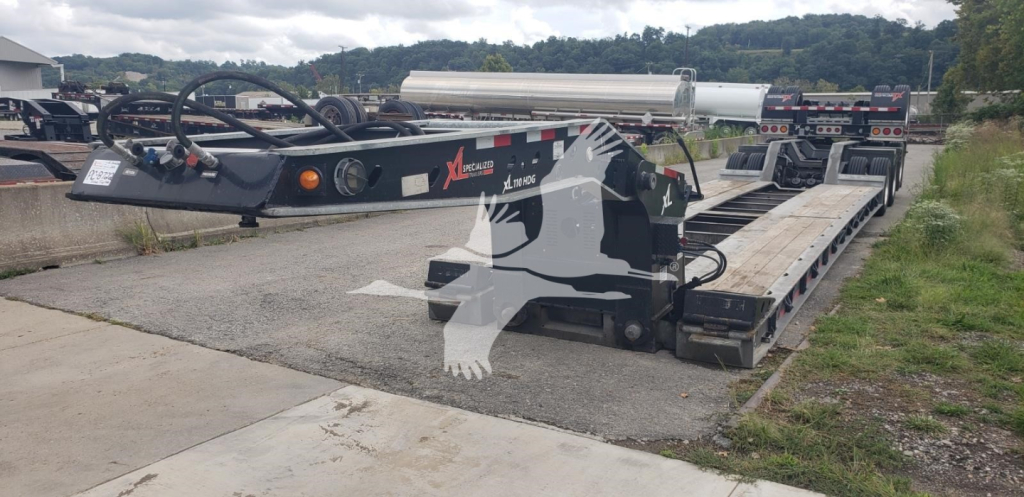
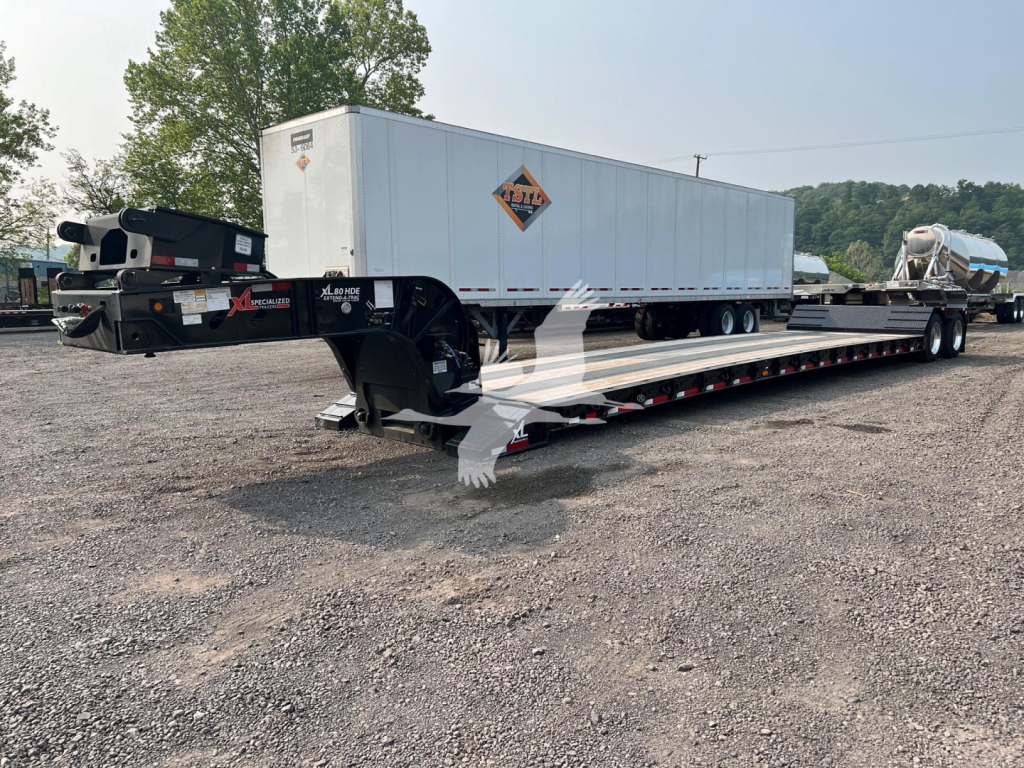
Selling a used 2024 xl specialized trailer? List your used 2024 xl specialized trailer for sale and reach thousands of commercial buyers.
Used 2024 XL Specialized Trailers in Pennsylvania
The biggest buying decision usually starts with trailer style and deck geometry. A lowboy or detachable gooseneck trailer is the standard choice for moving excavators, dozers, and tracked equipment where deck height and loading angle matter. A double drop or low-profile expandable trailer makes more sense when the freight is taller, longer, or needs a lower loaded deck height and more well space. Common specs seen on XL Specialized trailers include 102-inch width, Apitong flooring, air ride suspension, 255/70R22.5 tires, 16-inch or 18-inch kingpin settings, flip axle connections, aluminum pullouts or outriggers, and multiple D-ring tie-down points. Buyers should compare loaded deck height, well length, ground clearance, top deck length, rear deck design, and whether the neck is hydraulic detachable, mechanical detachable, or full-width fixed style.
Condition matters as much as spec on a used 2024 trailer. A late-model XL Specialized trailer may still show very little structural wear, but it is worth checking the neck lock-up, hydraulic system operation, air ride function, suspension settings, brake type, tire wear, wheel condition, and deck integrity. On heavy-haul trailers, inspect crossmember spacing, outer rails, ramp or tail taper, and any stress around concentrated load areas such as boom wells, bucket wells, rear bridge sections, and axle connection points. Disc brakes, ride height adjustment, self-contained battery backup for strobes, toolboxes, swing-out brackets, and dual kingpin positions are features many buyers value because they affect daily usability and load flexibility.
For Pennsylvania operators, trailer selection also ties closely to permitting, route planning, and bridge-heavy regional hauling. A trailer with the right axle group compatibility, flip axle provisions, and deck length can make a real difference in how efficiently a load can be permitted and moved. Buyers comparing used 2024 XL Specialized trailers should focus on payload class, detach style, deck dimensions, tare weight, and axle setup before anything else. Those fundamentals determine what the trailer can legally and profitably haul, which is what separates a specialized trailer that looks right on paper from one that actually fits the work.
Frequently Asked Questions about Used 2024 XL Specialized Trailers in Pennsylvania
What are XL Specialized trailers commonly used for?
XL Specialized trailers are commonly used for heavy equipment transport, including excavators, dozers, loaders, pavers, scrapers, tractors, and other machinery that exceeds standard deck height or weight limits. Lowboy and double drop models are especially common in construction, agriculture, roadbuilding, and specialized freight because they provide lower loading height, better machine clearance, and stronger tie-down options than a standard flatbed.
What should I check first on a used 2024 XL Specialized trailer?
Start with the trailer configuration, deck measurements, and axle setup, then move to condition. The most important items are detach type, main deck length, loaded deck height, ground clearance, tire and brake condition, suspension function, and the condition of the floor, neck, and rear frame sections. On hydraulic detach models, buyers should also confirm clean hydraulic operation, secure neck engagement, and the condition of any pony motor or power unit.
What is the difference between an XL Specialized lowboy and a double drop trailer?
An XL Specialized lowboy is typically chosen for heavy machinery that needs a low deck and detachable neck access for loading. A double drop trailer, also called a low-profile double drop or specialized low deck trailer, is built for taller freight and often provides a deeper well or expandable deck arrangement. The right choice depends on freight height, machine length, loading method, and whether the load needs concentrated capacity or extra deck space.
Are hydraulic detach trailers better than mechanical detach trailers?
Hydraulic detach trailers are generally faster and more convenient in frequent loading environments, especially for fleets moving equipment every day. Mechanical detach trailers have fewer hydraulic components and can appeal to buyers who want a simpler setup with less hydraulic maintenance. The better option depends on loading frequency, driver preference, service capability, and the type of machines being loaded.
Why do deck height and kingpin setting matter on specialized trailers?
Deck height directly affects legal loaded height, center of gravity, and machine loading practicality. A lower main deck can be the difference between moving a machine legally or needing a more complex permit route. Kingpin setting matters because it affects tractor clearance, bridge law positioning, and weight distribution between the tractor and trailer. On specialized hauling, these details have a direct impact on both compliance and loadability.