
Used 2006 Trailers For Sale in Pennsylvania
Browse used 2006 trailers in Pennsylvania, including dry vans and flatbeds, with specs, applications, and buying points that matter.
Selling a used 2006 trailer? List your used 2006 trailer for sale and reach thousands of commercial buyers.
Used 2006 Trailers in Pennsylvania
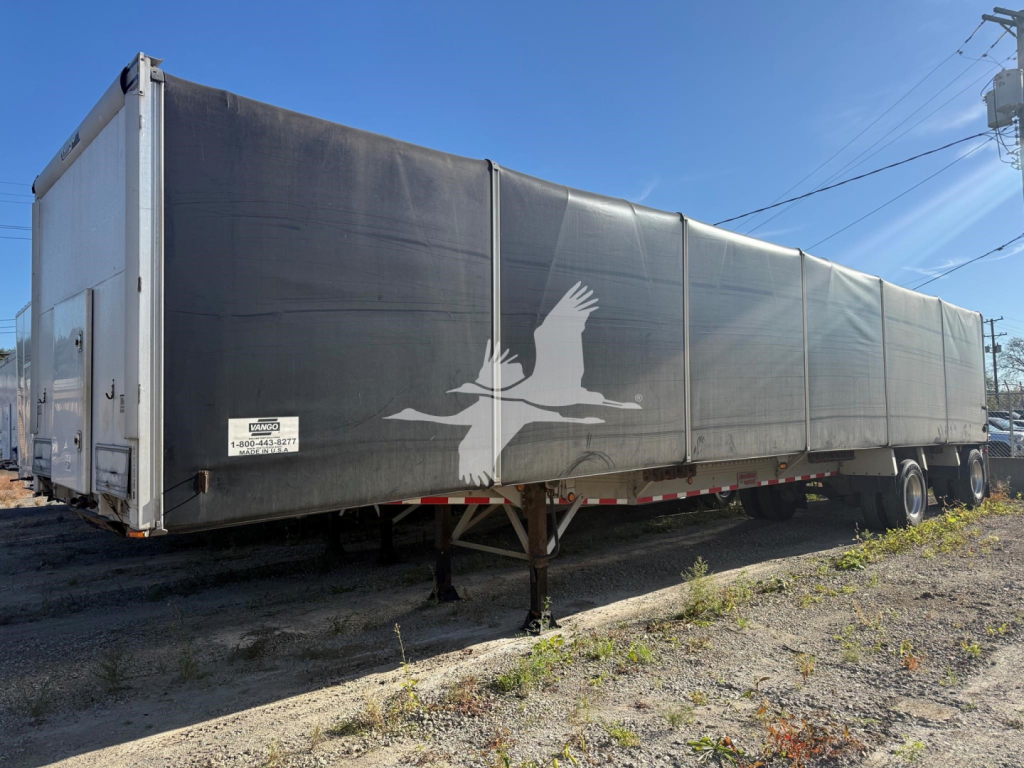
For dry van buyers, the key inspection points are the roof, sidewalls, rear frame, crossmembers, threshold, and floor. Many 2006 vans were built with swing doors, wood floors, scuff liners or scuff plates, and sliding tandems, and those features still matter for dock loading, axle compliance, and forklift durability. Check for patched roofs, cracked rails, delamination, light moisture intrusion, and wear around the rear sill and door hardware. Suspension type, usually air ride or spring ride, affects cargo protection and tire wear, while logistics posts, duct floors, and lining condition matter if the trailer will handle mixed palletized freight.
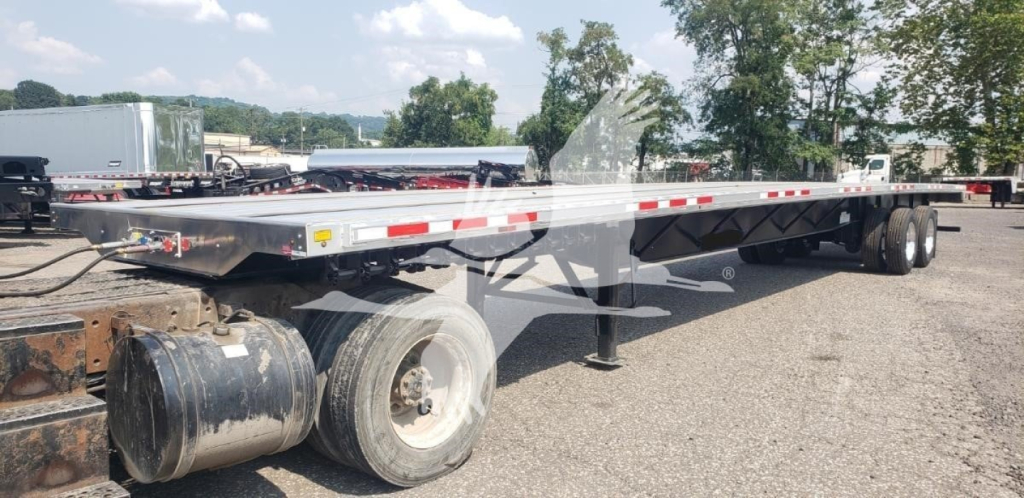
On a 2006 flatbed, also known as a platform trailer, condition is more important than age alone. Buyers should look closely at the main beams, crossmember spacing, flooring material such as apitong or combo construction, winch track condition, rub rail integrity, and any signs of twist or concentrated load damage. A 48-foot or 53-foot flatbed from this era may be set up for steel, machinery, building products, or general construction freight, and details like coil package options, chain tie-down points, sliding winches, and kingpin setting can affect day-to-day usability. Pennsylvania operators hauling in and out of mills, warehouses, and job sites usually benefit from a trailer with strong deck life, legal axle flexibility, and a suspension that tracks well on rough secondary roads.
A well-bought 2006 trailer is usually one with a clear maintenance history and a recent, honest inspection of brakes, tires, lights, wheel ends, air system, and structural components. If the trailer has drum brakes, air ride suspension, and a sliding tandem, verify parts availability and measure wear rather than assuming the spec is a problem. Older trailers can offer lower acquisition cost, but deferred repairs on floors, subrails, suspension bushings, landing gear, and doors will erase that advantage quickly. Buyers comparing used 2006 trailers in Pennsylvania should prioritize structural soundness, cargo-fit spec, and compliance-ready running gear over cosmetics.
Frequently Asked Questions about Used 2006 Trailers in Pennsylvania
What should I inspect first on a used 2006 trailer?
Start with the frame, crossmembers, floor, suspension, brakes, and wheel ends. On a van trailer, pay close attention to the rear frame, roof, sidewalls, threshold, and door hardware. On a flatbed, inspect the main beams, deck condition, rub rails, winch track, and tie-down areas for cracks, repairs, or distortion. A 2006 trailer can still be serviceable, but structural issues and neglected running gear are usually more expensive than cosmetic defects.
Are 2006 trailers still a good value for commercial use?
They can be, especially for regional hauling, dedicated lanes, storage use, or lower-mile operations where the trailer spec fits the job. The value depends less on model year and more on maintenance history, structural condition, and how much reconditioning is required. Buyers should budget for tires, brake work, lighting repairs, floor repair, and suspension components if service records are limited. A lower purchase price only makes sense if the trailer can be put to work without major downtime.
What trailer types are common in used 2006 inventory in Pennsylvania?
Dry vans and flatbeds are among the most common trailer types from this model year, with many 53-foot by 102-inch units still in operation. Dry vans are used for general palletized freight, retail freight, and dock-to-dock hauling. Flatbeds are common for steel, lumber, machinery, and construction materials. Pennsylvania demand often reflects a mix of manufacturing, warehousing, and building supply freight, so these trailer classes remain relevant.
How important is suspension type on an older used trailer?
Suspension type matters because it affects ride quality, cargo protection, tire wear, and maintenance cost. Air ride is often preferred for van freight and higher-value cargo because it reduces shock and generally tracks well. Spring suspension can be simpler but may ride harsher depending on the application. On any used 2006 trailer, the condition of bushings, hangers, air bags, shocks, and alignment matters more than the suspension label alone.
What Pennsylvania-specific concerns matter when buying an older trailer?
Corrosion is a major concern because winter road treatment can accelerate rust on frames, crossmembers, brake components, and electrical connections. Buyers should inspect the underside carefully, including mounting points, suspension hardware, and lighting harnesses. It also helps to confirm the trailer can meet current operational needs for axle adjustment, lighting compliance, tire condition, and brake performance on interstate and local routes. A trailer that looks decent from the side can still need significant understructure work.