
Used 2006 Trailmobile Trailers For Sale in Pennsylvania
Shop used 2006 Trailmobile trailers in Pennsylvania. Compare dry van specs, suspension, door style, slider setup, and overall condition.
No exact matches found for your search
Showing 2006 Used Trailers in Pennsylvania instead.
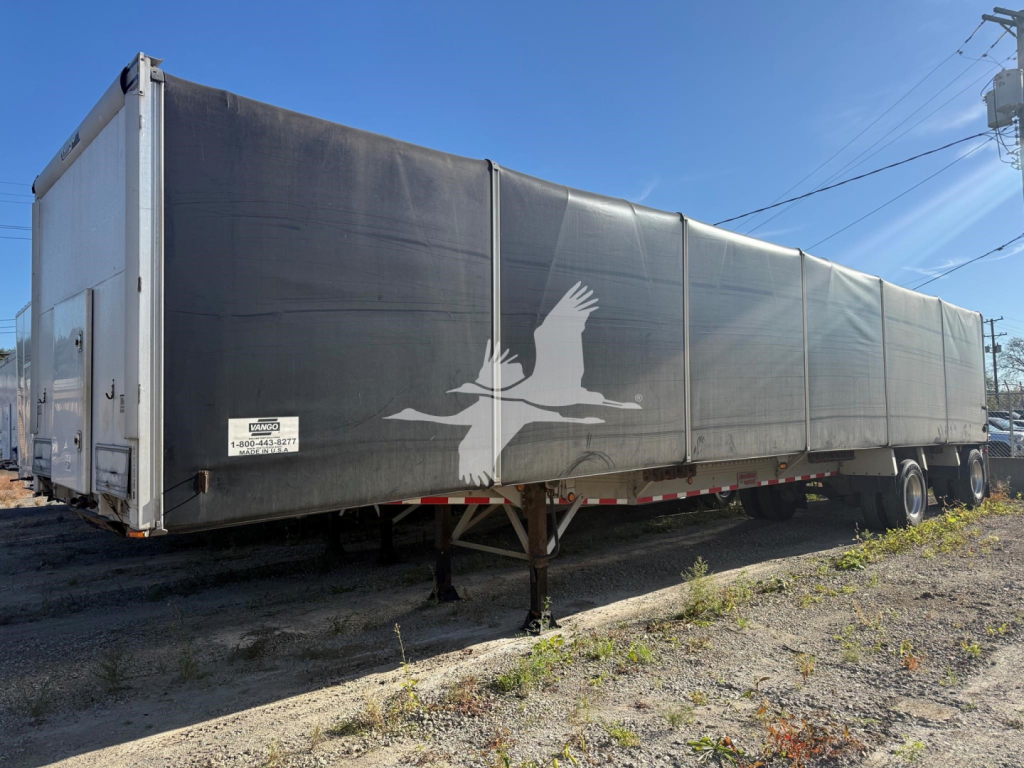
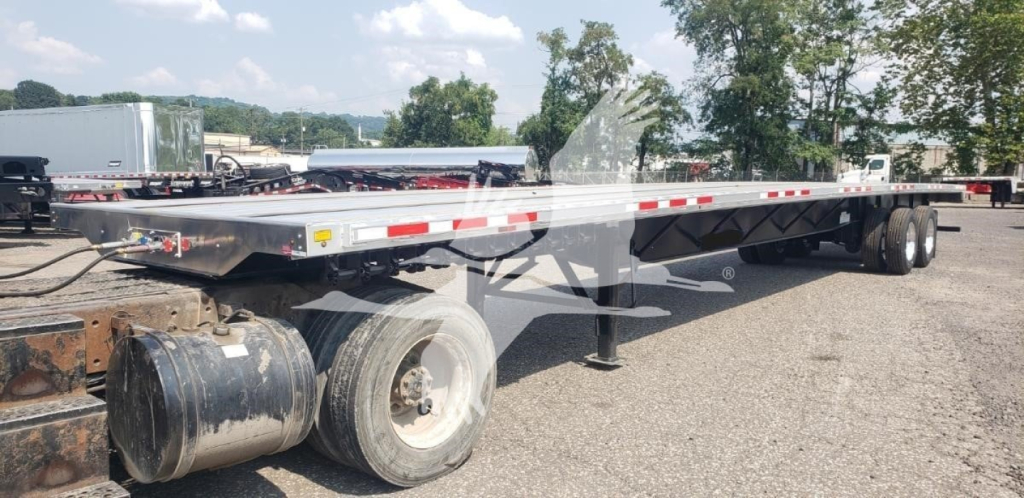
Selling a used 2006 trailmobile trailer? List your used 2006 trailmobile trailer for sale and reach thousands of commercial buyers.
Used 2006 Trailmobile Trailers in Pennsylvania
Trailmobile dry vans from this era were built for high-cycle freight work, and a lot of them are spec'd with tandem sliding suspensions. A slider gives you flexibility on bridge laws, axle spread, and dock positioning, which still matters for multistate operations running in and out of Pennsylvania. Air-ride suspension is generally preferred for better cargo protection and less vibration on packaged freight, while spring-ride can be simpler and cheaper to maintain. Buyers should also look closely at door configuration, rear frame wear, hinge condition, and signs of impact damage around the threshold and header, especially on trailers that spent years in city delivery or drop-and-hook service.
The floor and body deserve extra attention on a 2006 trailer. Check the wood floor for forklift damage, soft spots, patched areas, and excessive wear at the nose and rear entry. Inside the body, inspect scuff liners, side posts, roof bows, and wall repairs to see how the trailer was loaded and whether it handled heavy palletized freight. Outside, corrosion around crossmembers, landing gear mounts, slider rails, and light panels can tell you a lot about how the trailer held up through Northeastern winters and road salt exposure. Tire age, brake lining life, wheel-end condition, ABS function, and the overall state of the suspension are just as important as the box itself because those are the items that quickly affect uptime and operating cost.
For many buyers, the best used 2006 Trailmobile trailer is the one with a straight body, solid maintenance history, and specs that match the lane. A standard dry van works well for general freight, consumer goods, paper products, and non-temperature-sensitive loads. If the trailer is a plate van or drop-frame style, cargo height and loading profile become more important, especially for moving, bulky freight, or specialized cube needs. Matching kingpin setting, overall trailer weight, door type, and suspension to your freight mix will do more for long-term value than focusing only on purchase price.
Frequently Asked Questions about Used 2006 Trailmobile Trailers in Pennsylvania
What should I inspect first on a used 2006 Trailmobile trailer?
Start with the structural basics: frame, crossmembers, floor, roof, rear frame, and suspension slider area. On a trailer from this model year, hidden repair quality matters as much as visible appearance. Look for floor patches, cracked crossmembers, corrosion near landing gear mounts, rear impact damage, and uneven tire wear that may point to axle or suspension issues. A clean body means less if the running gear, brakes, and wheel ends need immediate work.
Is air-ride better than spring-ride on a used Trailmobile dry van?
Air-ride is usually preferred for dry van service because it helps protect freight and reduces vibration on rough roads. It is a strong fit for palletized consumer goods, paper, and damage-sensitive loads. Spring-ride can still be a good choice for buyers focused on lower acquisition cost and simpler mechanical systems, but it generally delivers a harsher ride. The better option depends on cargo type, lane conditions, and your maintenance budget.
Why is a sliding tandem important on a 53-foot van trailer?
A sliding tandem gives the operator flexibility to adjust axle position for bridge compliance, state regulations, and weight distribution. In regional operations across Pennsylvania and surrounding states, that adjustment can make the trailer easier to scale legally and easier to position at docks. Buyers should inspect slider rails, locking pins, bushings, and signs of excessive wear because neglected slider assemblies can become expensive quickly.
Are 2006 Trailmobile trailers still good for fleet service?
They can still be productive trailers if they have been maintained properly and the structure remains sound. Many 2006 dry vans continue to work in warehouse transfer, short-haul distribution, storage, and general freight applications. The key is realistic evaluation of remaining service life. A trailer with a solid floor, good brakes, healthy wheel ends, and limited corrosion can still deliver value, while one with extensive structural wear may only make sense for light-duty use or storage.
What trailer specs matter most for general dry freight in Pennsylvania?
For general dry freight, common priorities include 53-foot length, 102-inch width, swing doors, tandem slider setup, and suspension type. Buyers should also confirm kingpin setting, interior height, floor condition, door seal integrity, and tare weight if payload matters. In Pennsylvania, corrosion resistance and undercarriage condition deserve extra scrutiny because winter road treatment can accelerate wear on older trailers.