
Used 2006 Trailmobile Trailers For Sale
Shop used 2006 Trailmobile trailers, including dry vans and van pups, with common specs, construction details, and buying points that matter.
No exact matches found for your search
Showing 2006 Used Trailers instead.
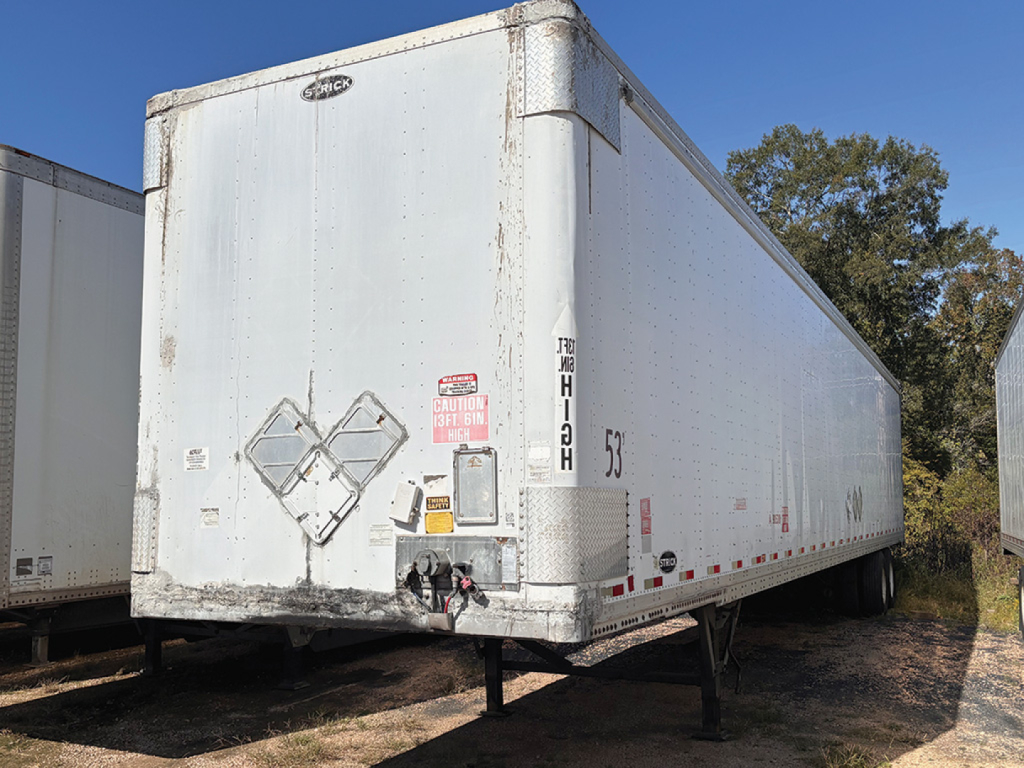
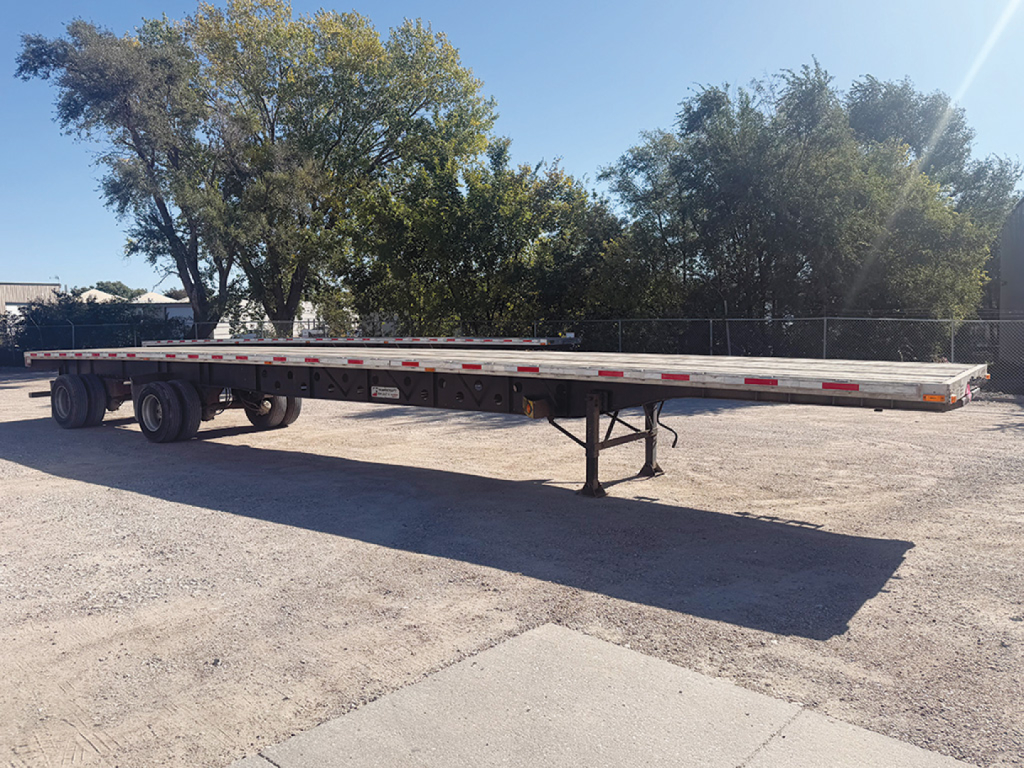
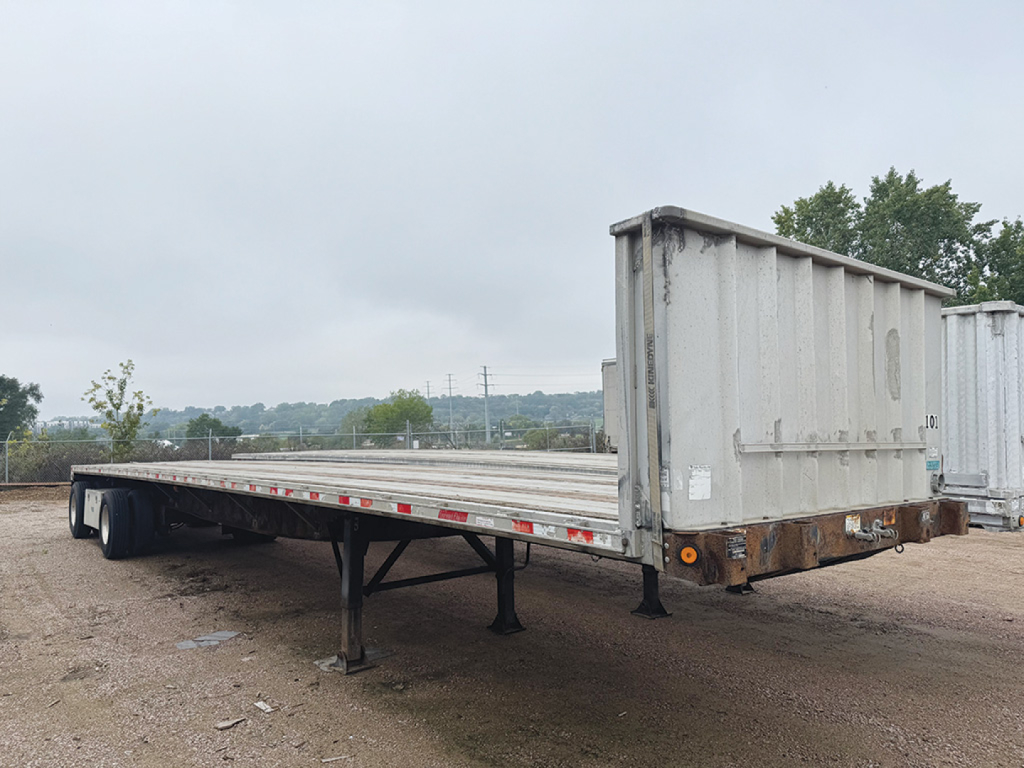
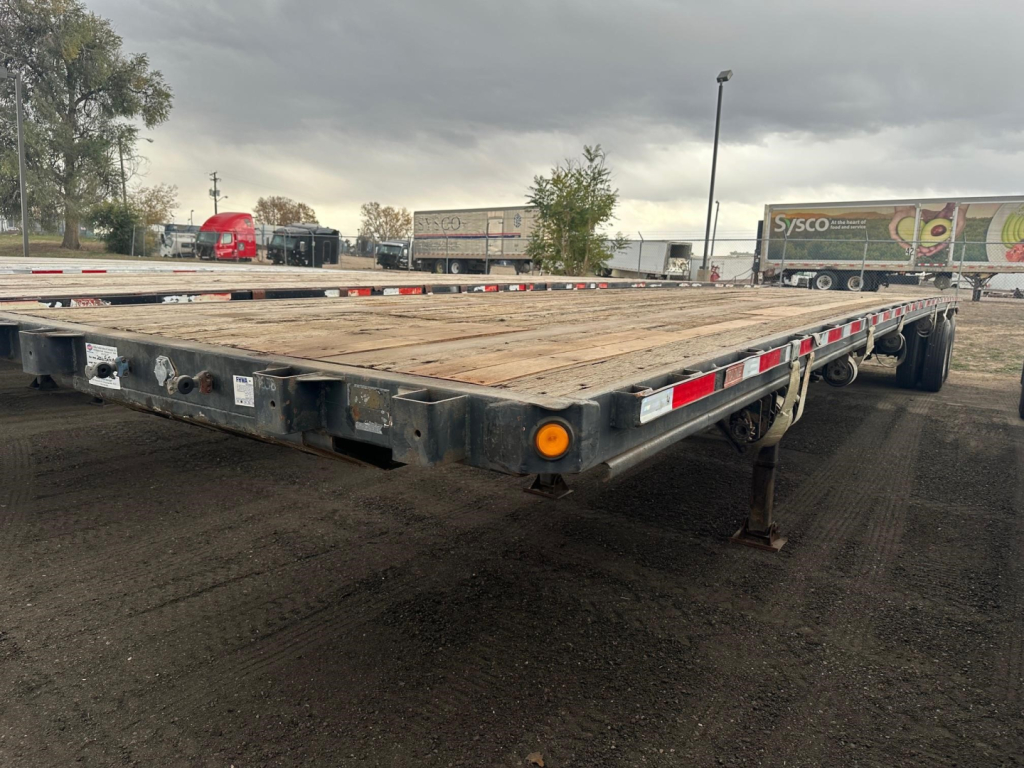
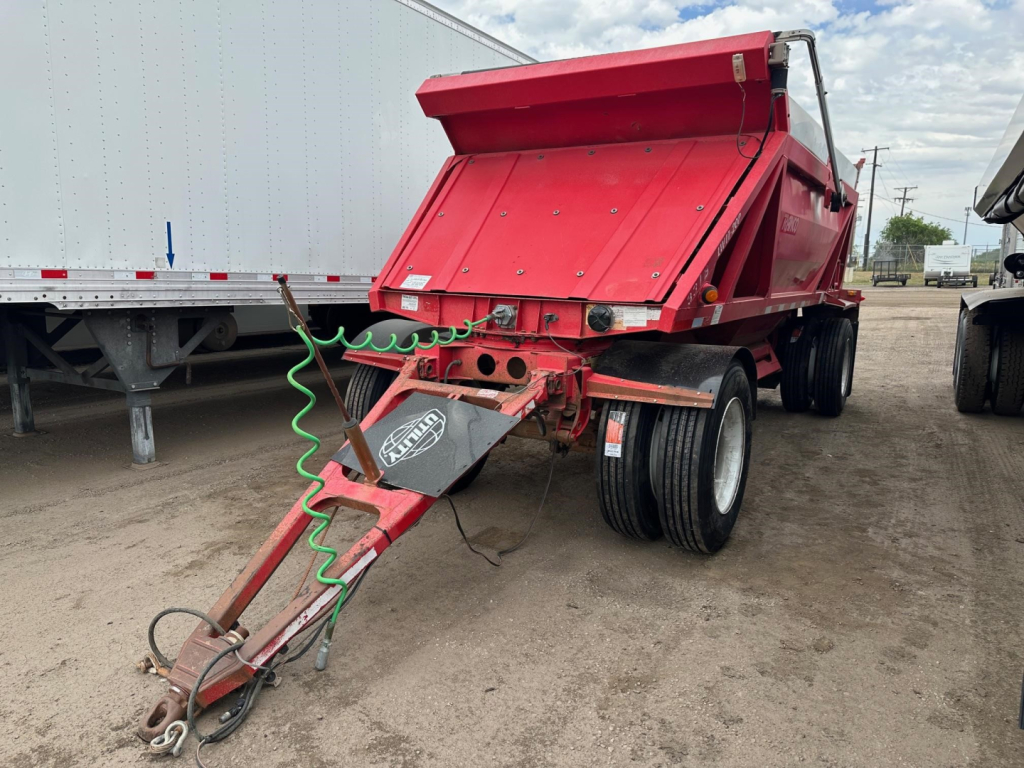
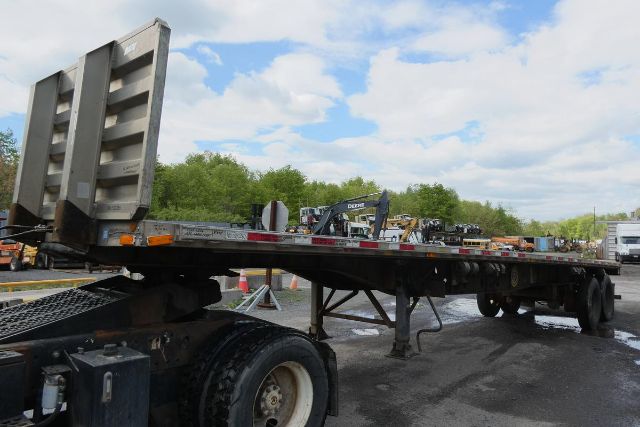
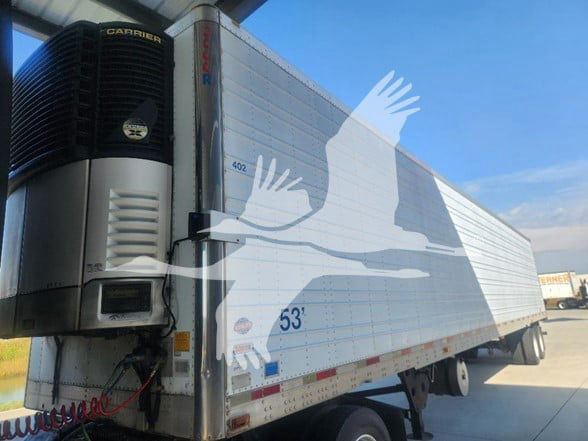
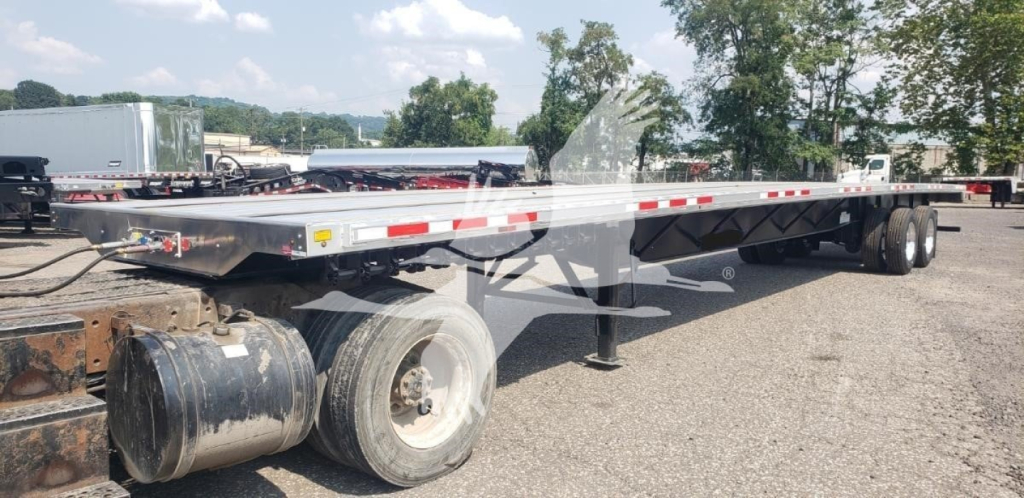
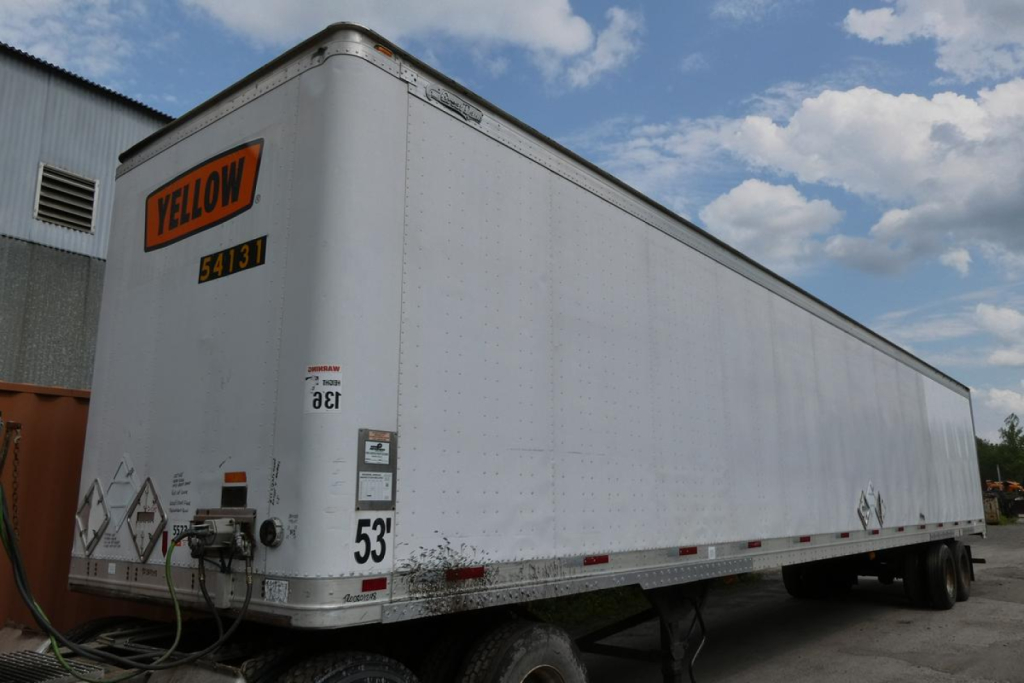
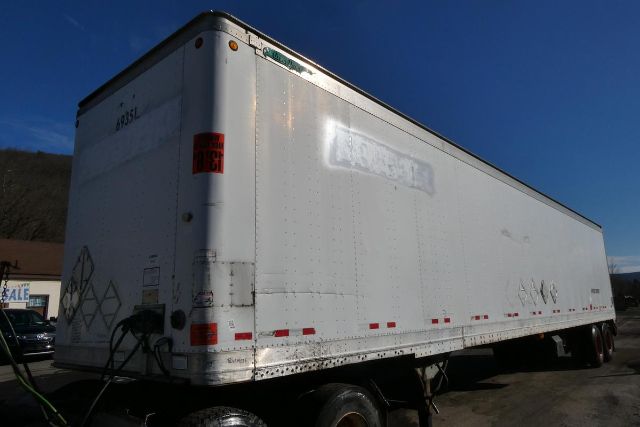
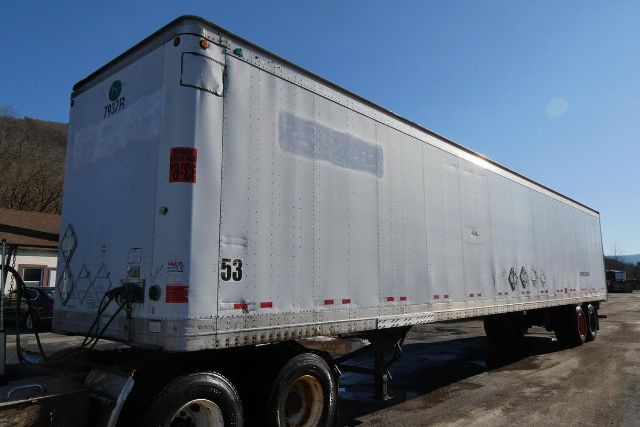
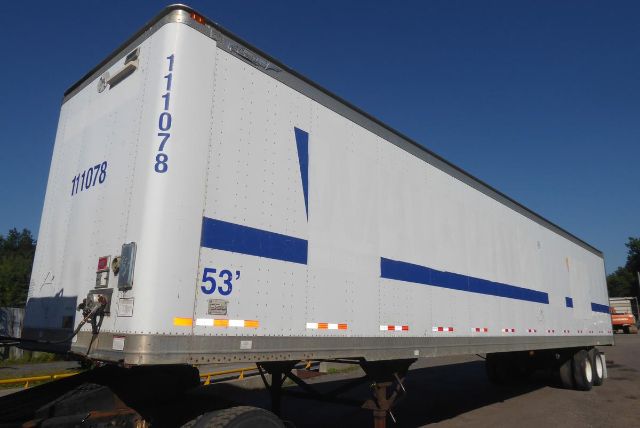
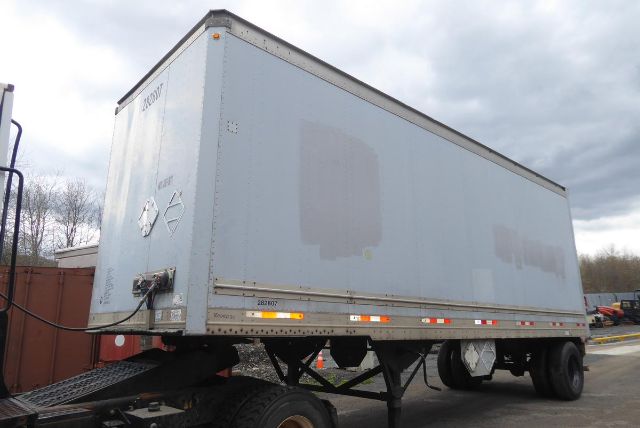
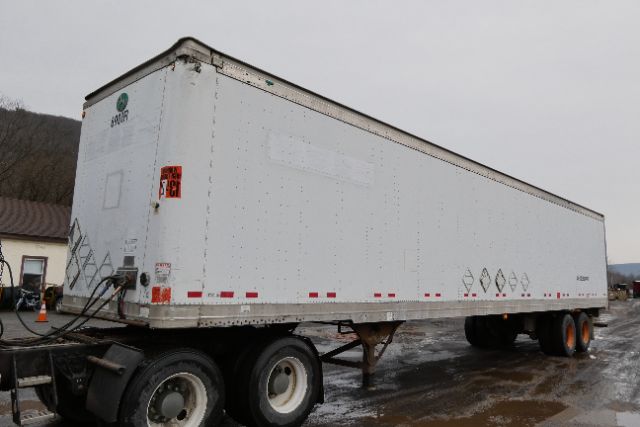
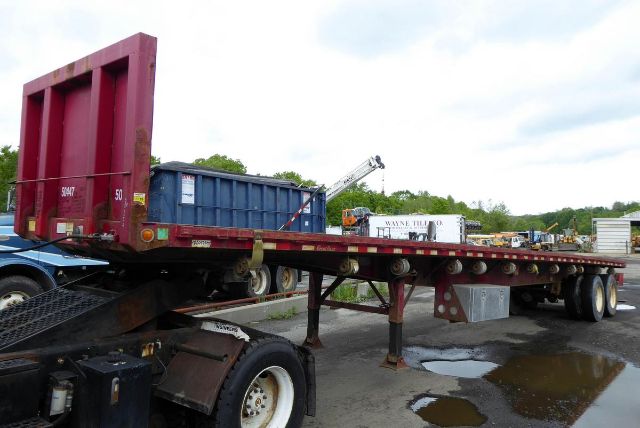
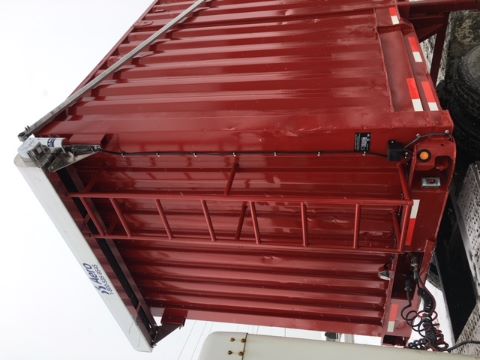

Showing 1 to 28 of 38 results
Selling a used 2006 trailmobile trailer? List your used 2006 trailmobile trailer for sale and reach thousands of commercial buyers.
Used 2006 Trailmobile Trailers
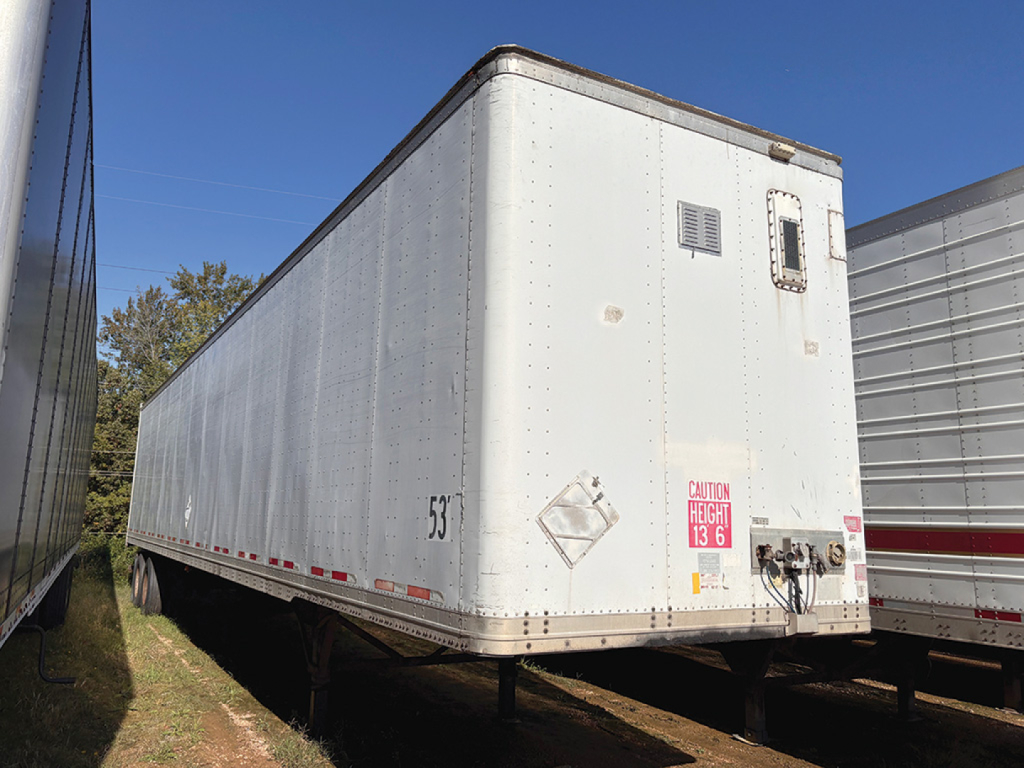
The biggest buying decision on a 2006 Trailmobile trailer is usually configuration, not badge. A full-size 53-foot dry van supports standard over-the-road and dedicated lane work, while a 28-foot van pup makes more sense for city delivery, LTL, and terminal-to-terminal moves where tighter turning radius matters. Suspension type is worth close attention. Air ride is generally preferred for freight protection and ride quality, while spring ride may be acceptable for tougher freight and lower acquisition cost. Axle layout also matters. Some units use a fixed tandem, some a slider, and shorter pups may be single axle. Kingpin setting, suspension setting, and landing gear condition all affect how well the trailer matches your tractors and loading patterns.
Construction details tell you a lot about remaining service life. On a used 2006 Trailmobile van, inspect the hardwood floor for forklift damage, soft spots, patched sections, and threshold wear at the rear. Look at the roof bows, translucent roof panels, side posts, and crossmember spacing for signs of impact or long-term fatigue. Galvanized rear frames and bumpers can be a plus in northern climates where corrosion is a concern, but the underframe, door frame, and landing gear still need a thorough rust check. Interior specs like plywood lining, E-track, logistic posts, and scuff liners can add real value if the trailer is going into freight service right away. Tire size, brake condition, wheel type, and brake system condition should be evaluated as operating-cost items, not just inspection points.
For many buyers, a 2006 Trailmobile trailer makes sense when the goal is dependable dry freight capacity without paying for late-model equipment. The key is matching the trailer to the work cycle and being realistic about reconditioning. A trailer with sound frame structure, straight body lines, solid doors, and a serviceable floor can still be productive for years in regional or local use. If the application involves frequent dock loading, high cube freight, or mixed palletized cargo, focus on interior dimensions, door style, floor condition, and lining package before anything cosmetic. Trailmobile dry vans from this era are best judged by structure, maintenance history, and how closely the spec fits the freight.
Frequently Asked Questions about Used 2006 Trailmobile Trailers
What types of 2006 Trailmobile trailers are most common on the used market?
The most common 2006 Trailmobile trailers are dry vans, including standard 53-foot vans and shorter van pups around 28 feet. Most are built for general dry freight and may include aluminum sheet-and-post side construction, wood floors, plywood interior lining, and either swing or roll-up rear doors. The exact configuration matters more than the model year alone because a pup trailer, a full-length van, and a slider tandem van each serve very different operations.
What should I inspect first on a used 2006 Trailmobile dry van?
Start with the floor, roof, rear frame, suspension, and doors. Forklift damage in the wood floor, bent crossmembers, roof leaks, cracked side posts, worn hinges, and threshold plate damage can all turn an inexpensive trailer into a repair project. After that, check brake wear, tire condition, landing gear operation, kingpin wear, and signs of corrosion on the underframe. On older dry vans, structural condition usually matters more than paint or cosmetic appearance.
Is air ride better than spring ride on a 2006 Trailmobile trailer?
Air ride is usually the better choice for freight protection, ride quality, and broader resale appeal. It is especially useful for palletized consumer goods, food products, paper, and other cargo that benefits from reduced vibration. Spring ride can still work well in tougher service where the freight is less sensitive and purchase price is a bigger factor. The right choice depends on the commodity, lane conditions, and the level of maintenance the suspension has received.
Are 2006 Trailmobile van pups a good fit for city and regional work?
Yes. A 28-foot Trailmobile van pup can be a strong fit for urban delivery, LTL operations, terminal shuttles, and routes with tighter yards or congested streets. The shorter wheelbase improves maneuverability and can make dock access easier in older facilities. Buyers should still confirm axle capacity, door opening, floor condition, and interior cargo control equipment such as E-track or lining before putting a pup trailer into regular route service.
How important are interior options like plywood lining, scuff plates, and E-track?
These options are important because they directly affect how the trailer handles daily loading and freight securement. Plywood lining and scuff plates help protect the sidewalls from pallet and forklift damage, which is especially valuable in dock operations with frequent touches. E-track adds flexibility for securing mixed freight and can reduce the need for retrofitting after purchase. For many buyers, these interior features are more useful than minor exterior upgrades because they improve day-to-day functionality immediately.