
New Dump Trucks For Sale
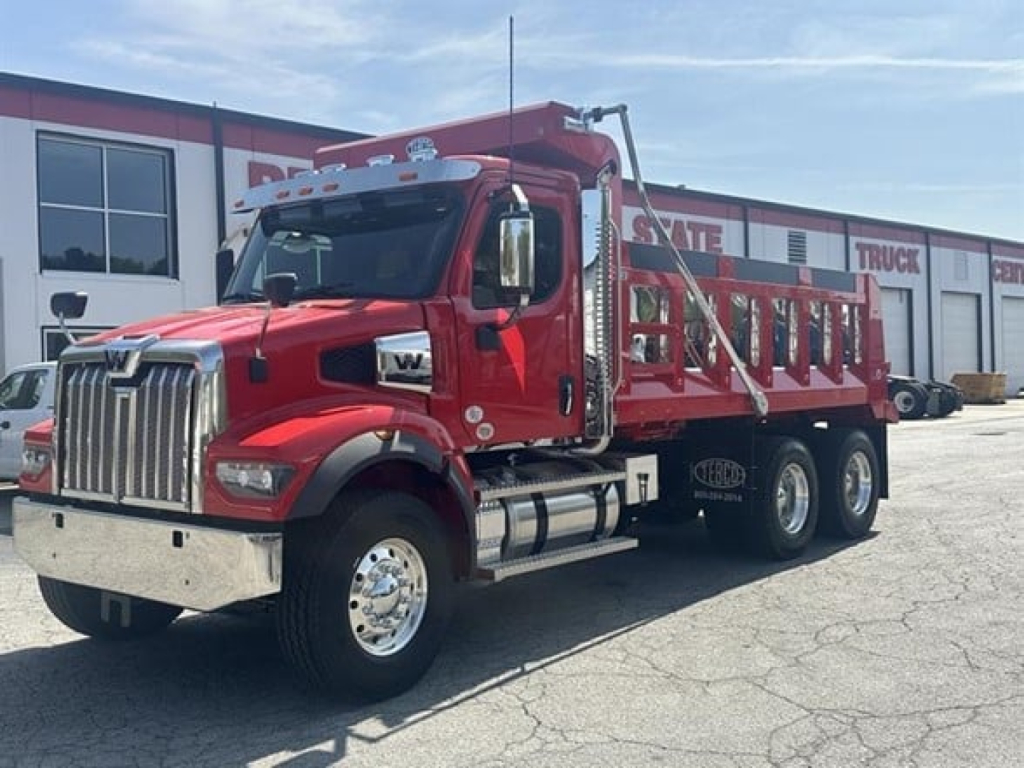
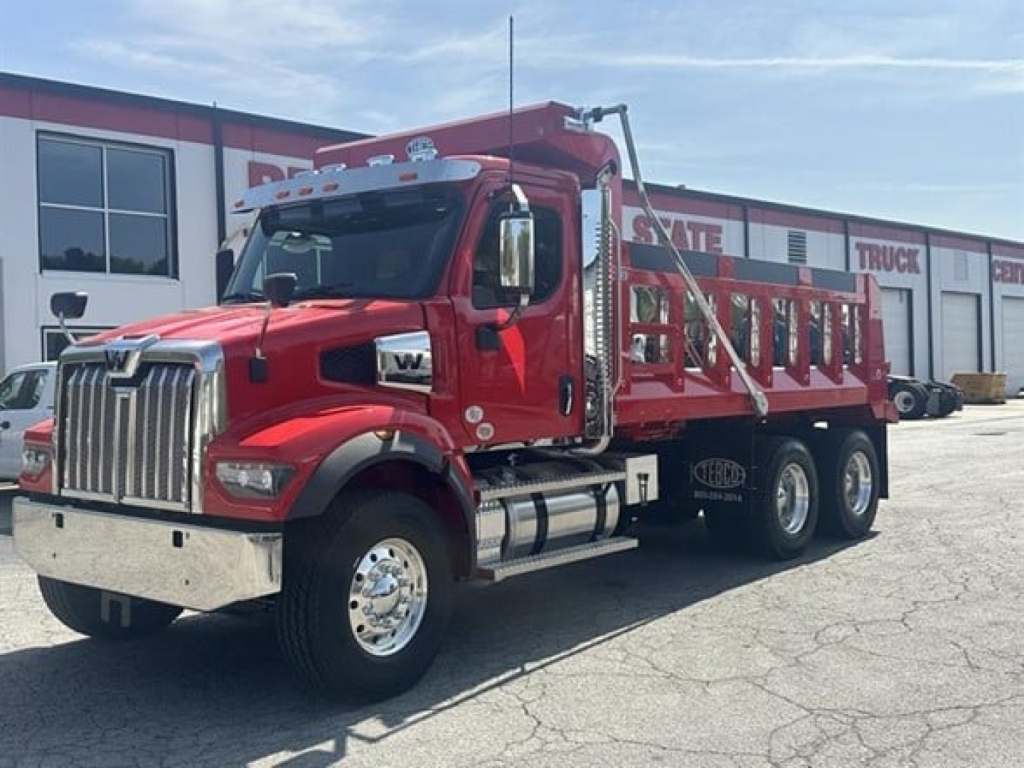
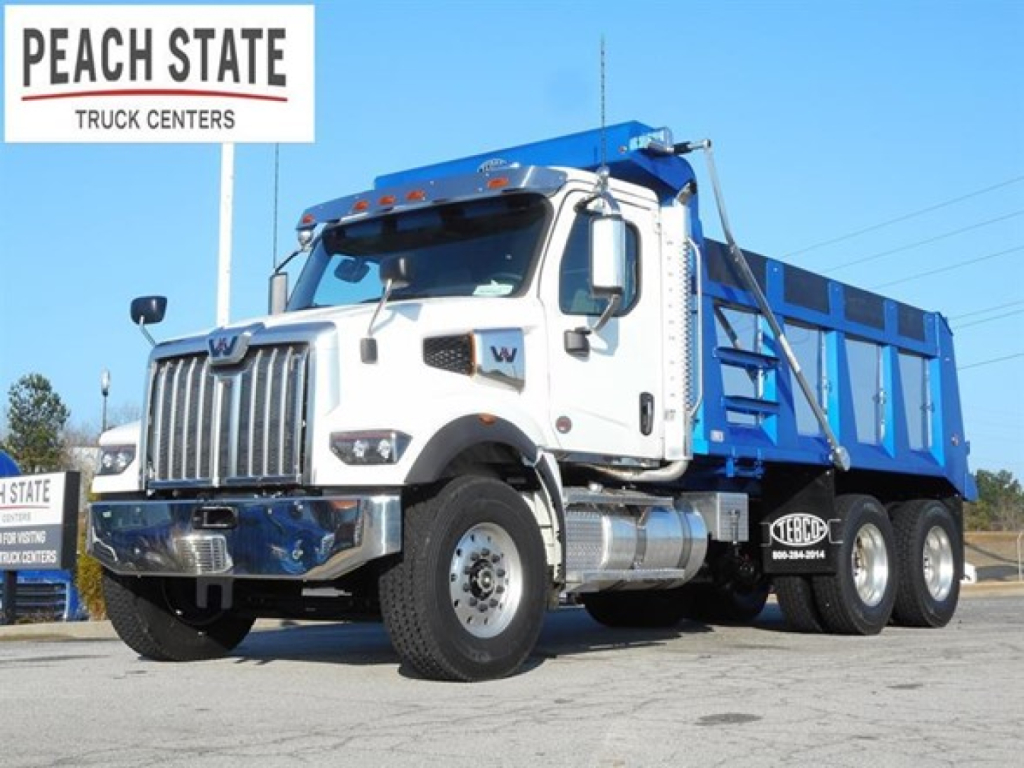
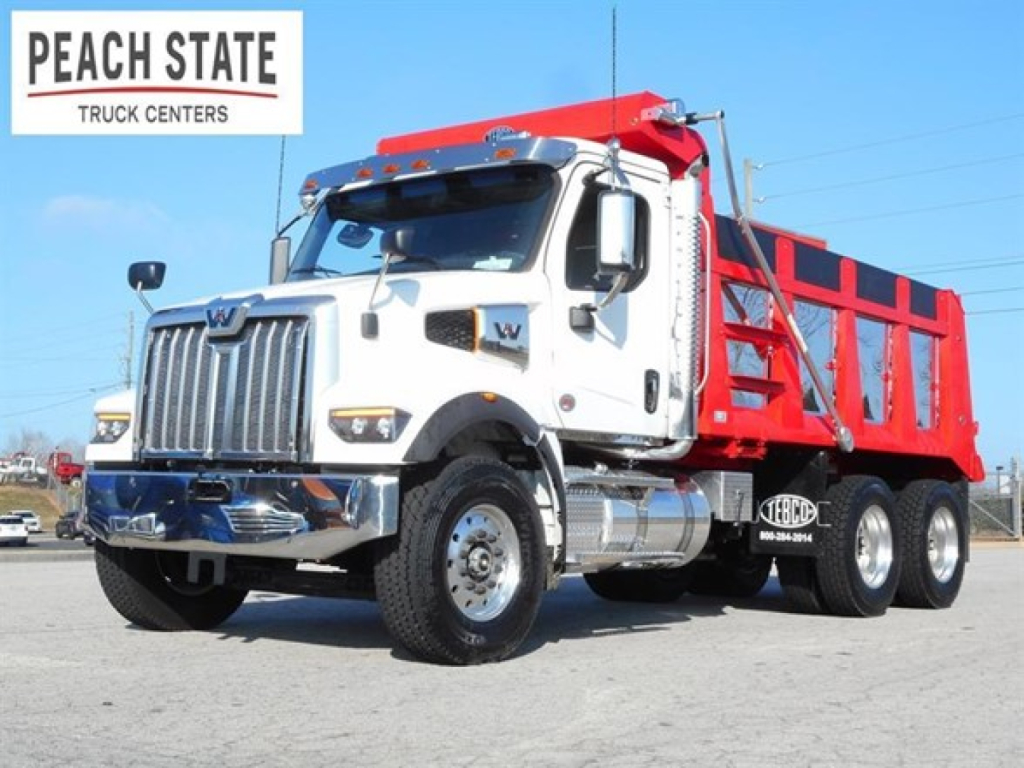
Browse new dump trucks for hauling gravel, asphalt, dirt, and debris. Compare body styles, axle setups, PTO hydraulics, and vocational specs.
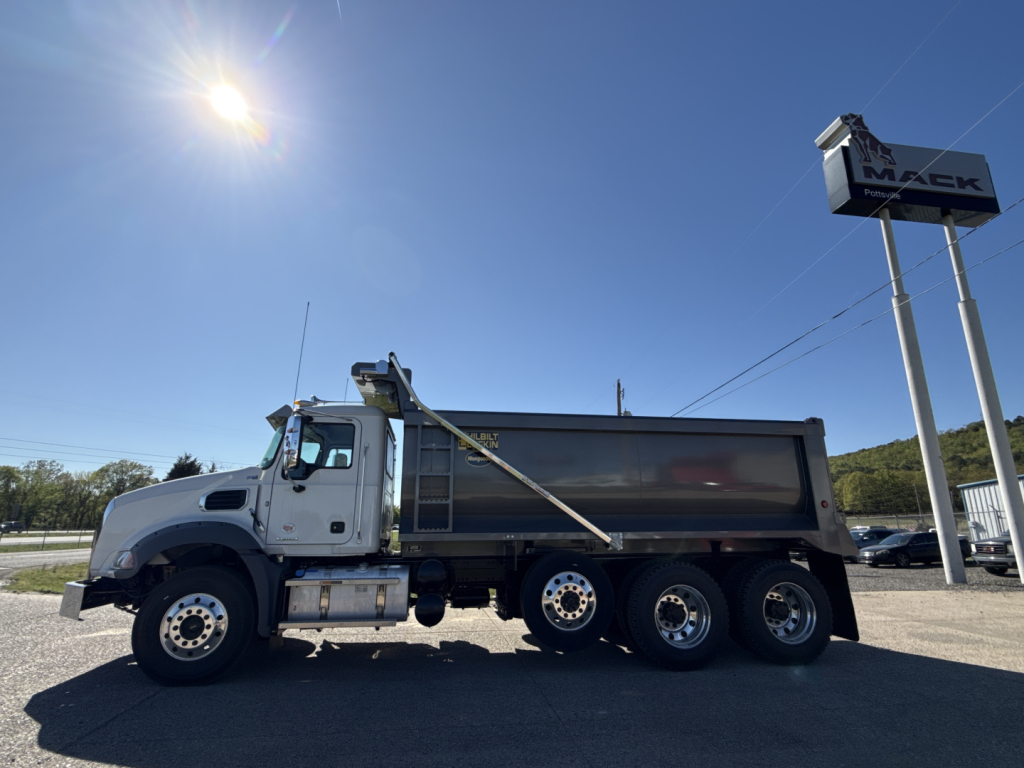
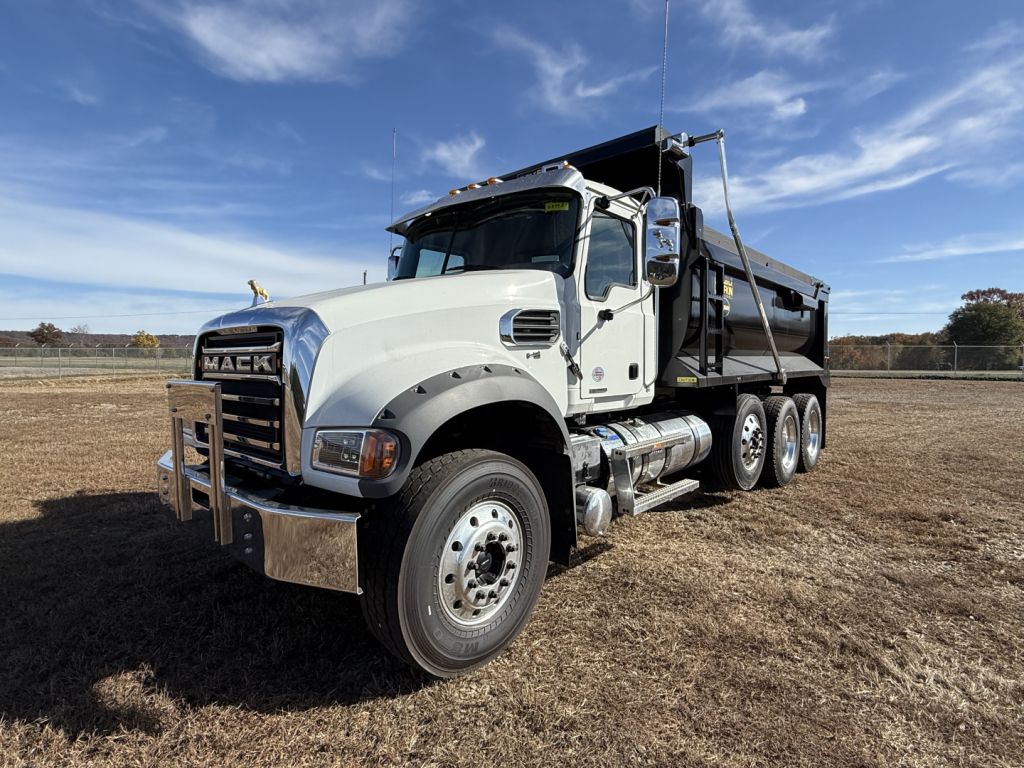
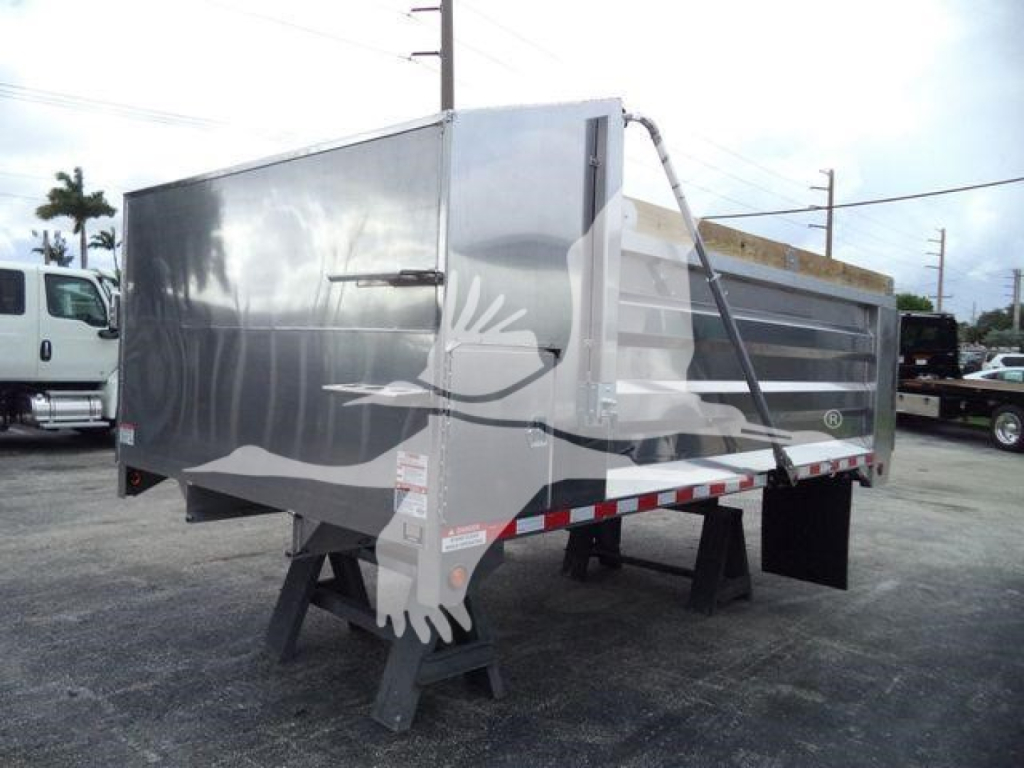
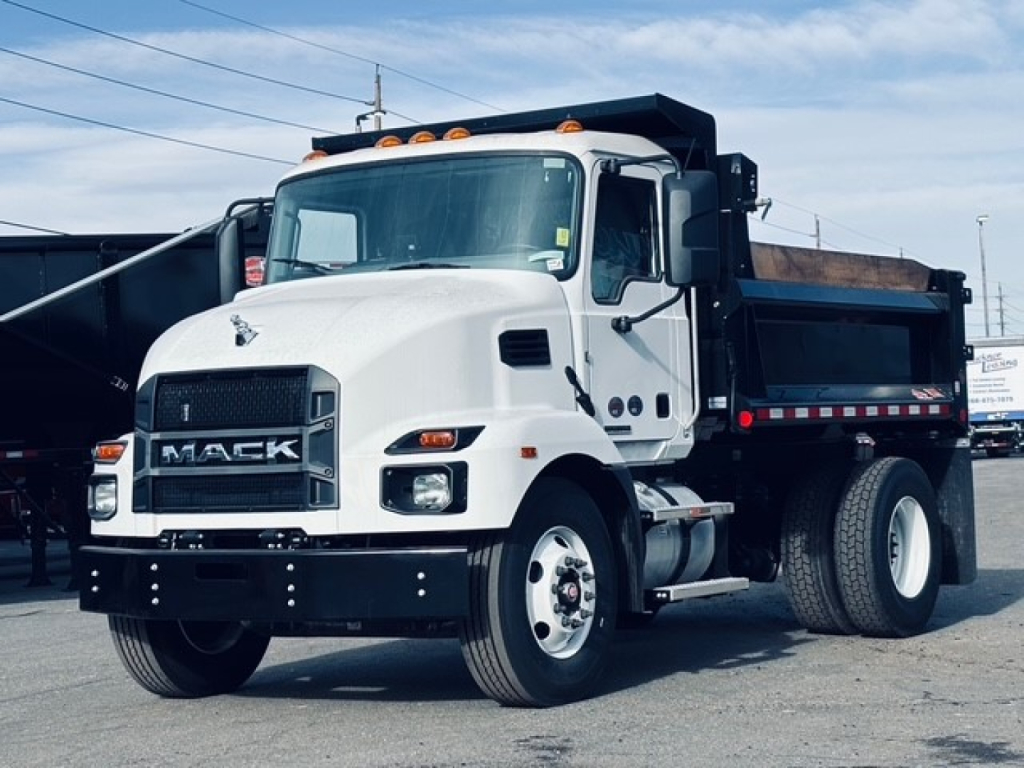
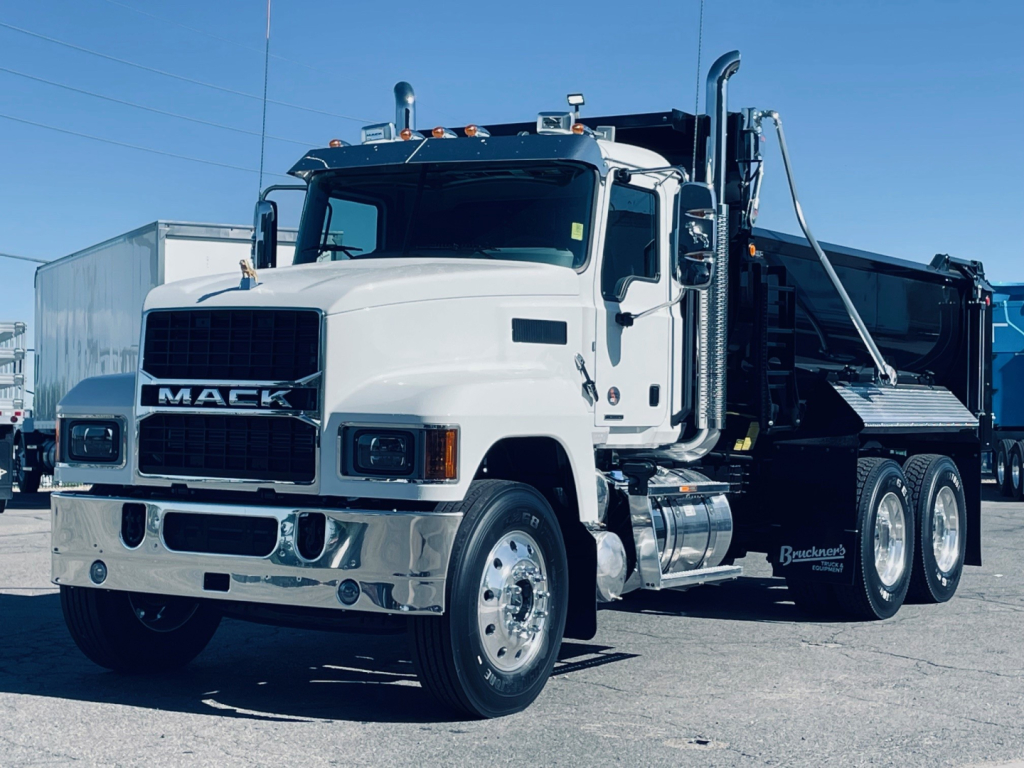
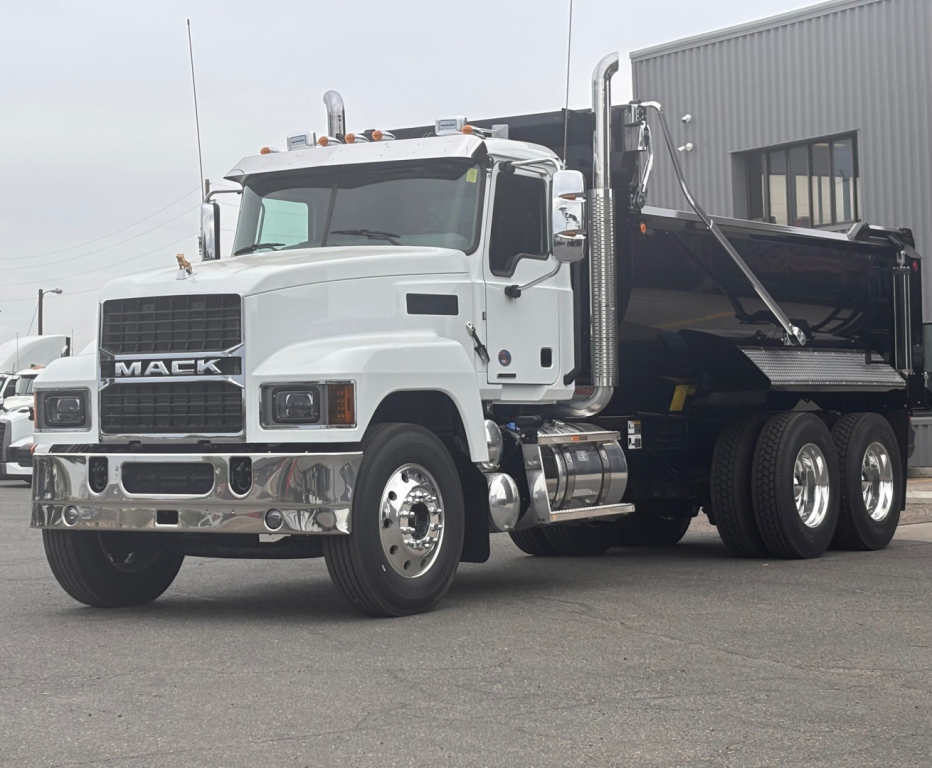
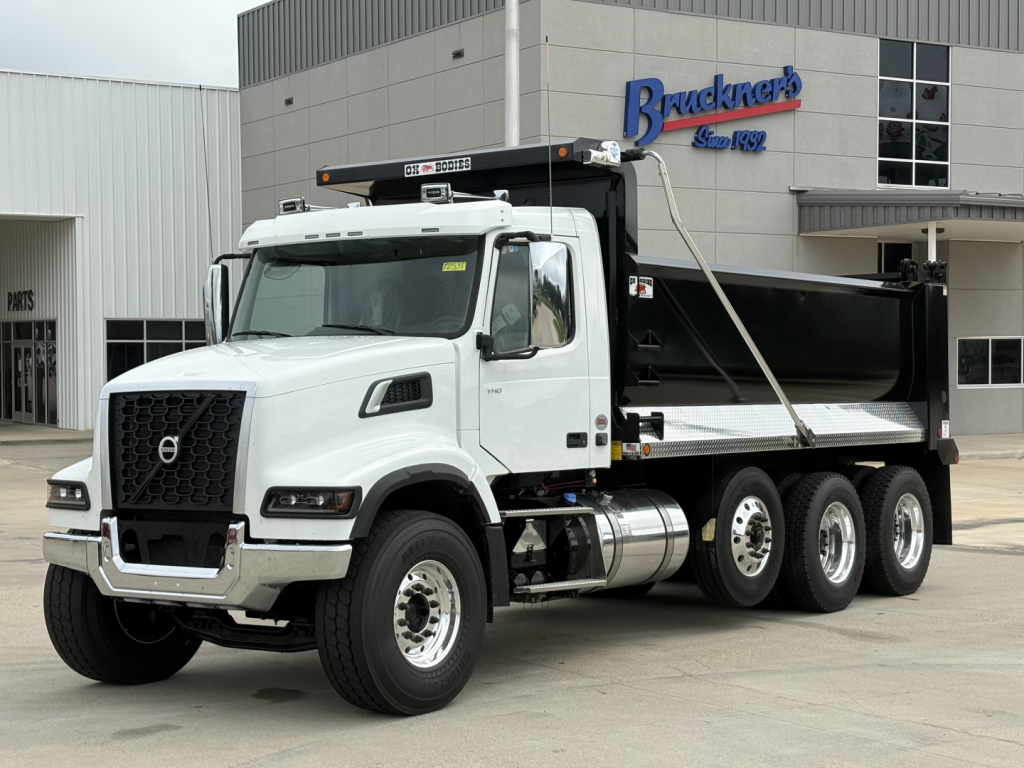
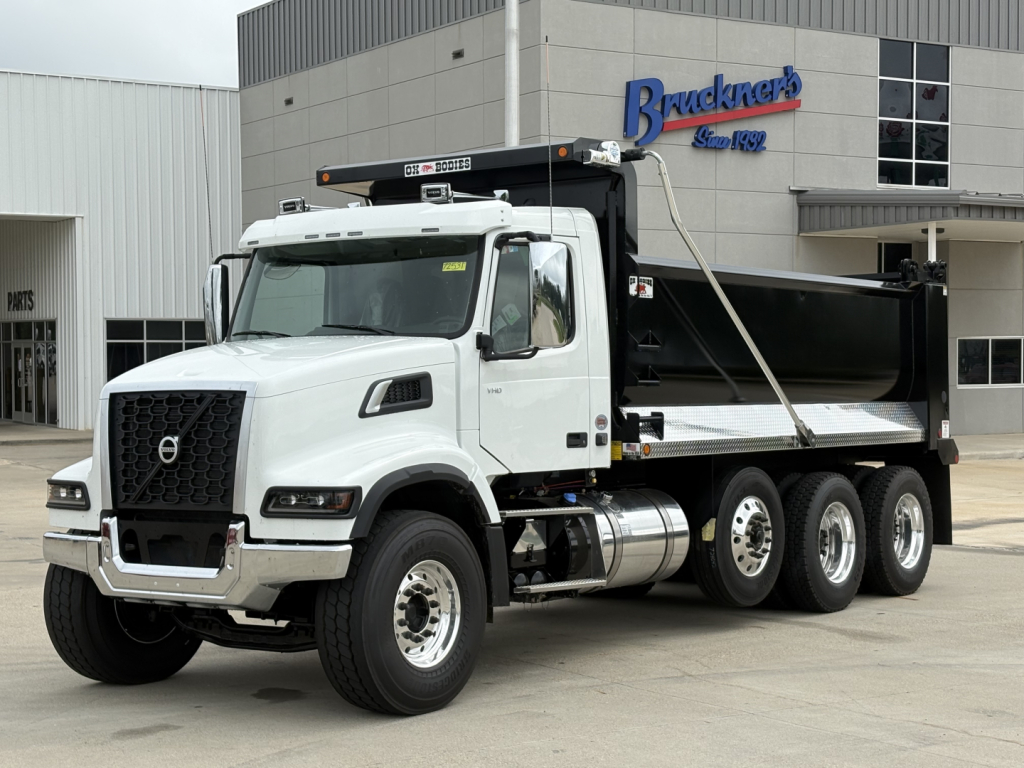
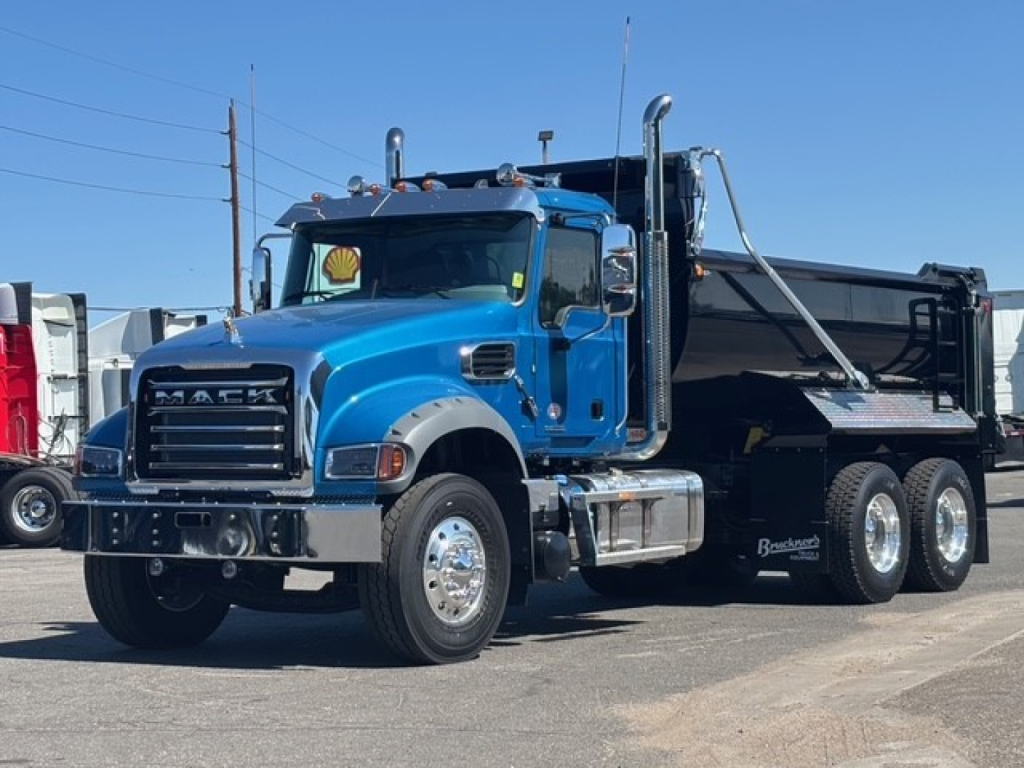
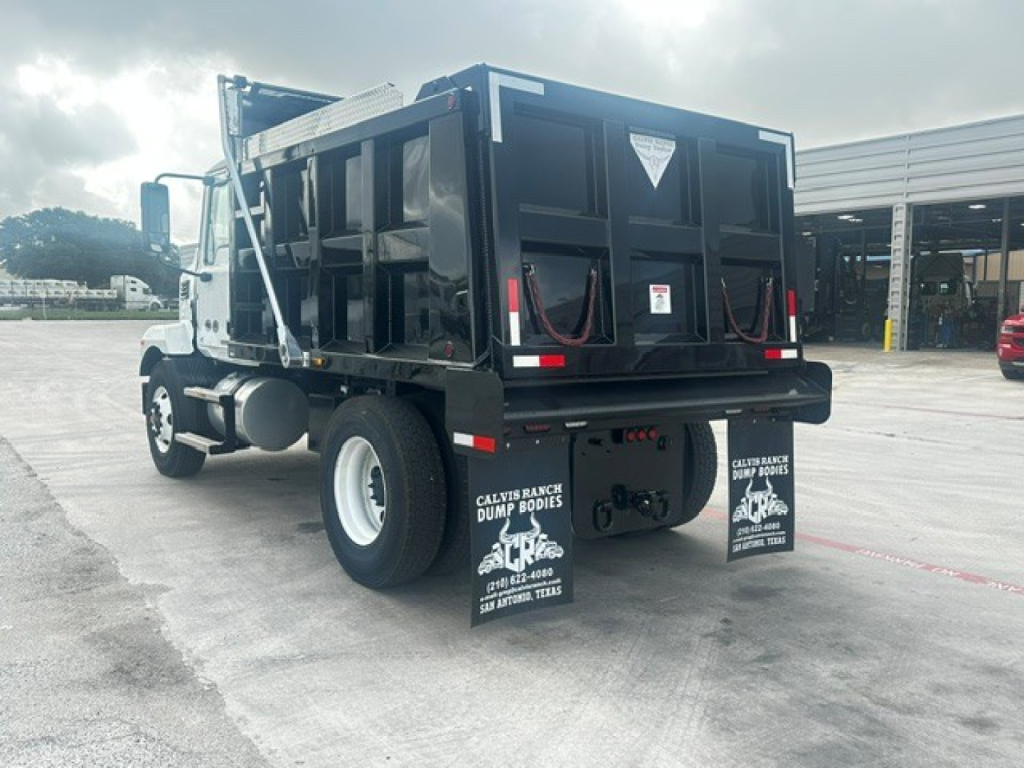
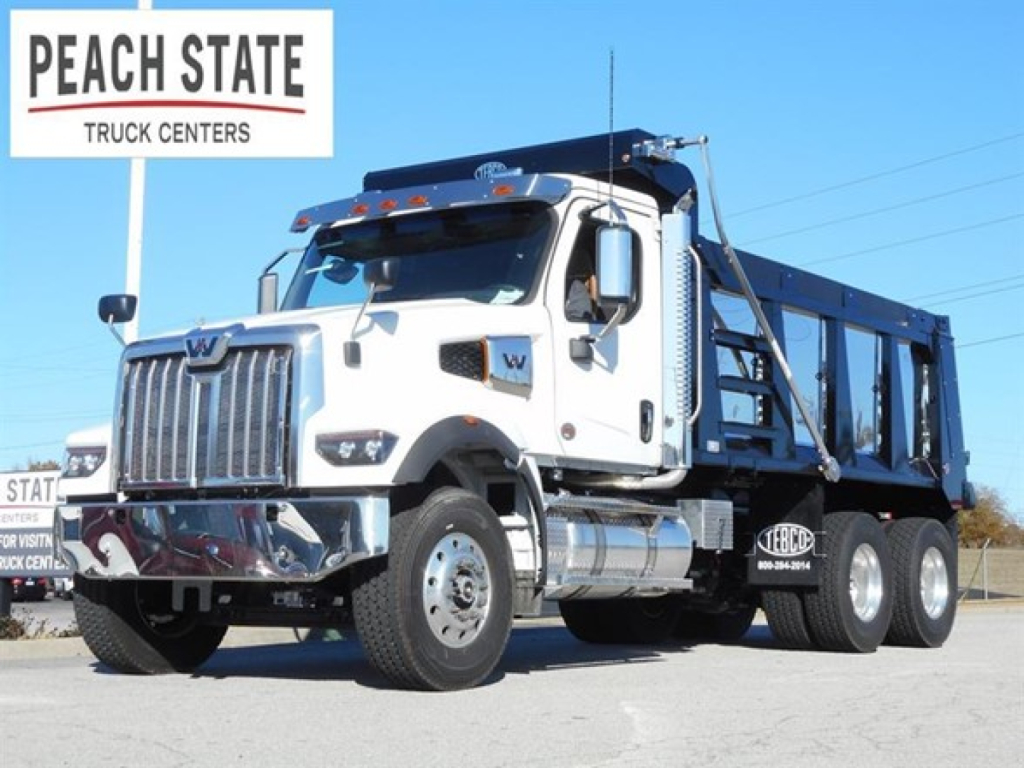
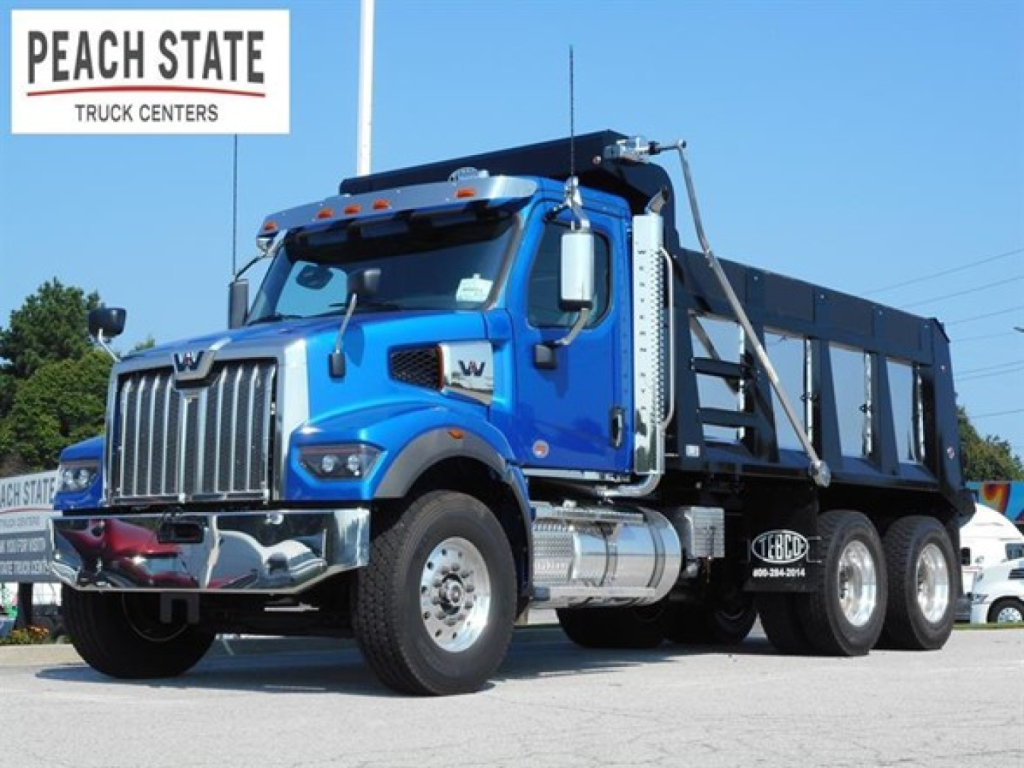
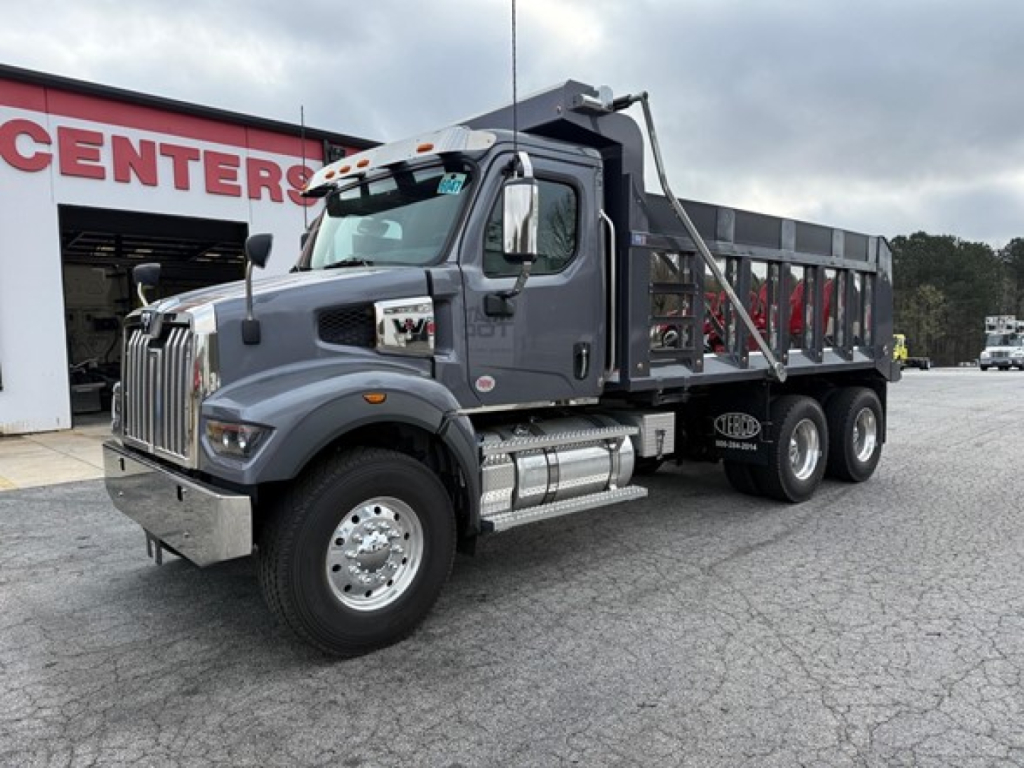
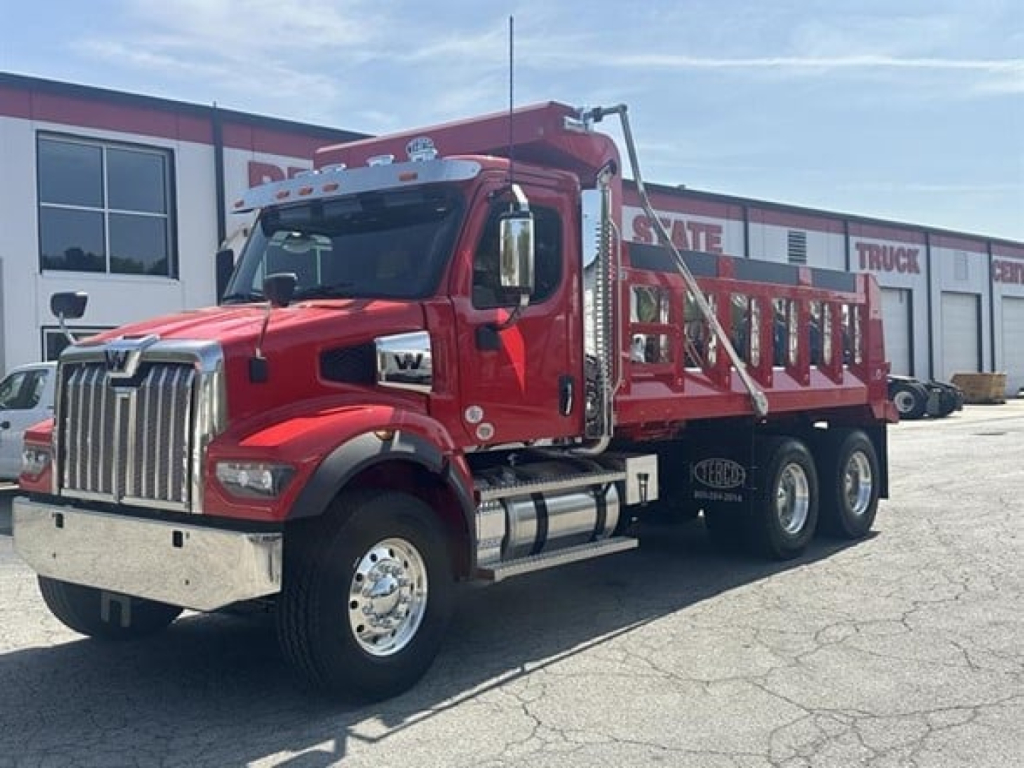
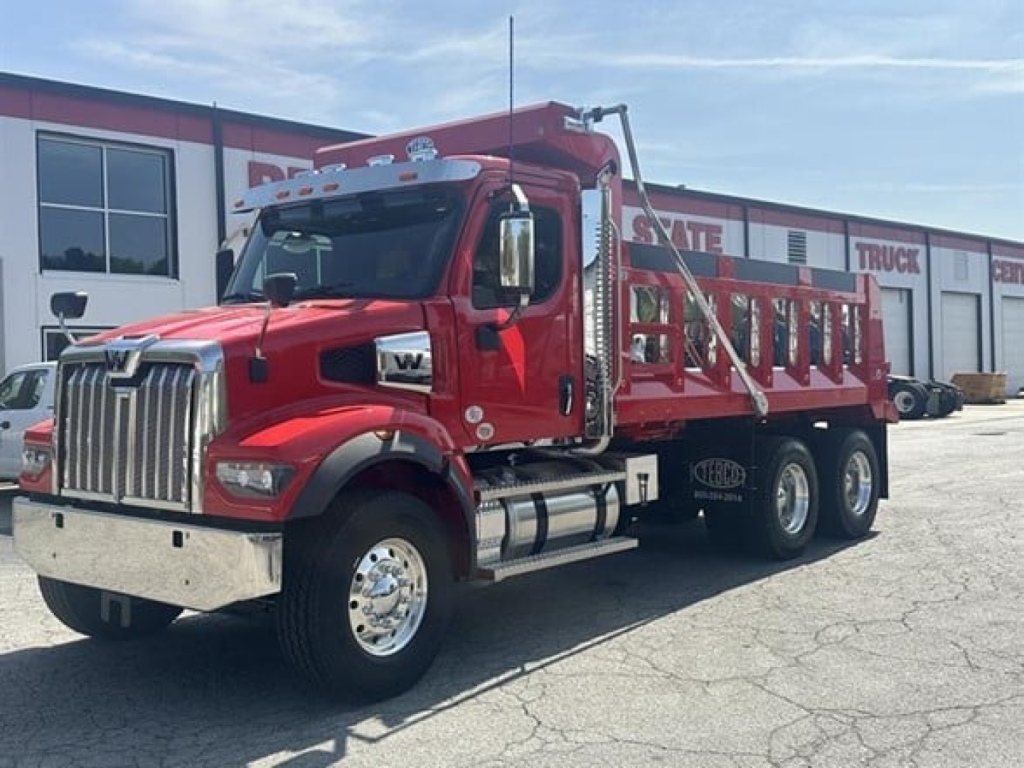
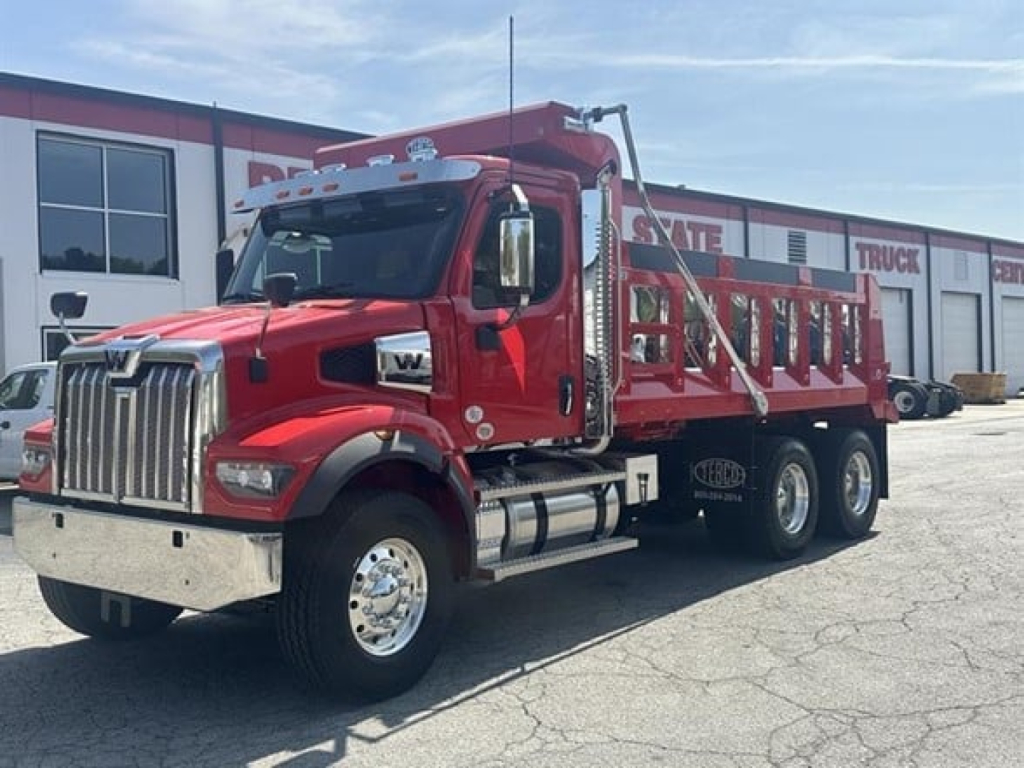
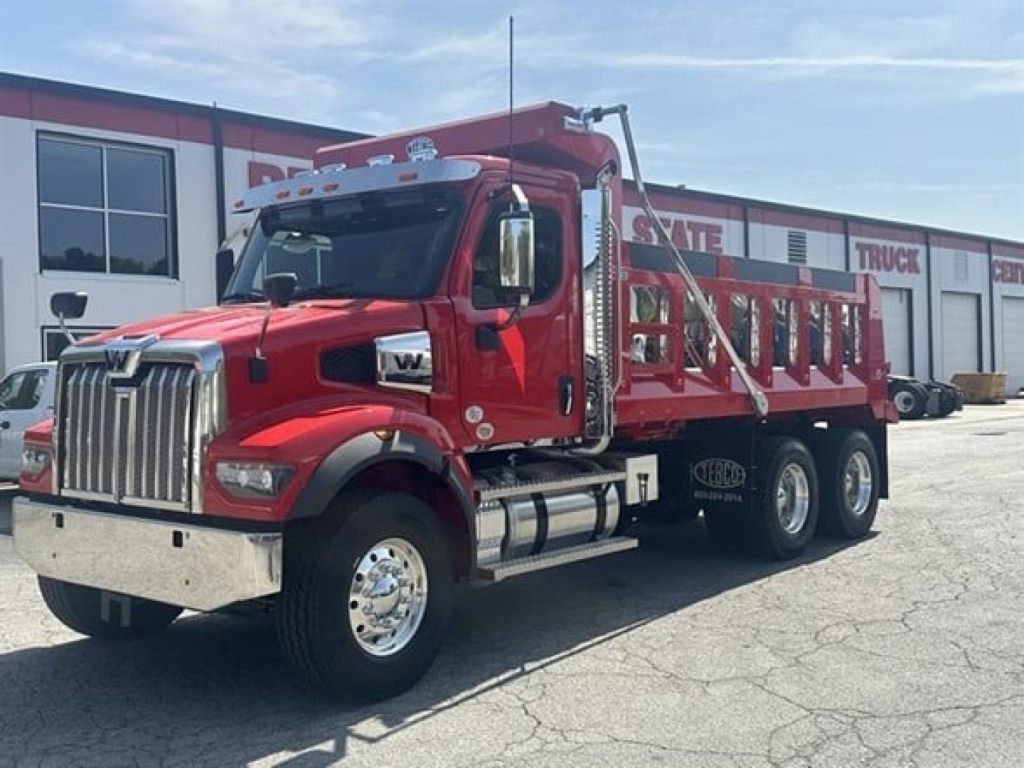
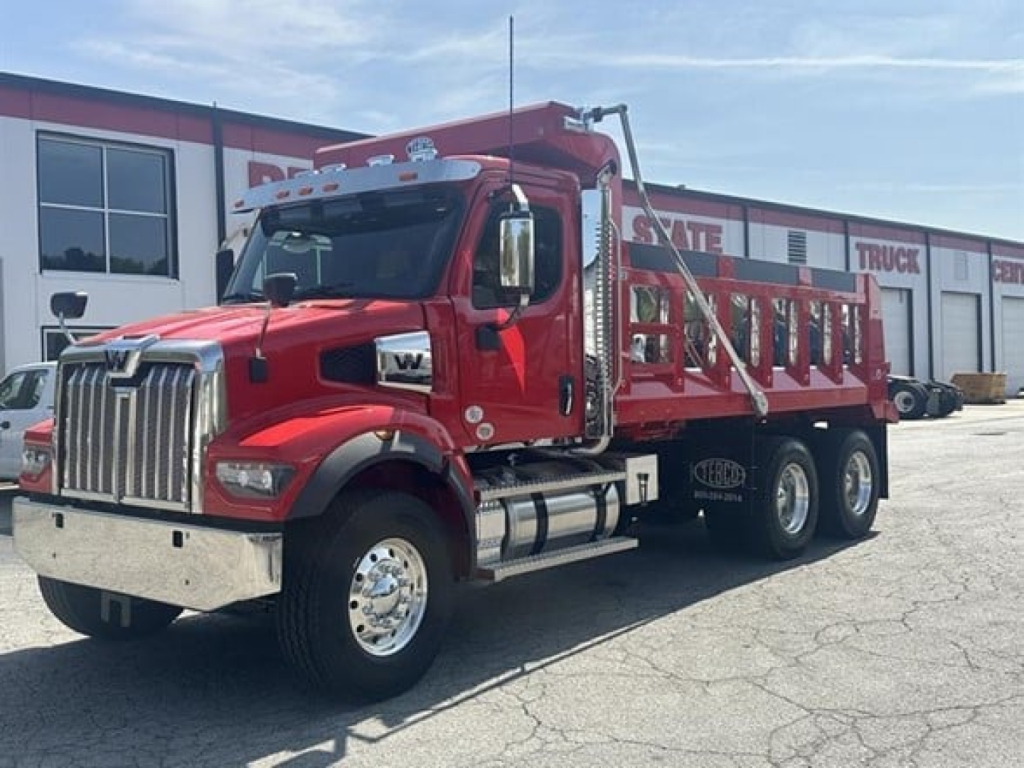
Showing 1 to 24 of 117 results
Have new dump truck to sell? List it here to reach thousands of buyers.
New Dump Trucks
Body construction has a major effect on service life. Buyers comparing new dump trucks should look closely at body length, side height, floor thickness, and material. Hardox and other abrasion-resistant steel bodies are common in rock and demolition service because they resist wear better than mild steel. Elliptical and half-round dump bodies improve material flow and reduce carryback, while square bodies can offer more cubic capacity for lighter material. High-lift gates, air-operated tailgates, electric tarp systems, and hitch packages are frequent vocational options. If the truck will pull a tag trailer or equipment trailer, check pintle capacity, rear frame reinforcement, and hydraulic setup.
The chassis spec matters as much as the body. Front axle ratings, pusher or tag axle configuration, suspension type, wheelbase, and rear axle ratio all affect bridge compliance, payload distribution, and off-road stability. Buyers should also confirm engine horsepower, torque curve, transmission type, and PTO compatibility. Many new dump trucks are spec'd with automated manual or automatic transmissions for stop-and-go efficiency, while traditional manuals still appeal in severe service fleets. Engine-mounted hydraulic pumps, REPTO or PTO provisions, and hoist compatibility should be matched to the dump body and any auxiliary equipment. Vocational features such as locking differentials, severe-duty radiators, engine brakes, block heaters, and heated mirrors can make a difference in year-round production.
A new dump truck also gives buyers the advantage of current emissions systems, factory warranty coverage, and a spec tailored to the intended material and route. The best setup depends on how the truck earns its living. Asphalt and paving fleets often prioritize smooth body operation, clean material release, and predictable weight distribution. Site work and aggregate operations tend to focus on heavier suspensions, stronger bodies, and traction in rough conditions. Municipal buyers may lean toward shorter wheelbases, automatic transmissions, and all-season driver comfort features. When comparing listings, pay attention to body manufacturer, hoist type, axle ratings, empty weight, and local bridge-law fit, because those details determine real payload and long-term operating cost more than model year alone.
Frequently Asked Questions about New Dump Trucks
What is the difference between a single-axle and tandem-axle dump truck?
A single-axle dump truck usually has one rear drive axle and is typically chosen for lighter payloads, tighter job sites, and urban or municipal work. A tandem-axle dump truck has two rear drive axles and is built for higher gross vehicle weight ratings, better traction, and heavier material hauling. The right choice depends on local weight laws, average haul distance, jobsite access, and the type of material being moved.
What dump body material is best for rock and abrasive material?
Abrasion-resistant steel, including Hardox-style materials, is commonly preferred for rock, demolition debris, and other high-wear applications. These bodies generally resist gouging and floor wear better than standard mild steel. Buyers should still compare floor thickness, side construction, crossmember design, and hoist spec, because body longevity depends on the complete build and not just the steel brand.
Why do axle ratings and wheelbase matter on a new dump truck?
Axle ratings and wheelbase directly affect legal payload, bridge-law compliance, and how the load is distributed across the truck. A heavier front axle, properly placed pusher axles, and the right wheelbase can improve legal carrying capacity without overloading a bridge formula. These specs also influence turning radius, stability when raised, and how well the truck fits paving, site, or municipal applications.
Should I choose an automatic, automated manual, or manual transmission in a dump truck?
Automatic and automated manual transmissions are popular in new dump truck service because they reduce driver fatigue, improve consistency in stop-and-go work, and can help fleets with driver recruitment. Manual transmissions still have a place in severe-duty applications where some operators prefer direct gear control. The best transmission choice depends on terrain, driver experience, PTO requirements, maintenance strategy, and how much off-road operation the truck sees.
What options are most important on a new dump truck?
The most important options are the ones tied to the truck's actual work cycle. Common high-value specs include an electric or mesh tarp system, high-lift or air tailgate, pintle hitch, PTO or REPTO hydraulics, locking differentials, engine brake, heated mirrors, and the correct suspension for the load. Empty weight is also critical, because a truck with too many add-ons can lose payload capacity even if it looks well equipped.