
New 2027 Dump Trucks For Sale
Shop new 2027 dump trucks built for aggregate, asphalt, demolition, and site work with the axle, body, and hoist specs buyers compare.
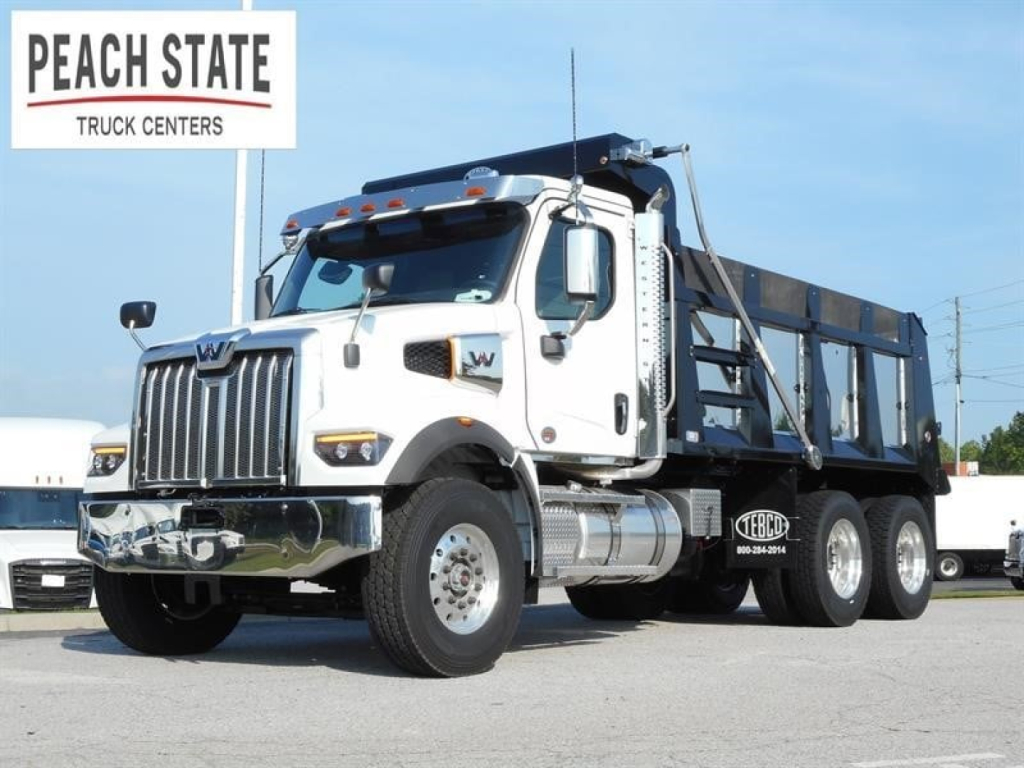
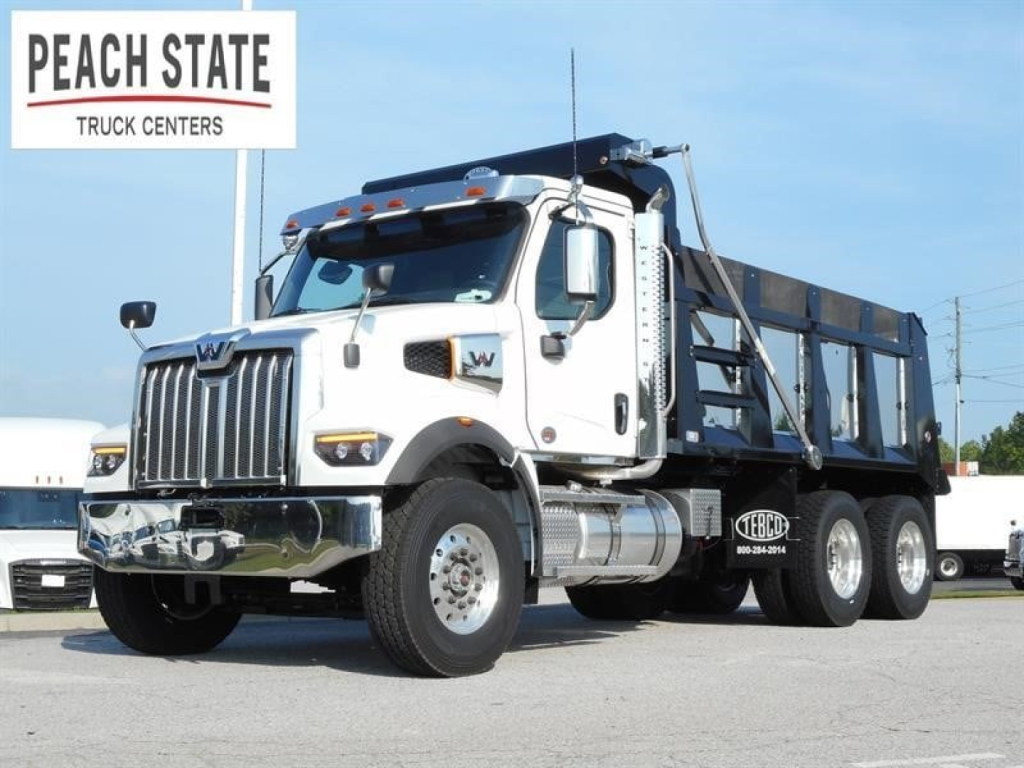
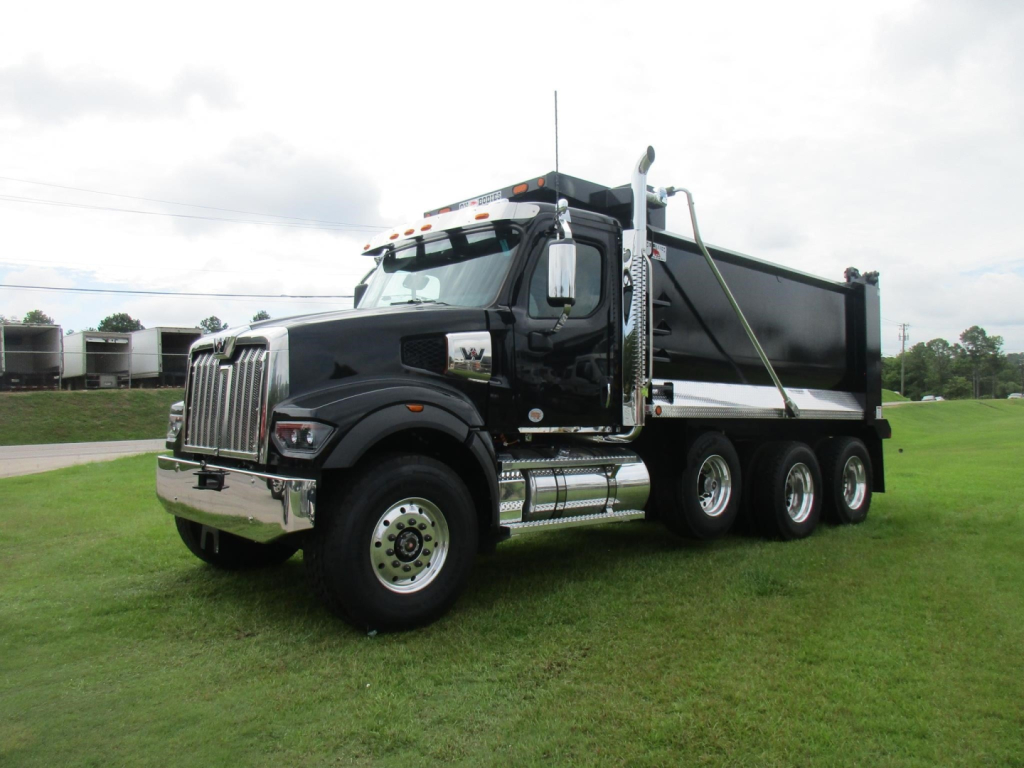
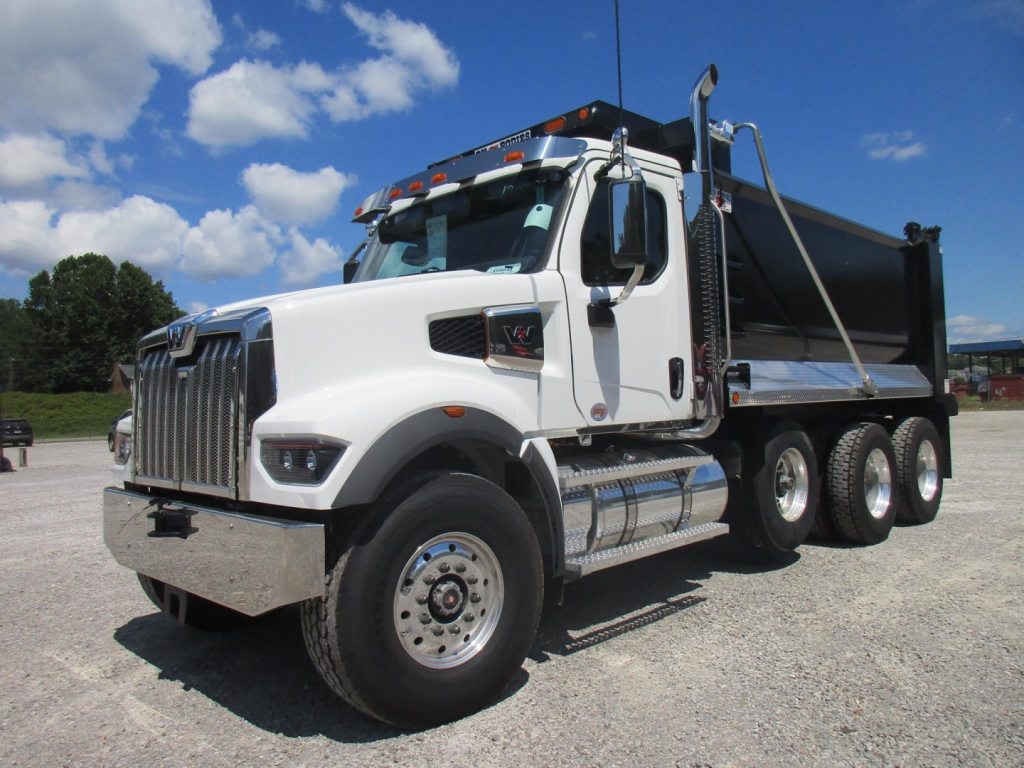
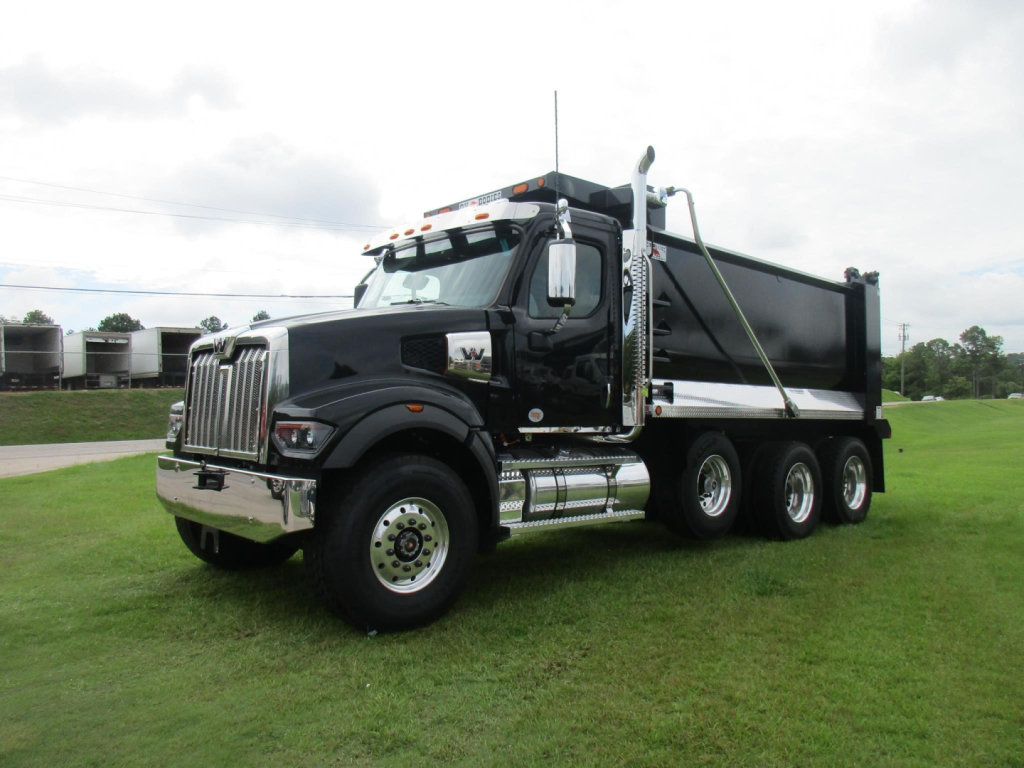
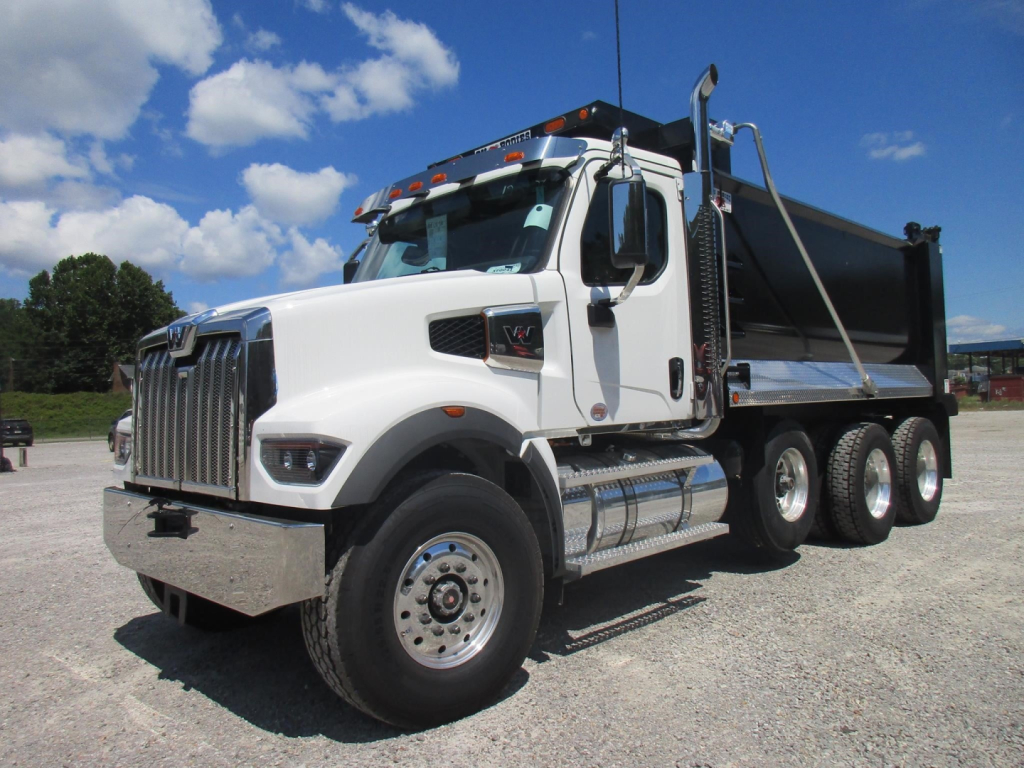
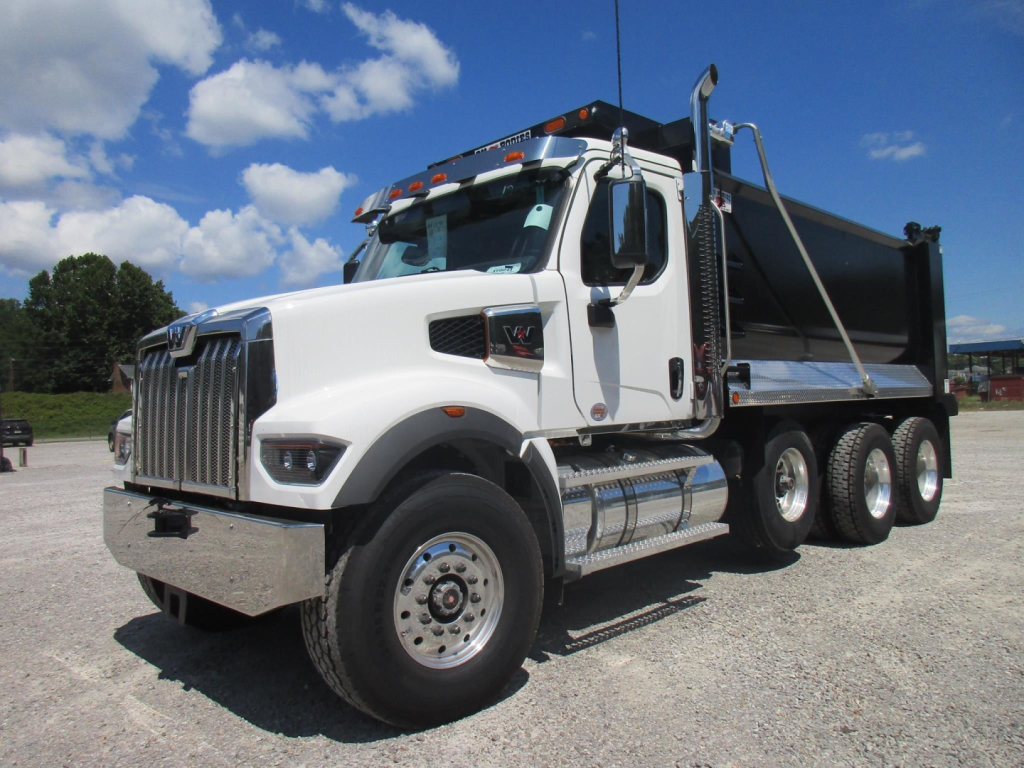
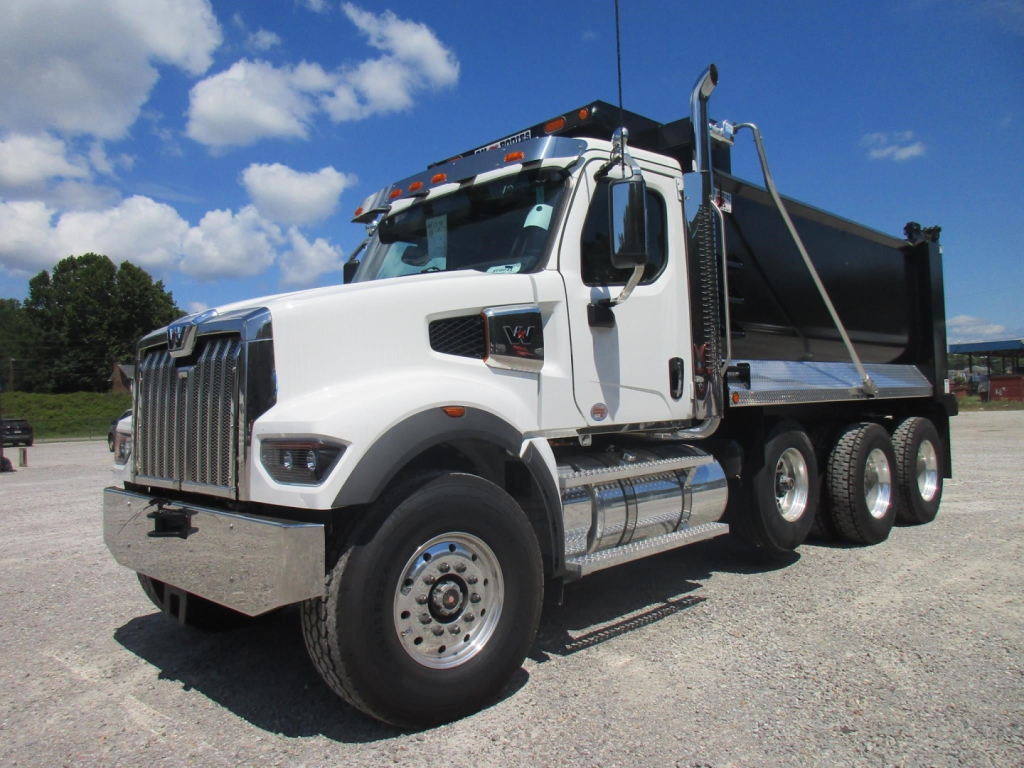
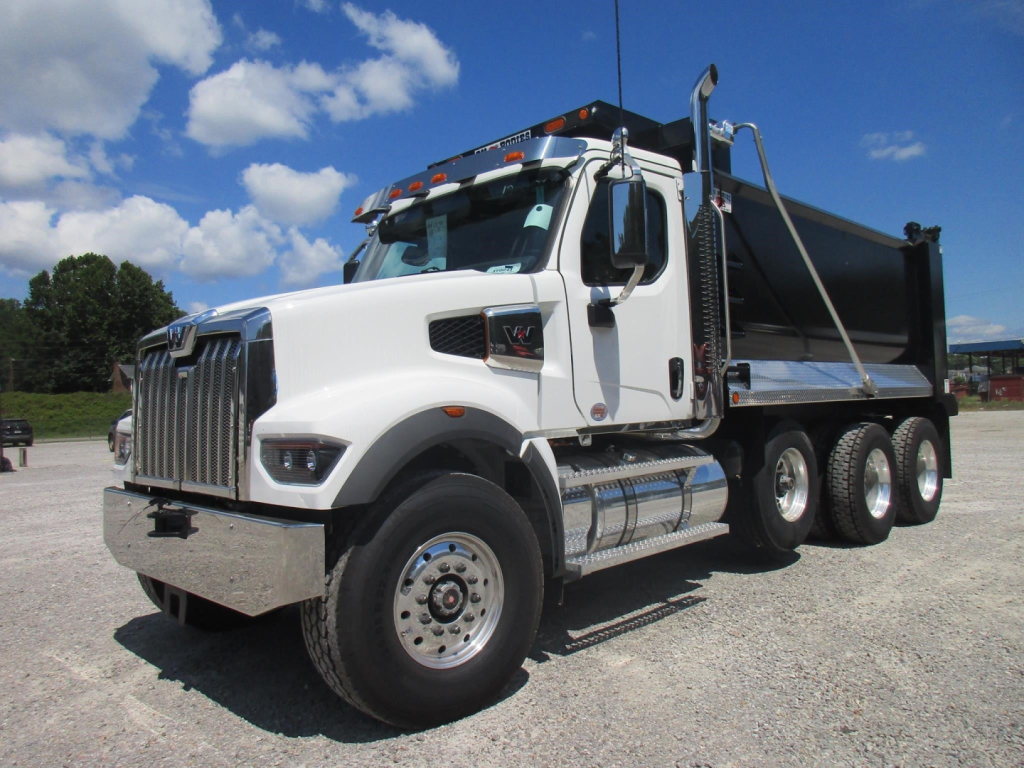
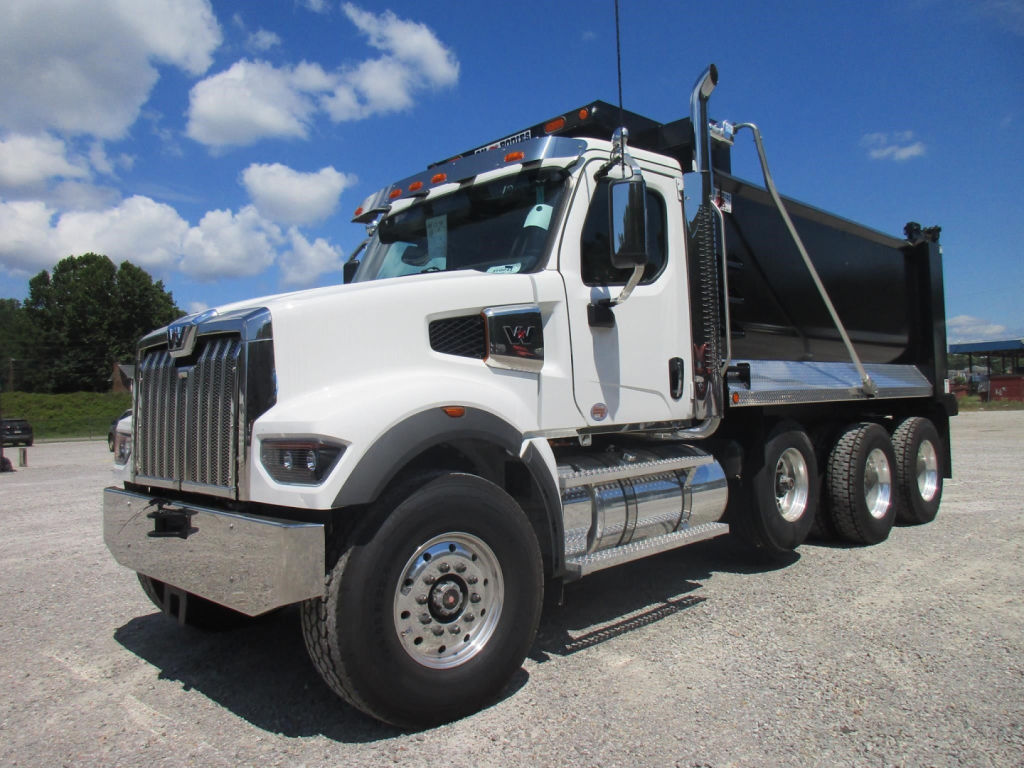
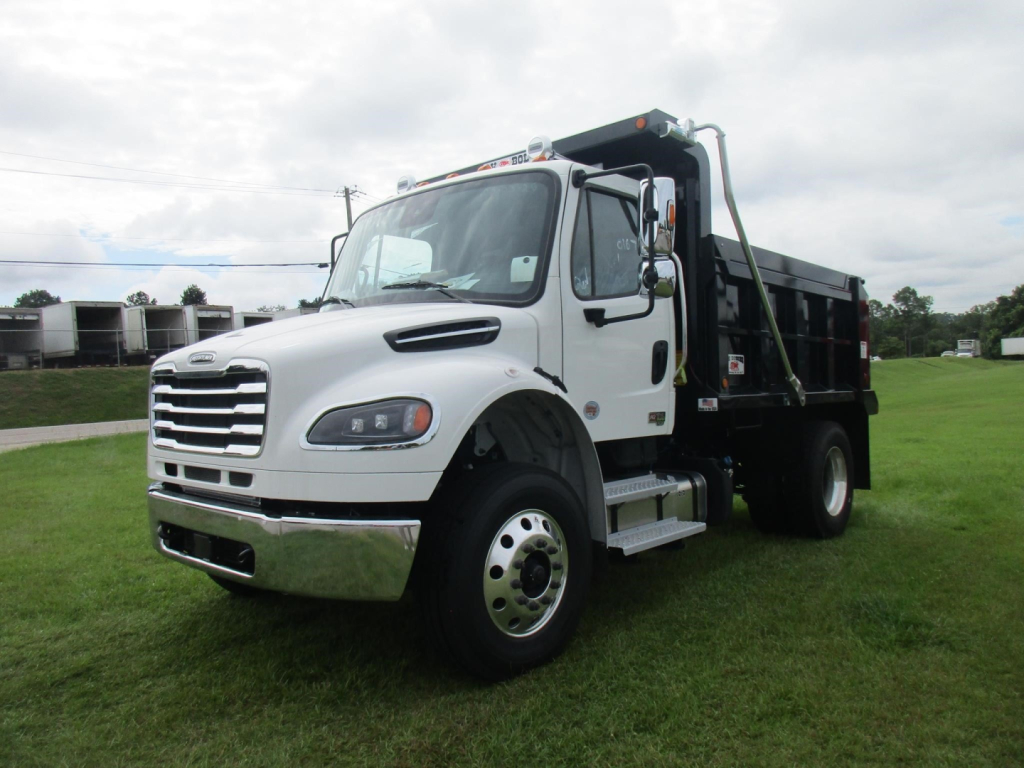
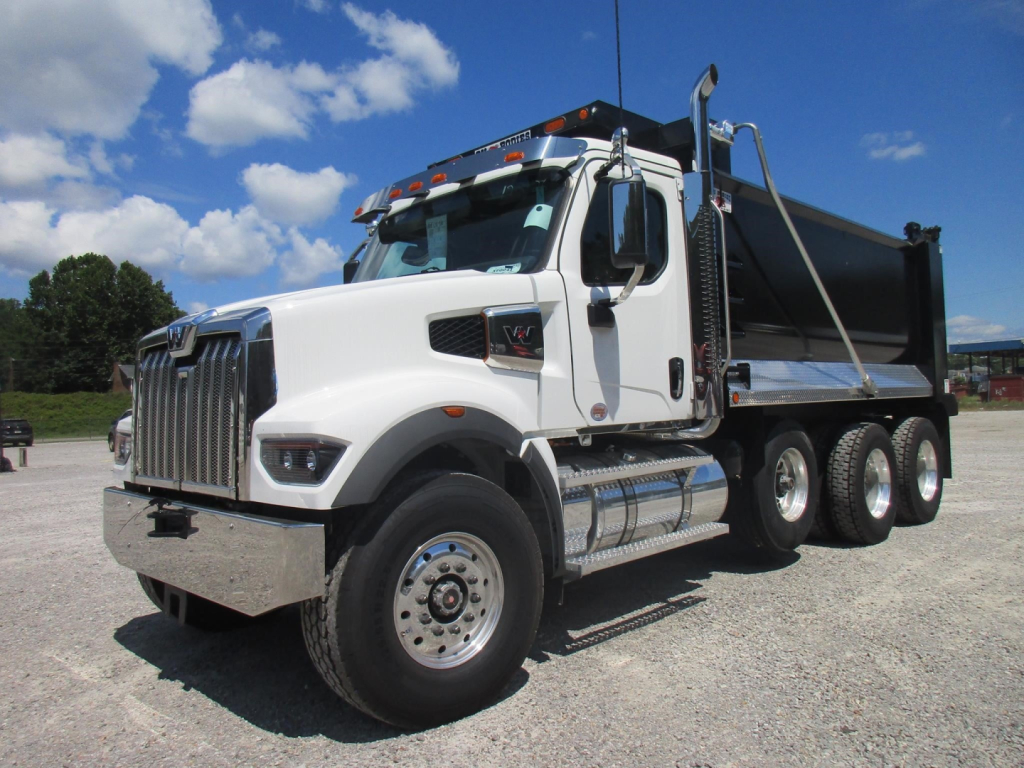
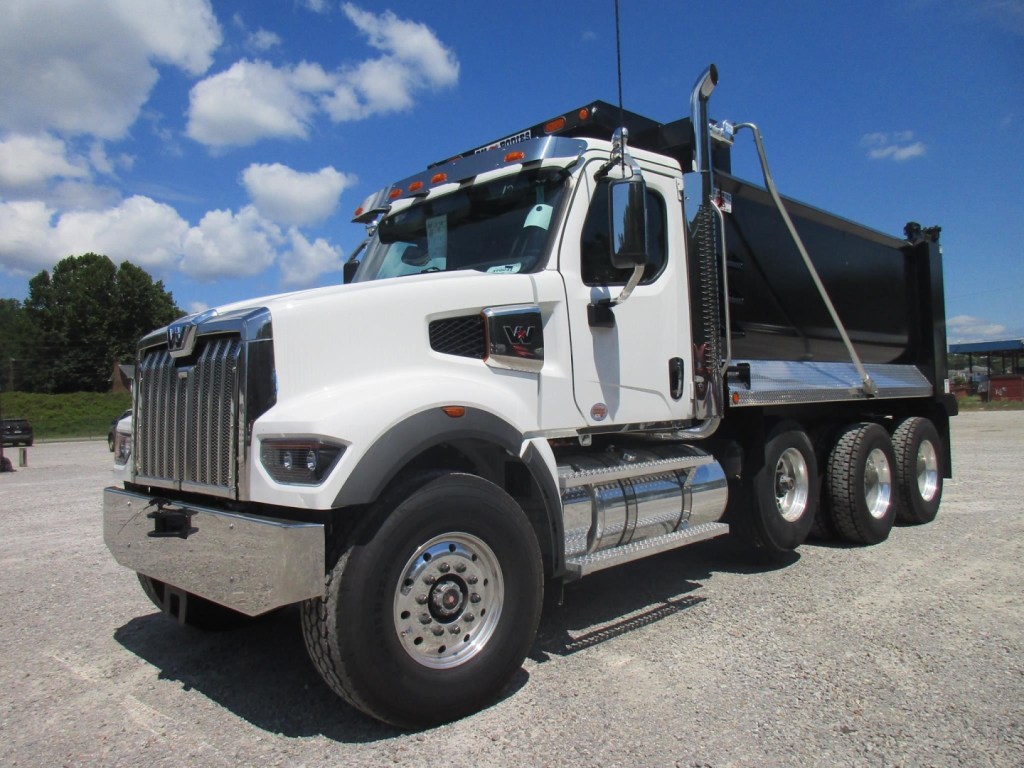
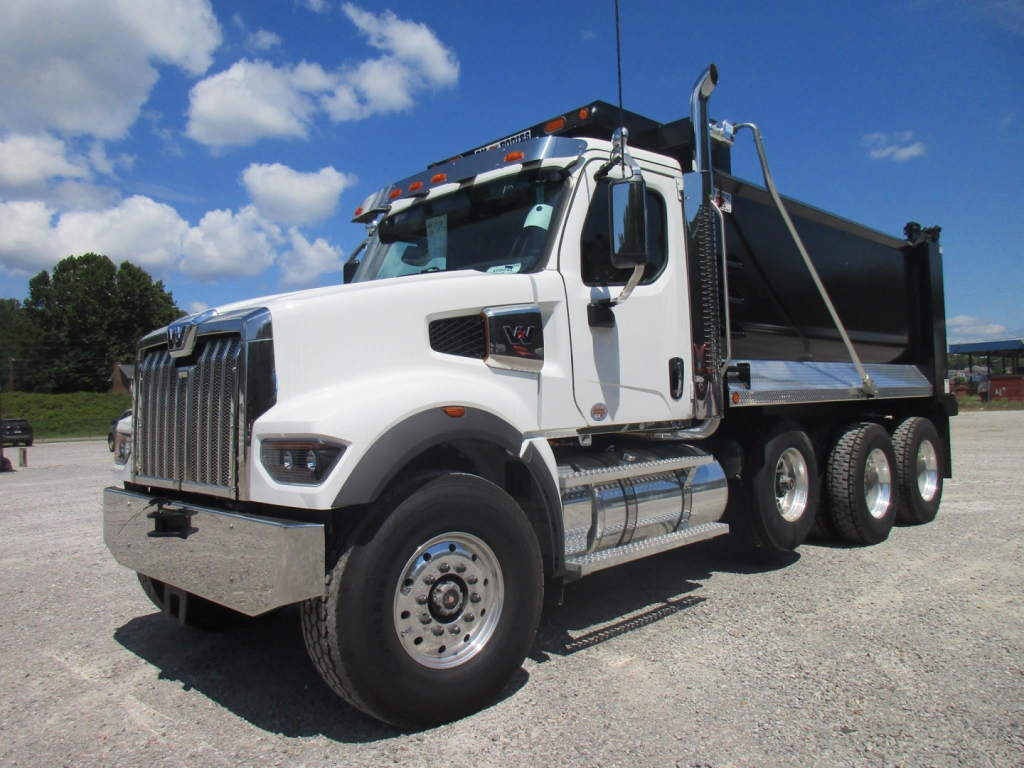
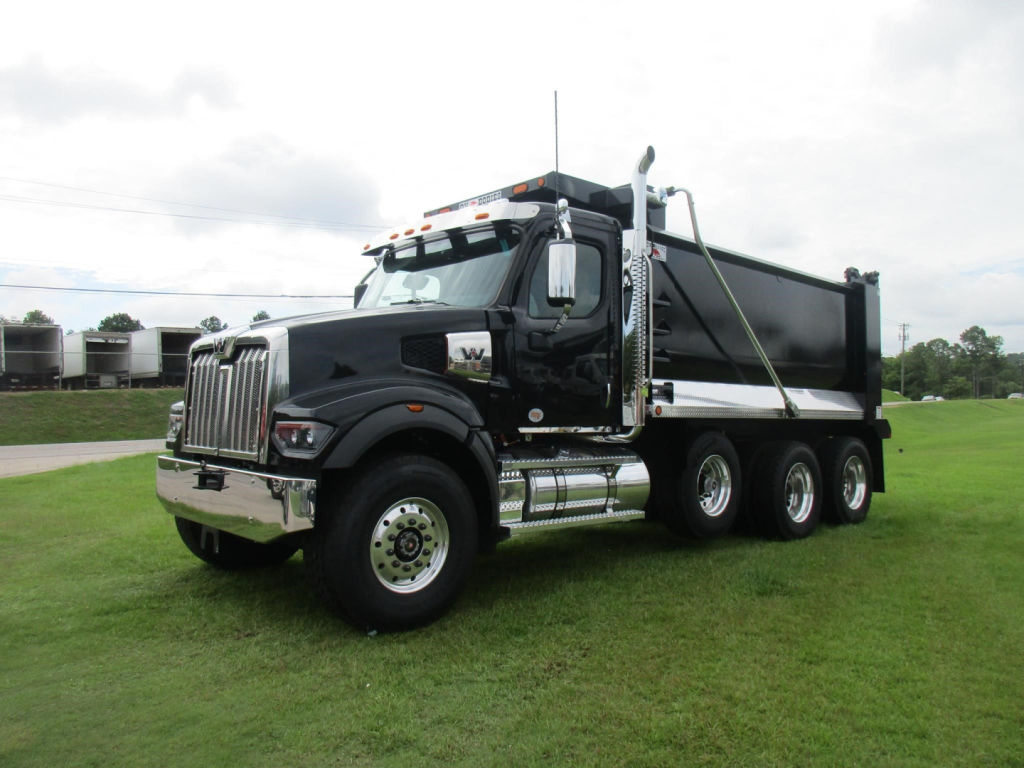
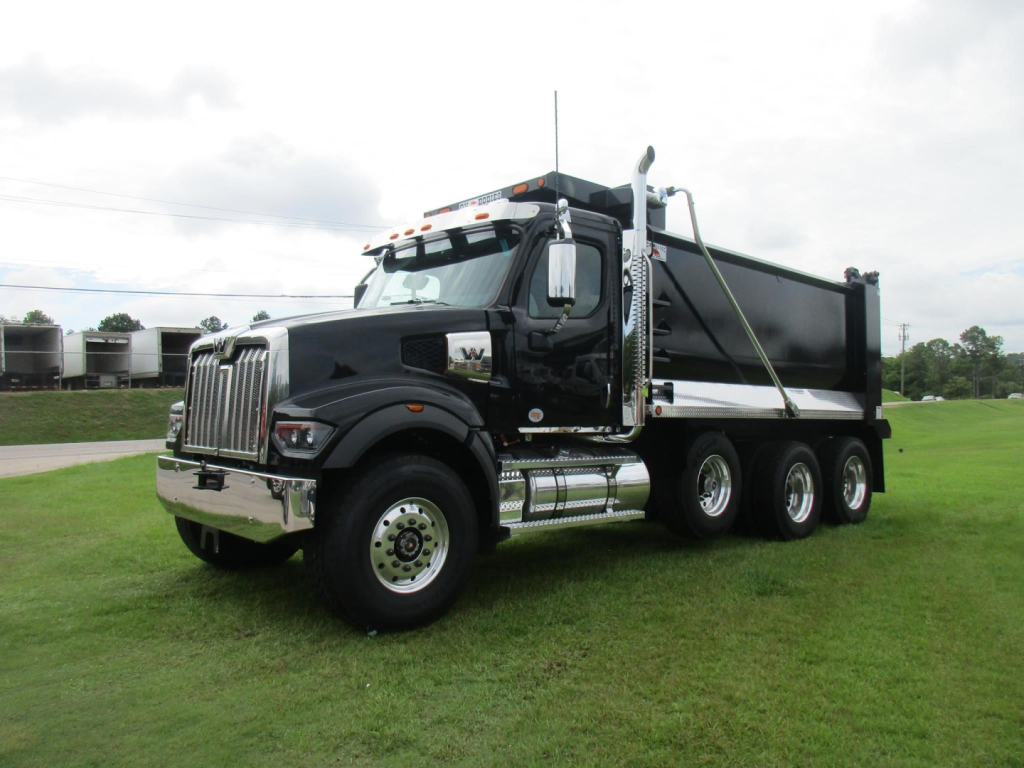
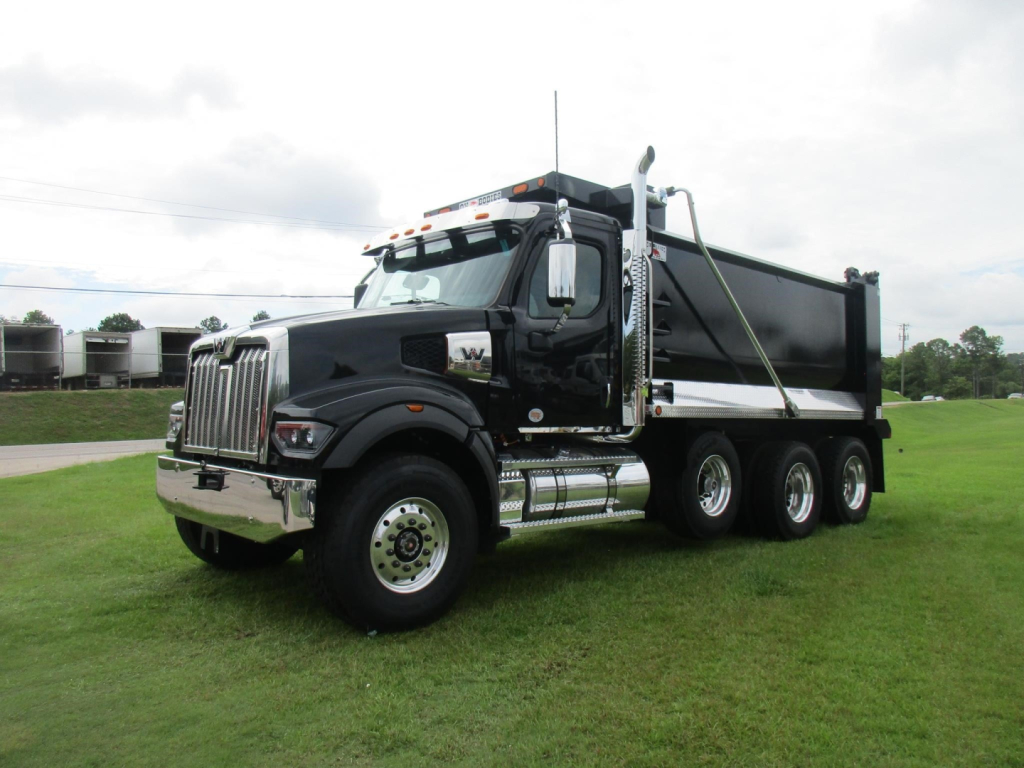
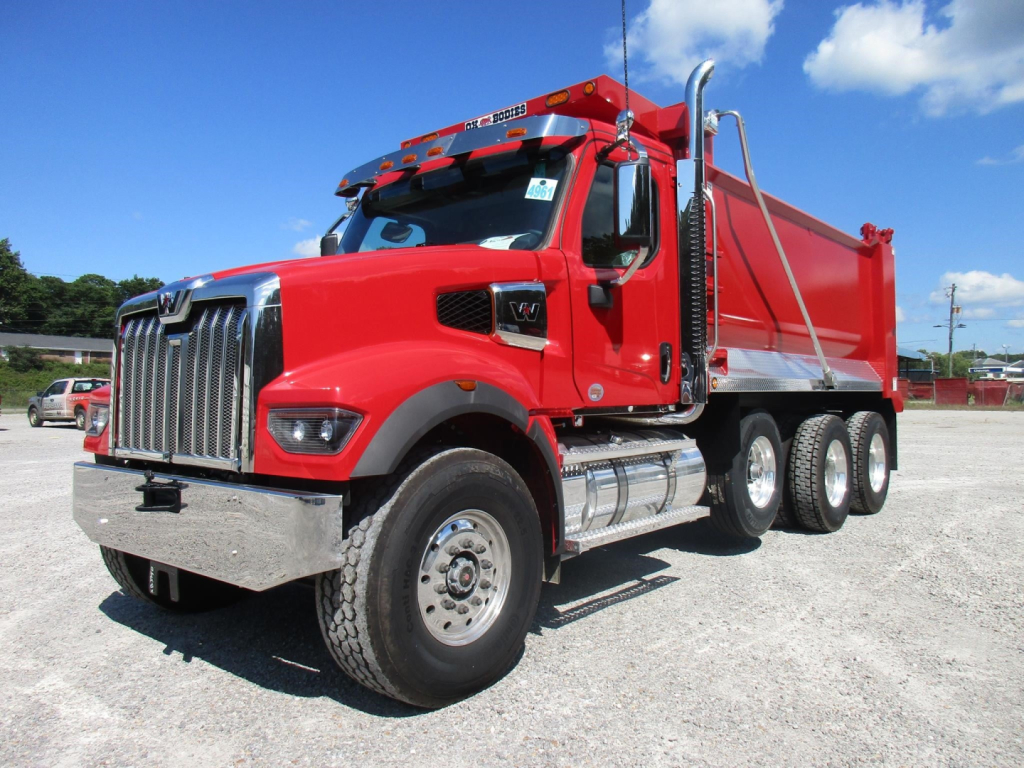
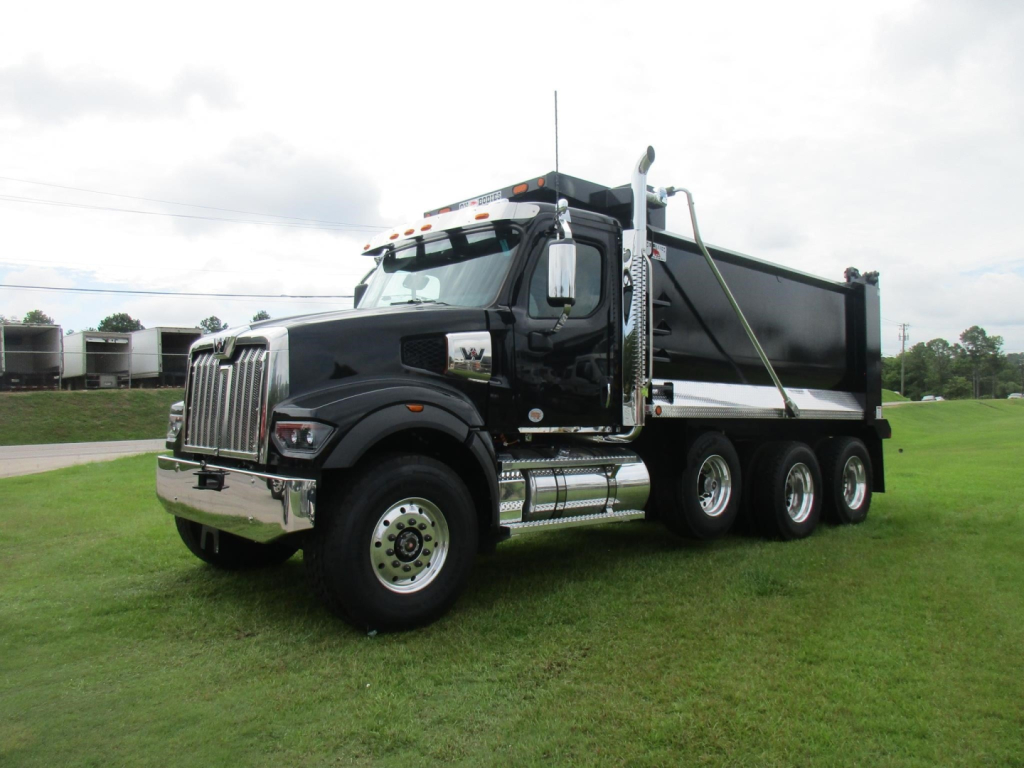
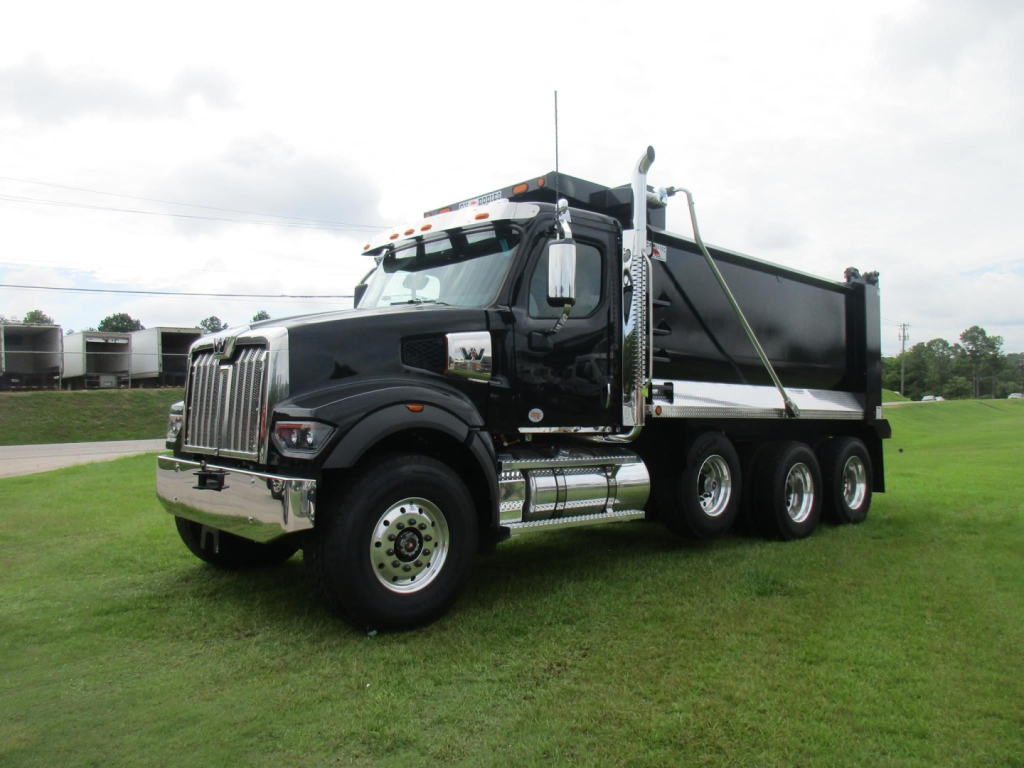
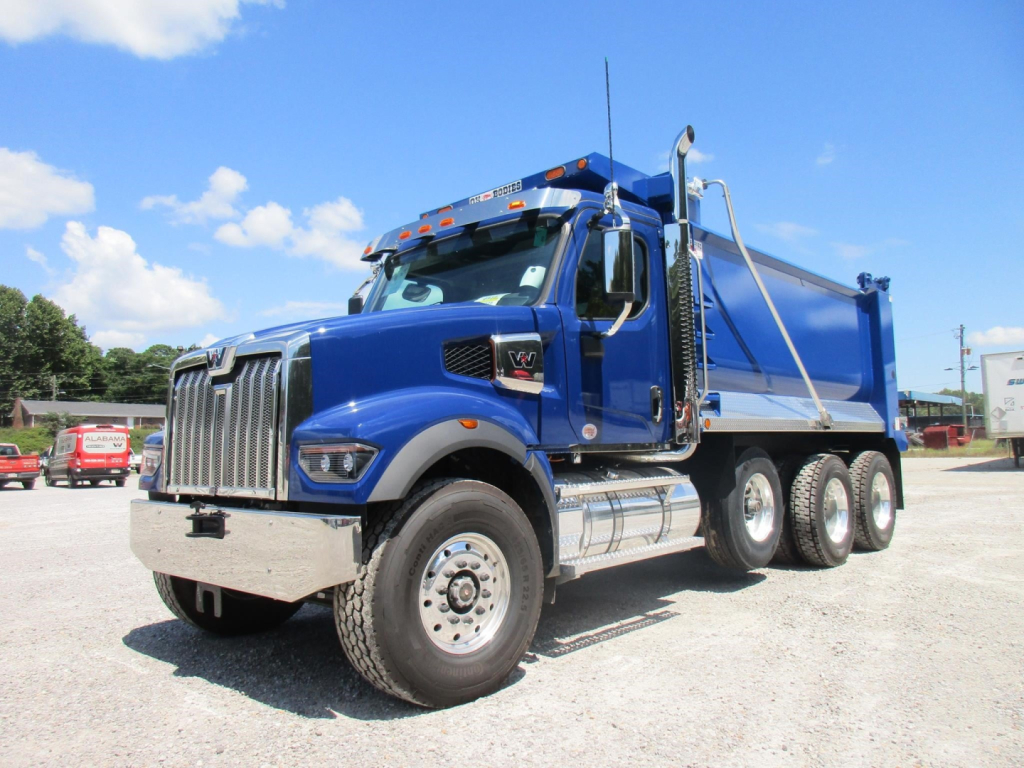
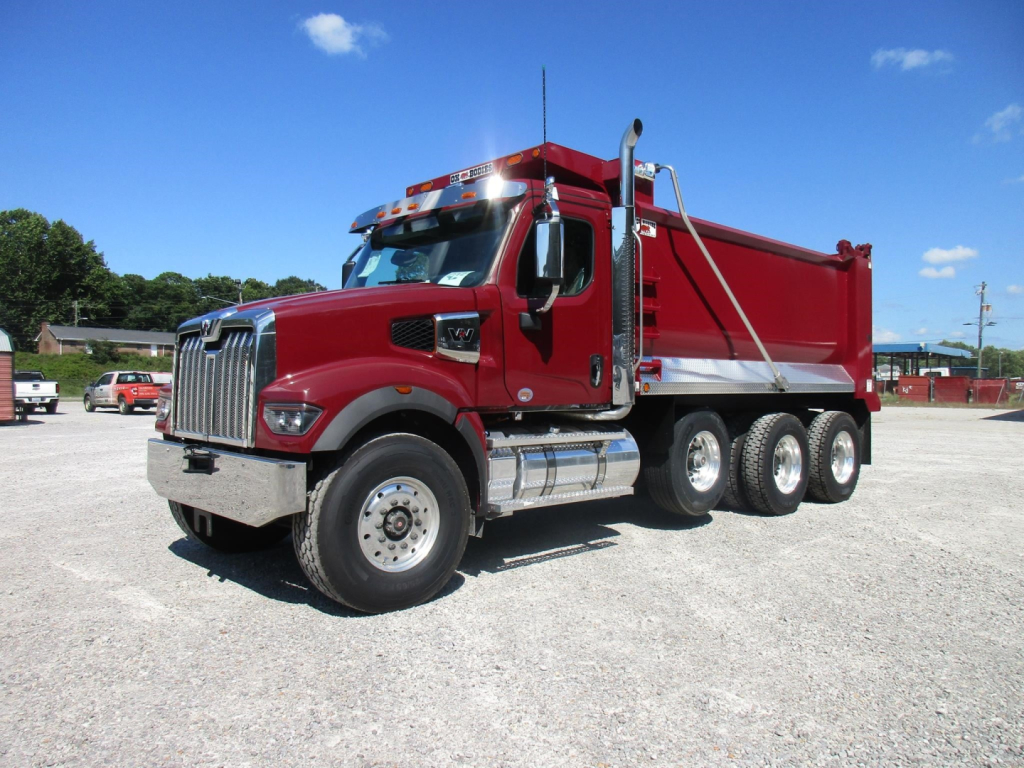
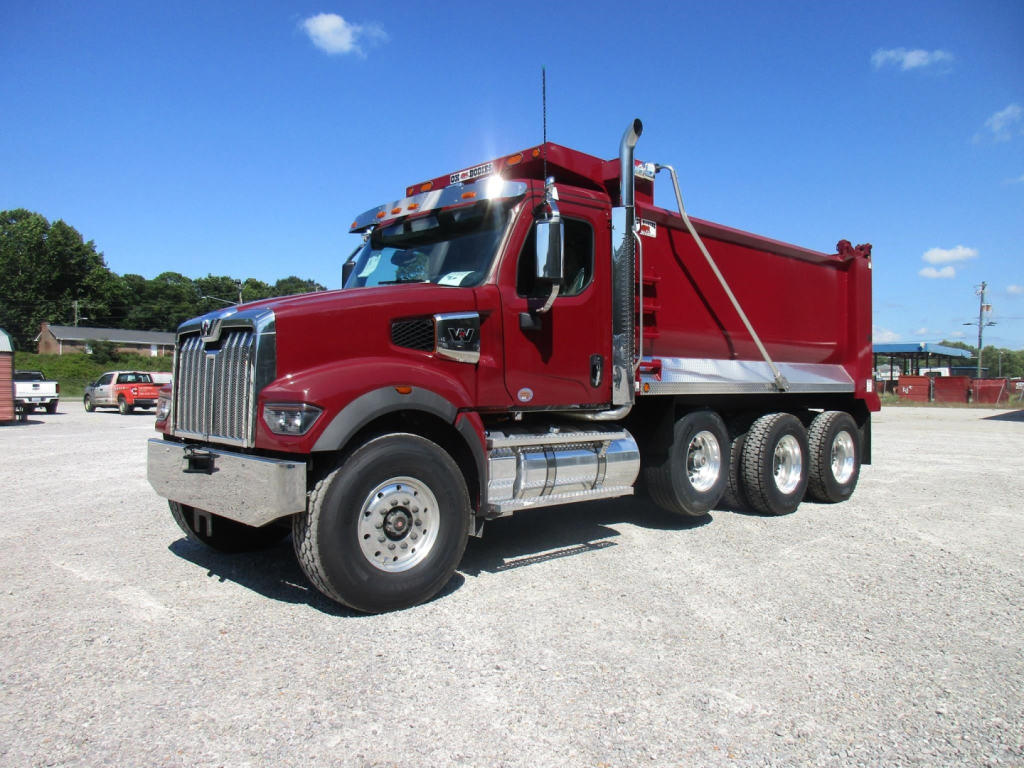
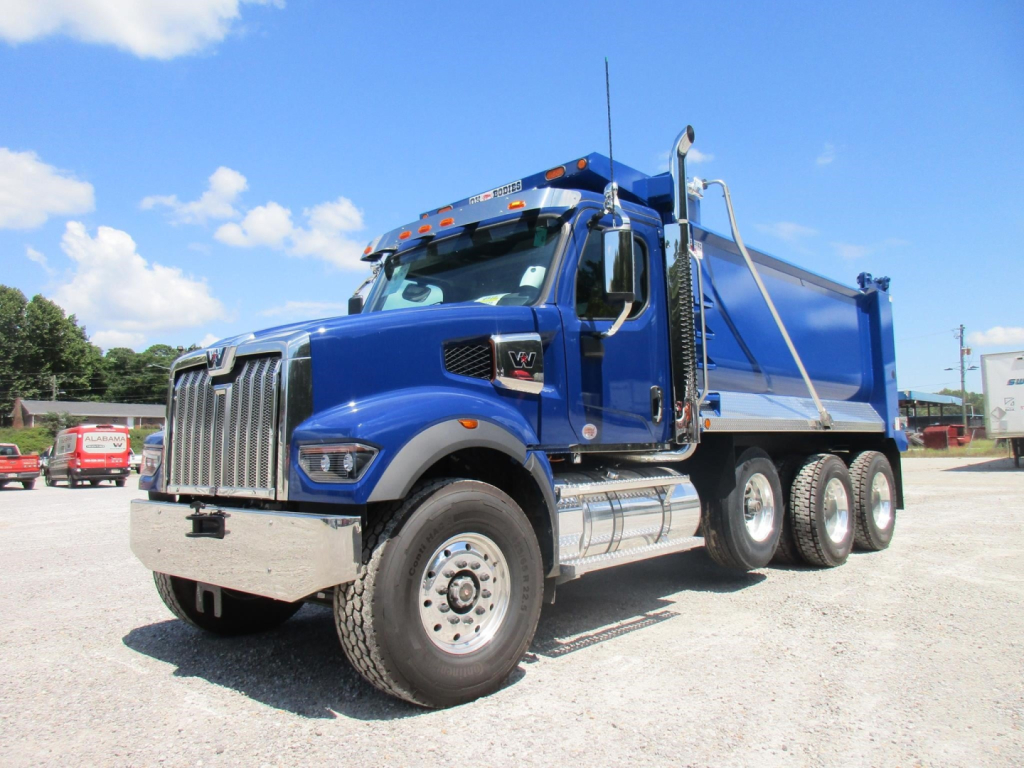
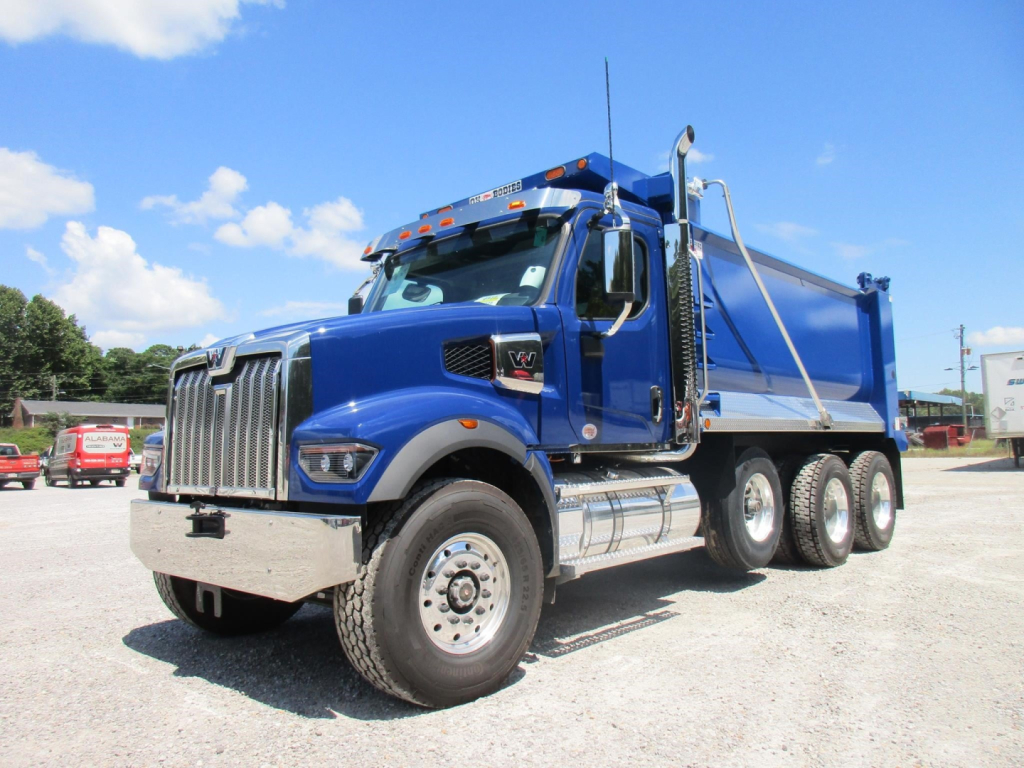
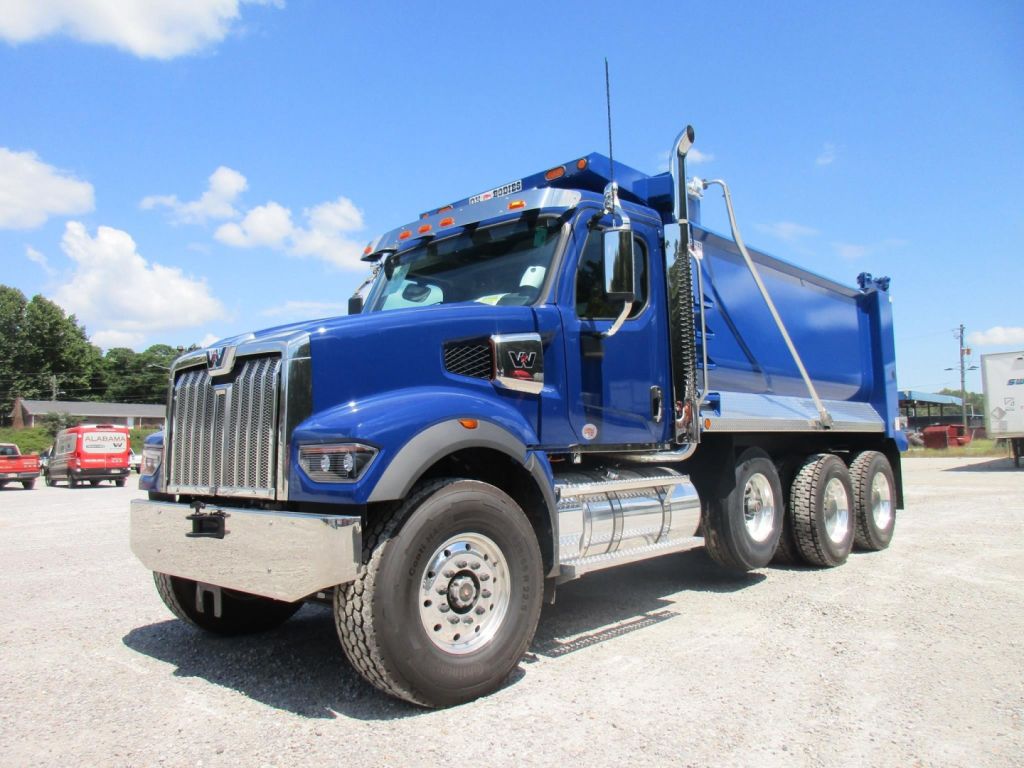
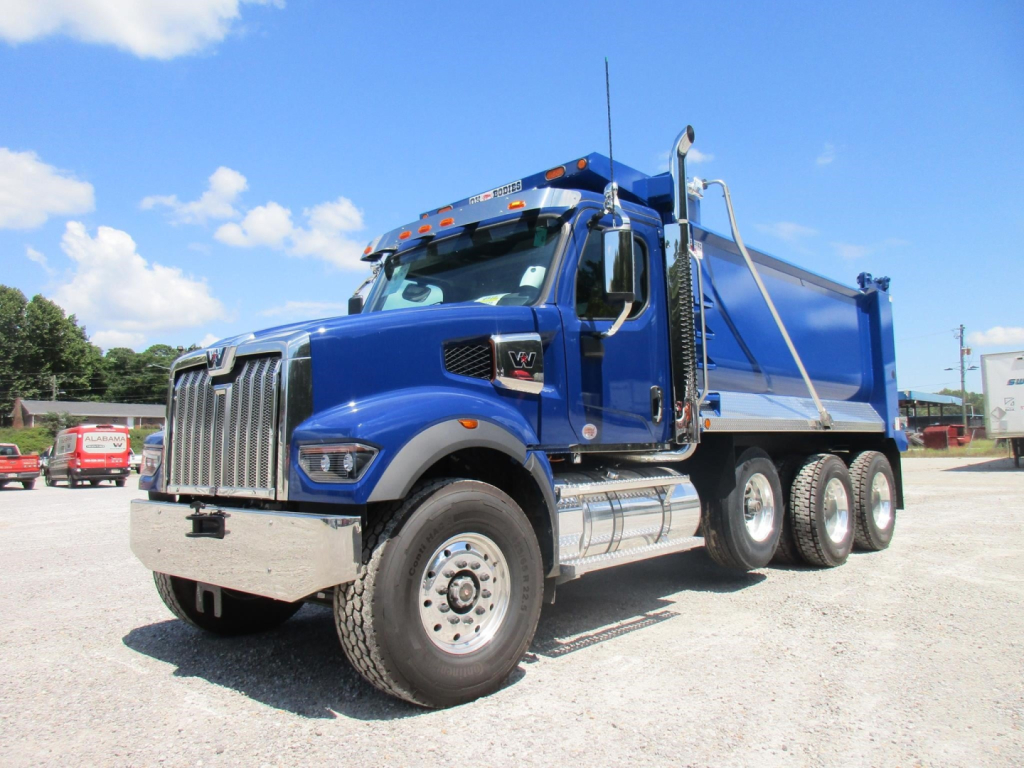
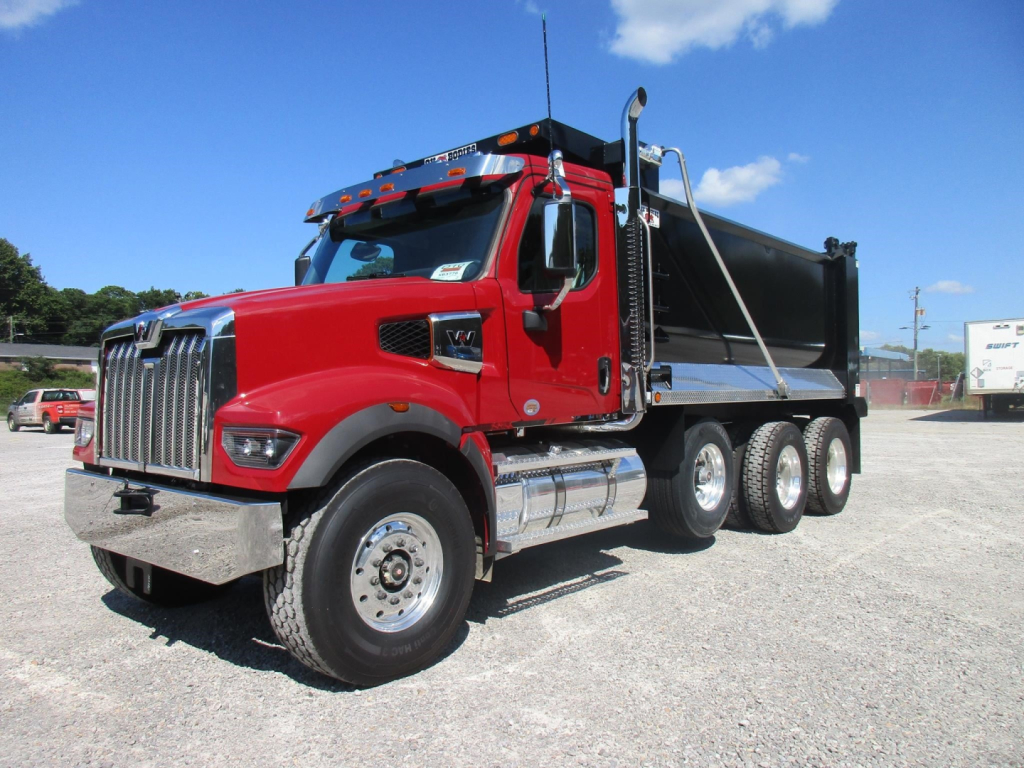
Showing 1 to 28 of 118 results
Selling a new 2027 dump truck? List your new 2027 dump truck for sale and reach thousands of commercial buyers.
New 2027 Dump Trucks
Frequently Asked Questions about New 2027 Dump Trucks
What specs matter most when buying a new dump truck?
The most important specs are axle ratings, body size, body material, hoist design, wheelbase, and legal payload in the states where the truck will run. Buyers should also look at engine horsepower and torque, transmission type, rear axle ratio, suspension capacity, and PTO compatibility. A dump truck must be matched to both the material and the route. Rock, broken concrete, and demolition debris call for heavier body construction and stronger hoist capacity than mulch, topsoil, or light municipal work.
What is the difference between a tandem, tri-axle, and quad-axle dump truck?
A tandem dump truck typically has one steer axle and two rear drive axles, making it a common choice for general construction and shorter-haul material work. A tri-axle usually adds one lift axle to increase legal payload capacity, while a quad-axle adds two lift axles for even higher payload potential. The right choice depends on state bridge laws, jobsite access, turning radius needs, and how often the truck will carry dense material like gravel, millings, or demo debris.
What body material is best for a dump truck?
Steel remains the standard for hard use, especially in aggregate, demolition, and abrasive applications. Bodies built with Hardox or similar wear-resistant steel are common when buyers want high strength with better weight control. Aluminum can reduce empty weight, but it is generally better suited to lighter materials and applications where abrasion and impact are less severe. Buyers should also compare floor thickness, side wall thickness, crossmember design, tailgate style, and liner options.
Should I choose an automatic or manual transmission in a new dump truck?
Automated manual and fully automatic transmissions are both common in modern dump applications. Automated manuals can improve fuel efficiency and keep strong gradeability under load, while fully automatic transmissions are often preferred in stop-and-go work, tight urban routes, and operations with multiple drivers. The best transmission depends on terrain, driver experience, PTO operation, and how often the truck cycles in and out of jobsites or paving work.
What options are commonly added to a new dump truck?
Common dump truck options include high-lift or air-operated tailgates, electric or manual tarp systems, pintle hitches, trailer plugs and glad hands, backup cameras, heated mirrors, and heavy-duty bumpers. Buyers may also look for lift axles, differential locks, severe-duty suspensions, cab shields, fenders, toolboxes, and body vibrators. On municipal or year-round vocational trucks, it is also common to see plow prep, spreader controls, and hydraulic packages that support seasonal equipment changes.