
New Dump Trucks For Sale in Colorado
Shop new dump trucks for sale in Colorado, including vocational specs for hauling aggregate, asphalt, dirt, demolition, and municipal work.
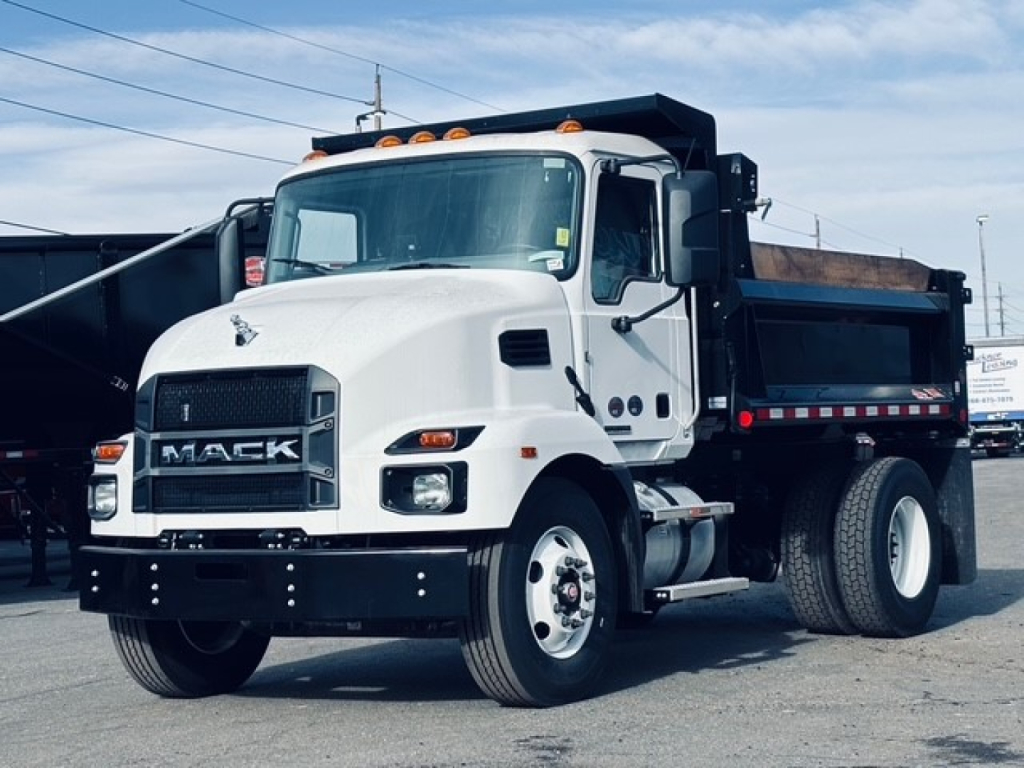
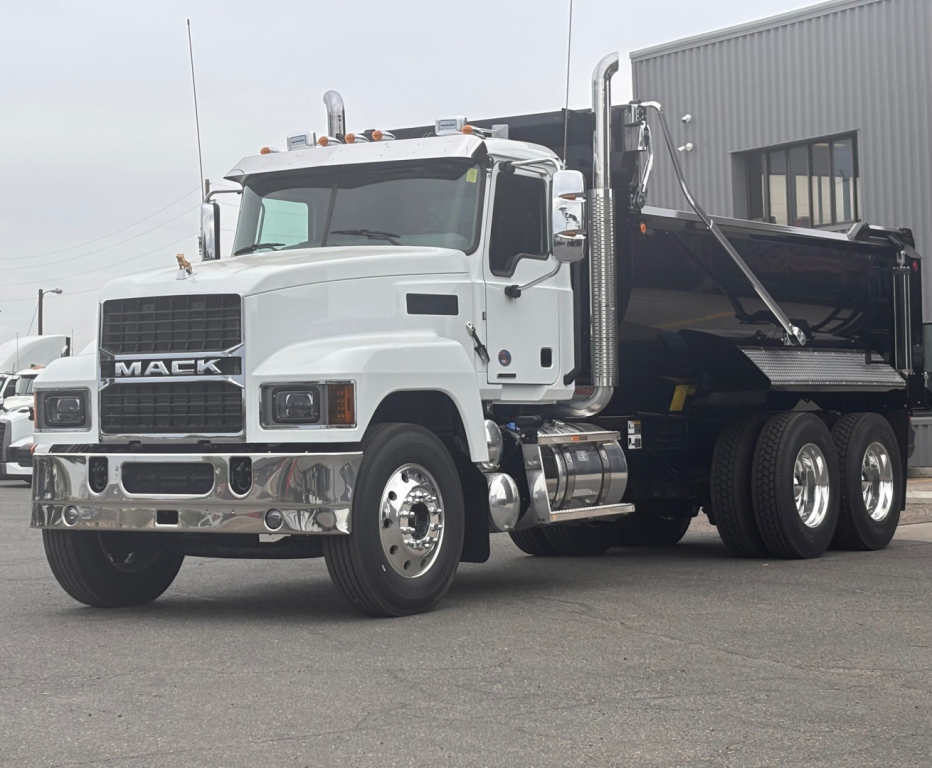
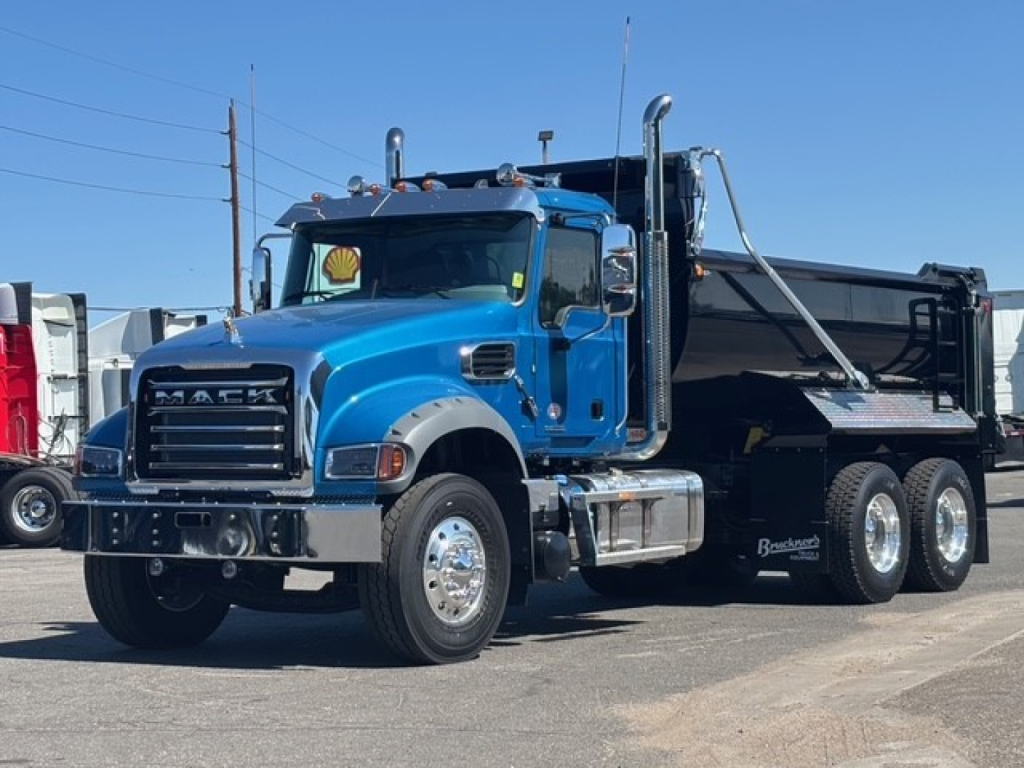
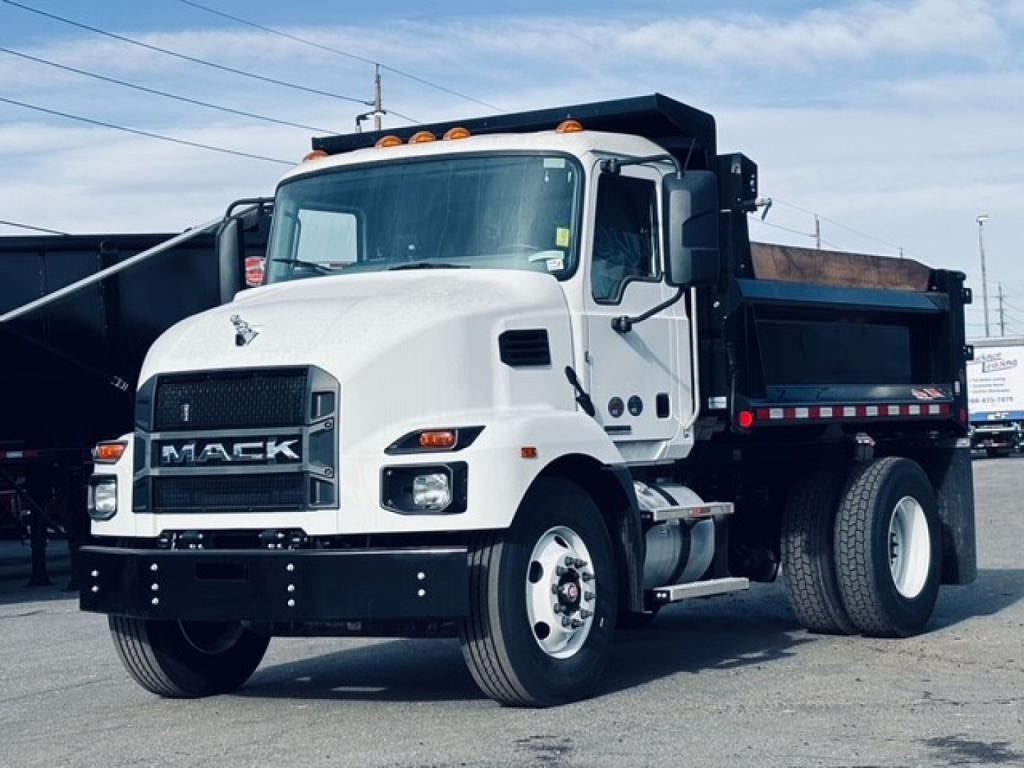
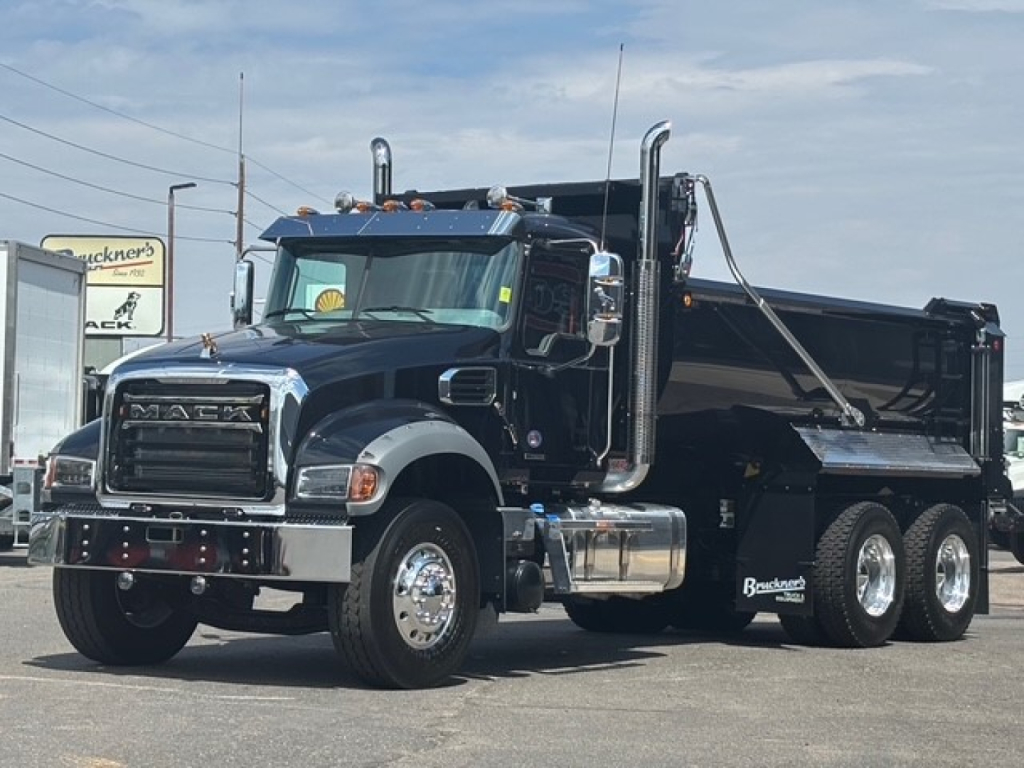

Selling a new dump truck? List your new dump truck for sale and reach thousands of commercial buyers.
New Dump Trucks in Colorado
One of the first buying decisions is light-duty versus heavy vocational spec. Medium-duty dump trucks often use engines in the 260 HP range paired with automatic transmissions, making them a practical fit for landscape supply, municipal patch work, and contractors who want a shorter wheelbase and easier maneuverability in tighter urban areas. Heavier tandem dumps are commonly built with big-bore diesel power in the 400-plus HP range, automated manual or vocational automatic transmissions, double frame rails, and higher-capacity rear axles for rock, demo debris, and heavier construction material. Body construction is just as important as the chassis. Buyers should compare mild steel versus abrasion-resistant materials such as Hardox or similar steel, along with floor thickness, sidewall thickness, hoist capacity, and gate style. High-lift gates, air-operated tailgates, electric tarps, pintle hitches, and trailer connections are all common on Colorado contractor specs.
A good dump truck spec is about payload, durability, and legal compliance working together. Front axle ratings, suspension type, wheelbase, and bridge law considerations all affect how much material the truck can actually carry. For work in the mountains or on mixed pavement and gravel routes, buyers often prioritize traction options, axle lock configurations, and gearing that helps with gradeability and startability under load. If the truck will spend time feeding pavers, hauling riprap, or backing into uneven sites, look closely at body stability, hoist geometry, frame reinforcement, and visibility features such as heated mirrors and backup cameras. New dump trucks also tend to offer modern cab conveniences and safety technology that help with driver retention, especially on vocational routes with frequent stops and backing.
Colorado buyers should also think about seasonal flexibility. Many dump trucks can be configured to support snowplows, spreaders, or tow-behind equipment through pintle hitch setups, hydraulic provisions, and electrical connections. That matters for fleets trying to keep a truck productive year-round instead of limiting it to one hauling season. When comparing listings, focus on the complete operating package: engine and transmission pairing, axle ratings, body material, tarp system, gate design, and intended payload. A dump truck that looks similar on paper can perform very differently once it is loaded, climbing grades, or cycling all day on rough construction access roads.
Frequently Asked Questions about New Dump Trucks in Colorado
What size dump truck is best for Colorado construction and aggregate work?
The right size depends on payload needs, road access, and licensing considerations. A medium-duty dump truck with a 10-foot body is often a strong fit for landscaping, utility work, and municipal use where maneuverability matters. Tandem-axle Class 8 dump trucks with 15- to 16-foot bodies are more common for aggregate, asphalt, excavation, and demolition because they offer stronger frame specs, higher axle ratings, and better durability under repeated heavy loads.
What body material should I choose for a new dump truck?
Body material should match the material being hauled and the expected duty cycle. Standard steel bodies are common for general dirt, sand, and mixed jobsite material. Abrasion-resistant steel such as Hardox or similar products is a better fit for rock, riprap, concrete rubble, and other high-wear applications because it improves body life and helps resist denting and floor wear. Buyers should compare not just the material type but also the thickness of the floor and sides.
Are automatic transmissions common in new dump trucks?
Yes. Many new dump trucks use fully automatic or automated manual transmissions, depending on truck class and application. Medium-duty dump trucks often use fully automatic transmissions because they are easy to operate in stop-and-go work and reduce driver fatigue. Heavy vocational tandem dumps frequently use automated manuals or vocational-spec automatics to balance driver ease, grade performance, and durability under heavy hauling conditions.
What features matter most on a dump truck used in mountain or high-altitude conditions?
For Colorado mountain work, buyers should pay close attention to horsepower, torque, rear axle ratio, transmission gearing, cooling capacity, and traction equipment. Gradeability under load is more important than a basic top-line horsepower number. Axle locks, proper suspension choice, and tire selection also matter on dirt access roads, steep grades, and changing weather conditions. Heated mirrors, backup cameras, and tarp systems are useful practical features for year-round vocational use.
Can a dump truck be used for more than hauling dirt or gravel?
Yes. Many dump trucks are spec'd as multi-use vocational trucks. Depending on the chassis and body setup, they may handle asphalt, demolition debris, landscape material, snow and ice support work, and towing equipment or small trailers with a pintle hitch. The most versatile specs usually include trailer wiring, glad hands, tarp systems, and body or hydraulic options that support more than one seasonal application.