
New Dump Trucks For Sale in Washington
Browse new dump trucks for sale in Washington, including vocational specs, body options, axle setups, payload capacity, and jobsite features.
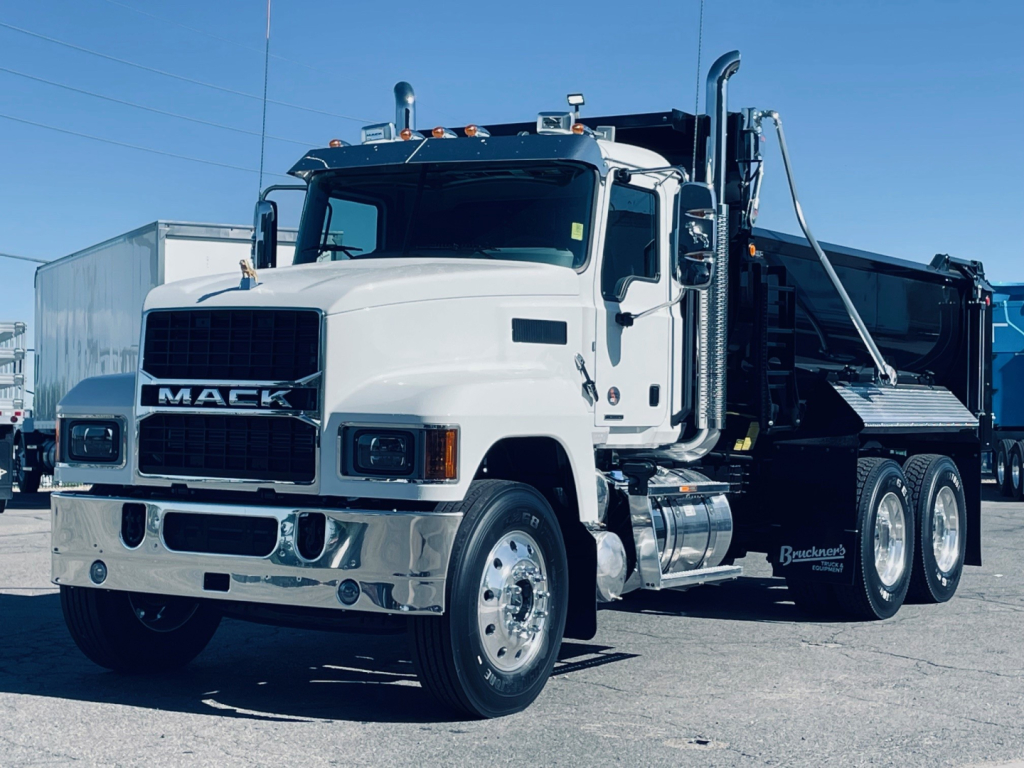
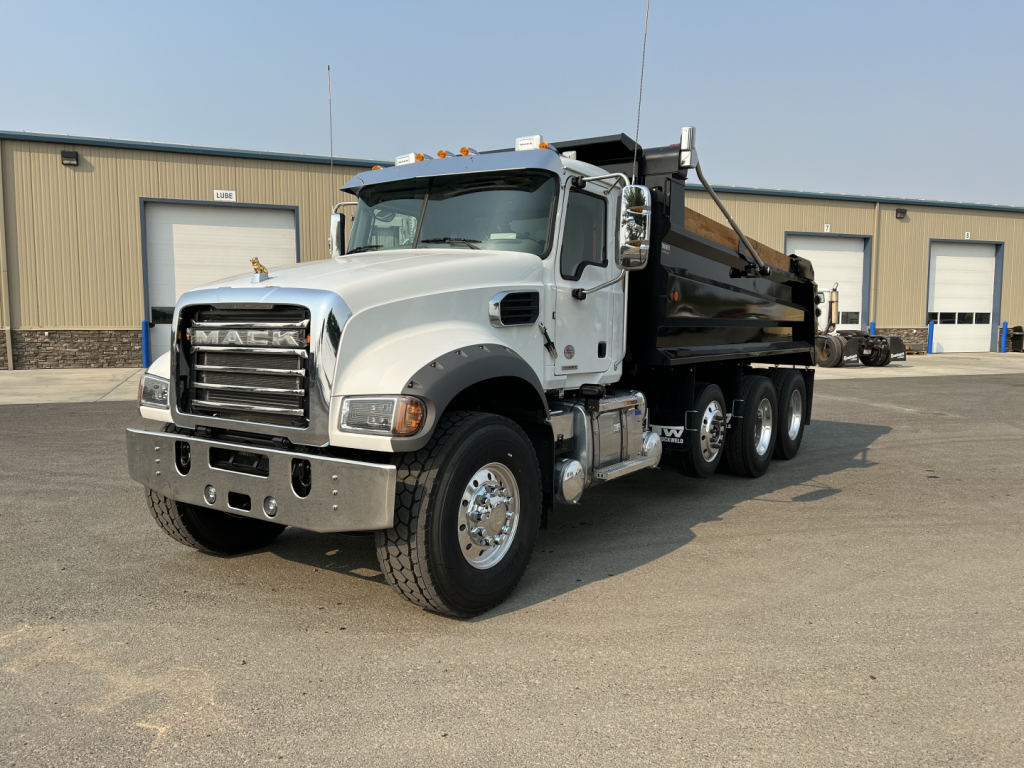
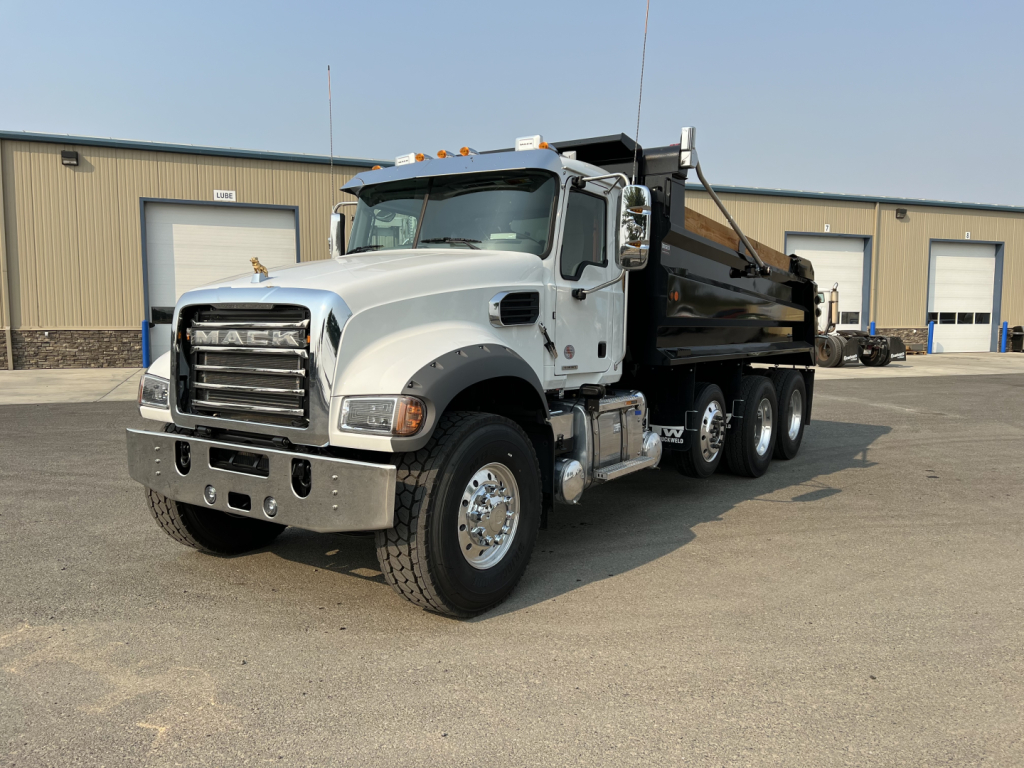
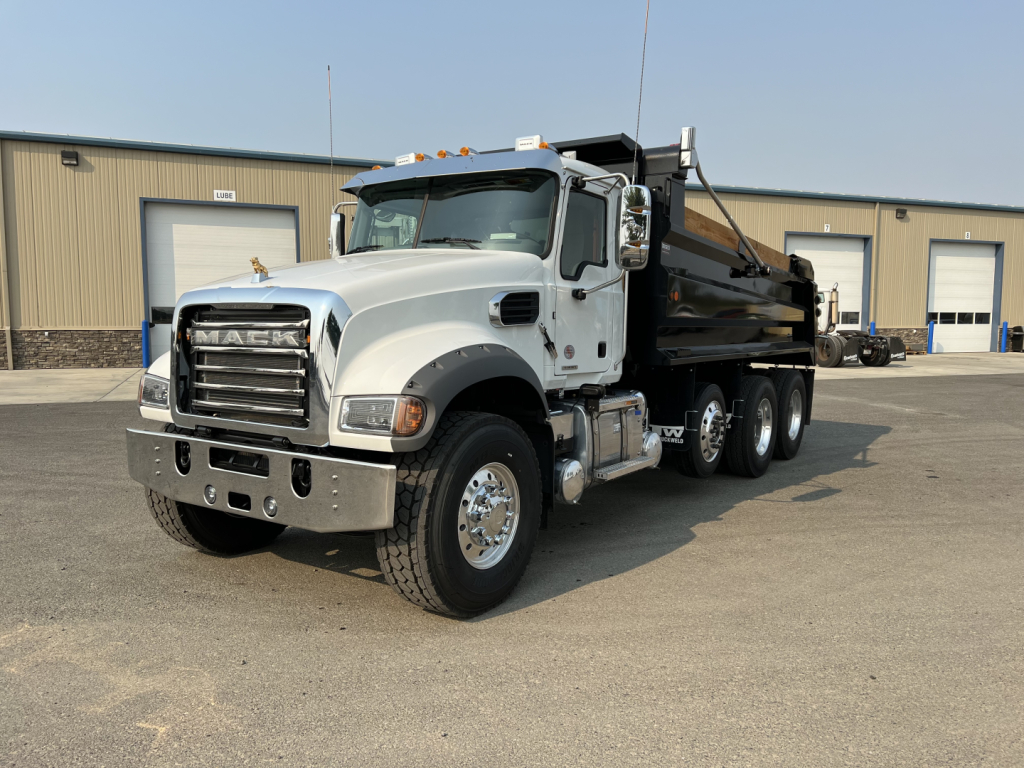
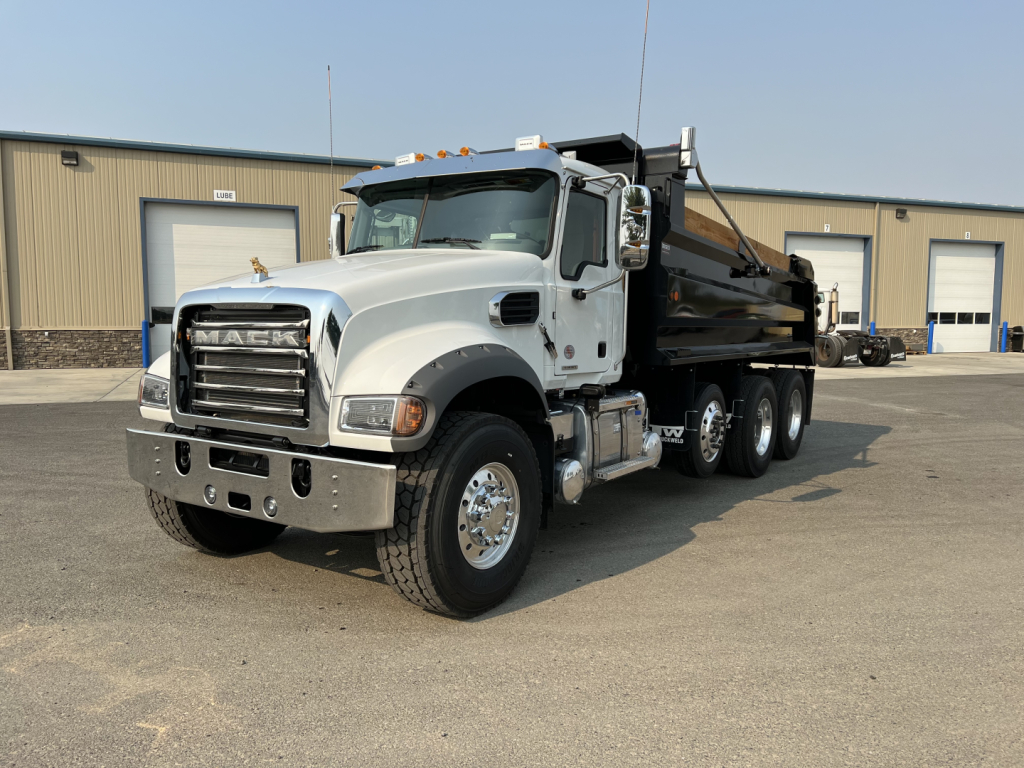
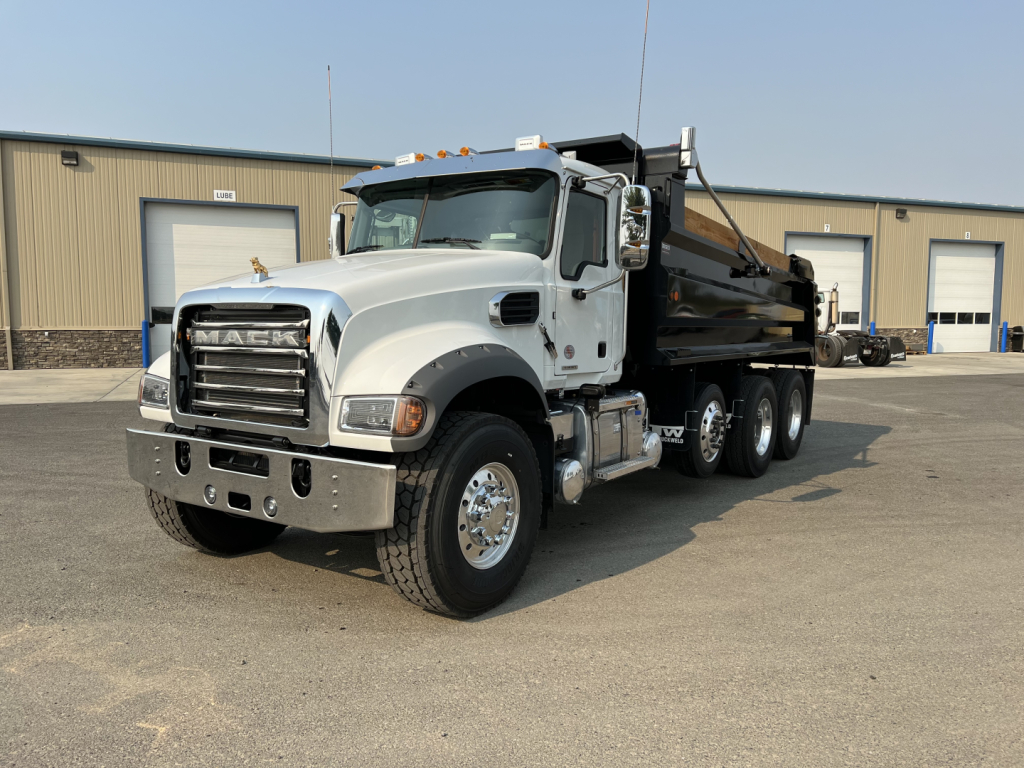
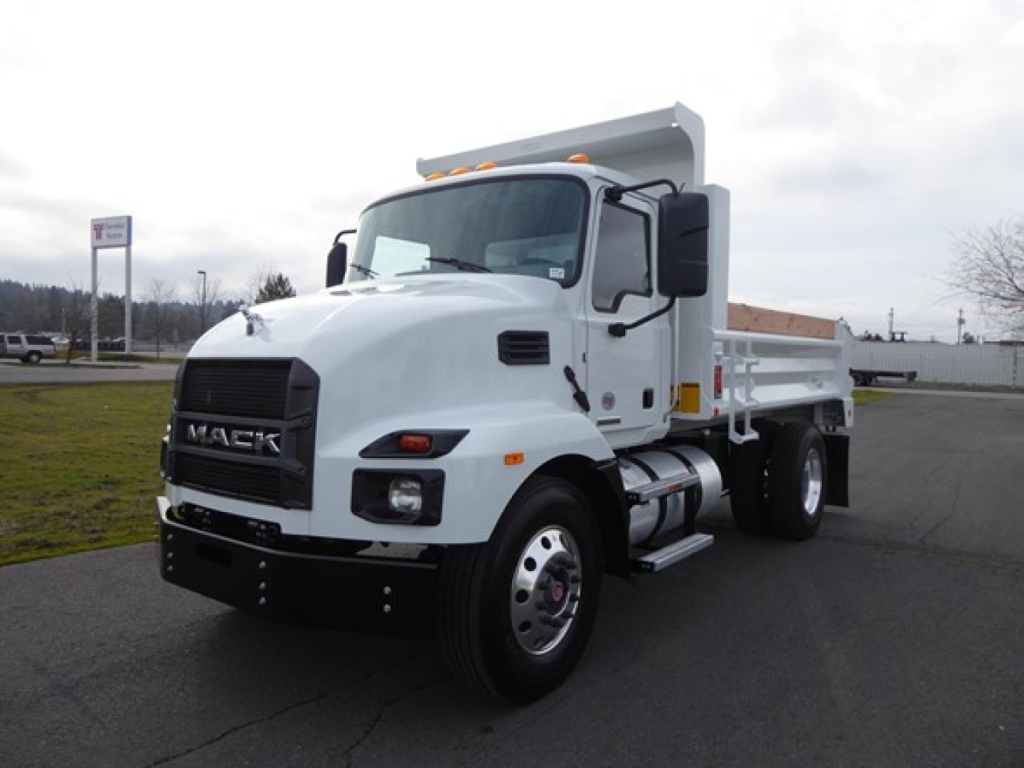
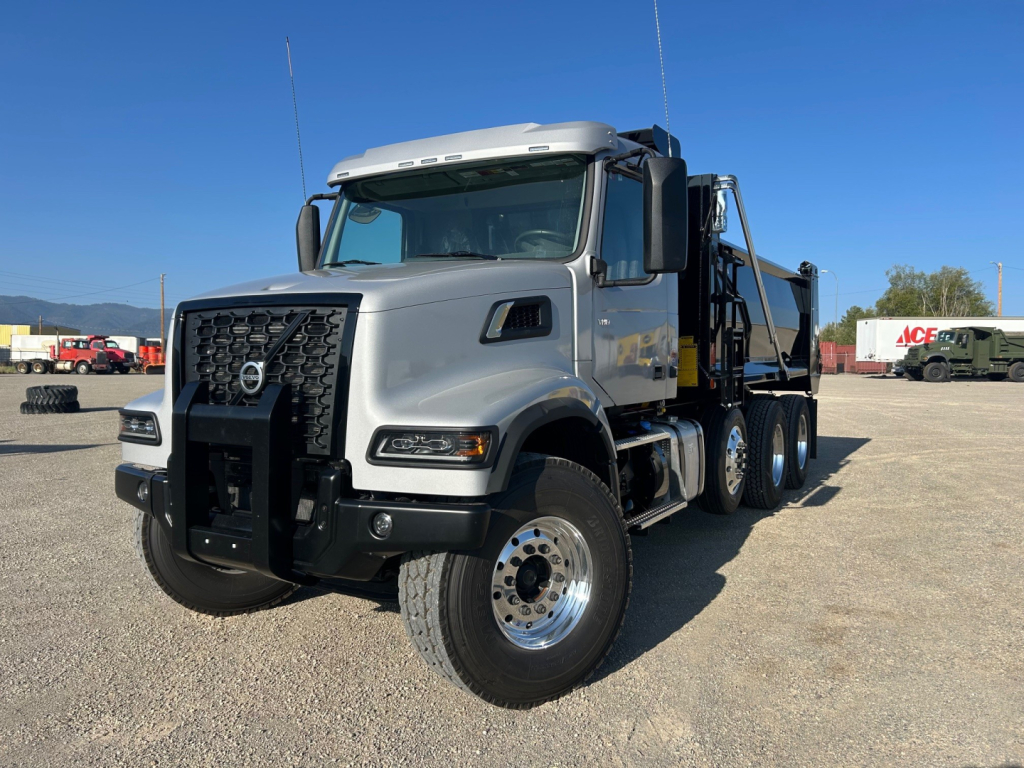

Selling a new dump truck? List your new dump truck for sale and reach thousands of commercial buyers.
New Dump Trucks in Washington
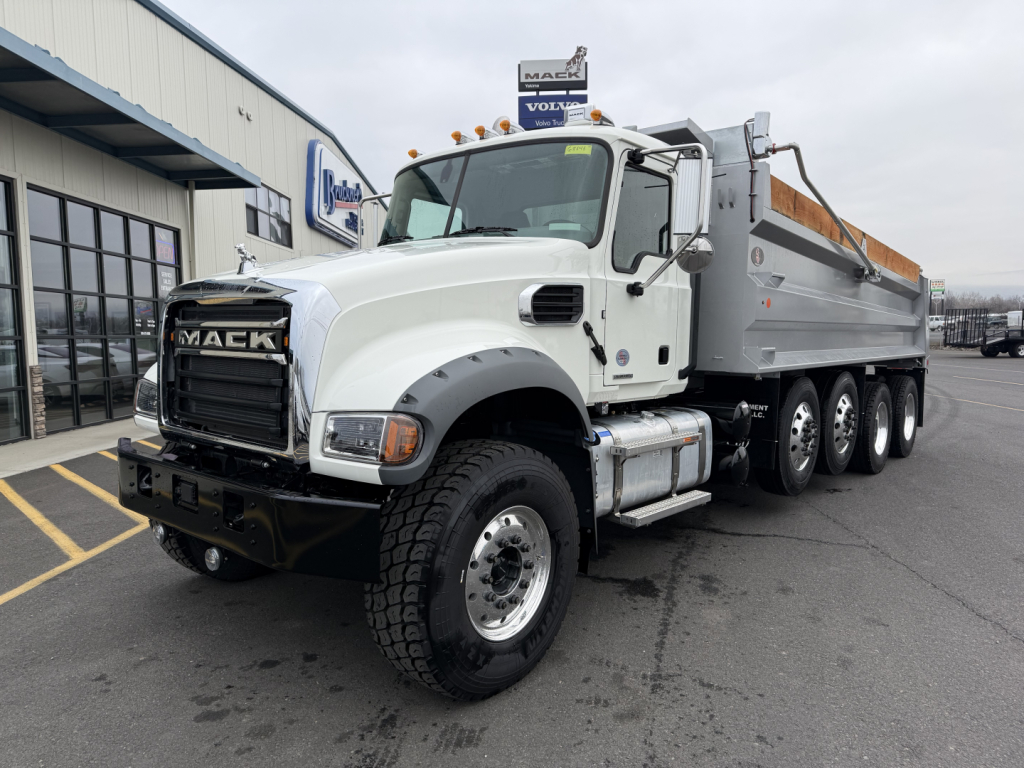
A new dump truck, also known as a dump body truck or vocational dump, is usually built around a severe-duty chassis with a PTO-driven hydraulic hoist and a steel or aluminum dump body. Body size is often discussed in cubic yards, with many contractors focusing on 10- to 20-yard class bodies depending on the material being hauled. Hardox and other abrasion-resistant steel body options are common when the truck will handle rock, demo debris, or other abrasive loads. Key body details worth checking include floor thickness, sidewall gauge, hoist type, tailgate design, cab shield, tarp system, and whether the truck has a heated body for asphalt applications. Buyers should also look closely at axle ratings, suspension type, wheelbase, and frame reinforcement because those specs determine how well the truck carries its body and survives repeated off-road cycles.
Powertrain choices on new dump trucks usually center on low-rpm torque, vocational automatic or automated transmissions, and axle ratios suited to stop-and-go hauling. Engines in this class are commonly paired with heavy-duty rear suspensions, locking differentials, engine brakes, and front axle ratings that support plow gear or heavier body installations when required. For Washington operators, corrosion protection, lighting, visibility, and cab access are practical considerations given wet conditions and year-round use. Modern dump trucks may also include safety and uptime features such as air disc brakes, camera systems, stability support, telematics, and easier service access under the hood. If the truck will spend time on paving crews or tight urban sites, turning radius, cab-to-axle dimension, and body length become important buying points.
The best new dump truck spec is the one matched to the material, haul distance, and legal operating environment. Sand, gravel, riprap, topsoil, millings, and demolition debris all place different demands on body construction and axle loading. A truck that is excellent for short-cycle quarry work may be inefficient on municipal routes or overloaded on dense material if the body is too large. Buyers comparing new dump trucks should focus on empty weight, usable payload, body durability, hoist performance, and local dealer support, then work backward from the job. That approach usually produces a truck that stays productive longer and costs less per ton moved.
Frequently Asked Questions about New Dump Trucks in Washington
What should I look for first when buying a new dump truck?
Start with the axle configuration, gross vehicle weight rating, and body size because those three items determine legal payload and job fit. After that, review the body material, hoist design, suspension, wheelbase, and engine-transmission setup. A dump truck that looks similar on paper can perform very differently depending on empty weight, frame spec, and how the body was matched to the chassis.
Is a steel or aluminum dump body better?
Steel dump bodies are generally preferred for rock, demolition debris, and other abrasive materials because they resist impact and wear better than aluminum. Aluminum bodies save weight and can improve payload on lighter-duty applications, but they are not always the best choice for severe-duty work. Many contractors hauling mixed construction material choose abrasion-resistant steel such as Hardox for the best balance of toughness and service life.
What size dump body is common on a new dump truck?
Many new dump trucks in this class are built with bodies in the 10- to 20-yard range, but the right size depends on material density and axle limits. A larger body does not automatically mean more legal payload because dense materials like gravel, wet sand, or asphalt can hit weight limits before the body is full. The most useful comparison is cubic-yard capacity matched against the truck's empty weight and licensed operating limits.
Are dump trucks in Washington typically spec'd differently than in other states?
They often are. Washington buyers may prioritize traction, corrosion resistance, lighting, and brake performance because trucks can operate in wet conditions, uneven terrain, and a mix of city streets, highways, and off-road jobsites. Depending on the region and application, buyers may also pay closer attention to axle spacing, local bridge law compliance, and features that support municipal or winter service work.
What features improve dump truck productivity and uptime?
Productivity usually comes from the right payload balance, fast and stable hoist performance, durable body construction, and a powertrain geared for frequent starts and stops. Uptime improves with accessible service points, strong local parts support, telematics, locking differentials, severe-duty suspension components, and proven vocational chassis design. Small spec choices such as tarp systems, tailgate style, and body liners can also reduce cycle time and maintenance over the life of the truck.