
New Dump Trucks For Sale in Georgia
New dump trucks for sale in Georgia, including vocational specs, body options, axle ratings, PTO setups, and jobsite-ready configurations.
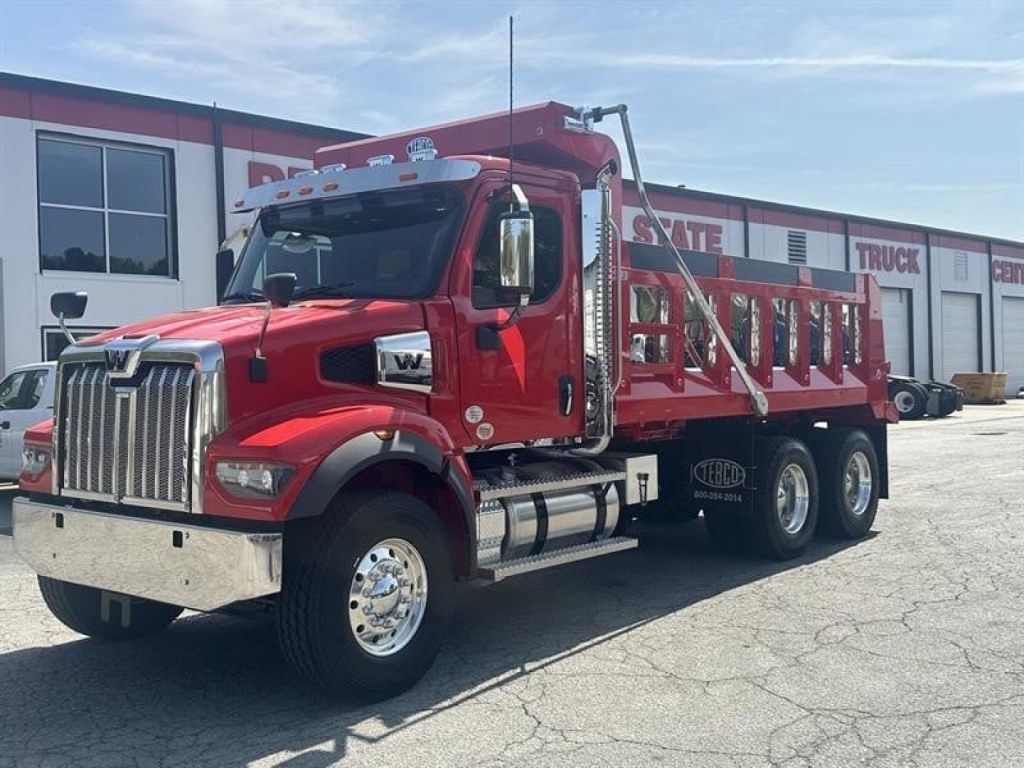
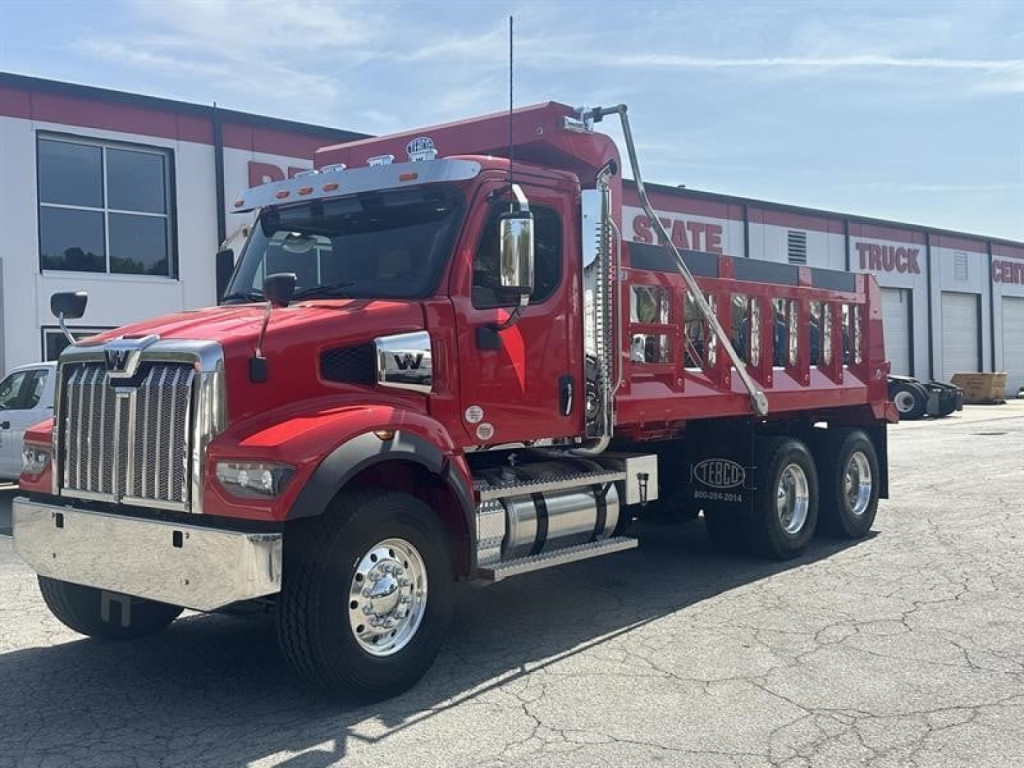
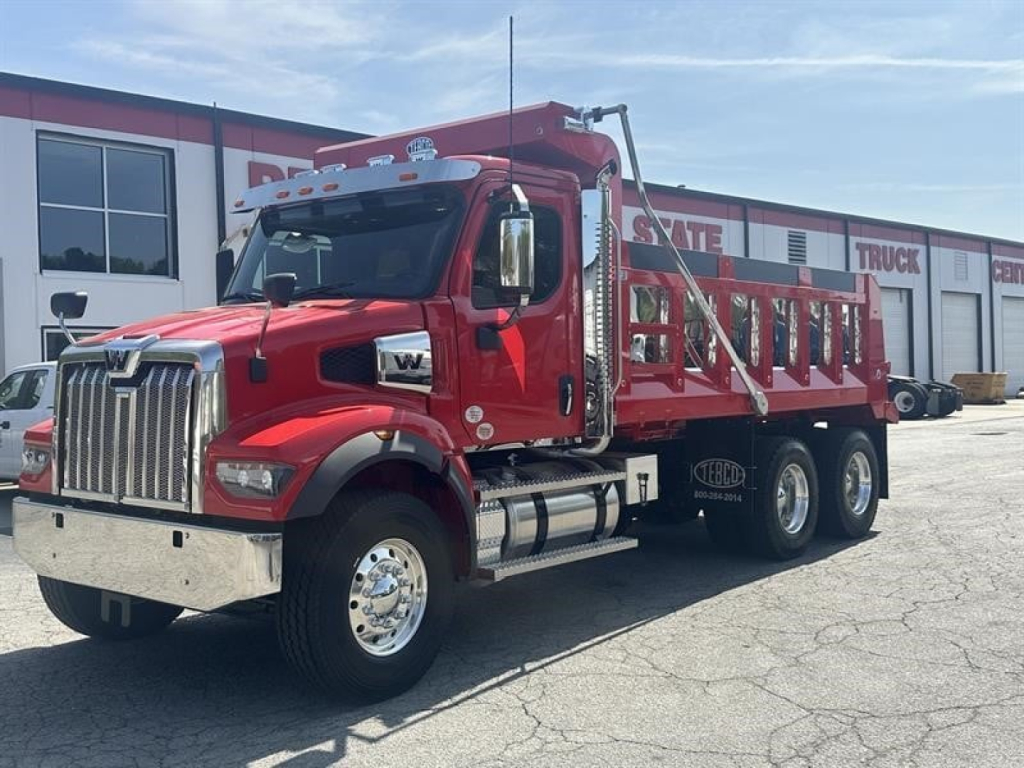
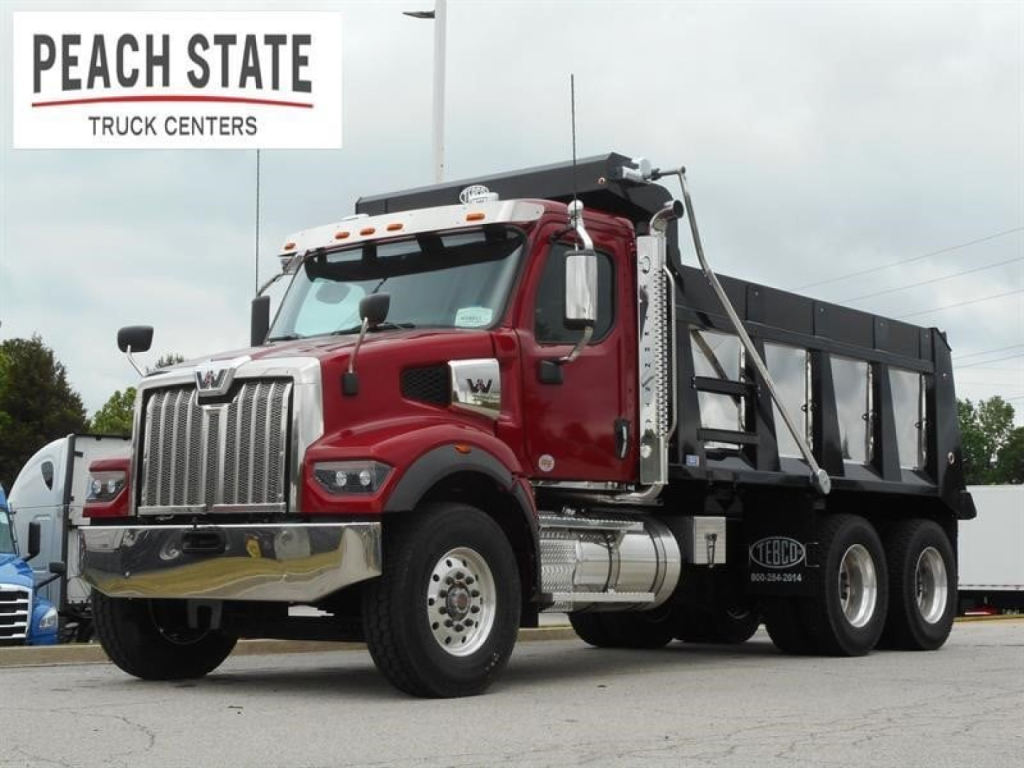
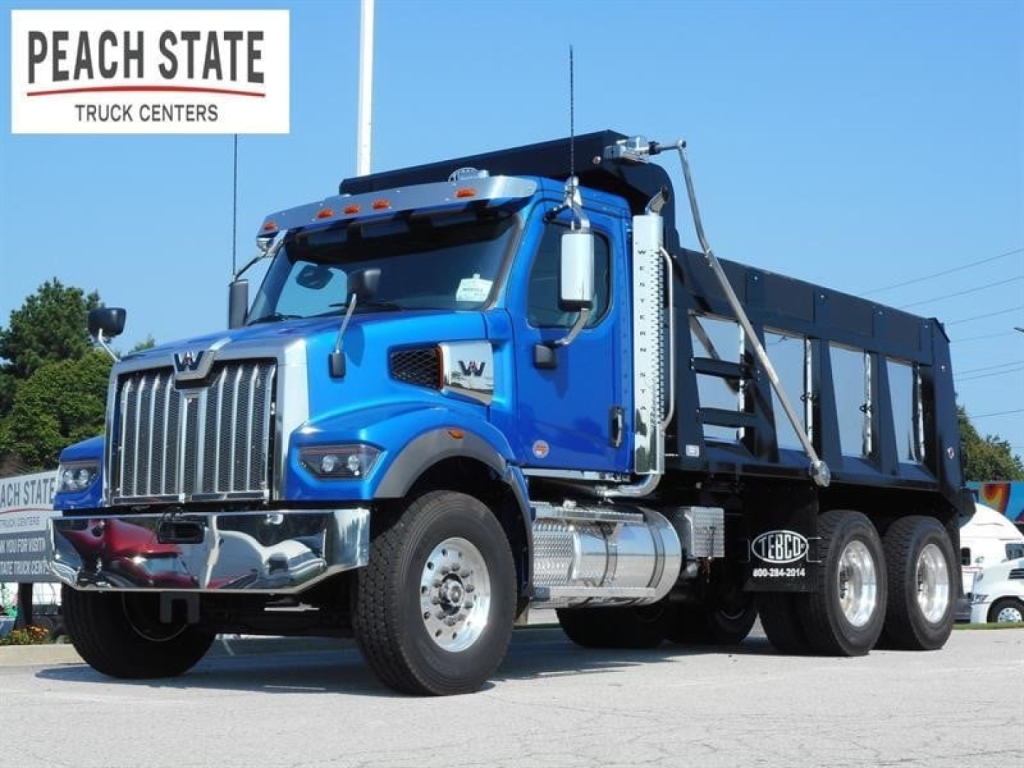
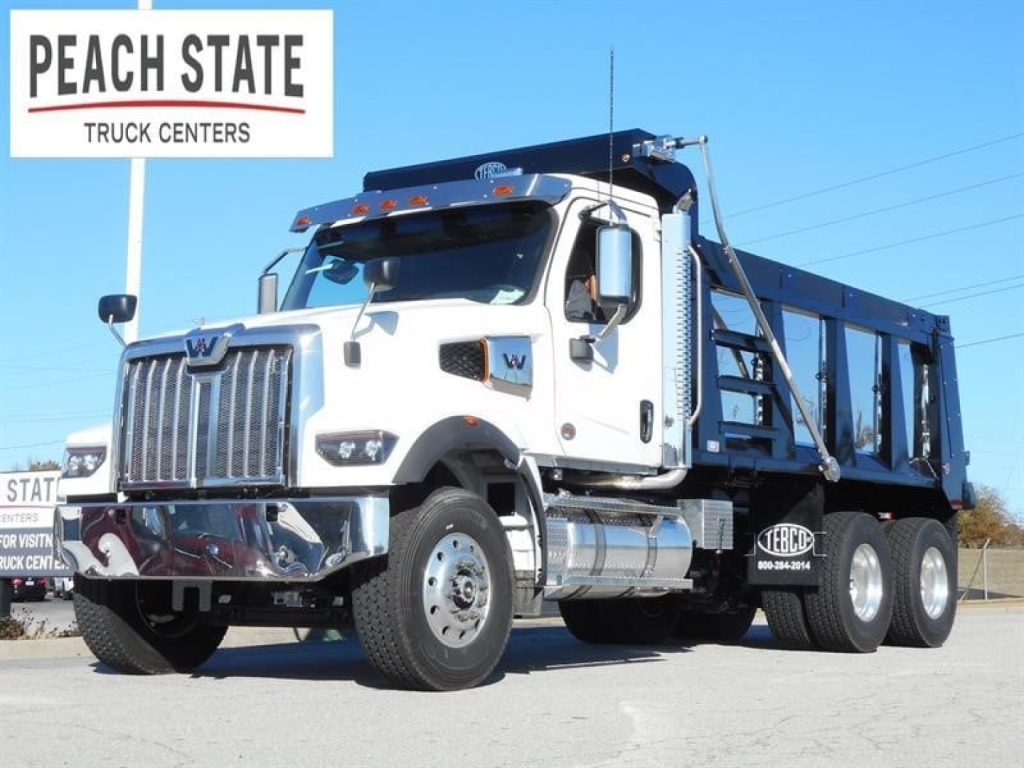
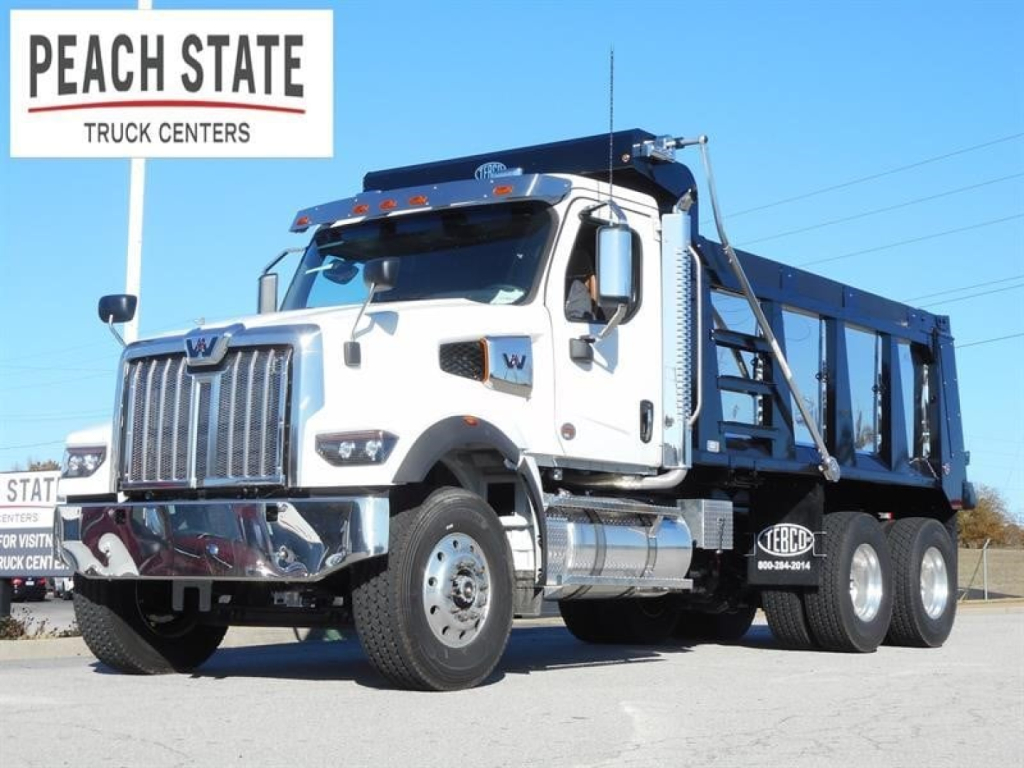
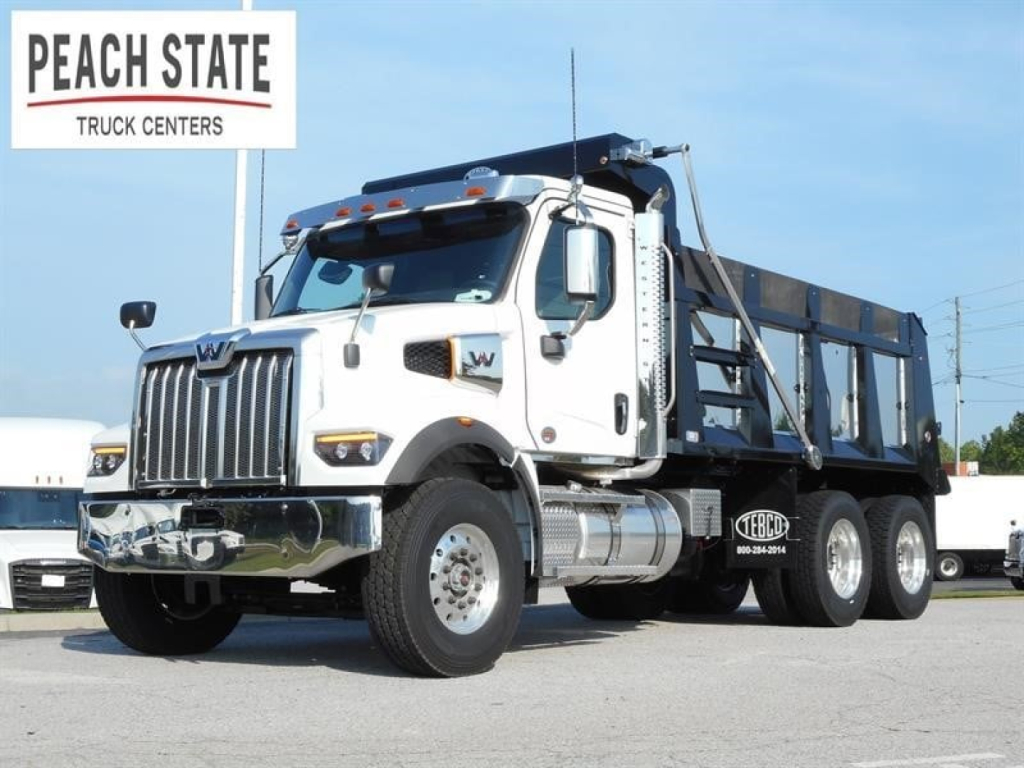
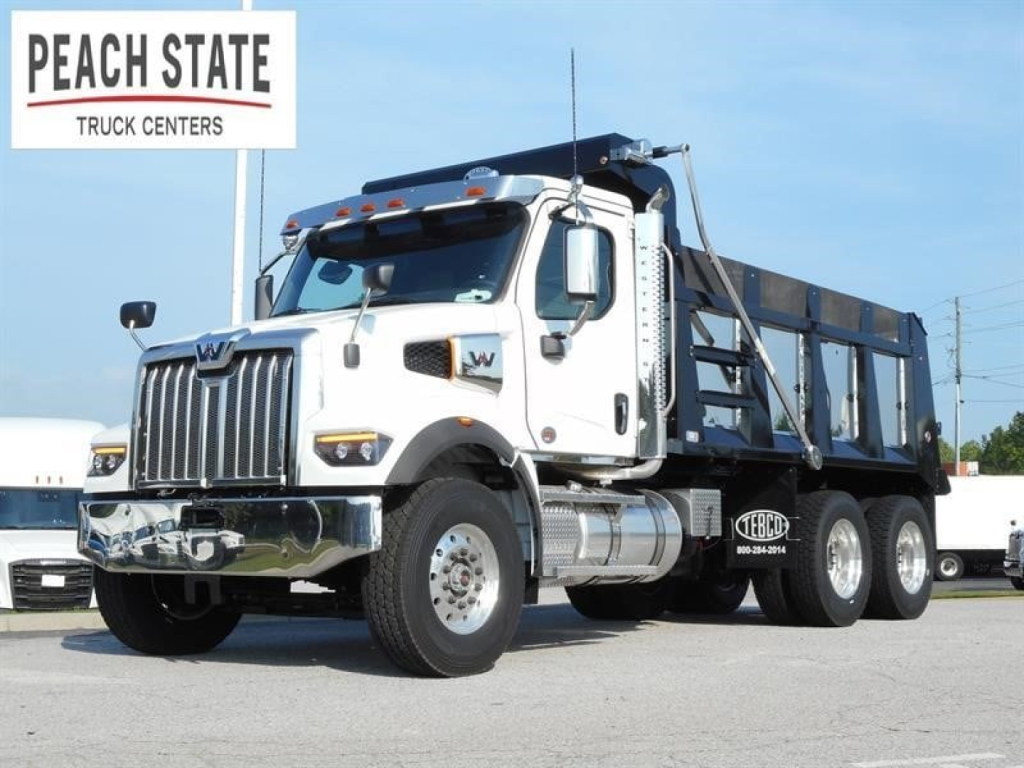
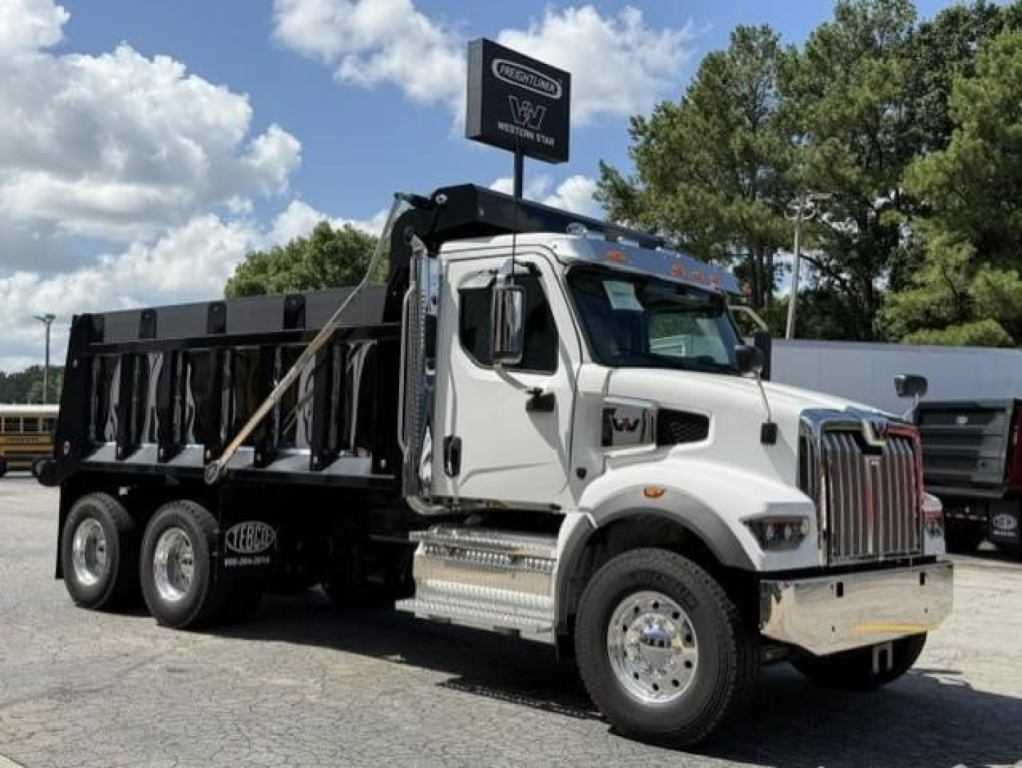
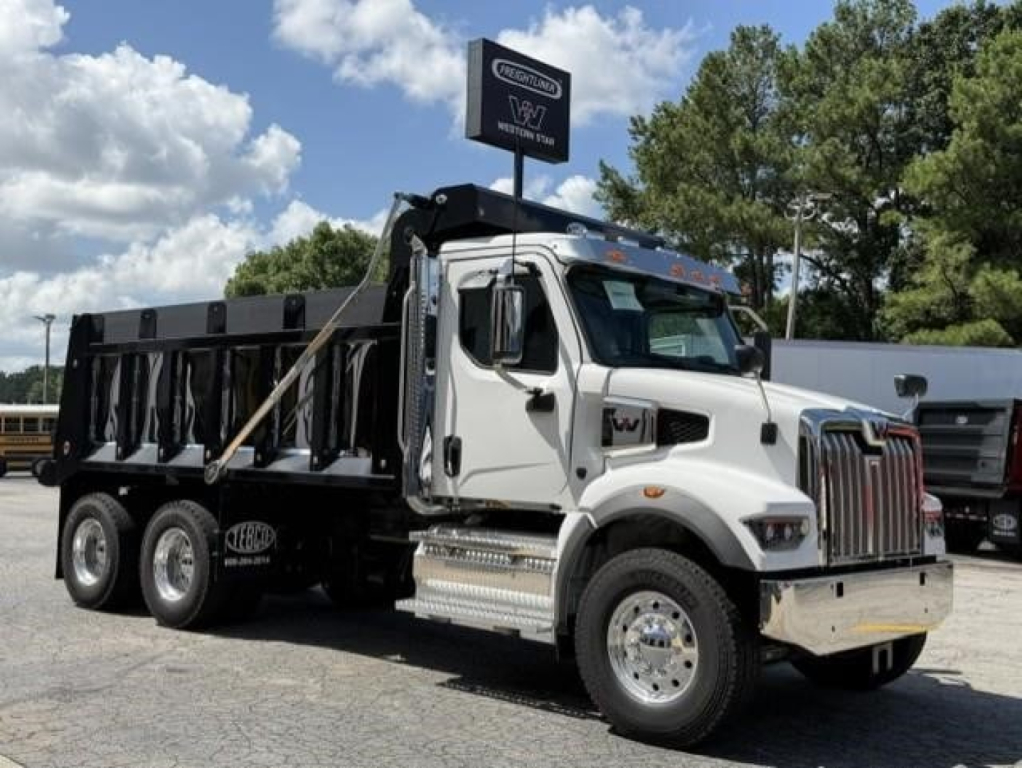
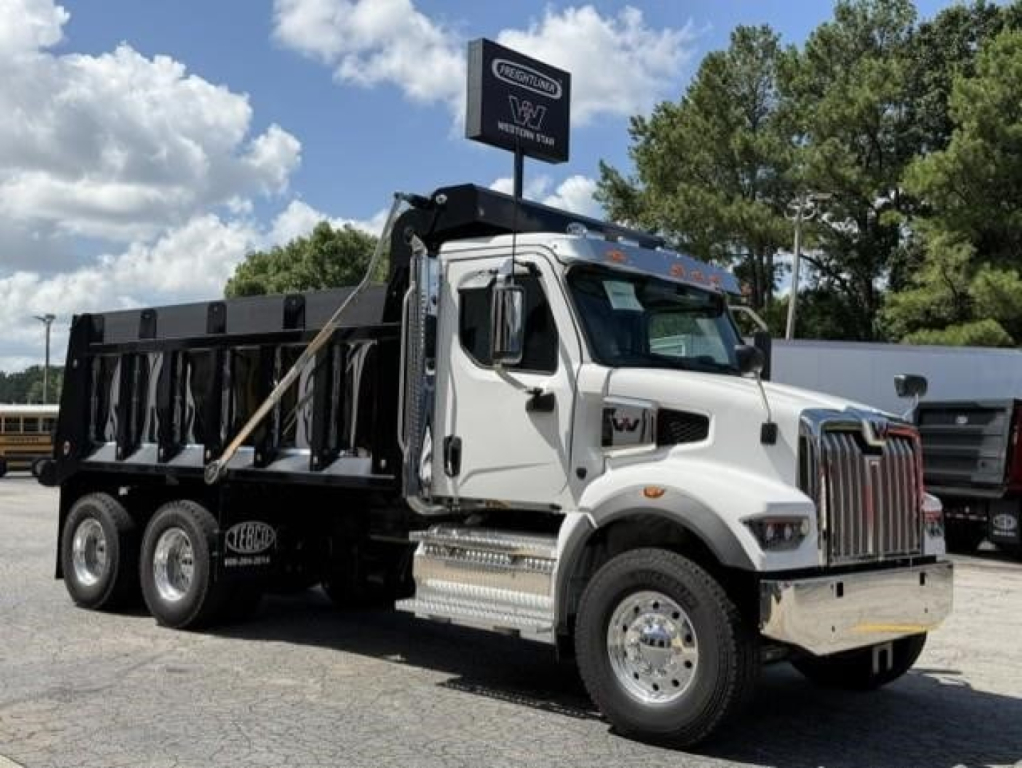
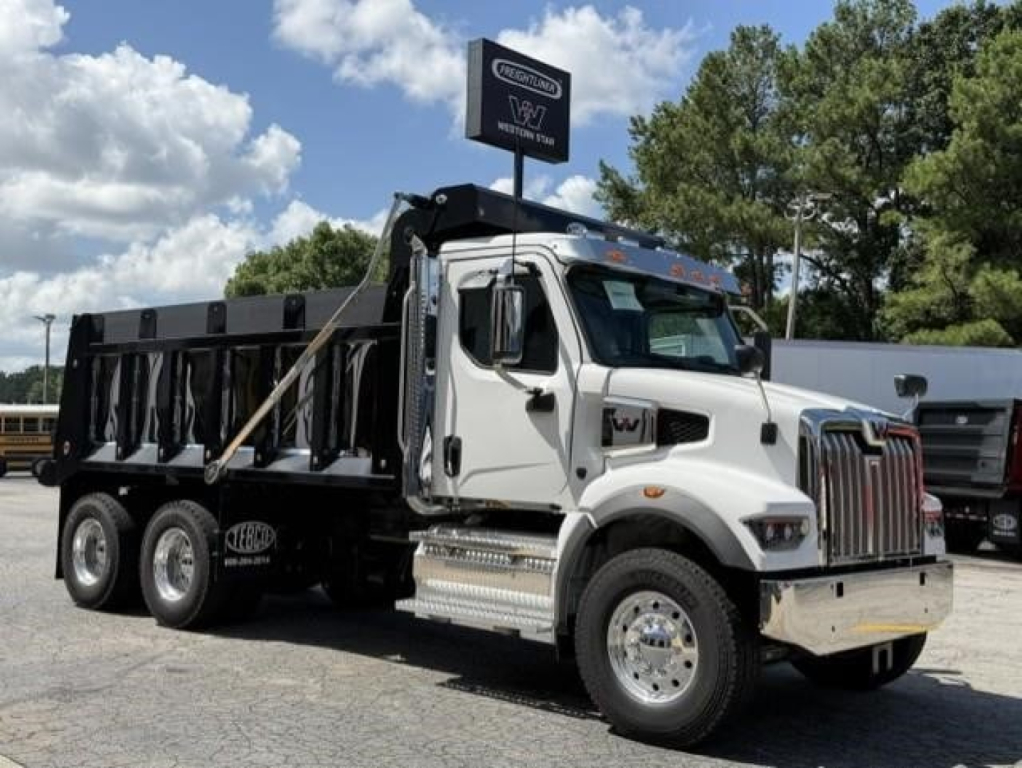
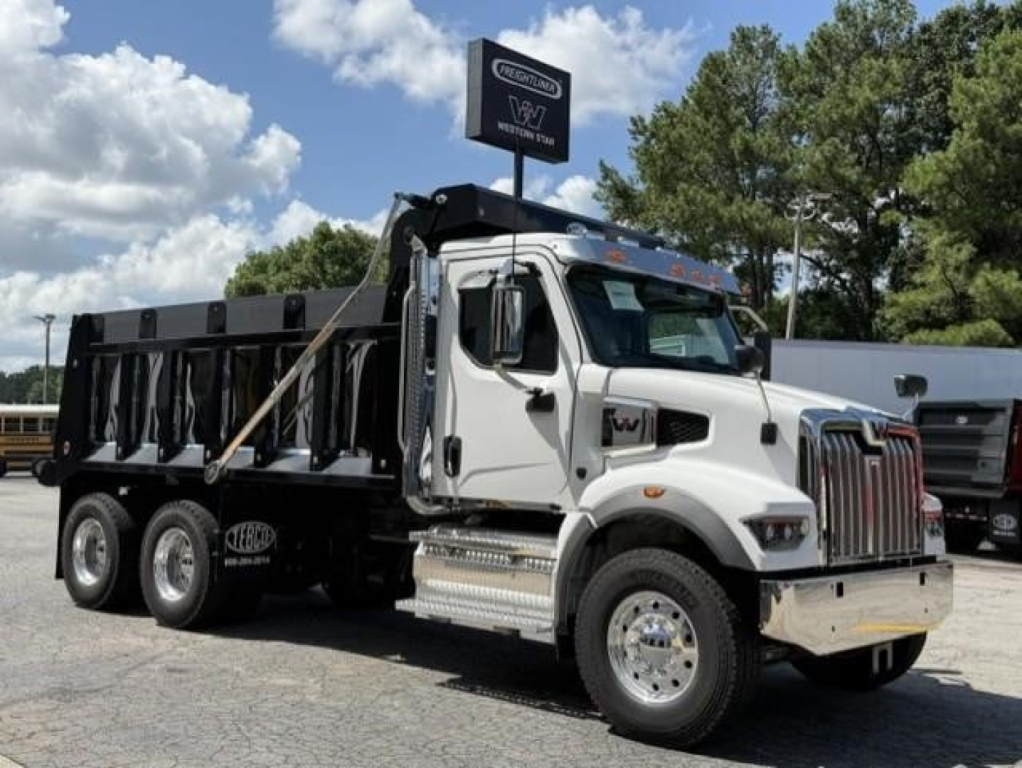
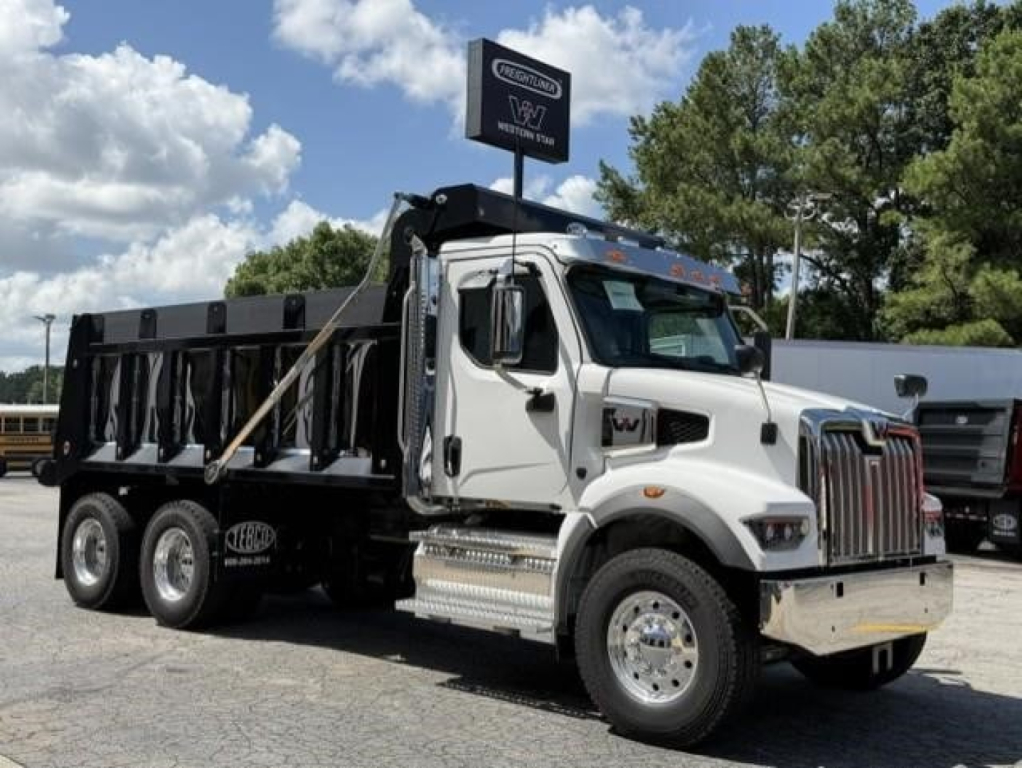
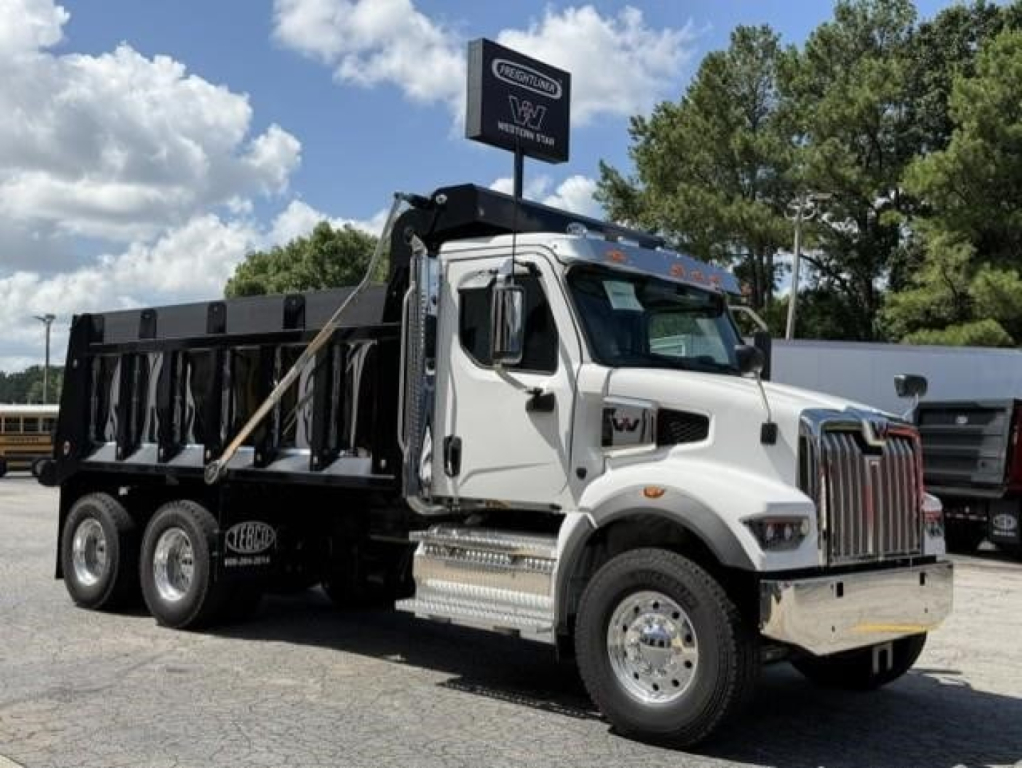
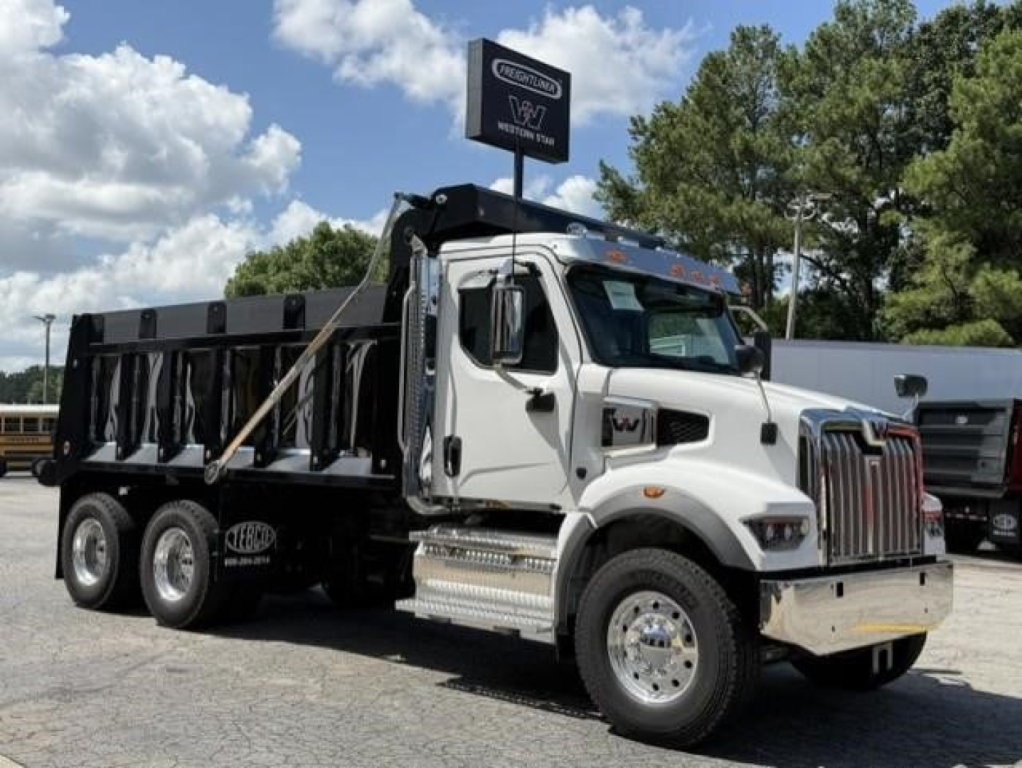
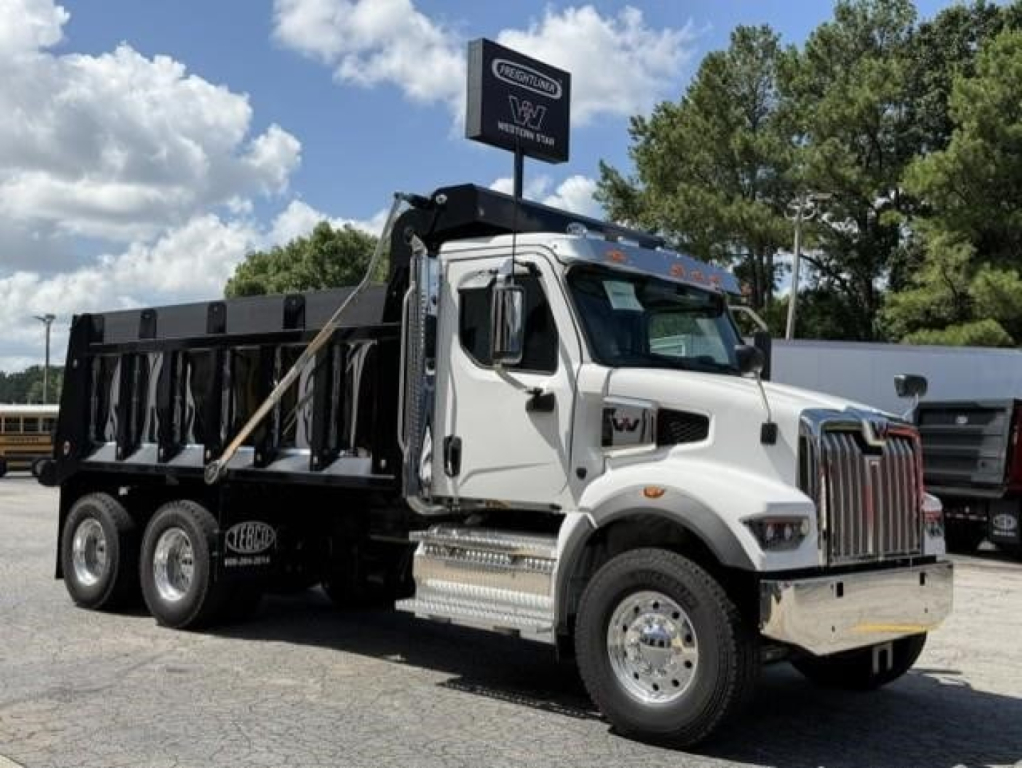
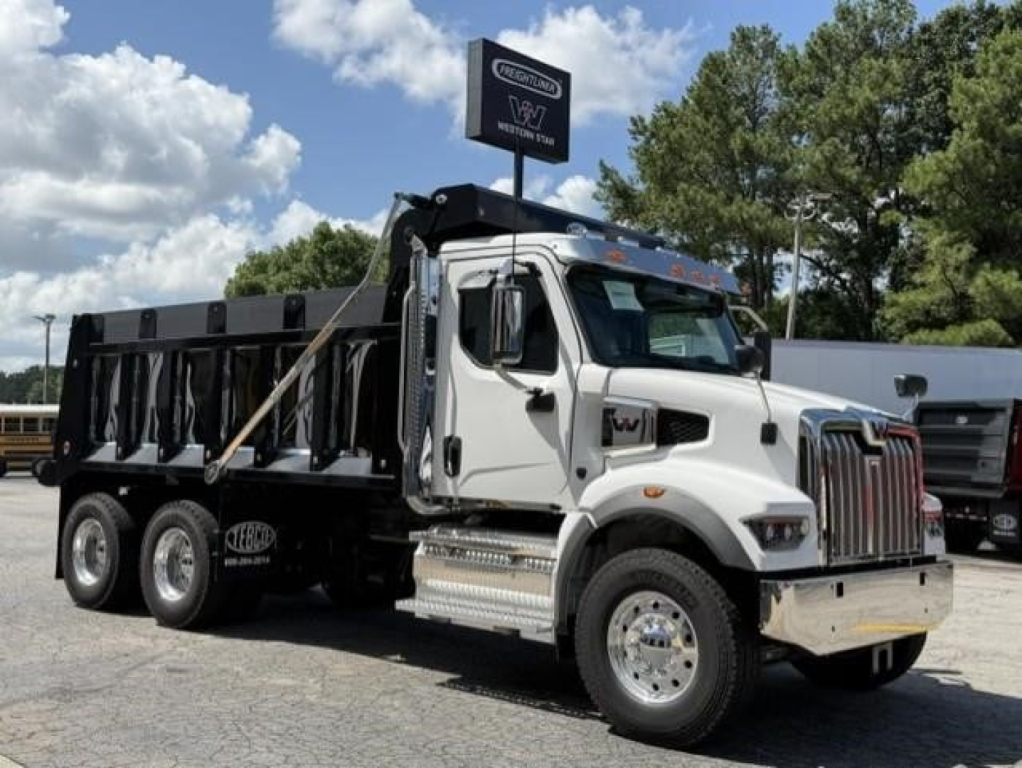
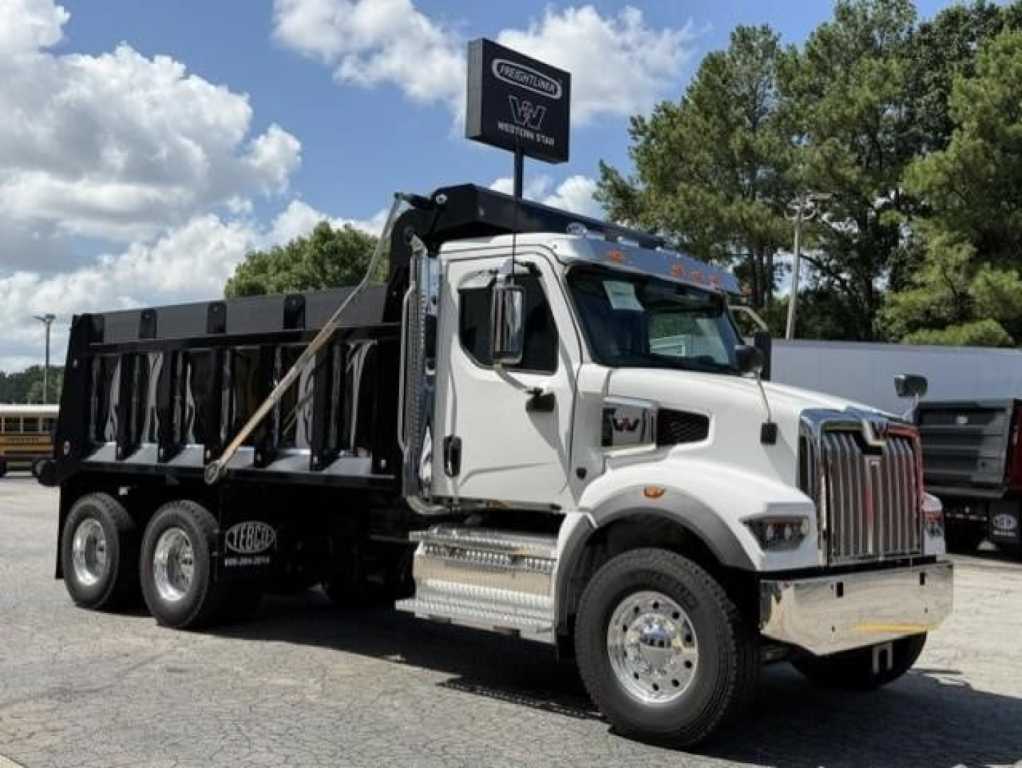
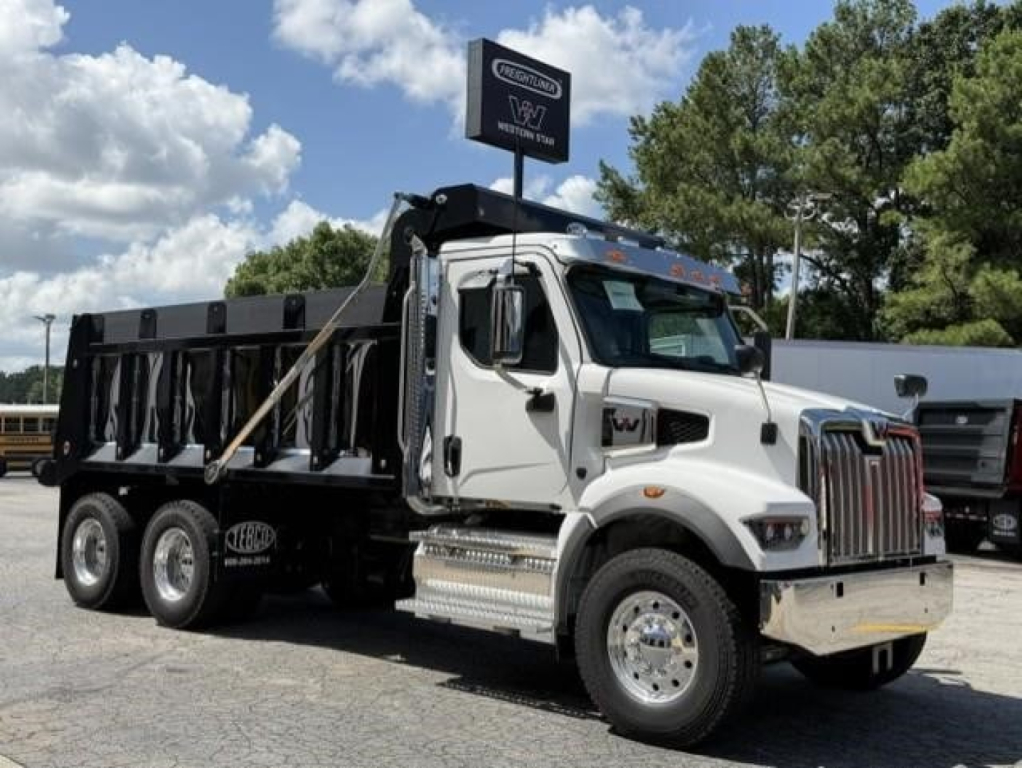
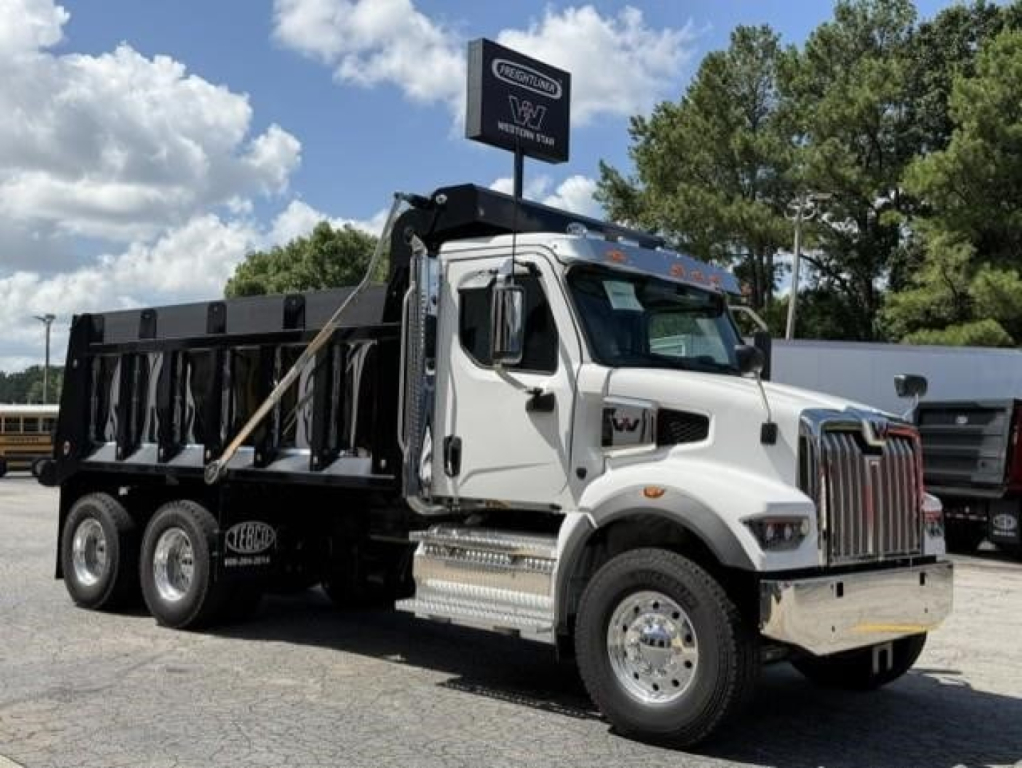
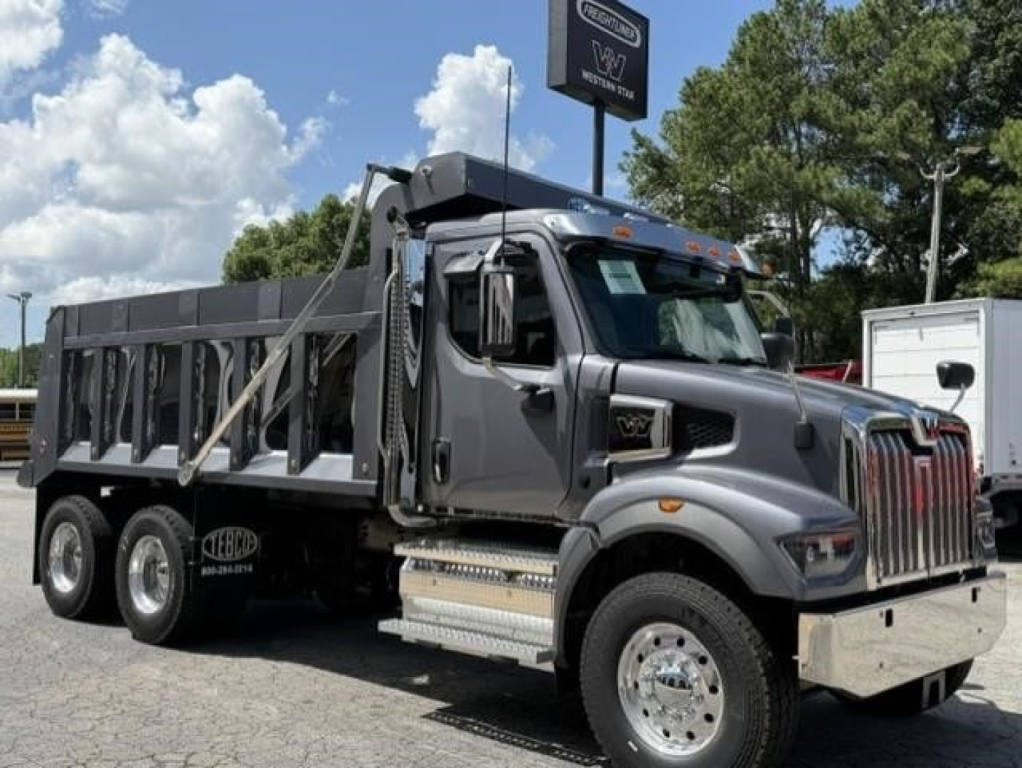
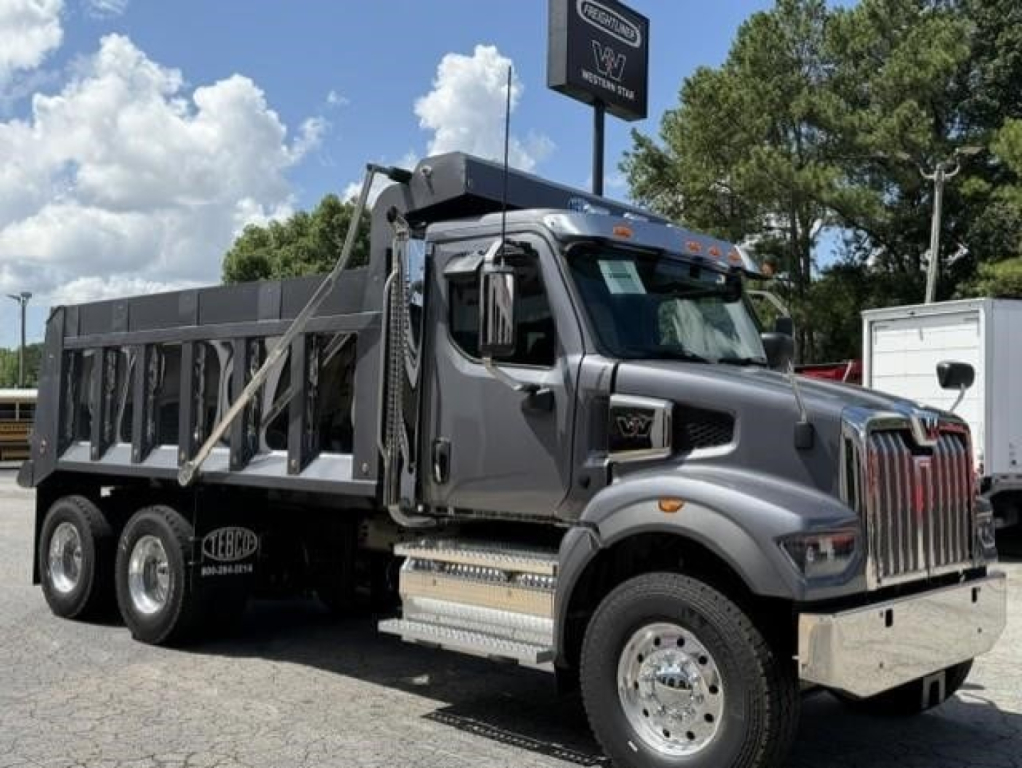
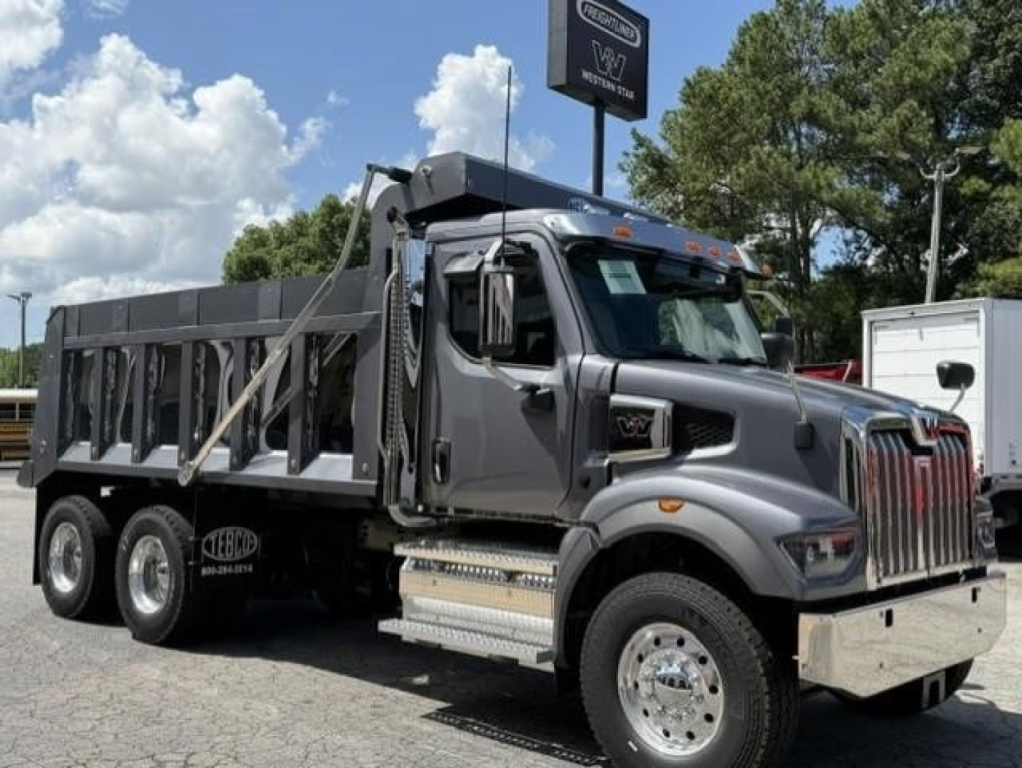
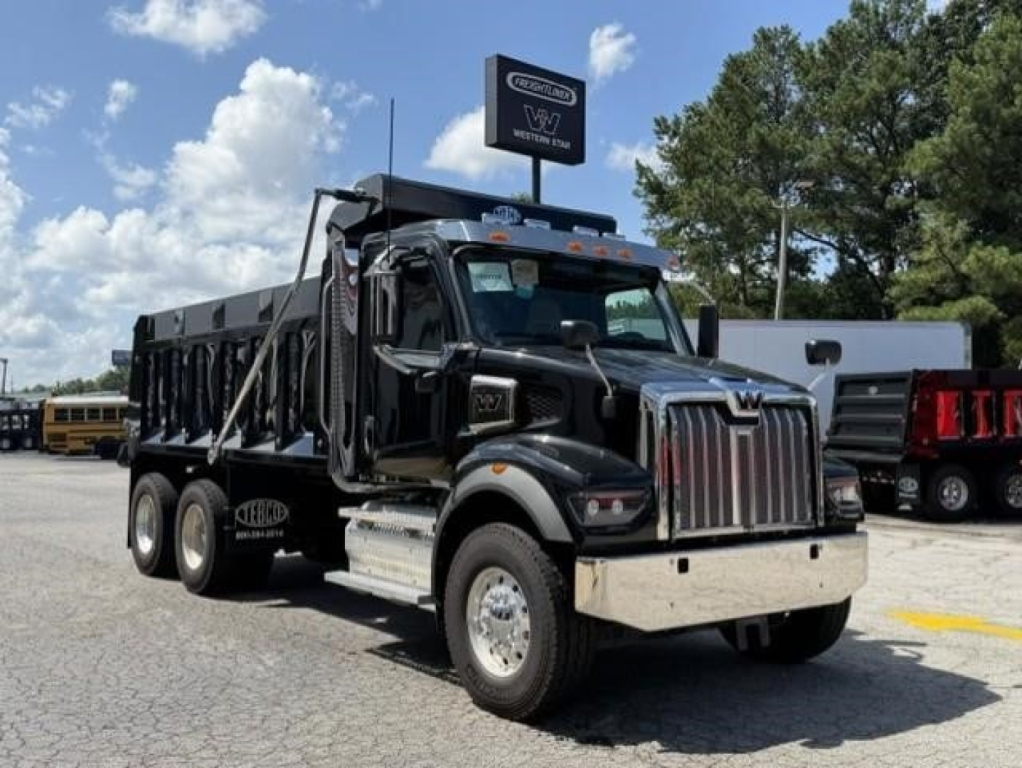
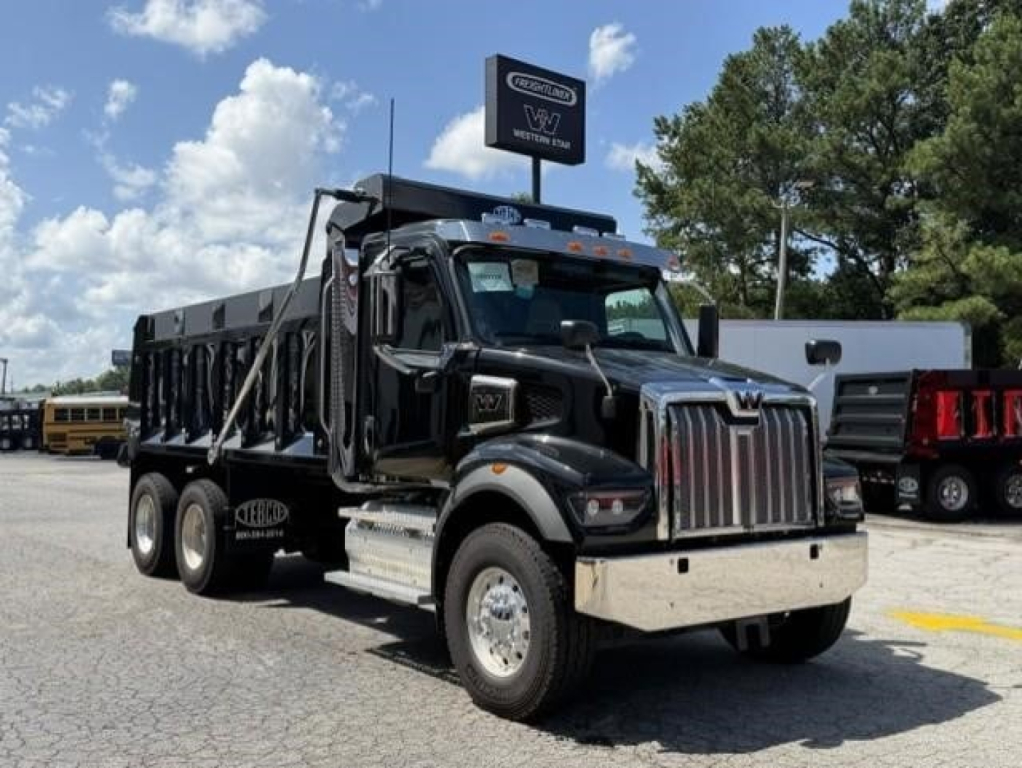
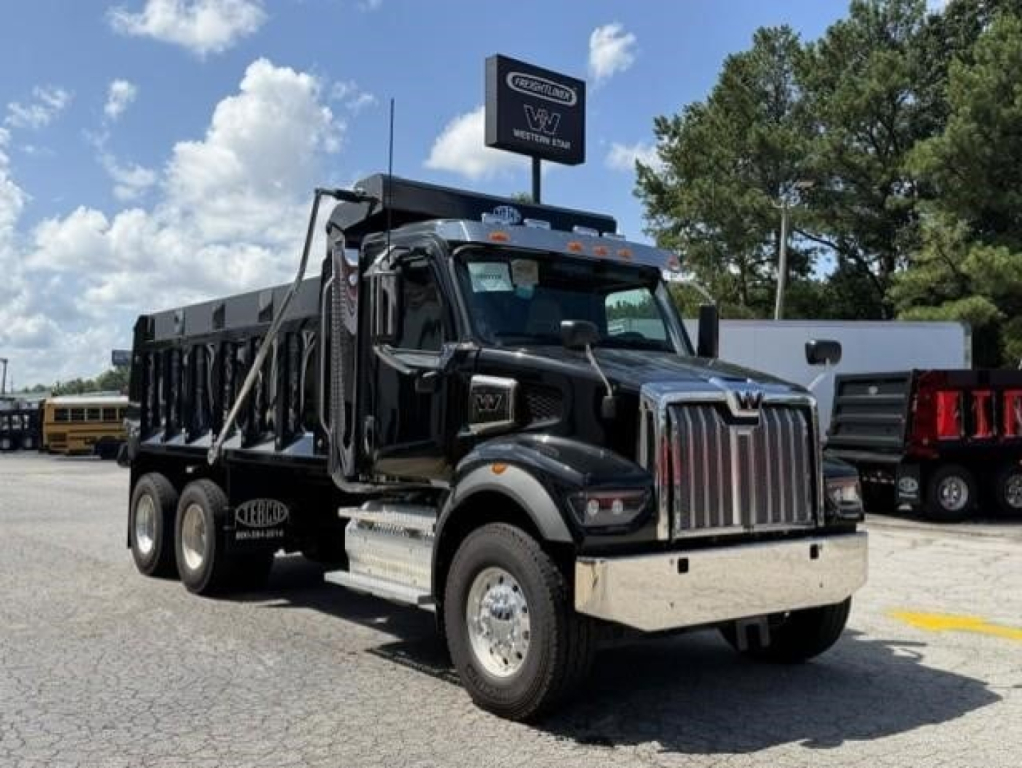
Showing 1 to 28 of 65 results
Selling a new dump truck? List your new dump truck for sale and reach thousands of commercial buyers.
New Dump Trucks in Georgia
A buyer should pay close attention to the complete dump spec, not just the cab and chassis. The body material, side height, floor thickness, tailgate style, and hoist design all affect durability and usable payload. Steel bodies are common for rock, demo, and abrasive material, while lighter bodies can make sense when payload is the priority. Features such as air-operated tailgates, barn doors, coal chutes, tarp systems, hitch packages, and backup cameras can have a real impact on daily productivity. Frame reinforcement, front axle capacity, rear axle ratio, locking differentials, and suspension type also matter when the truck will see rough access roads, soft ground, or repeated off-road loading.
For Georgia operations, spec choices often come down to balancing legal payload with maneuverability. Tight residential and urban work can favor a shorter wheelbase and a more agile set-back axle chassis, while highway material hauling may justify a larger tandem with more body capacity. Engine ratings on new dump trucks commonly land in the medium to heavy vocational range, where low-end torque, cooling capacity, and PTO performance are more important than top-speed cruising. Buyers should also compare brake type, tire size, fuel tank placement, and visibility from the cab, especially if the truck will spend its life moving between plants, pits, and active jobsites.
New dump trucks also bring emissions-compliant drivetrains, factory warranty coverage, and the advantage of ordering a truck around the work instead of adapting an older unit. Models such as the Freightliner M2 106 and Western Star 47X are common starting points because they support a wide range of vocational body installs and axle specs. The best purchase is usually the one with the right body and hydraulic package for the material being hauled, enough axle and frame capacity for the load, and a wheelbase that fits the routes and jobsites it will see every day.
Frequently Asked Questions about New Dump Trucks in Georgia
What is the most important factor when buying a new dump truck?
The most important factor is matching the truck's complete specification to the actual material and duty cycle. Buyers should start with what the truck will haul, how often it will load and dump, and where it will operate. Body size, body material, hoist type, axle ratings, wheelbase, suspension, PTO setup, and GVWR all need to work together. A truck that is oversized for the job can sacrifice maneuverability and efficiency, while an underspecified truck can wear out quickly or limit legal payload.
Should I choose a single-axle or tandem-axle dump truck?
A single-axle dump truck is often the better fit for tighter routes, smaller jobs, and operations that prioritize maneuverability and lower acquisition cost. A tandem-axle dump truck is generally preferred for heavier materials, larger body capacities, and higher legal payload potential. The right choice depends on bridge law, local route restrictions, jobsite access, and the type of material being moved. In many vocational applications, the axle configuration has a direct effect on revenue per load and operating flexibility.
What body features matter most on a dump truck?
The most important body features are the ones that affect payload, durability, and unloading efficiency. Buyers should evaluate steel thickness, floor design, side height, tailgate configuration, hoist capacity, and whether the body is intended for rock, asphalt, sand, dirt, or mixed debris. Tarp systems, air tailgates, coal chutes, liner options, and backup cameras can also improve productivity and safety. A well-matched body often matters as much as the chassis under it.
Are automatic transmissions common in new dump trucks?
Yes, automatic transmissions are very common in new dump truck applications, especially Allison automatics in vocational service. They are popular because they reduce driver fatigue, improve ease of use in stop-and-go work, and perform well in repeated loading, backing, and dumping cycles. Manual transmissions still appear in some heavy-duty or owner-operator applications, but many fleets prefer automatics for training, consistency, and jobsite drivability.
Why do buyers look closely at wheelbase and axle ratings on a dump truck?
Wheelbase and axle ratings determine how the truck carries weight, how the body fits the chassis, and how well the truck navigates jobsites and road routes. A wheelbase that is too long can make the truck harder to position in tight areas, while one that is too short may limit body options or create balance issues. Axle ratings affect legal payload, front-end weight distribution, and long-term durability. On a dump truck, these numbers are not minor details. They are central to how the truck performs and what work it can legally and profitably handle.