
New Western Star Dump Trucks For Sale in Georgia
Shop new Western Star dump trucks for sale in Georgia. Compare 47X specs, axle setups, body options, PTO choices, and vocational features.
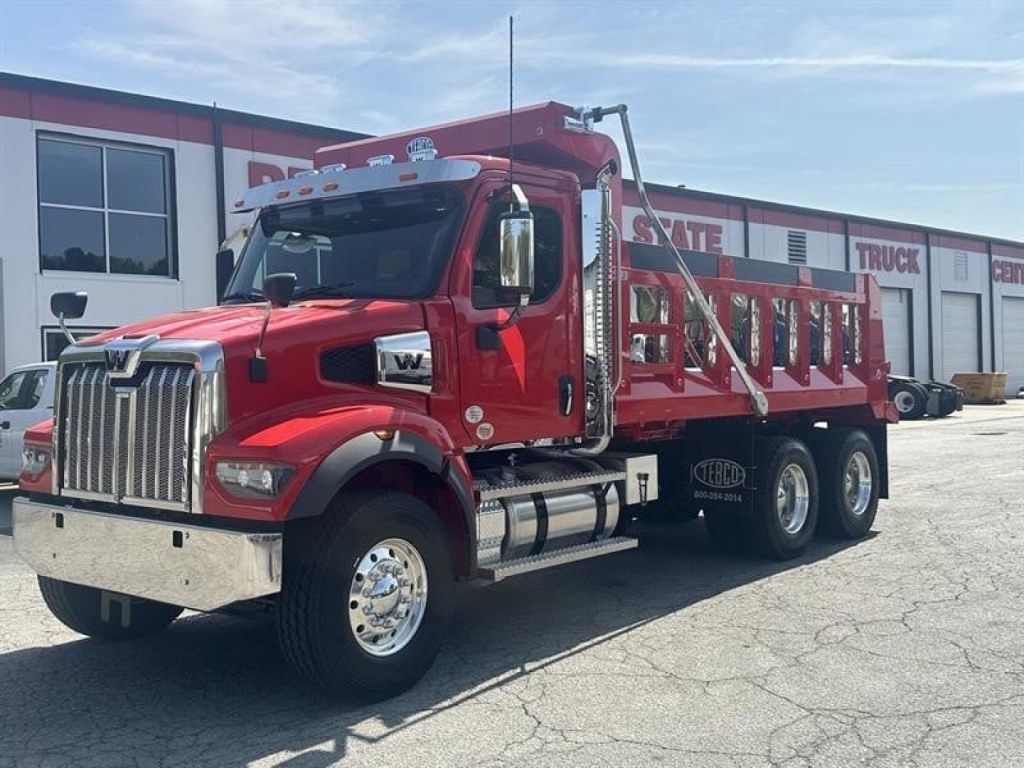
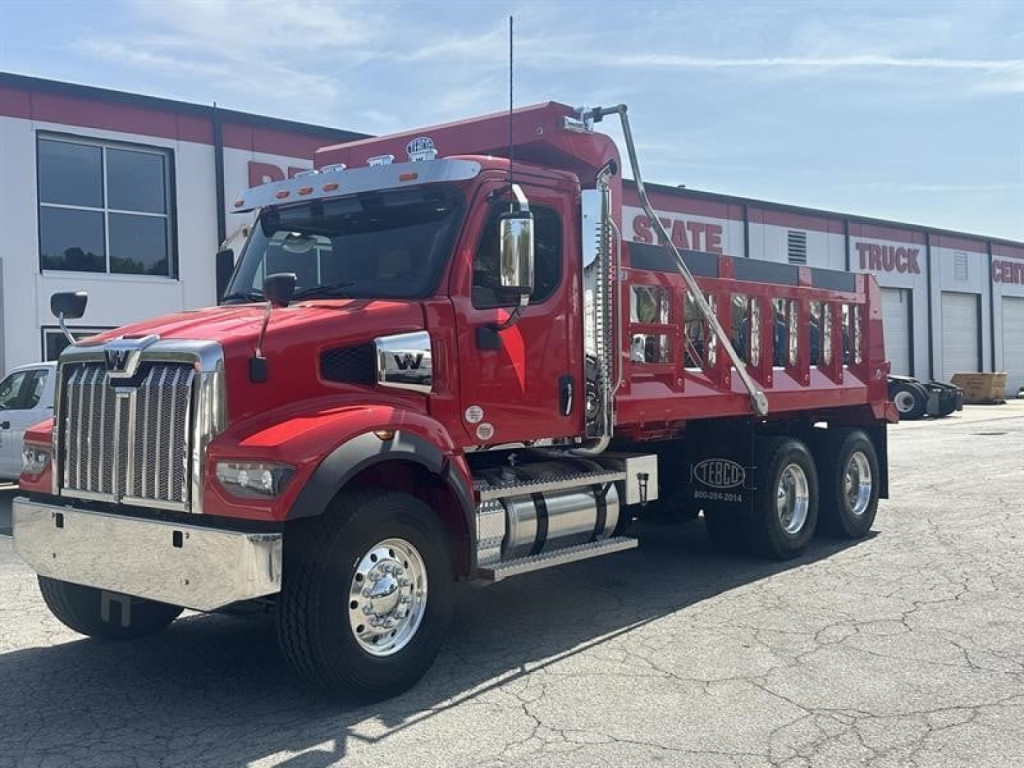
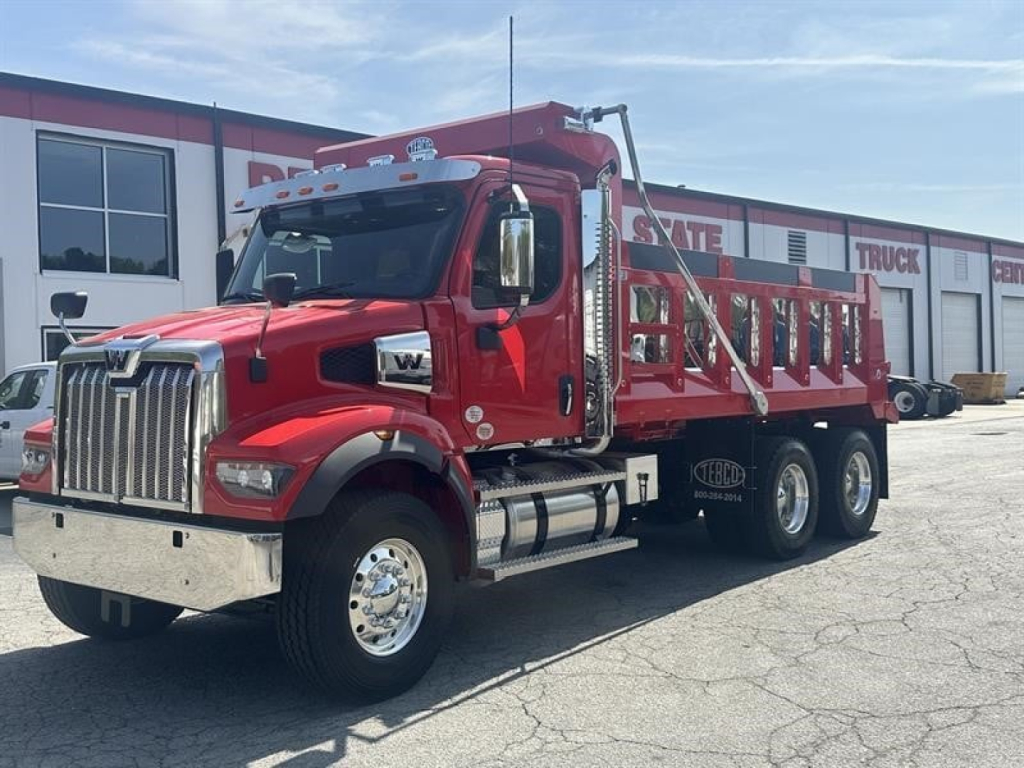
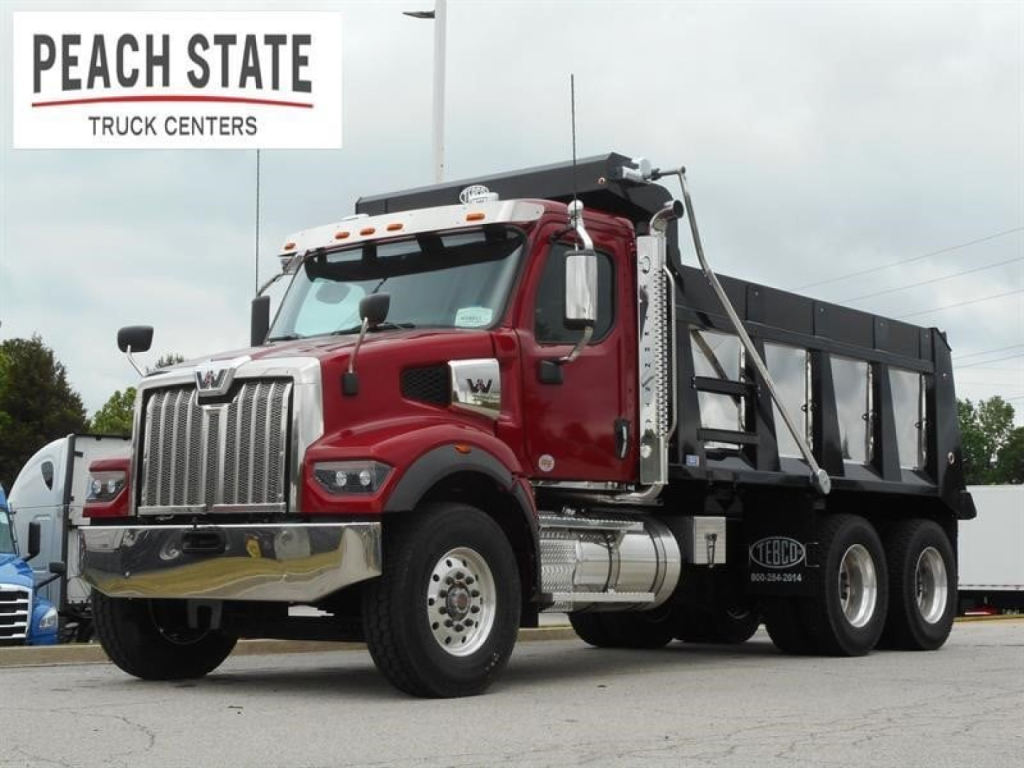
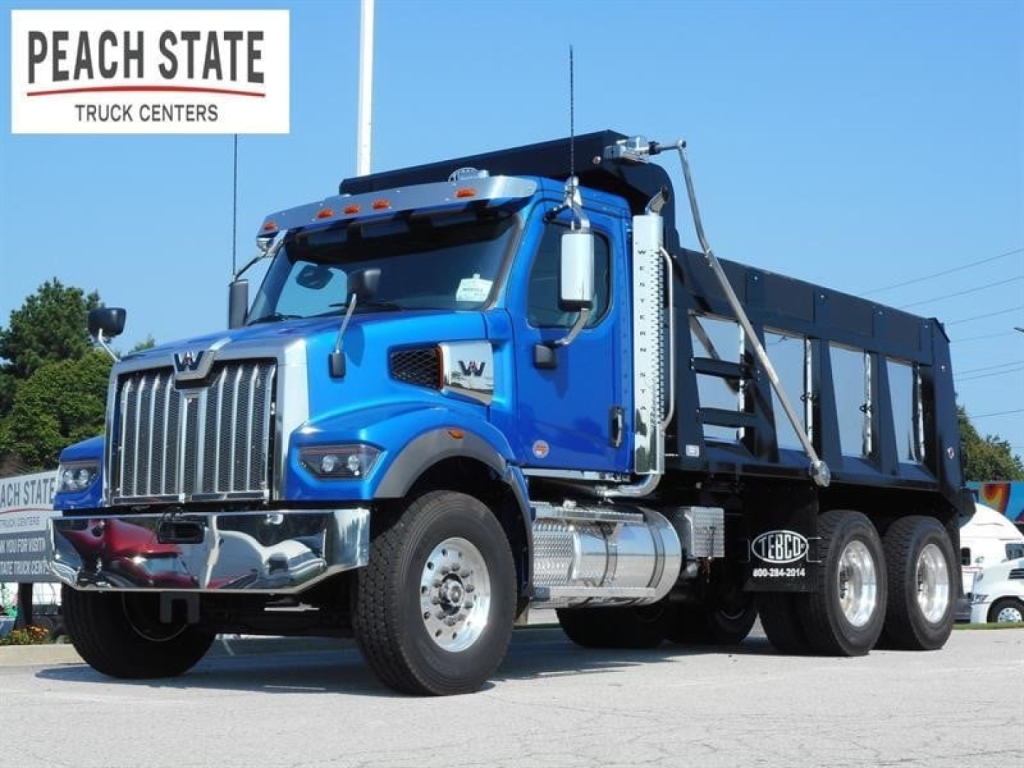
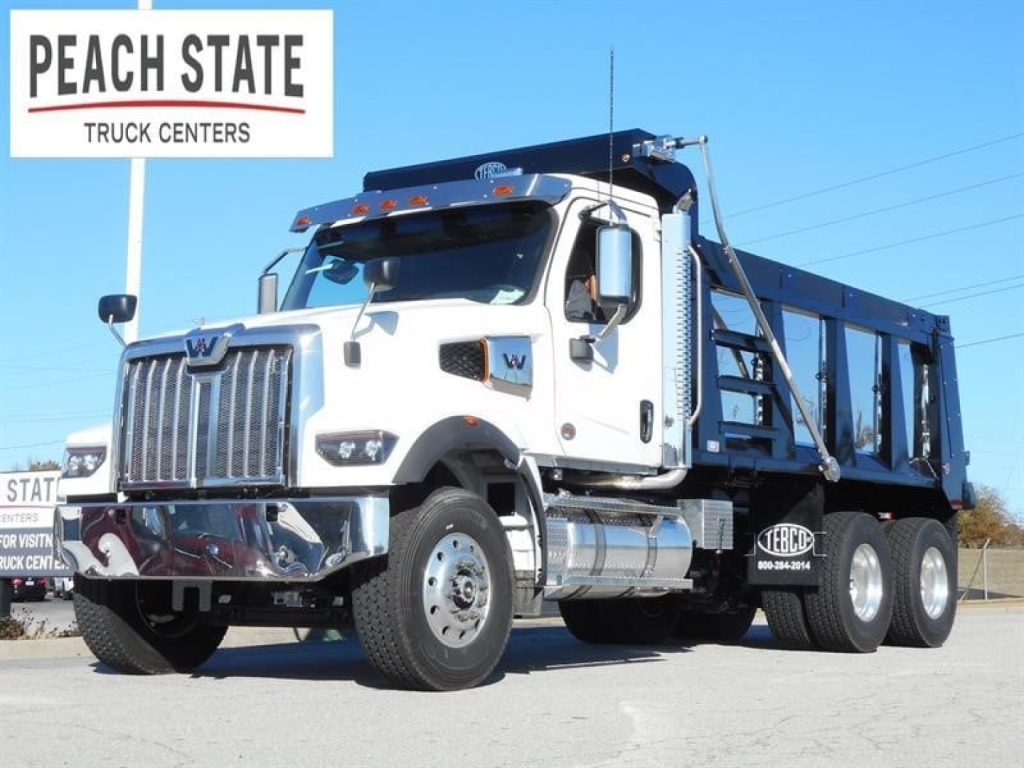
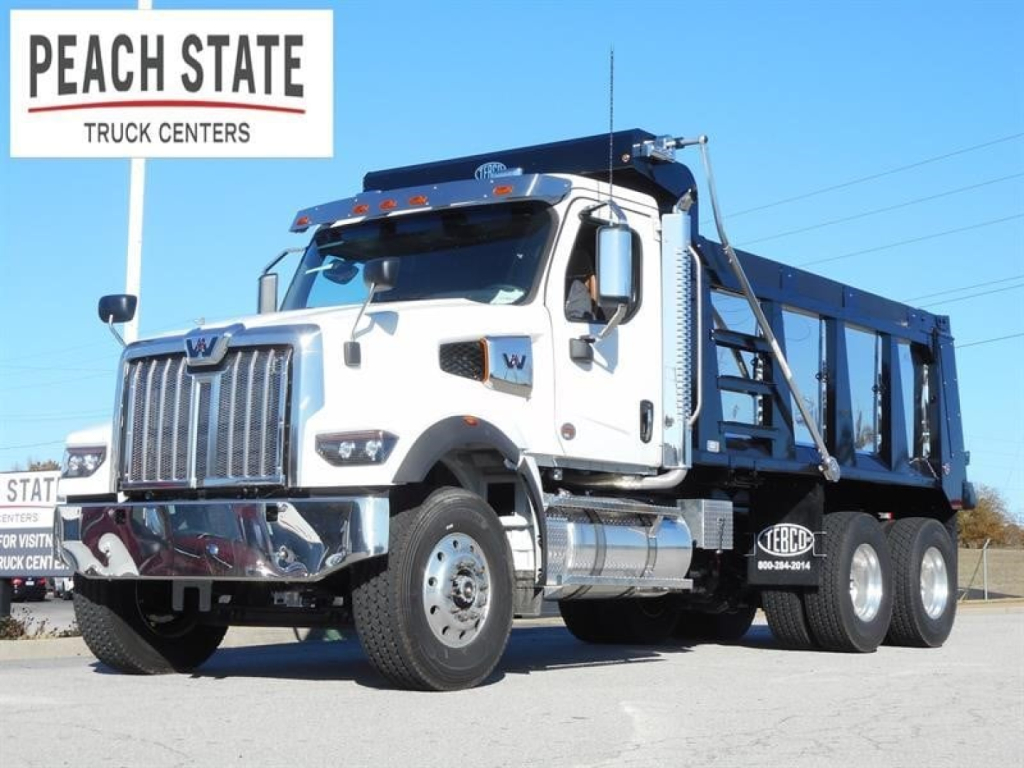
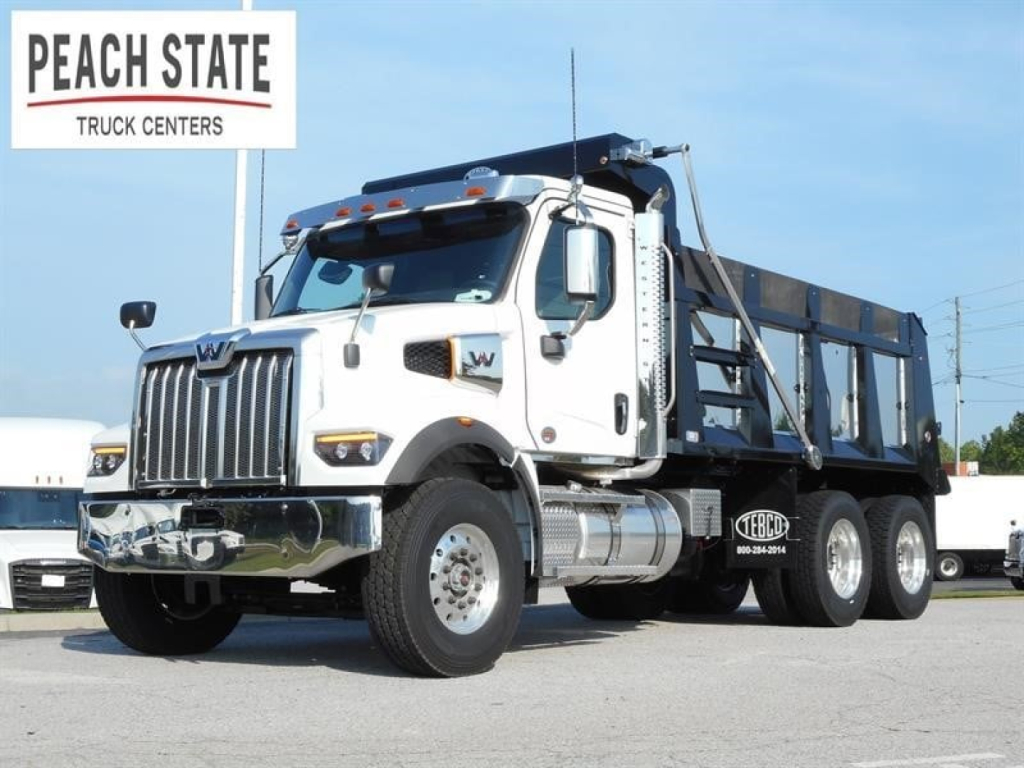
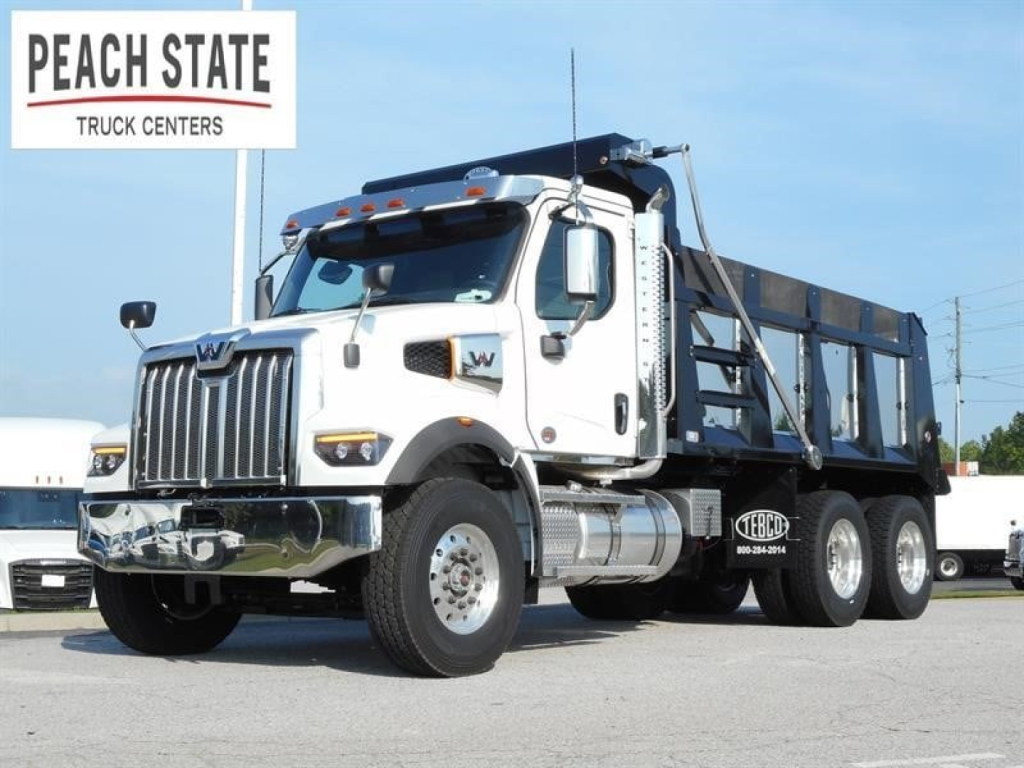
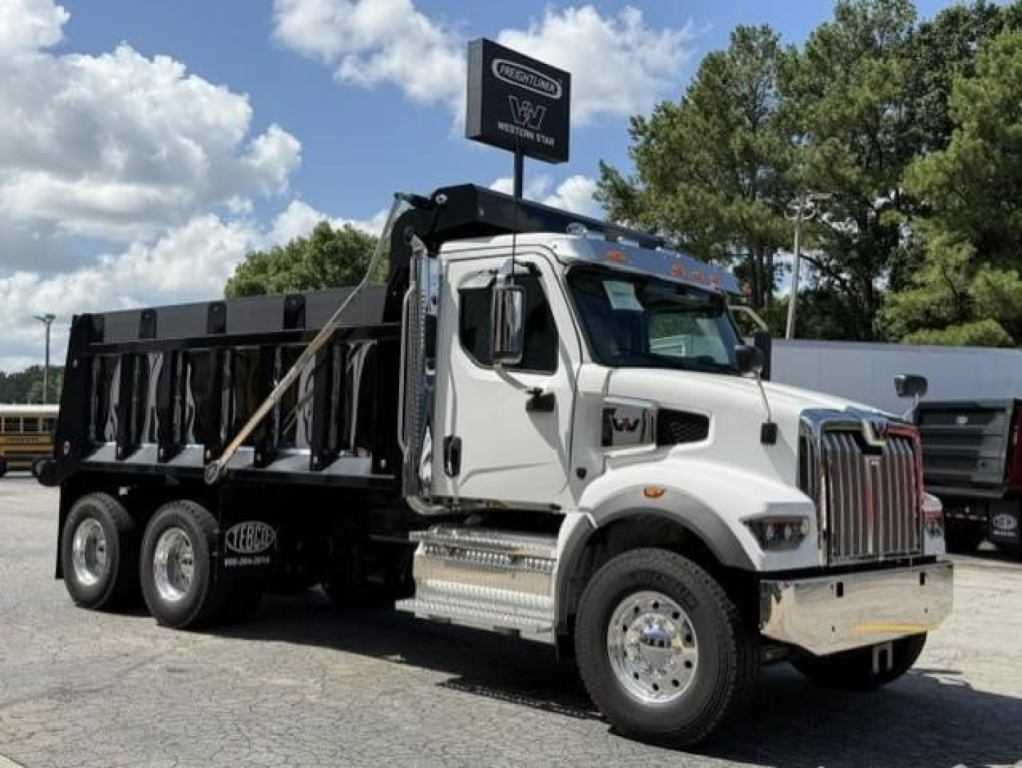
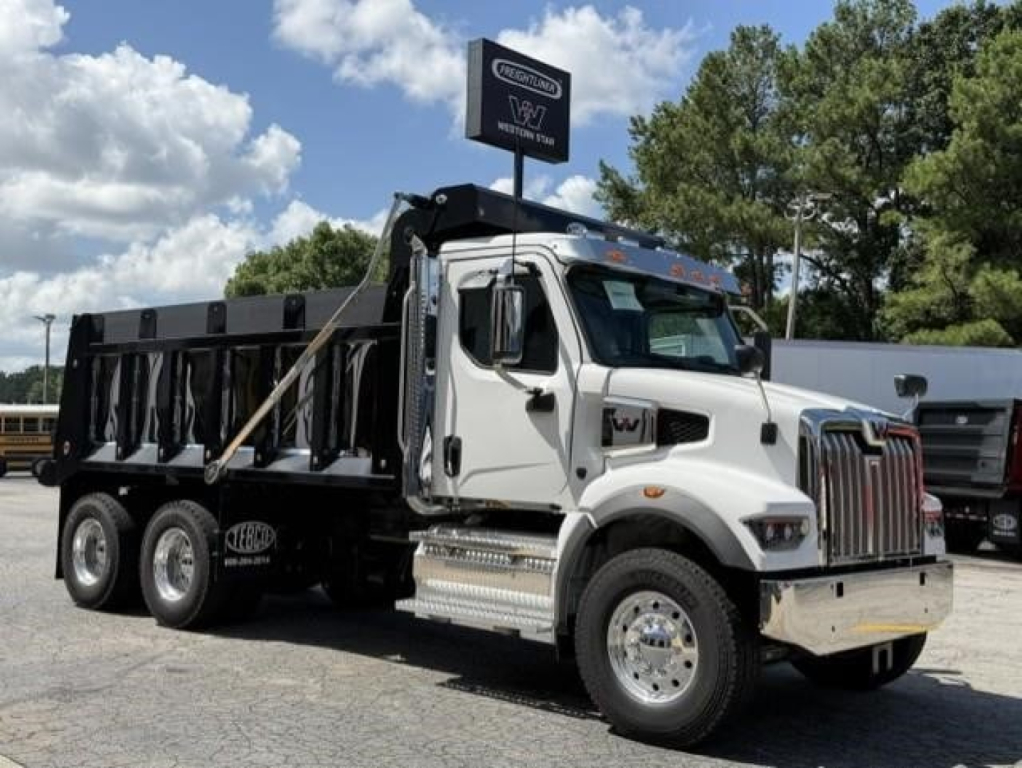
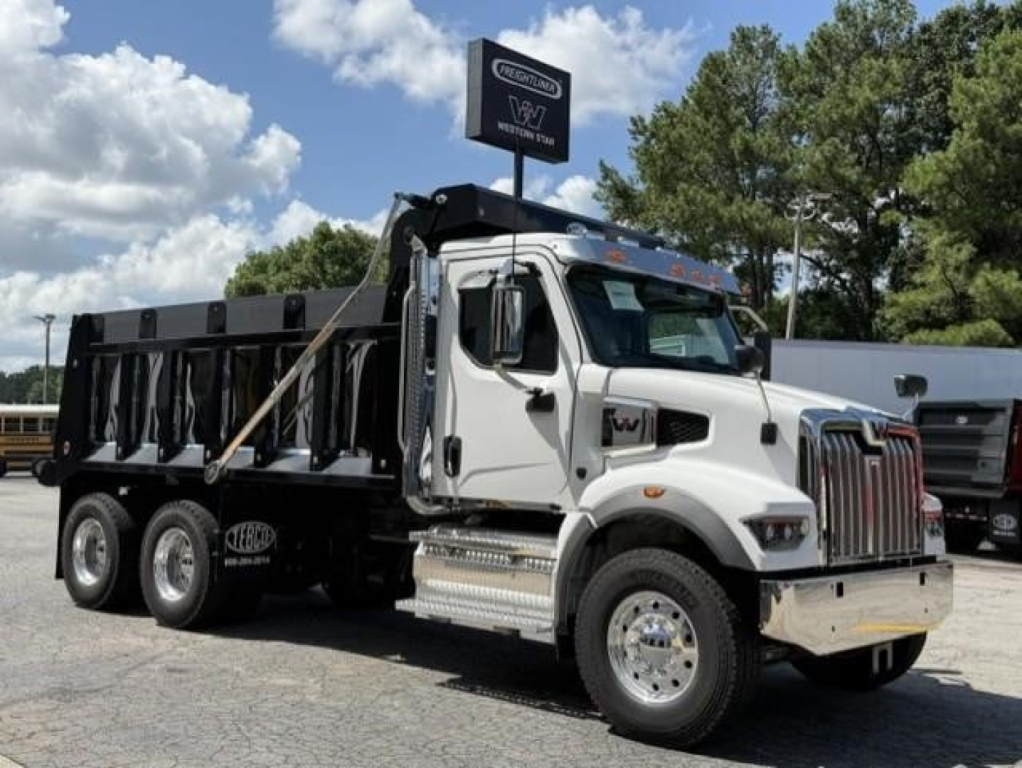
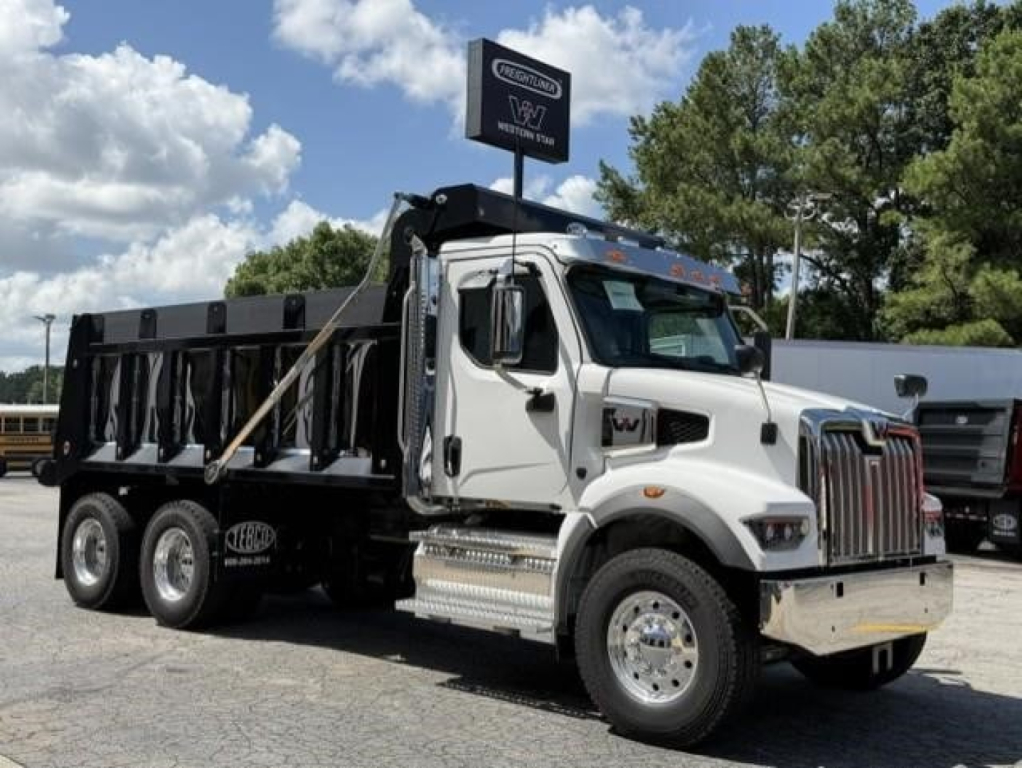
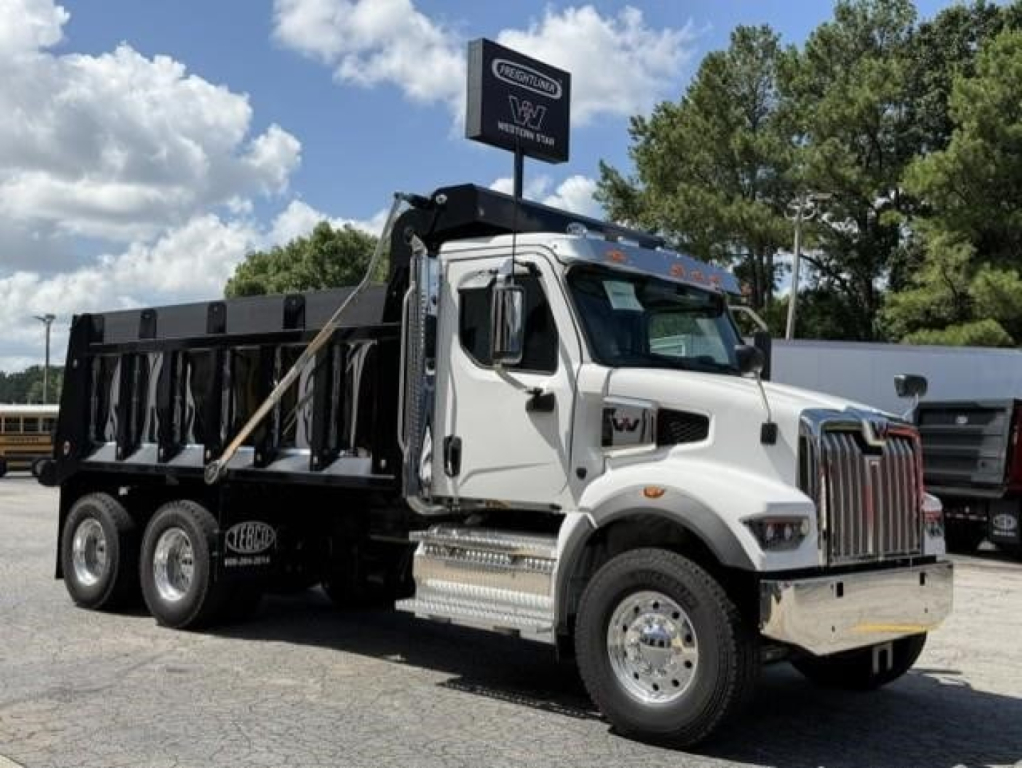
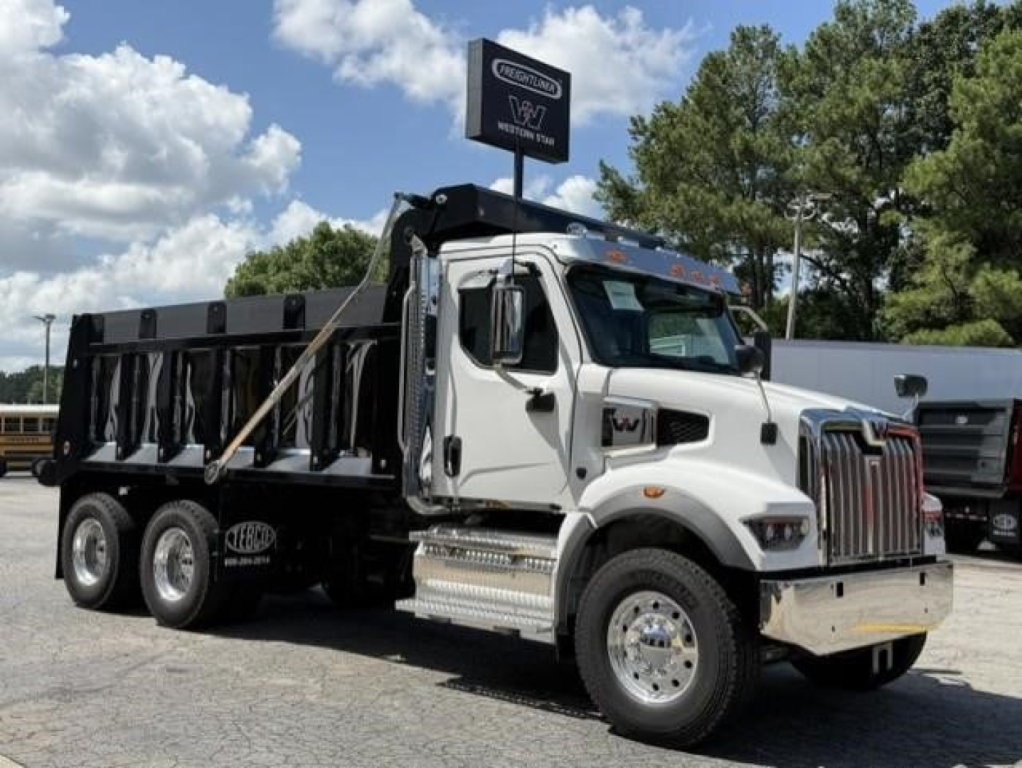
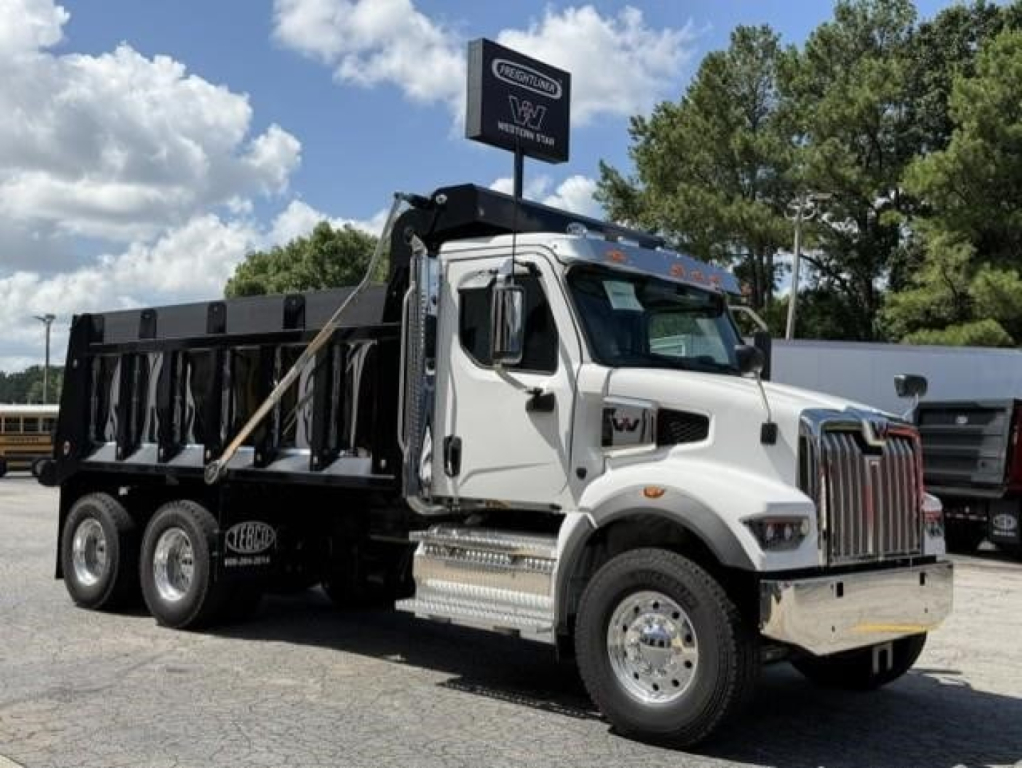
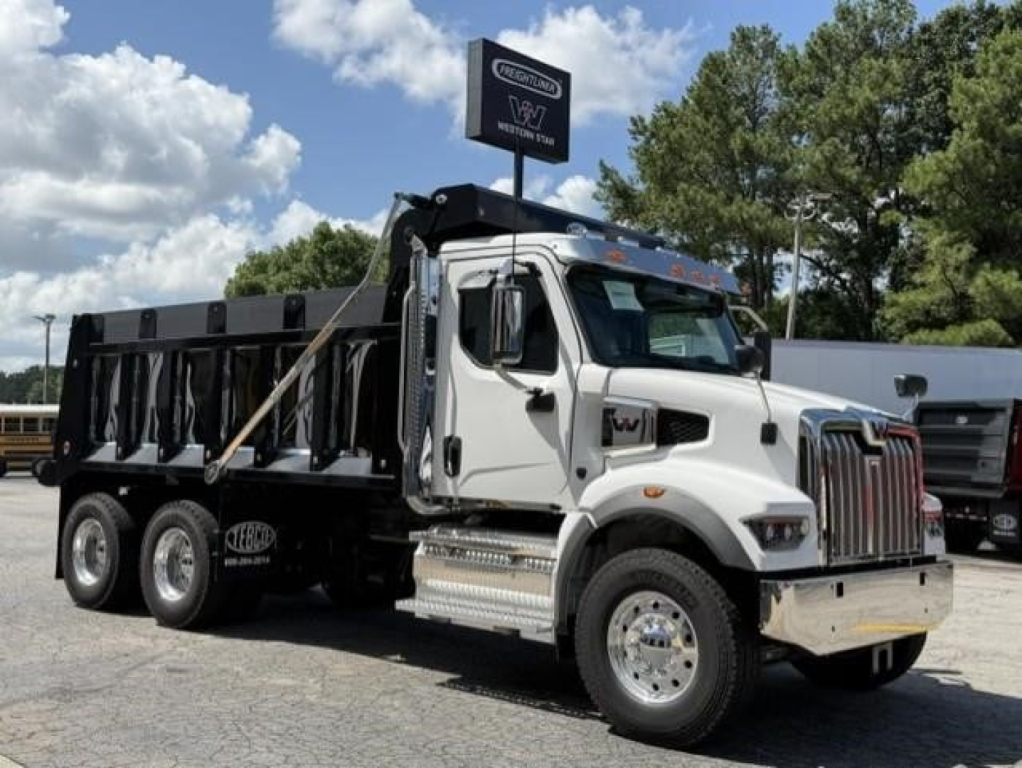
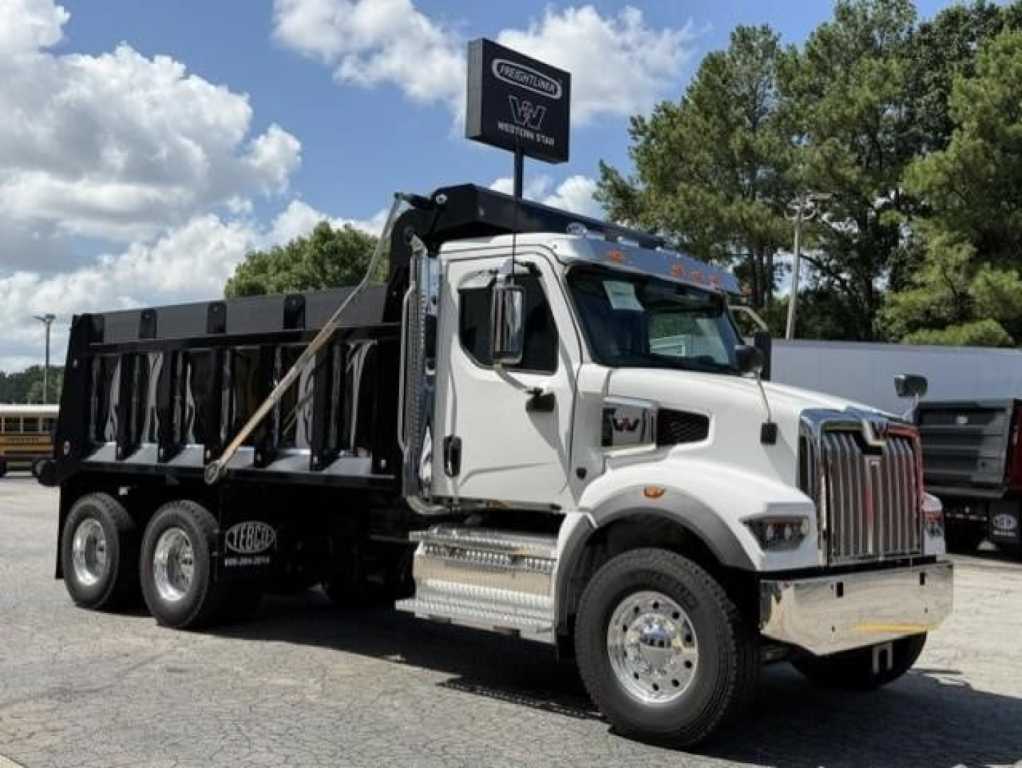
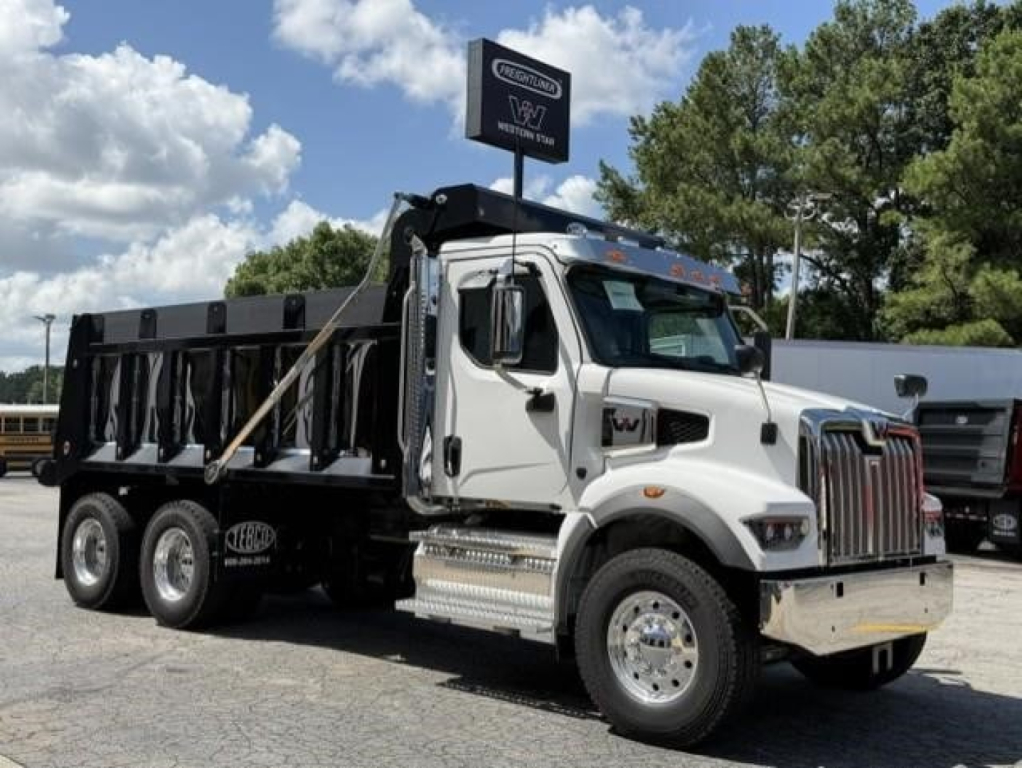
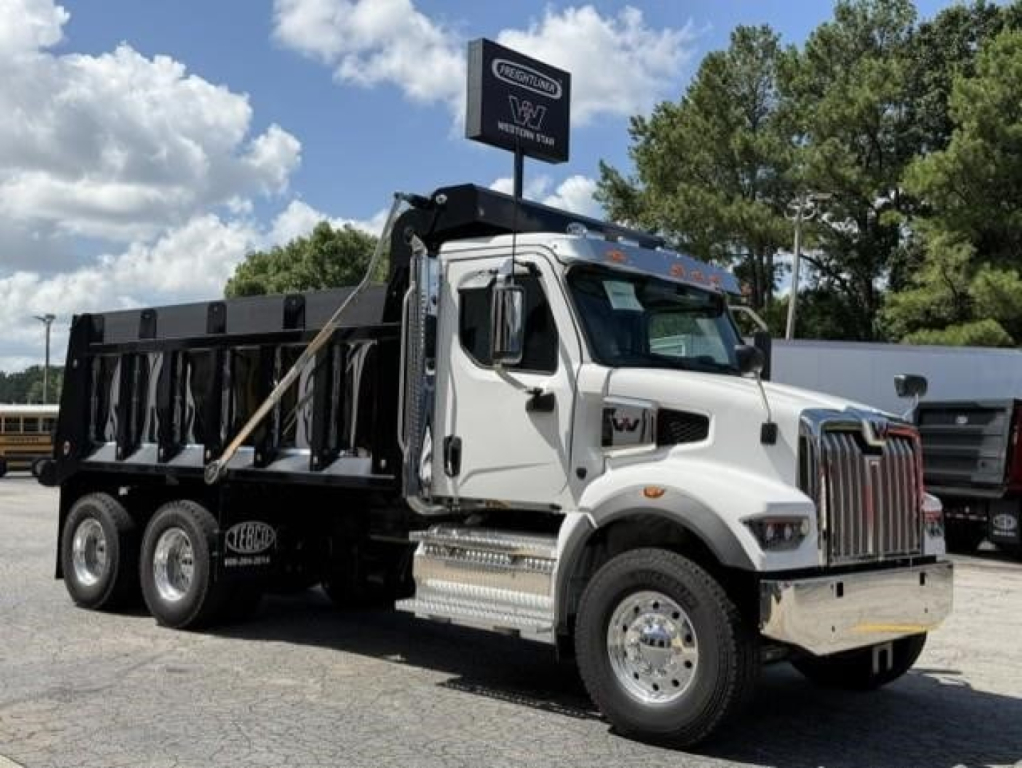
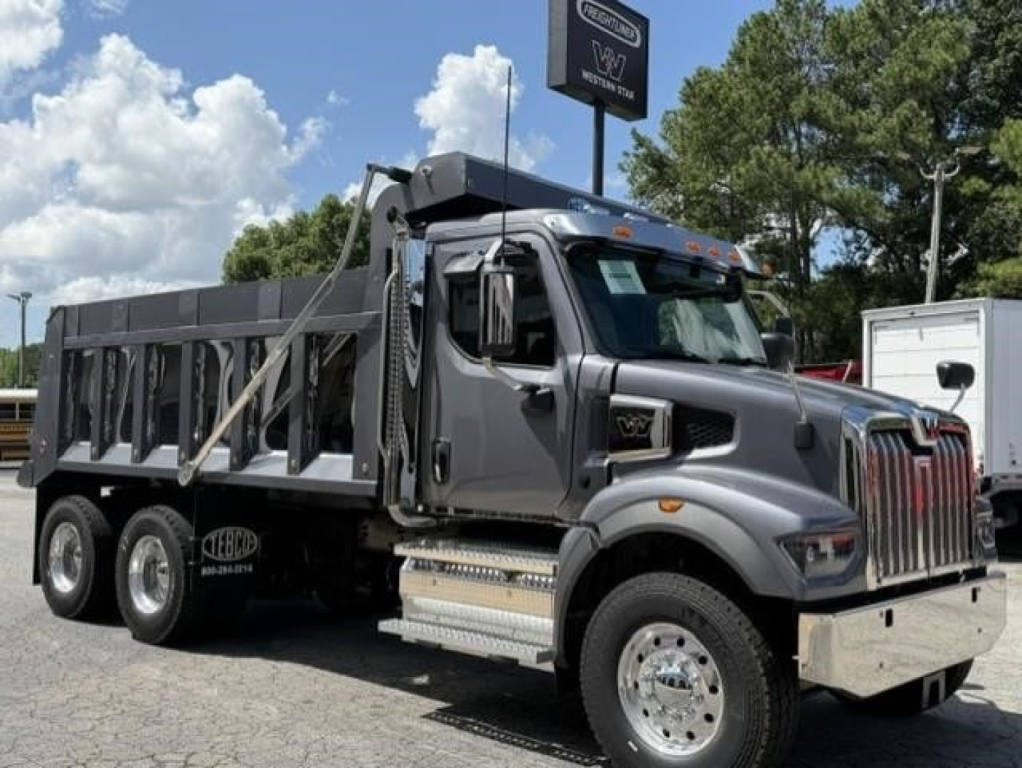
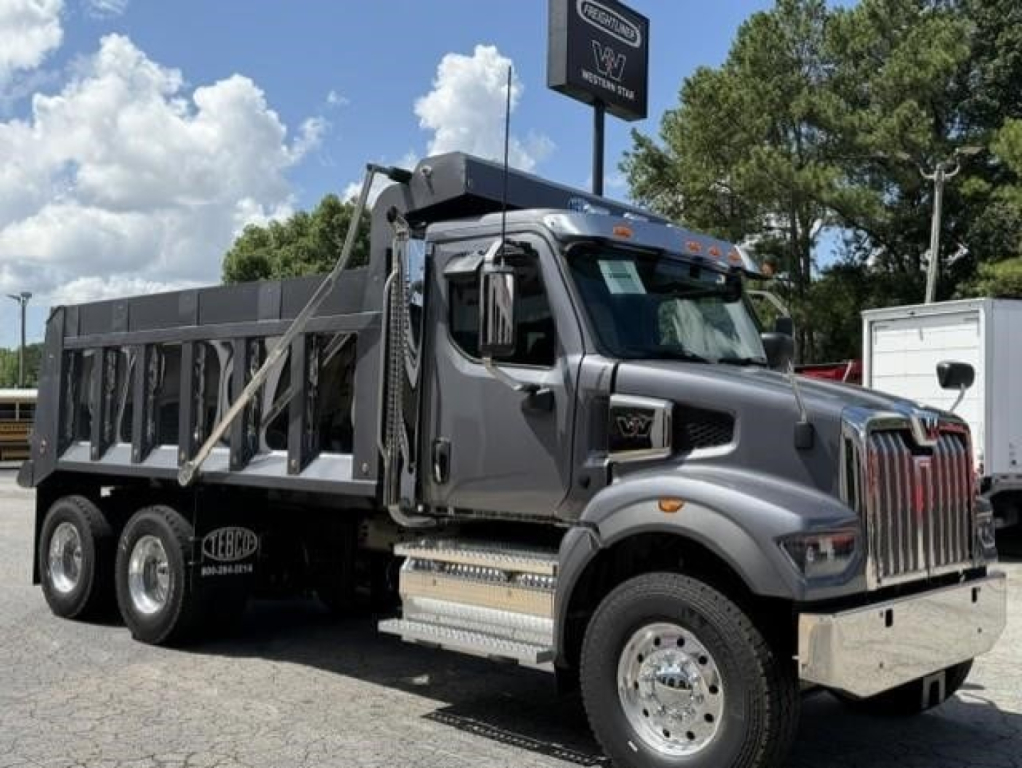
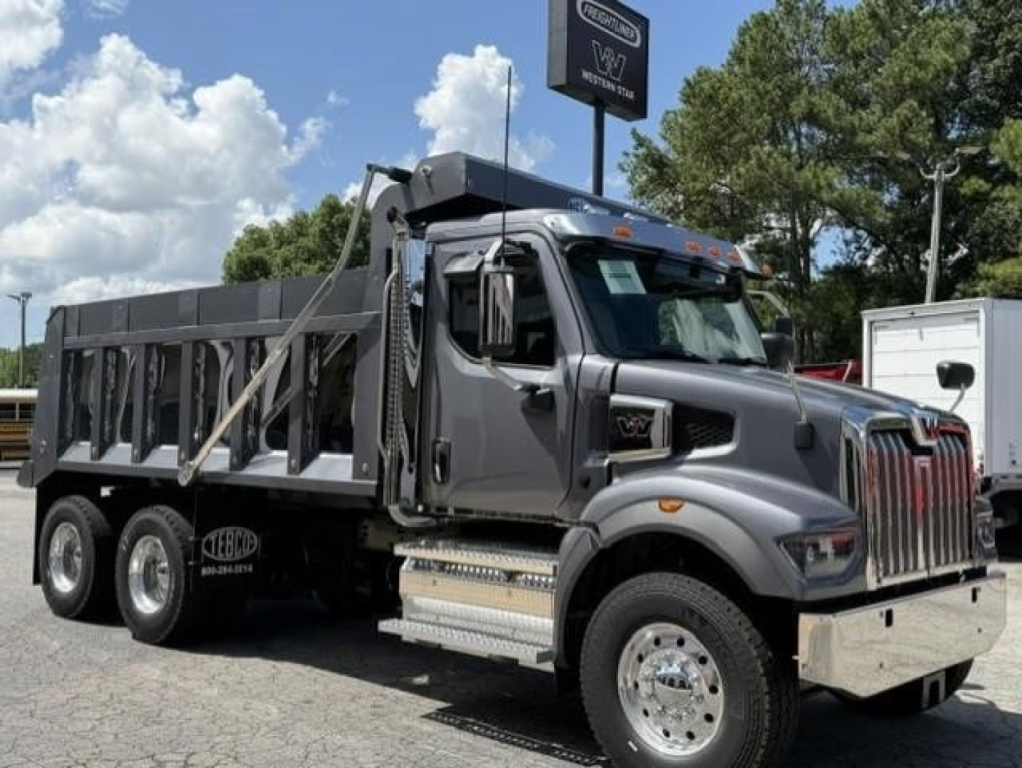
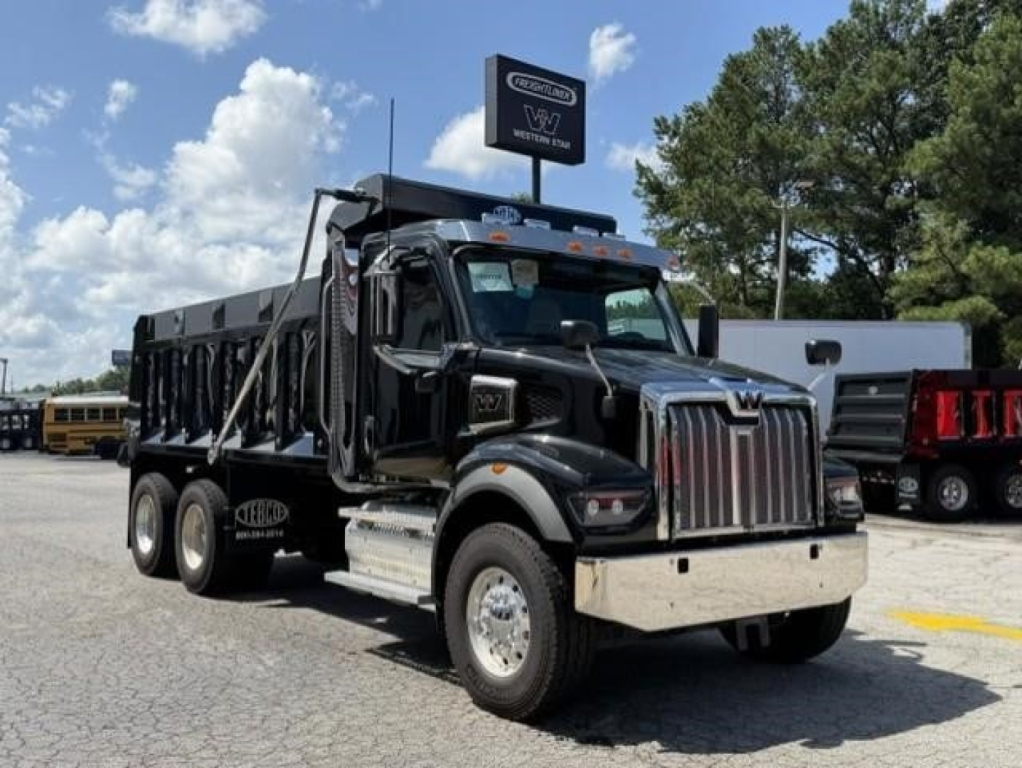
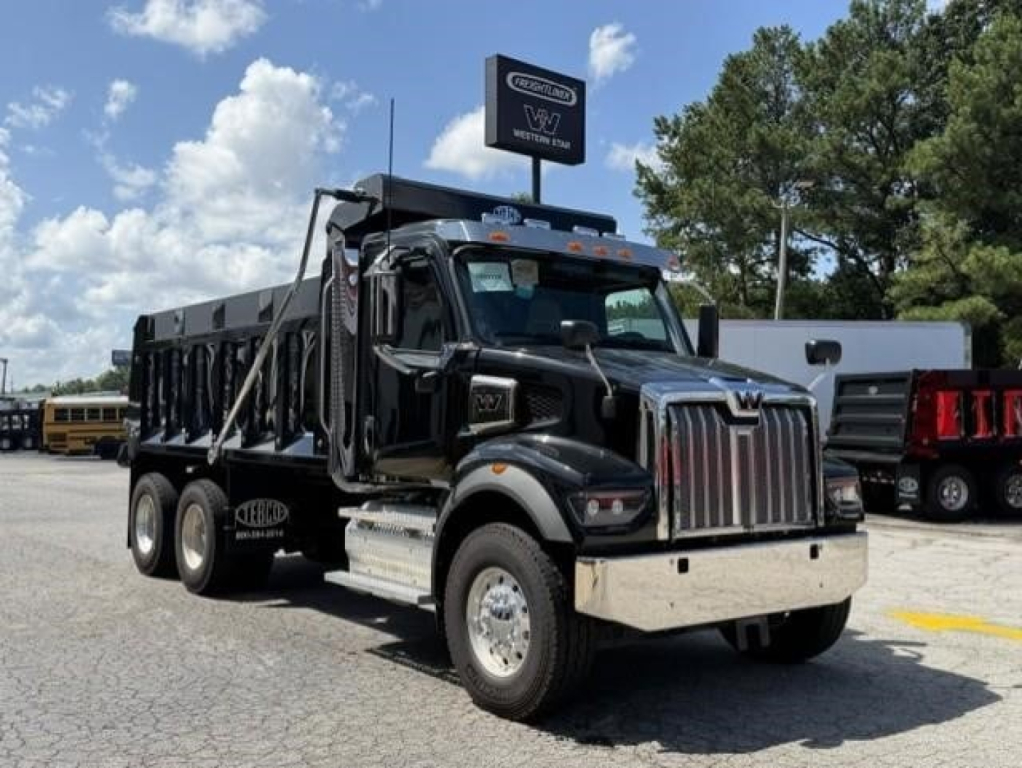
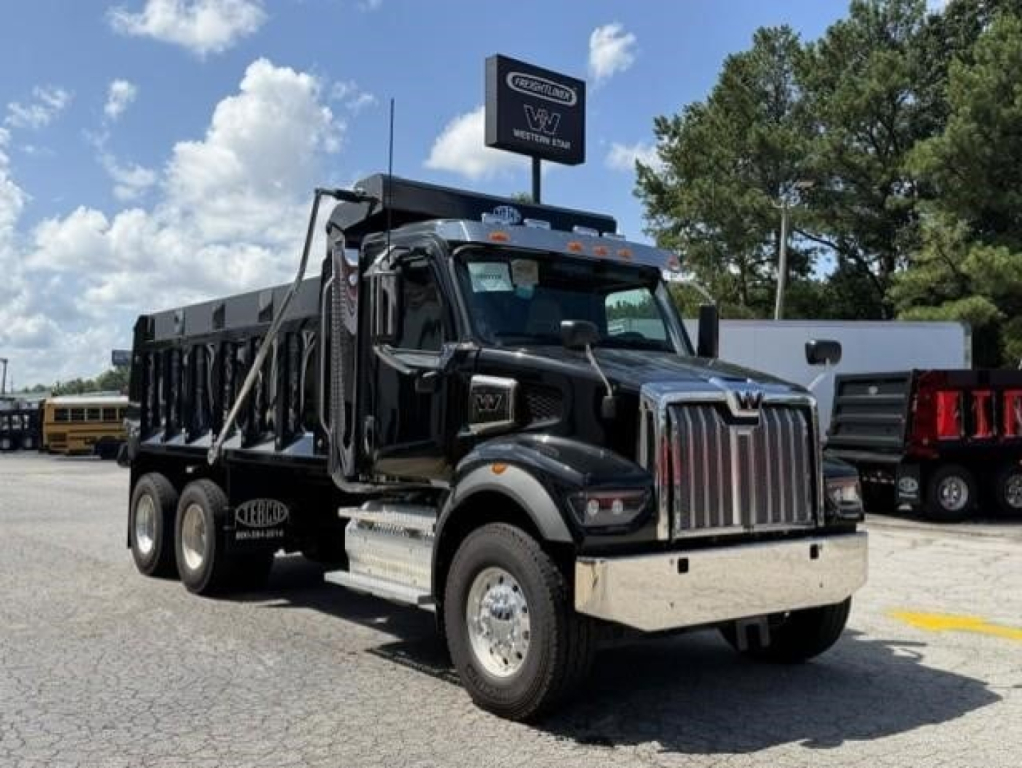
Showing 1 to 28 of 63 results
Selling a new western star dump truck? List your new western star dump truck for sale and reach thousands of commercial buyers.
New Western Star Dump Trucks in Georgia
A dump truck spec starts with the application. For general construction and aggregate work, buyers often compare tandem axle and tri-axle configurations, wheelbase, and body length to match local weight laws and the material being hauled. Engine ratings are usually selected for low-end torque rather than peak horsepower, especially when the truck spends its day pulling out of pits, climbing grades with a full load, or cycling through traffic. Automated manual and automatic transmissions are common in newer vocational trucks because they reduce driver fatigue and can improve consistency in urban and regional routes, while PTO setup, hoist selection, and hydraulic capacity need to match the dump body and expected cycle times. Locking differentials, bridge formula considerations, and axle spacing are also practical points that can affect daily earning potential.
On a new Western Star dump truck, durability features often carry as much value as the powertrain. Buyers should pay attention to frame rail reinforcement, crossmember design, front bumper and set-back axle configuration, and how the truck is laid out for body builder access. Vocational details such as heated mirrors, high-visibility cab glass, stationary or air ride driver seats, backup camera provisions, and switch layouts matter on trucks that make repeated jobsite stops. For the body itself, common decision points include steel versus aluminum construction, side height, floor thickness, tailgate style, tarp systems, and liner options depending on whether the truck will carry abrasive aggregate, asphalt, riprap, or lighter bulk material. A well-matched spec reduces downtime, improves load retention, and helps the truck hold value over the long term.
For Georgia buyers, heat, red clay, seasonal storm runoff, and mixed on-road and off-road duty put extra emphasis on cooling performance, traction, corrosion resistance, and easy service access. A new truck also gives buyers the advantage of current emissions systems, updated safety technology, and warranty coverage, which can matter for fleets trying to control maintenance costs in the first years of operation. When comparing Western Star dump trucks, the best approach is to look beyond model name alone and study the exact axle ratings, suspension, PTO and hydraulic package, body spec, and intended payload profile. In this class, the right spec is what determines productivity.
Frequently Asked Questions about New Western Star Dump Trucks in Georgia
What makes a Western Star 47X a strong platform for dump truck work?
The Western Star 47X is designed for vocational service, so it is commonly spec'd with heavy frame options, severe-duty front axles, robust rear suspensions, and layouts that support dump bodies and PTO-driven hydraulics. It is a practical platform for construction, site work, and aggregate hauling because it balances durability, visibility, and serviceability. The real advantage comes from how well the truck can be configured for the job, including axle setup, wheelbase, engine torque, transmission type, and body compatibility.
Should I choose a tandem axle or tri-axle dump truck in Georgia?
That depends on payload targets, route type, and local weight compliance. Tandem axle dump trucks are common for general construction and offer a simpler, lighter configuration that works well in tighter jobsites. Tri-axle setups can improve legal payload and spread weight more effectively, which is important in some hauling applications, but they add complexity, cost, and maintenance. The right choice comes down to the material being hauled, the distances traveled, and the weight laws that apply to the truck's operating area.
What specs matter most on a new dump truck?
The most important specs are usually GVWR, front and rear axle ratings, suspension type, wheelbase, engine torque, transmission, PTO setup, hydraulic capacity, and dump body dimensions. Body material, floor thickness, side height, tailgate configuration, and tarp system also have a direct effect on durability and productivity. These specs determine how much the truck can legally carry, how it performs on rough ground, and how well it matches the intended material and haul cycle.
Are automatic and automated manual transmissions a good fit for dump trucks?
Yes, in many applications they are. Newer automated manual and automatic transmissions can reduce driver fatigue, improve consistency in stop-and-go work, and help less experienced drivers operate the truck more smoothly on crowded jobsites or urban routes. They are especially useful when the truck makes frequent starts, stops, and backing maneuvers. Some operators still prefer manual transmissions for certain severe-duty conditions, but many modern dump truck fleets now spec automated options successfully.
What dump body features should buyers compare on a new truck?
Buyers should compare steel versus aluminum construction, body length, side height, floor gauge, hoist type, tailgate style, tarp system, and liner options. A truck hauling abrasive stone or demolition debris usually benefits from a heavier body and reinforced floor, while lighter materials may allow a different body design focused on payload. The dump body should be matched to both the chassis ratings and the material profile, because body spec has a major effect on service life, cycle efficiency, and load security.