
New Dump Trucks For Sale in Texas
Shop new dump trucks for sale in Texas. Compare specs, body sizes, axle setups, PTOs, and vocational features for hauling dirt, rock, asphalt, and debris.
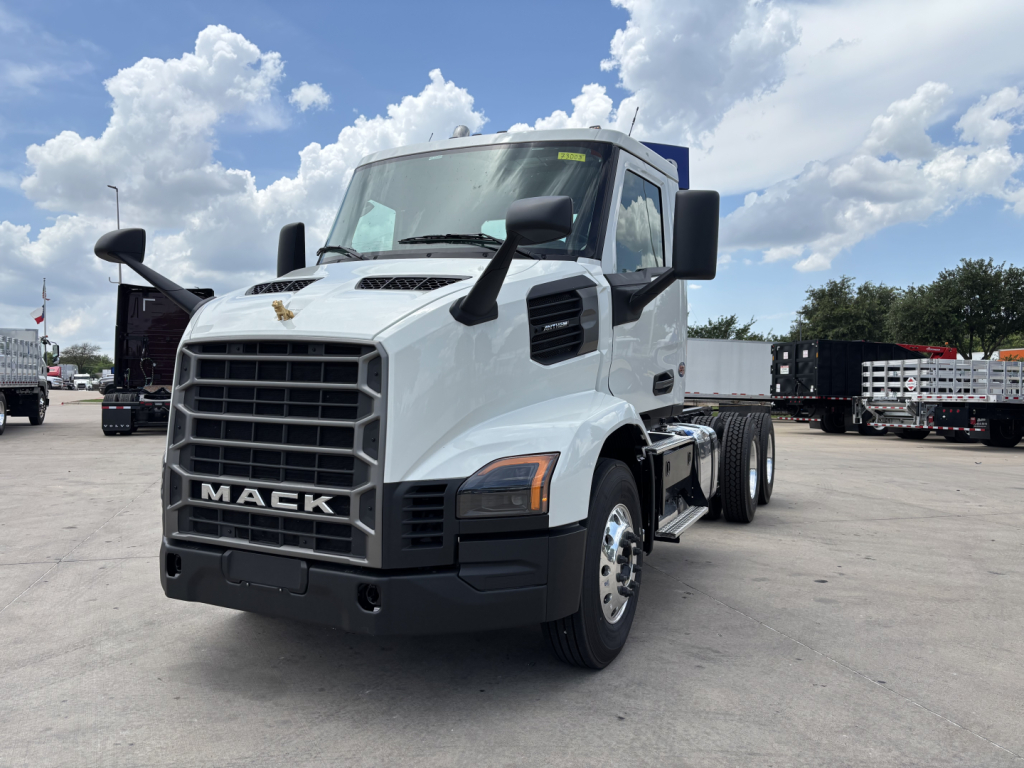
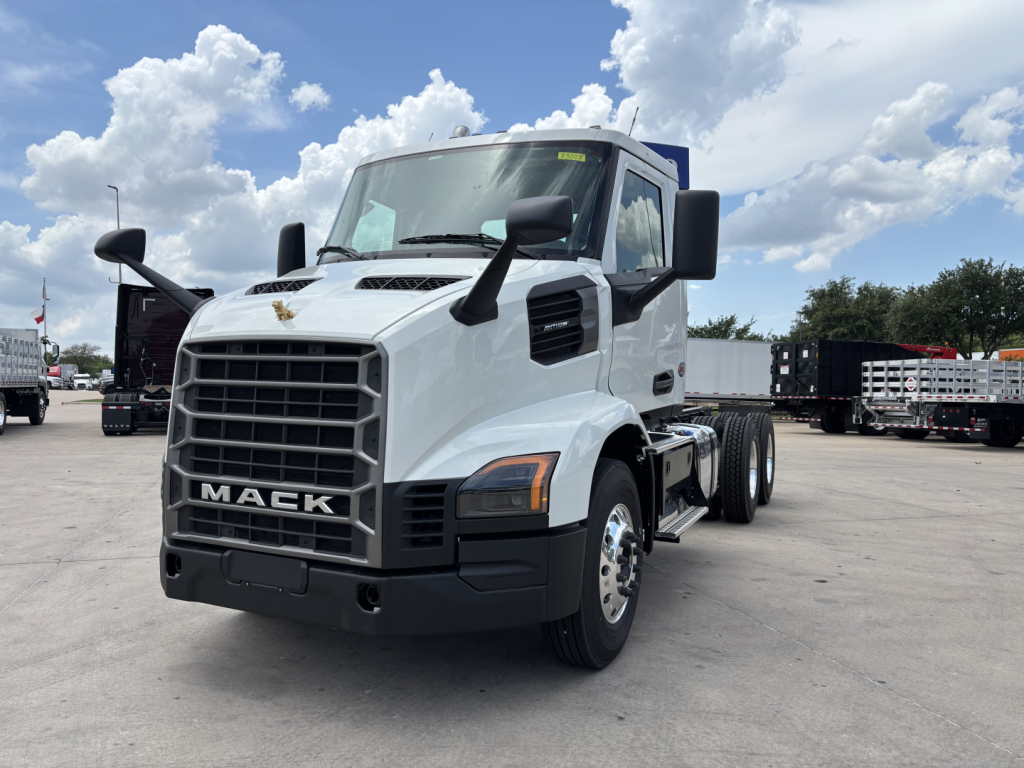
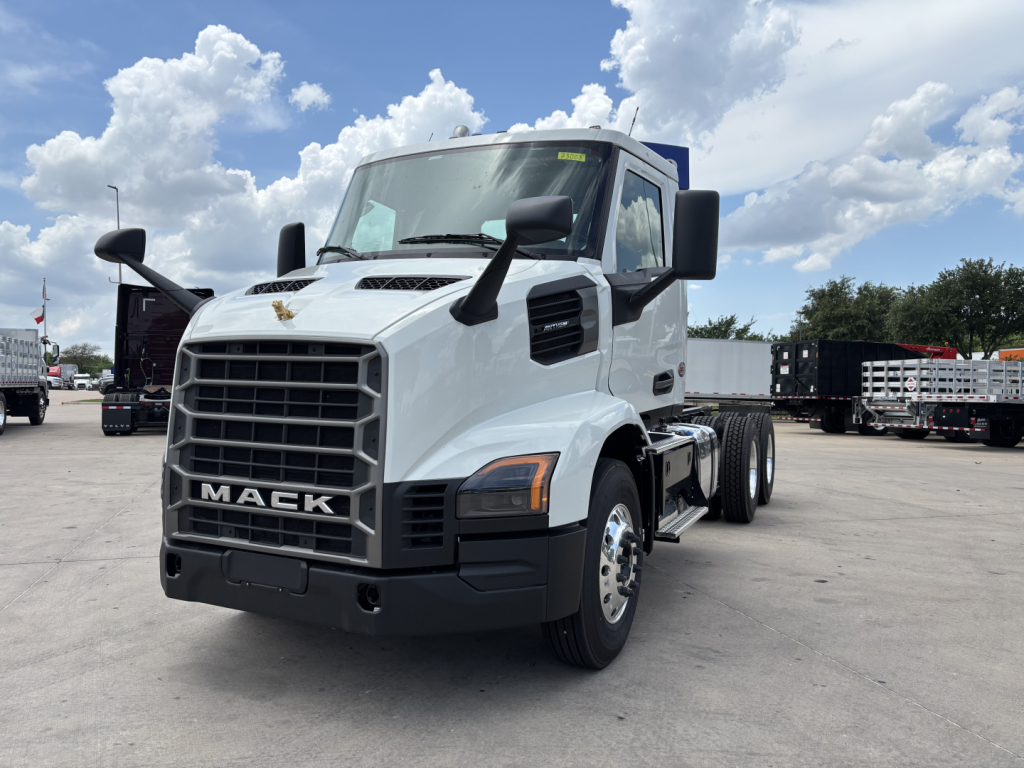
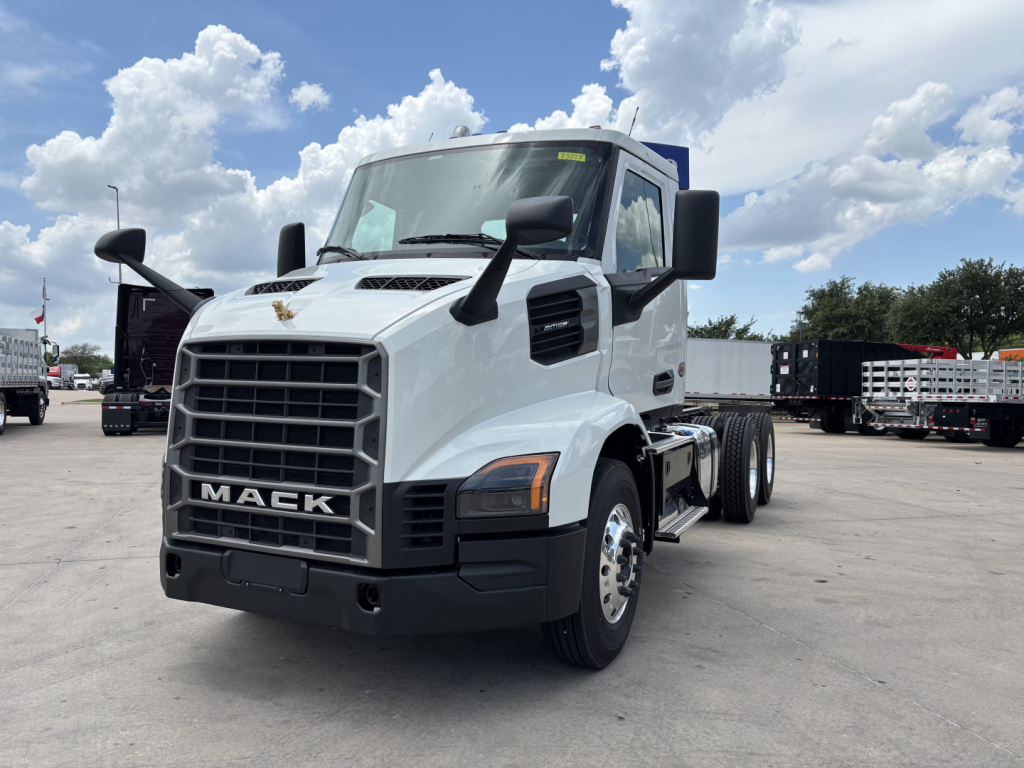
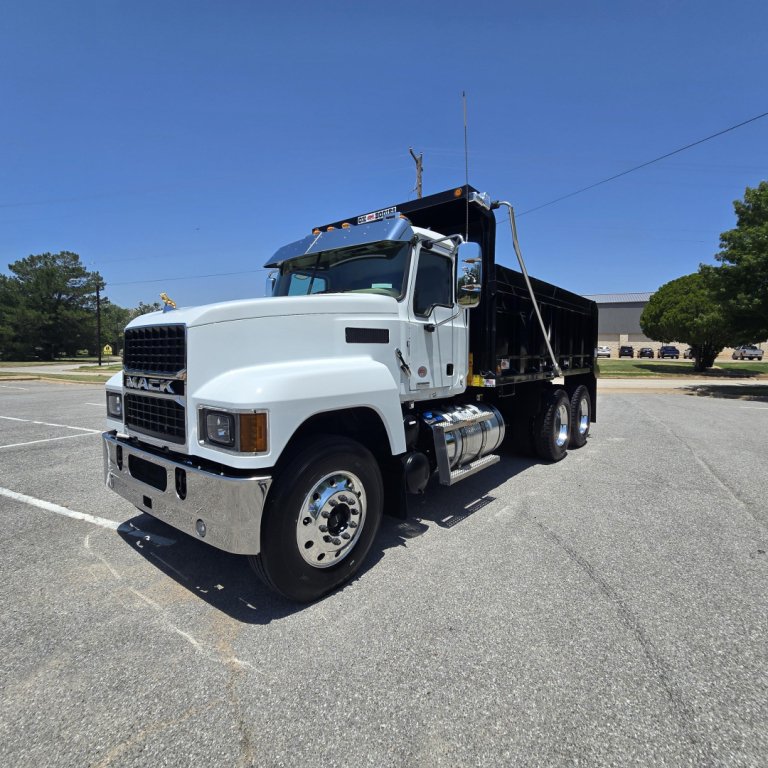
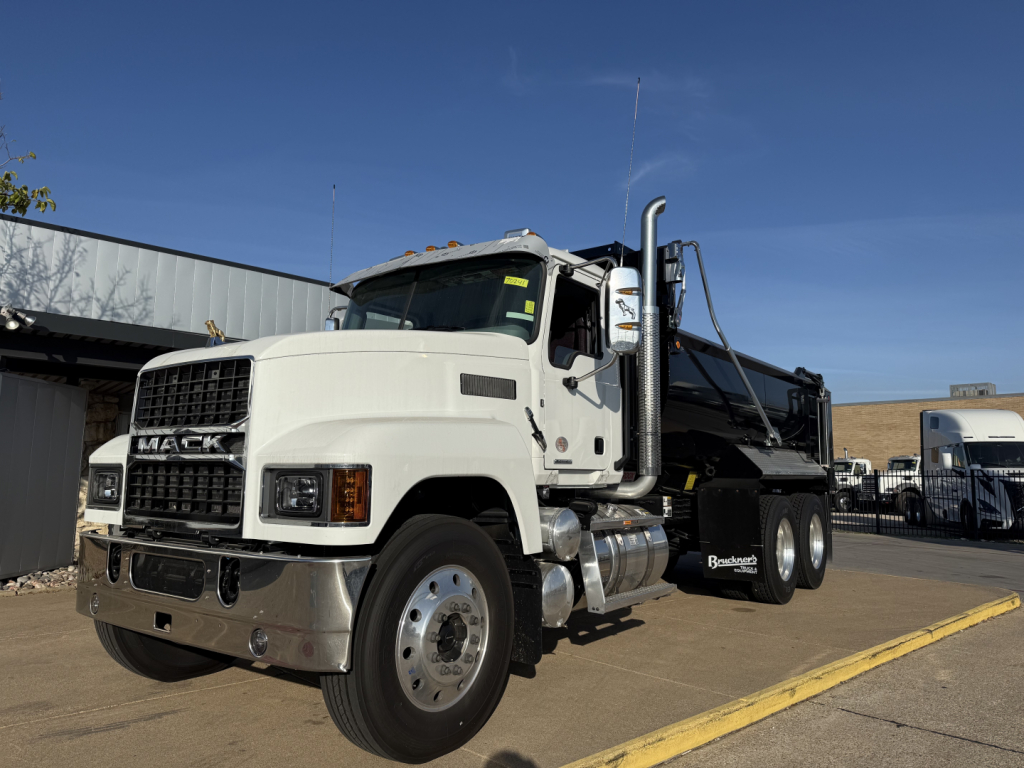
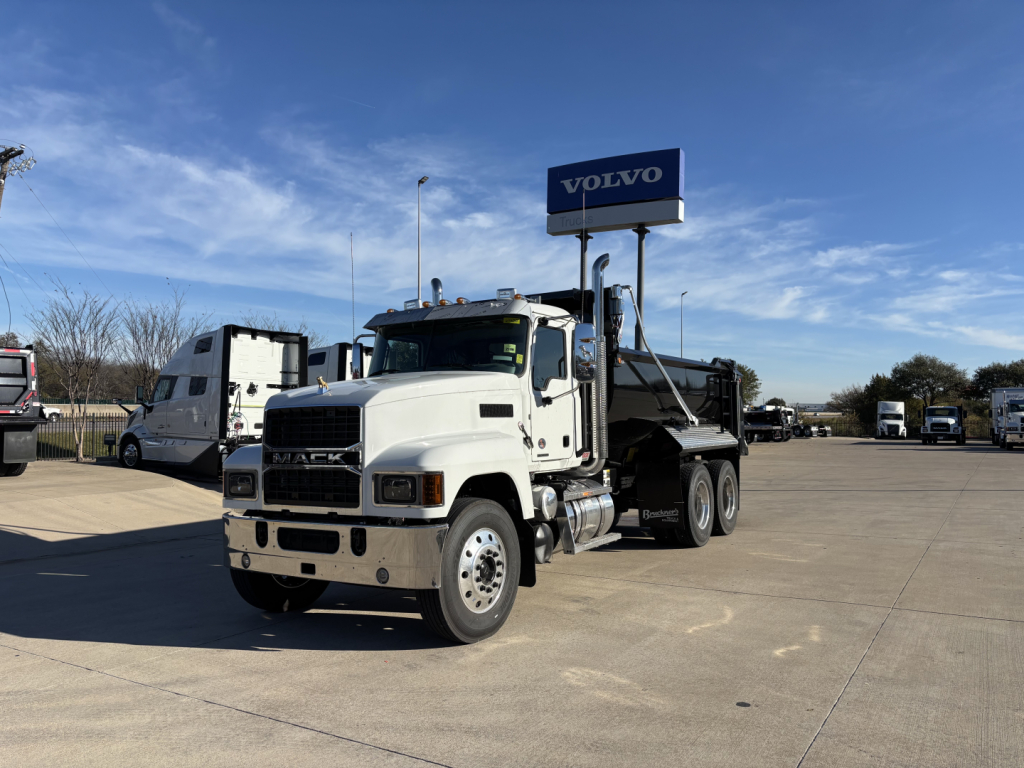
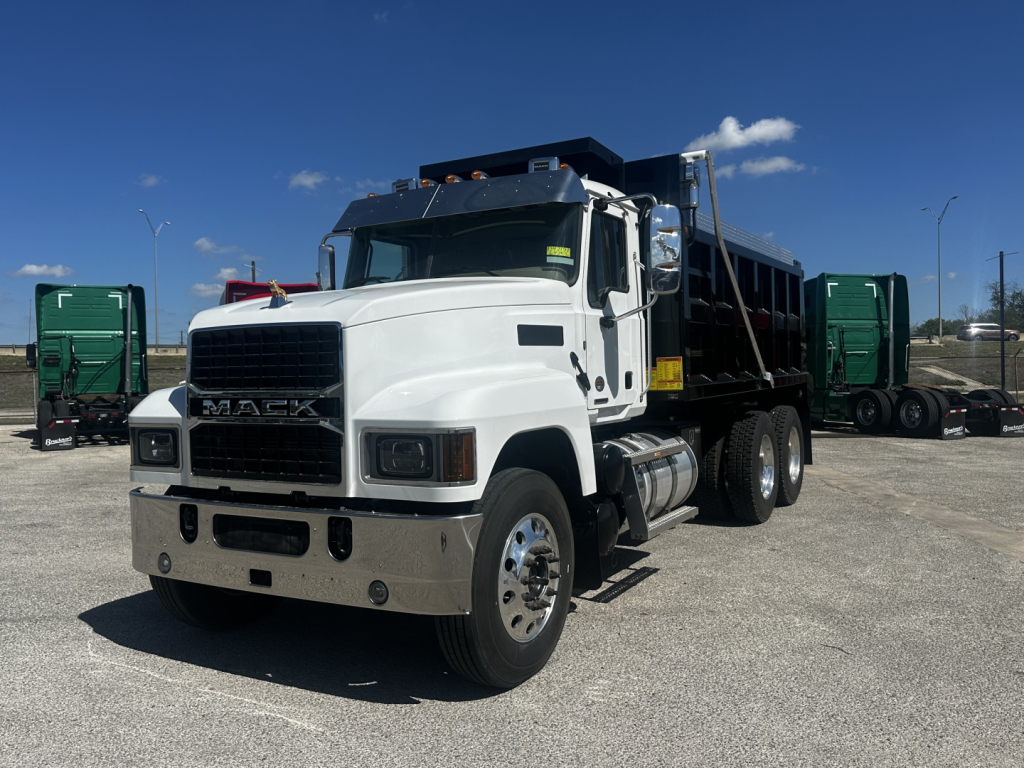

Showing 1 to 28 of 33 results
Selling a new dump truck? List your new dump truck for sale and reach thousands of commercial buyers.
New Dump Trucks in Texas
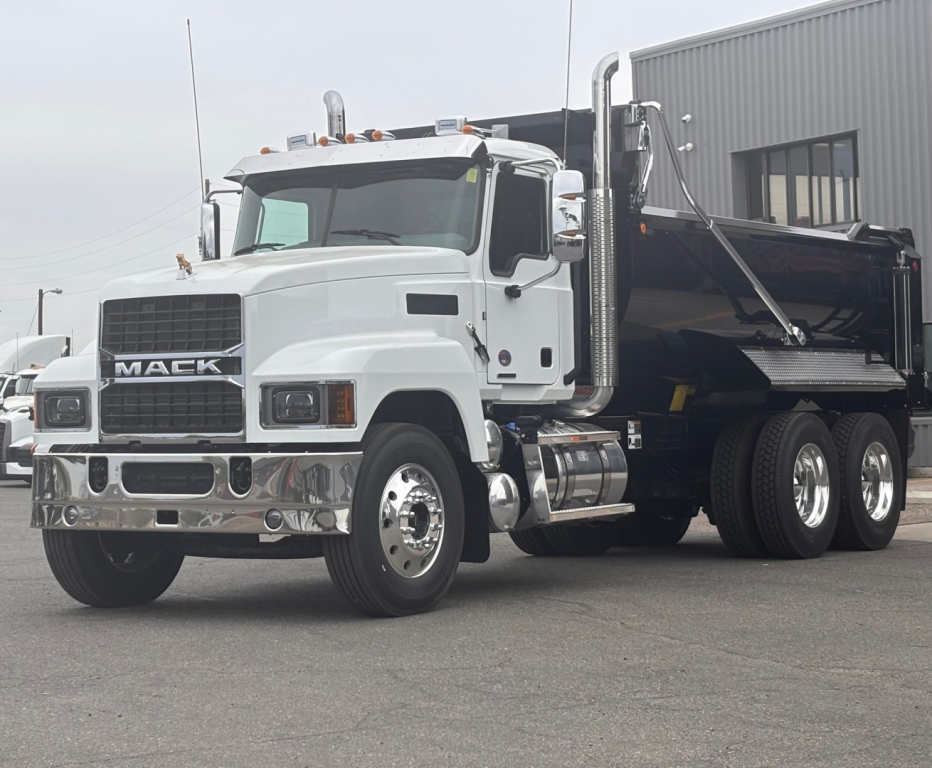
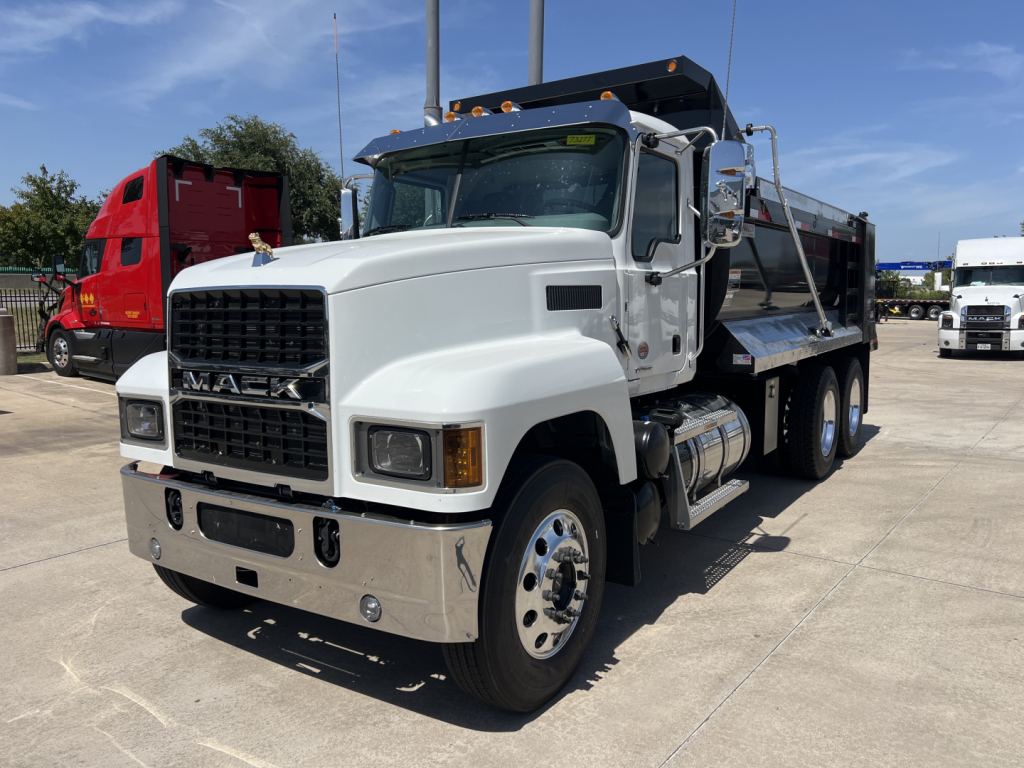
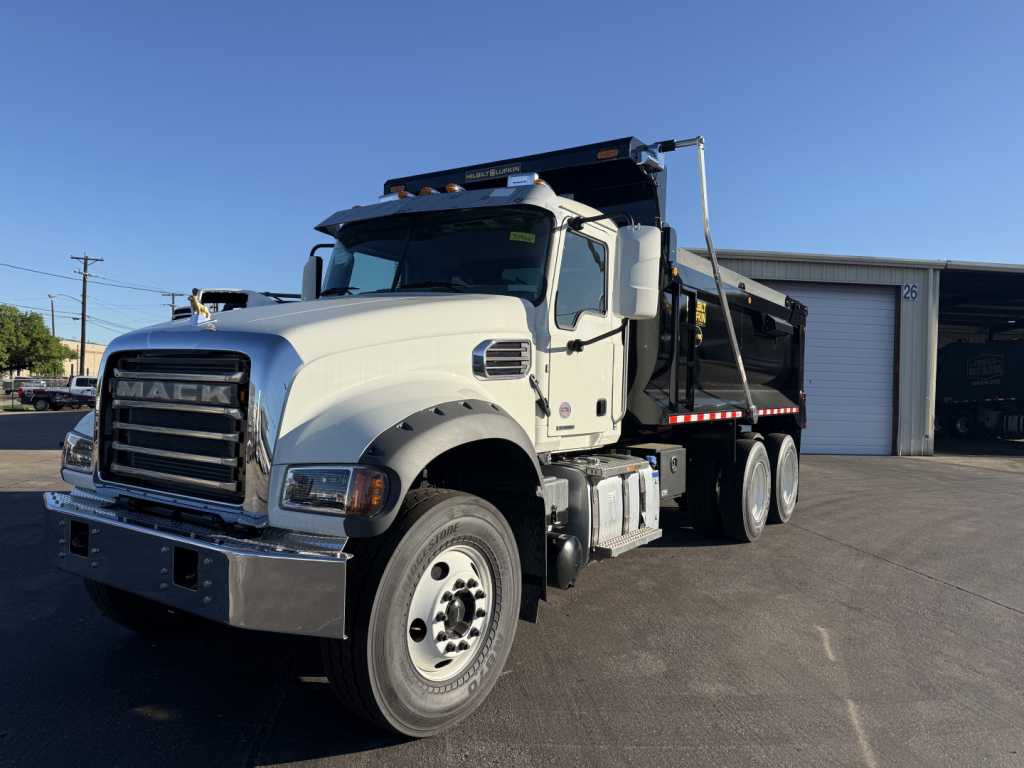
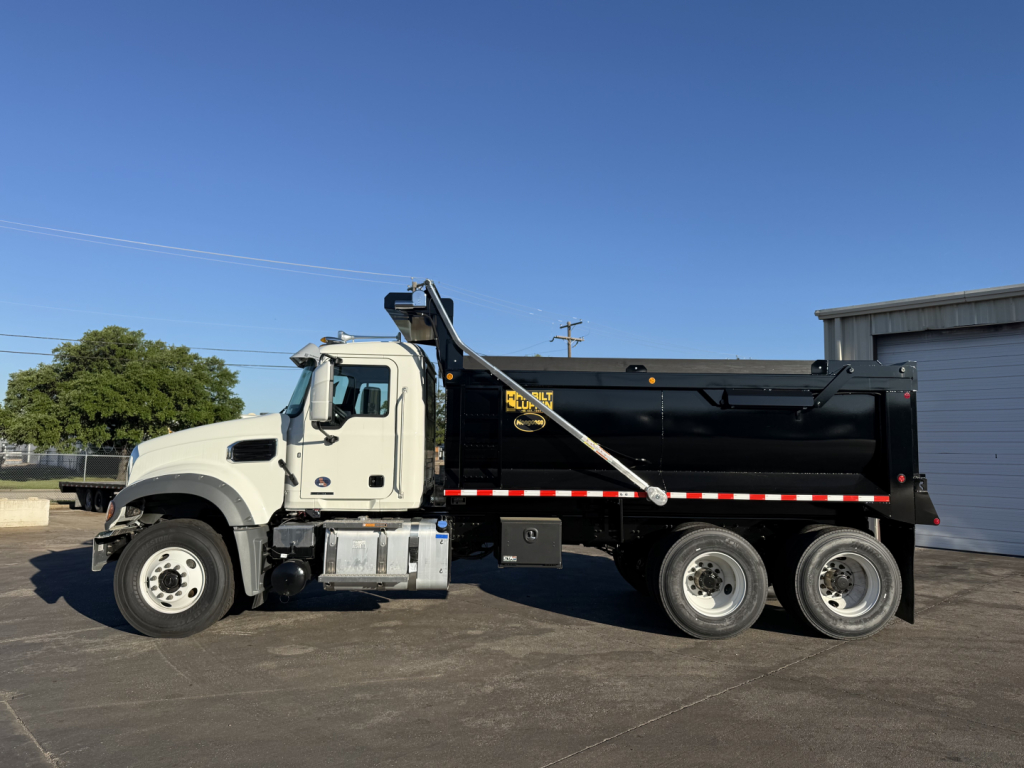
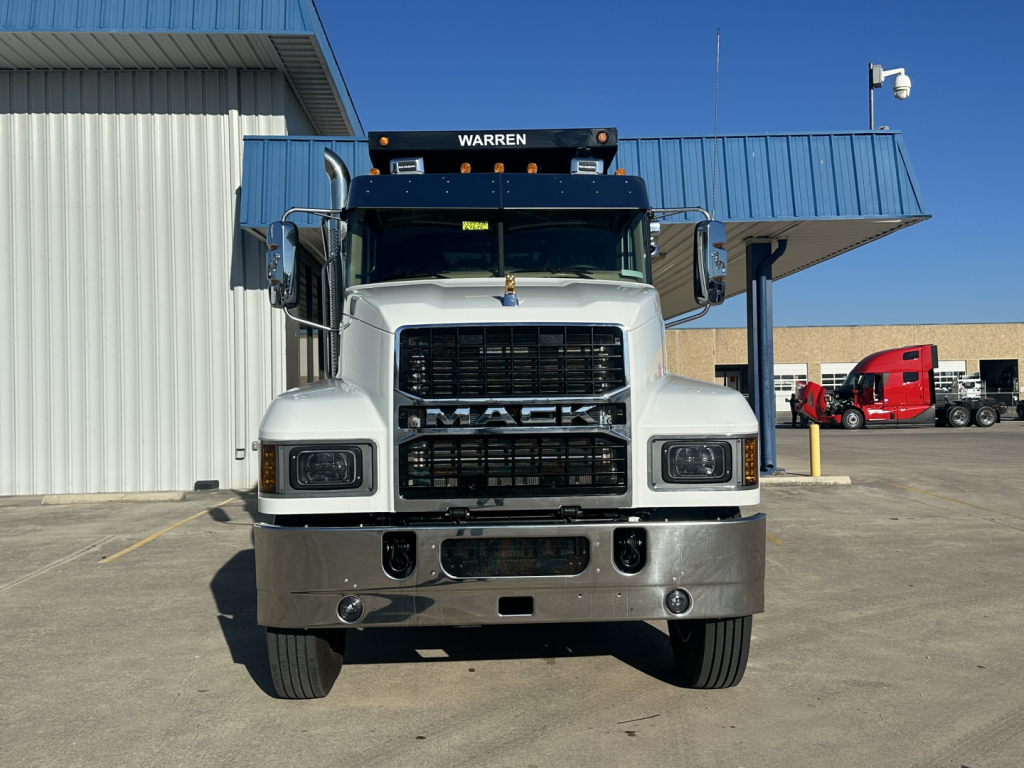
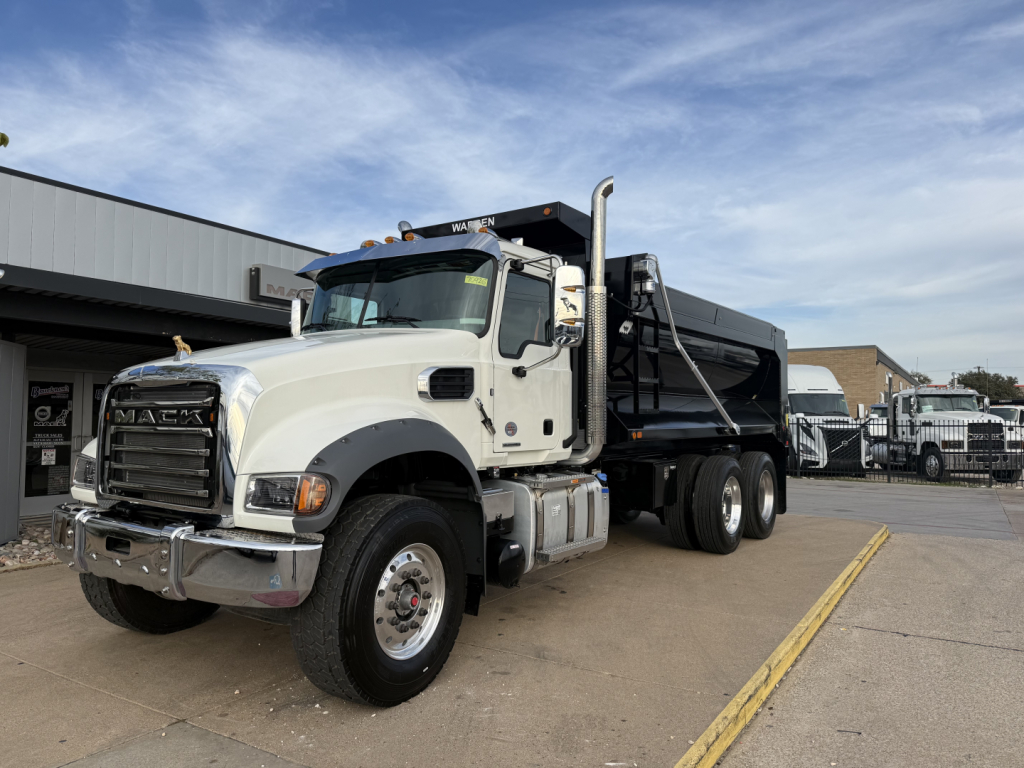
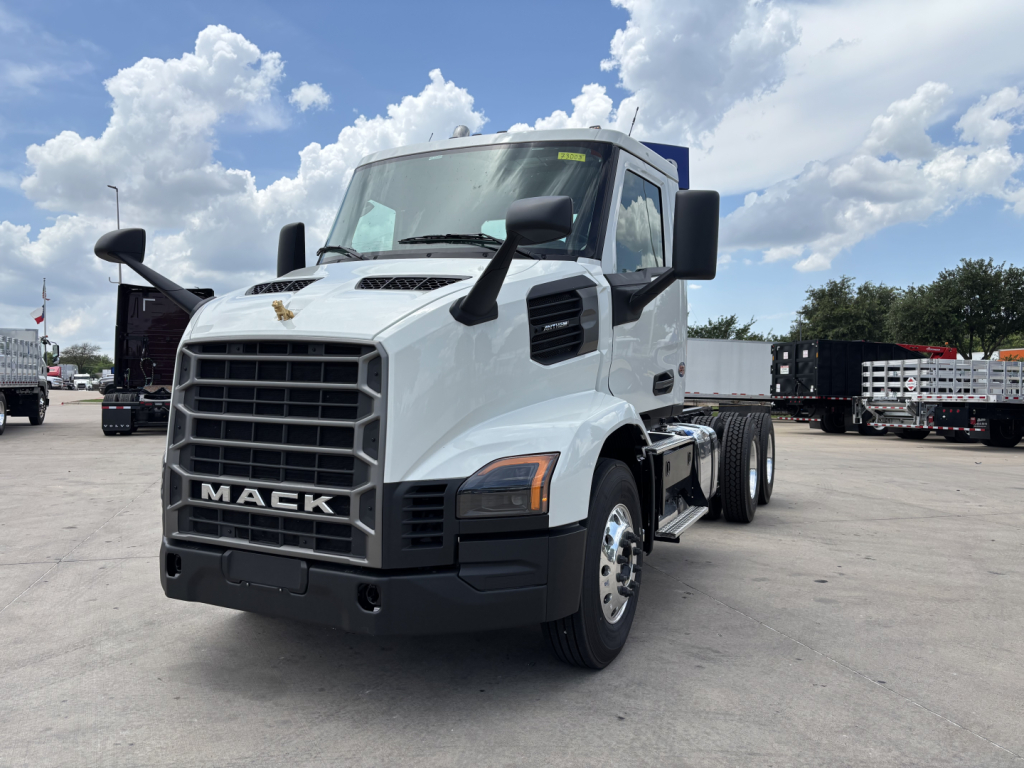
Most new dump trucks in this category are built on heavy vocational platforms such as Mack Granite, Mack Pinnacle, or similar severe-service chassis from other major OEMs. Common specs include diesel engines in the 400 to 500 horsepower range, tandem rear axles from 40,000 to 46,000 pounds, and front axles ranging from around 14,000 to 20,000 pounds or more depending on body and axle package. Automated manual and fully automatic transmissions are both common. Allison automatics remain popular for stop-and-go work, paving support, and mixed-driver fleets, while automated manuals can offer better highway efficiency on longer runs. Wheelbase, axle spread, suspension choice, PTO setup, and rear ratio all affect maneuverability, gradeability, and payload.
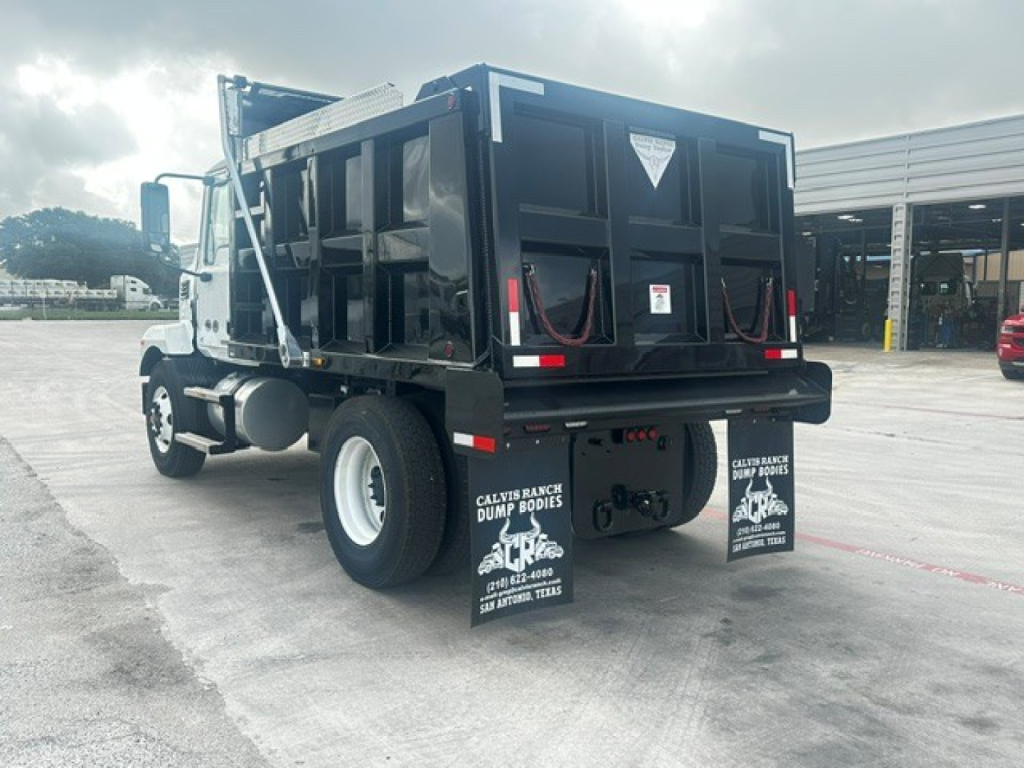
Dump body selection is where a lot of buyers either protect margin or create problems. Steel bodies are common for rock, demolition, and abrasive material because they handle impact and wear better. Lighter-weight bodies can make sense for sand, asphalt, and higher-volume hauling where every pound of tare weight matters. Typical body sizes on new dump trucks range from roughly 10 to 18 feet, with capacities often falling in the 10 to 17 yard range depending on side height and intended material. Buyers should pay close attention to floor thickness, sidewall construction, crossmember spacing, hoist type, cab shields, apron design, tailgate style, tarp systems, and liner options. Features like pintle hitches, pull tarps, electric or air-operated tailgates, and backup camera systems are often important on municipal, site work, and paving applications.
For Texas operators, the right new dump truck also needs to fit the route and the crew. Tight urban work in Houston, Dallas-Fort Worth, Austin, or San Antonio often favors shorter wheelbases and easier turning, while oilfield support, quarry hauling, and regional aggregate work may justify heavier axle packages and more body volume. Climate and dust exposure make cooling performance, air filtration, and durable electrical protection worth attention. A new dump truck should be evaluated as a complete vocational package, not just a cab and chassis with a box on the back. The best spec is the one that balances legal payload, uptime, driver acceptance, and body life across the material you haul every day.
Frequently Asked Questions about New Dump Trucks in Texas
What is the best axle configuration for a new dump truck in Texas?
The best axle configuration depends on the material, the legal weight target, and the roads the truck will run. Tandem axle dump trucks are common for general construction and short-haul aggregate work because they are simpler and more maneuverable. Tri-axle, quad-axle, and Super Dump setups are chosen when higher legal payload is the priority. In Texas, axle spacing, bridge formula considerations, and local operating conditions all affect how much weight can be carried legally, so the axle package should be matched to the intended route, body size, and tare weight.
Should I choose an automatic or automated manual transmission in a dump truck?
Both can work well, but they serve slightly different priorities. Fully automatic transmissions, especially Allison units, are widely used in dump applications because they deliver smooth starts, easy operation in stop-and-go traffic, and good control on jobsites. Automated manuals can be a strong choice when the truck sees more road miles and fuel economy matters. The better option often comes down to driver experience, terrain, PTO demands, and whether the truck spends more time on pavement, in pits, or backing into tight jobsites.
What dump body size is most common on a new dump truck?
A common range for new dump truck bodies is about 10 to 18 feet in length, with capacities often between 10 and 17 cubic yards depending on side height, material type, and chassis rating. Heavier materials like rock or wet dirt usually require a smaller cubic yard body to stay legal on weight, while lighter materials can justify taller sides and more volume. Body length alone does not determine usefulness. Floor thickness, side construction, hoist geometry, and tailgate design all matter in daily operation.
Are steel dump bodies better than aluminum for construction hauling?
Steel dump bodies are generally preferred for severe-duty construction work, rock, rubble, and demolition because they resist impact and abrasion better than aluminum. Aluminum or lighter-weight body designs can make sense in applications where payload is limited by volume rather than material density. For most buyers hauling aggregate, dirt, broken concrete, or similar abrasive loads, steel remains the more common and more durable choice. The right answer depends on what is being hauled every day, not just on published body capacity.
What should I look for when buying a new dump truck for paving or site work?
For paving and site work, pay close attention to maneuverability, transmission choice, body configuration, and PTO performance. A shorter wheelbase can help in tight access areas, while an automatic transmission is often preferred for constant starts and stops. The body should have the right side height, gate style, tarp system, and apron design for the material being hauled. Suspension, axle ratings, and hoist spec should also match the weight and discharge cycle the truck will see. A dump truck that is well matched to paving or site work will load cleanly, back easily, and spend less time out of service.