
New Volvo Dump Trucks For Sale
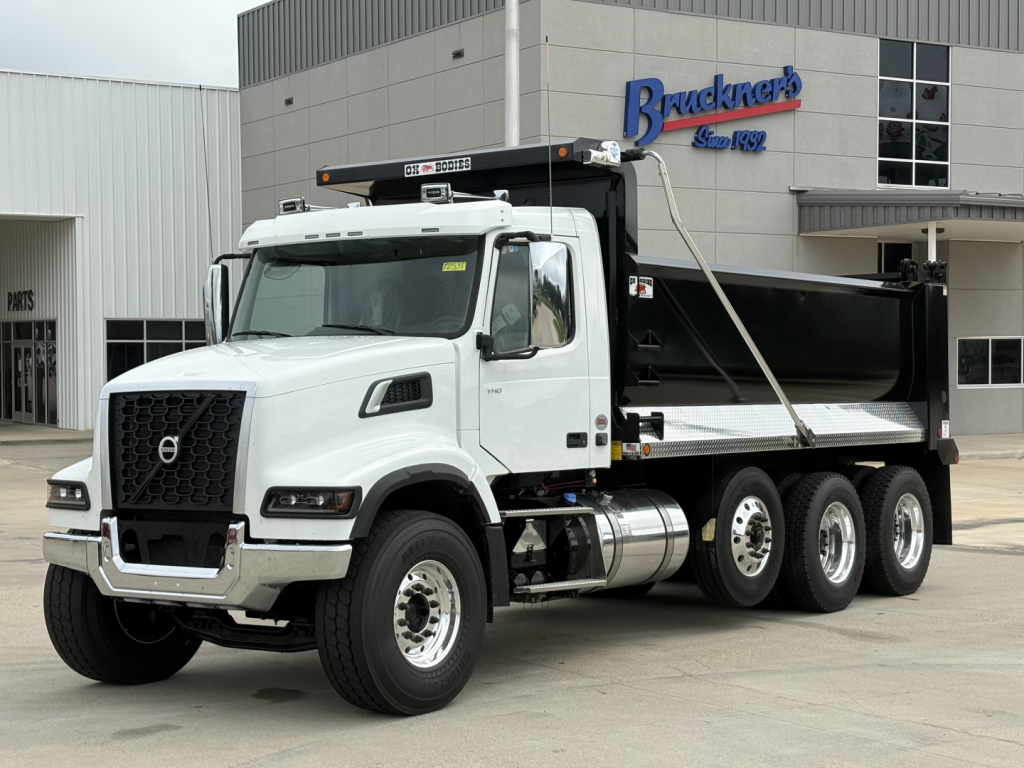
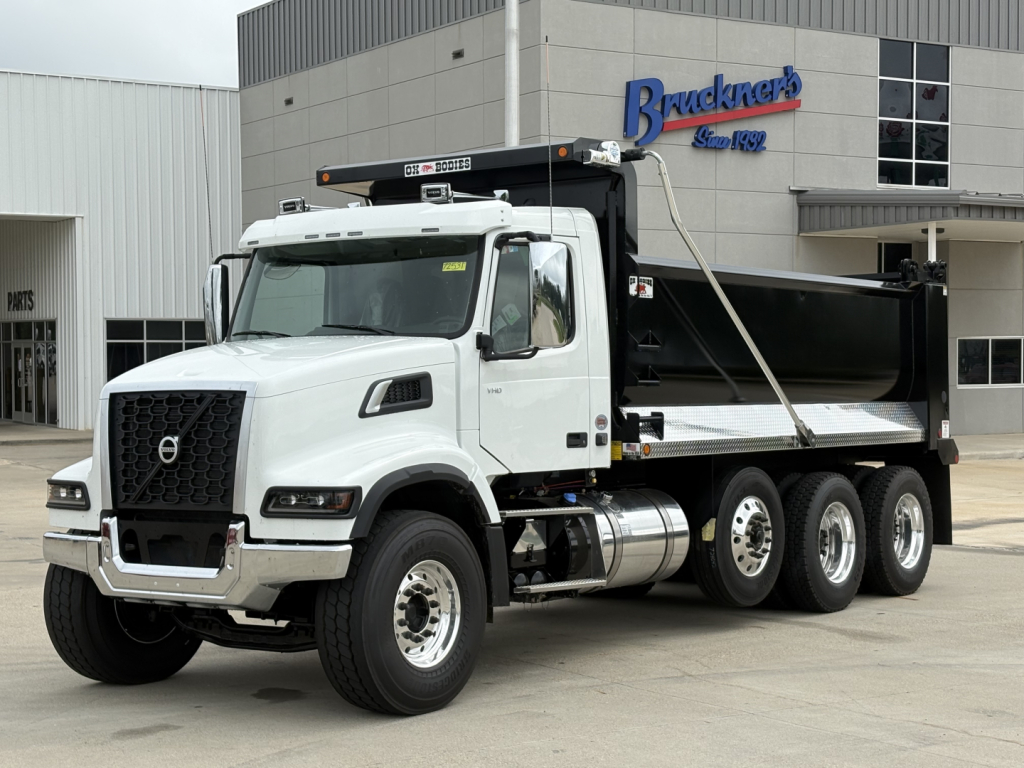
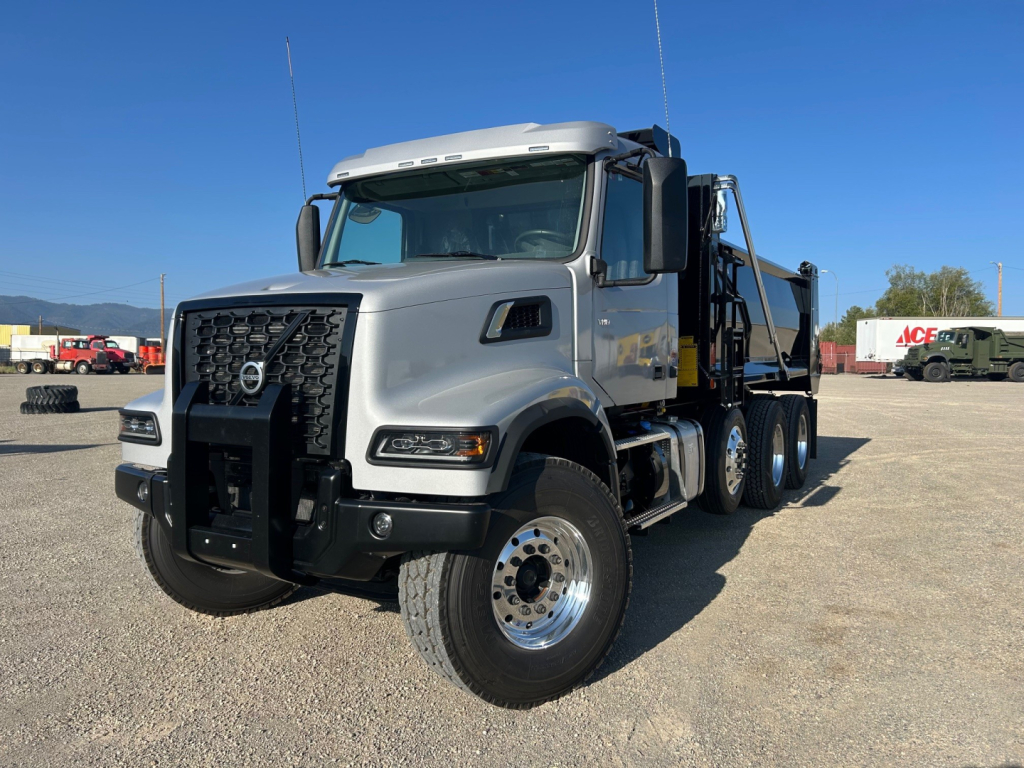
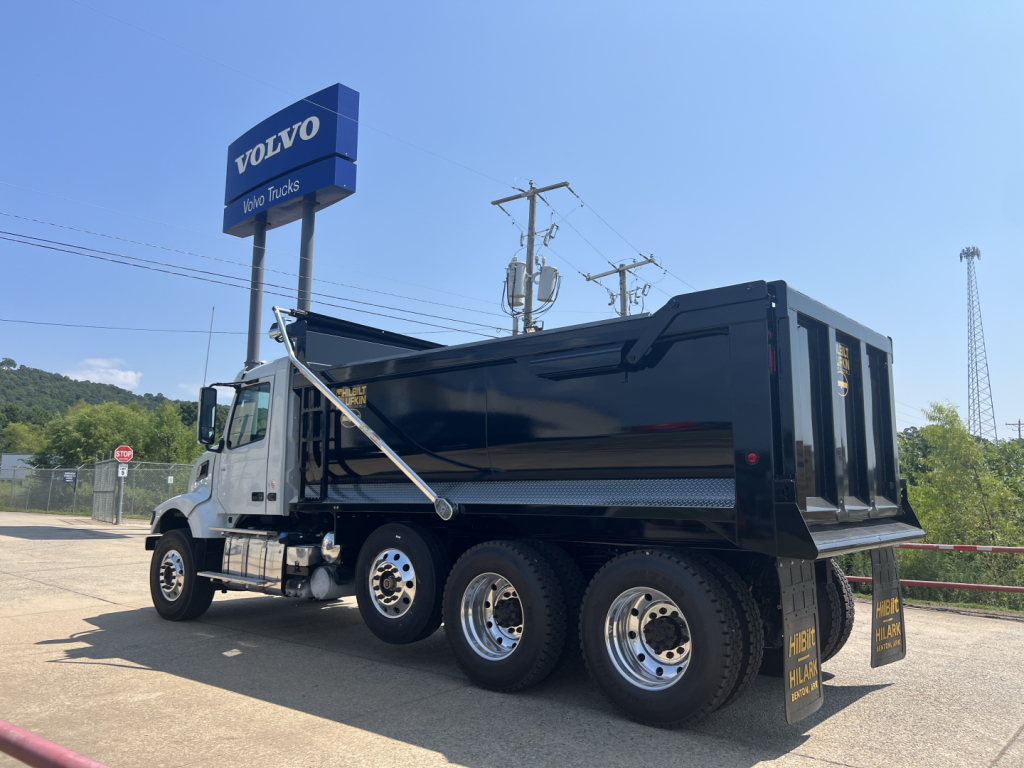
Shop new Volvo dump trucks built on the VHD platform with D11 or D13 power, vocational specs, multiple axle setups, and rugged dump bodies.
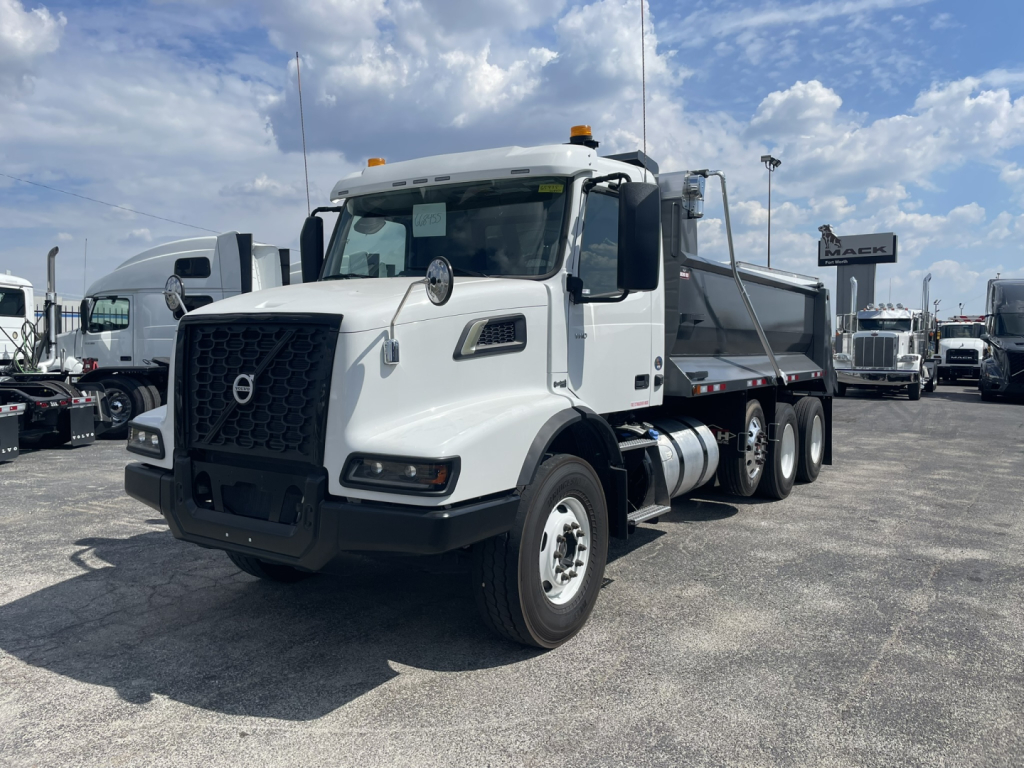
Selling a new volvo dump truck? List your new volvo dump truck for sale and reach thousands of commercial buyers.
New Volvo Dump Trucks
Axle configuration matters as much as horsepower on a dump truck. New Volvo dump trucks are commonly spec'd as tandem, tri-axle, quad-axle, or quint-axle trucks, often with lift or steerable pusher axles to maximize legal payload. Front axle ratings around 20,000 to 20,800 pounds and rear ratings in the 46,000-pound class are common, though heavier vocational setups exist. Buyers should pay close attention to suspension type, rear ratio, wheelbase, and locker configuration. Spring suspension remains popular for rugged jobsite durability, while vocational air suspensions and systems like Volvo T-Ride can improve articulation and ride quality in mixed on-road and off-road service. Full lockers, interaxle differential locks, and proper gearing become especially important if the truck will spend time on soft subgrades, uneven access roads, or steep haul routes.
Body spec is where the truck really gets matched to the job. New Volvo dump trucks are often fitted with 16- to 20-foot bodies from builders such as Beau-Roc, HilBilt, and K&H, with common features including Hardox construction, high-lift or top-swing tailgates, asphalt aprons, spreader chains, electric tarp systems, and cab shields. Side heights can vary significantly based on material density and target payload. A truck carrying asphalt, sand, gravel, millings, riprap, or demolition debris may need a very different body and gate setup. Buyers should also look at hoist design, hydraulic pump spec, PTO controls, hitch equipment, rear air and electrical, and whether the truck needs trailer provisions for equipment or pup work. These details affect daily productivity more than the badge on the hood.
Volvo has a strong following in the vocational market because the VHD combines a heavy-duty chassis with a cab layout that many operators find easier to live with over long shifts. Features such as engine brakes, hill start assist, integrated transmission programming, and driver-assistance electronics can be valuable on crowded jobsites and in regional haul work. When comparing new Volvo dump trucks for sale, focus on legal payload strategy, axle placement, body builder quality, transmission calibration, and service support in your area. A dump truck that is slightly heavier but better matched to your route structure, material type, and loading method will usually outperform a generic high-horsepower spec over the long run.
Frequently Asked Questions about New Volvo Dump Trucks
What engine and transmission combinations are common in new Volvo dump trucks?
Most new Volvo dump trucks are spec'd with Volvo D11 or D13 diesel engines, typically ranging from about 425 to 500 horsepower. Common transmission choices include Volvo I-Shift automated manuals, Allison fully automatic transmissions, and Eaton Fuller manual gearboxes. I-Shift is popular for mixed highway and vocational work because it balances driver comfort and fuel efficiency, while Allison automatics are often preferred for repetitive stop-and-go applications such as paving, municipal hauling, and tight jobsite maneuvering.
How do I choose between tandem, tri-axle, quad, and quint axle dump truck configurations?
The right axle configuration depends on local bridge laws, target payload, and the type of work the truck will perform. Tandem axle dumps are simpler and often lighter, making them useful where maneuverability matters. Tri-axle, quad, and quint axle configurations use pusher or tag axles to increase legal carrying capacity and distribute weight more effectively. Buyers should compare axle ratings, lift axle design, wheelbase, and state-specific legal limits before deciding, because the best configuration in one region may be inefficient or overweight in another.
What dump body features matter most on a new Volvo dump truck?
Body construction and gate design have a major impact on productivity and durability. Buyers commonly look for Hardox or other abrasion-resistant steel, appropriate side height for the material being hauled, and the correct tailgate style for spreading or unloading. High-lift gates, top-swing gravity backs, asphalt aprons, spreader chains, electric tarp systems, and cab shields are all common vocational options. The right combination depends on whether the truck will carry asphalt, gravel, sand, demolition debris, or general construction material.
Is Volvo I-Shift a good transmission for dump truck work?
Volvo I-Shift is widely used in dump truck applications and is generally a strong fit for fleets that want easier driver training, smoother shifting, and reduced clutch wear. In vocational service, the value comes from proper calibration to the engine, axle ratio, and duty cycle. Some buyers also look for crawler gears or PTO-friendly programming depending on body and hydraulic requirements. For severe stop-and-go work or specialized municipal applications, some fleets still prefer Allison automatics, but I-Shift is a proven choice in many construction and aggregate operations.
What should I look at beyond horsepower when comparing new Volvo dump trucks for sale?
Horsepower matters, but it is only one part of a dump truck spec. Buyers should evaluate front and rear axle ratings, suspension type, rear ratio, differential locks, pusher axle arrangement, wheelbase, dump body builder, hoist setup, PTO and hydraulic components, and local dealer support. A properly matched 425 or 455 horsepower truck can outperform a higher-horsepower unit if the gearing, body, and axle package are optimized for the route and material. Long-term uptime, legal payload, and ease of service usually have a bigger effect on operating cost than peak engine output alone.