
New Dump Trucks For Sale in Florida
Shop new dump trucks for sale in Florida, including landscape, trash, chipper, and dirt dump bodies with gas or diesel chassis options.
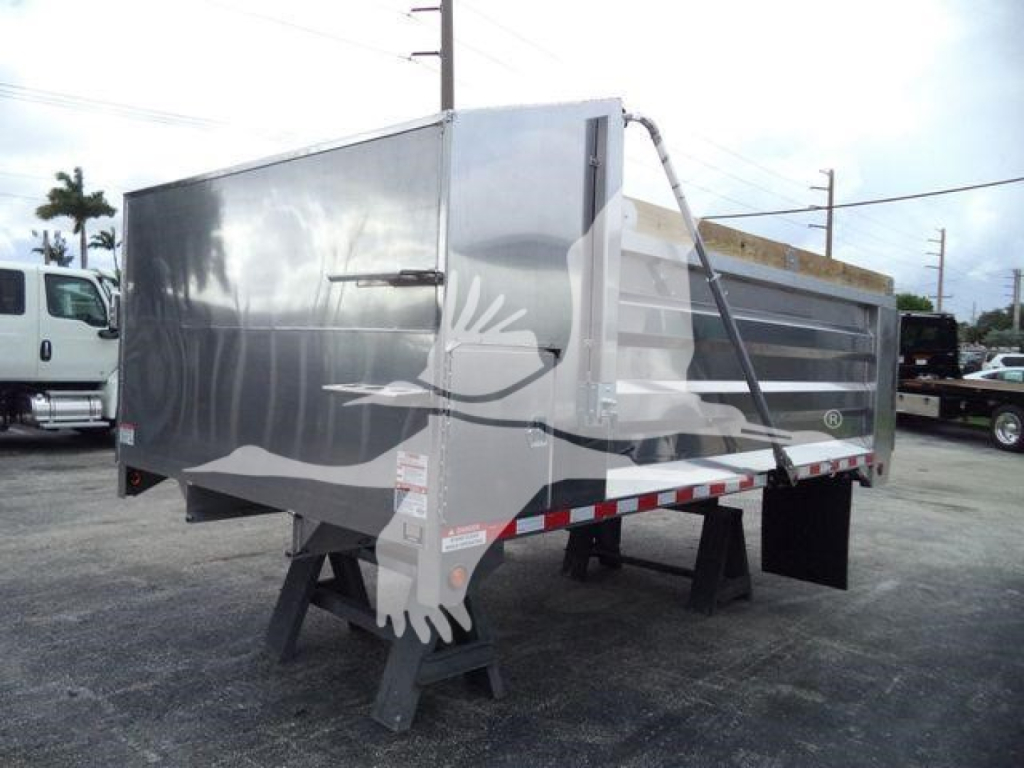
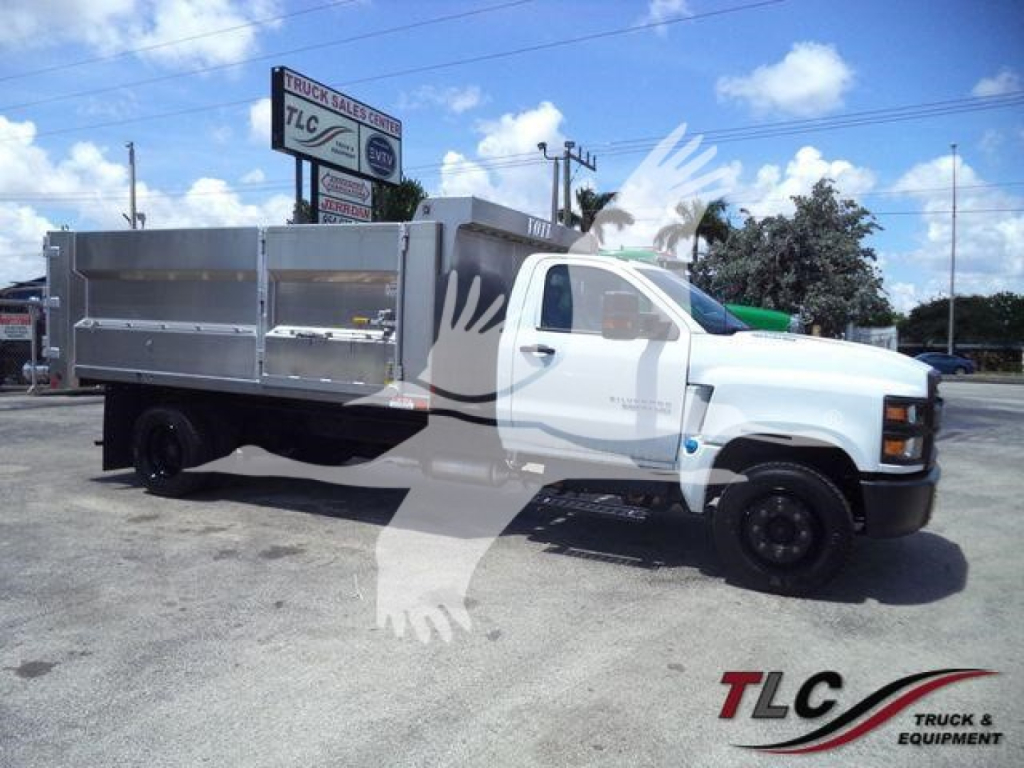
2023 Chevrolet Silverado 6500Hd
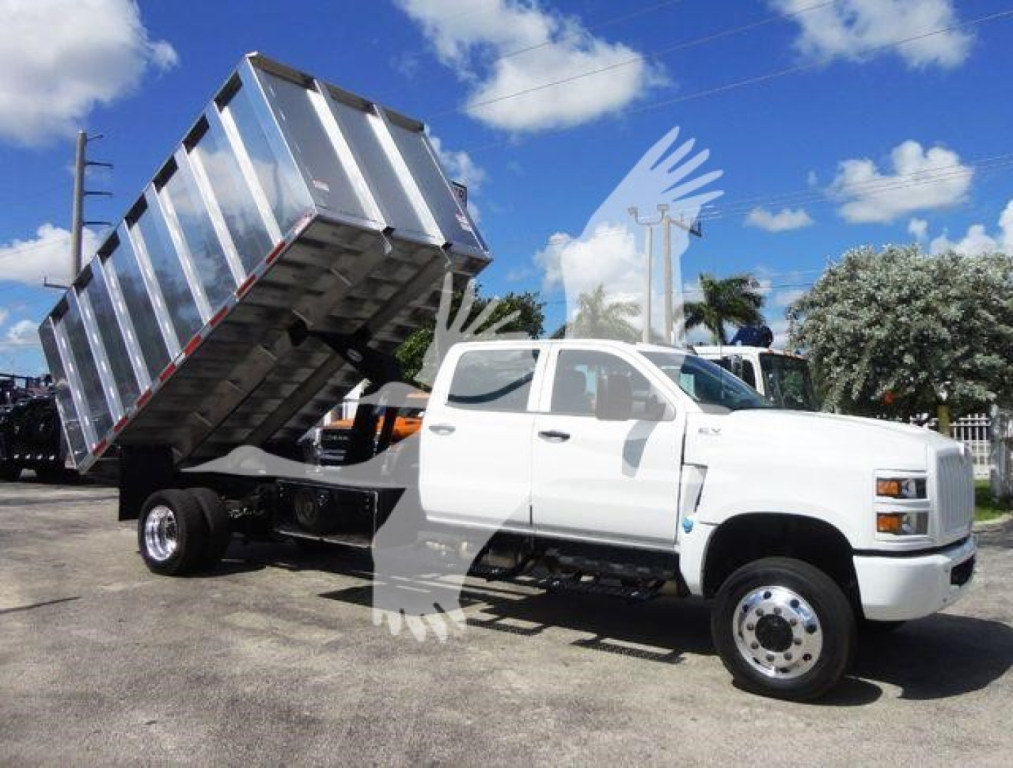
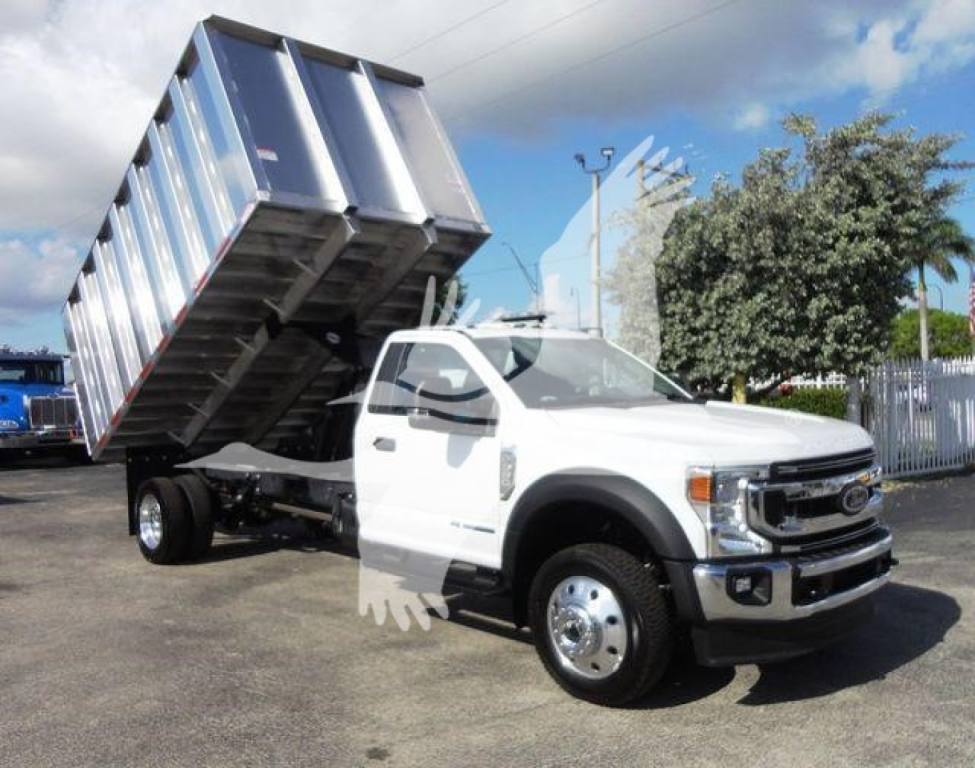
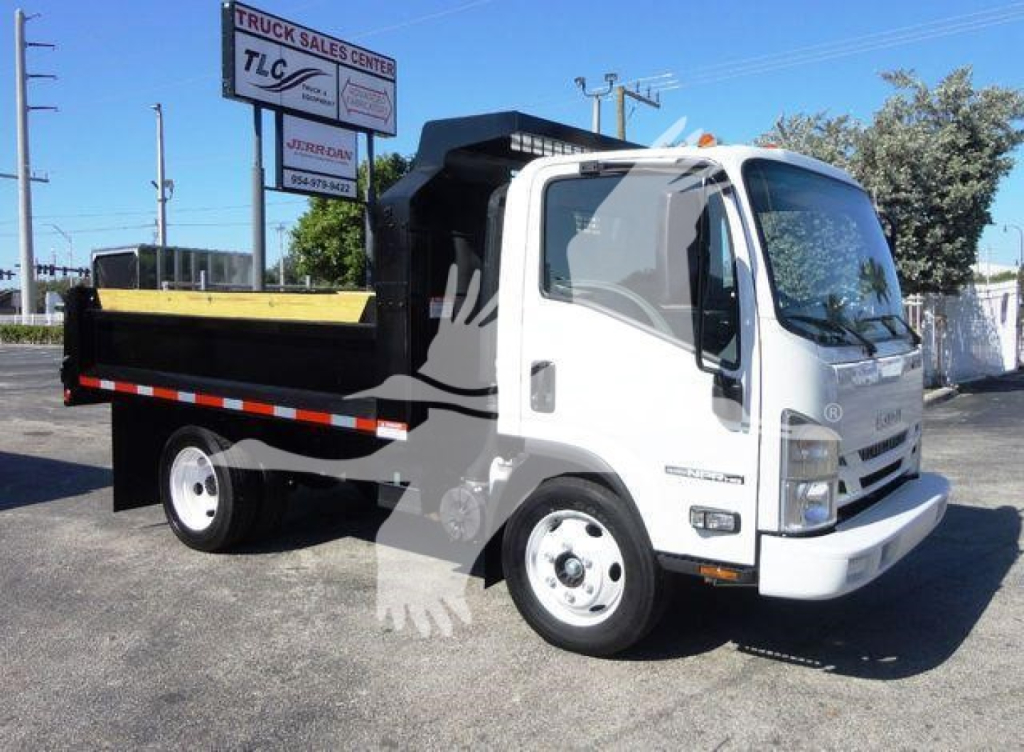
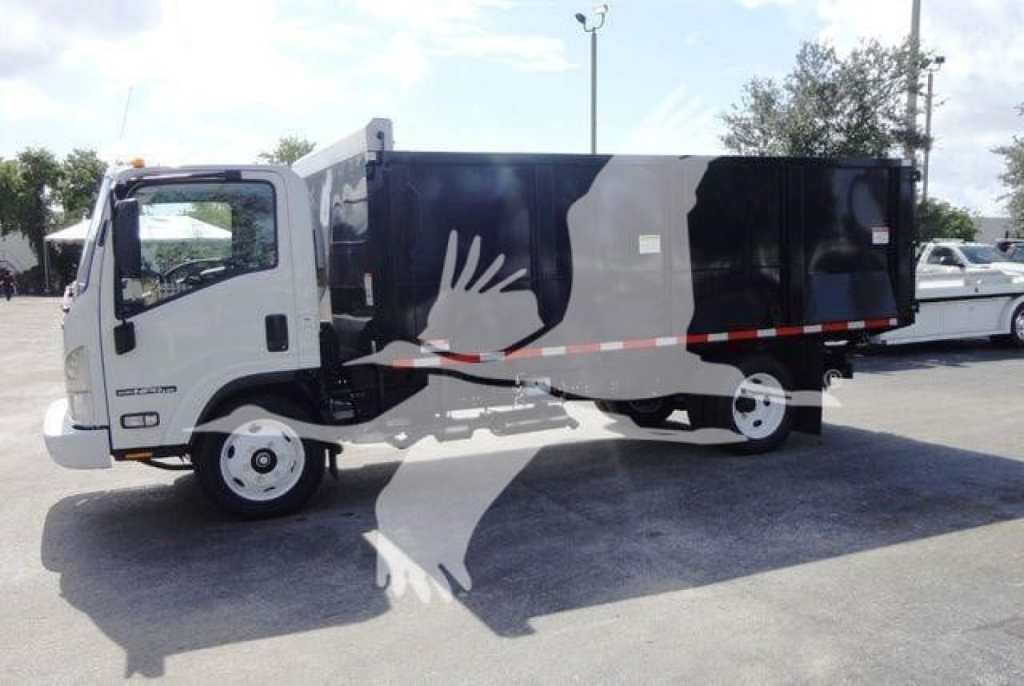
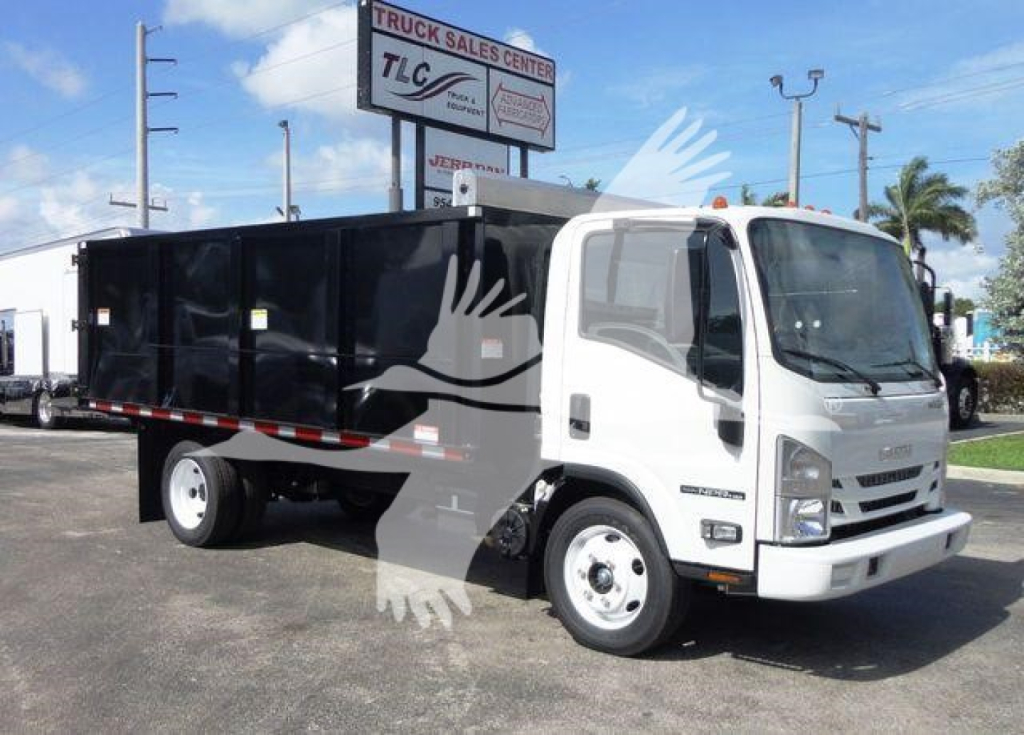
2026 Advanced Fabricators 14 FT
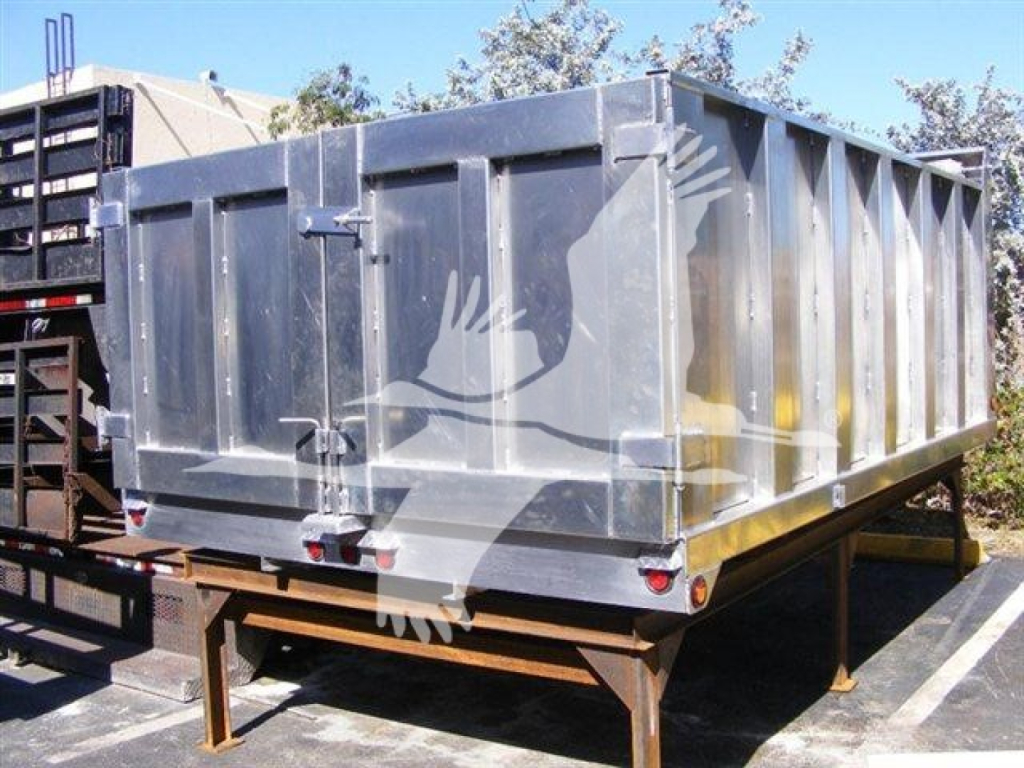
2026 Advanced Fabricators 12 Ft
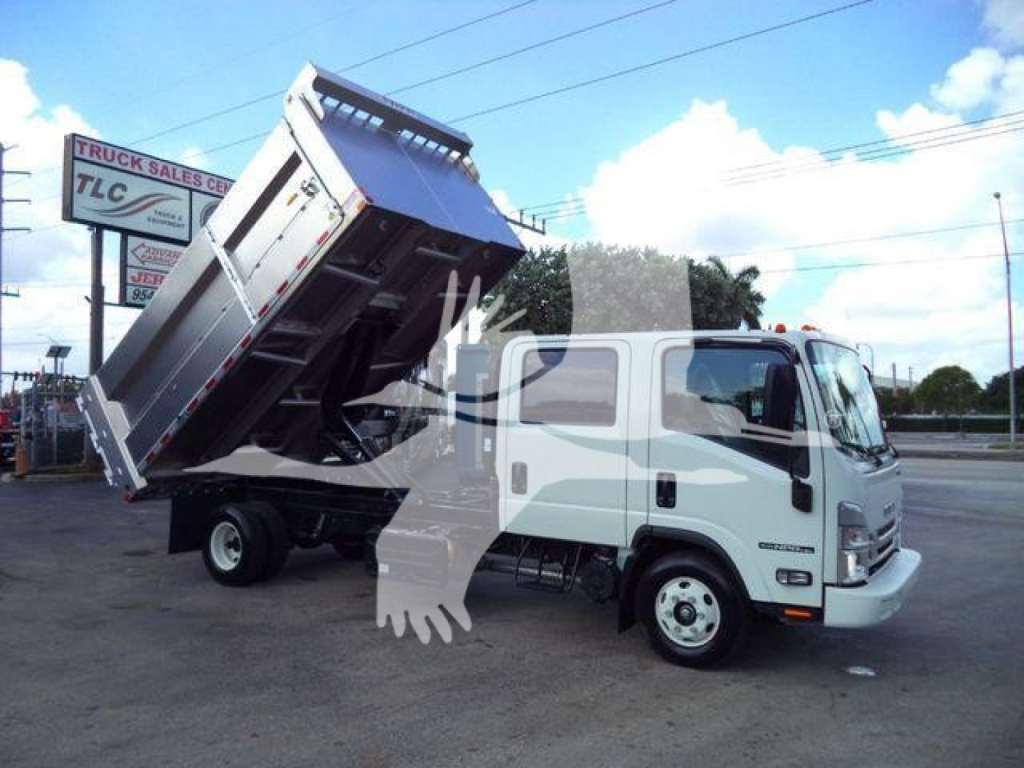
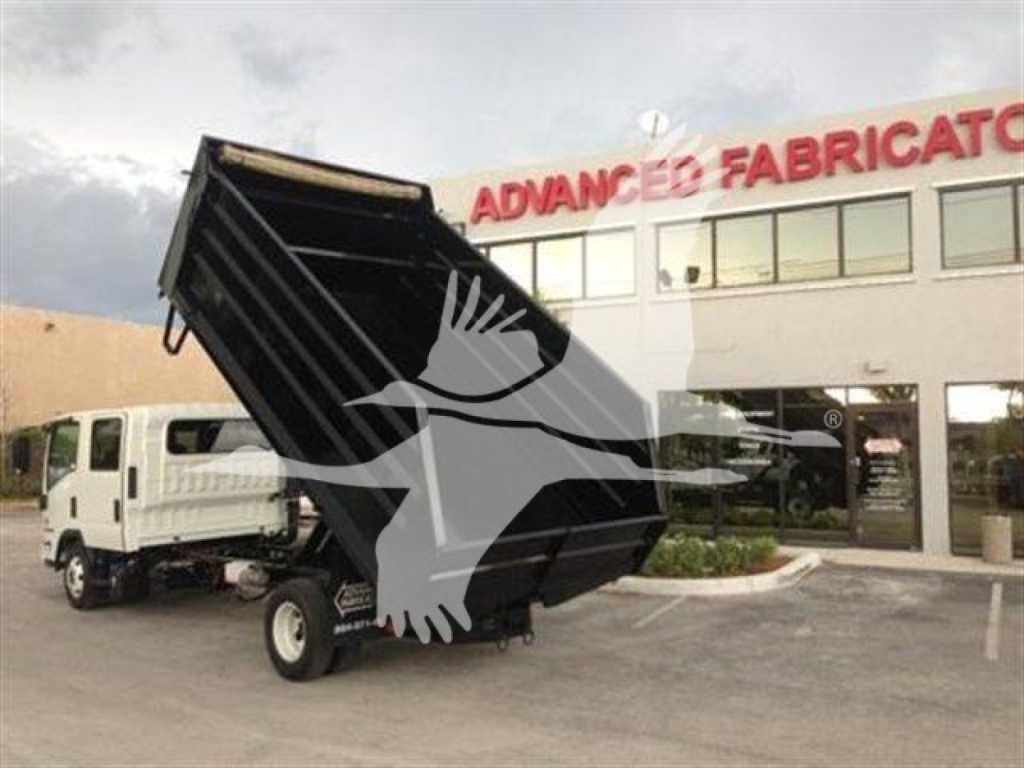
2026 Advanced Fabricators 14 FT
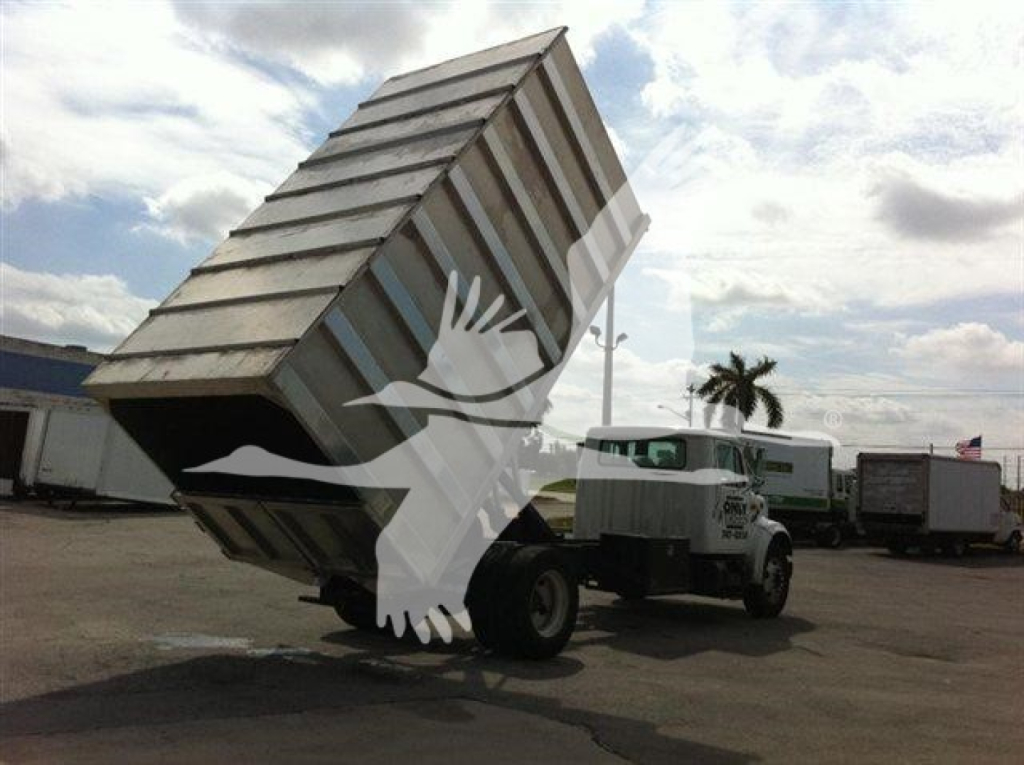

Selling a new dump truck? List your new dump truck for sale and reach thousands of commercial buyers.
New Dump Trucks in Florida
Body configuration matters as much as chassis choice. Landscape and trash dump bodies often use tall sides, barn doors, or combination top-swing and fold-down rear gates to handle bulky loads like brush, pallets, and mixed debris. Dirt dump bodies usually carry lower sides, heavier floors, and simpler rear gate setups for faster unloading. Common upfit details include electric-over-hydraulic hoists, scissor lifts, cab shields, pull tarps or manual crank tarps, underbody toolboxes, and frame-mounted hitches with trailer brake provisions. If the truck will tow a skid steer, mini excavator, or equipment trailer, check hitch rating, brake controller compatibility, wheelbase, and axle capacity, not just the advertised dump body size.
Florida buyers should also pay attention to corrosion resistance, cooling performance, and operating environment. Aluminum dump bodies hold up well in humid coastal conditions and can help preserve payload on lighter chassis. Cabover dump trucks are especially useful in tight urban routes, gated communities, and municipal-style stop-and-go work because of their turning radius and visibility. Conventional chassis like the F-550 can be a better fit for mixed highway and off-pavement use, especially when 4x4 is needed for soft ground, storm cleanup, or jobsite access. Gas engines are common in lighter local-service applications because of lower upfront cost and straightforward maintenance, while diesel remains a strong choice for higher torque, frequent towing, and heavier daily cycles.
A smart buying decision comes down to matching the truck to the material stream and route density. For arborist and storm cleanup work, look at side height, rear door opening, tarp design, and how quickly the body can be loaded by hand or machine. For masonry and dirt, focus on floor thickness, hoist geometry, and payload after the body is installed. For landscape fleets, pay attention to cab size, maneuverability, and body volume more than raw GVWR alone. New dump trucks in this category are built to be vocational tools, so the best spec is the one that balances legal payload, durability, and ease of use over a full workday.
Frequently Asked Questions about New Dump Trucks in Florida
What is the best dump truck setup for landscape or tree service work?
For landscape, mulch, brush, and tree service work, buyers usually prefer a lighter chassis with a high-volume aluminum or steel landscape dump body. Tall sides, barn doors, side access doors, and a tarp system are important because these loads are bulky rather than extremely dense. Aluminum bodies are especially useful when payload and corrosion resistance matter, while chipper-style bodies with higher sidewalls help contain loose material during local hauling.
Should I choose a gas or diesel engine for a new dump truck?
Gas engines are often a good fit for lighter-duty local routes, shorter daily mileage, and fleets that want lower acquisition cost and simpler service routines. Diesel engines make more sense when the truck tows regularly, carries dense materials, or works in harder duty cycles where low-end torque and fuel efficiency under load matter more. The right choice depends on payload, towing expectations, annual mileage, and how long the truck will stay in service.
Is a cabover dump truck better than a conventional chassis in Florida?
A cabover dump truck can be a strong choice in Florida for urban landscaping, municipal work, and tight residential service routes because it offers a short overall length, sharp turning radius, and strong forward visibility. A conventional chassis may be better for operators who spend more time at highway speeds, want a familiar pickup-style service platform, or need 4x4 capability for storm response and muddy jobsites. The work environment usually determines which layout is more efficient.
What dump body features matter most for hauling dirt versus debris?
Dense materials like dirt, sand, and masonry put more stress on the floor, hoist, and rear gate, so a heavier steel body with an appropriately rated hoist is usually the better choice. Bulky debris, brush, and trash benefit more from taller sides, wider door openings, and body volume. Buyers should also compare floor thickness, side construction, gate style, and hoist type because the wrong body design can limit either payload or unloading efficiency.
What should I check if I plan to tow equipment with a dump truck?
If the truck will tow a trailer, look beyond the dump body and confirm the chassis GVWR, rear axle rating, hitch rating, wiring, and trailer brake capability. A frame-mounted hitch with electric brake provisions and a 7-way plug is common on vocational dump builds, but tow performance also depends on wheelbase, engine choice, transmission calibration, and how much payload is already on the truck. The safest setup is one that keeps both truck and trailer within legal combined weight limits.