
Used Cab and Chassis Trucks For Sale
Used cab and chassis trucks for upfit. Compare CA, wheelbase, GVWR, axles, PTO and powertrains for dump, service, flatbed, tow and utility builds.
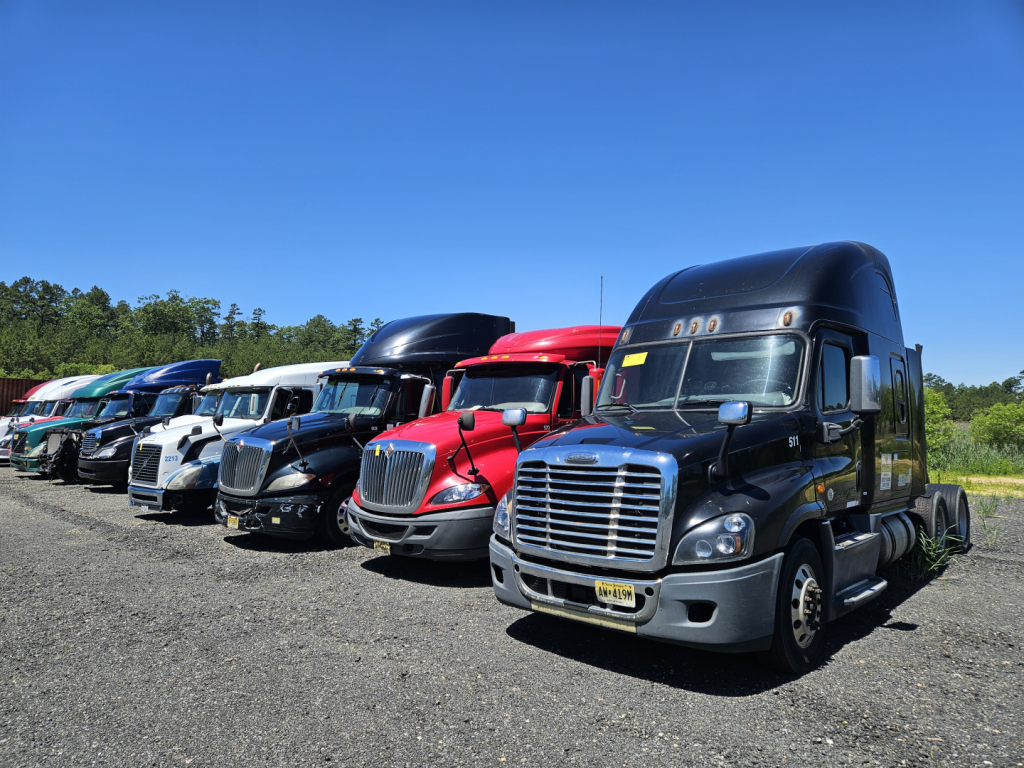
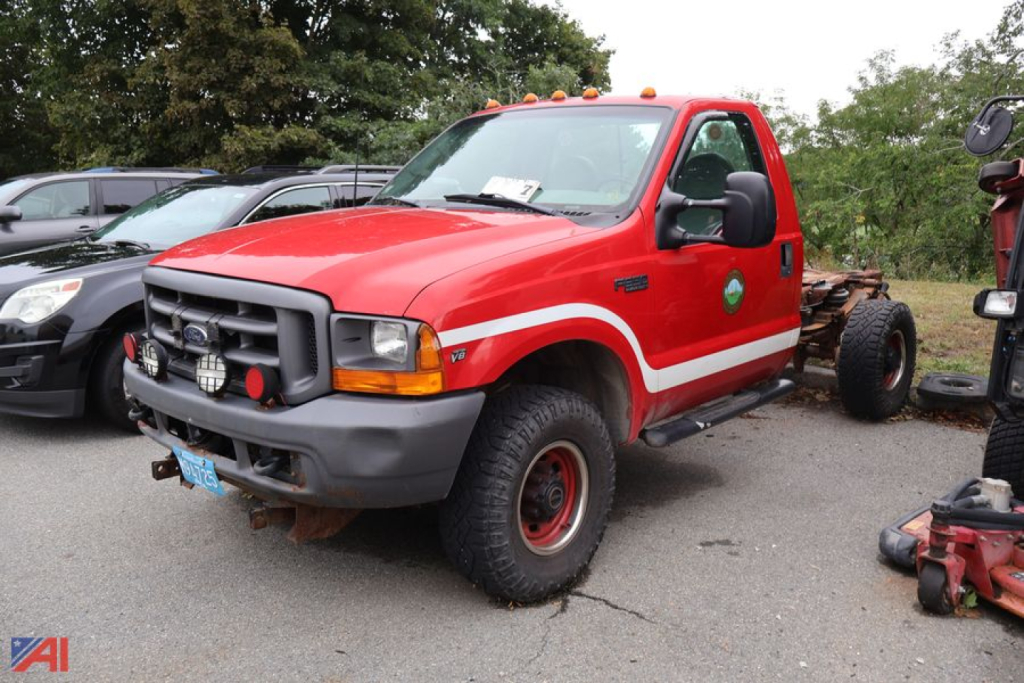
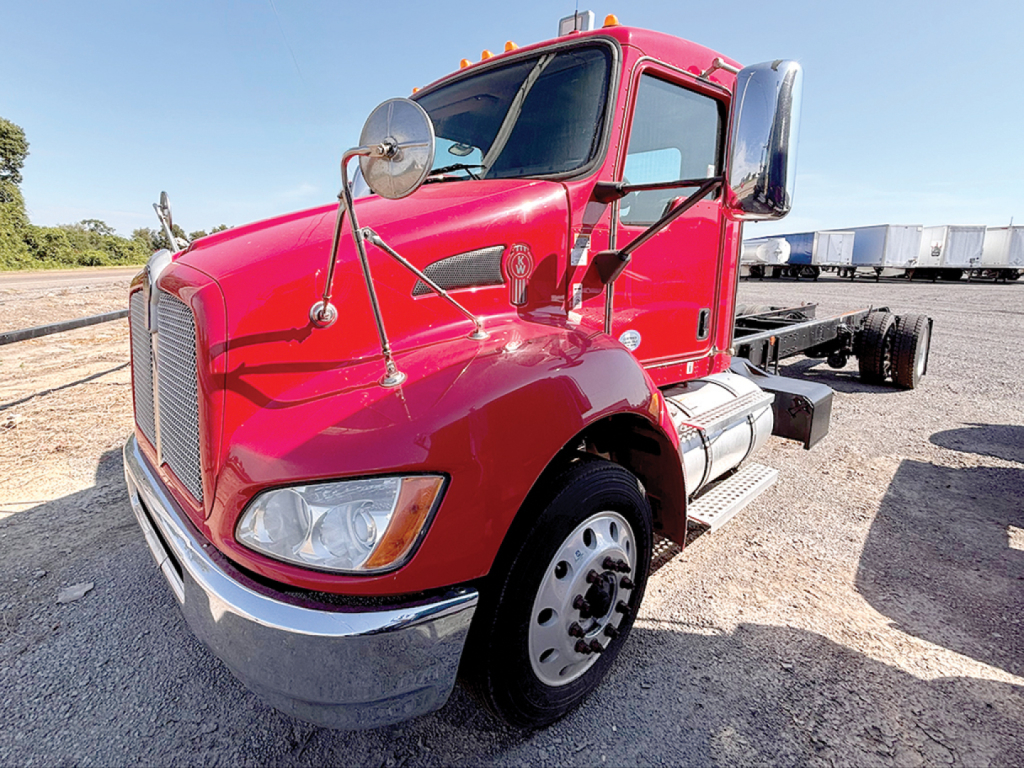
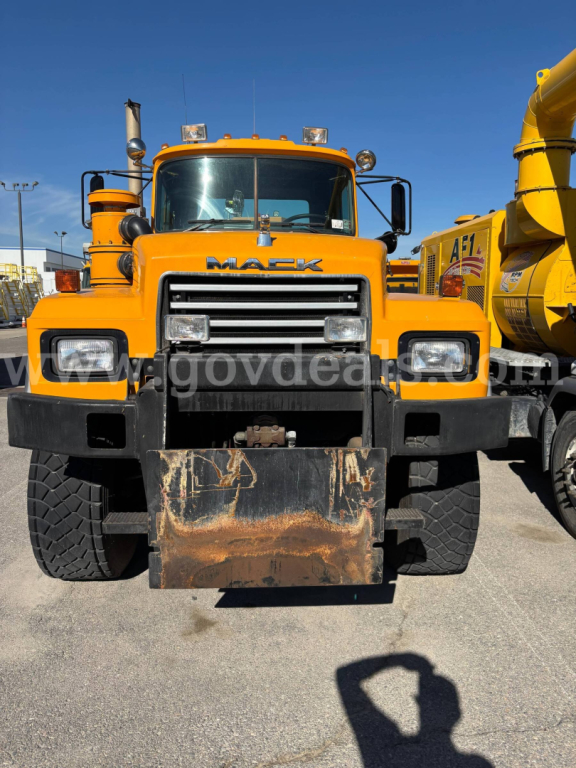
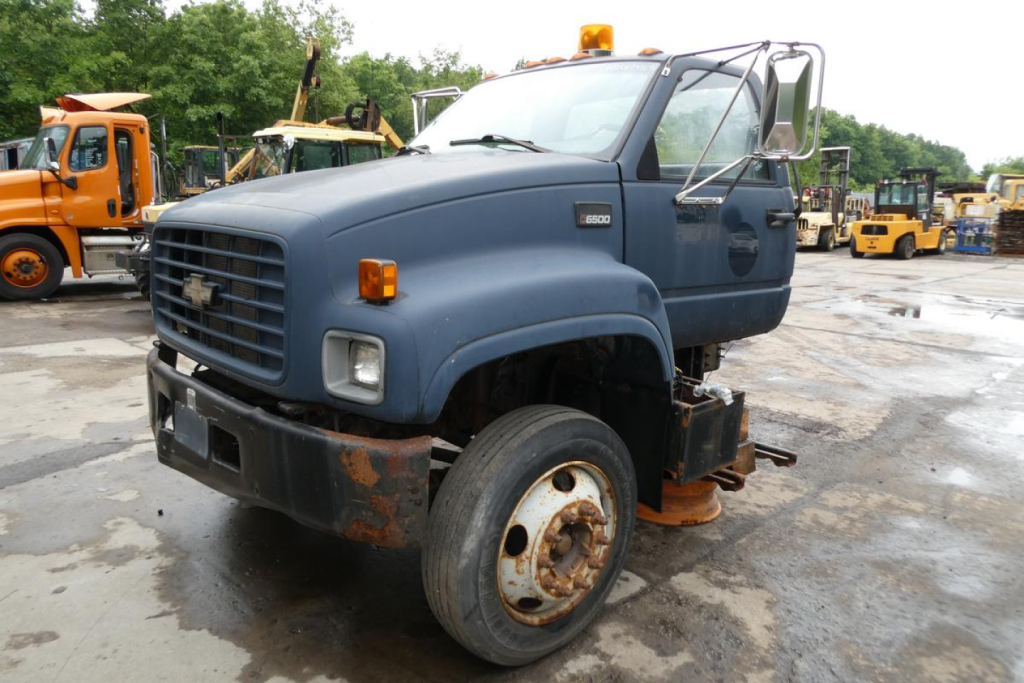
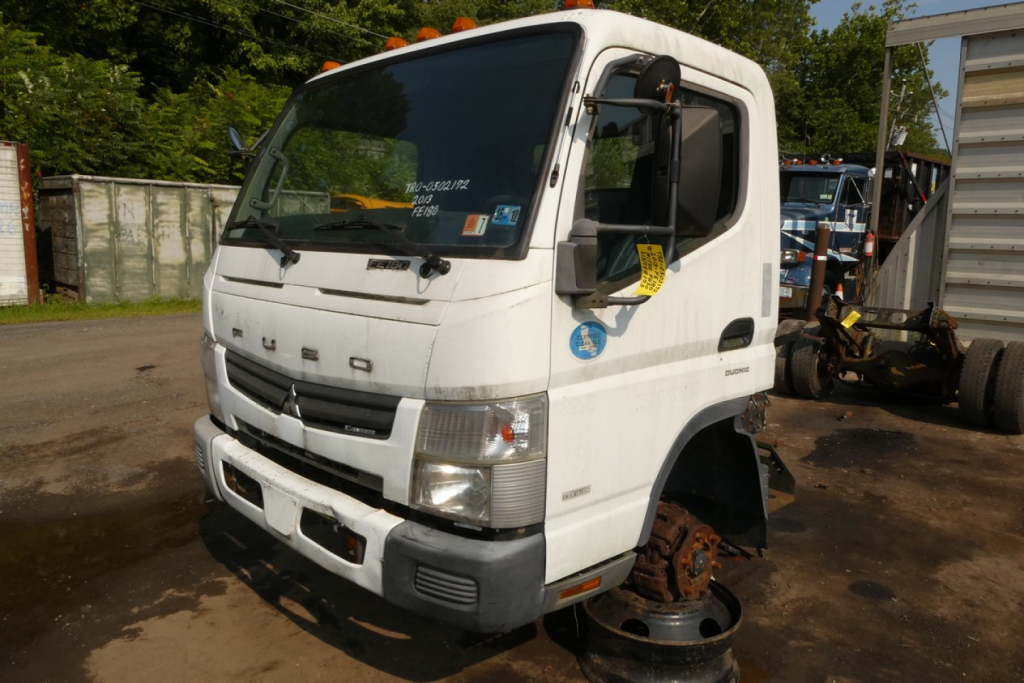
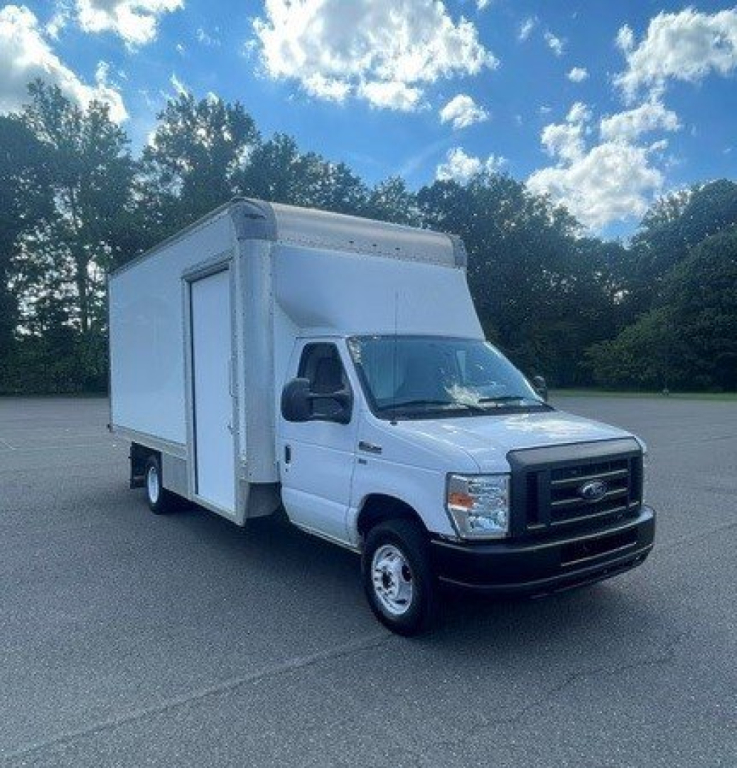
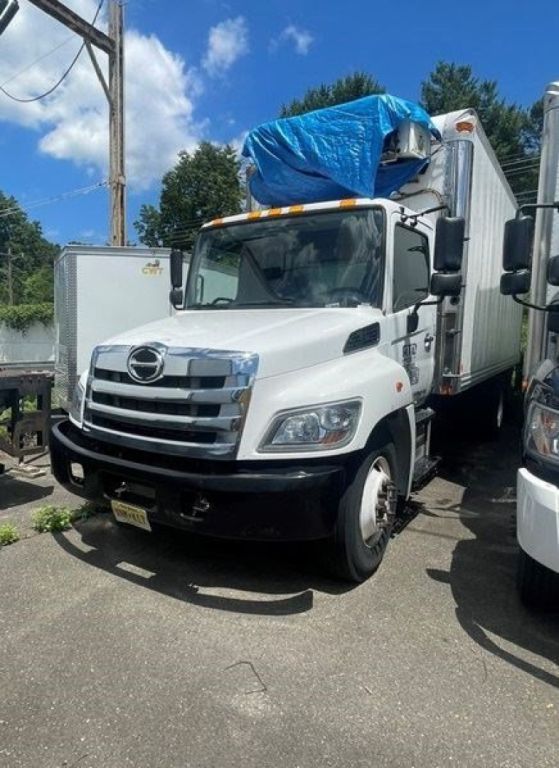
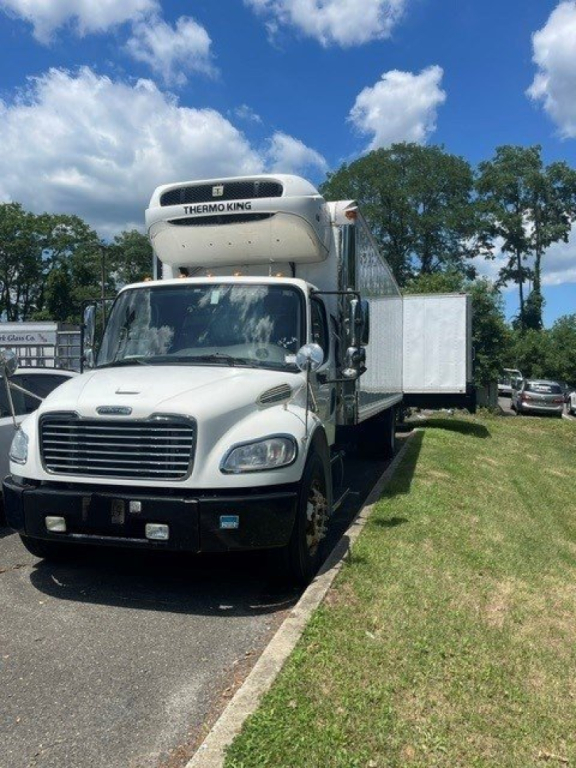
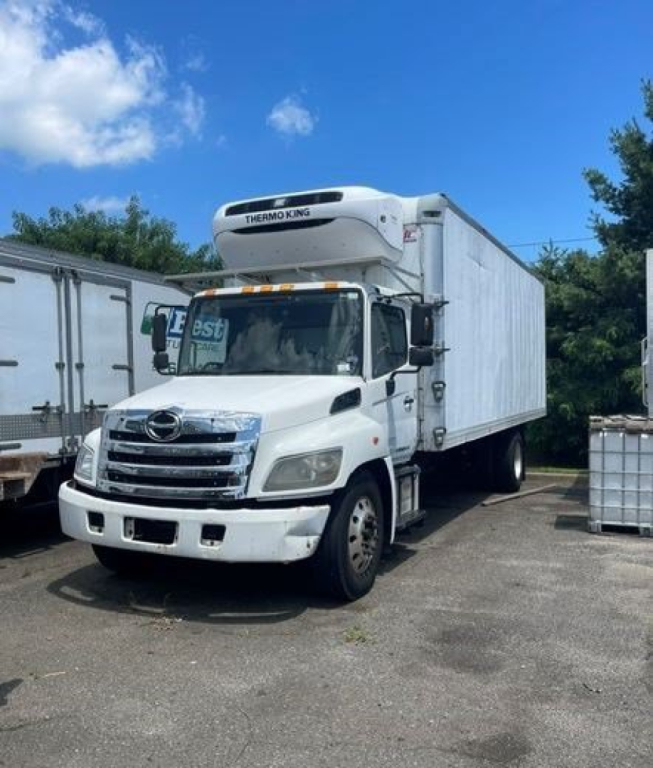
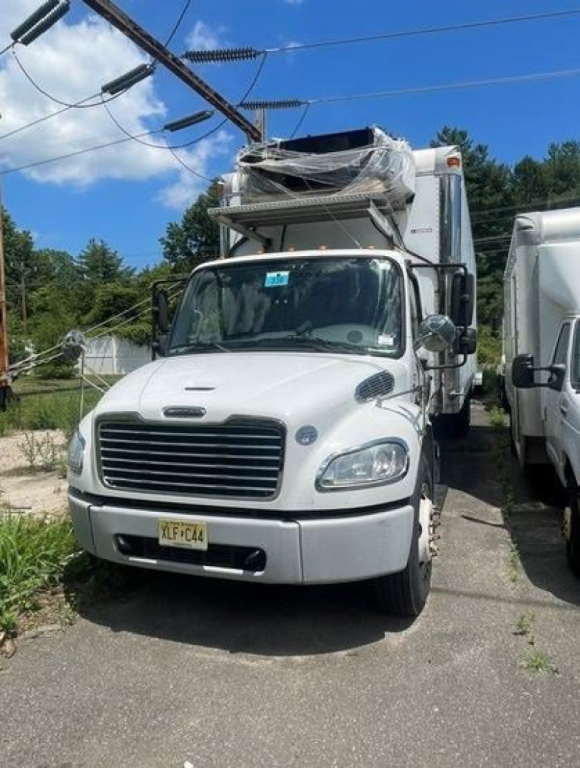

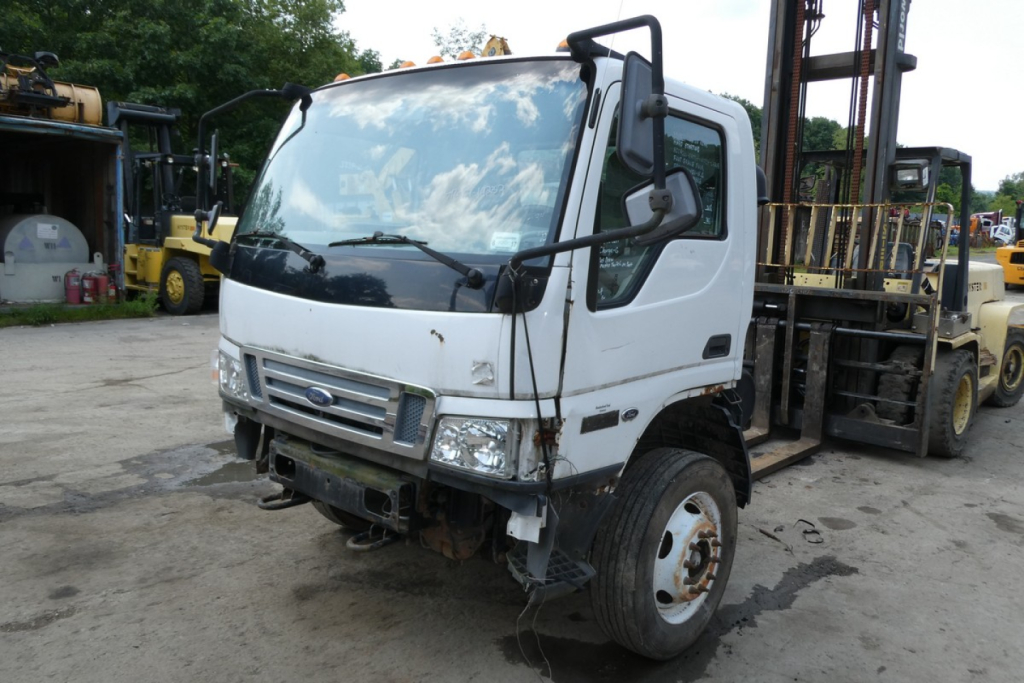
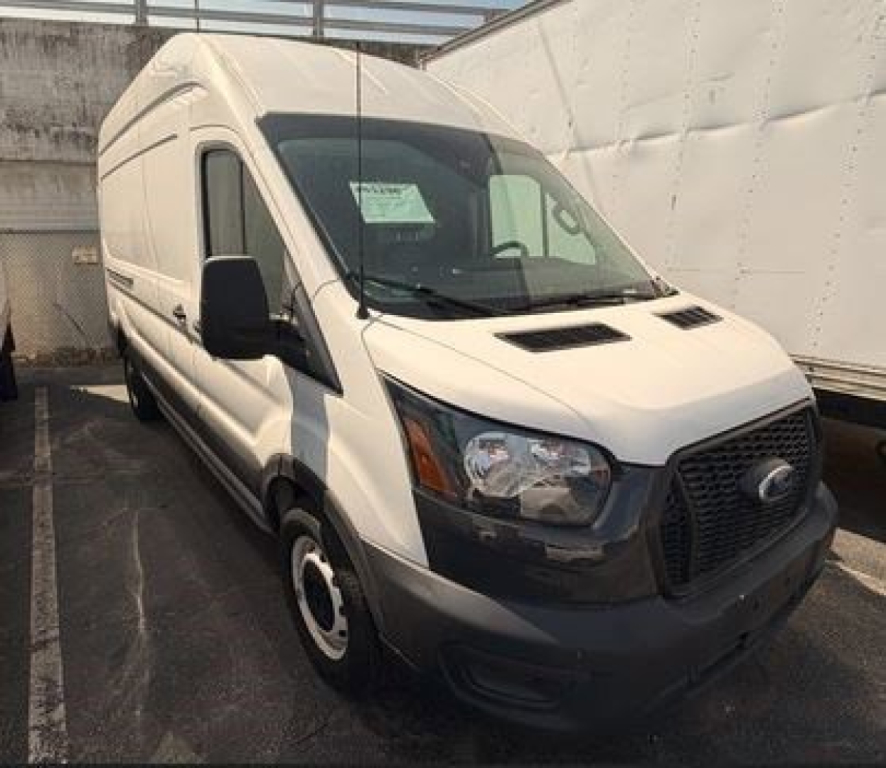

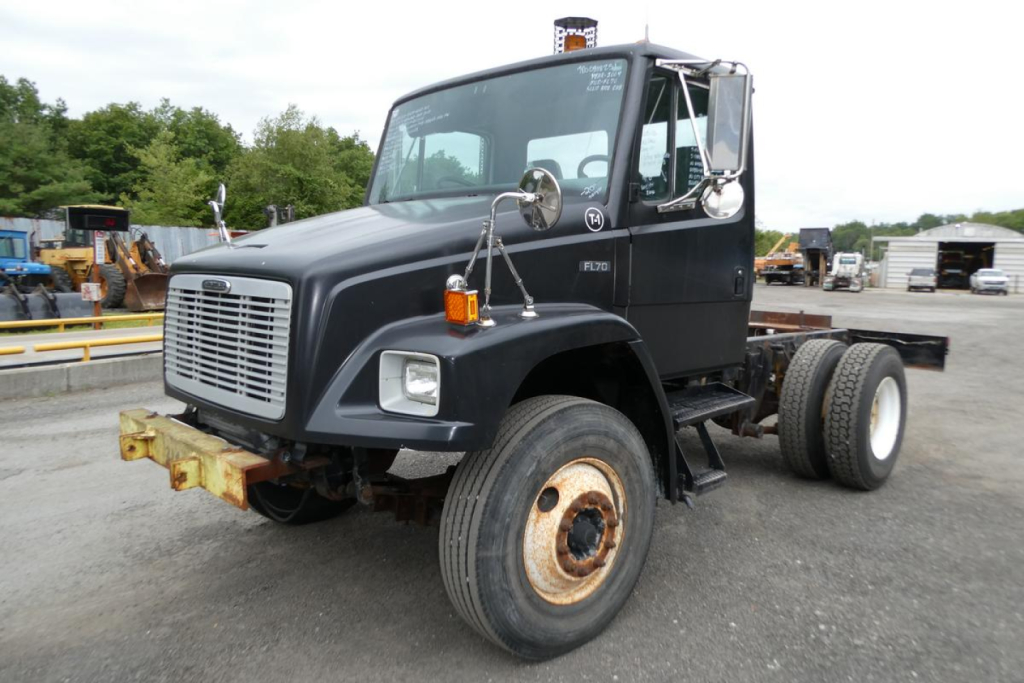
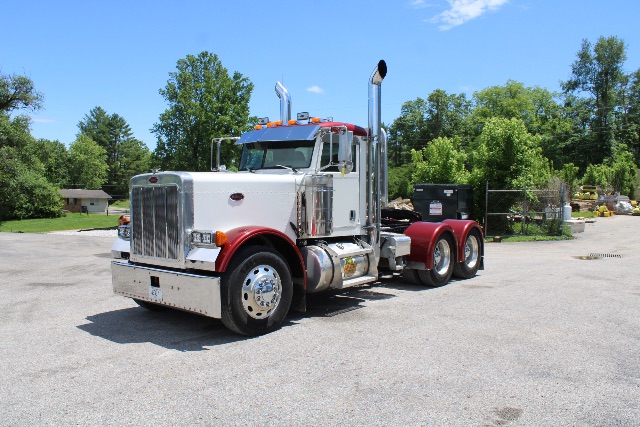
Showing 1 to 24 of 59 results
Have used cab and chassis truck to sell? List it here to reach thousands of buyers.
Used Cab and Chassis Trucks
Powertrain and driveline choices shape performance and lifecycle cost. Diesel dominates in Classes 5 to 8, with Allison 2500 to 3500 series automatics common for PTO work and stop and go duty, and Eaton manual or 8LL style transmissions favored for low speed control in vocational builds. Rear axle ratios around 4.10 to 5.57 suit urban and mixed routes, taller gears favor highway. A 4x2 saves weight and fuel and maximizes payload on paved routes, while 6x4 or locking differentials add traction for jobsite access at the cost of tare and maintenance. Air ride improves driver comfort and protects sensitive cargo, spring or vocational suspensions like Haulmaax, Rubber Block or Chalmers handle off road abuse with fewer air components. Choose air brakes for higher GVWR and trailer compatibility, hydraulic disc or drum for lighter duty simplicity.
Chassis layout affects upfit time and serviceability. Verify PTO provisions, pump mounting room, and aftertreatment clearance for body sills. DEF and DPF packaging on many 2010 and newer units can conflict with outriggers or hoists, so check tank and battery box locations. Tire size dictates ride height and frame height at the rear, with 19.5 inch rubber popular on Class 5 to 6 and 22.5 inch on heavier chassis. Conventional cabs from Freightliner M2, International MV or HV, Kenworth T280 or T380, Peterbilt 536 or 537, Hino 268 to 338, and Ford F-650 to F-750 are common, while low cab forward designs from Isuzu or Hino improve visibility and turning for urban delivery and service bodies. Crew cabs add wheelbase and curb weight but solve seating and tool space needs for utility fleets.
On a used cab and chassis, due diligence avoids expensive rework. Inspect frame rails for unauthorized flange drilling, heat damage, or prior reinforcements, and check for rust scale in the rust belt. Confirm the certification label, GVWR, axle ratings, and any prior wheelbase modifications performed by a qualified frame shop. Review engine service history, DPF cleanings, DEF system repairs, injector and turbo work, and verify PTO hours where fitted since PTO time does not show on the odometer. Measure true CA and wheelbase, check driveline angles after any stretch, and plan for relocation of fuel, DEF, batteries or air tanks to clear body subframes. Align specs with route weight limits, seasonal frost laws, and bridge formula spacing if you will register in strict enforcement states.
Frequently Asked Questions about Used Cab and Chassis Trucks
How do I match cab-to-axle to the body length I need?
Use body builder charts as the final word, then apply common ranges as a guide. Many conventional chassis with an 84 to 96 inch CA accept 10 to 12 foot bodies, 108 to 120 inch CA fit many 14 to 16 foot bodies, and 138 to 144 inch CA often suit 18 to 20 foot builds. Actual fit depends on axle spacing, allowable rear overhang, hitch needs, and where tanks and aftertreatment sit. Always verify against the body manufacturer’s spec sheet and state rear overhang rules.
Can I stretch or shorten the wheelbase on a used cab and chassis?
Yes, but it must be done by a qualified frame shop following the OEM body builder guidelines. A stretch or cut involves relocating crossmembers, extending or shortening the driveline, re plumbing air and brake lines, and recalibrating ABS if axle spacing changes. The vehicle may need a revised certification label, and you must maintain frame RBM and avoid flange drilling that weakens the rail. Recheck turning radius and axle weight distribution before you upfit.
Should I choose 4x2 or 6x4 for my application?
A 4x2 maximizes payload and fuel economy, has fewer components to maintain, and works well for paved routes and lighter vocational work. A 6x4 adds traction and stability for dumps, cranes, utility and construction work on unimproved sites, but it increases tare weight, tire and brake costs, and complexity. Locking differentials or a 6x2 with liftable axle can be a middle ground where legal and appropriate.
What brake system is best on a medium duty cab and chassis?
Air brakes support higher GVWR, integrate easily with air trailer brakes, and offer features like air accessories and spring parking brakes. Hydraulic brakes are lighter and simpler on Class 4 to 6 chassis, often with lower acquisition and maintenance cost. Consider your GVWR, trailer plans, technician skill set, and state licensing rules. Drivers may need to test in a vehicle with air brakes to avoid an air brake restriction on the CDL.
What should I inspect on a used cab and chassis before upfitting?
Confirm the GVWR and axle ratings match your payload target, measure CA and wheelbase, and check that the frame rails are straight and undamaged. Look over aftertreatment components for leaks and excessive regeneration history, inspect PTOs and hydraulic pumps for wear, review maintenance records, and test all electrical body builder circuits. Check corrosion in crossmembers and spring hangers, tire and brake condition, and plan for relocation of fuel, DEF, batteries or air tanks to accommodate the body you intend to install.