
Used Cab and Chassis Trucks For Sale in Georgia
Browse used cab and chassis trucks in Georgia. Compare wheelbase, GVWR, cab-to-axle, engine, transmission, and upfit-ready frame specs.
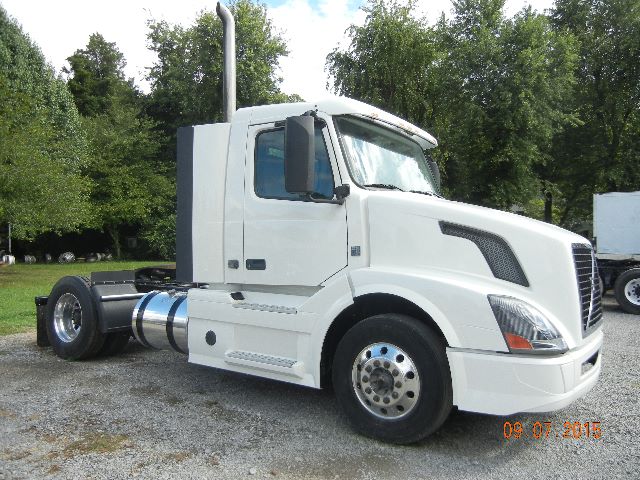
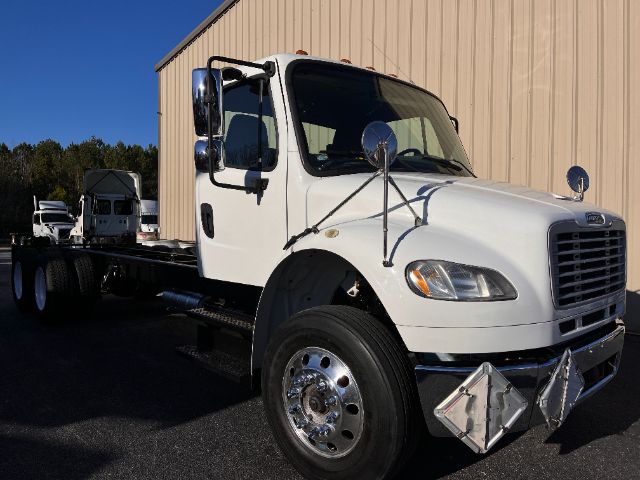

Have used cab and chassis truck to sell? List it here to reach thousands of buyers.
Used Cab and Chassis Trucks in Georgia
The most important buying decisions are usually frame length, cab-to-axle measurement, wheelbase, GVWR, and rear axle ratio. Those dimensions determine what body can be mounted and how the truck will balance once equipped. Buyers should also confirm single-axle versus tandem-axle layout, suspension type, PTO compatibility, and whether the frame has already been drilled, stretched, or modified for a prior application. On used units, pay close attention to frame condition, corrosion, crossmember integrity, and any signs of hard vocational service. If the truck will carry a crane, dump body, or heavy service body, front axle capacity and available frame reinforcement matter as much as engine horsepower.
Powertrain choices on used cab and chassis trucks range from medium-duty diesel platforms like the Freightliner M2 with Cummins and Allison combinations to heavier Class 8 chassis from brands such as Peterbilt, Kenworth, Volvo, and Freightliner. In this category, you may see automatic and manual transmissions, air ride or spring suspension, day cabs, and occasional sleeper-based chassis that have been repurposed for training or specialty work. Georgia buyers often look for trucks that can handle regional routes, municipal work, construction support, and utility service with dependable cooling systems and strong brake performance in hot weather and stop-and-go operation.
A good used cab and chassis truck should be evaluated as both a truck and an upfit platform. Verify engine hours if available, not just odometer miles. Check for active fault codes, emissions system history, tire wear patterns, driveline vibration, and steering play. Measure the usable frame from the back of cab to end of frame, and confirm that axle placement matches the body manufacturer's requirements. If a truck already has air lines, electrical provisions, PTO controls, or prior body mounting hardware, that can shorten upfit time, but only if the layout matches the intended application. The right chassis saves money after purchase because it reduces fabrication changes, downtime, and weight-distribution problems once the body is installed.
Frequently Asked Questions about Used Cab and Chassis Trucks in Georgia
What is a cab and chassis truck used for?
A cab and chassis truck is an incomplete truck with the cab, drivetrain, front axle, and rear frame rails in place, but without a permanent body installed. It is used as the foundation for vocational upfits such as dump bodies, utility bodies, box vans, flatbeds, tow bodies, stake beds, and service trucks. Buyers choose this configuration when they need a truck built around a specific application rather than a pre-bodied unit.
What measurements matter most when buying a used cab and chassis truck?
The most critical measurements are cab-to-axle, cab-to-end-of-frame, wheelbase, axle ratings, and overall GVWR. These dimensions determine what body length can be installed and whether the finished truck will meet weight distribution and bridge requirements. Buyers should also confirm rear frame height, frame width, and any existing modifications because these details affect body mounting, driveshaft geometry, and PTO or hydraulic installation.
Is a used cab and chassis truck a good choice for an upfit?
Yes, if the chassis matches the intended body and has a sound frame, correct axle capacity, and a compatible powertrain. A used chassis can lower total acquisition cost, but only when it does not require major frame changes, suspension upgrades, or electrical rework. The best candidates are trucks with clean frame rails, documented maintenance, and specifications that closely match the body manufacturer's installation requirements.
What should buyers inspect on a used cab and chassis truck in Georgia?
Buyers in Georgia should inspect cooling system condition, brake performance, tire wear, suspension wear, and frame condition, especially on trucks that may have seen municipal, utility, or construction use. Rust is often less severe than in northern states, but corrosion can still appear around crossmembers, body mounts, air tanks, and electrical connections. It is also smart to check A/C operation, engine derate history, and emissions system health because regional heat and stop-and-go duty can expose weaknesses quickly.
Can a tractor be converted into a cab and chassis truck?
In some cases, yes, but the conversion must be evaluated carefully. A former road tractor may need frame modification, axle repositioning, suspension changes, wiring work, and body-mount preparation before it becomes a practical vocational chassis. Buyers should verify that the finished dimensions, weight ratings, and frame strength will support the intended body, because a converted tractor does not automatically fit the same roles as a factory cab and chassis truck.