
Used Volvo Cab and Chassis Trucks For Sale
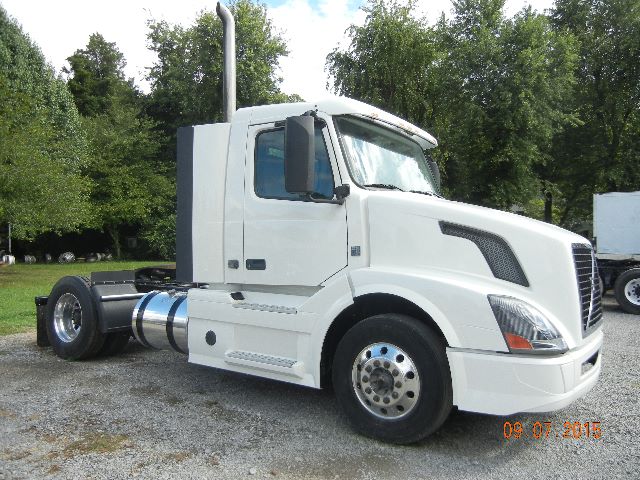
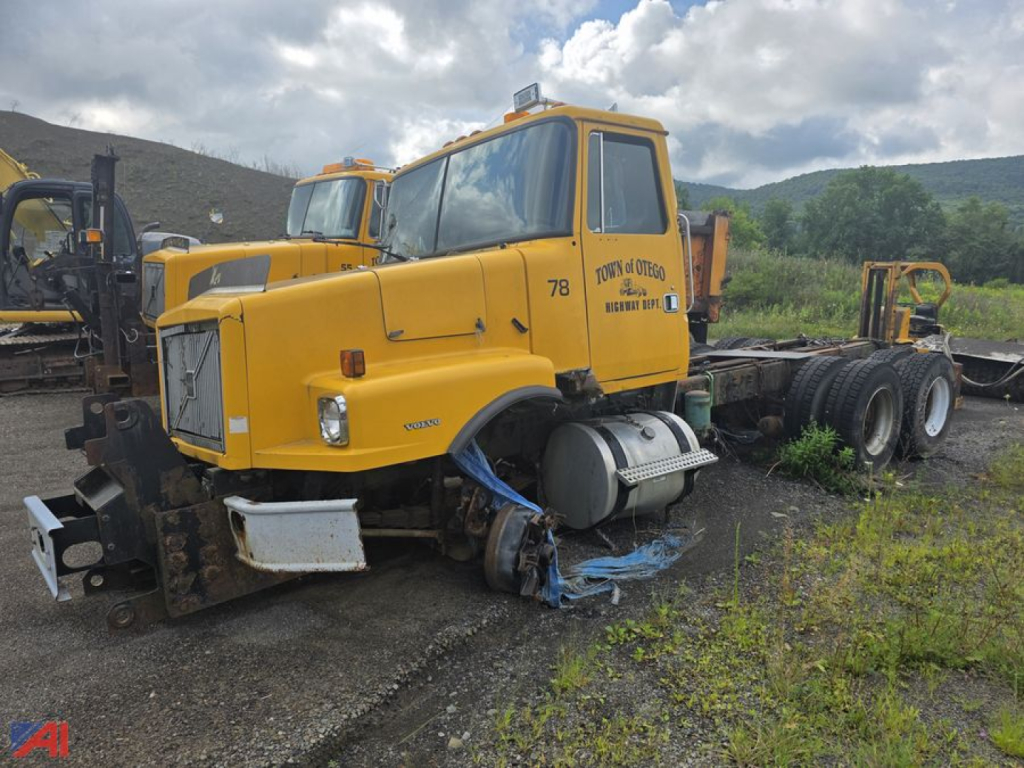

Have used volvo cab and chassis truck to sell? List it here to reach thousands of buyers.
Used Volvo Cab and Chassis Trucks
Volvo powertrains are known for torque delivery and drivability. The D11 and D13 engines dominate this segment with broad torque bands, engine-brake performance via VEB, and SCR emissions with DEF. Many units run the I-Shift automated manual, including vocational calibrations with creeper gears for startability and slow-speed control. Allison automatics and traditional manuals appear on certain builds, often preferred for high stop-start or plow work. Verify rear axle ratios and differential locks for your route profile. Disc brakes shorten stops and improve fade resistance while drums can lower replacement cost; both are common on these chassis with stability control and ABS widely spec’d. Transmission or engine-mounted PTOs are typical, and the Volvo body builder module simplifies PTO speed control and interlocks.
Chassis layouts vary from 4x2 City P&D to 6x4 vocational tandems with 40k to 46k rears and 12k to 20k steer axles. Set-back front axles improve maneuverability and weight distribution, while set-forward fronts aid bridge compliance on certain dump and mixer specs. Suspension choice is a trade-off: air ride protects cargo and drivers, walking beam and T-Ride style suspensions deliver articulation and durability off-pavement, and rubber block vocational systems balance both. Lift axles and tag or pusher configurations are common for states that reward axle count. Pay attention to steering gear capacity and wheel cut if frequent alley deliveries or tight jobsites are expected.
Volvo cabs emphasize visibility, ergonomics and safety with high-strength steel cab structures, available side airbags and clean sightlines. For used buyers, hours and idle time matter as much as miles. Review aftertreatment history, DPF ash load and forced-regens, inspect frames for previous body-mount holes or cracks near suspension hangers, and confirm CA/CT against your planned body length and overhang. Check wiring harness integrity for upfit tie-ins, confirm PTO provisions, and verify fuel and DEF tank placement will not conflict with outriggers, hoist towers or liftgates. A clean service record from a Volvo Certified Uptime Center is a plus and can reduce surprises during your upfit timeline.
Frequently Asked Questions about Used Volvo Cab and Chassis Trucks
Which Volvo models are commonly found as cab-and-chassis platforms?
The Volvo VHD is the most common vocational cab-and-chassis, especially in 6x4 configurations for dump, roll-off, plow and crane bodies. The VNR 300 and older VNM daycabs are frequently used for van, reefer, flatbed and tanker bodies, where lighter weight and tighter turning are priorities. You can also find straight-truck builds based on VNL daycabs in lighter-duty applications, but VHD and VNR dominate the category.
How do I match wheelbase, CA and CT to the body I plan to install?
Start with your body builder’s mounting guide. The critical dimensions are CA (cab-to-axle) and CT (cab-to-tandem). These determine where the body, axle centerline and rear overhang will land. For example, a 24-foot van body typically needs a long CA to avoid excessive rear overhang and to keep axle loads legal. Verify fuel tank, battery box, exhaust and DEF locations do not interfere with hoists, liftgates, outriggers or underbody boxes. Aim for proper weight distribution with the center of gravity forward of the rear axle centerline, and confirm turning clearance between tires and body corners.
Does Volvo’s I-Shift work well with PTO-driven equipment?
Yes. Many Volvo cab-and-chassis trucks are built with transmission-mounted or engine-mounted PTOs, and the I-Shift supports stationary PTO modes, programmable engine speed control and interlocks through the body builder module. Vocational I-Shift calibrations with crawler gears help with slow-speed work and heavy starts. Some buyers still prefer Allison automatics for frequent stop-start refuse or plow routes, but I-Shift has proven reliable for dumps, tankers, service cranes and vacuum bodies when configured correctly.
What GVWR and axle ratings should I expect on used Volvo cab-and-chassis trucks?
You will commonly see GVWRs from 26,000 lb up to 66,000 lb and higher on heavy vocational builds. Steer axles range from 12,000 to 20,000 lb, while drive tandems are typically 40,000 to 46,000 lb. Lift axles are often added to meet state bridge requirements and to increase legal payload. Match ratings to your heaviest loaded scenario and consider frame RBM, suspension capacity and brake spec to ensure balanced performance.
What should I inspect on a used chassis before committing to an upfit?
Review engine and aftertreatment data, including DPF ash load, DEF system faults and regen frequency. Inspect frame rails for corrosion, prior drill holes and any signs of cracking near crossmembers, suspension hangers and PTO openings. Confirm CA/CT and rear frame length suit your body, and check placement of tanks, batteries and exhaust for conflicts. Test PTO engagement, verify differential locks and axle ratio for your route, and evaluate suspension bushings, brakes and tires. A pre-purchase inspection at a Volvo service location can validate software calibrations and body builder module settings.