
Used Cab and Chassis Trucks For Sale in Tennessee
Browse used cab and chassis trucks in Tennessee. Compare GVWR, wheelbase, axle setup, PTO readiness, and upfit potential by application.
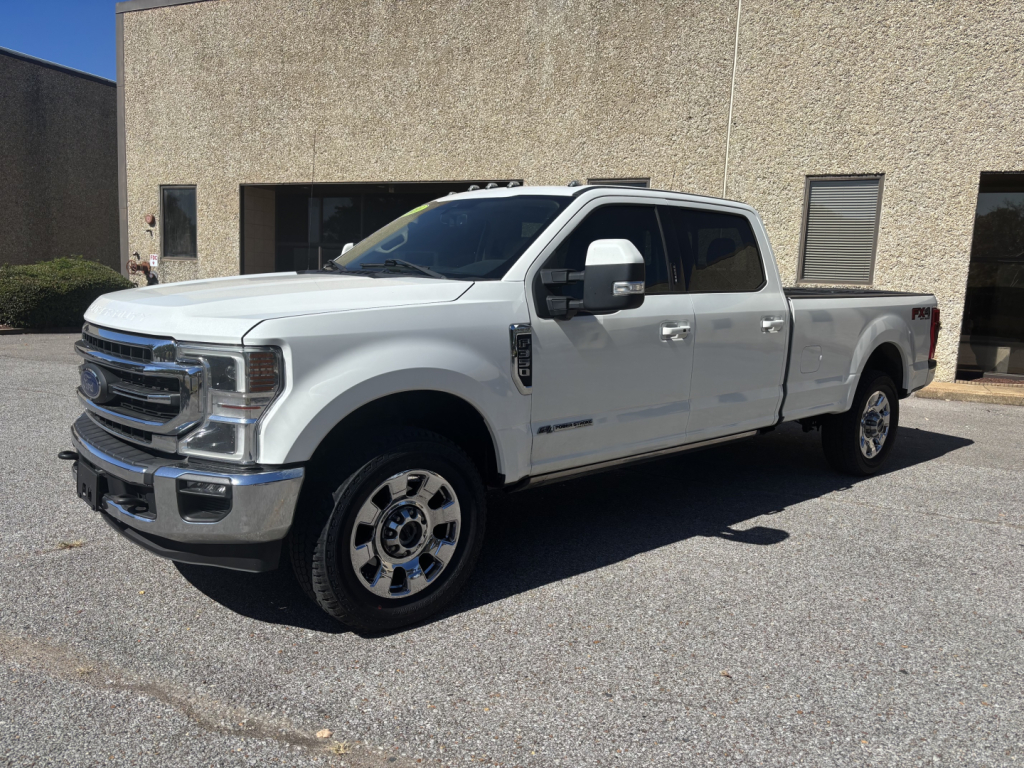
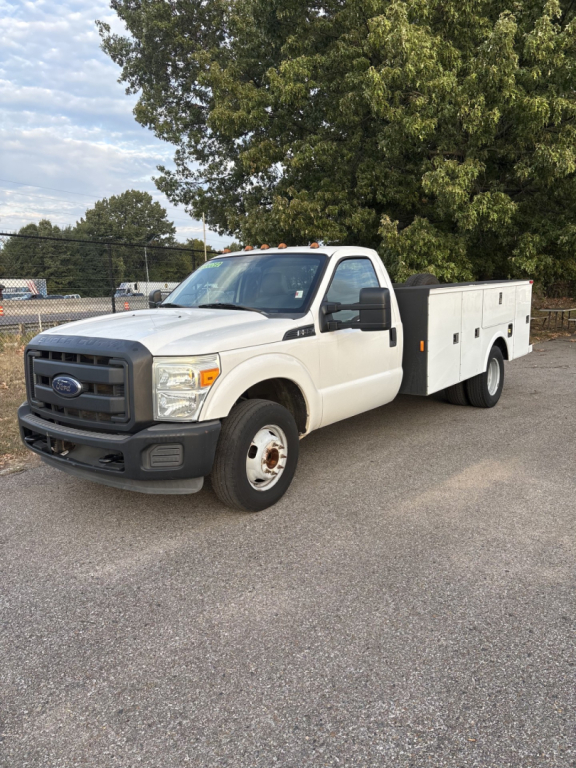
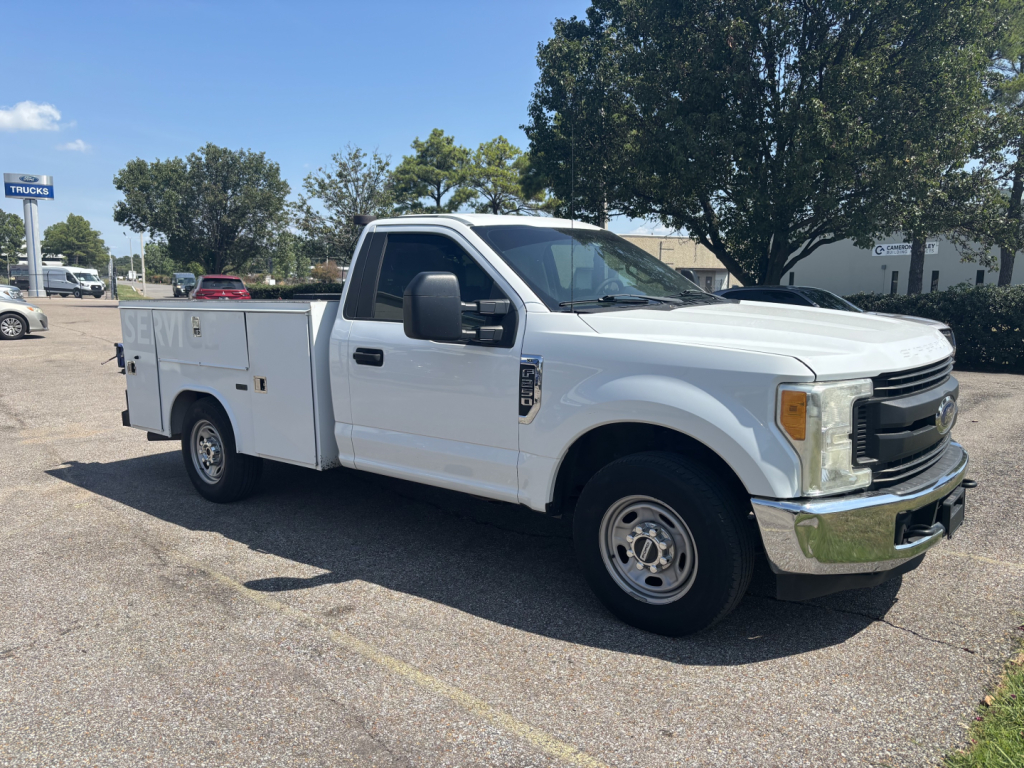
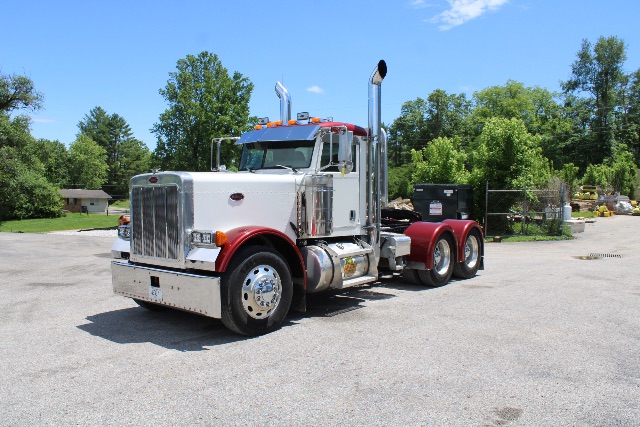

Selling a used cab and chassis truck? List your used cab and chassis truck for sale and reach thousands of commercial buyers.
Used Cab and Chassis Trucks in Tennessee
On used cab and chassis trucks, buyers should pay close attention to frame condition, cab-to-axle measurement, frame rail spacing, and any signs of prior upfit removal. A truck may have the right engine and transmission, but still be a poor fit if the wheelbase is wrong for the body length you need or if the frame has extra holes, corrosion, or modifications that complicate installation. Medium-duty models such as Ford F-350 through F-750, Ram 3500 through 5500, Chevrolet Silverado MD, International CV, and Freightliner M2 are common for local delivery, utility, and contractor applications. Heavy-duty cab and chassis trucks from Kenworth, Peterbilt, Mack, Western Star, and International are more common when the end use calls for a dump body, heavy wrecker, crane, or other severe-service upfit.
Powertrain choice depends on application more than badge preference. Diesel engines remain the standard for towing, PTO-driven equipment, and higher daily mileages, while gas engines can still make sense in lighter-duty local service where upfront cost and simpler emissions service are priorities. Automatic transmissions dominate many municipal and vocational specs, but manual transmissions still appear in older heavy-duty chassis and can be desirable in certain severe-duty roles. Check axle ratios, suspension type, brake setup, and PTO provisions early. If the truck is intended for a hydraulic dump, compressor, blower, or crane package, transmission compatibility and PTO access matter as much as horsepower. On used units, emission system history, idle hours, maintenance records, and evidence of overload wear can tell you more than odometer mileage alone.
A good used cab and chassis truck should match the body builder's requirements without forcing expensive fabrication. Verify front axle capacity, rear GAWR, tire size, and available payload after the body is installed. In Tennessee, buyers also tend to weigh turning radius, bridge and jobsite access, and CDL implications depending on final GVWR. A single-axle chassis may be the right answer for maneuverability and lower operating cost, while a tandem setup can be the better choice for heavier payloads and more demanding vocational work. The strongest candidates are the trucks with clear service history, straight frames, correct dimensional specs, and a chassis layout that supports the upfit with minimal rework.
Frequently Asked Questions about Used Cab and Chassis Trucks in Tennessee
What should I check first on a used cab and chassis truck?
Start with GVWR, cab-to-axle measurement, wheelbase, and axle configuration. Those dimensions determine what body can be installed and how the completed truck will balance weight. After that, inspect frame condition, rear suspension, axle ratings, and any evidence that a previous body was removed. A used chassis can look serviceable but still create major upfit problems if the frame has been altered, corroded, or drilled excessively.
What is the difference between a pickup cab and chassis and a medium or heavy-duty cab and chassis truck?
A pickup-based cab and chassis, such as an F-350, Ram 3500, or similar model, is typically used for service bodies, small dumps, flatbeds, and lighter vocational work. Medium and heavy-duty cab and chassis trucks are built for larger bodies, higher payloads, and more demanding daily use. They usually offer stronger frame rails, higher axle capacities, more PTO options, and chassis layouts better suited for commercial body installation.
Why does cab-to-axle measurement matter on a cab and chassis truck?
Cab-to-axle measurement is one of the most important dimensions in body fitment. It affects where the body sits on the frame, how weight is distributed, and whether the finished truck will meet length and balance requirements. If the cab-to-axle dimension is wrong, the body may not mount correctly without costly frame changes or custom fabrication. Body builders often spec this measurement before any other chassis dimension.
Are diesel engines always better for a used cab and chassis truck?
Diesel engines are usually preferred for heavier payloads, towing, PTO-driven accessories, and higher annual mileage. They also tend to deliver better low-end torque for vocational work. Gas engines can still be a practical choice in lighter-duty local applications where purchase price, maintenance simplicity, and reduced emissions-system complexity are more important than maximum torque. The better option depends on the body type, route profile, and how the truck will be worked each day.
What makes a used cab and chassis truck a good candidate for upfitting?
The best upfit candidates have a straight, unmodified frame, compatible wheelbase and cab-to-axle dimensions, proper axle ratings, and a drivetrain that supports the intended body and PTO needs. Clear maintenance records, working electrical systems, and minimal rust also matter because body installation often depends on predictable chassis condition. A truck that already matches the body builder's dimensional requirements usually costs less to finish than one that needs fabrication or structural correction.