
Used 2006 Cab and Chassis Trucks For Sale
Browse used 2006 cab and chassis trucks for sale. Compare wheelbases, axle ratings, engine options, and upfit potential for vocational work.

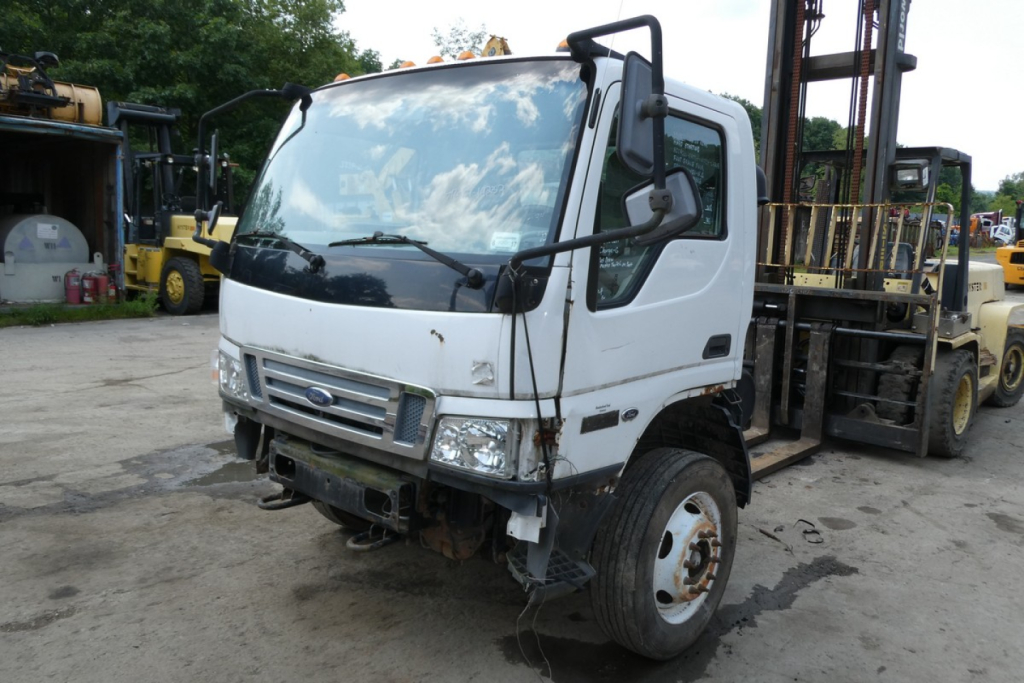

Looking for the easiest place to sell your used 2006 cab and chassis truck? List it here to reach thousands of buyers.
Used 2006 Cab and Chassis Trucks
For this model year, buyers will commonly see medium-duty and heavy-duty conventional platforms from builders such as Freightliner, Kenworth, Peterbilt, International, Sterling, Mack, and Volvo. Specifications vary widely. Some 2006 cab and chassis trucks are single-axle units suited for local delivery or lighter vocational work, while others are tandem-axle trucks designed for heavier bodies and higher gross vehicle weight ratings. Engine choices in this era often include Caterpillar, Cummins, Detroit Diesel, Mercedes-Benz, or International diesels paired with manual, automated, or fully automatic transmissions. Pre-2010 emissions equipment is a major draw for many buyers because these trucks are generally simpler than later diesel platforms, but condition matters more than model year alone. Service records, blow-by, cooling system health, injector performance, and transmission operation all deserve close attention.
Upfit readiness is where a 2006 chassis cab either makes sense or becomes expensive. Check for frame modifications, previous body removal quality, PTO provision, hydraulic plumbing, crossmember condition, and any signs of corrosion around spring hangers, suspension mounts, or rear frame kick-up areas. If the truck will carry a dump body or heavy service body, verify front axle capacity, rear suspension type, and remaining legal payload after the body and equipment are installed. If the truck is intended for a box, reefer, or stake bed, cab-to-axle and overall wheelbase become critical because they determine body length and weight distribution. Electrical compatibility also matters, especially on older units that may have been rewired for prior vocational use.
A well-matched used 2006 cab and chassis truck can still be a cost-effective option for municipal fleets, contractors, utility work, agriculture, and regional vocational service. Buyers usually get the best result by treating it as a chassis specification purchase, not just a truck purchase. Measure the frame, confirm the VIN and axle ratings, inspect for hard-use damage, and make sure the engine, transmission, suspension, and PTO options support the job the finished truck needs to do. In this category, the right fit usually comes from dimensional accuracy and mechanical condition more than brand alone.
Frequently Asked Questions about Used 2006 Cab and Chassis Trucks
What is a cab and chassis truck?
A cab and chassis truck is a truck sold with the cab, engine, drivetrain, and frame rails in place, but without a permanent body installed from the factory. It is designed to accept vocational upfits such as flatbeds, dump bodies, utility bodies, box bodies, wreckers, tankers, and service bodies. Buyers choose this configuration when they need a truck built around a specific job rather than a standard tractor or straight truck layout.
What should I check first on a used 2006 cab and chassis truck?
Start with the chassis dimensions and weight ratings. Confirm the wheelbase, cab-to-axle measurement, frame rail condition, front and rear axle ratings, suspension specification, and GVWR. After that, inspect engine health, transmission operation, brake system condition, and any evidence of prior frame drilling, welding, or body removal. On a 2006 model, rust, wiring quality, and previous vocational use often matter as much as mileage.
Are 2006 cab and chassis trucks good for upfitting?
They can be, especially if the frame is straight, the axle ratings fit the intended application, and the truck has the right PTO and transmission setup for hydraulic equipment. Many buyers target 2006 trucks because they are from an earlier emissions era and can be less complex than later diesel models. The key is making sure the truck's dimensions and mechanical specification match the body you plan to install, since correcting a poor chassis match can cost more than expected.
How do I know what body length will fit a 2006 chassis cab?
The most important measurement is cab-to-axle, often shortened to CA. That dimension, along with overall wheelbase and rear overhang requirements, determines what body length will fit correctly and still maintain proper weight distribution. Body manufacturers publish recommended CA ranges for flatbeds, dump bodies, van bodies, and service bodies, so buyers should compare the truck's actual measurements against the intended upfit before purchase.
What engines are common in used 2006 cab and chassis trucks?
Common engines in this model year include Cummins ISB, ISC, ISL, and ISX variants, Caterpillar engines such as the C7, C9, C13, or 3406 family in some heavy-duty applications, Detroit Diesel Series 60 or MBE platforms, and certain International diesel engines depending on make and class. The best choice depends on truck class, parts support in your region, and the duty cycle the truck will run. Maintenance history and current mechanical condition are usually more important than the badge on the valve cover.