
Used Peterbilt Cab and Chassis Trucks For Sale
Browse used Peterbilt cab and chassis trucks built for body upfit, vocational work, towing, dump, service, and specialty commercial applications.
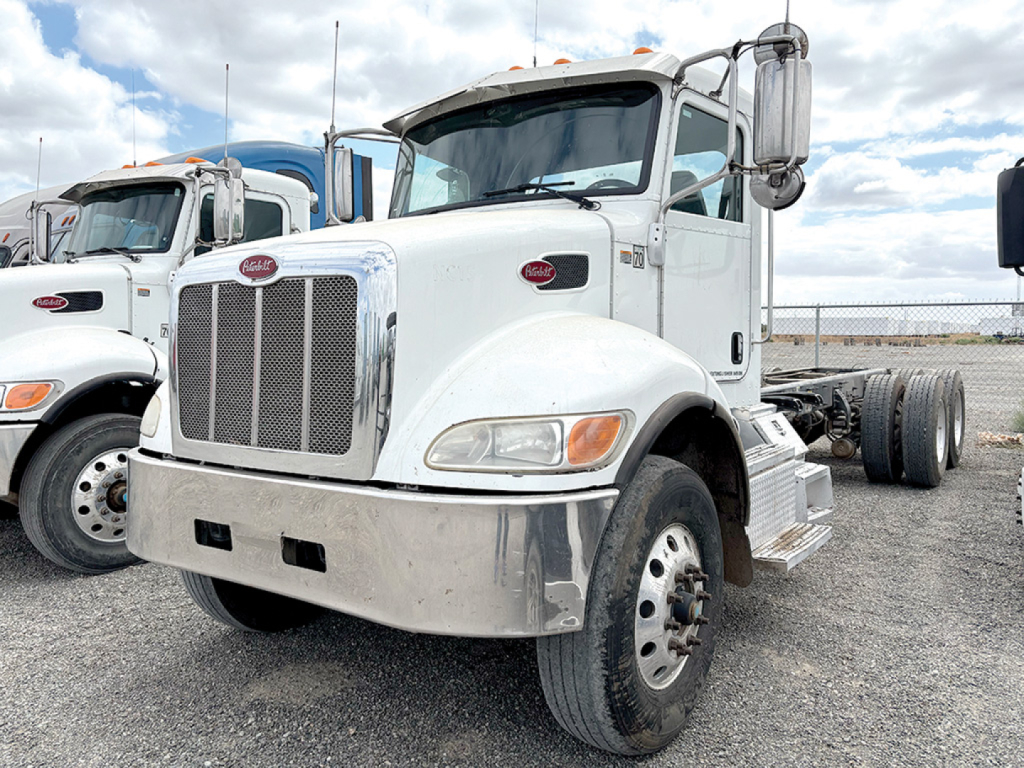
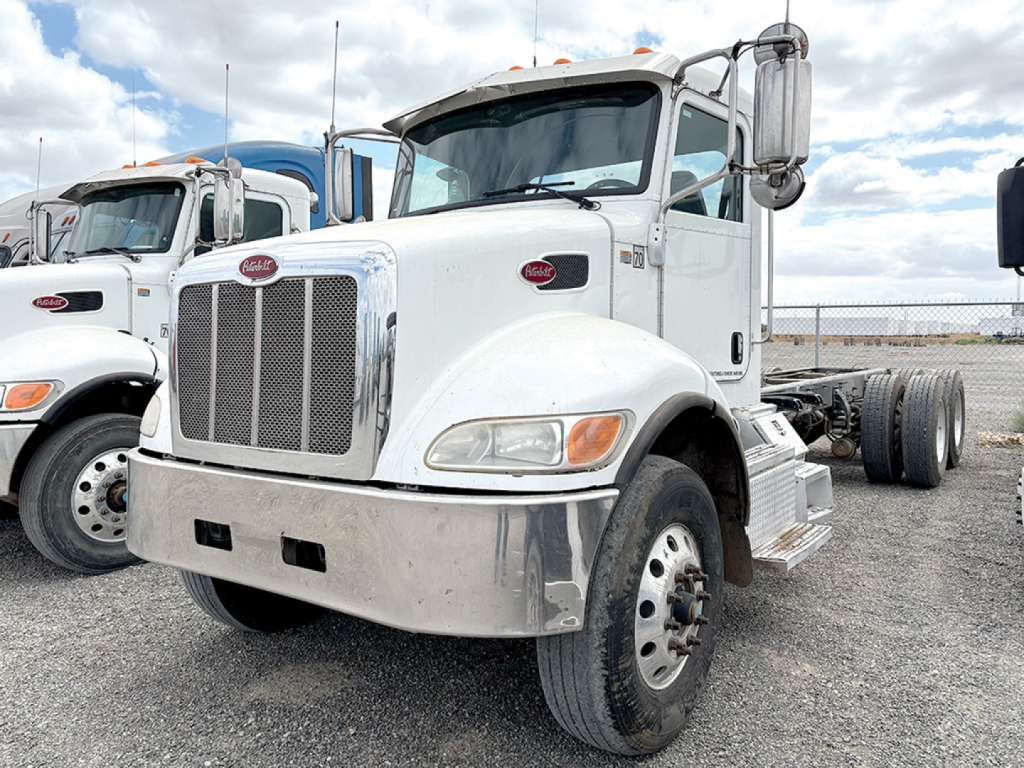
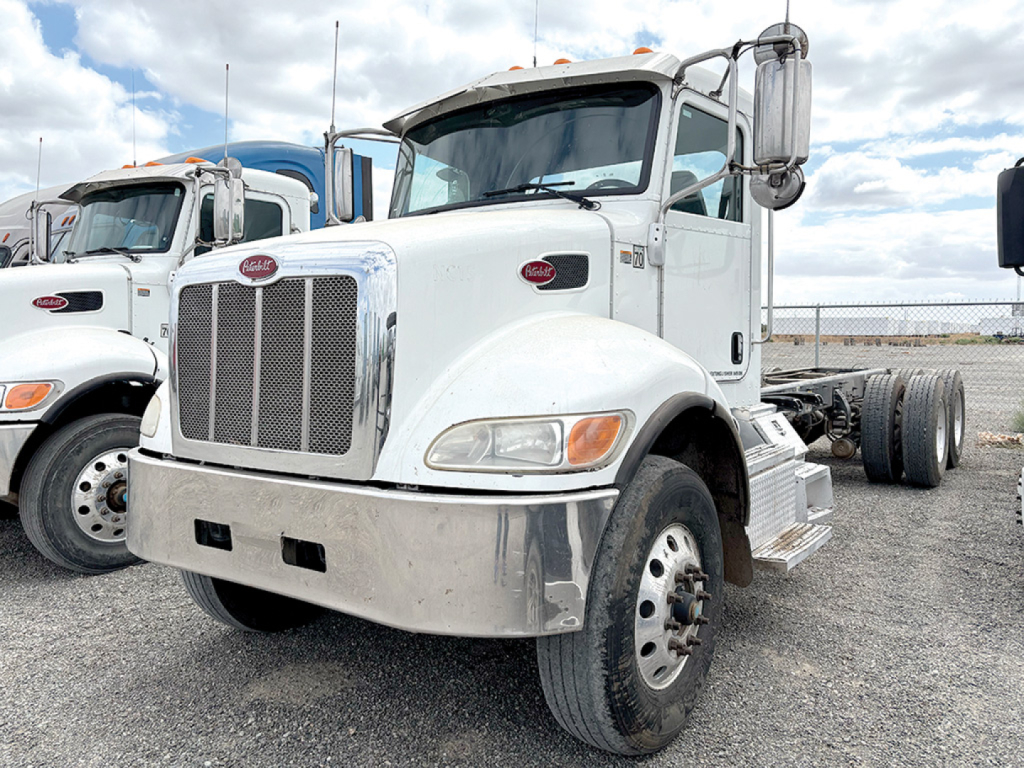
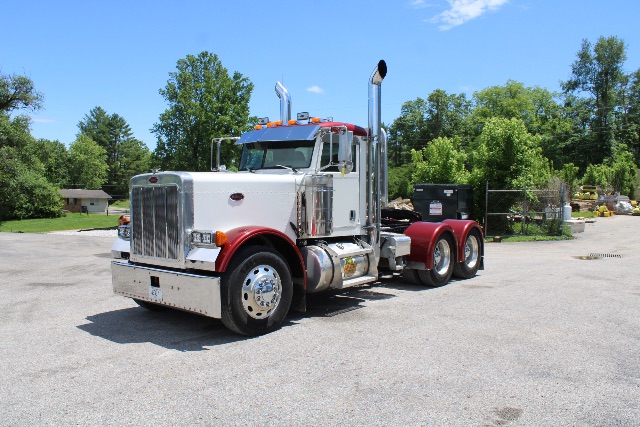
Looking for the easiest place to sell your used peterbilt cab and chassis truck? List it here to reach thousands of buyers.
Used Peterbilt Cab and Chassis Trucks
Peterbilt cab and chassis trucks are known for conventional long-hood layouts, durable frames, and broad spec flexibility. On older pre-emissions or early emissions-era trucks, common powertrain combinations include Caterpillar, Cummins, or PACCAR diesel engines paired with Eaton Fuller manual transmissions, with 10-speed setups being especially common. Rear axle ratios, suspension type, and wheelbase matter because they directly affect launch, PTO performance, bridge compliance, and body fitment. A 202-inch wheelbase, for example, may suit one upfit while being too short or too long for another. If the truck is being used for a PTO-driven body, confirm transmission PTO openings, engine idle management, and any existing hydraulic plumbing.
Condition matters differently on a used cab and chassis than on a road tractor. Frame integrity, corrosion around spring hangers and crossmembers, previous body mounting holes, and signs of frame modification deserve close inspection. On emissions-equipped Peterbilts, pay attention to DPF, DOC, SCR, and regeneration history, especially on municipal or low-speed duty cycles where soot loading can become a recurring issue. Engine hours can be as important as miles on former utility or government trucks. A lower-mile unit that spent years idling with PTO equipment may have more wear in some systems than an over-the-road chassis with higher odometer readings.
A good used Peterbilt cab and chassis can save substantial upfit time if the specs already line up with the body you plan to install. Verify gross vehicle weight rating, axle spacing, frame rail dimensions, suspension capacity, fuel tank placement, exhaust routing, and electrical provisions before purchase. If a truck will carry a roll-off, crane, or heavy service body, check for double-frame reinforcement, pusher or tag axle compatibility, and local weight-law considerations. Buyers who match the truck to the body and duty cycle up front usually get better service life, easier body installation, and fewer expensive changes after delivery.
Frequently Asked Questions about Used Peterbilt Cab and Chassis Trucks
What is a Peterbilt cab and chassis truck used for?
A Peterbilt cab and chassis truck is a bare chassis with a cab that is designed to receive a vocational or specialty body. Common applications include dump bodies, flatbeds, mechanics trucks, utility bodies, tank bodies, wreckers, rollbacks, hooklifts, and municipal equipment. The right use depends on axle ratings, wheelbase, frame strength, and PTO compatibility rather than just engine size or model number.
What should I check first on a used Peterbilt cab and chassis?
Start with the dimensions and ratings that affect body installation. Confirm wheelbase, cab-to-axle, cab-to-end-of-frame, front axle rating, rear axle rating, and GVWR. After that, inspect the frame rails for cracks, rust, extra drill holes, weld repairs, and signs of prior upfit removal. On used units, these chassis details usually matter more than cosmetic condition because they determine whether the truck can accept the body you need without expensive rework.
Are older Peterbilt cab and chassis trucks a good choice for vocational work?
They can be, especially when the truck has the right frame and axle specifications for the intended job. Older Peterbilt models are often attractive because of simpler electronics, proven manual transmissions, and easier serviceability in some fleets. The tradeoff is that age, emissions generation, and prior vocational use can create hidden costs in suspension, wiring, PTO equipment, and frame condition. A thorough inspection is important before purchase.
How important are engine hours on a used cab and chassis truck?
Engine hours are very important, particularly on former municipal, utility, and PTO-driven trucks. A chassis can show moderate mileage but still have high idle time from stationary work. High hours can affect engine wear, aftertreatment performance, cooling system life, and PTO-related components. When evaluating a used Peterbilt cab and chassis, compare miles, hours, maintenance records, and the truck's prior application to get a more accurate picture of remaining service life.
Do I need to consider emissions equipment on a used Peterbilt cab and chassis?
Yes. On used diesel Peterbilt trucks, the emissions system can be a major ownership factor. DPF, DOC, EGR, and SCR components should be evaluated along with regeneration history, fault codes, and recent repairs. Trucks used in low-speed stop-and-go service often place more stress on aftertreatment systems than highway tractors. If the chassis will return to similar duty, make sure the emissions package is healthy and appropriate for that operating profile.