
Used 1999 Cab and Chassis Trucks For Sale
Shop used 1999 cab and chassis trucks for body upfits, service work, delivery, utility, towing, and vocational applications.
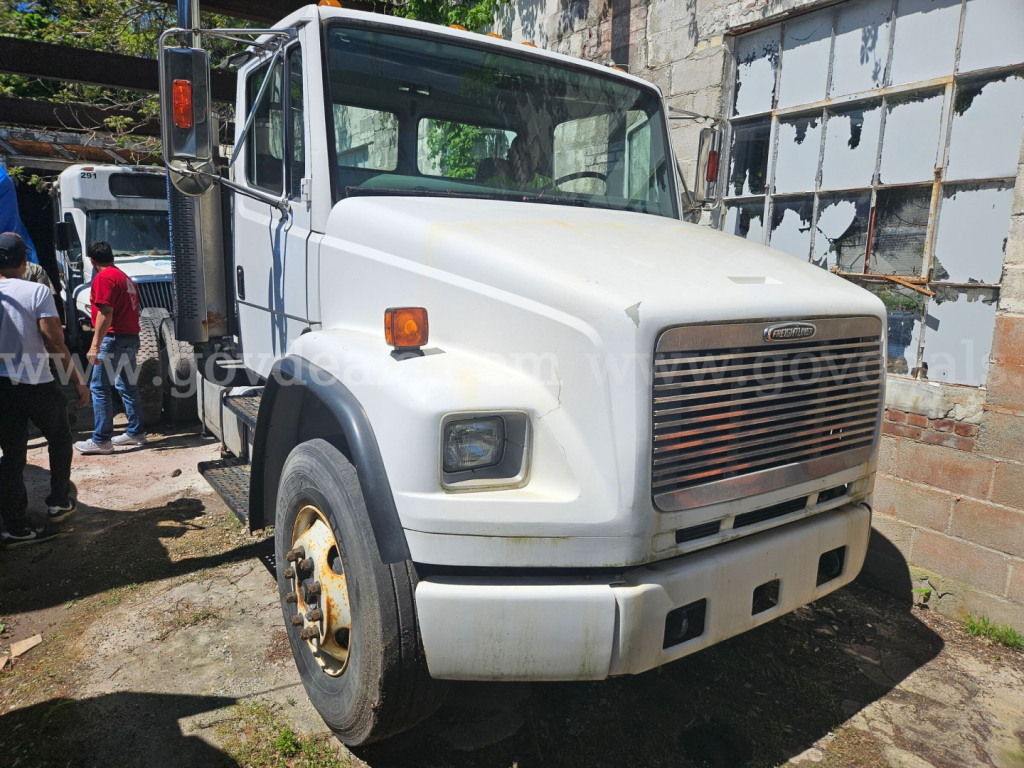
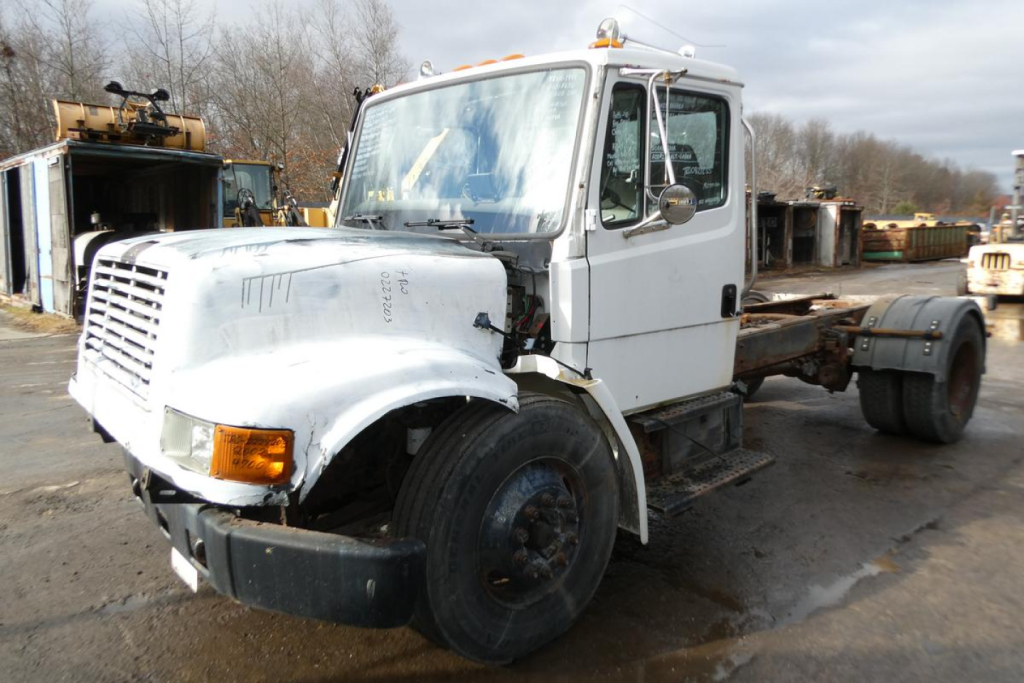
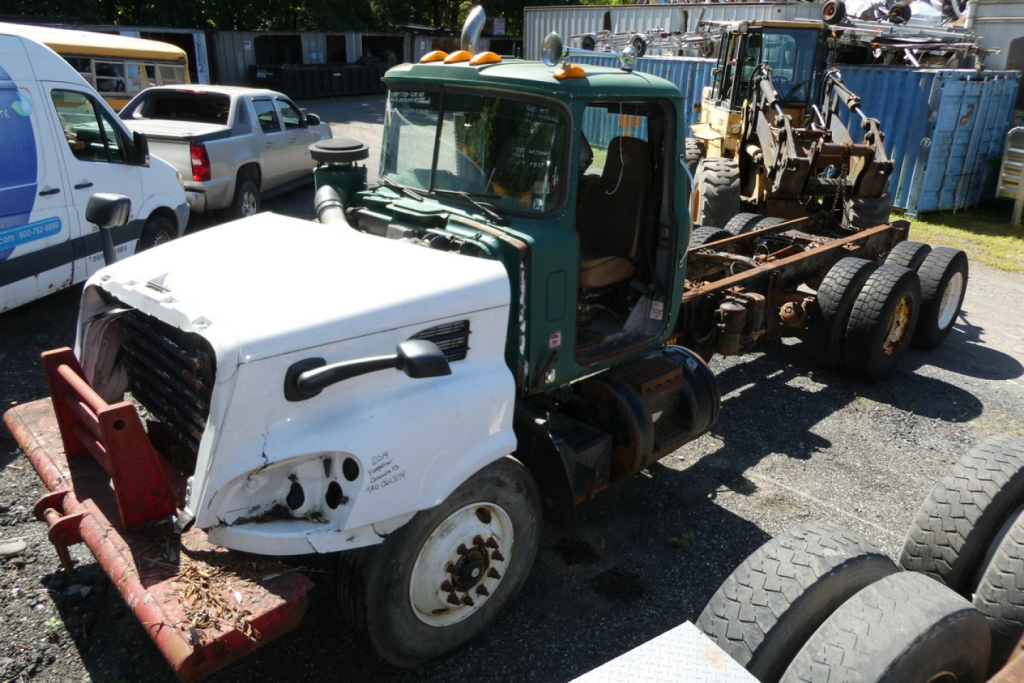
Looking for the easiest place to sell your used 1999 cab and chassis truck? List it here to reach thousands of buyers.
Used 1999 Cab and Chassis Trucks
The 1999 model year covers a wide range of configurations, from lighter Class 3 to Class 5 cab and chassis trucks up through medium-duty Class 6 and Class 7 platforms. Common gas and diesel engines from that era vary widely in durability, power delivery, and parts support, so engine and transmission pairing matters more than badge alone. Many buyers in this age group are focused on proven mechanical drivetrains, simpler emissions-free engines, and lower acquisition cost versus newer chassis. That can make a 1999 cab and chassis appealing for farm use, municipal work, construction support, landscape fleets, or regional delivery where uptime and ease of repair matter more than late-model electronics.
Frame condition is usually the biggest separator between a workable 1999 chassis and an expensive project. Check for corrosion around spring hangers, rear kick-up sections, crossmembers, fuel tank mounts, and steering components. Confirm GVWR, front and rear GAWR, brake type, tire size, and rear axle ratio before matching the truck to an intended body and payload. If the truck already has PTO capability, hydraulic plumbing, or vocational switches in place, that can save meaningful upfit time and cost. Cab condition also matters on older units, especially floor rust, door bottoms, HVAC performance, seat base wear, and instrument function.
For many buyers, the value in a used 1999 cab and chassis truck is flexibility. A straight frame and the right cab-to-axle spec can support a wide variety of commercial bodies, and older chassis often remain attractive where annual mileage is moderate and maintenance is handled in-house. The best fit comes from matching the chassis to the body length, payload target, operating terrain, and serviceability needs rather than shopping by price alone. A well-matched 1999 cab and chassis can still be a cost-effective vocational truck if the frame, drivetrain, and suspension are sound.
Frequently Asked Questions about Used 1999 Cab and Chassis Trucks
What should I check first on a used 1999 cab and chassis truck?
Start with the frame and dimensions. Cab-to-axle length, wheelbase, frame rail condition, and axle ratings determine whether the truck can accept the body you need. On a 1999 model, inspect closely for rust, prior frame modifications, cracked crossmembers, suspension wear, brake condition, and signs of hard vocational use. After that, verify the engine, transmission, and PTO compatibility for the intended application.
What can a 1999 cab and chassis truck be used for?
A 1999 cab and chassis truck can be upfitted for many commercial roles, including flatbeds, contractor bodies, utility bodies, dump bodies, box trucks, landscape bodies, tow equipment, and municipal service applications. The right use depends on GVWR, rear axle capacity, wheelbase, and whether the chassis has features such as PTO provision, dual rear wheels, or hydraulic capability. The chassis is the foundation, so the body choice must match the truck’s ratings and dimensions.
Are 1999 cab and chassis trucks a good choice for buyers trying to avoid complex emissions systems?
For many buyers, yes. A 1999 truck typically predates the more complex emissions equipment found on later diesel platforms, which can mean simpler diagnostics and easier maintenance. That said, age becomes the tradeoff. Rubber components, wiring, brake hardware, cooling systems, and suspension parts may all need attention simply due to years in service. The benefit is mechanical simplicity, but condition still matters more than model year alone.
How do I know what body length will fit a 1999 cab and chassis?
The key measurement is cab-to-axle, often called CA, along with overall wheelbase and frame length. Body manufacturers use CA to determine proper body fit, axle placement, and weight distribution. A buyer should also consider rear overhang, fuel tank placement, exhaust routing, and any existing equipment mounted on the frame. Matching the chassis to the body correctly helps avoid clearance issues, poor load balance, and upfit delays.
Is mileage the most important factor on a used 1999 cab and chassis truck?
Mileage matters, but it is rarely the only deciding factor on a truck this age. Maintenance history, engine hours if available, frame condition, drivetrain health, brake system condition, and evidence of proper repairs often tell a more complete story. A lower-mile truck with severe rust or poor upfit modifications can be a worse buy than a higher-mile chassis that has been maintained correctly and kept structurally sound.