
Used 2009 Cab and Chassis Trucks For Sale
Shop used 2009 cab and chassis trucks with buyer-focused details on wheelbase, GVWR, engine, axle setup, and body upfit compatibility.
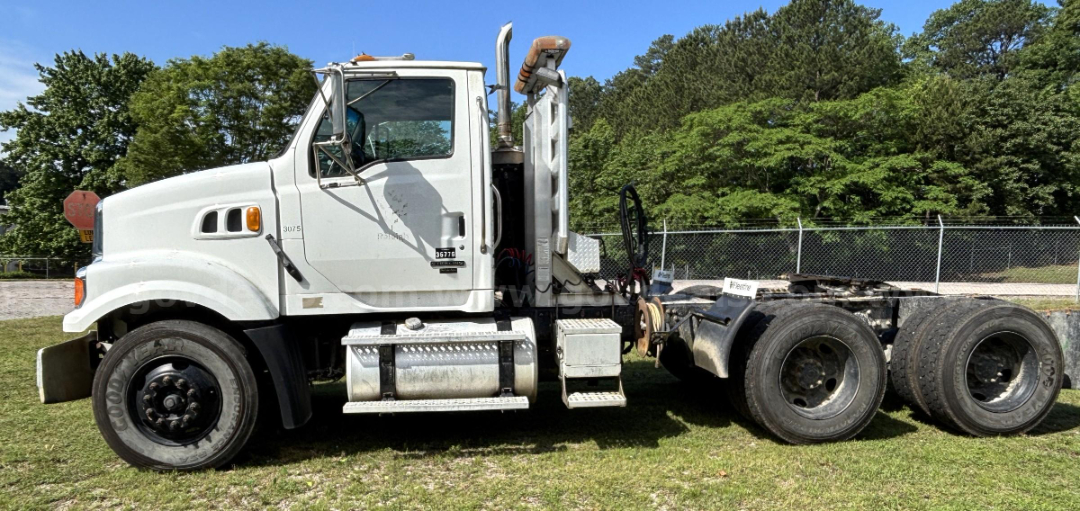
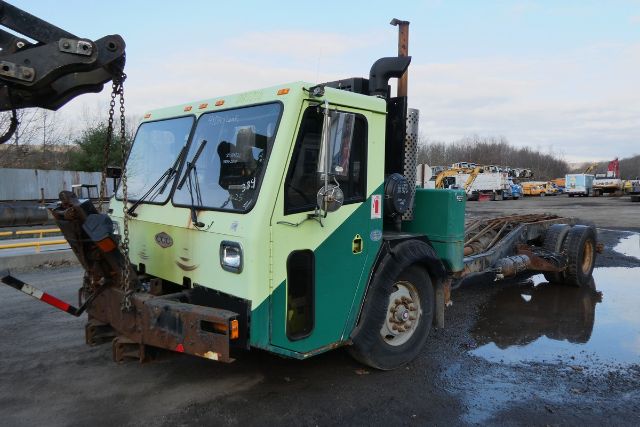
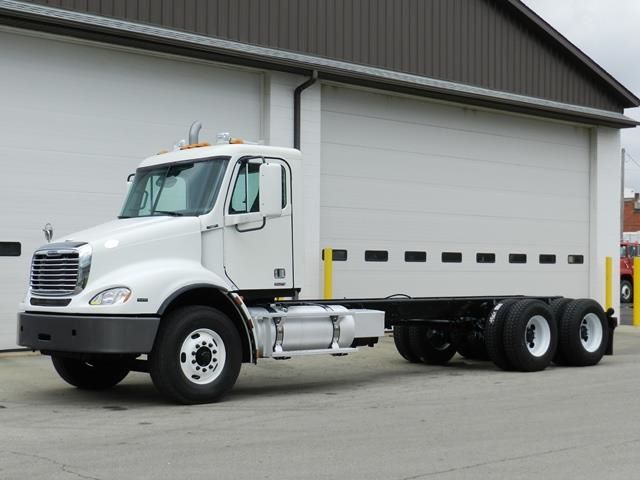
Have used 2009 cab and chassis truck to sell? List it here to reach thousands of buyers.
Used 2009 Cab and Chassis Trucks
This category covers a wide range of chassis types, from medium-duty cab and chassis trucks up to heavy-duty tandem axle conventionals. In the 2009 model year, common platforms include diesel-powered units from Ford, Freightliner, International, Kenworth, Mack, Peterbilt, Sterling, and Volvo. Typical specs vary widely by application, but buyers will usually compare GVWR, single-axle versus tandem-axle layout, rear axle ratio, suspension type, brake system, and transmission choice. Trucks intended for local vocational work may have shorter wheelbases, higher numerical rear ratios, and automatic or automated transmissions, while highway-based chassis often carry longer wheelbases, air ride suspensions, and drivetrain specs better suited to lower cruise rpm.
Emissions equipment matters on any 2009 diesel truck. This model year sits in the era of exhaust aftertreatment, so buyers should inspect DPF service history, regeneration performance, fault codes, turbo response, and overall engine derate history before committing to a chassis. If the truck is being purchased for stationary PTO work or stop-and-go municipal duty, engine idle hours can be just as important as odometer miles. On used cab and chassis trucks, front axle capacity, steering box wear, spring or air suspension condition, driveline vibration, brake lining life, and tire wear patterns can tell you a lot about prior use and alignment health.
The best 2009 cab and chassis truck is the one that matches the body and duty cycle without forcing modifications. A buyer planning a flatbed, landscape body, reefer box, mechanics body, or dump conversion should verify clearances for toolboxes, outriggers, hoists, liftgates, and auxiliary hydraulics before purchase. Also check title status, prior body removal quality, frame corrosion around crossmembers, and electrical integrity at the rear harness. A properly spec'd used cab and chassis can still be a cost-effective platform for regional delivery, construction support, utility work, towing, and municipal service, especially when the dimensions and axle ratings line up with the intended upfit from day one.
Frequently Asked Questions about Used 2009 Cab and Chassis Trucks
What should I measure first on a used 2009 cab and chassis truck?
Start with wheelbase, cab-to-axle, and cab-to-end measurements. Those dimensions determine what body lengths and body styles the chassis can accept. Buyers should also verify axle ratings, frame height, and rear overhang because a truck can have enough overall length but still be wrong for a specific upfit. Accurate measurements reduce the risk of expensive frame extensions, crossmember relocation, or body mounting changes.
Are 2009 cab and chassis trucks affected by diesel emissions issues?
Yes. Many 2009 diesel trucks use DPF-based aftertreatment, so emissions condition is a major buying point. Review service records for forced regens, DPF cleaning or replacement, active fault codes, and any history of derates. A pre-purchase inspection should include a scan for stored codes and a review of engine operating hours, because high idle and PTO use can affect aftertreatment performance even when mileage looks reasonable.
How do I know if a 2009 cab and chassis is suitable for a dump body or service body?
Match the chassis to the finished body weight and the job. For a dump body, pay close attention to frame strength, rear axle rating, suspension type, PTO compatibility, and tire capacity. For a service body, buyers often focus on cab-to-axle length, side-to-side component placement, and whether cranes, compressors, or generators will require hydraulic or electrical provisions. The right choice depends less on make and more on dimensions, ratings, and existing chassis layout.
Is mileage the most important factor on a used cab and chassis truck?
Not by itself. Mileage matters, but application history matters just as much. A lower-mile truck that spent years in severe stop-and-go service, plow work, or heavy PTO operation may have more chassis wear than a higher-mile truck used in steady regional delivery. Frame condition, maintenance history, engine hours, transmission behavior, suspension wear, and brake condition usually tell a more complete story than the odometer alone.
What drivetrain specs matter most when comparing used 2009 cab and chassis trucks?
The main drivetrain decisions are engine horsepower and torque, transmission type, rear axle ratio, axle capacity, and suspension setup. Those specs determine launch performance, cruise speed, gradeability, and how well the truck handles body weight and payload. Buyers should choose gearing and axle ratings based on intended use, because a chassis built for local vocational work is often geared very differently from one intended for regional highway service.