
Used 2018 Cab and Chassis Trucks For Sale
Shop used 2018 cab and chassis trucks with body-ready frames, diesel power, and upfit flexibility for service, dump, box, and utility work.
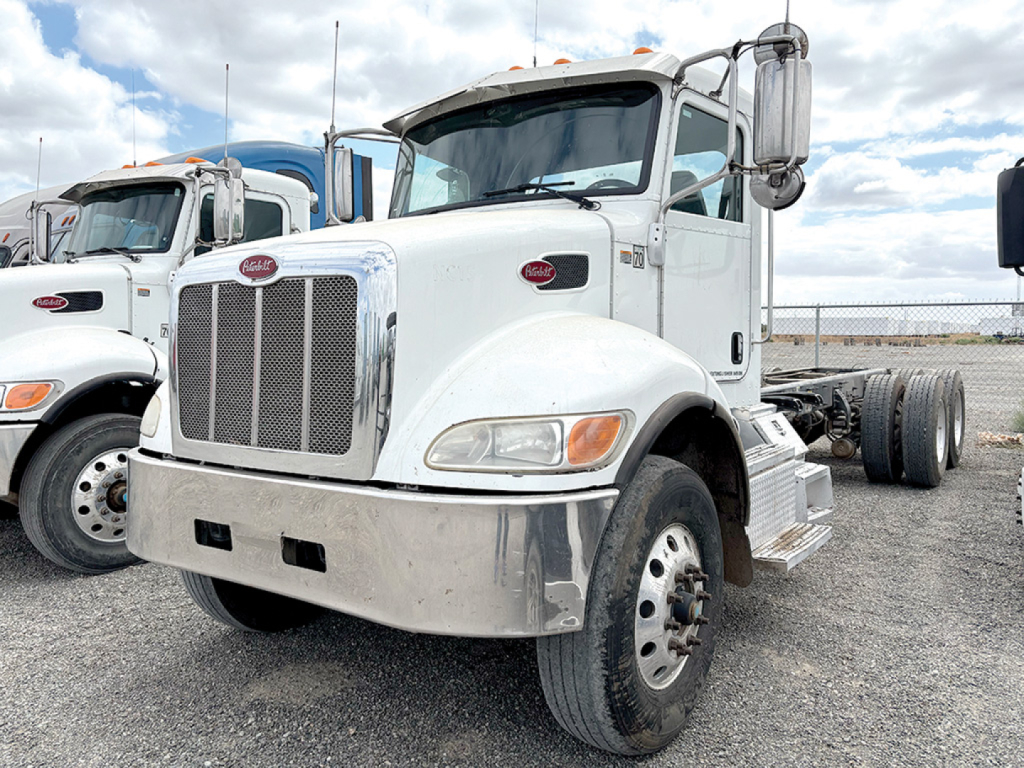
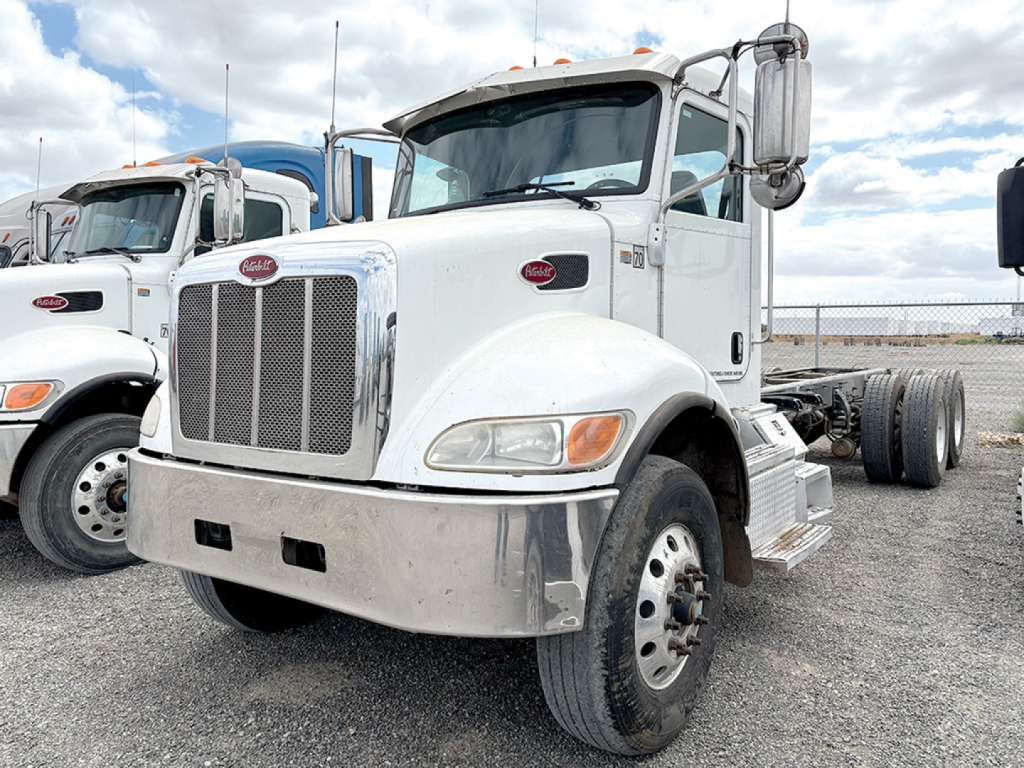
Looking for the easiest place to sell your used 2018 cab and chassis truck? List it here to reach thousands of buyers.
Used 2018 Cab and Chassis Trucks
The first buying decision is usually class, wheelbase, and cab layout. In the lighter end, Class 3 to Class 5 chassis cabs are common for contractors, municipalities, landscapers, and local delivery operations. Class 6 to Class 8 chassis cabs are more typical when the truck will carry heavier bodies, cranes, larger boxes, or vocational equipment. Wheelbase and cab-to-axle measurement matter as much as GVWR because they determine what body length will fit correctly and how weight will distribute across the axles. Buyers should verify rear axle ratings, front GAWR, frame rail dimensions, suspension type, PTO provision, and fuel tank placement before planning an upfit.
Powertrain choices in 2018 used cab and chassis trucks generally include diesel engines paired with automatic transmissions, with some gas-powered options in medium-duty work. Common priorities are torque curve, idle strategy, PTO compatibility, and service access rather than peak horsepower alone. If the truck is intended for stop-and-go work, pay attention to cooling system condition, DEF and aftertreatment history, and hours in addition to miles. If it will carry a permanent body, confirm the frame has not been altered in ways that complicate mounting, and inspect for corrosion, extra drill holes, frame extensions, or prior body removal. A clean upfit platform usually saves more money than a lower purchase price on a truck that needs frame correction.
A well-matched 2018 cab and chassis can serve as a long-term asset because it is adaptable to changing business needs. The same basic truck can be configured for delivery, field service, towing support, municipal work, or regional construction duty depending on axle setup and body choice. Buyers comparing listings should focus on application fit first, then review wheelbase, axle ratio, engine rating, brake type, and overall frame condition to avoid expensive surprises after purchase. In this category, the right measurements and chassis spec usually matter more than badge loyalty alone.
Frequently Asked Questions about Used 2018 Cab and Chassis Trucks
What is a cab and chassis truck used for?
A cab and chassis truck is used as a body-ready platform for vocational and commercial upfits. Common applications include flatbeds, service bodies, utility bodies, dump bodies, box bodies, stake beds, tow equipment, and municipal or contractor builds. The main advantage is flexibility, because the buyer can match the truck to a specific job instead of adapting a pickup bed or van body that was not designed for that workload.
What should I check before buying a used 2018 cab and chassis truck?
Start with cab-to-axle length, wheelbase, GVWR, and axle ratings, because those measurements determine what body can be installed and how well the truck will carry it. Then inspect frame rails for corrosion, cracks, added holes, weld repairs, or extensions that may affect an upfit. Review engine hours, mileage, idle time, transmission operation, PTO provision, suspension condition, and emissions system service records. If a body was previously mounted, confirm the frame is still straight and usable without costly rework.
Why do cab-to-axle and wheelbase matter so much on a chassis cab?
Cab-to-axle and wheelbase control body fit, axle loading, turning radius, and overall drivability. A truck can have the right GVWR and still be a poor fit for the intended body if the measurements are wrong. Incorrect dimensions can create weight balance problems, interfere with toolboxes or outriggers, and limit legal payload. Matching these specs to the planned body length is one of the most important steps in buying a chassis cab.
Are diesel 2018 cab and chassis trucks a good choice for fleet work?
They can be a strong choice for fleets that need torque, towing ability, and durability under heavier vocational use. A 2018 model year often offers mature diesel powertrains with broad parts support and familiar service procedures. The tradeoff is that buyers should pay close attention to DEF, DPF, and overall aftertreatment condition, especially on trucks that spent a lot of time idling or running short routes. Maintenance history matters more than model year alone.
Can a used cab and chassis be re-bodied for a different application?
Yes, many used cab and chassis trucks are re-bodied, but the truck must match the new application in frame length, axle ratings, suspension capacity, and PTO or hydraulic requirements. A chassis that previously carried one body type may still work well for another if the frame is straight and the dimensions are compatible. Before changing applications, buyers should confirm mounting points, body weight, center of gravity, and any electrical or hydraulic integration needed for the new equipment.