
Used 2019 Cab and Chassis Trucks For Sale
Browse used 2019 cab and chassis trucks with key specs, upfit-ready dimensions, GVWR ranges, and vocational applications for fleet buyers.
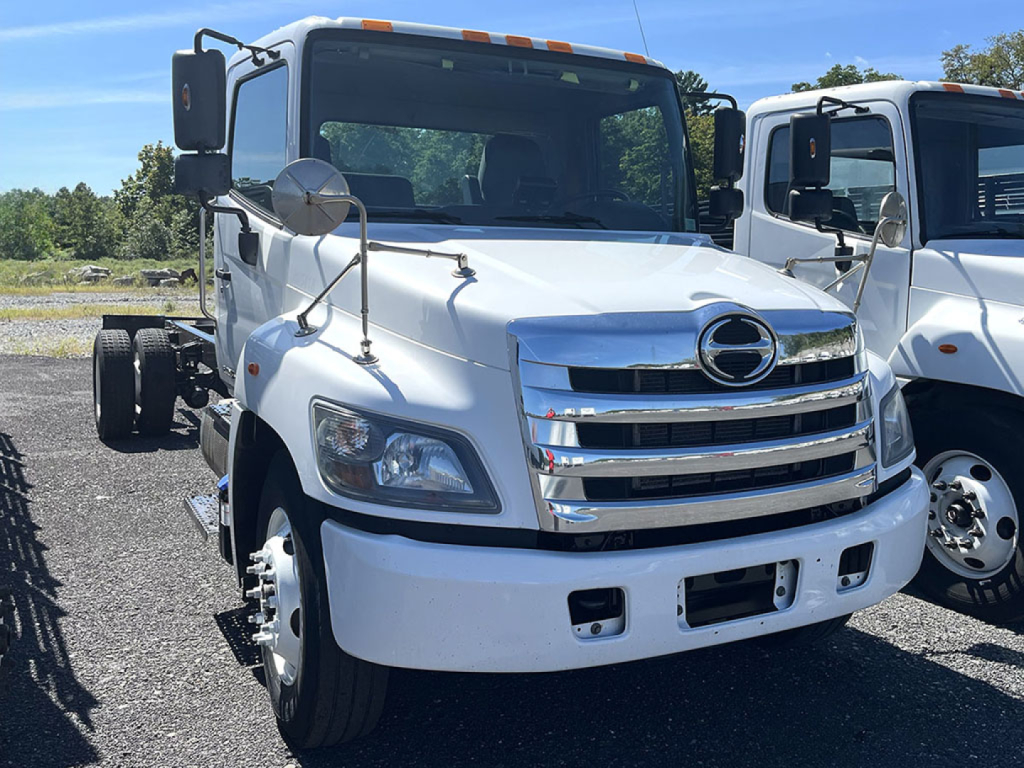
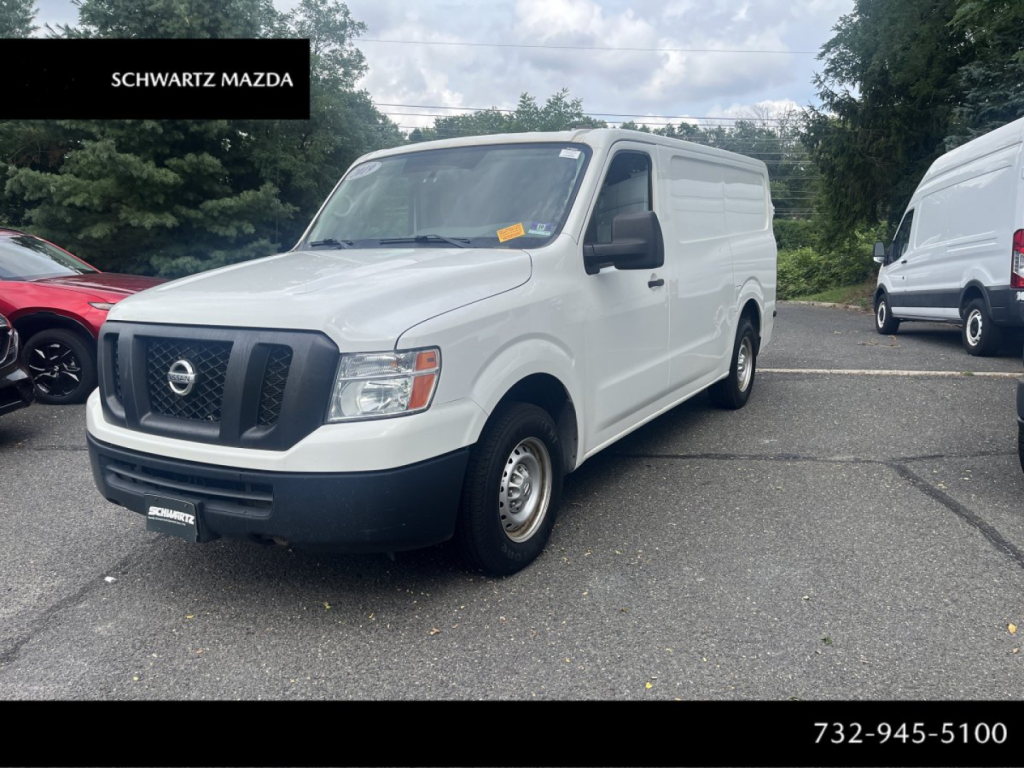

Looking for the easiest place to sell your used 2019 cab and chassis truck? List it here to reach thousands of buyers.
Used 2019 Cab and Chassis Trucks
In the 2019 model year, cab and chassis trucks were commonly offered in Class 3 through Class 8 configurations, depending on the make and intended use. Medium-duty models often show up with diesel engines from Cummins, PACCAR, International, Isuzu, or Hino, paired with Allison automatic transmissions or automated manuals in heavier applications. Buyers should verify front axle rating, rear axle ratio, suspension type, frame section modulus, and PTO compatibility before comparing body options. If the truck is headed into utility, municipal, oilfield, towing, landscaping, or delivery work, details like air brakes versus hydraulic brakes, single rear wheel versus dual rear wheel, and 2WD versus 4x4 can matter as much as horsepower.
Used 2019 cab and chassis trucks can offer a strong balance between emissions-era refinement and vocational flexibility, but condition still needs a close review. Check for frame drilling or modifications from prior upfits, corrosion around body mounting points, electrical additions under the dash, and signs of PTO or hydraulic wear if the truck previously ran a work body. On diesel units, buyers typically look at idle hours, aftertreatment service history, DEF system performance, and whether the truck has complete maintenance records. Tire date codes, brake lining life, suspension wear, and steering component condition also tell you a lot about how the chassis was used.
A good cab and chassis match reduces upfit cost and keeps the finished truck legal on axle weights without sacrificing payload. For many buyers, the smartest comparison is not just price or mileage, but how closely the existing chassis dimensions match the body you plan to install. If the application requires a 9-foot utility body, a 12-foot flatbed, or a dump package with hoist and toolbox clearance, the right 2019 chassis will save fabrication time and avoid compromises in turning radius, load distribution, and driveline geometry.
Frequently Asked Questions about Used 2019 Cab and Chassis Trucks
What is a cab and chassis truck?
A cab and chassis truck is a truck sold with the cab, drivetrain, and bare frame rails, but without a permanently installed rear body. It is designed to be upfitted for a specific job such as a flatbed, service body, dump body, box, rollback, or utility body. Buyers choose this type of truck when they need a chassis that matches a particular body length, payload requirement, and vocational setup.
What specs matter most when buying a used 2019 cab and chassis truck?
The most important specs are wheelbase, cab-to-axle measurement, GVWR, front and rear axle ratings, suspension type, brake system, and powertrain configuration. Those numbers determine what kind of body will fit, how much the truck can legally carry, and whether it can support PTO-driven equipment. Buyers should also confirm frame condition, rear axle ratio, and any upfit-related wiring or hydraulic provisions already on the truck.
How do I know what body length will fit a 2019 cab and chassis?
Body fitment usually starts with the cab-to-axle measurement, then moves to wheelbase and rear overhang requirements. Upfitters use these dimensions to match the chassis to common body lengths such as service bodies, flatbeds, dumps, or van bodies. A mismatch can create poor weight distribution, clearance problems, or extra fabrication cost, so body plans should be compared to the truck's exact chassis dimensions before purchase.
Is a used 2019 cab and chassis truck a good choice for vocational work?
A 2019 model can be a strong choice because it is modern enough to offer current safety, drivetrain, and emissions features while still giving buyers a wide range of used pricing and upfit options. The key is application fit and service history. A well-maintained chassis with the correct axle ratings, transmission, and frame layout is often more valuable than a lower-priced truck that needs major rework before it can accept the intended body.
What should I inspect on a used cab and chassis before adding an upfit?
Inspect the frame rails for rust, cracks, prior welding, and non-factory drilling, especially near mounting points and suspension hangers. Review the electrical system for aftermarket splices, check PTO provisions if hydraulic equipment is planned, and inspect brakes, tires, suspension, steering, and driveline components. On diesel trucks, maintenance records, engine hours, and emissions system history are especially important because those factors can affect reliability and total upfit cost.