
2019 Commercial Trucks For Sale
Browse 2019 trucks for sale, including sleeper, day cab, vocational, medium-duty, and pickup-based work trucks with modern emissions and safety tech.
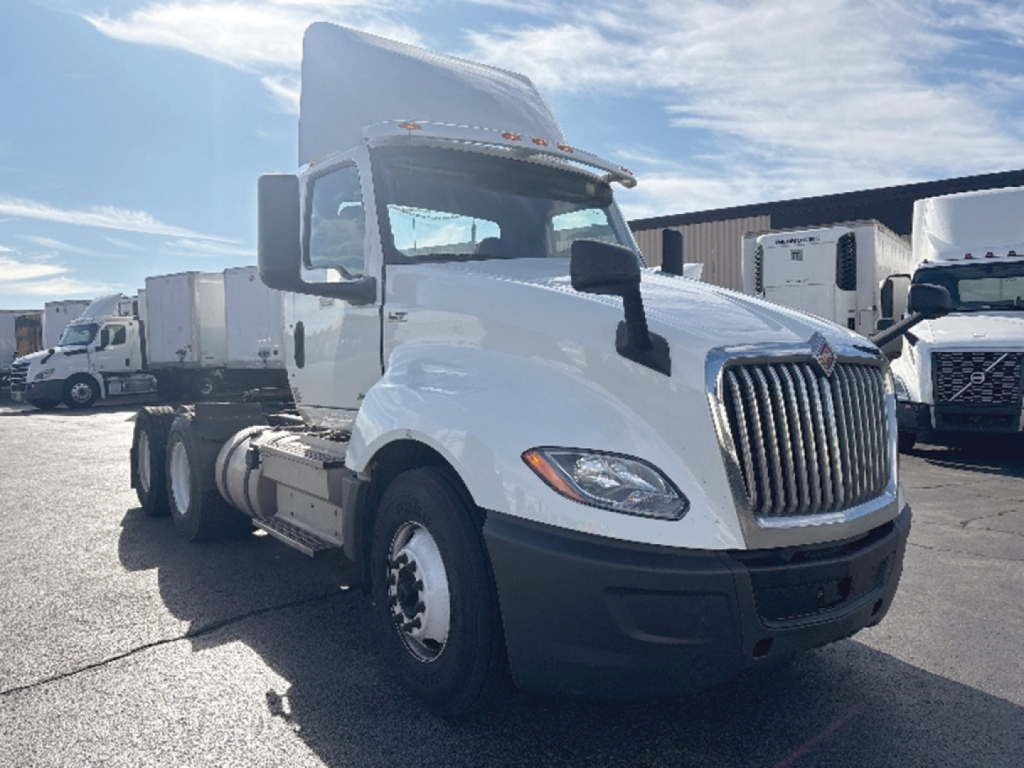
2019 International LT625
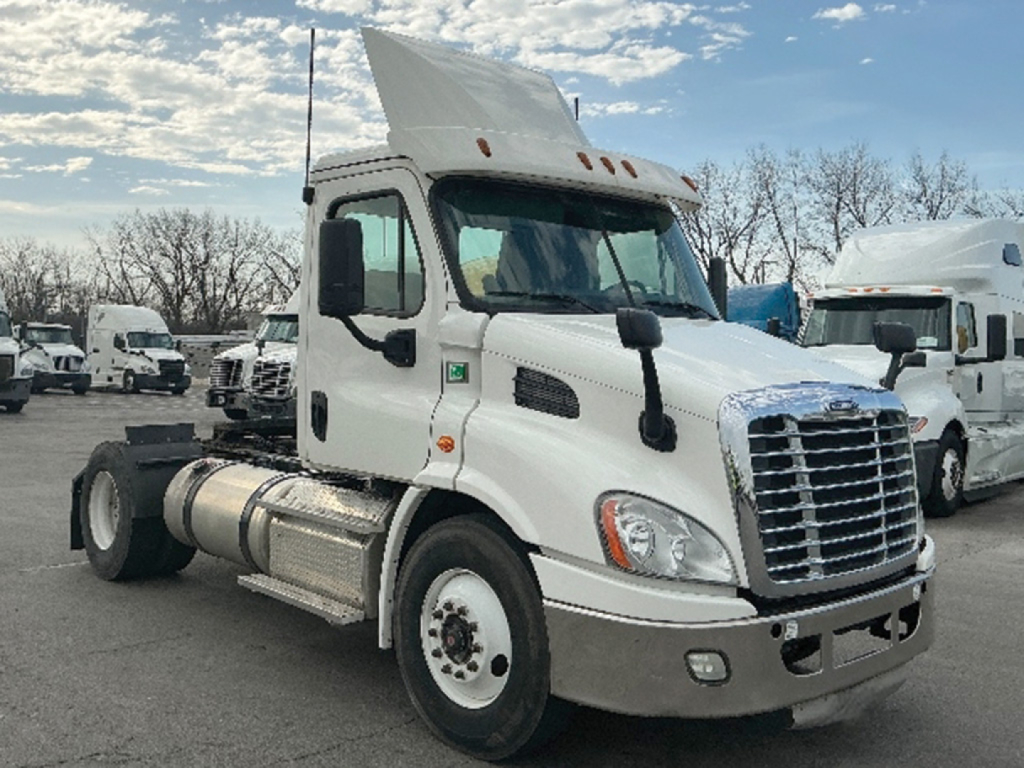
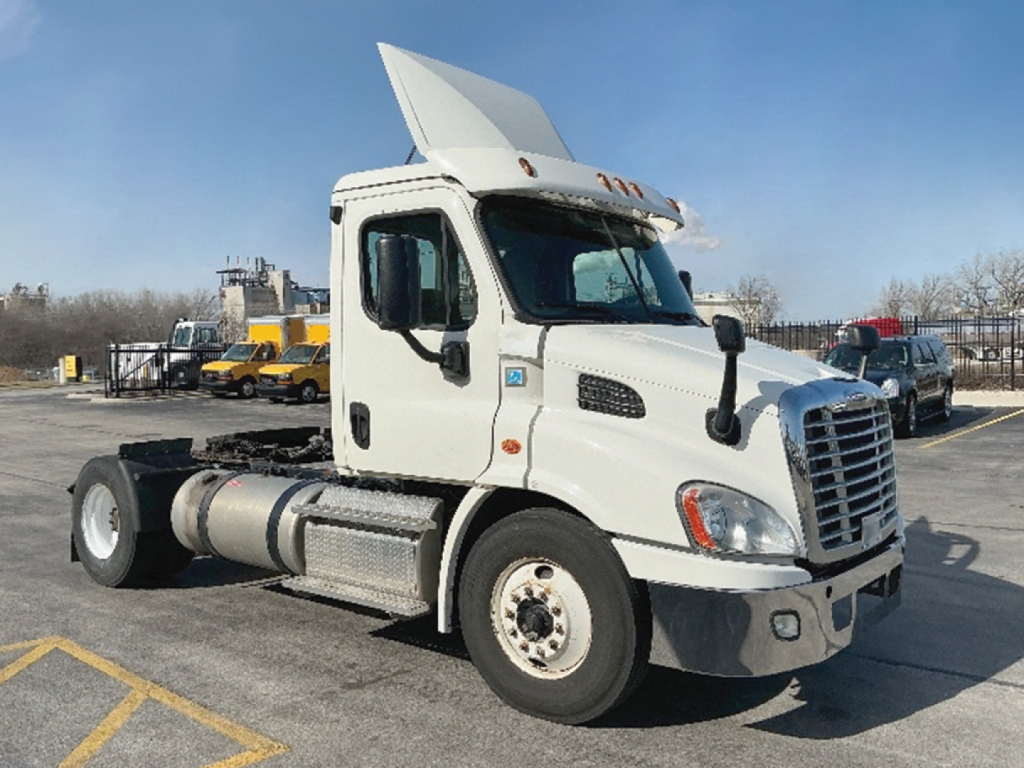
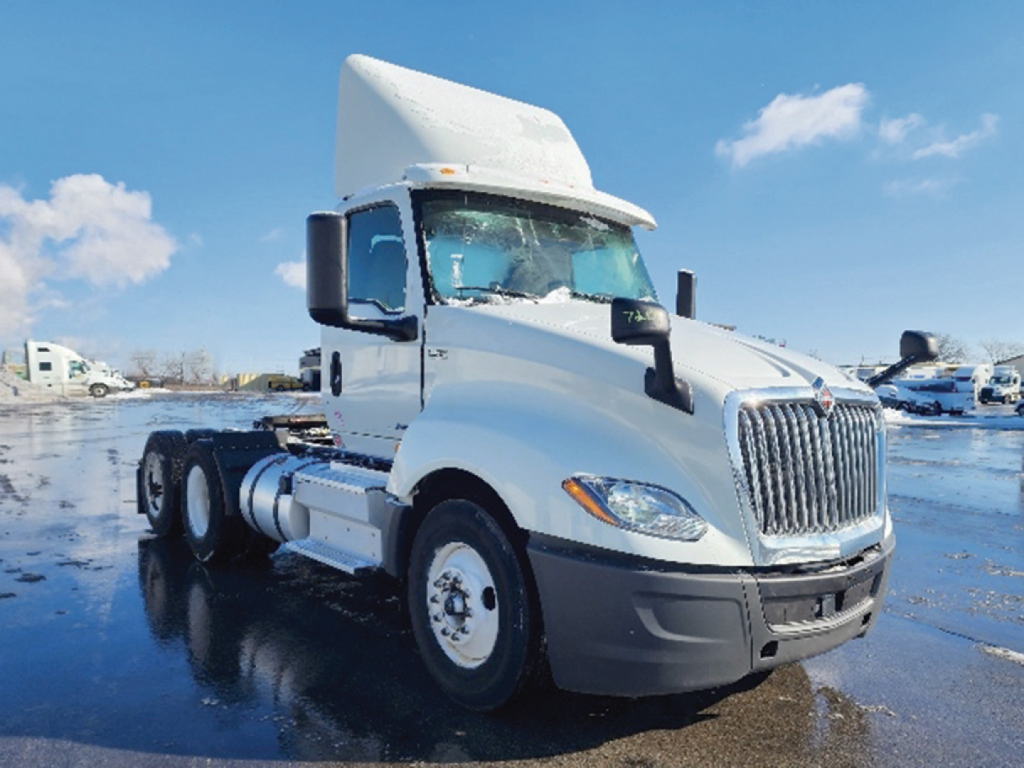
2019 International LT625
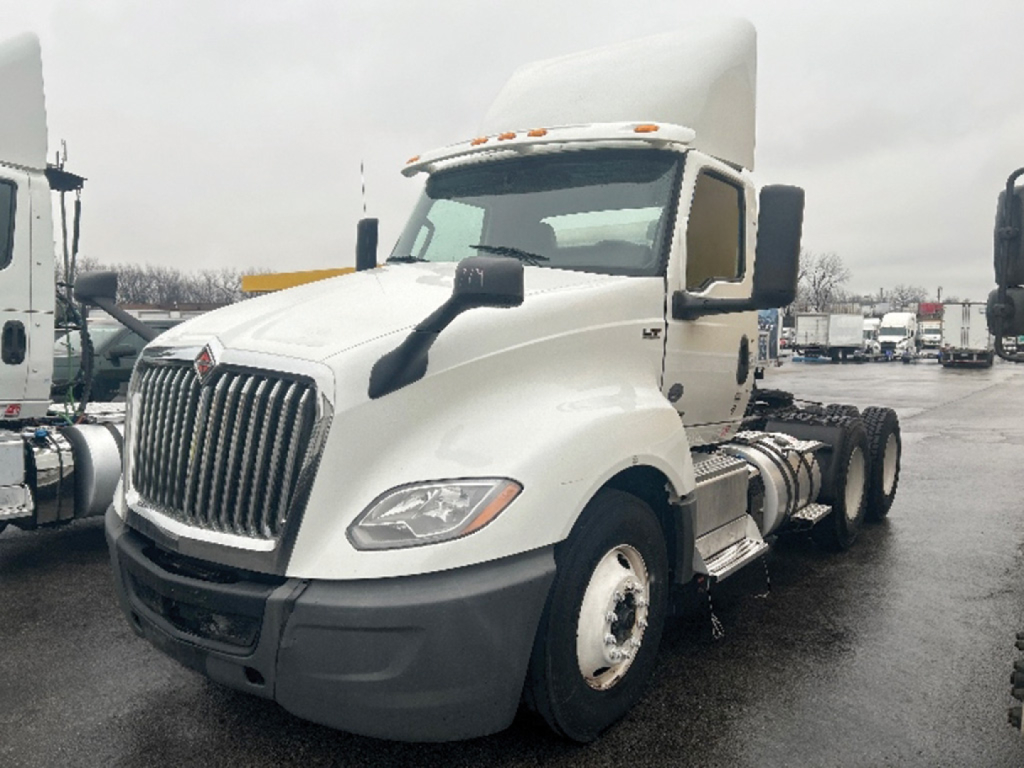
2019 International LT625
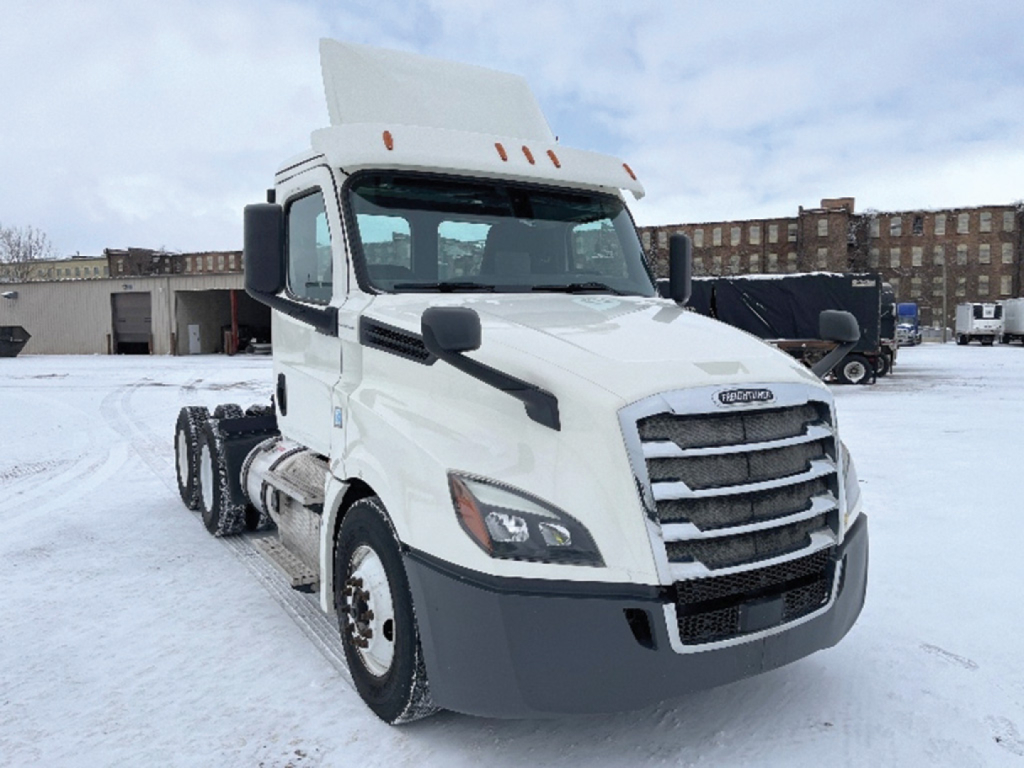
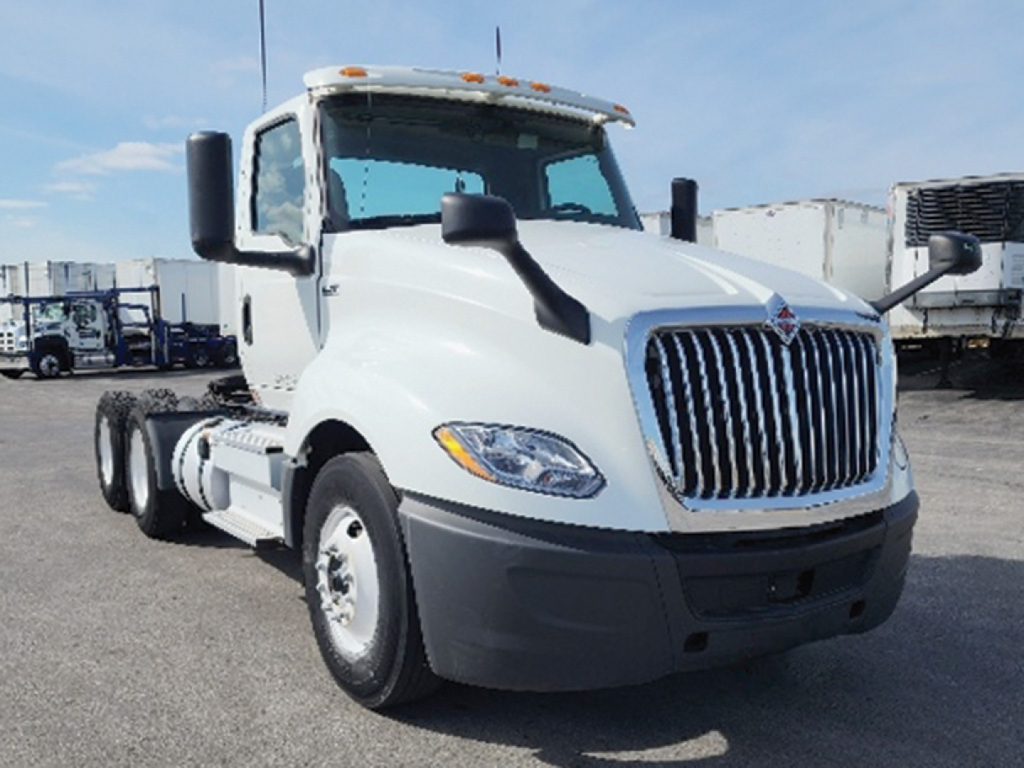
2019 International LT625
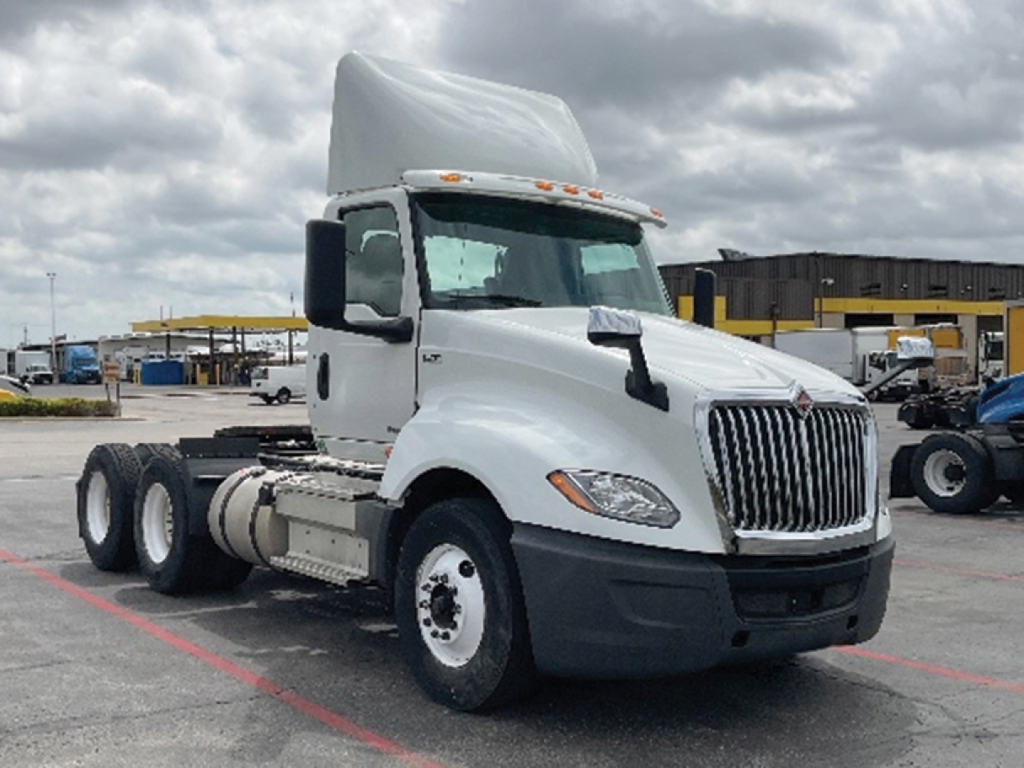
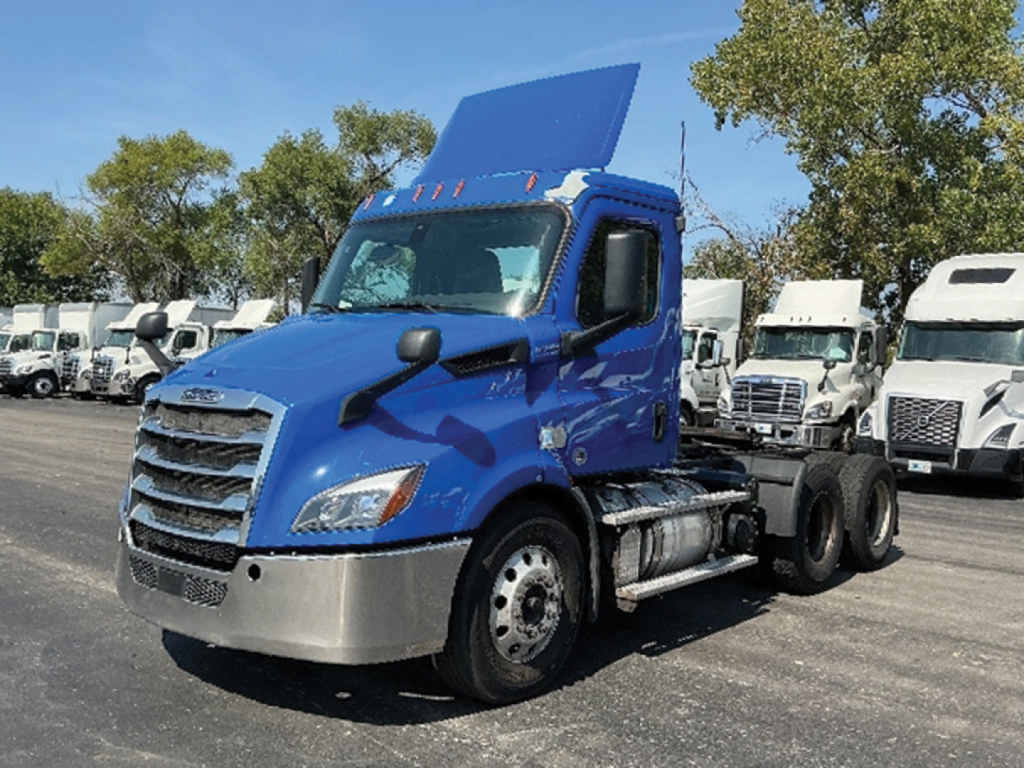
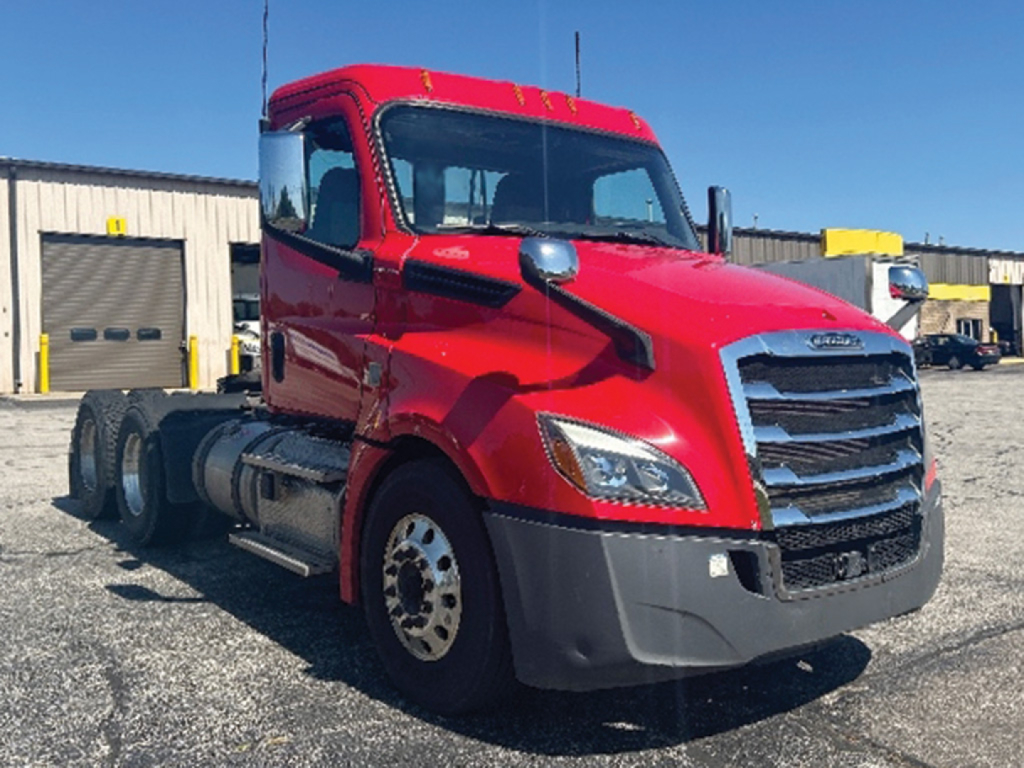
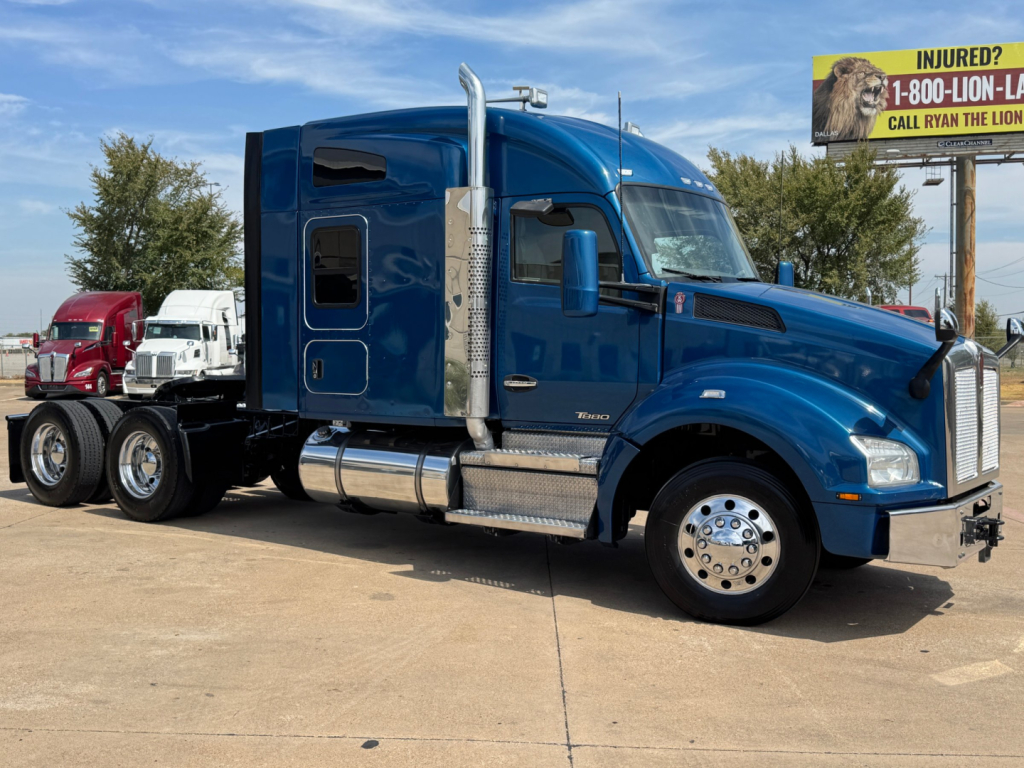
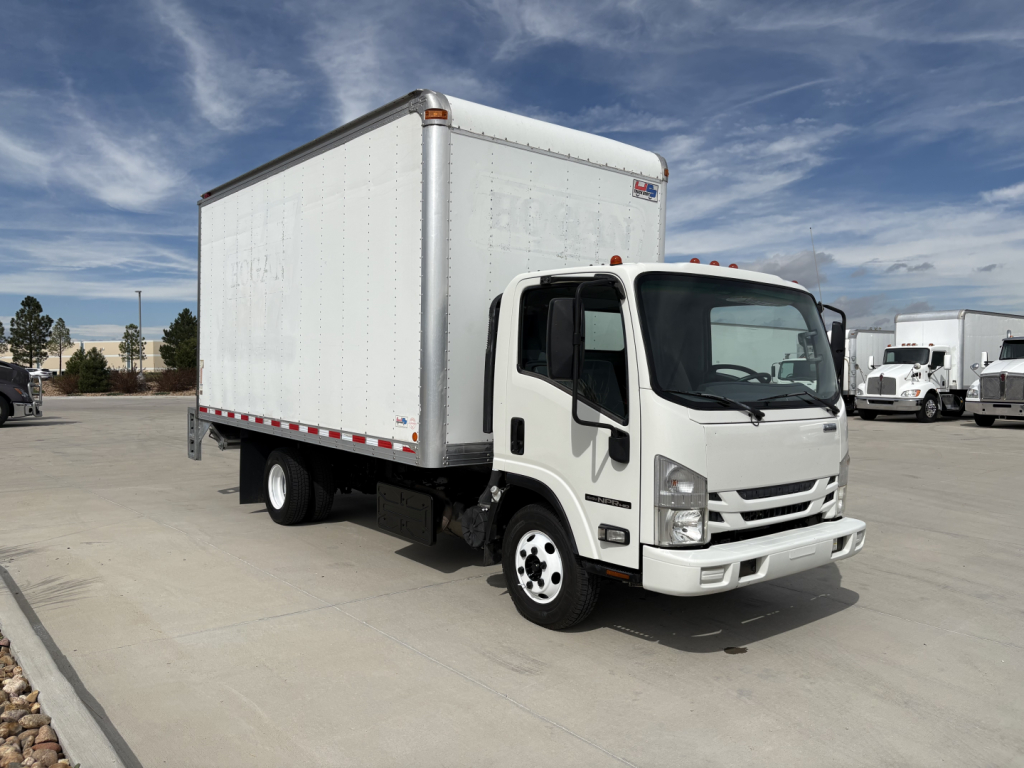
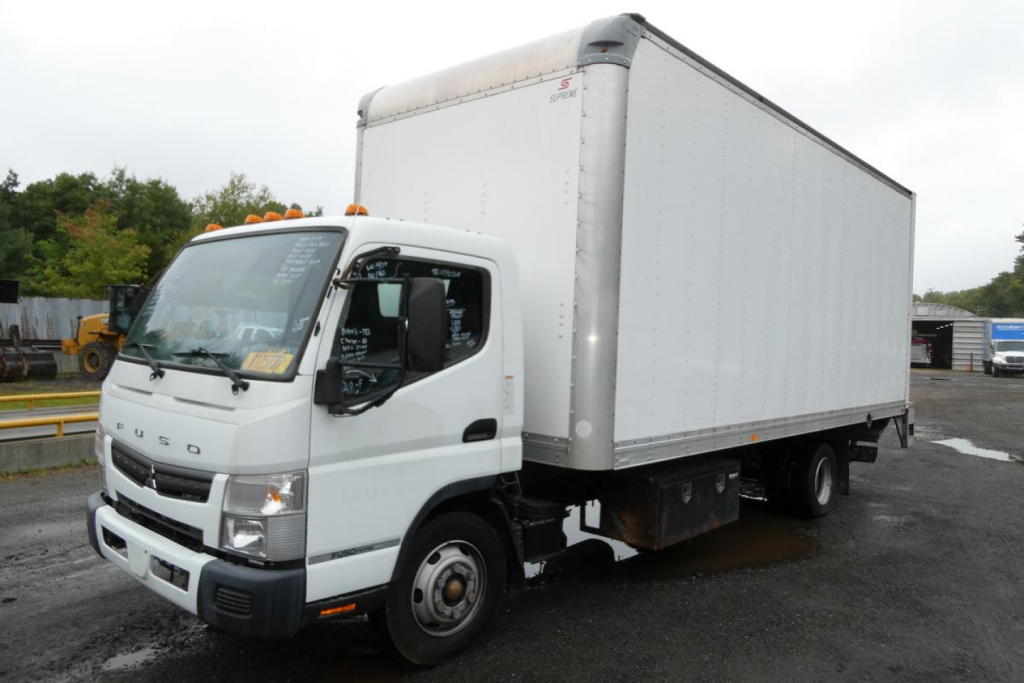
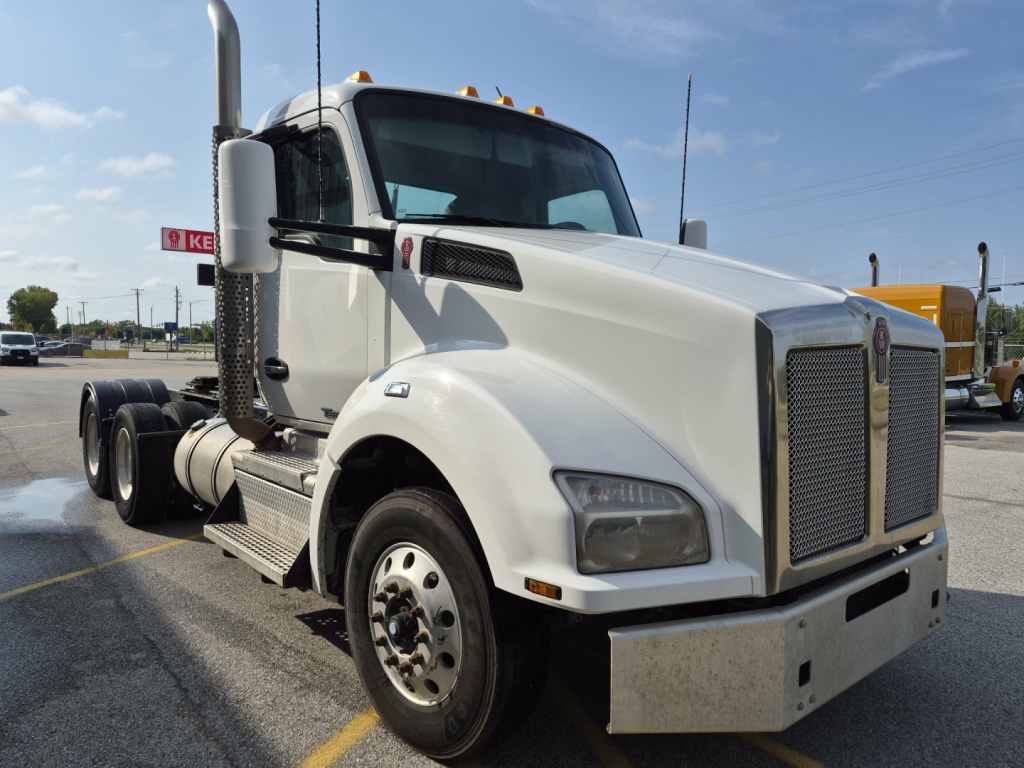
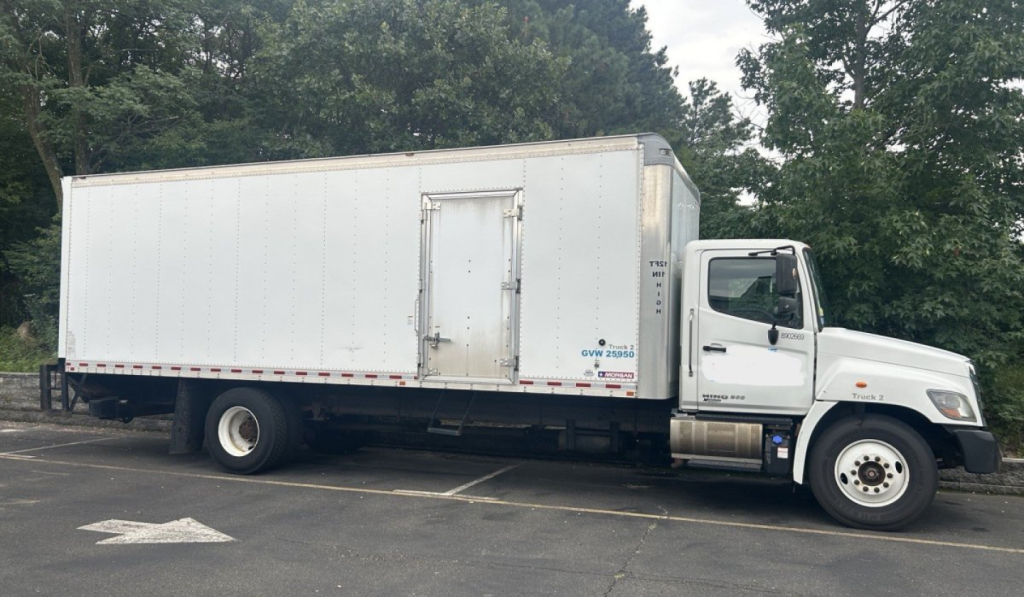
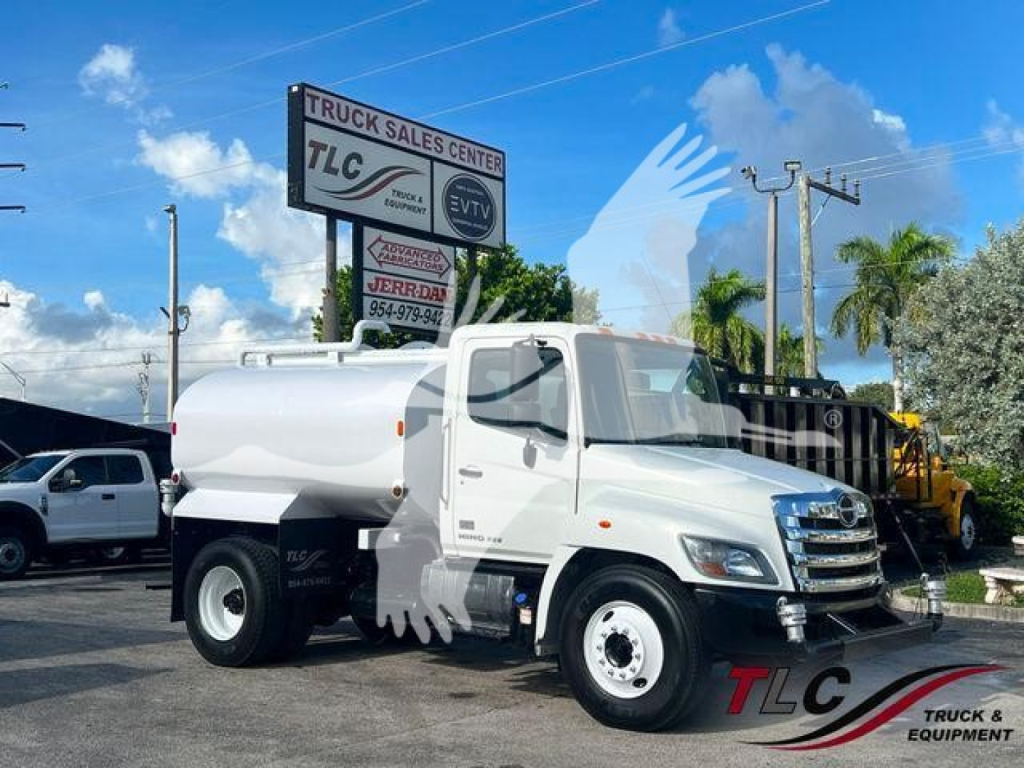
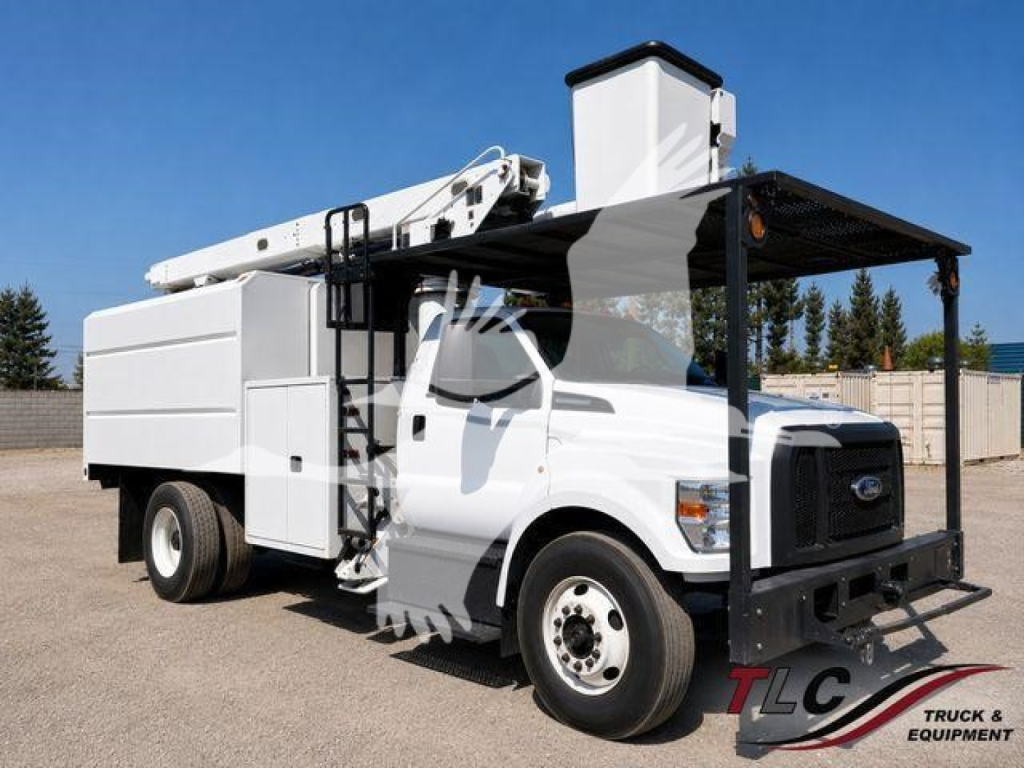
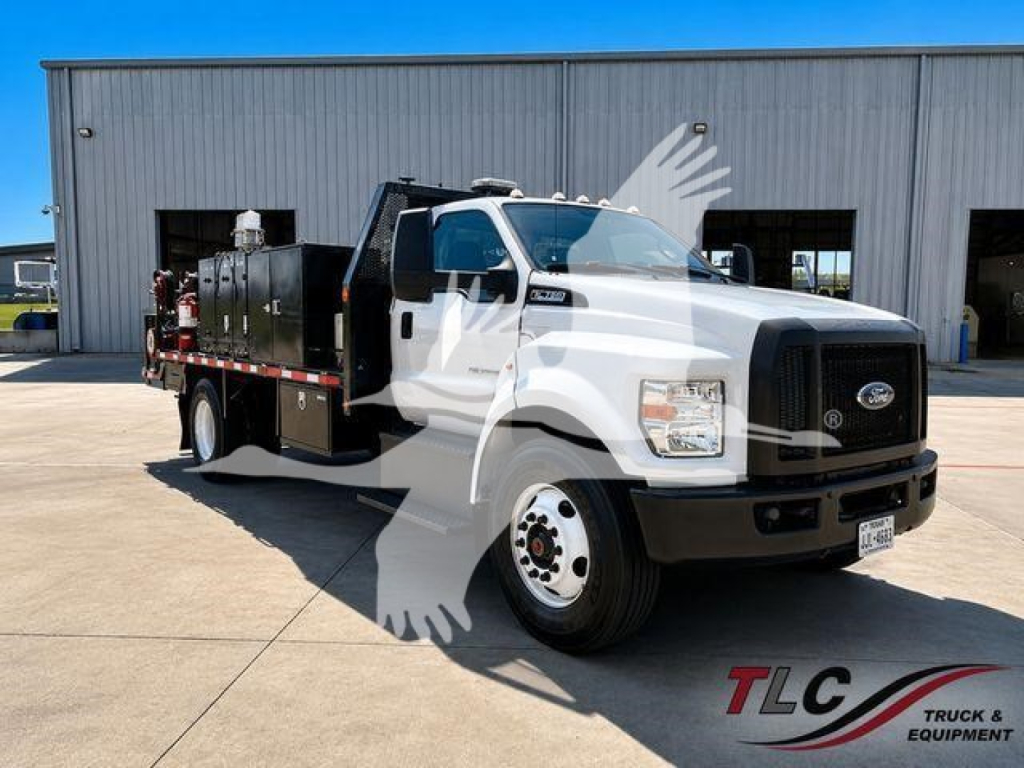
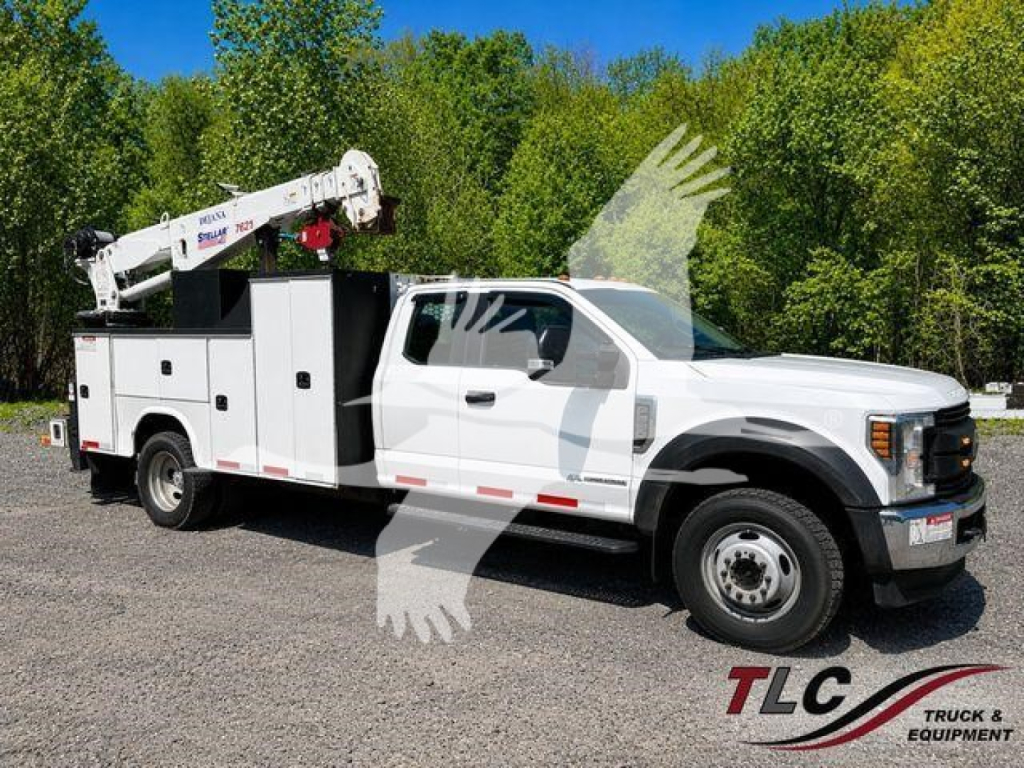
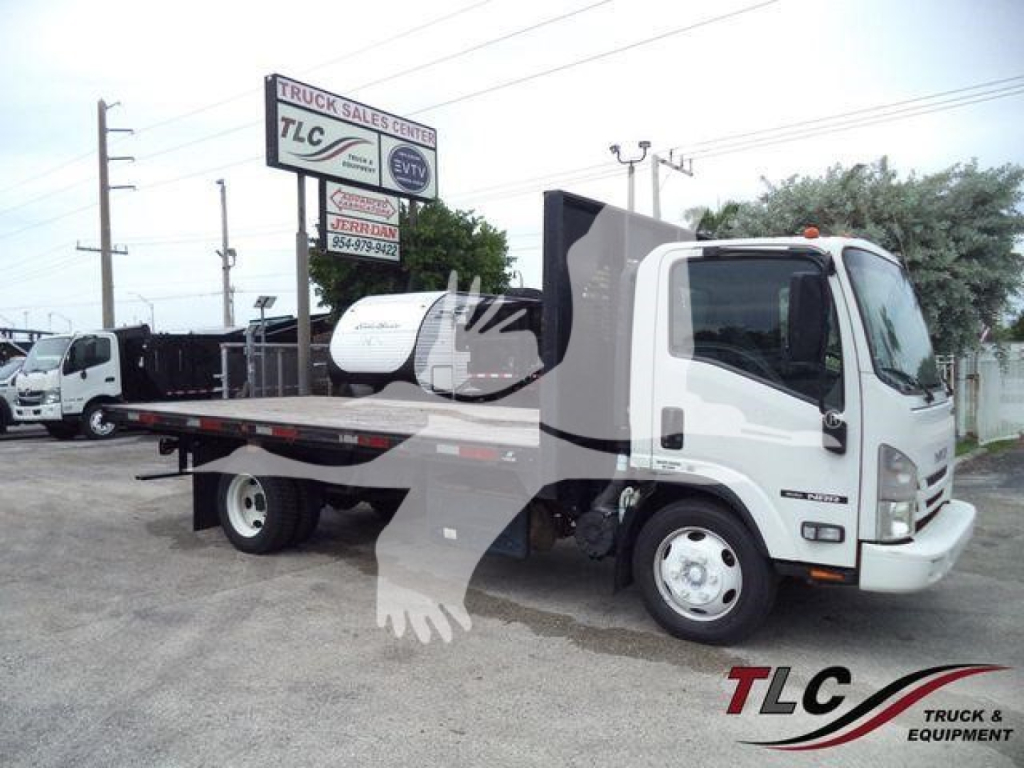
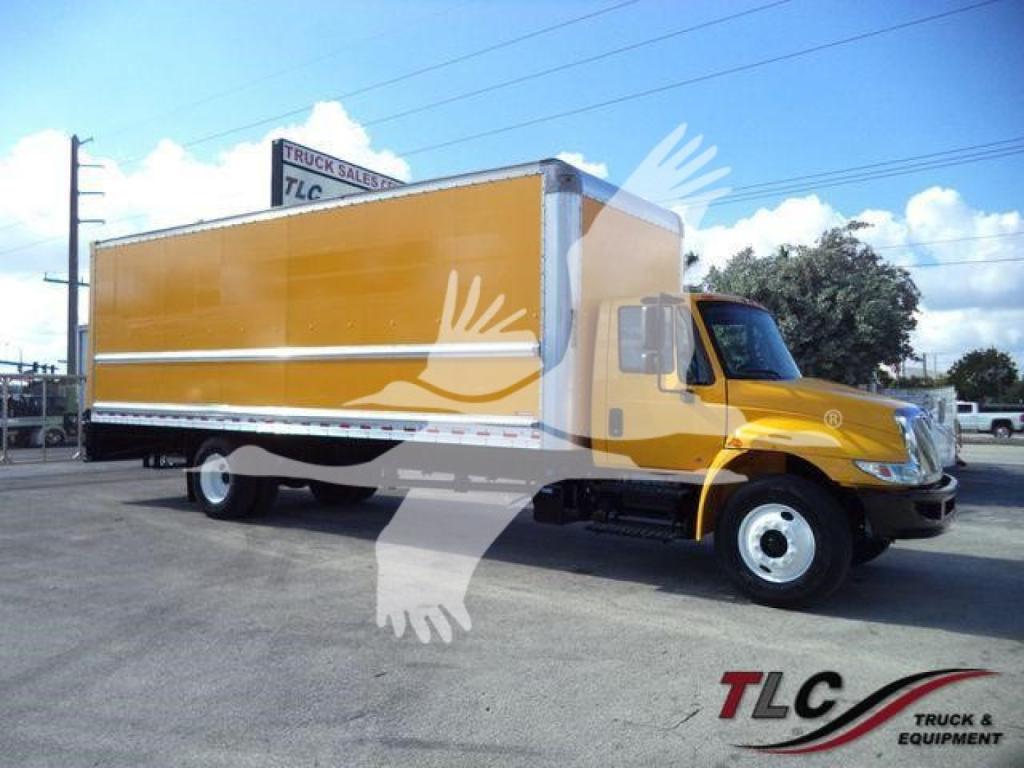
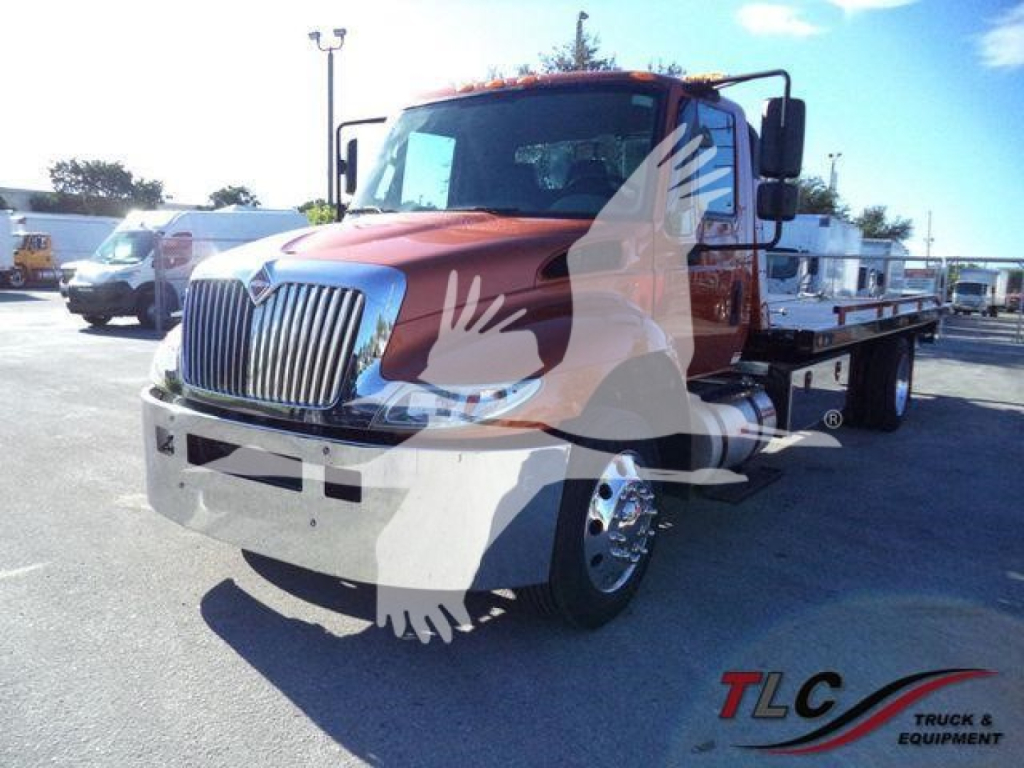
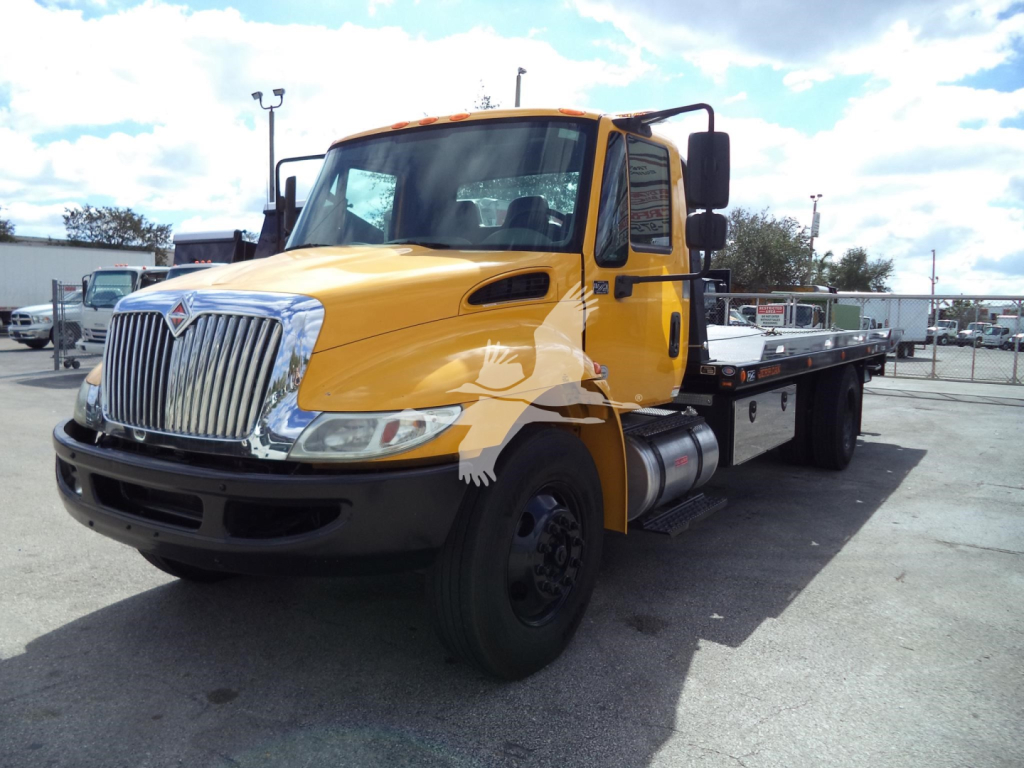
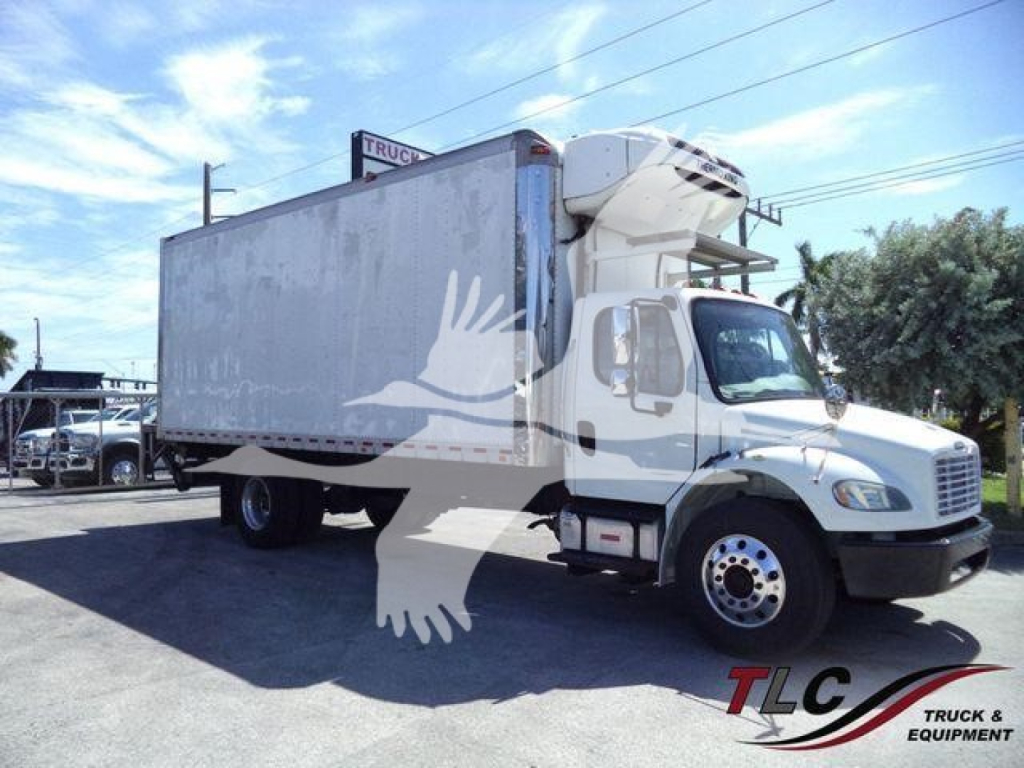
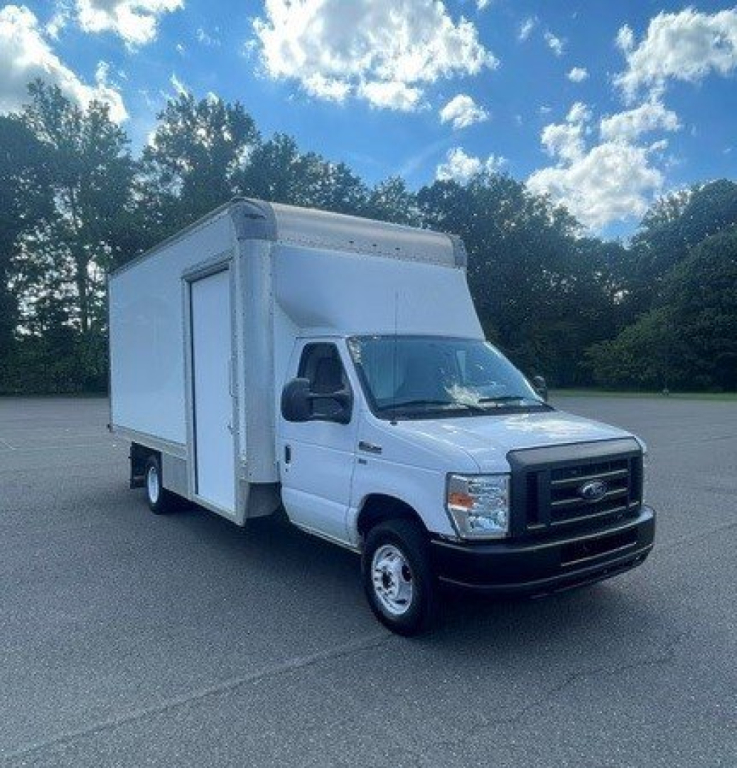
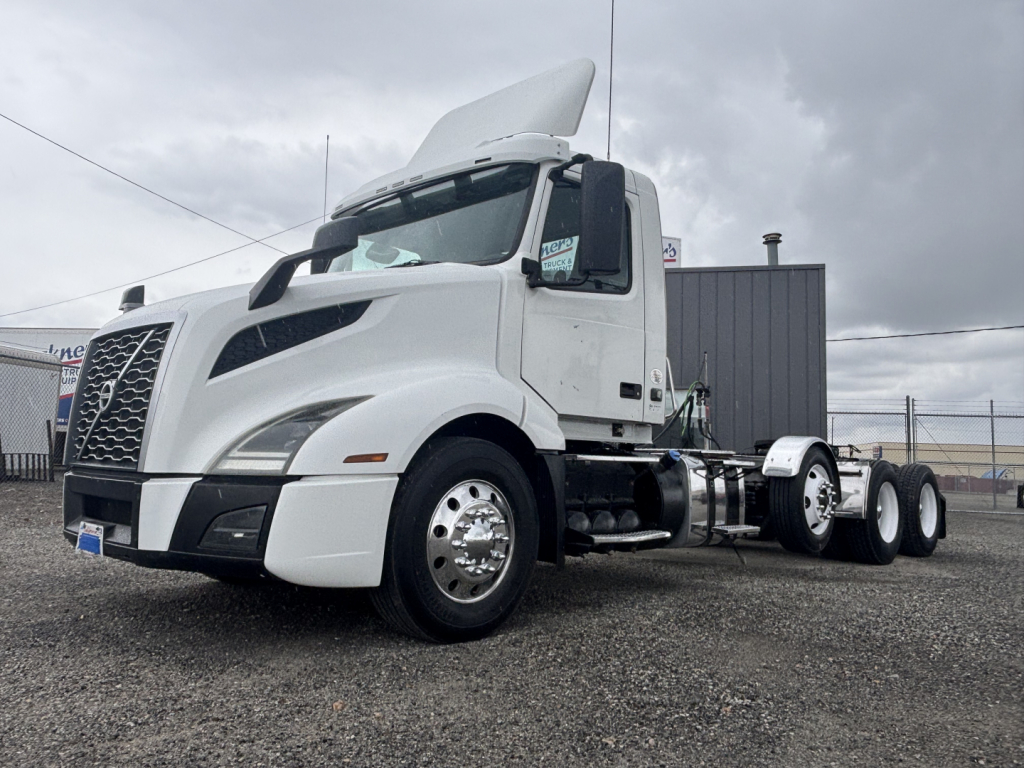
Showing 29 to 56 of 206 results
Selling a 2019 commercial truck? List your 2019 commercial truck for sale and reach thousands of commercial buyers.
2019 Commercial Trucks
The right choice depends first on application and GVWR. Buyers shopping 2019 heavy-duty tractors should pay attention to sleeper versus day cab layout, axle configuration, wheelbase, horsepower, torque, transmission type, rear axle ratio, and suspension. A long-haul sleeper from this model year often comes with integrated powertrain options, automated manual or fully automatic transmissions, collision mitigation systems, and aerodynamic packages that matter for fuel economy. In the medium-duty and vocational space, body spec is just as important as the chassis. Cab-to-axle length, PTO capability, frame reinforcement, brake type, body manufacturer, hoist or winch setup, and hydraulic provisions can determine whether a truck is ready for the job or headed for an expensive upfit.
A 2019 emissions package typically means diesel particulate filter and selective catalytic reduction systems are standard on diesel trucks, so service records matter. Buyers should look closely at idle hours, regen history, aftertreatment repairs, injector work, DEF system maintenance, and any fault-code patterns. On highway tractors, it also pays to review tire wear by axle position, fifth wheel wear, kingpin area stress, alignment history, and signs of suspension or driveline neglect. On vocational trucks, inspect body mounts, crossmembers, pintle or carrier wear points, PTO operation, hydraulic leaks, corrosion under the body, and any evidence of overload use. A clean 2019 truck with documented maintenance can be a strong value even at higher mileage, especially when the spec matches the intended route, payload, and duty cycle.
Cab comfort and electronics are another reason many buyers target 2019 models. This era commonly includes Bluetooth connectivity, telematics compatibility, backup camera provisions on certain body types, improved HVAC performance, and more refined interiors than earlier generations. For a buyer comparing many listings, the biggest differentiators are usually engine and transmission combination, rear ratio, suspension type, brake setup, body dimensions, and how the truck was used before resale. A 2019 truck can be an efficient regional hauler, a dependable local delivery unit, or a purpose-built vocational machine, but only if the spec sheet and maintenance profile line up with the work.
Frequently Asked Questions about 2019 Commercial Trucks
What should I look for first when buying a 2019 truck?
Start with the truck’s intended job, then match the key chassis specs to that duty cycle. GVWR, axle rating, wheelbase, body or trailer setup, engine horsepower and torque, transmission, suspension, and brake system should all fit the payload and route. After that, review maintenance records closely, especially for emissions-related service, transmission service intervals, and any major engine or driveline repairs.
Are 2019 diesel trucks a good balance between price and technology?
Yes, for many buyers they are. A 2019 truck is typically modern enough to offer better aerodynamics, more refined cabs, updated safety systems, and improved powertrain controls compared with older models, while still being more affordable than late-model equipment. The tradeoff is that emissions components and electronics need to be evaluated carefully, because repair costs can offset a lower purchase price if the truck was poorly maintained.
How many miles is too many on a 2019 truck?
Mileage by itself does not tell the full story. A well-maintained 2019 highway tractor with high miles and documented service can be a better buy than a lower-mile truck with poor maintenance history or excessive idle time. For vocational and medium-duty trucks, hours, PTO usage, body wear, and operating conditions are just as important as odometer reading. Buyers should compare mileage with engine hours, service records, and visible wear on the chassis and cab.
What maintenance areas matter most on a 2019 used truck?
The most important areas are the engine, aftertreatment system, transmission, suspension, brakes, tires, and any vocational equipment installed on the chassis. On diesel units, check for DPF cleaning history, DEF system repairs, EGR-related issues, coolant service, and any active or recently cleared fault codes. On body-equipped trucks, inspect hydraulics, hoists, winches, bed structure, PTO function, and electrical connections for signs of neglect or hard use.
Is a 2019 truck old enough to have financing and insurance advantages?
In many cases, yes. A 2019 model year often fits comfortably within lender age guidelines and can be easier to finance than much older equipment, depending on mileage, condition, and truck type. Insurance availability is also generally favorable compared with older units, though rates still depend on class, application, driver profile, and operating radius. Buyers should confirm lender and insurer requirements early, especially for specialty vocational trucks or high-mileage Class 8 units.