
2019 Freightliner Trucks For Sale
Shop 2019 Freightliner trucks for sale, including Cascadia and vocational models with Detroit power, day cabs, sleepers, and fleet-ready specs.
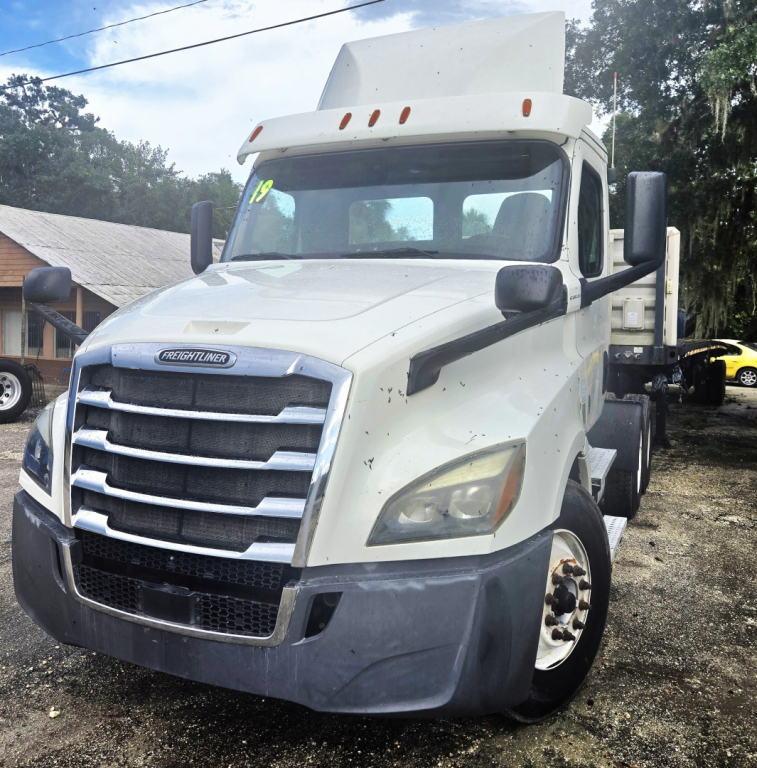
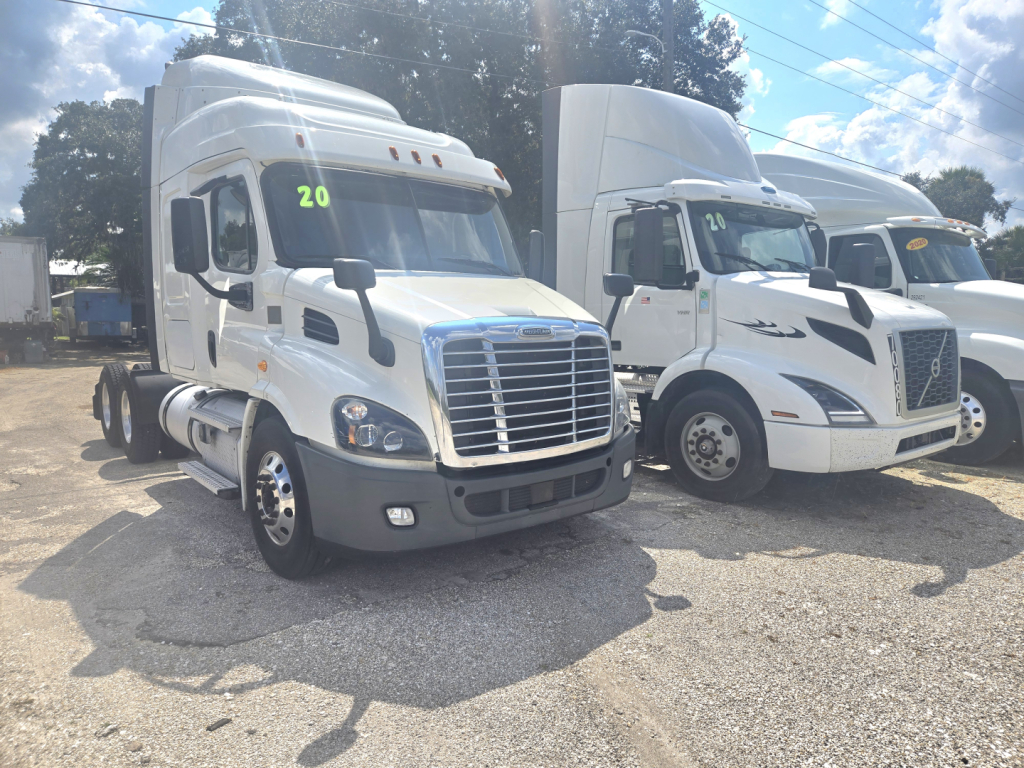
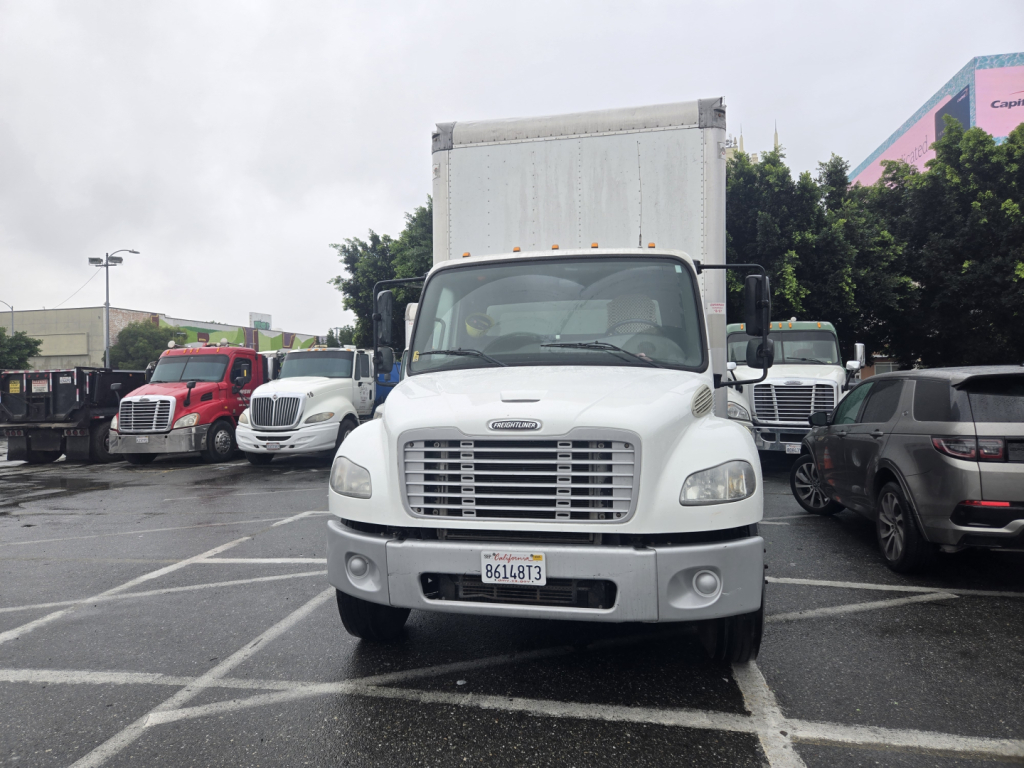
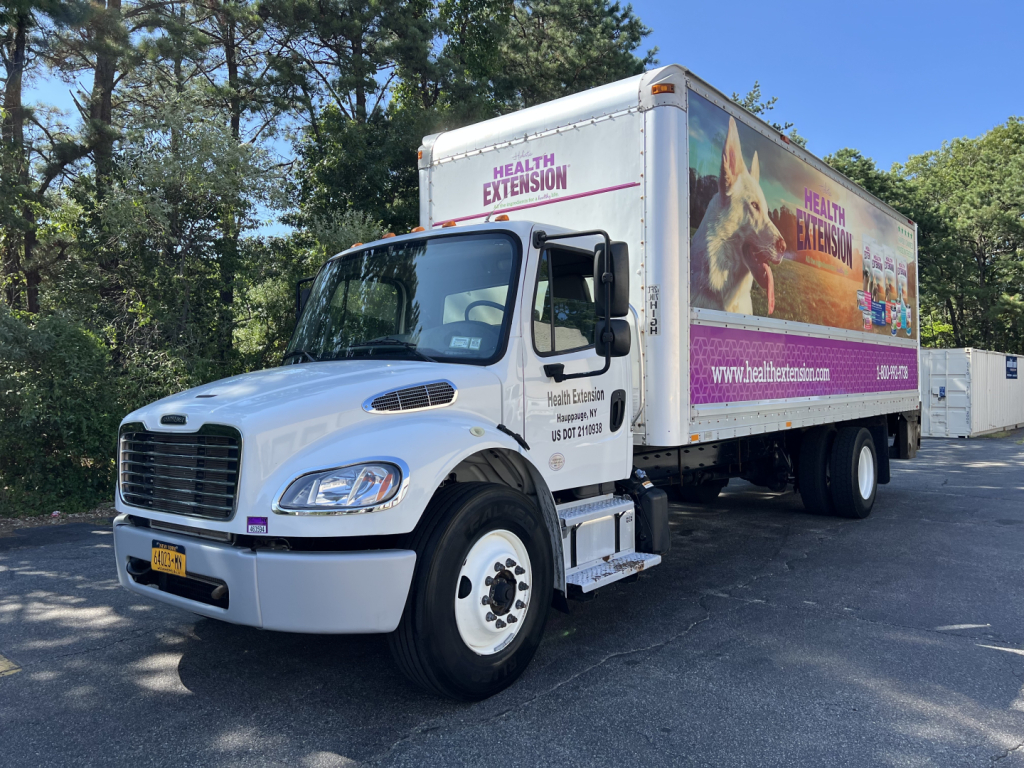
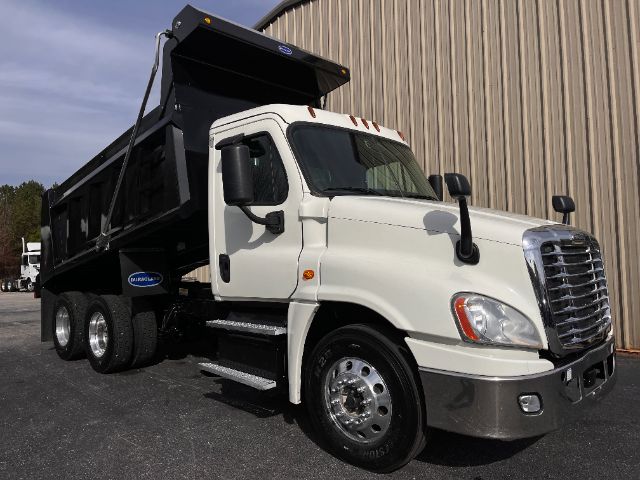
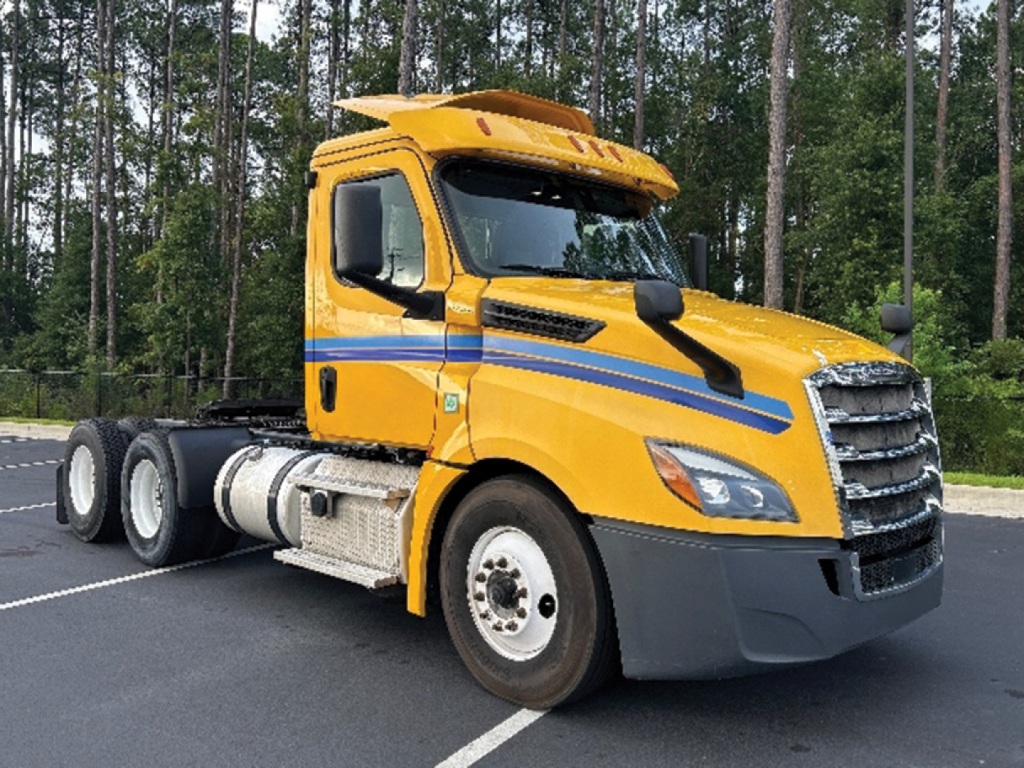
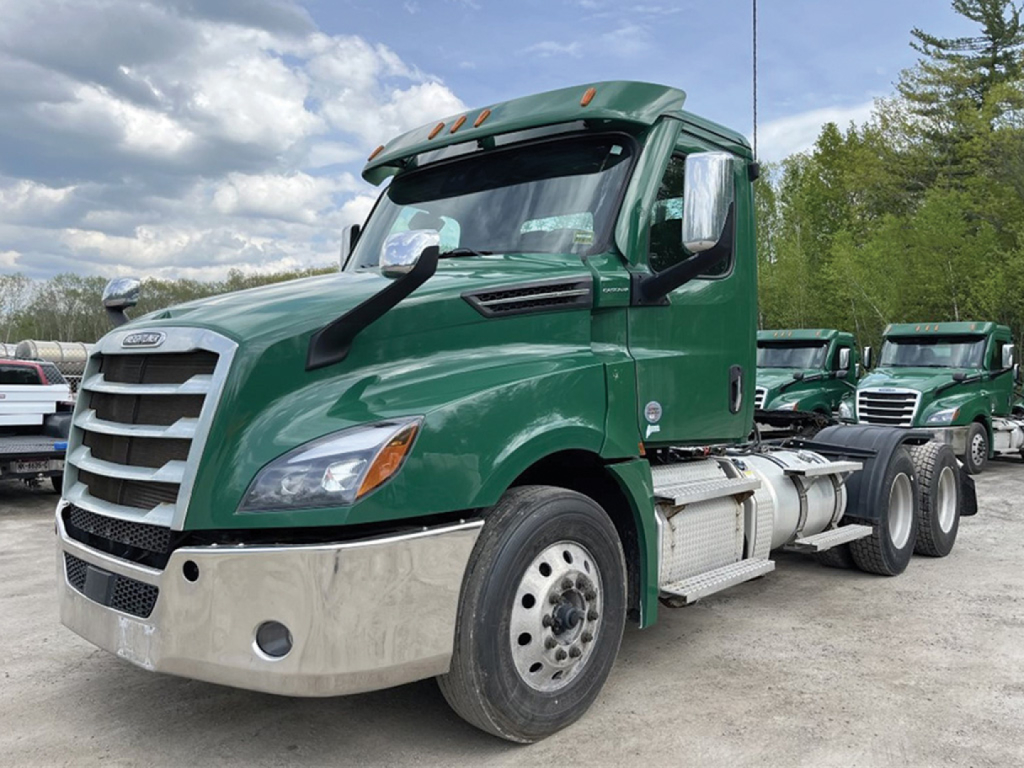
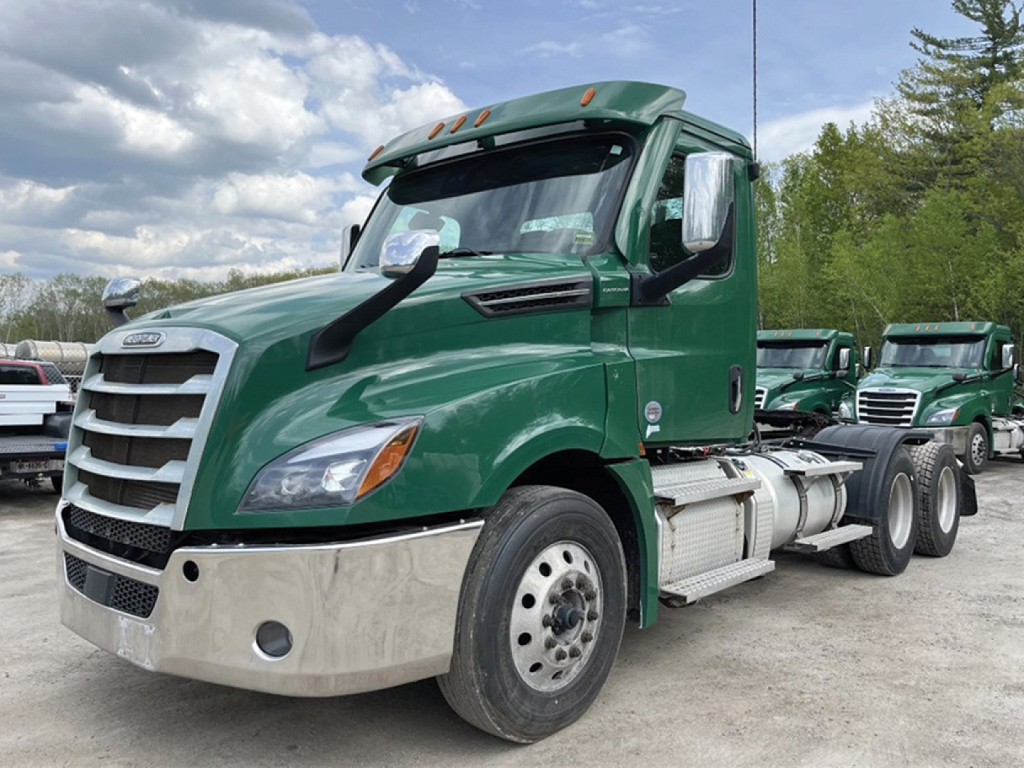
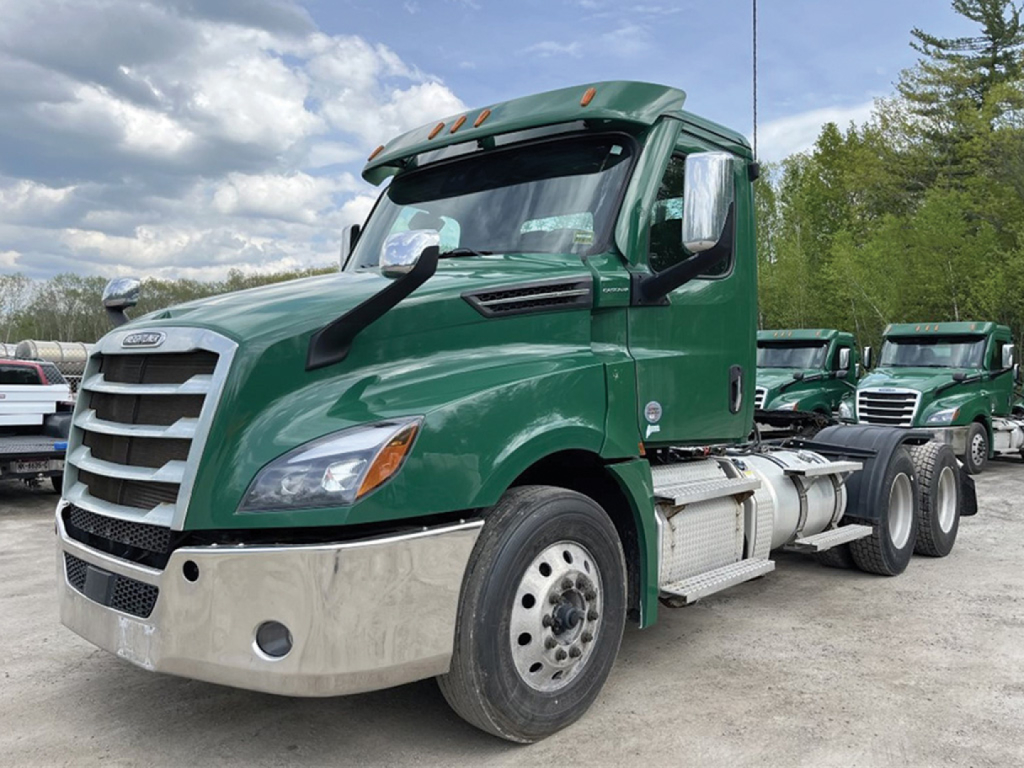
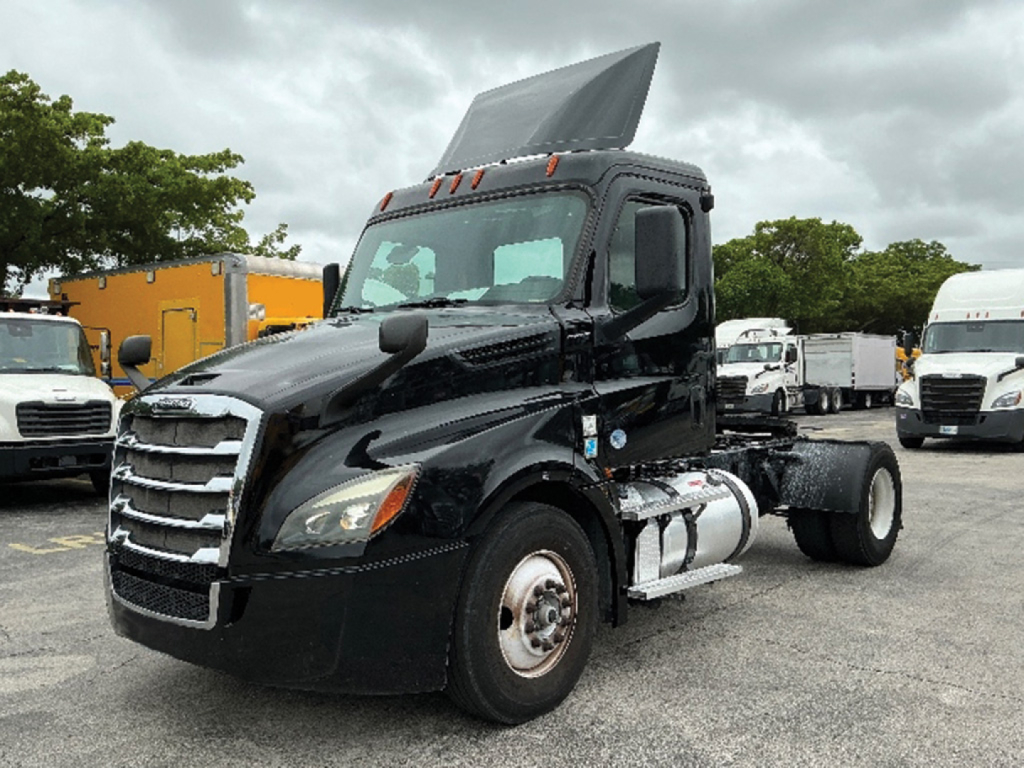
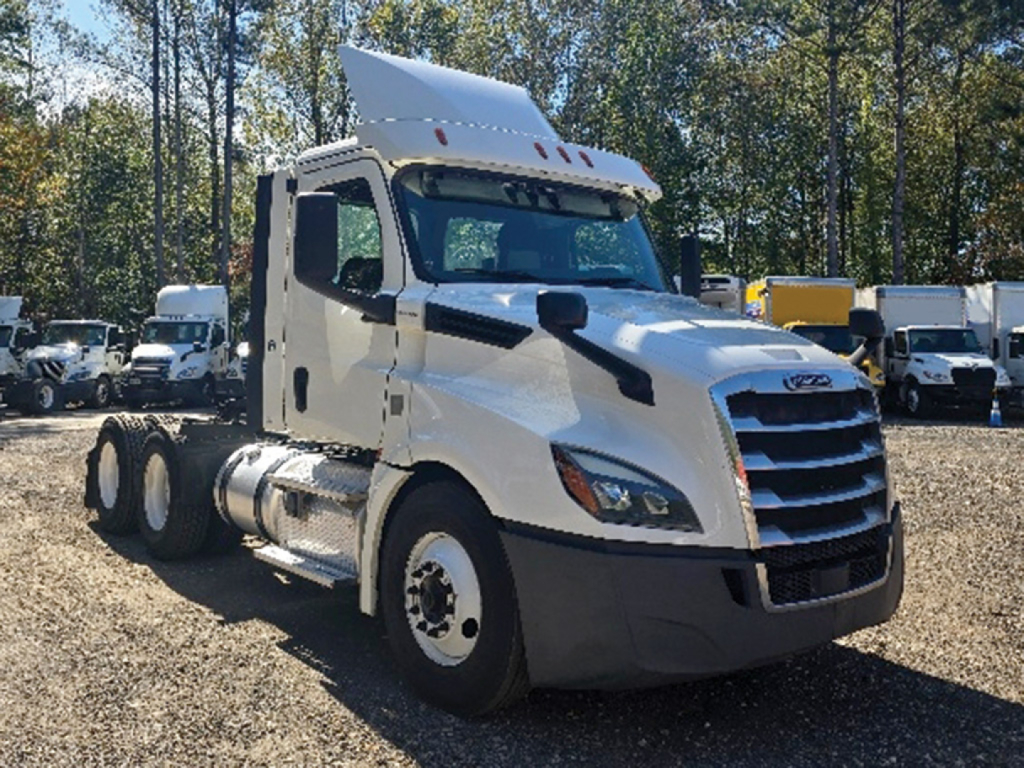
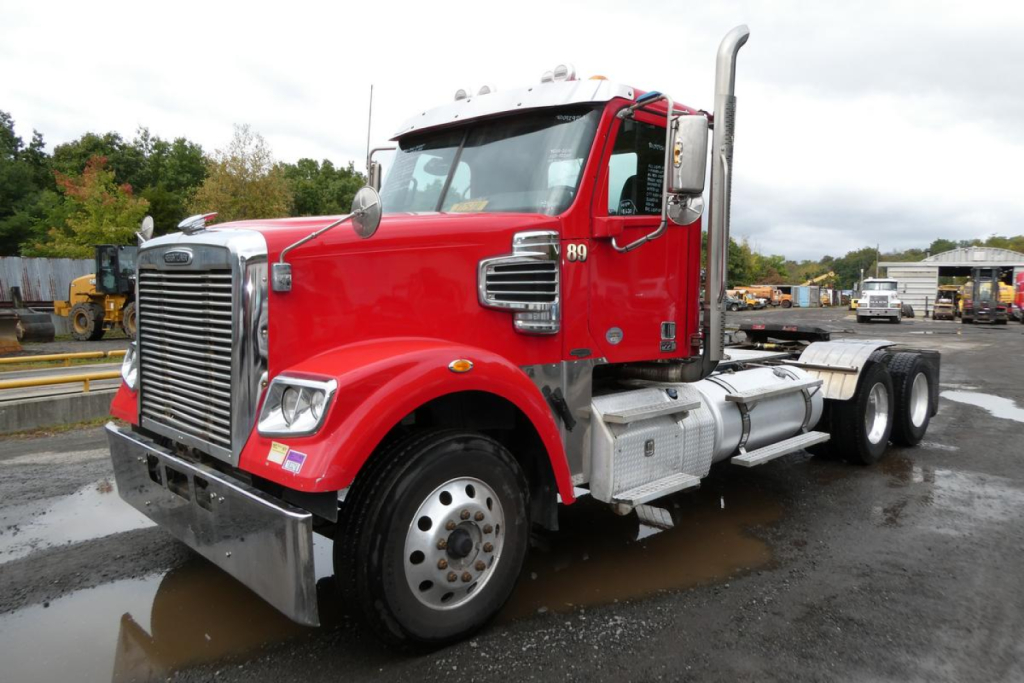
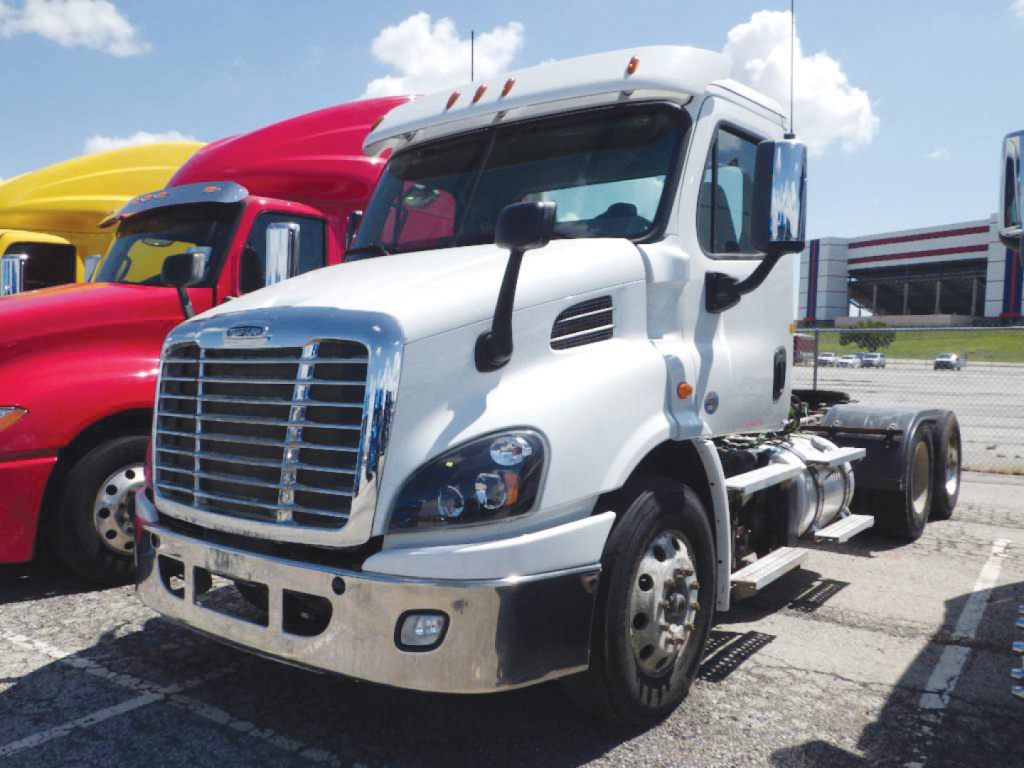
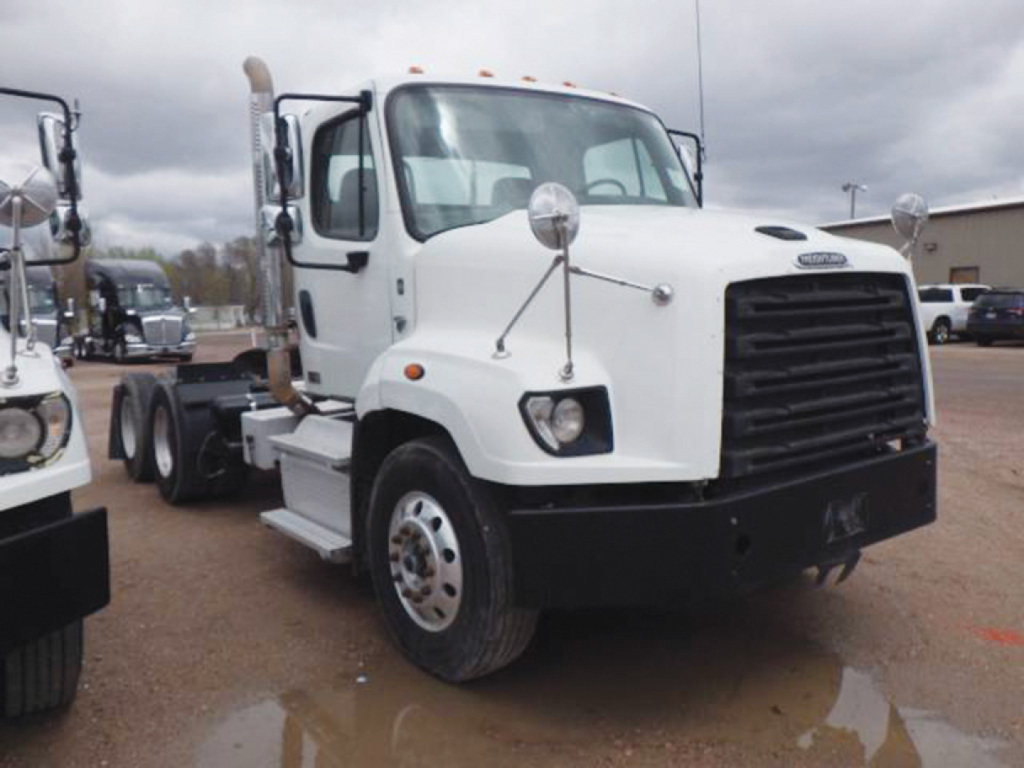
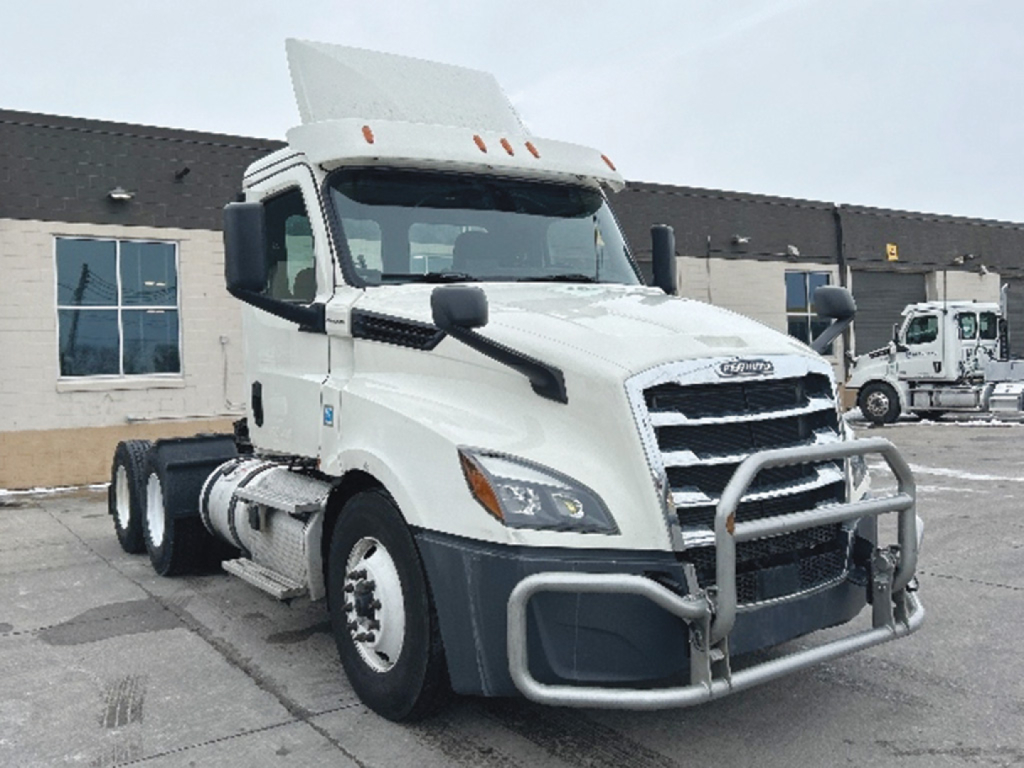
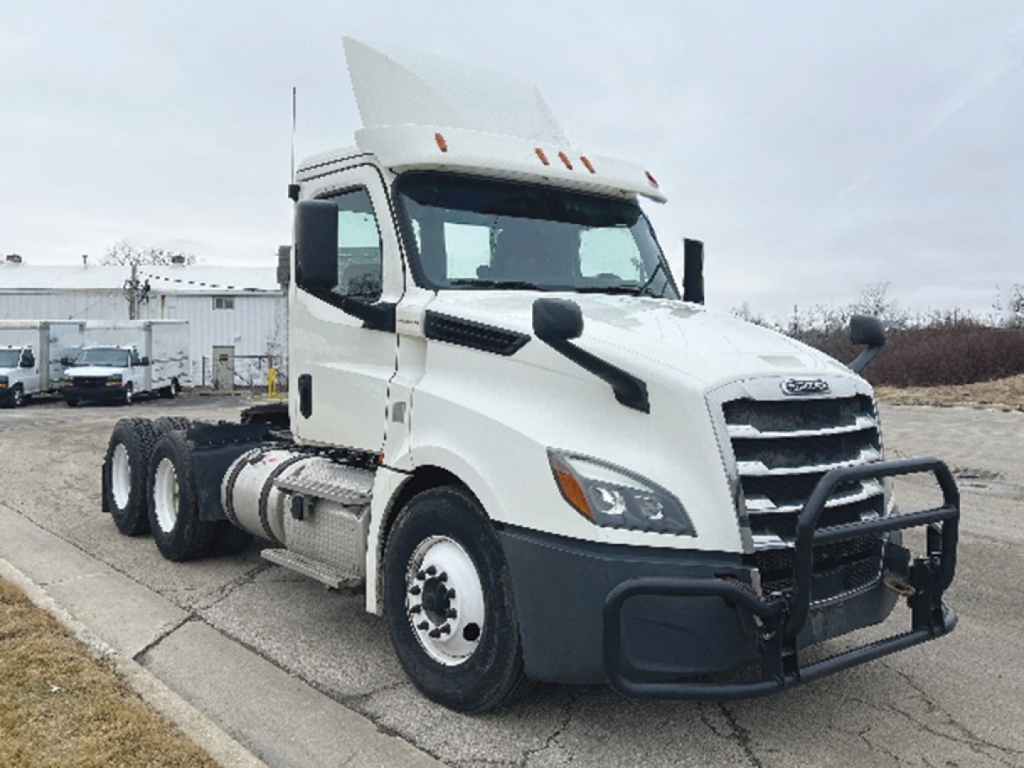
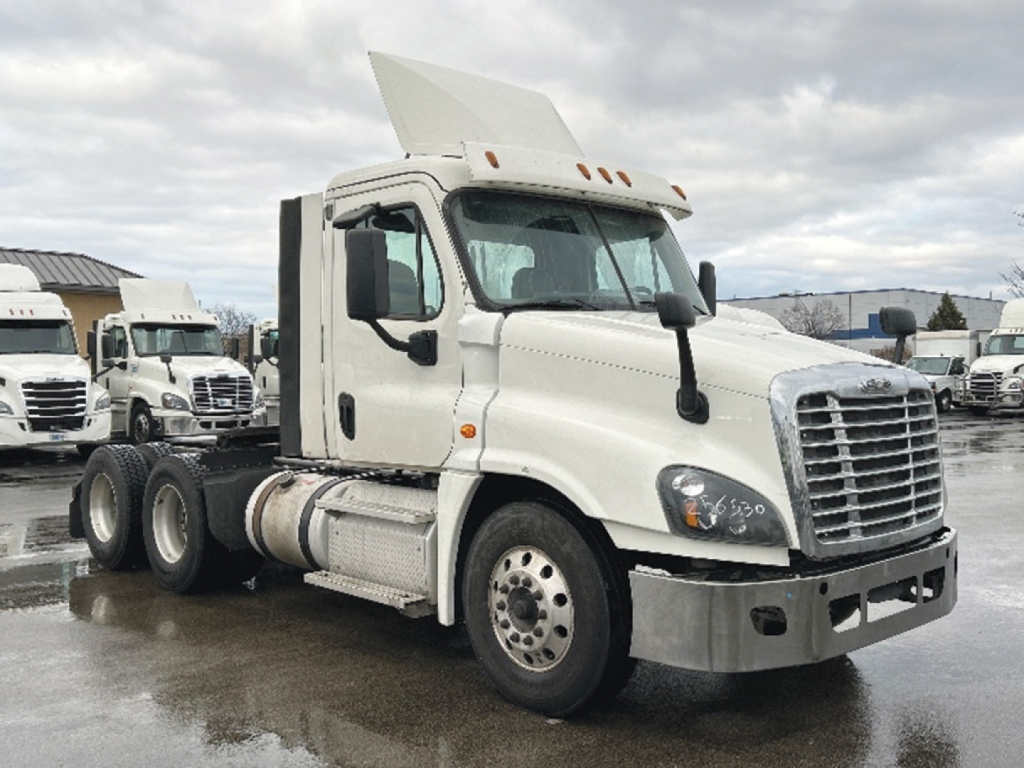
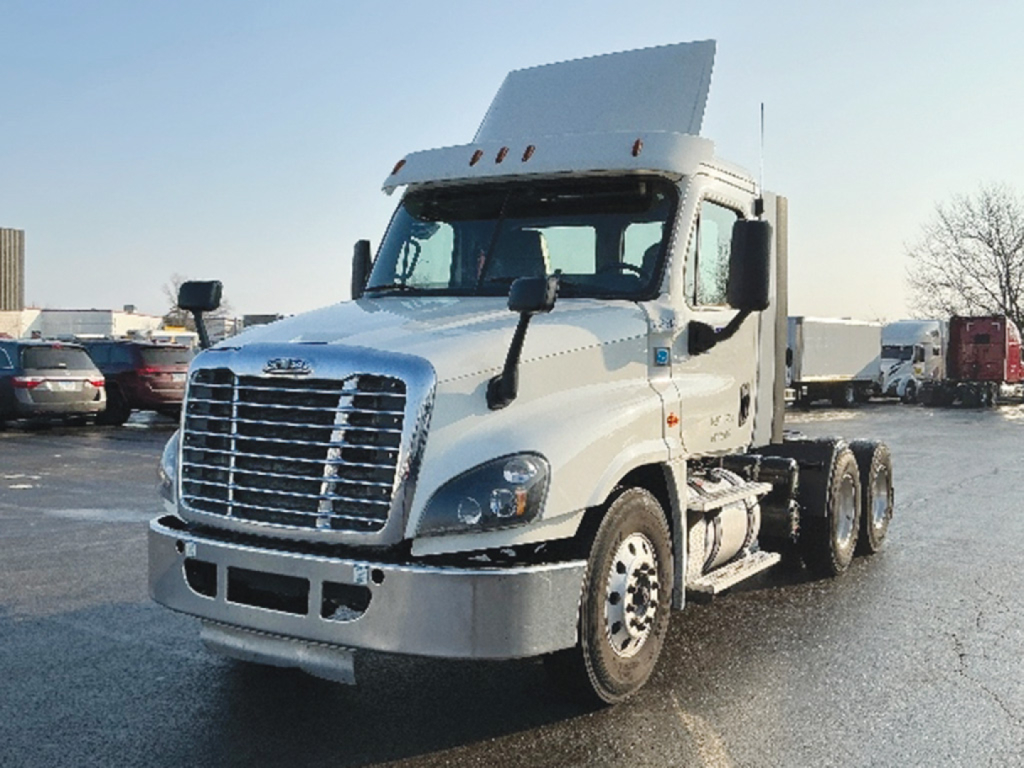
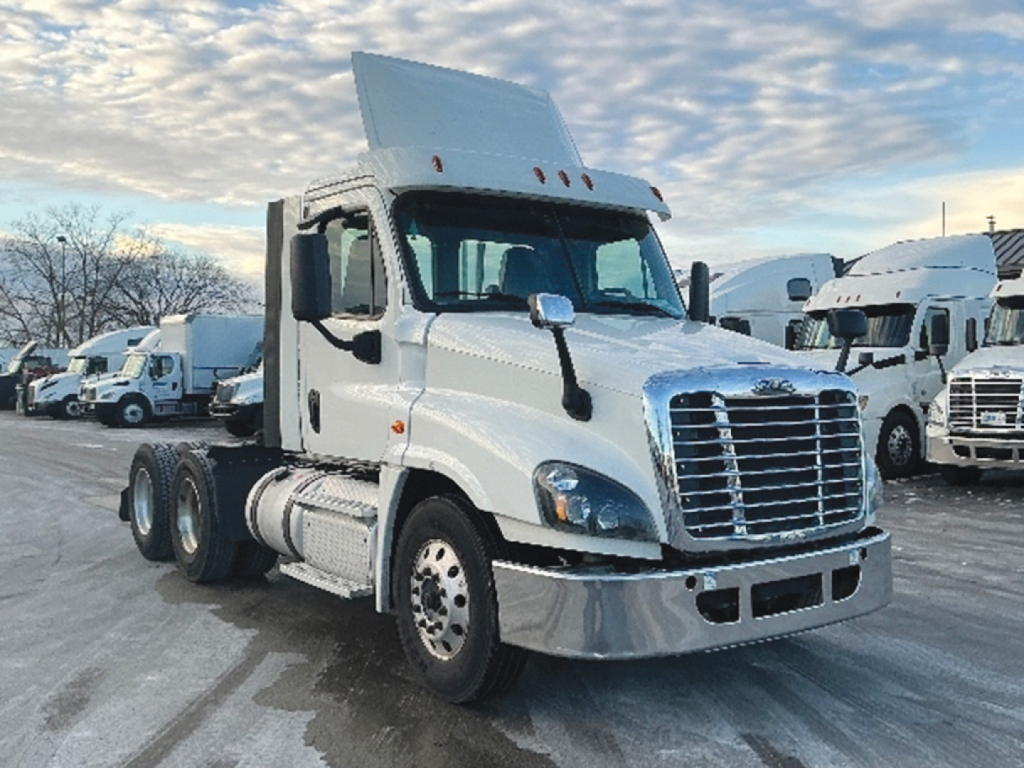
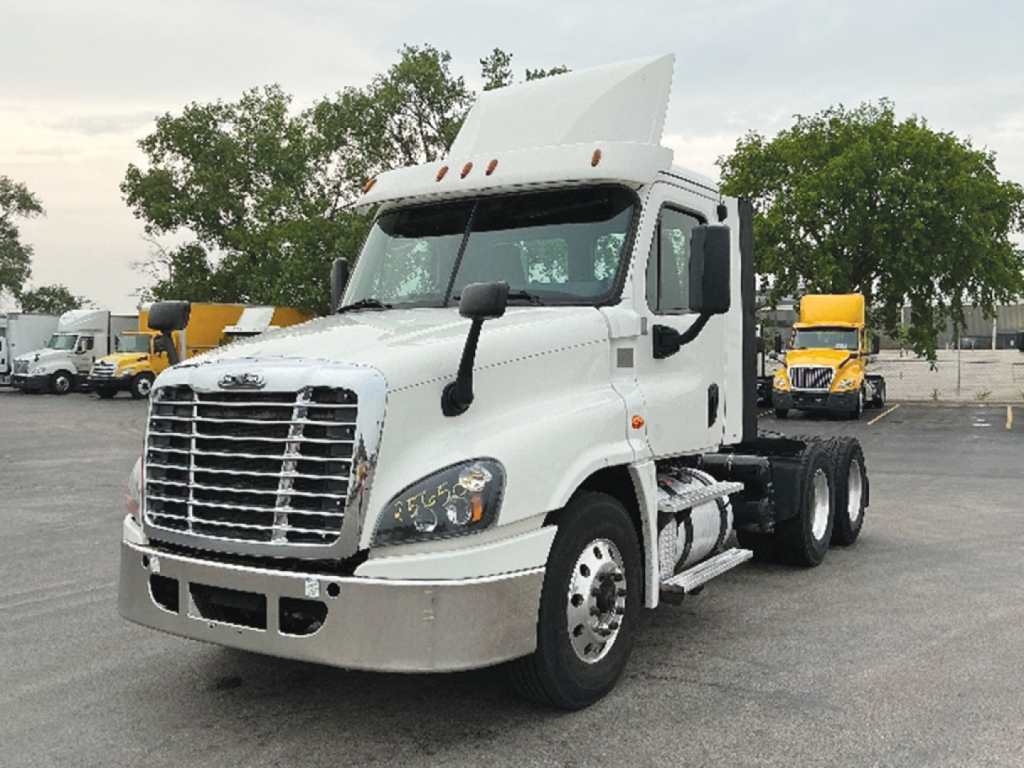
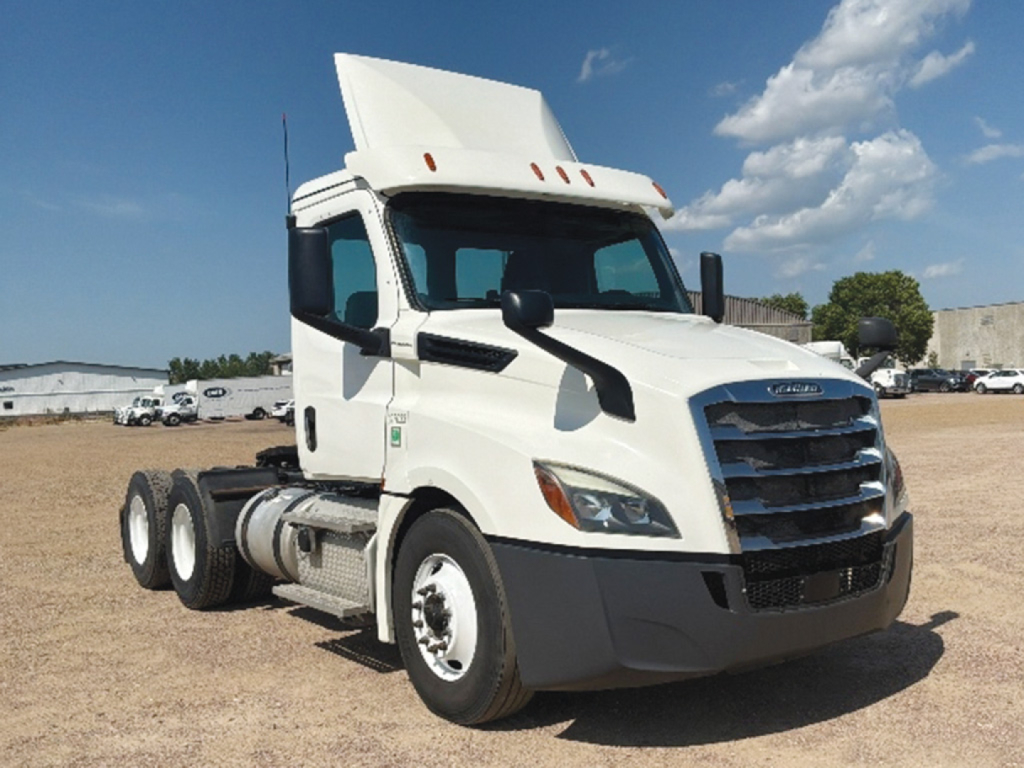
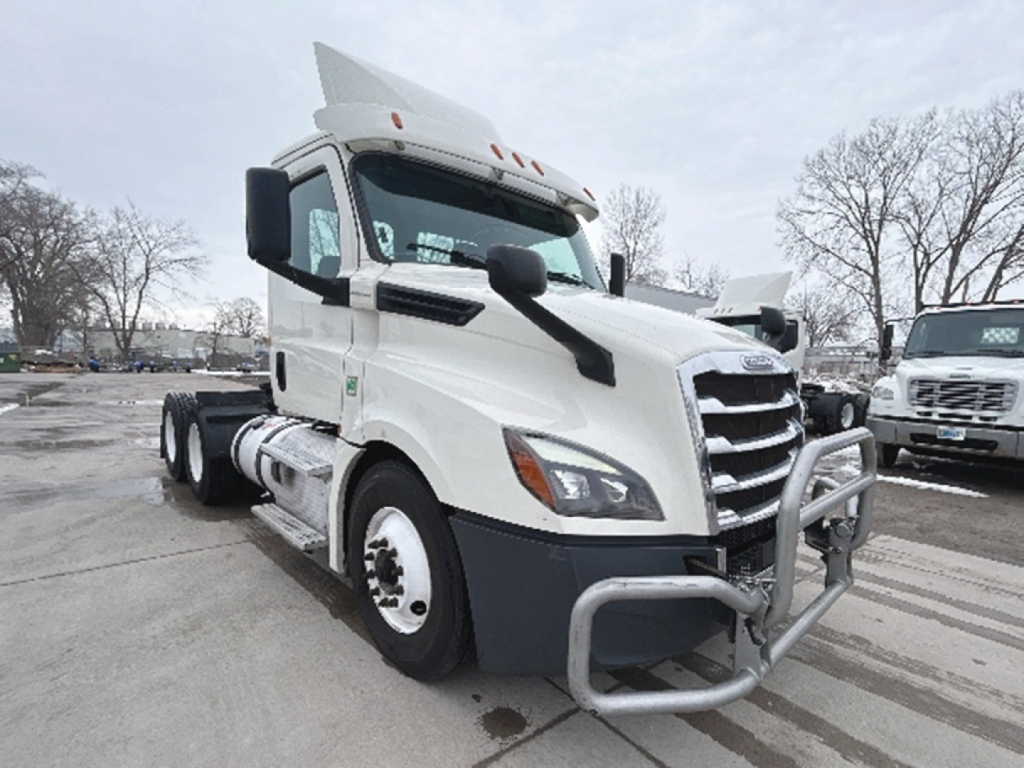
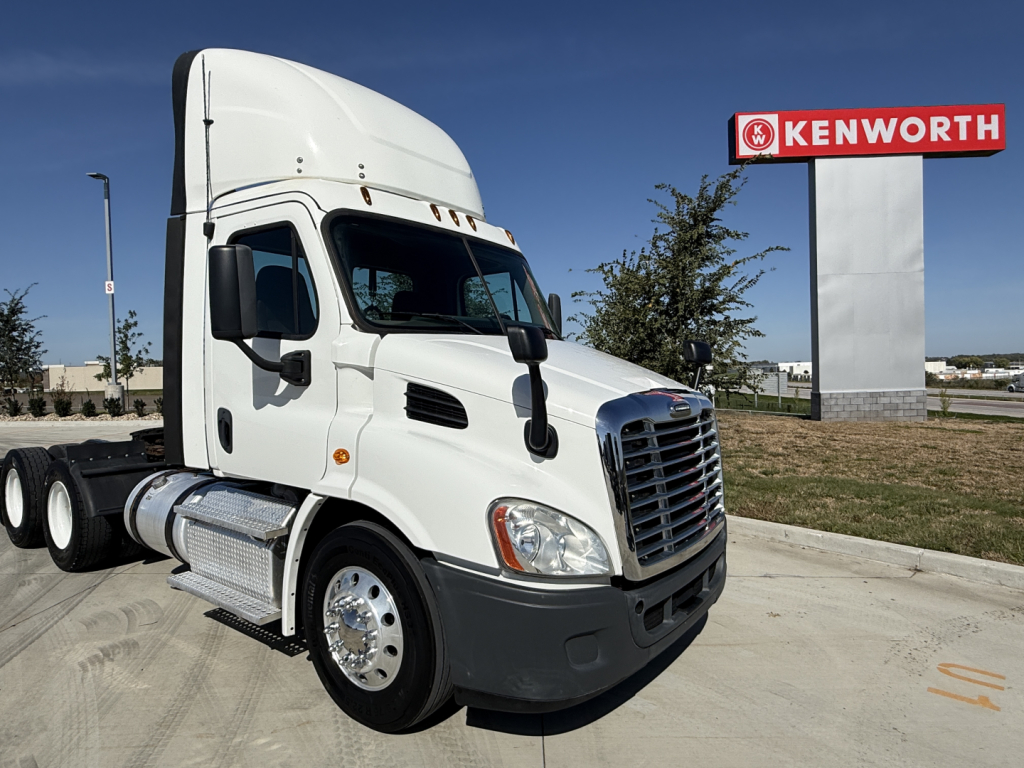
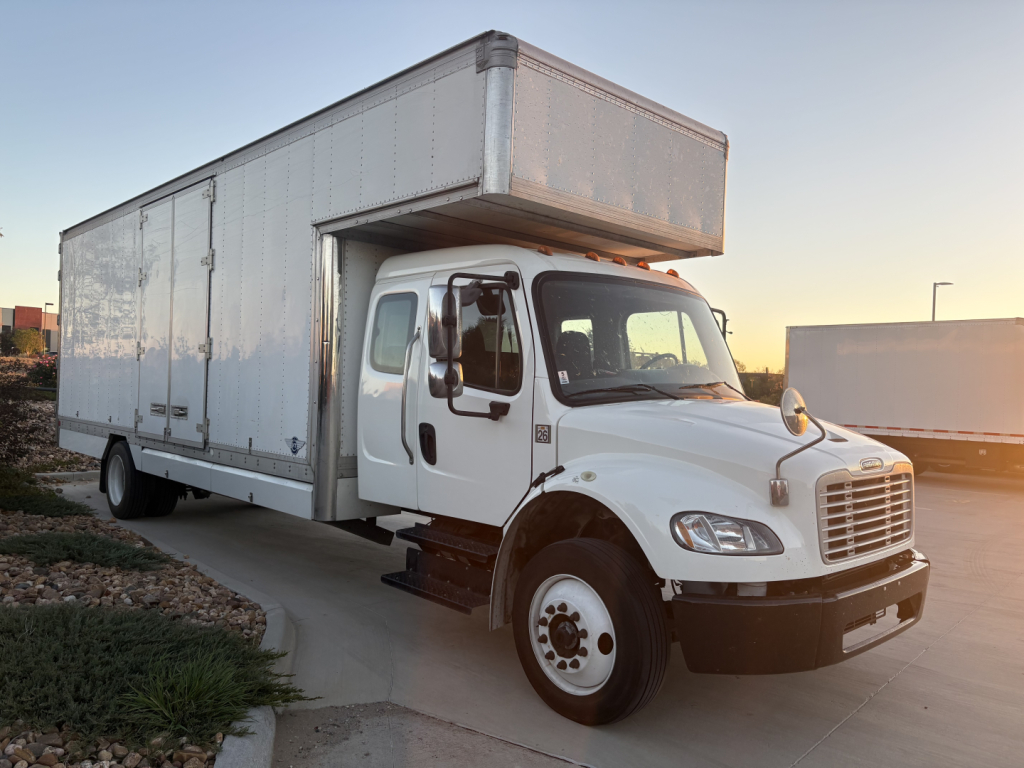
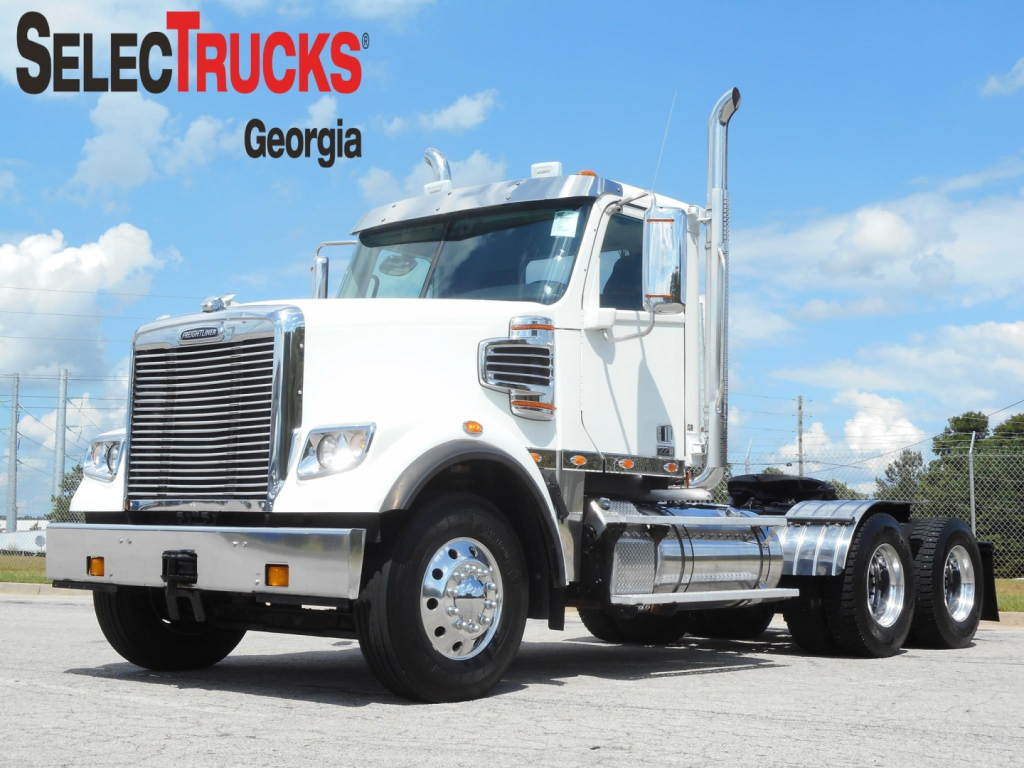
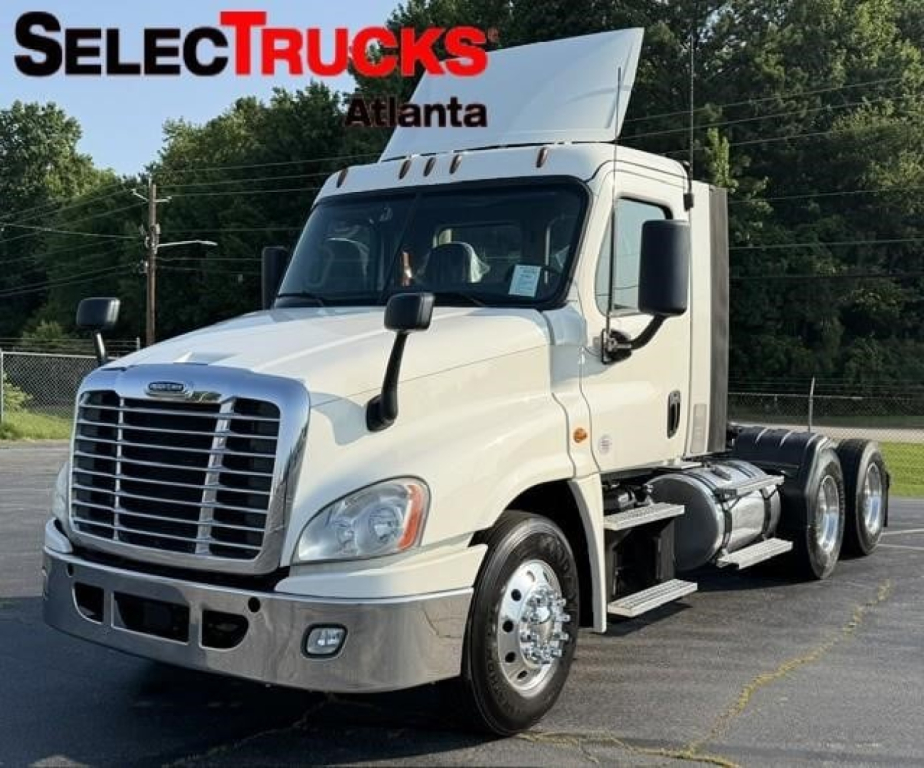
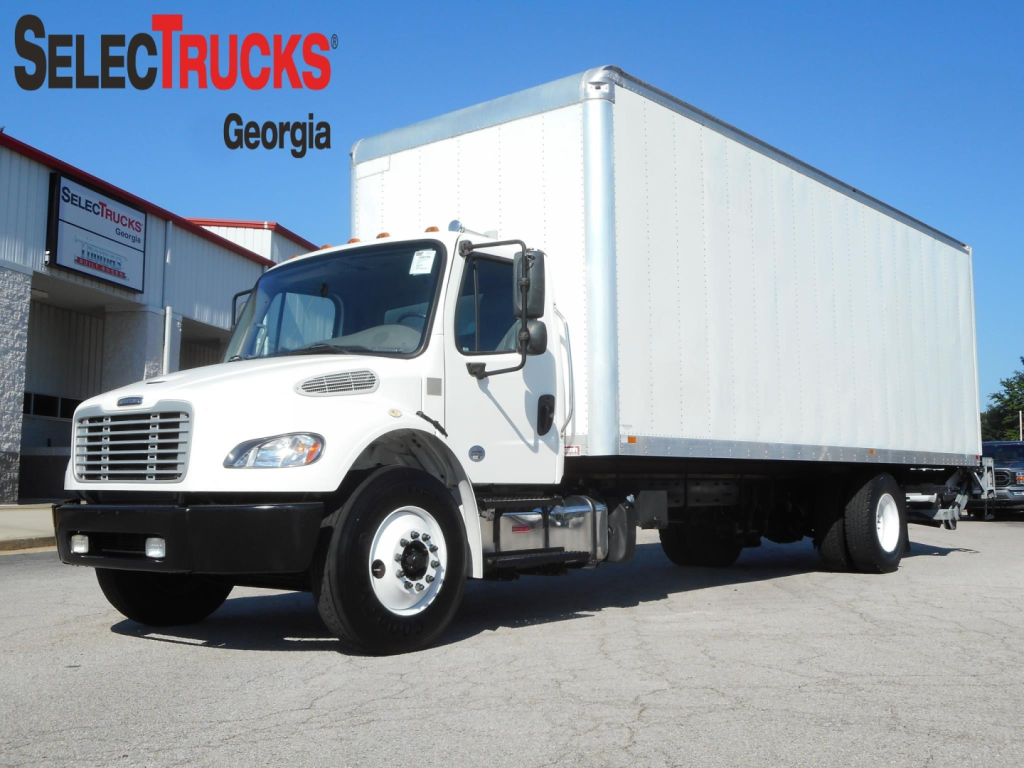
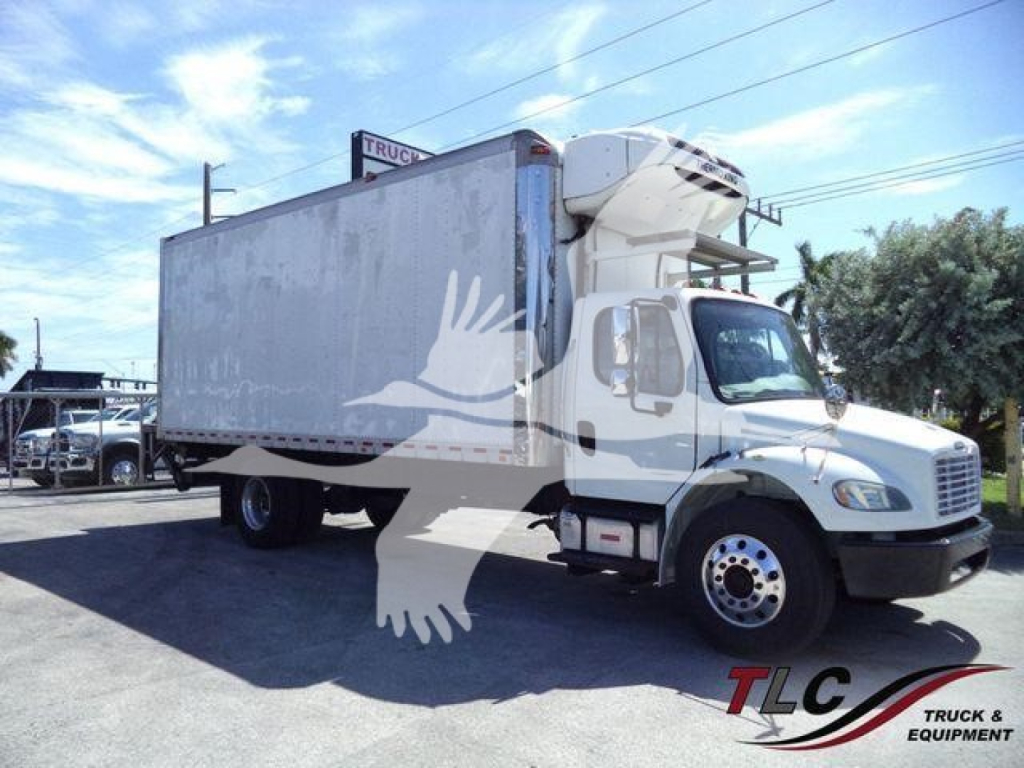
Showing 1 to 28 of 47 results
Selling a 2019 freightliner truck? List your 2019 freightliner truck for sale and reach thousands of commercial buyers.
2019 Freightliner Trucks
For over-the-road use, the most common 2019 Freightliner truck on the market is the Cascadia, especially the Cascadia 126 and related Class 8 sleeper and day cab layouts. Typical specs include Detroit DD13 or DD15 diesel engines, horsepower ratings from the low 400s into the 500 hp range, tandem 6x4 drivetrains, 40,000 lb rear axles, and wheelbases tailored to either sleeper comfort or regional maneuverability. Buyers should pay close attention to rear axle ratio, fuel capacity, and fifth wheel setup because those three items say a lot about the truck’s intended job. A 2.16 or 2.28 ratio points toward fuel-efficient linehaul work, while a shorter wheelbase day cab with a sliding fifth wheel may be better suited for regional freight, dedicated lanes, or drop-and-hook operations. If the truck has the DT12 AMT, review clutch history, software updates, and calibration records along with standard engine service documentation.
Vocational 2019 Freightliner trucks deserve a different buying approach. A Freightliner set up as a tanker, water truck, flatbed support unit, or municipal chassis may share the same cab DNA as a highway tractor, but body integration matters as much as the chassis. In those listings, verify GVWR, PTO configuration, pump or auxiliary equipment condition, suspension type, brake specification, and frame layout. Front axle ratings, cab-to-axle measurement, and frame reinforcement can make or break body compatibility. If the truck is already working with a mounted tank or specialty body, inspect corrosion, plumbing routing, hydraulic components, and evidence of frame stress around body mounts. On vocational units, engine hours can be as important as mileage because idle time and PTO use often drive wear patterns.
Across the board, 2019 Freightliner trucks are attractive because parts support is broad, dealer familiarity is strong, and many fleet buyers already know the Detroit powertrain ecosystem. Look for complete maintenance records, fault code history, aftertreatment service, tire wear consistency, and signs of suspension or steering play. On sleeper models, check bunk HVAC, inverter setup, cabinets, and refrigerator provisions if driver retention matters. On day cabs, focus on wheelbase, axle ratings, turning radius, and how well the truck matches trailer type and payload. A well-spec'd 2019 Freightliner can be a very efficient highway tractor or a durable vocational platform, but the best value comes from matching the truck’s original spec to the work you expect it to do now.
Frequently Asked Questions about 2019 Freightliner Trucks
What engines are common in 2019 Freightliner trucks?
The most common engines in 2019 Freightliner trucks are Detroit DD13 and Detroit DD15 diesel engines, especially in Cascadia highway tractors. The DD13 is often chosen for regional haul and lighter weight applications, while the DD15 is a frequent choice for long-haul freight where torque and fuel economy under sustained load matter more. Some vocational Freightliner trucks may also appear with Cummins power depending on the chassis and upfit.
Is a 2019 Freightliner Cascadia a good choice for fleet or owner-operator use?
A 2019 Freightliner Cascadia is a practical choice for both fleet and owner-operator buyers because it offers modern safety and aerodynamics, broad parts availability, and familiar service support across North America. It is especially attractive when maintenance history is documented and the truck has a spec that fits the intended lane, trailer type, and average gross weight. The best results come from matching axle ratio, wheelbase, sleeper size, and engine rating to the actual operation rather than buying only on mileage or price.
What should I check first on a used 2019 Freightliner truck?
Start with the maintenance records, engine hours, fault codes, emissions system history, and transmission service documentation. After that, inspect tire wear, suspension condition, steering components, brake type and remaining life, and any evidence of uneven driveline wear. On a sleeper, check HVAC, bunk equipment, and cab electronics. On a vocational truck, inspect PTO operation, body mounts, hydraulic or pump systems, and frame condition around the upfit.
Are 2019 Freightliner trucks mostly automatic or manual?
Many 2019 Freightliner highway trucks were spec'd with automated manual transmissions, most notably the Detroit DT12, because fleets prioritized fuel economy, driver ease, and standardization. Manual transmissions can still be found, particularly in certain vocational or specialized applications, but AMTs are very common in this model year. Buyers should confirm transmission model, software status, and clutch calibration history before purchase.
What is the difference between a 2019 Freightliner day cab and sleeper?
A 2019 Freightliner day cab is built for regional work, port service, local delivery, or dedicated lanes where overnight accommodations are not needed. It usually has a shorter wheelbase, lower curb weight, and easier maneuverability. A sleeper model adds living space and often larger fuel capacity, making it better suited for long-haul and multi-day routes. The right choice depends on route length, trailer type, payload needs, and driver requirements.