
2019 Freightliner Bus Trucks For Sale
Have 2019 freightliner bus truck to sell? List it here to reach thousands of buyers.
2019 Freightliner Bus Trucks
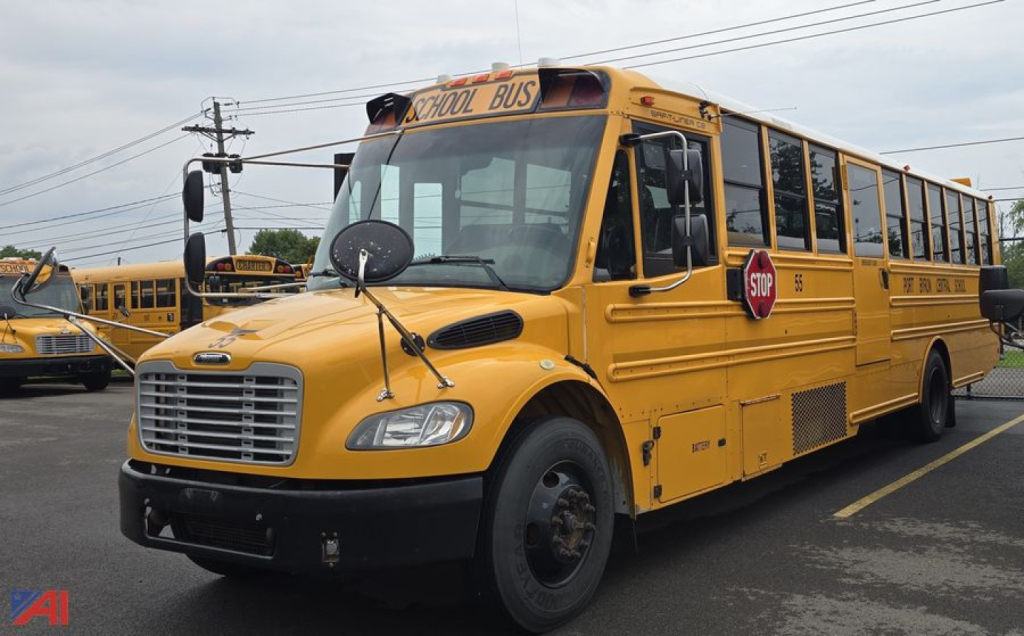
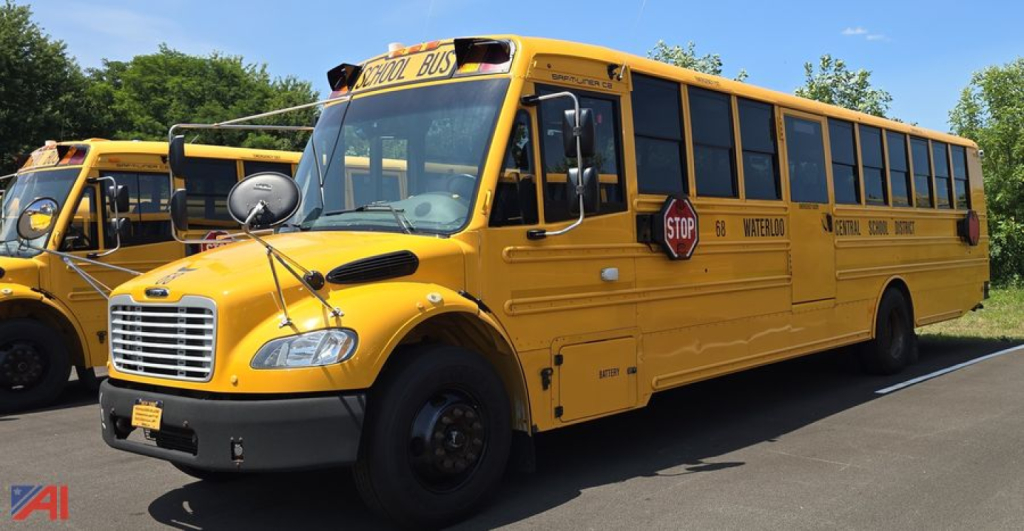
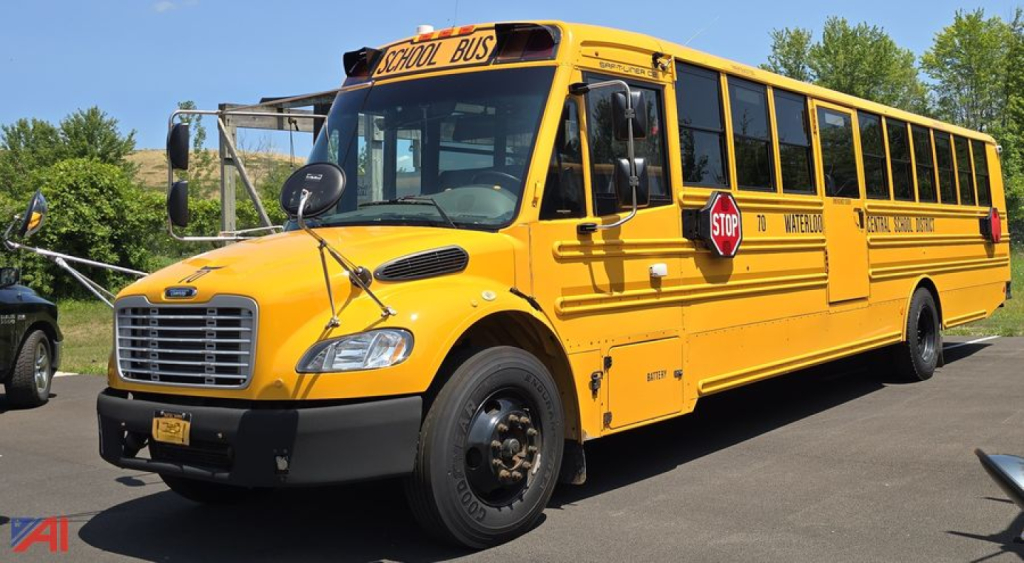
The first buying decision is usually route type and passenger load. A full-size Freightliner school bus in this year range often comes with varying passenger capacities, axle ratings, and wheelbase lengths depending on district specification. Common considerations include seat count, underbody corrosion, lift-equipped versus standard entry, and storage layout for activity or special-needs use. Buyers should also verify GVWR, brake configuration, tire size, and suspension setup, since school buses that look similar on the outside can be spec'd very differently for city stop-and-go routes, rural mileage, or mixed-use duty.
On the powertrain side, 2019 Freightliner bus trucks commonly use diesel engines such as the Cummins B6.7 backed by an automatic transmission, often an Allison unit. That combination is well understood in the market and generally preferred for straightforward parts access and technician familiarity. Pay close attention to idle hours, total engine hours, DEF system service history, DPF cleaning records, and any fault-code history tied to emissions components. A bus with reasonable miles can still show heavy wear if it spent years in dense stop cycles, extended idling, or severe winter service. Frame condition, body seams, entrance door operation, warning light function, wheelchair lift condition if equipped, and HVAC performance all matter just as much as odometer reading.
A 2019 Freightliner bus can fit several applications beyond school duty where local regulations allow, including church transport, employee shuttle work, private campus use, and nonprofit passenger movement. Buyers converting from yellow bus service should confirm title status, state equipment rules, and any requirements for seat belts, emergency exits, or lighting changes before purchase. The strongest units in this category usually combine a documented maintenance file, clean body structure, predictable powertrain spec, and a route history that matches the next owner’s intended use.
Frequently Asked Questions about 2019 Freightliner Bus Trucks
What engine and transmission are common in a 2019 Freightliner bus truck?
Many 2019 Freightliner bus trucks, especially Thomas Built C2 school bus configurations, are equipped with a Cummins B6.7 diesel engine and an Allison automatic transmission. This is a popular combination because it is widely supported, familiar to fleet technicians, and suited to frequent-stop passenger service. Exact ratings can vary by fleet spec, so buyers should confirm horsepower, torque, rear axle ratio, and transmission model from the data plate or build sheet.
What should I inspect first on a used 2019 Freightliner school bus?
Start with service records, engine hours, and emissions maintenance history. After that, inspect the frame, crossmembers, floor, stepwell, body seams, door operation, brake condition, suspension wear, and tire date codes. On passenger buses, interior condition matters because seat frames, flooring, heaters, and emergency equipment can reveal how hard the unit was used. A pre-purchase inspection should also include active and stored fault codes, DEF and DPF system status, and a road test under load if possible.
Are 2019 Freightliner bus trucks good for shuttle or church conversion use?
They can be a strong choice for shuttle, church, or private passenger service if local regulations permit the conversion. The Freightliner and Thomas Built platform is common, which helps with service access and replacement parts. Buyers need to confirm title requirements, insurance standards, seating compliance, lighting changes, and any school bus equipment removal rules in their state. The best conversion candidates usually have sound body structure, good HVAC function, and a maintenance history that supports continued passenger use.
How important are route history and idle hours on a 2019 Freightliner bus?
They are very important because passenger buses often accumulate wear in ways that mileage alone does not show. A bus used on short urban routes with constant stops, door cycles, and extended idling may have more drivetrain, brake, and emissions wear than a higher-mileage bus on longer rural routes. Engine hours help buyers understand real operating time, and route history gives context for suspension wear, interior condition, and aftertreatment stress.