
2019 Freightliner Trucks For Sale in Nebraska
Shop 2019 Freightliner trucks for sale in Nebraska, including Cascadia day cabs and sleepers with DD13 or DD15 power and DT12 automation.
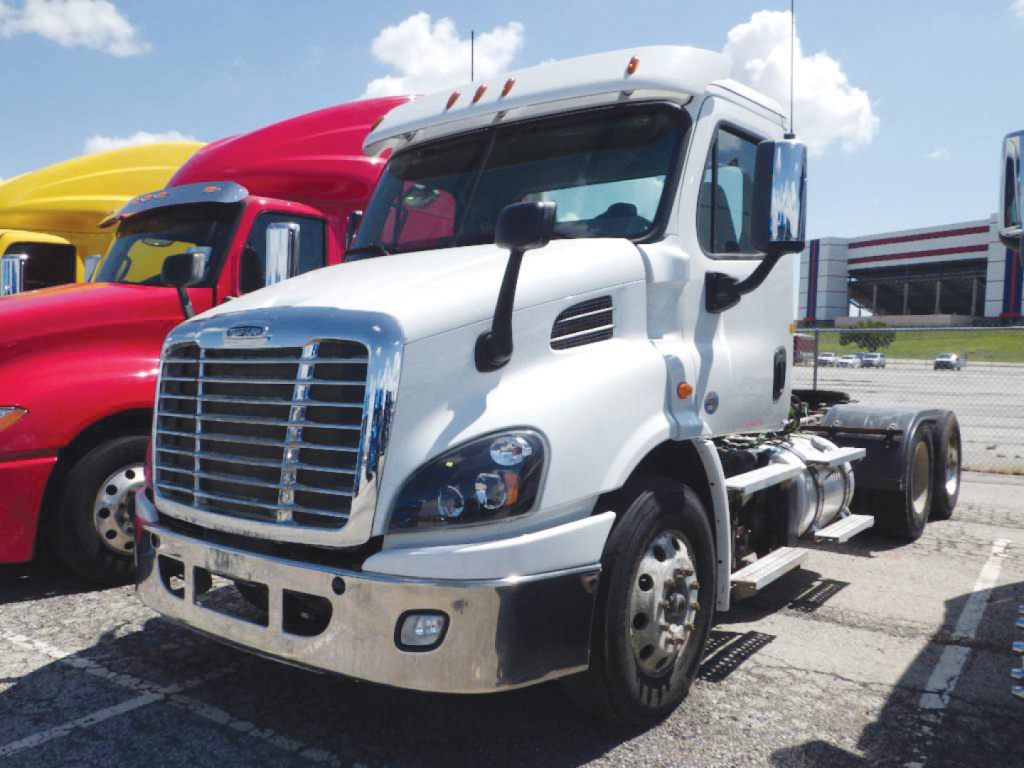
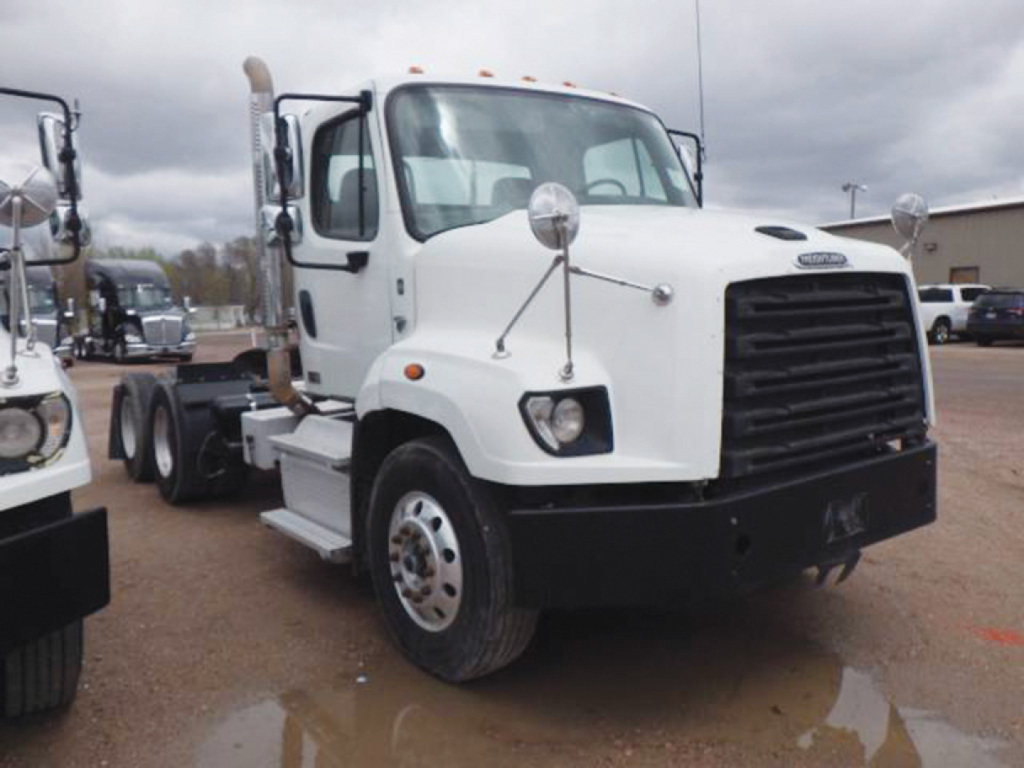
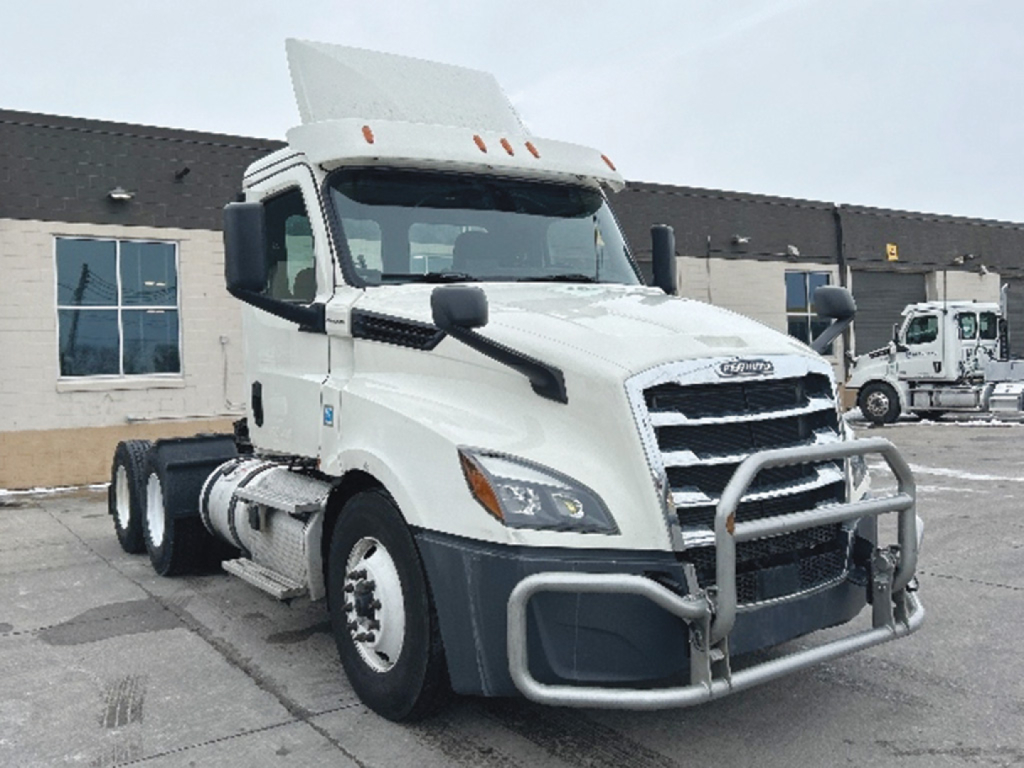
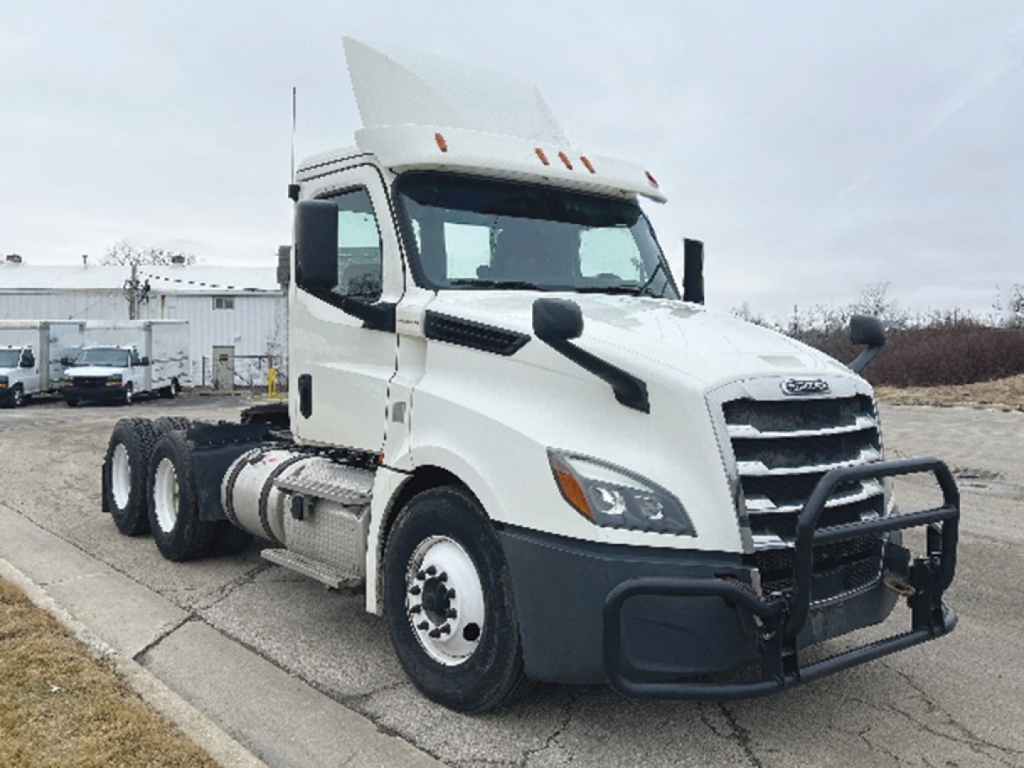
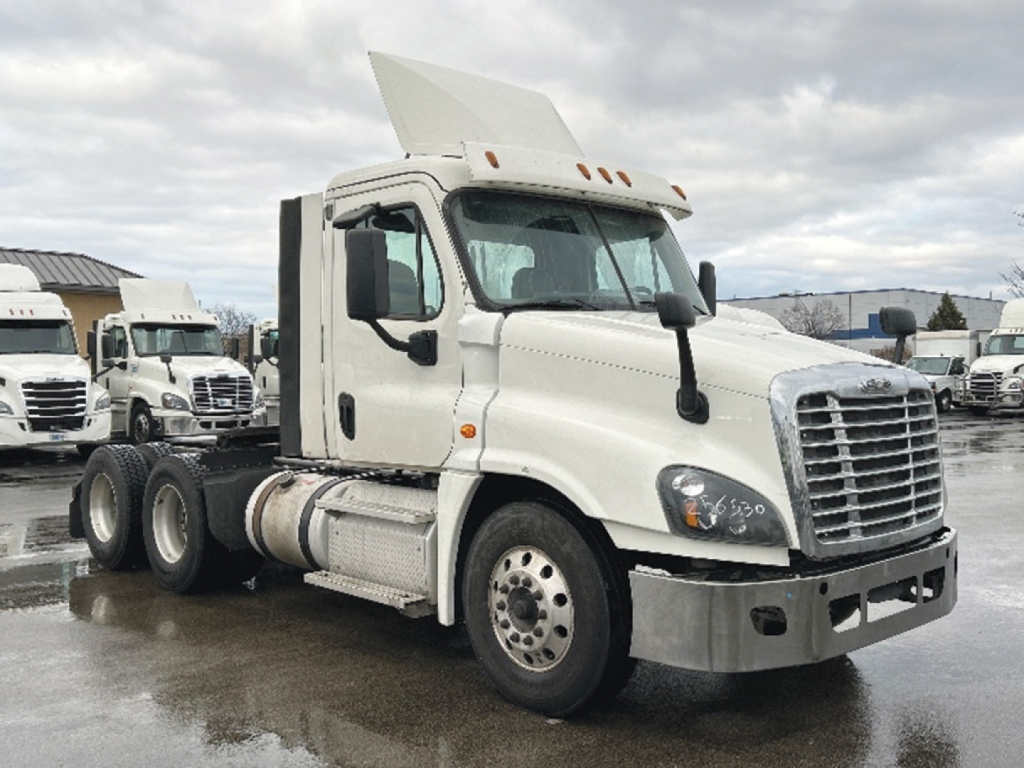
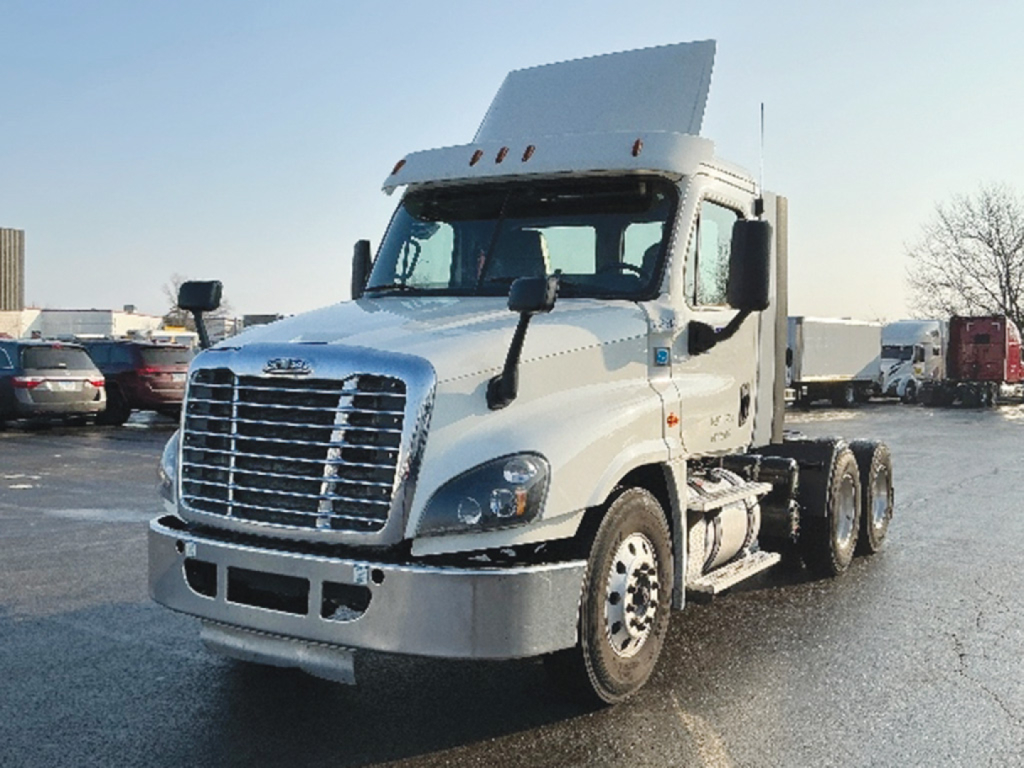
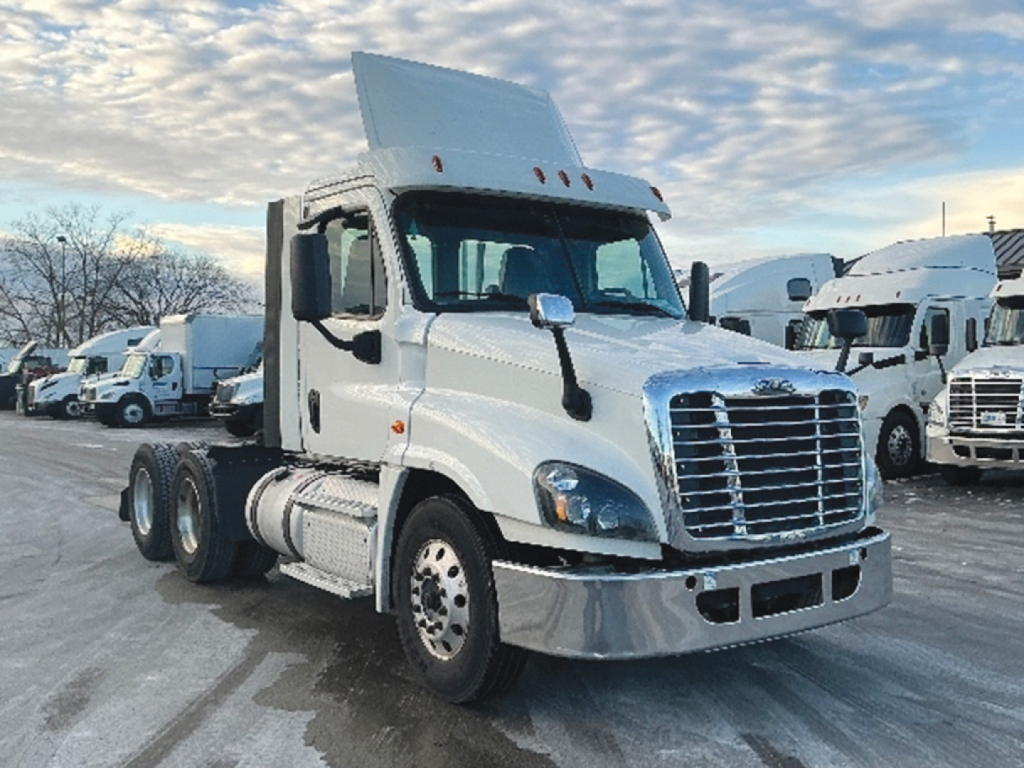
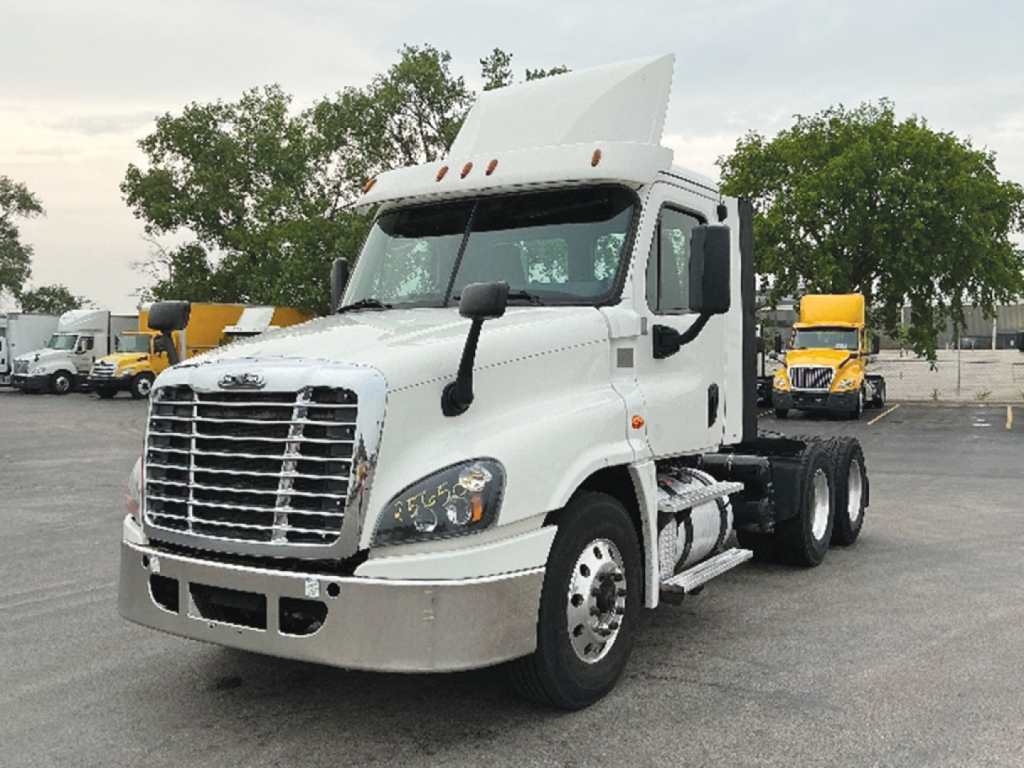
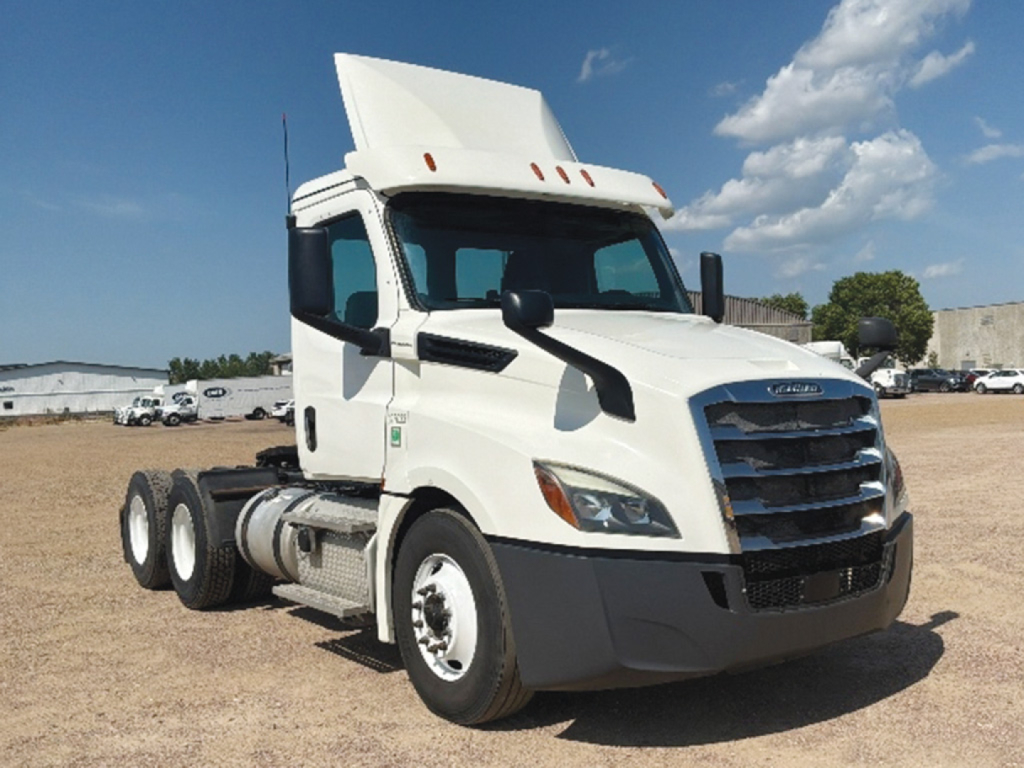
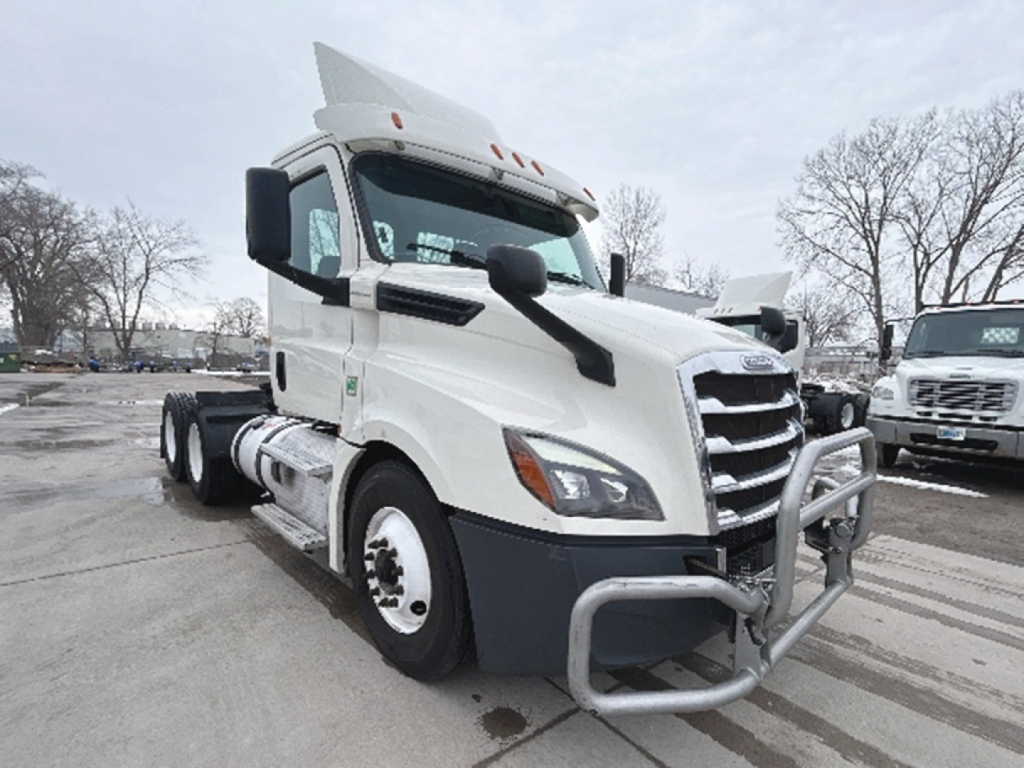

Selling a 2019 freightliner truck? List your 2019 freightliner truck for sale and reach thousands of commercial buyers.
2019 Freightliner Trucks in Nebraska
Powertrain is where most 2019 Freightliner buying decisions are made. Many units from this model year are spec'd with Detroit DD13 or DD15 engines paired to the Detroit DT12 automated manual transmission. The DD13 usually makes sense for lighter regional work, fuel-conscious fleets, and applications that do not need maximum torque. The DD15 is more common in highway tractors hauling heavier freight or running longer miles, typically in the 455 to 505 horsepower range depending on spec. Rear axle ratings around 40,000 pounds, ratio choices such as 2.85 or 3.08, and wheelbases from roughly 178 to 230 inches are common in this class. Those details matter because they directly affect cruise RPM, startability, payload flexibility, and trailer compatibility.
A 2019 Freightliner Cascadia also stands out for driver-assist and efficiency features that became increasingly common in this era. Buyers should look closely at collision mitigation systems, engine brake performance, fairing packages, air-slide fifth wheels, disc brake availability, and aluminum wheel specs. On sleeper trucks, APUs, refrigerators, bunk layout, and fuel capacity can make a real difference in idle time and driver comfort. On day cabs, look at frame layout, fifth wheel travel, and any PTO or vocational prep if the truck will be used beyond standard van or reefer service. Service records are especially important on automated transmissions, aftertreatment systems, and chassis electrical components, since uptime depends as much on maintenance history as it does on badge and model year.
Nebraska buyers often prioritize trucks that can cover interstate mileage efficiently but still handle wind, weather, and changing freight demands across the Plains and Midwest. That makes aero spec Cascadias with balanced axle ratios, air ride suspension, and reliable emissions maintenance especially attractive. A well-matched 2019 Freightliner should be evaluated by application first, then by engine rating, axle ratio, wheelbase, and cab equipment. When those specs line up with the freight, a 2019 Freightliner can still be a cost-effective truck for long-haul, regional, or local commercial work.
Frequently Asked Questions about 2019 Freightliner Trucks in Nebraska
What engines are common in 2019 Freightliner trucks?
The most common engines in 2019 Freightliner highway trucks are the Detroit DD13 and Detroit DD15. The DD13 is often chosen for regional hauling and operations focused on lighter weight and fuel economy, while the DD15 is more common in long-haul and heavier gross weight applications. The right choice depends on route profile, average load, terrain, and how much reserve power your operation needs.
Is a 2019 Freightliner Cascadia better as a day cab or sleeper?
That depends on the freight and the length of haul. A day cab is usually the better fit for local and regional work because it is lighter, shorter, and easier to maneuver. A sleeper is the better choice for over-the-road freight, team operations, and any application where driver comfort, onboard storage, and rest accommodations matter. Wheelbase, fuel capacity, and interior equipment should be matched to the intended run length.
What transmission is typically found in a 2019 Freightliner highway tractor?
Many 2019 Freightliner Cascadia trucks are equipped with the Detroit DT12 automated manual transmission. It is common in fleet and owner-operator specs because it supports fuel-efficient shifting and reduces driver fatigue compared with a manual. Buyers should still review service history, clutch-related maintenance, and software calibration records, because transmission performance depends heavily on proper upkeep.
What axle ratios are common on 2019 Freightliner trucks, and why do they matter?
Common ratios include 2.85 and 3.08, especially on aero highway tractors. A lower numerical ratio such as 2.85 usually favors lower engine RPM at highway speed and can improve fuel economy in long-haul service. A 3.08 ratio can offer a better balance for regional work, heavier loads, or routes with more stop-and-go driving. The axle ratio needs to be considered together with tire size, horsepower, torque rating, and transmission gearing.
What should buyers inspect closely on a used 2019 Freightliner?
The highest-value inspection points are the emissions system, maintenance history, transmission operation, brake type and wear, suspension condition, and chassis electronics. On sleeper models, check the APU, HVAC performance, bunk equipment, and signs of excessive idle time. It is also smart to confirm wheelbase, rear axle rating, fifth wheel setup, and any safety systems so the truck matches the trailer and freight it will actually pull.