
2019 Freightliner Conventional Daycab Trucks For Sale in Nebraska
Shop 2019 Freightliner conventional daycab trucks in Nebraska. Compare Cascadia specs, DD13 power, wheelbase, axle ratios, and safety features.
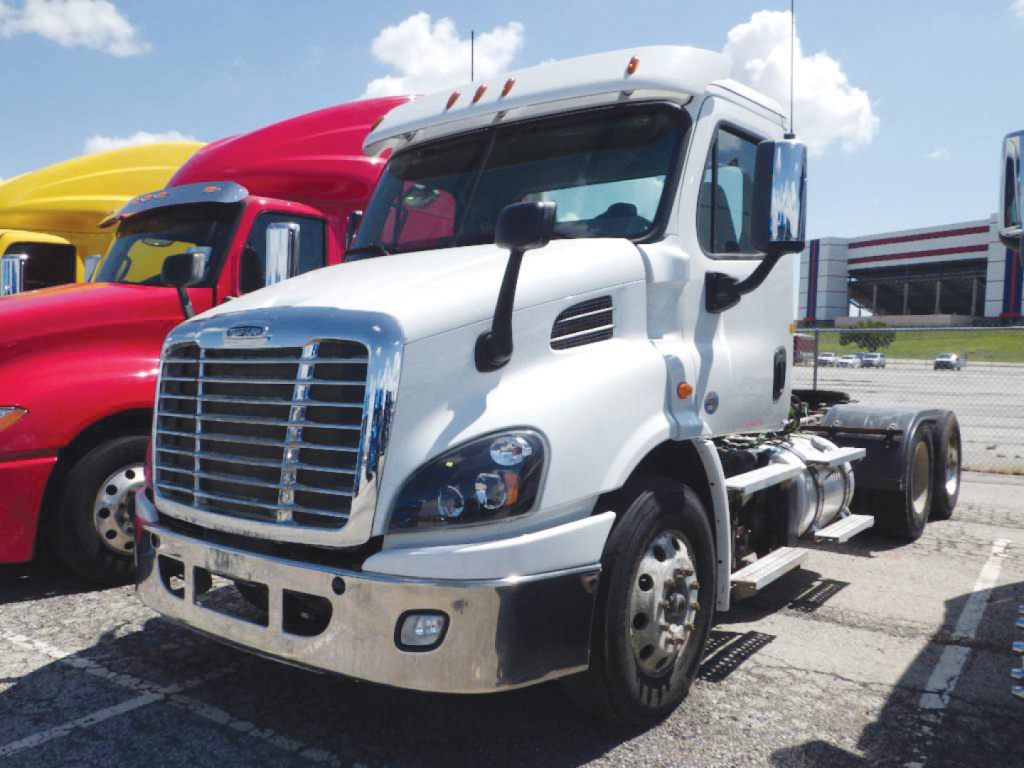
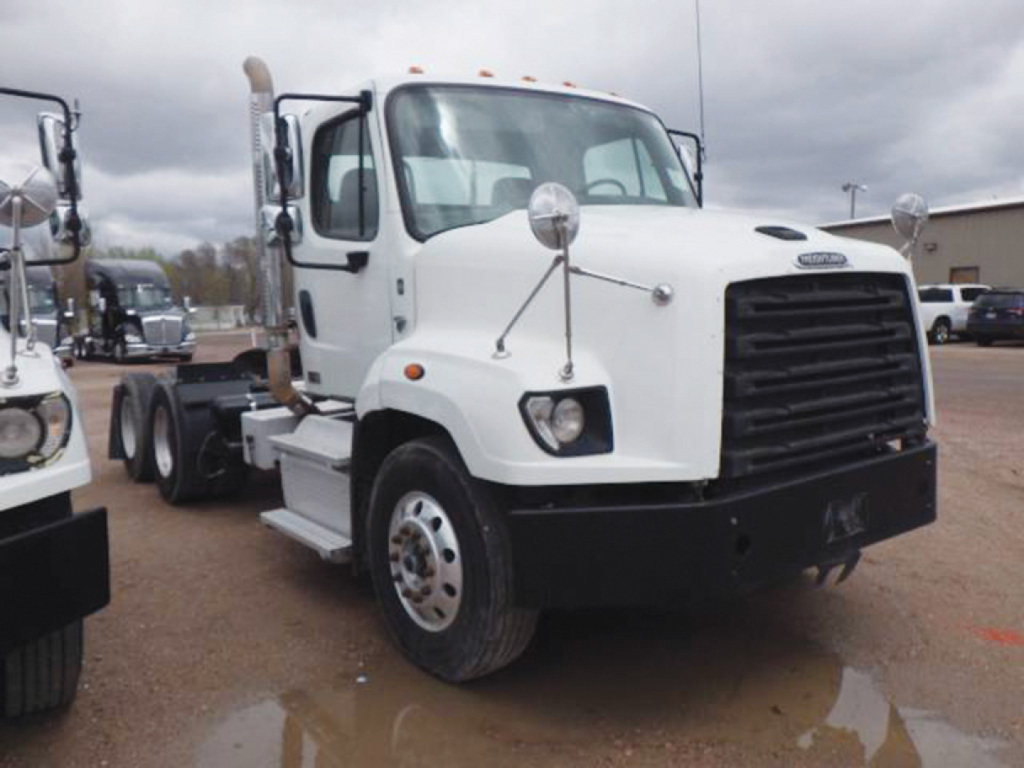
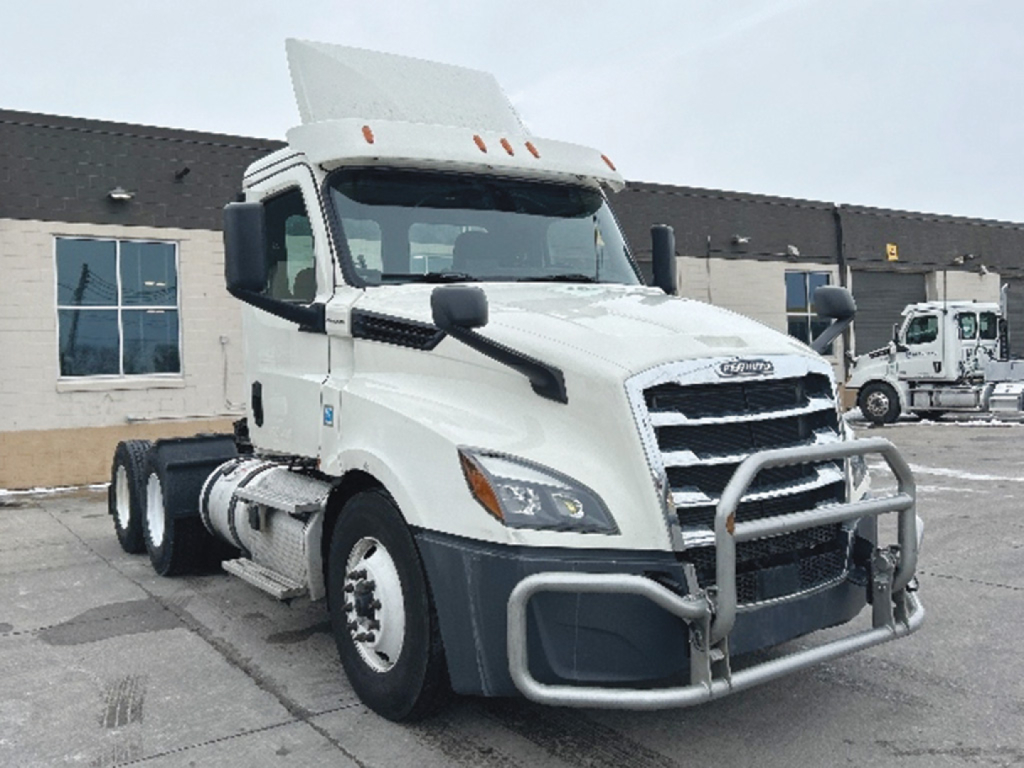
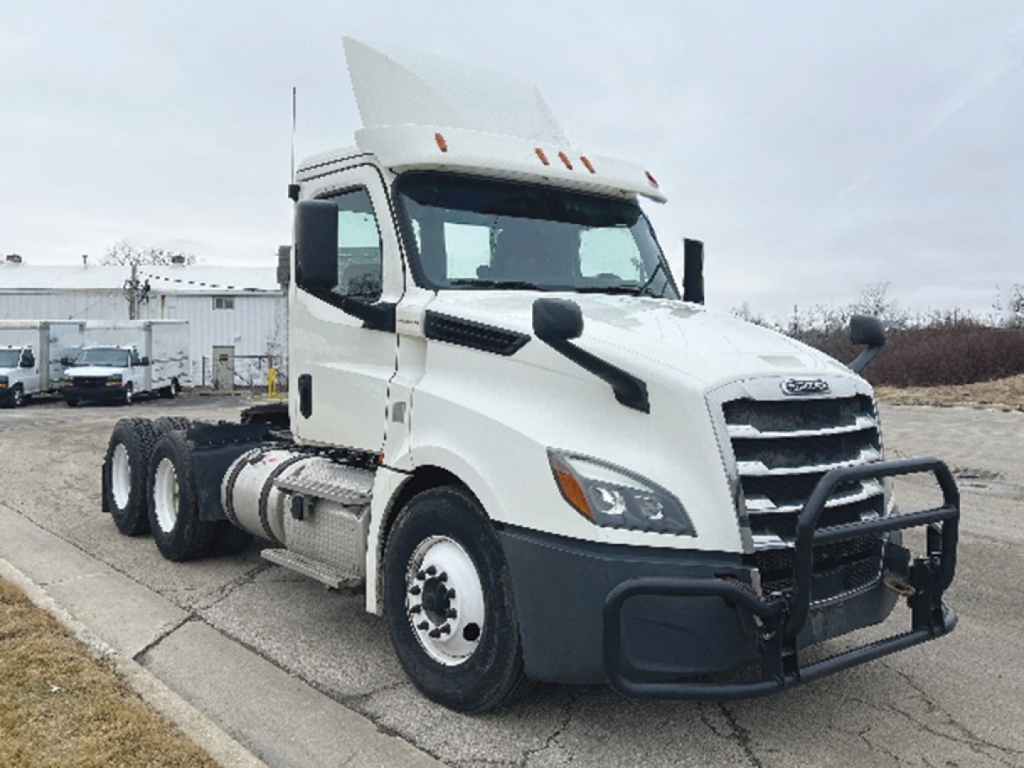
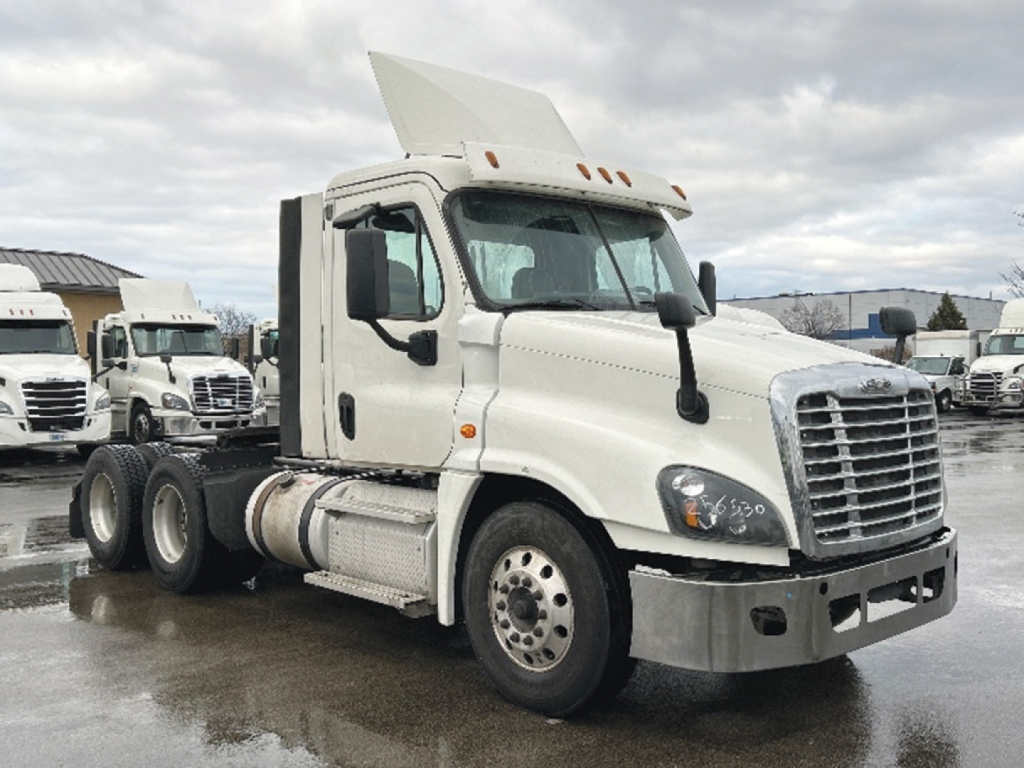
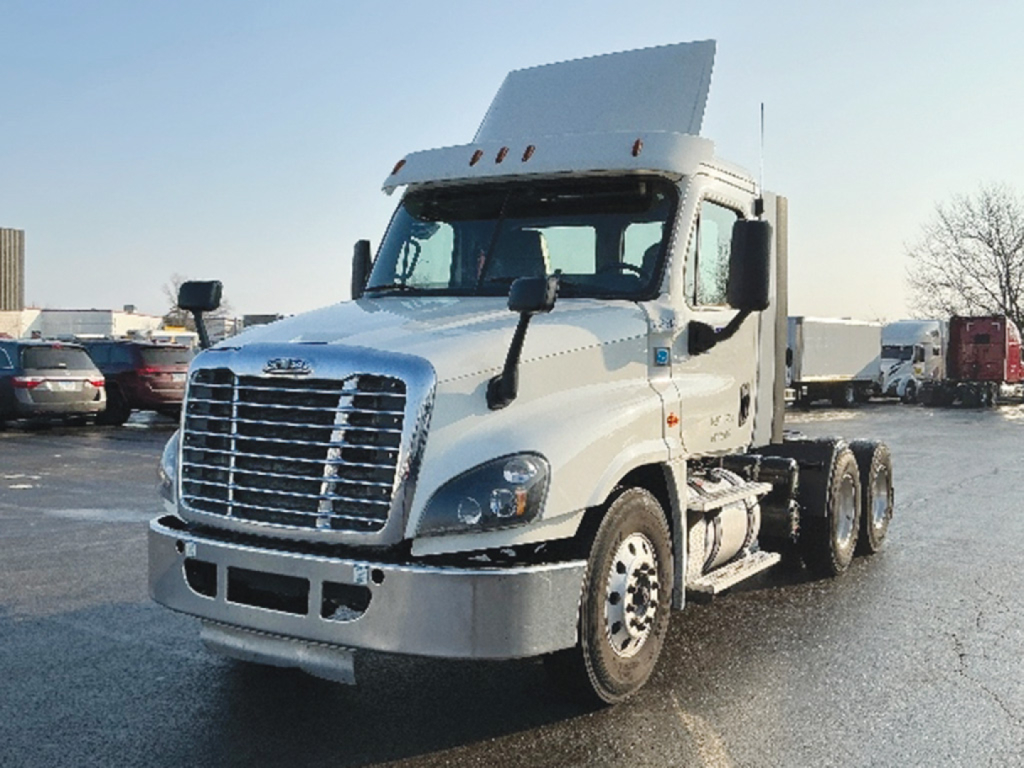
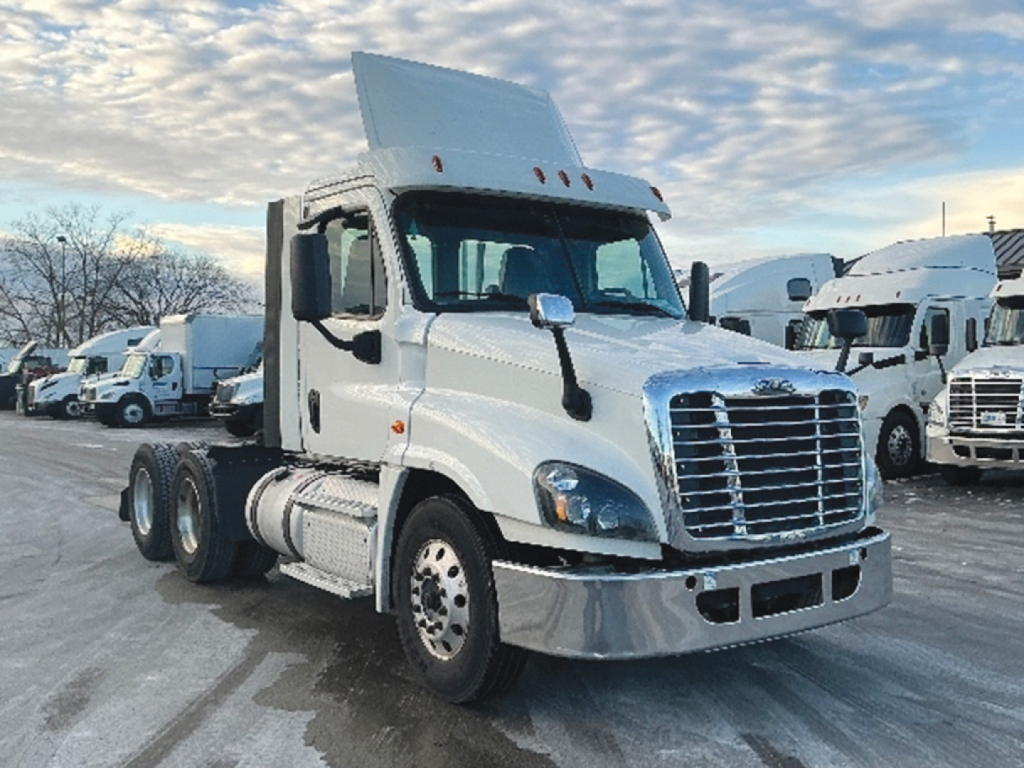
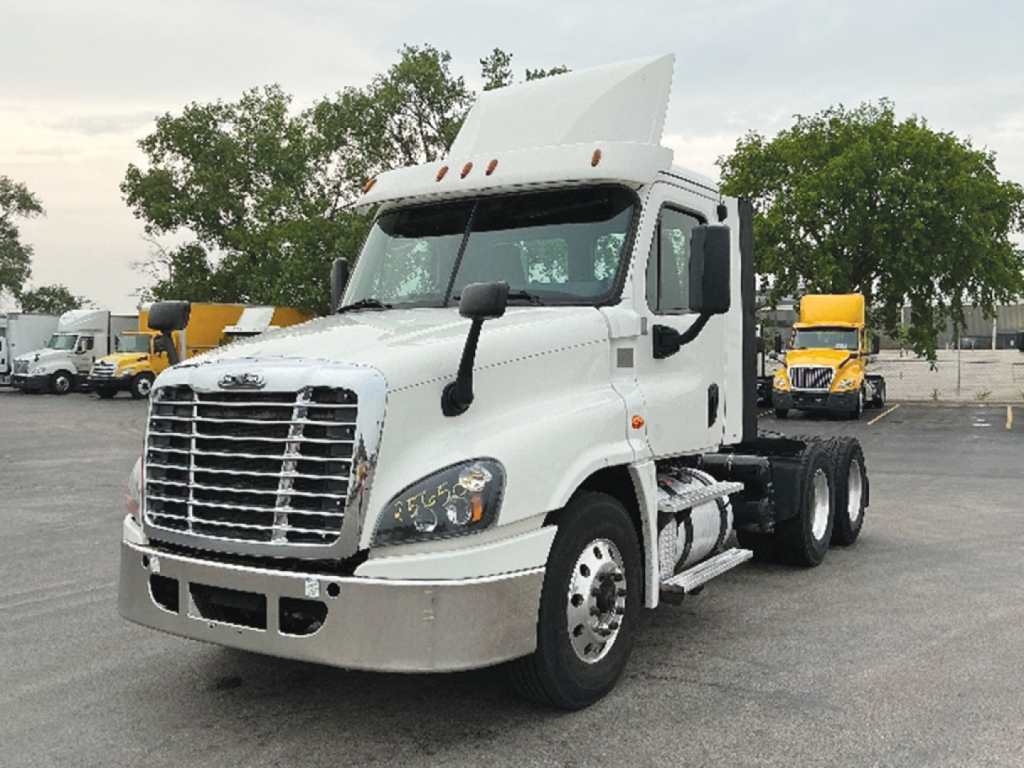
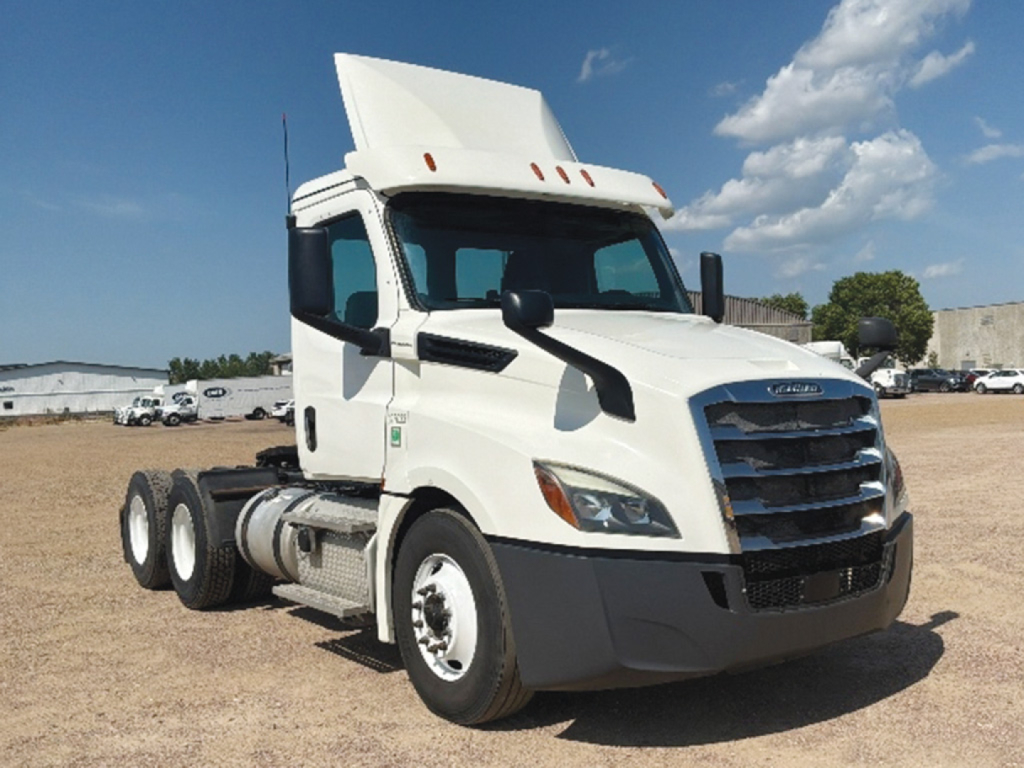
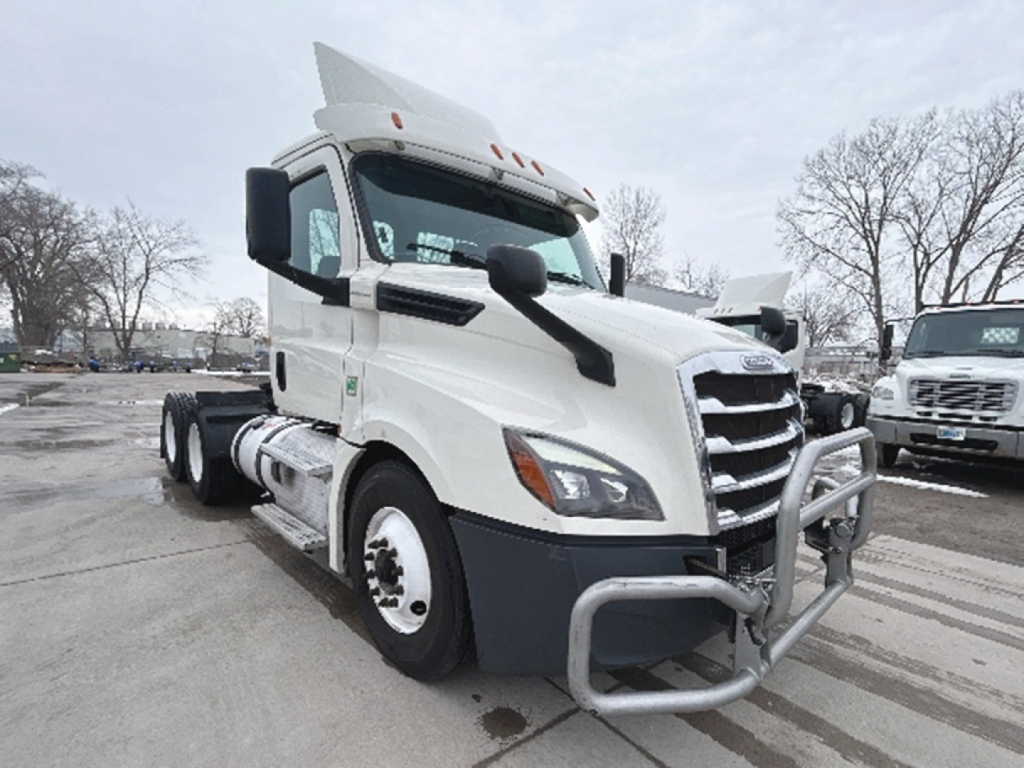
Selling a 2019 freightliner conventional daycab truck? List your 2019 freightliner conventional daycab truck for sale and reach thousands of commercial buyers.
2019 Freightliner Conventional Daycab Trucks in Nebraska
The first specs to sort out are engine, transmission, rear axle ratio, and wheelbase. Many 2019 Freightliner daycabs are equipped with a Detroit DD13 in the 435 to 470 horsepower range, commonly paired with the Detroit DT12 automated manual transmission. That combination is popular for fleets because it is efficient, simple for drivers to operate, and well matched to highway and regional applications. Rear axle ratings around 40,000 pounds are common, and axle ratios such as 2.47 or 3.08 matter more than many buyers expect. A 2.47 ratio generally favors fuel economy and lower cruise rpm on highway runs, while a 3.08 setup can be the better choice if the truck sees heavier starts, more secondary roads, or vocational-style pulling. Wheelbase also deserves close attention because it affects trailer swing clearance, fifth wheel placement, bridge law flexibility, and turning radius. Many daycabs in this class fall around the high-170s to 190 inches.
A 2019 Freightliner conventional daycab should also be evaluated on braking and driver-assist equipment, not just powertrain. Disc brakes are increasingly desirable for stopping consistency and service performance in high-cycle work. Engine brakes, air ride suspension, air slide fifth wheels, and aluminum wheels are all common features that add practical value in daily operation. Some trucks from this year also include collision mitigation systems, which can matter for fleet safety standards and insurance considerations. Inside the cab, tilt-telescoping steering, cruise control, power windows, and a more refined Cascadia interior make a difference for retention when the truck is assigned to regional drivers who spend full days in the seat but return home at night.
Buyers comparing 2019 Freightliner daycabs should pay attention to the exact application the truck was built for. A highway fleet spec with aerodynamic fairings, low-rpm gearing, and a lighter fuel-saving setup is different from a terminal tractor or heavy regional spec with different frame, suspension, and ratio priorities. Also confirm fifth wheel travel, fuel capacity, exhaust layout, and any add-ons such as deer guards or quarter fenders. Freightliner daycabs from this era remain a common choice because parts access, service familiarity, and broad driver acceptance are strong, but the best truck is still the one whose gearing, wheelbase, and axle package match the load and route profile.
Frequently Asked Questions about 2019 Freightliner Conventional Daycab Trucks in Nebraska
What is the most common engine and transmission setup in a 2019 Freightliner conventional daycab?
A common setup is the Detroit DD13 engine paired with the Detroit DT12 automated manual transmission. In 2019 Freightliner daycabs, this combination was widely used for regional and highway service because it delivers a good balance of horsepower, fuel economy, and driver-friendly operation. Power ratings often fall in the 435 to 470 horsepower range, which is enough for most van, reefer, tanker, and general freight applications without stepping up to a larger displacement engine.
Is a 2.47 rear axle ratio good for a 2019 Freightliner daycab?
A 2.47 rear axle ratio is typically a good fit for fuel-conscious highway and regional hauling where the truck spends significant time at cruise speed. It helps keep engine rpm lower and can improve operating efficiency on flatter routes. It is less ideal for applications with frequent heavy starts, steep grades, or vocational-style operation, where a deeper ratio such as 3.08 may provide better launch performance and flexibility.
What wheelbase is typical on a 2019 Freightliner Cascadia daycab?
Many 2019 Freightliner Cascadia daycabs are spec'd in the upper-170-inch to 190-inch wheelbase range, though the right dimension depends on trailer type, kingpin setting, and axle spread requirements. A shorter wheelbase generally improves maneuverability in yards and urban docks, while a longer wheelbase can help with ride quality, weight distribution, and fitting certain fifth wheel positions. Buyers should always compare wheelbase with intended trailer swing clearance and bridge-law needs.
Are 2019 Freightliner daycabs good for regional work in Nebraska?
Yes. A 2019 Freightliner conventional daycab is well suited to Nebraska regional freight because it combines highway efficiency with practical daycab maneuverability. On routes that mix interstate miles, agricultural freight, warehouse drops, and short-turn dispatching, the Cascadia platform is commonly selected for its aerodynamic design, service network familiarity, and comfortable cab layout. The best results come from matching axle ratio, horsepower, and fuel capacity to the actual route profile.
What features should buyers prioritize on a used 2019 Freightliner conventional daycab?
The highest-priority items are powertrain spec, rear axle ratio, brake type, wheelbase, and fifth wheel configuration. After that, buyers should review maintenance history, engine brake operation, suspension condition, tire wear pattern, and any active safety equipment such as collision mitigation. Features like disc brakes, air ride suspension, aluminum wheels, and an air slide fifth wheel can add value, but only if the truck's core spec matches the freight it will pull.