
2019 Grapple Trucks For Sale
Shop 2019 grapple trucks with loader, debris body, and tri-axle specs for storm cleanup, waste hauling, tree service, and bulk debris work.
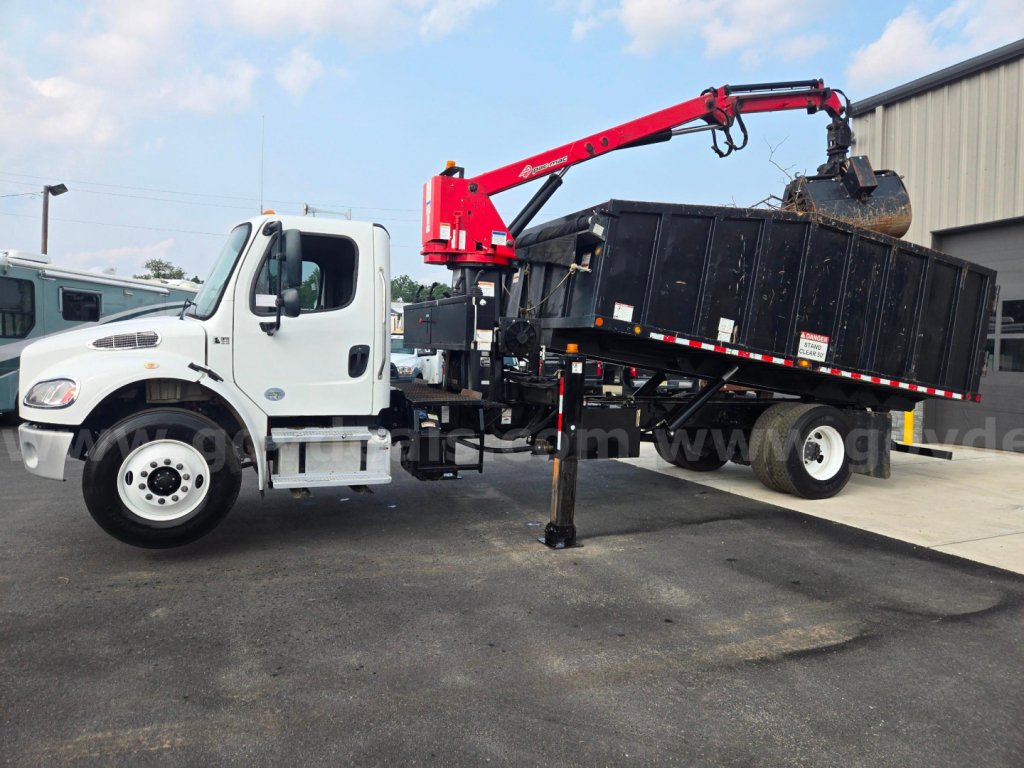
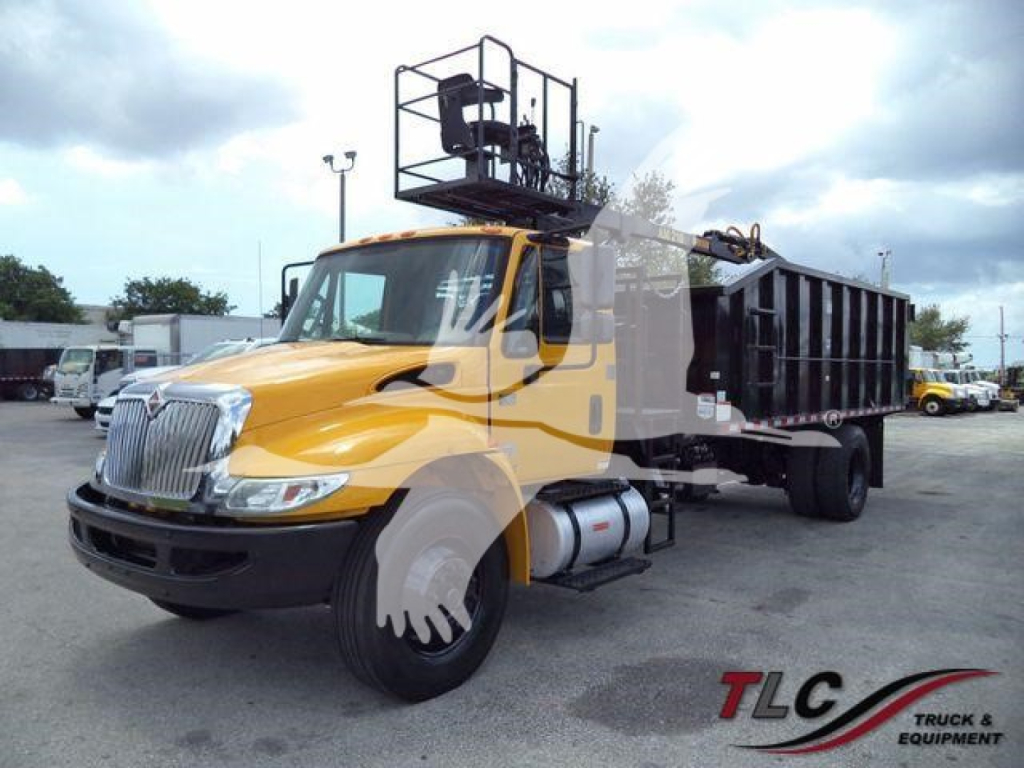
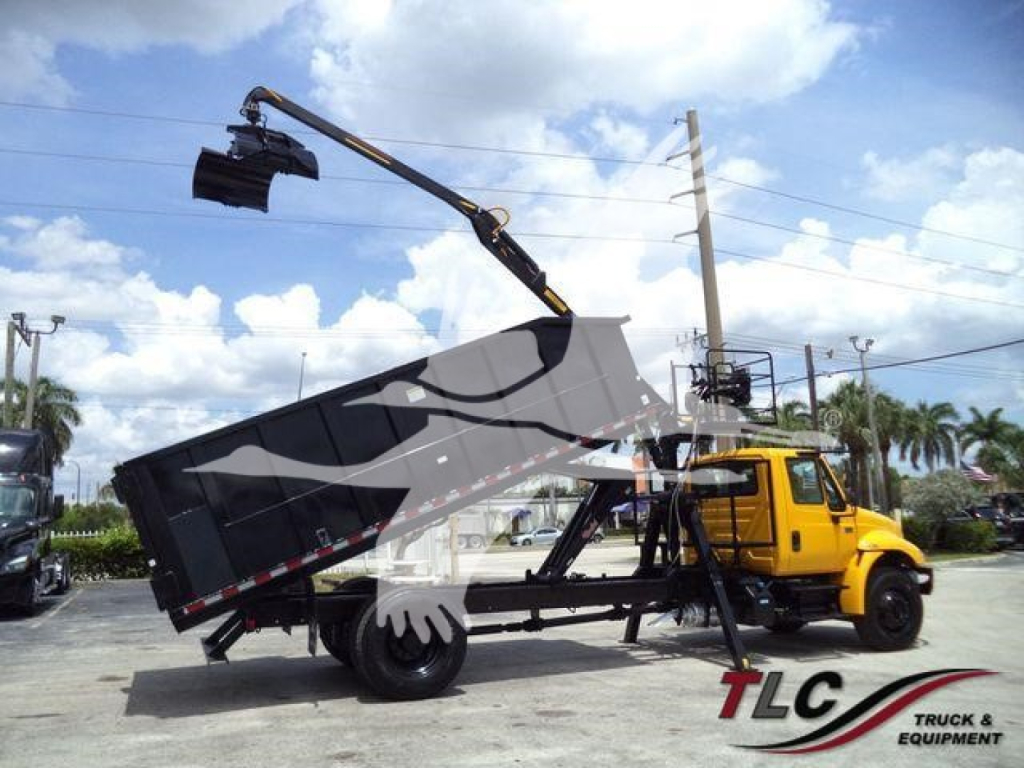
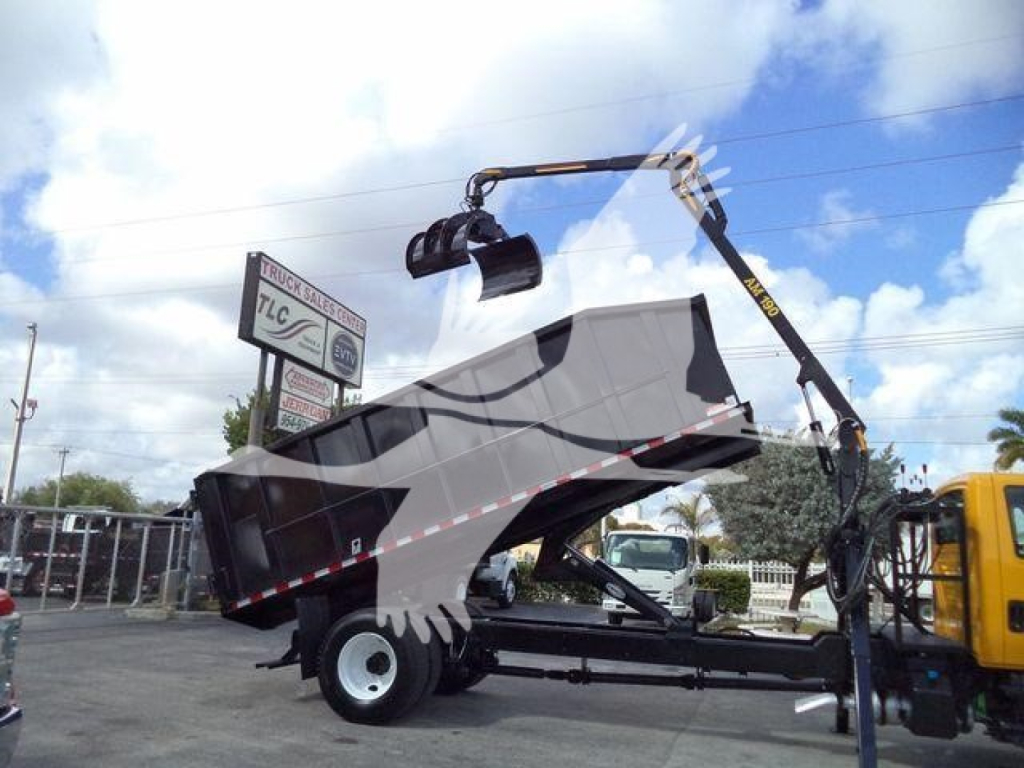
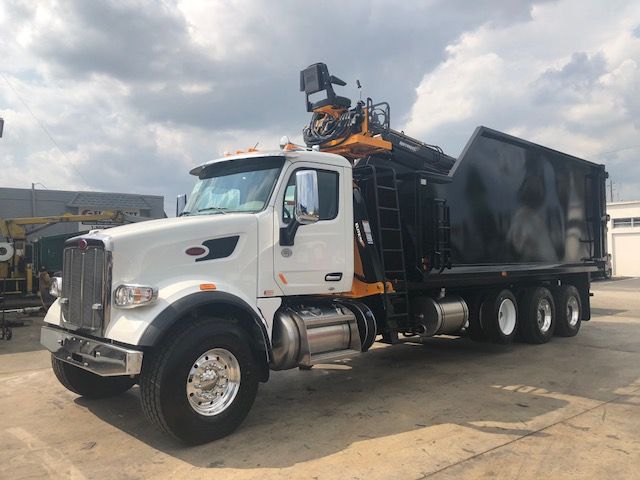
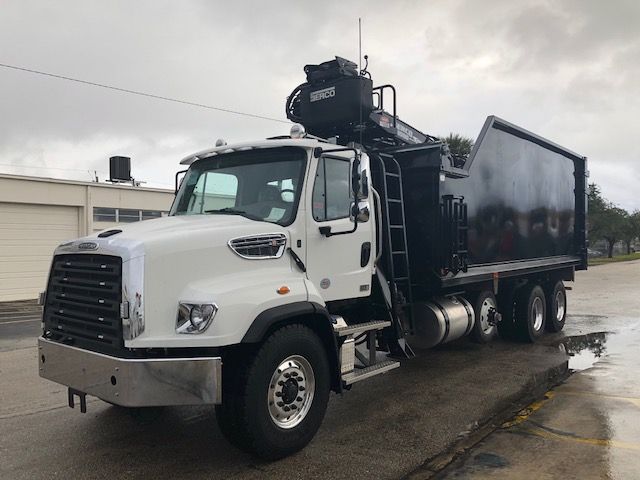
Selling a 2019 grapple truck? List your 2019 grapple truck for sale and reach thousands of commercial buyers.
2019 Grapple Trucks
The loader package is one of the first things to evaluate. Many 2019 grapple trucks in the market use loader models in the Serco 8500 class or comparable units from Rotobec and other manufacturers. Key buying points include boom reach, lift capacity at full extension, rotation performance, hydraulic response, and the condition of pins, bushings, cylinders, and hose routing. Buyers should also confirm whether the truck has an extended boom, continuous rotation, and the grapple style best suited to the work. A 48-inch waste grapple is common for brush and mixed debris, but land clearing and log handling can push buyers toward different tine and capacity configurations.
Body construction matters because these trucks live in abrasive environments. Hardox or HR450 debris bodies are common on 2019 units because they resist wear better than standard steel when handling demolition debris, storm material, and repeated impact loading. Body length and cubic-yard rating affect route efficiency, but capacity has to be matched to axle ratings, suspension spec, and local weight laws. Rear hitches are also common on grapple trucks used in cleanup fleets that tow chippers, mini equipment, or support trailers. On the chassis side, engines in the 400 to 500-plus horsepower range, automatic or automated manual transmissions, and engine brakes are common choices for stop-and-go vocational work.
A buyer comparing 2019 grapple trucks should pay close attention to how the truck was upfitted and how hard it has worked. PTO function, pump output, subframe design, outrigger condition, frame reinforcement, and hydraulic tank placement all affect long-term serviceability. Check for cracks around the loader pedestal, body floor wear, tailgate fitment, and signs of contamination in the hydraulic system. If the truck will operate in tight urban cleanup zones, wheelbase, overall height, and loader placement can matter as much as raw body volume. If the priority is storm response or bulk brush hauling, larger debris bodies and fast-cycle hydraulic loaders usually lead the decision. A well-spec'd 2019 grapple truck can still be a strong fit for contractors and municipalities that need a modern emissions-era chassis with proven vocational capability.
Frequently Asked Questions about 2019 Grapple Trucks
What is the typical configuration of a 2019 grapple truck?
Most 2019 grapple trucks are built on heavy vocational chassis with a hydraulic loader, a grapple attachment, and a high-volume debris body. Tri-axle setups are common because they improve payload distribution and support larger bodies used in brush, storm debris, and waste applications. Many units in this year range also include automatic transmissions, engine brakes, and rear hitches for towing support equipment.
What should I inspect first on a used 2019 grapple truck?
Start with the loader and hydraulic system because that is where expensive repairs often show up first. Inspect boom pins and bushings, cylinders, hose condition, swing bearing wear, PTO engagement, pump performance, and outrigger operation. Then move to the body and chassis by checking the body floor, sidewalls, tailgate, pedestal mounting area, frame reinforcement, axle ratings, and signs of cracking or hard off-road use.
Are Hardox or HR450 debris bodies worth it on a grapple truck?
Yes, wear-resistant bodies are a major advantage on grapple trucks that handle demolition debris, storm waste, and abrasive material. Hardox and HR450 steel typically hold up better than standard steel against dents, gouging, and floor wear, which can reduce downtime and body repair costs. They are especially valuable for fleets that cycle through mixed debris instead of clean brush only.
Is a 2019 grapple truck good for tree service and storm cleanup work?
A 2019 grapple truck is often a strong fit for tree service, municipal cleanup, and storm response because it combines modern chassis features with the body capacity and loader reach needed for fast collection. The best setup depends on the material stream. Brush and limbs usually favor a waste grapple and larger cubic-yard body, while heavier wood or land-clearing material may call for a different grapple design and closer attention to axle capacity.
Do I need a tri-axle grapple truck or will a tandem work?
That depends on body size, route conditions, and the weight of the material you haul. Tri-axle grapple trucks are typically preferred for larger debris bodies and higher legal payload potential, especially in municipal and storm cleanup service. Tandem units can work well where maneuverability is more important than maximum volume, but buyers need to match the axle layout to local bridge laws, disposal site access, and the actual density of the debris.