
2019 Grapple Trucks For Sale in Florida
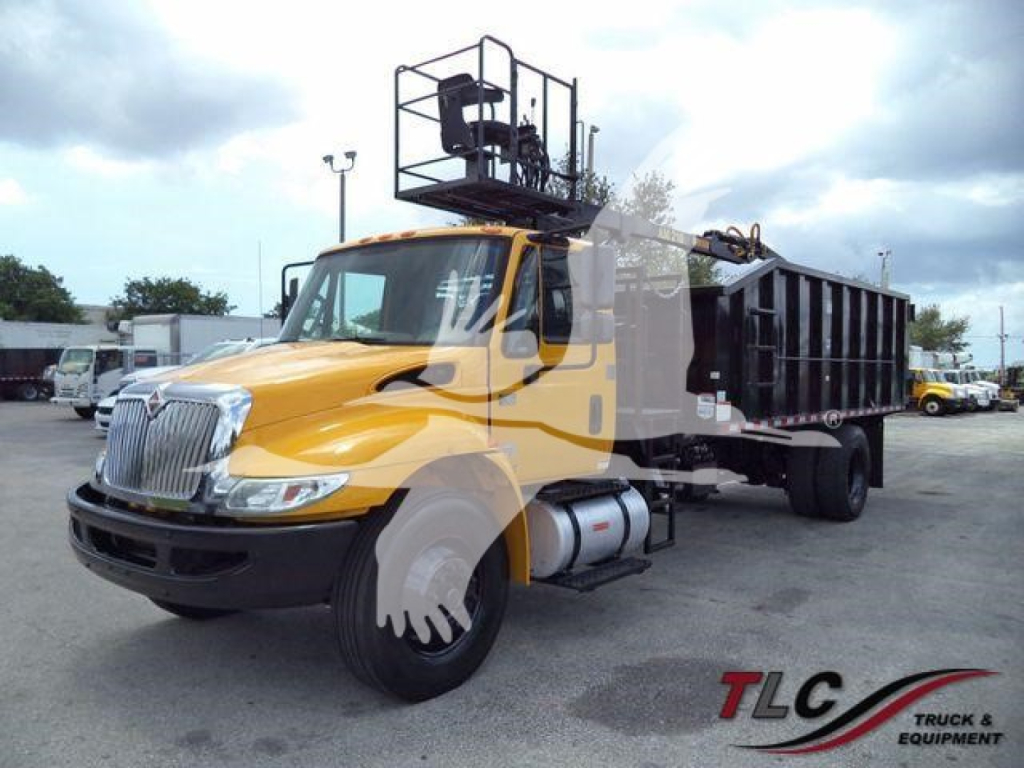
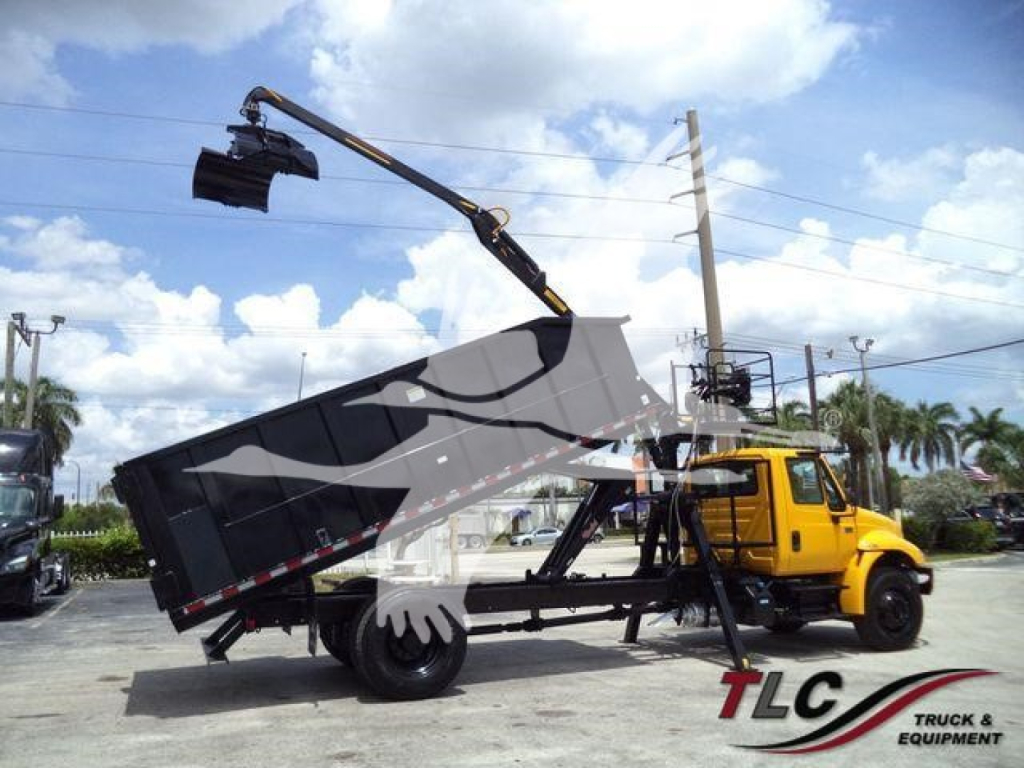
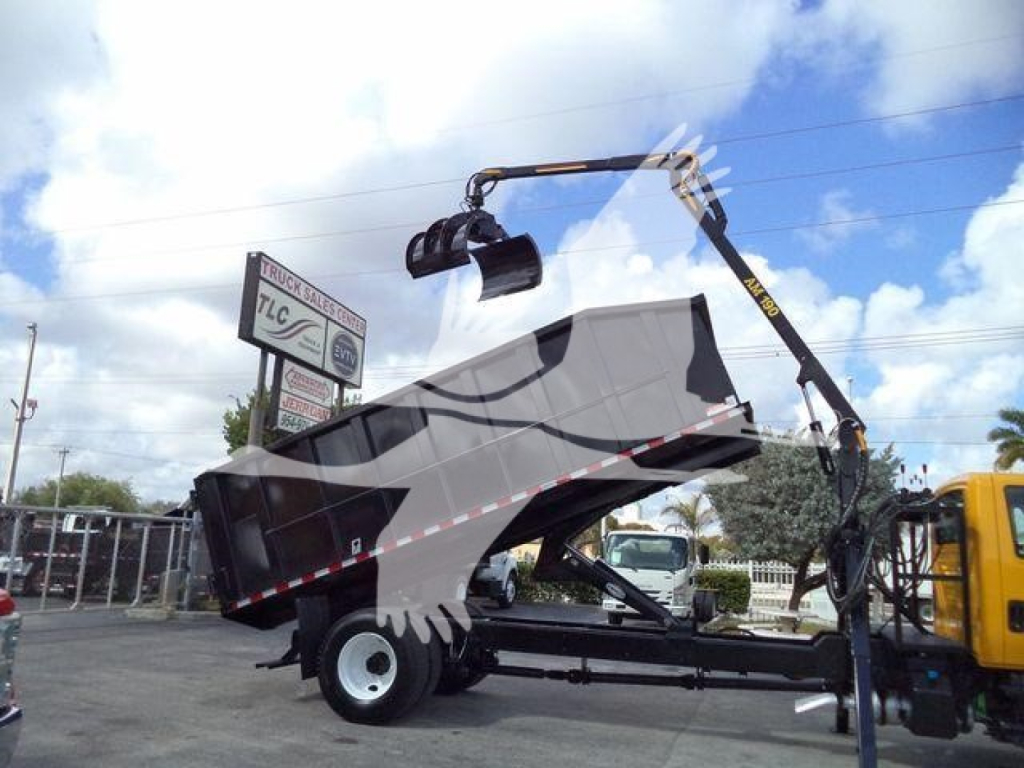
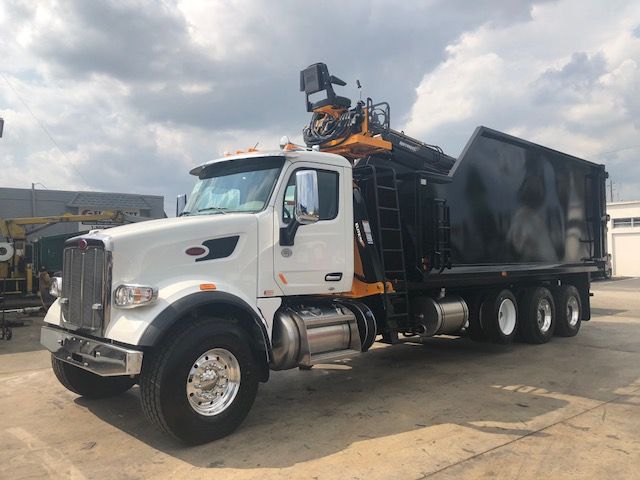
Browse 2019 grapple trucks for sale in Florida, including tri-axle and tandem setups built for storm debris, waste, and bulk material loading.
Selling a 2019 grapple truck? List your 2019 grapple truck for sale and reach thousands of commercial buyers.
2019 Grapple Trucks in Florida
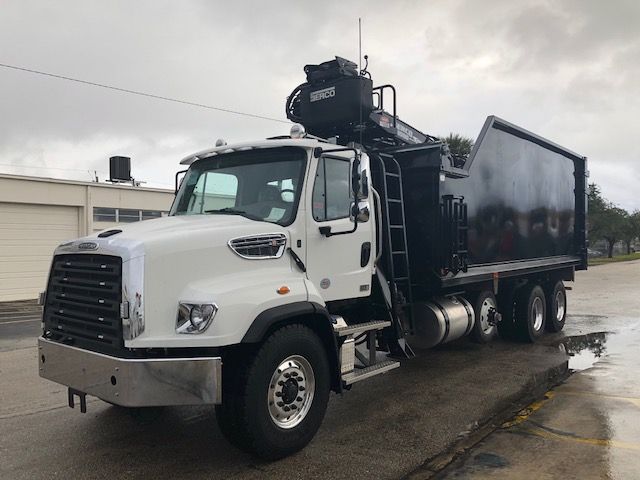
The key buying decision is usually the combination of chassis, loader, and body. Many 2019 grapple trucks use loaders from Serco or Rotobec, often with an extended boom and a waste grapple in the 48-inch class or larger. A buyer should look closely at reach, lift capacity, swing speed, and control layout, since those factors affect cycle time more than advertised body size alone. Hardox or other abrasion-resistant dump bodies are common on waste applications because they hold up better against repeated impact from brush, concrete, and mixed debris. Tri-axle trucks generally offer better legal payload and body support, while tandem units can be easier to maneuver in tighter urban routes.
Transmission choice matters more on a grapple truck than on a straight dump because the truck spends so much time working in confined spaces and making repeated load moves. In 2019 models, both automatic and manual 8LL setups are common. Automatics reduce driver fatigue and simplify training for municipal or multi-operator fleets, while manual vocational transmissions still appeal to operators who want direct control in soft ground or off-pavement conditions. Engine families in this class often include Cummins X15, Detroit DD13, and similar heavy-duty diesels, so buyers should compare horsepower and torque against expected haul distance, PTO performance, and loaded startability rather than engine badge alone.
For Florida service, corrosion control, cooling capacity, hydraulic condition, and axle ratings deserve extra attention. Salt air, heat, and year-round operation can expose weak points in wiring, hydraulic hoses, outrigger components, and body mounts. A serious evaluation should include loader pin and bushing wear, turntable condition, cylinder seepage, PTO engagement, frame reinforcement, hoist condition, and the body floor and sidewall material. If the truck will handle storm contracts or municipal work, verify actual GVWR, bridge compliance, body cubic capacity, and how the truck is balanced with the crane mounted behind the cab. A well-spec'd 2019 grapple truck can deliver a productive middle ground between newer emissions-era equipment and older vocational trucks with higher hours and less efficient hydraulics.
Frequently Asked Questions about 2019 Grapple Trucks in Florida
What is the typical body size on a 2019 grapple truck?
A common body size is around 50 yards for waste and storm debris applications, especially on tri-axle trucks. Actual usable capacity depends on material type, body construction, legal weight limits, and how the crane and subframe affect payload. Light brush may cube out the body before the truck reaches legal weight, while mixed demolition debris can hit axle limits quickly.
Are tri-axle grapple trucks better than tandem models?
Tri-axle grapple trucks usually make sense when payload, body support, and legal road weight are the priority. They are common in high-volume debris and municipal hauling because the extra axle helps distribute weight across a large body and crane package. Tandem trucks can still be the better choice for tighter routes, lower acquisition cost, and operations where maneuverability matters more than maximum payload.
What loader brands are common on 2019 grapple trucks?
Serco and Rotobec are two of the most common loader names in this class, particularly on waste and debris trucks. Buyers should compare not just brand reputation but also model-specific reach, lifting capacity, parts support, control style, and local service availability. A well-maintained loader with documented pin, bushing, and hydraulic service is often more important than the decal on the boom.
Is an automatic transmission a good choice for a grapple truck?
Yes, many fleets prefer automatic transmissions on grapple trucks because they reduce operator fatigue, improve ease of use in stop-and-go work, and shorten training time for new drivers. Manual 8LL transmissions still have a place in vocational service where precise control under load or off-road conditions is important. The right choice depends on driver experience, route type, and how often the truck is used in difficult terrain.
What should buyers inspect first on a used 2019 grapple truck?
Start with the hydraulic system, loader structure, and body condition before moving to normal chassis items. Pay close attention to boom wear points, turntable play, cylinder leaks, PTO operation, hoist function, frame reinforcement, and any cracking around body mounts or crane bases. After that, confirm axle ratings, tire condition, brake life, engine hours if available, and emissions-system service history, since downtime on a grapple truck is often driven by hydraulic or vocational-component issues rather than the cab and chassis alone.