
2019 Trucks For Sale in Nevada
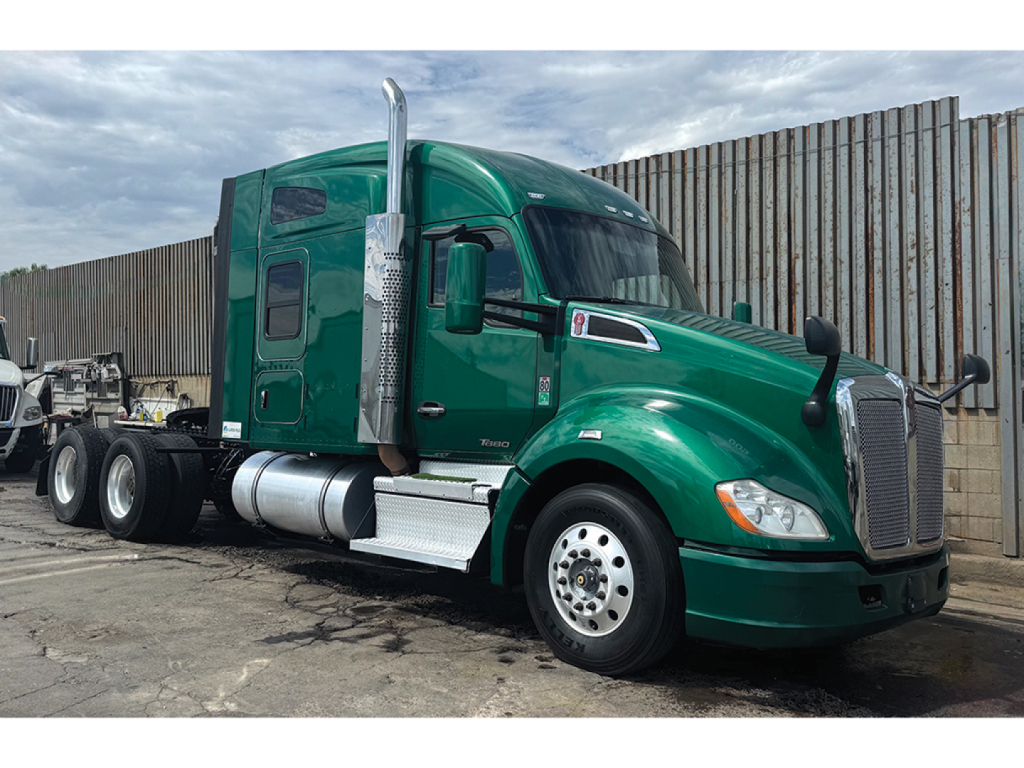
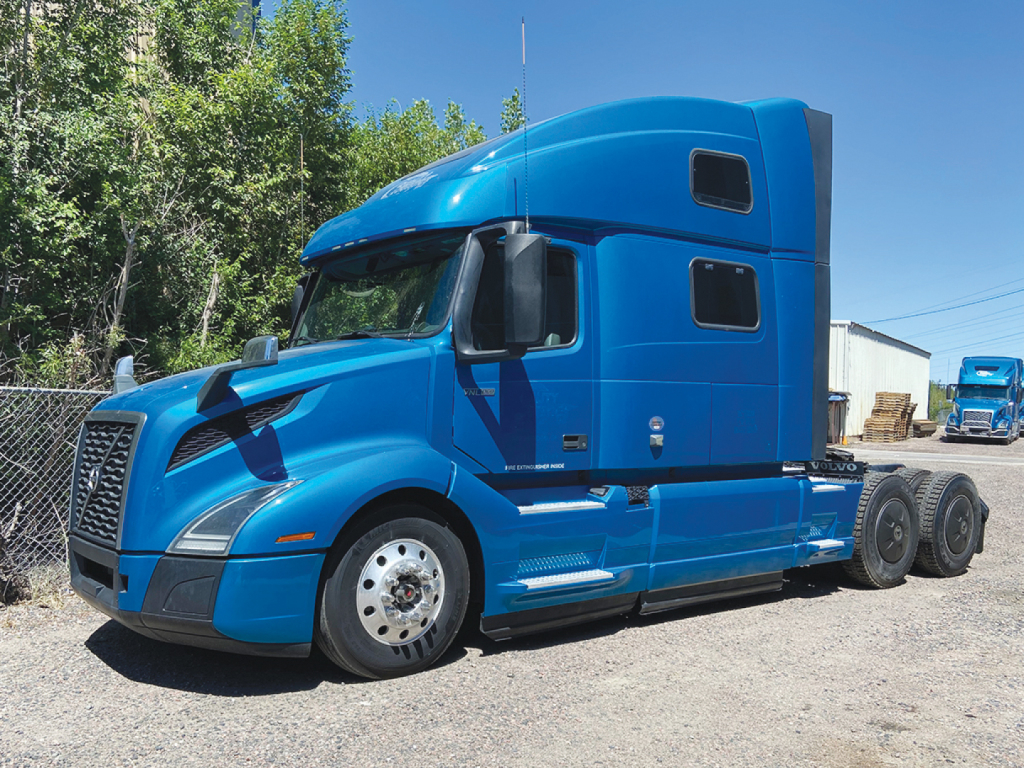
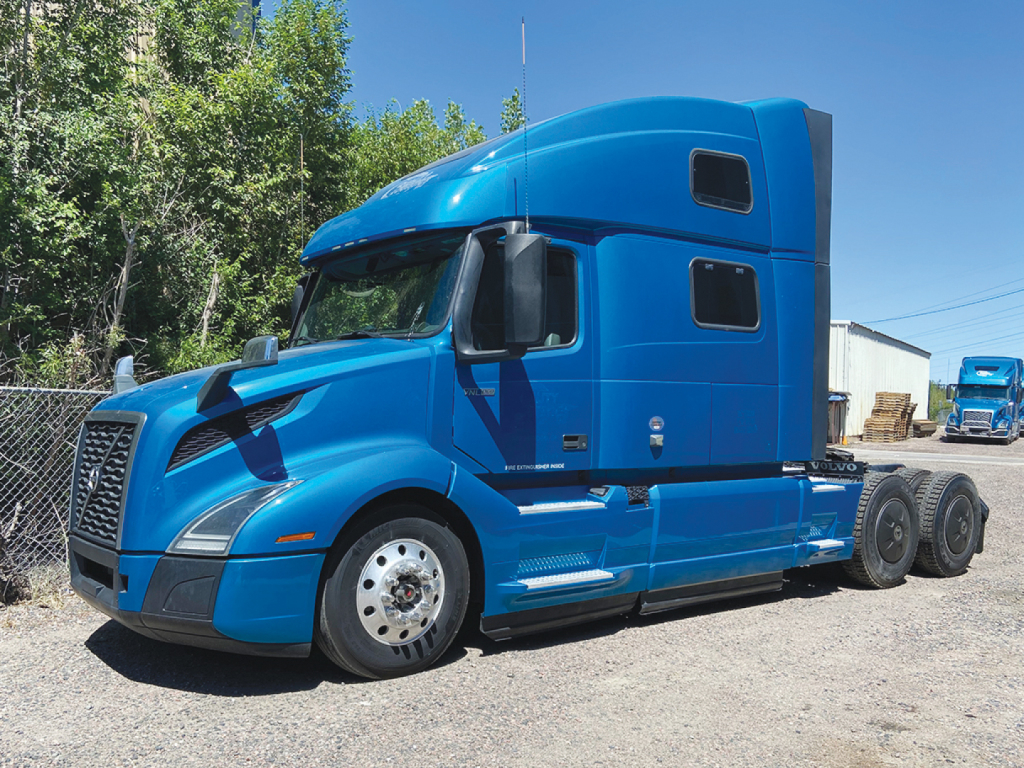
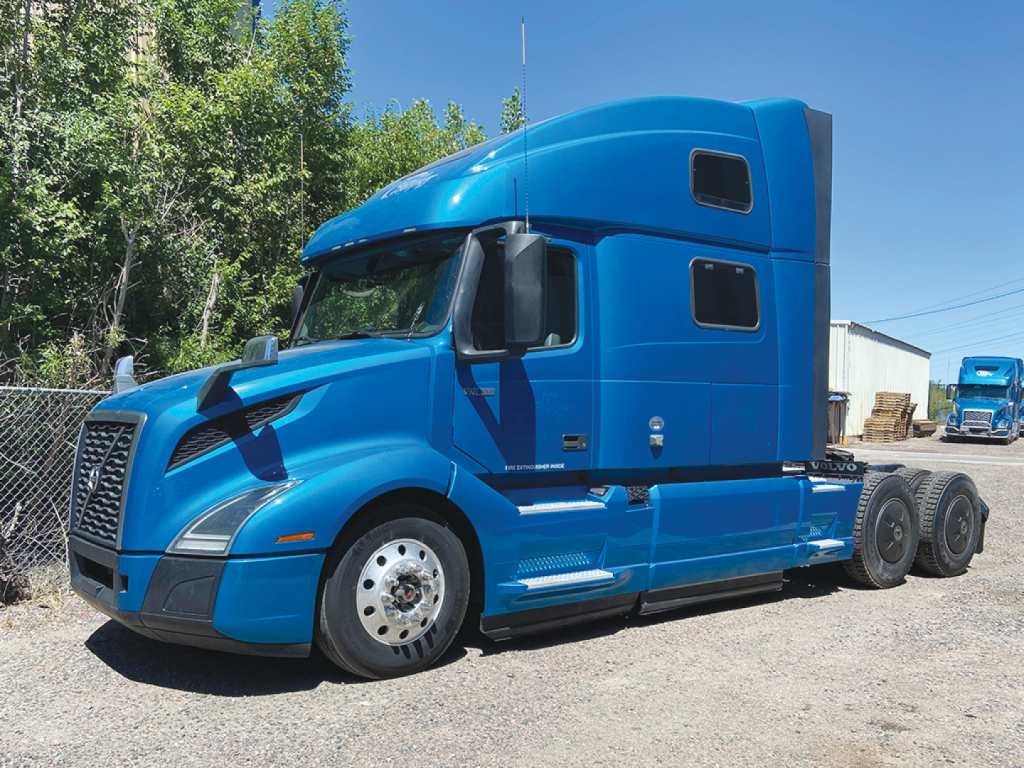
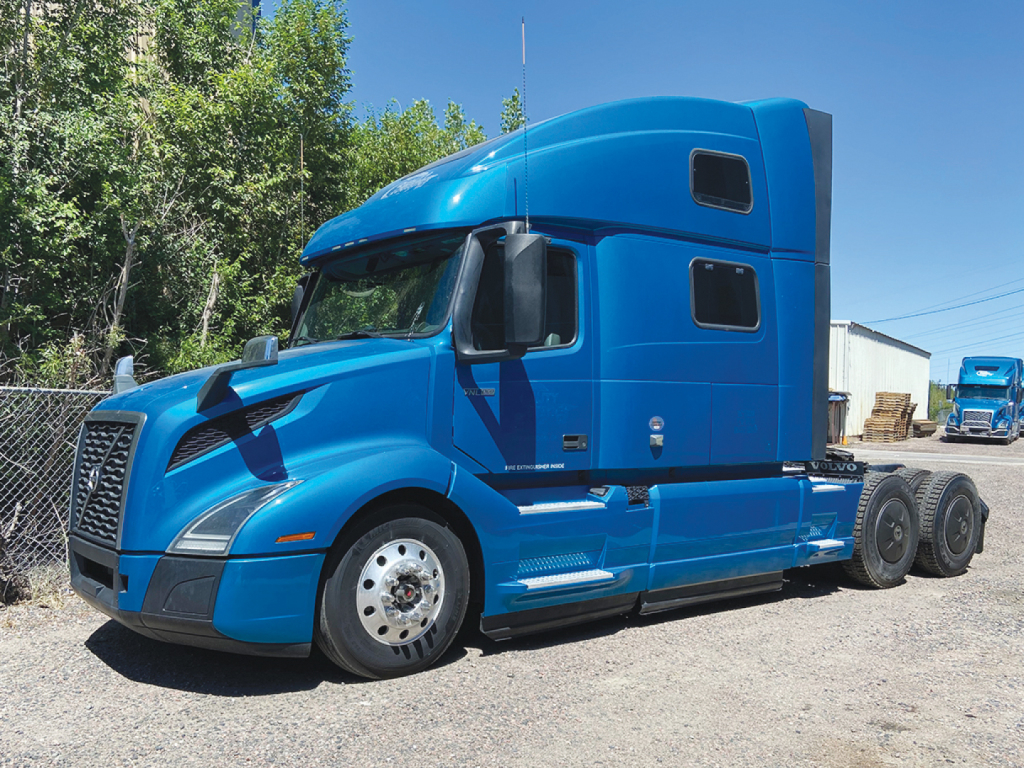
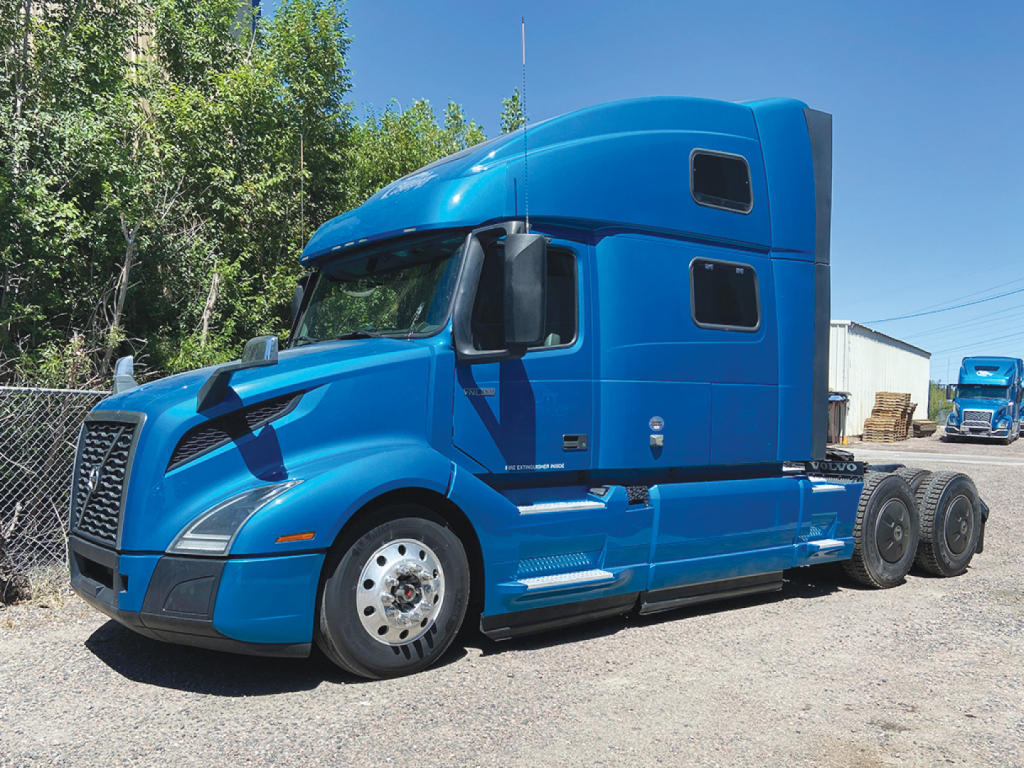
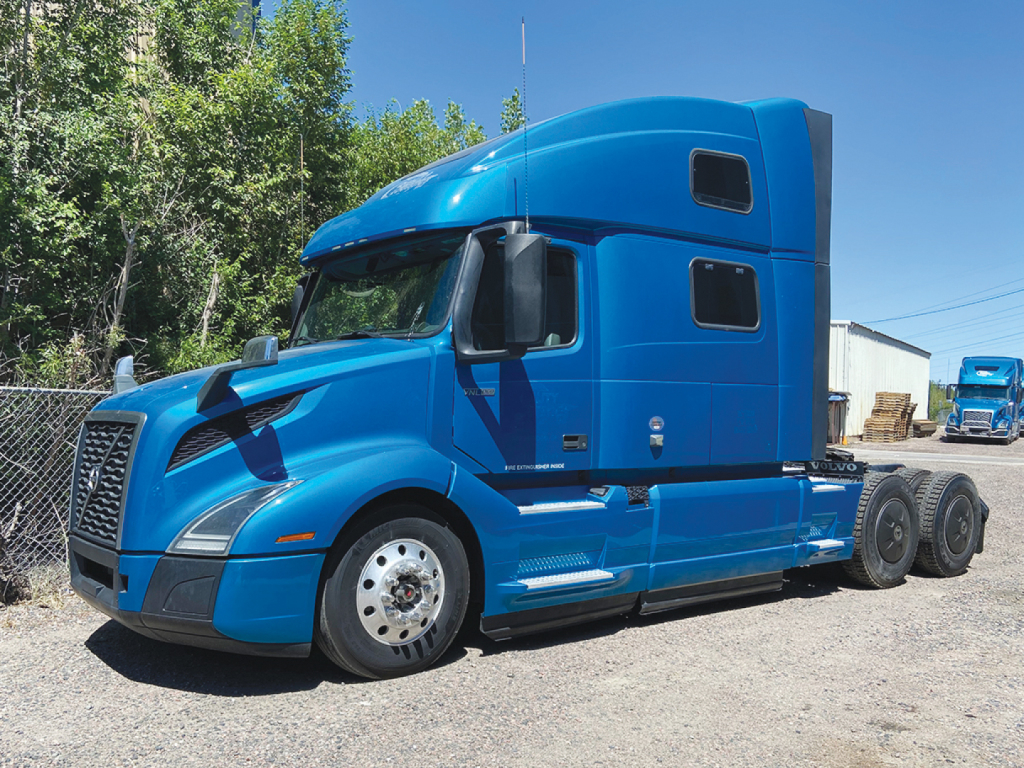
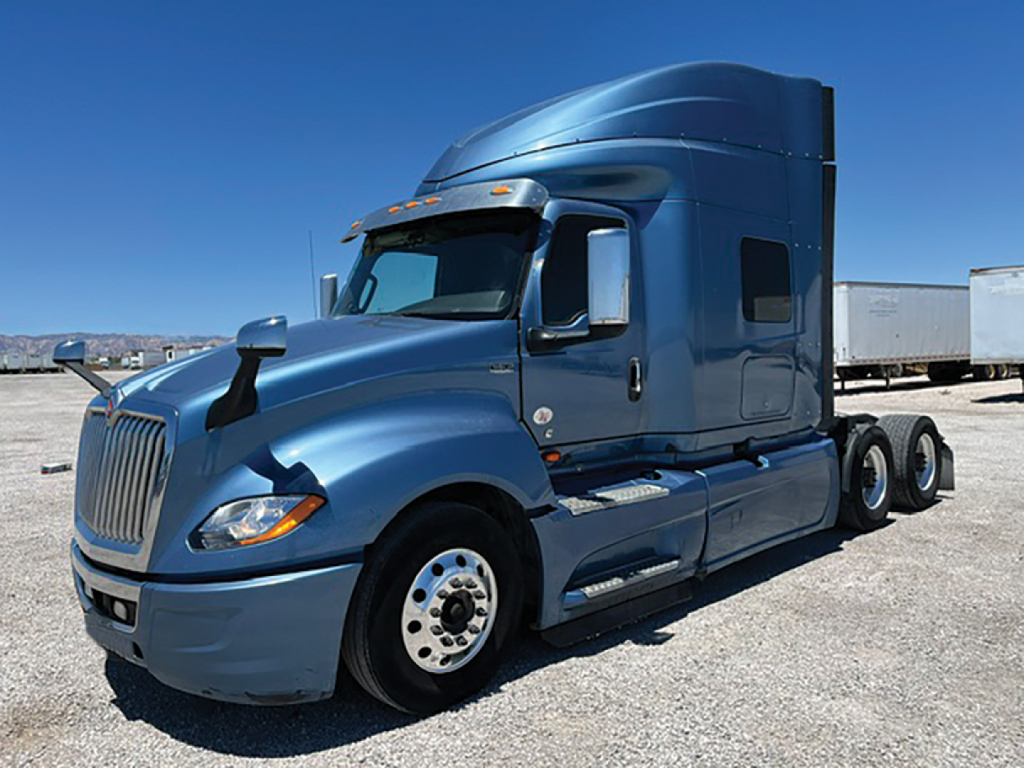
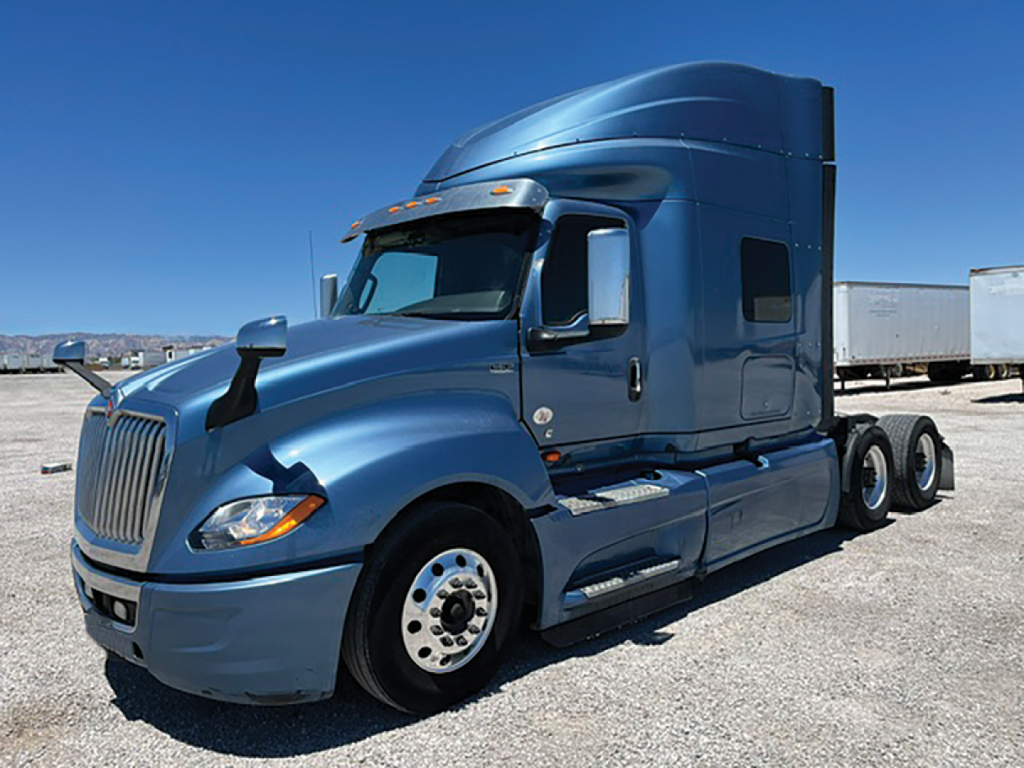

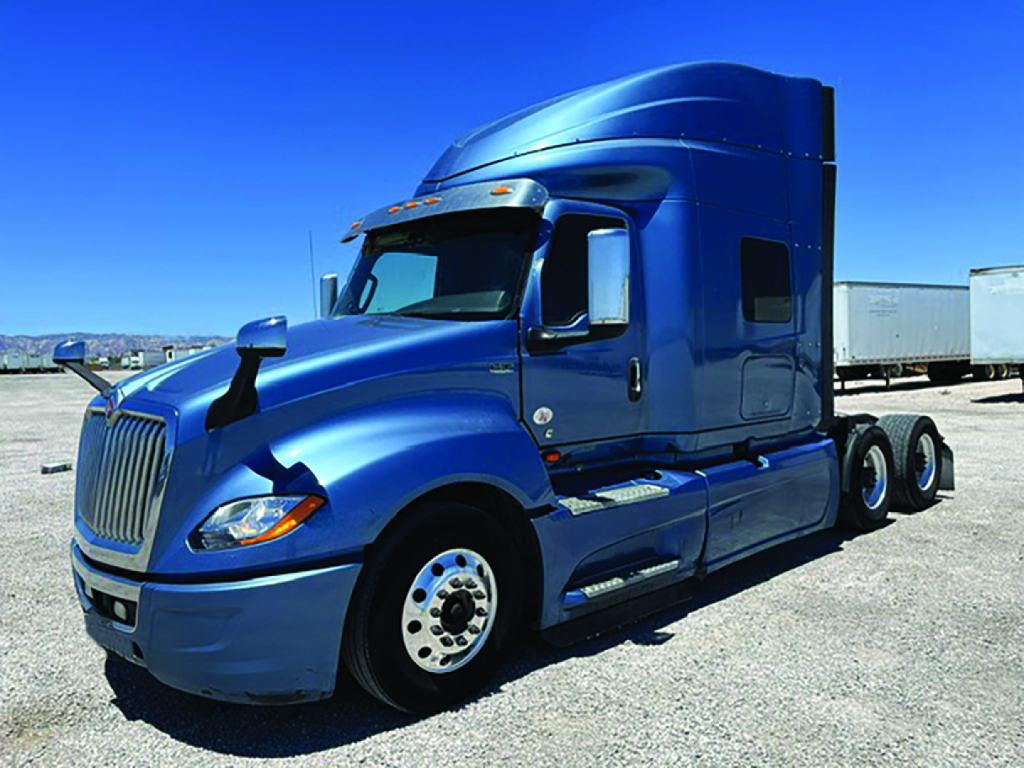
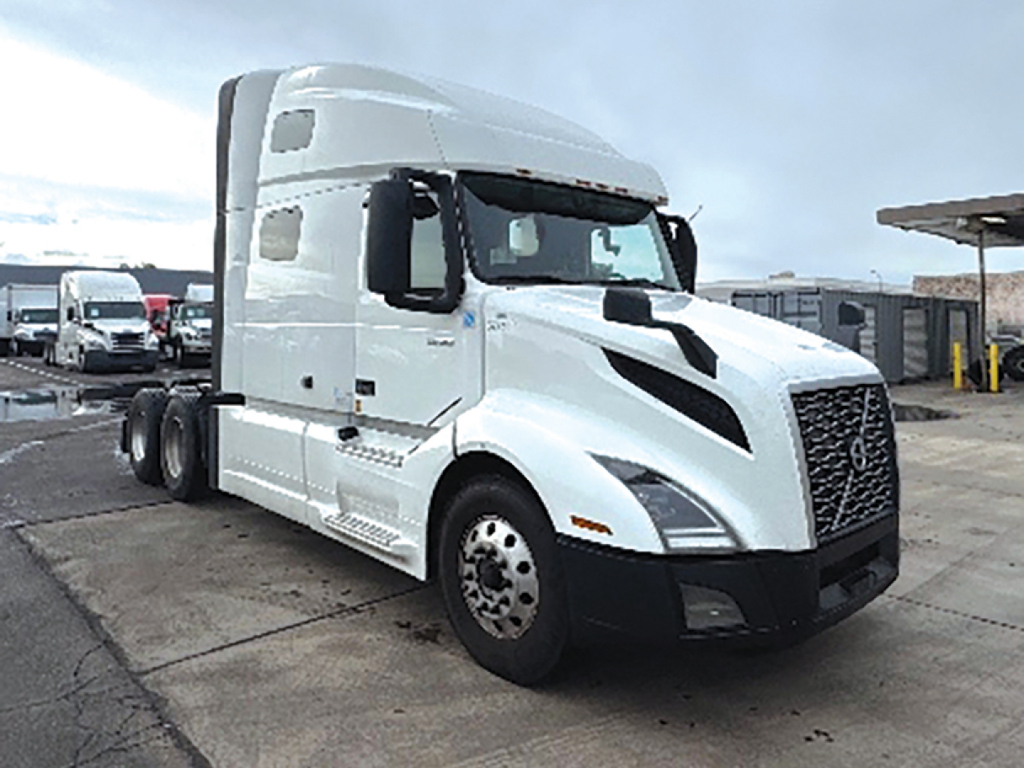
Have 2019 truck to sell? List it here to reach thousands of buyers.
2019 Trucks in Nevada
The 2019 truck market covers a wide range of applications, from conventional day cabs for local and regional hauling to high-roof sleeper trucks for longer lanes. Common Class 8 specs include 350 to 505 horsepower, 10-speed to 13-speed automated or manual transmissions, 3.08 to 3.55 rear axle ratios, and 12,000 to 13,200 lb front axles paired with 38,000 to 40,000 lb rears. Buyers comparing units should pay attention to wheelbase, fifth wheel type, fuel capacity, and suspension setup because those details determine how well a truck fits its intended trailer and freight. A short wheelbase day cab with a stationary fifth wheel is a different tool than a sleeper with an air-slide fifth wheel, dual tanks, and full aero package.
Spec selection matters as much as age. For Nevada freight, automated manuals are popular because they reduce driver fatigue and help with consistency in mixed traffic and mountain grades. Engine brake strength, rear ratio, and tire profile all affect how a truck handles elevation changes on western routes. If the truck will stay regional, a lighter day cab with a mid-range engine can make sense. If it will pull heavier loads across state lines, many buyers prefer a larger displacement platform such as a DD13, X15, or D13 with a 40,000 lb rear axle setup and air ride suspension. Sleeper buyers should also check bunk layout, APUs or bunk heaters, inverter prep, and fairing condition because these directly affect driver comfort and fuel economy.
Condition still separates a strong 2019 truck from an expensive project. Look for signs of consistent fleet maintenance, even tire wear, clean frame rails, tight steering, healthy suspension bushings, and no evidence of excessive soot or coolant loss. In Nevada, sun exposure can age cab interiors, seals, hoses, and exterior plastics faster than buyers expect. A well-spec'd 2019 truck can still be a productive asset for linehaul, regional, vocational, or local tractor work, but the best value usually comes from matching the truck's axle ratings, powertrain, and cab configuration to the job instead of buying only on price or odometer.
Frequently Asked Questions about 2019 Trucks in Nevada
What should I look for first when buying a 2019 used truck in Nevada?
Start with maintenance history and emissions system health. A 2019 truck has modern aftertreatment components, so records showing DPF cleaning, sensor replacement, regen performance, and software updates are important. In Nevada, cooling system condition also matters because high ambient temperatures and long grades expose weak radiators, charge air coolers, fan clutches, and hoses quickly.
Is a 2019 day cab or sleeper truck better for my operation?
A day cab is usually the better fit for local delivery, port work, construction support, and regional lanes where overnight accommodations are unnecessary. A sleeper is better for long-haul freight, team operations, and routes that keep the truck on the road for multiple days. The right choice depends on lane length, trailer type, payload, and driver requirements, not just purchase price.
Are 2019 trucks likely to have automatic transmissions?
Many 2019 trucks were spec'd with automated manual transmissions, especially in fleet service. These transmissions improve driver consistency, reduce clutch wear, and are widely accepted in highway and regional work. Manual transmissions are still available in some vocational and owner-operator specs, so transmission choice should be matched to terrain, driver preference, and service type.
What engine and axle specs are common on 2019 Class 8 trucks?
Common 2019 Class 8 truck specs include diesel engines in the 12.8L to 15L range with roughly 350 to 505 horsepower, tandem rear axles rated around 40,000 lbs, and rear ratios often between 3.08 and 3.55. Those numbers vary by application. Faster highway specs may use lower numerical axle ratios for fuel economy, while heavier regional or vocational setups may use deeper gearing for startability and grade performance.
How important is wheelbase on a 2019 truck?
Wheelbase directly affects trailer gap, bridge law flexibility, turning radius, ride quality, and how a truck handles different body or fifth wheel setups. A short wheelbase is typically easier in tight urban service, while a longer wheelbase often suits sleeper tractors, larger fuel capacity, and smoother highway use. Buyers should compare wheelbase to trailer length, kingpin setting, and intended loading conditions before making a decision.