
2019 Trucks For Sale in Massachusetts
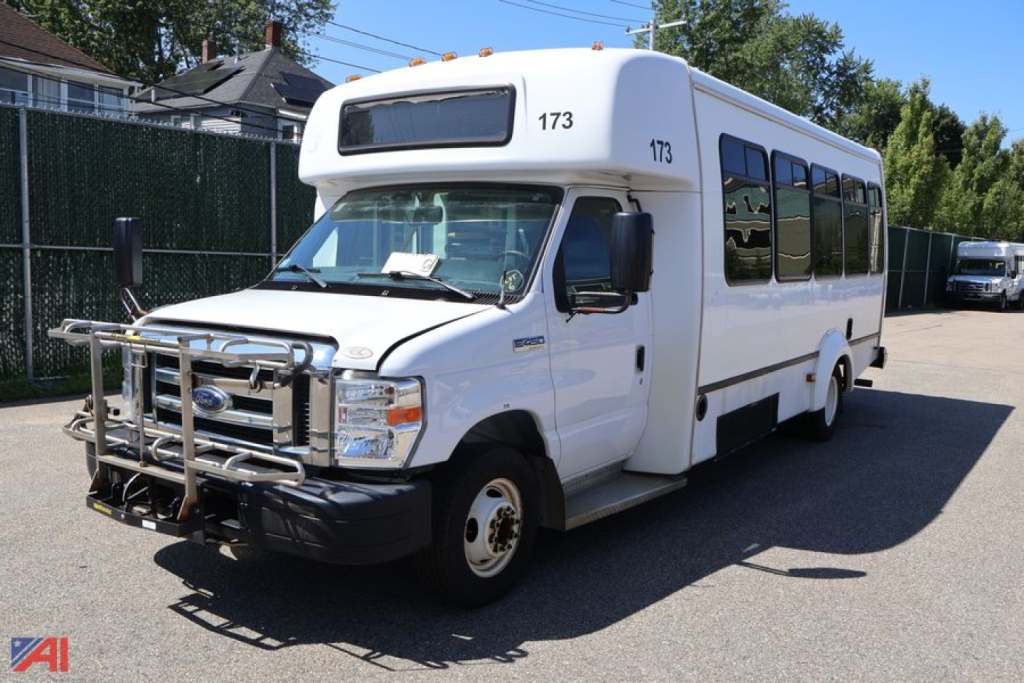
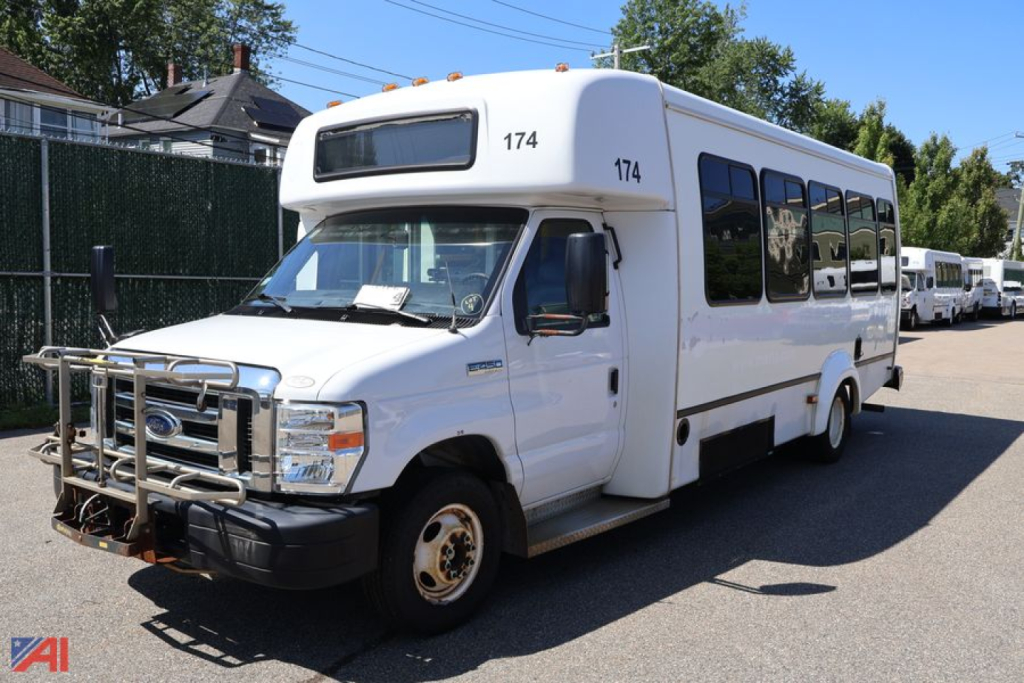
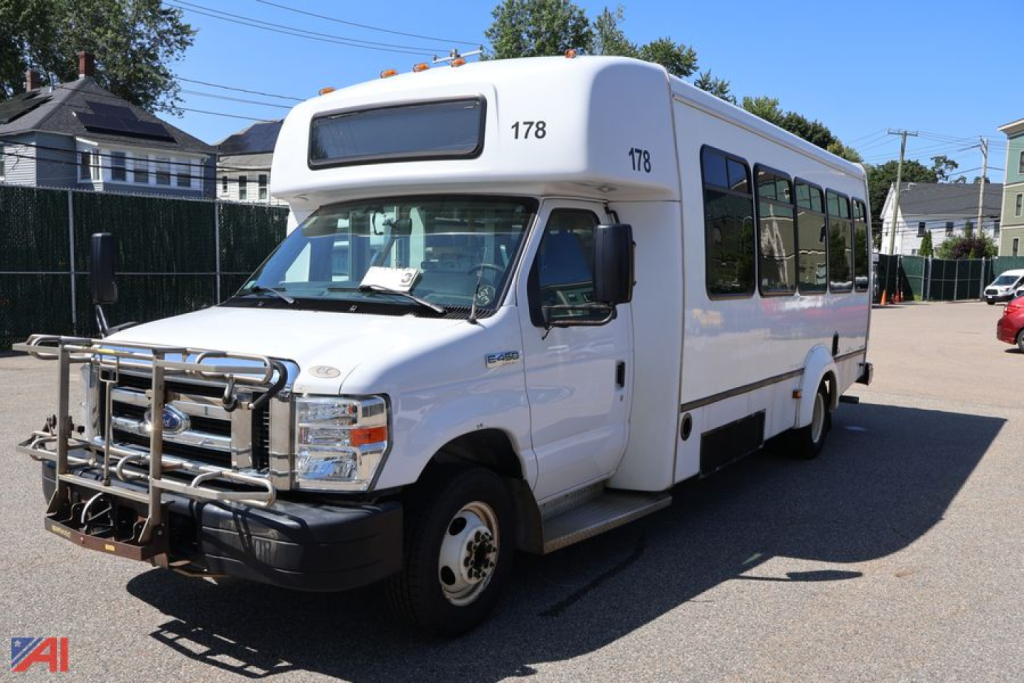
Have 2019 truck to sell? List it here to reach thousands of buyers.
2019 Trucks in Massachusetts
A 2019 model year can mean very different specifications depending on the application. In the light-duty and pickup segment, buyers often focus on cab configuration, 4x4 availability, gas versus diesel power, towing capacity, and upfitter readiness. In medium-duty trucks such as Class 4 through Class 7 models, the key decisions usually center on GVWR, engine family, automatic transmission type, suspension, brake system, PTO capability, and body length. For heavier vocational and regional haul trucks, buyers should look closely at rear axle ratio, frame strength, lift axle setup if equipped, and whether the truck was built for local stop-and-go work, municipal duty, or highway miles.
Massachusetts operating conditions make rust, corrosion, and seasonal equipment compatibility especially important on a used 2019 truck. Road salt exposure can affect cab corners, crossmembers, brake lines, electrical connections, plow mounts, dump hoists, and body hardware even when the truck presents well in photos. If the truck is intended for municipal, construction, landscaping, delivery, or utility work, it helps to confirm the condition of the undercarriage, frame coating, hydraulic components, and any spreader, liftgate, or snow equipment controls. On diesel units, buyers should also verify the condition and service history of the aftertreatment system, including DPF, DEF, and EGR-related components, since repair costs can change the total cost of ownership quickly.
The strongest 2019 truck choice is the one matched to the job cycle, not just the badge on the hood. A city delivery truck benefits from the right door opening, body access, and turning radius. A contractor may care more about PTO provisions, trailer brake controls, and front axle capacity. A fleet buyer may prioritize engine commonality, telematics compatibility, and maintenance records across multiple units. When comparing listings, look past year and mileage alone and evaluate body spec, application history, idle hours where relevant, tire condition, brake life, and signs of prior upfitting or municipal use. Those details usually matter more than cosmetic appearance when buying a 2019 used truck.
Frequently Asked Questions about 2019 Trucks in Massachusetts
What should I look for first when buying a 2019 used truck in Massachusetts?
Start with application fit, then inspect condition. Confirm the truck's GVWR, axle ratings, wheelbase, engine, transmission, and body type match the work you need it to do. In Massachusetts, corrosion exposure is a major factor, so frame condition, brake and fuel lines, wiring, suspension mounts, and body hardware deserve close attention. Service records, emissions system history, and signs of municipal or snow-duty use can tell you more than mileage alone.
Is a 2019 truck a good balance between price and modern equipment?
For many buyers, yes. A 2019 truck is typically modern enough to include updated cab layouts, newer safety features, and current emissions technology, while still being established in the used market with more pricing flexibility than newer model years. The tradeoff is that buyers need to evaluate remaining life on wear items such as tires, brakes, hydraulics, suspension components, and aftertreatment parts, especially on vocational trucks with hard duty cycles.
Are 2019 diesel trucks expensive to maintain because of emissions systems?
They can be if maintenance history is poor. Most 2019 diesel trucks rely on DPF, DEF, and related aftertreatment components that work well when the truck has been maintained properly and operated in a duty cycle that allows normal regeneration. Repeated short-trip use, excessive idling, deferred repairs, or fault codes can lead to expensive downtime. Buyers should ask about regen history, sensor replacements, DEF system repairs, and any documented emissions-related service.
How important is body type when comparing 2019 trucks for sale?
Body type is one of the most important parts of the purchase because it determines how much additional money and downtime will be required after the sale. A 2019 chassis with the right box, dump body, hooklift, utility body, flatbed, bus body, or pickup configuration can go to work faster and at lower cost than a cheaper truck that needs major upfitting. Buyers should verify body condition, floor integrity, hoist operation, liftgate function, PTO setup, and compatibility with their daily work.
Does mileage tell the full story on a 2019 truck?
No. Mileage matters, but it does not tell the full duty history. A lower-mile truck may still have high idle hours, extensive PTO use, plow service, or stop-and-go municipal work that accelerates wear on brakes, steering, hydraulics, and electrical systems. A higher-mile highway truck can sometimes be the better buy if it has strong maintenance records and less severe vocational use. The best evaluation combines mileage, engine hours if available, maintenance documentation, and a detailed inspection of the truck's current condition.