
2019 Isuzu Trucks For Sale
Browse 2019 Isuzu trucks, including NPR and NQR configurations, known for low-cab-forward visibility, diesel efficiency, and body-ready versatility.
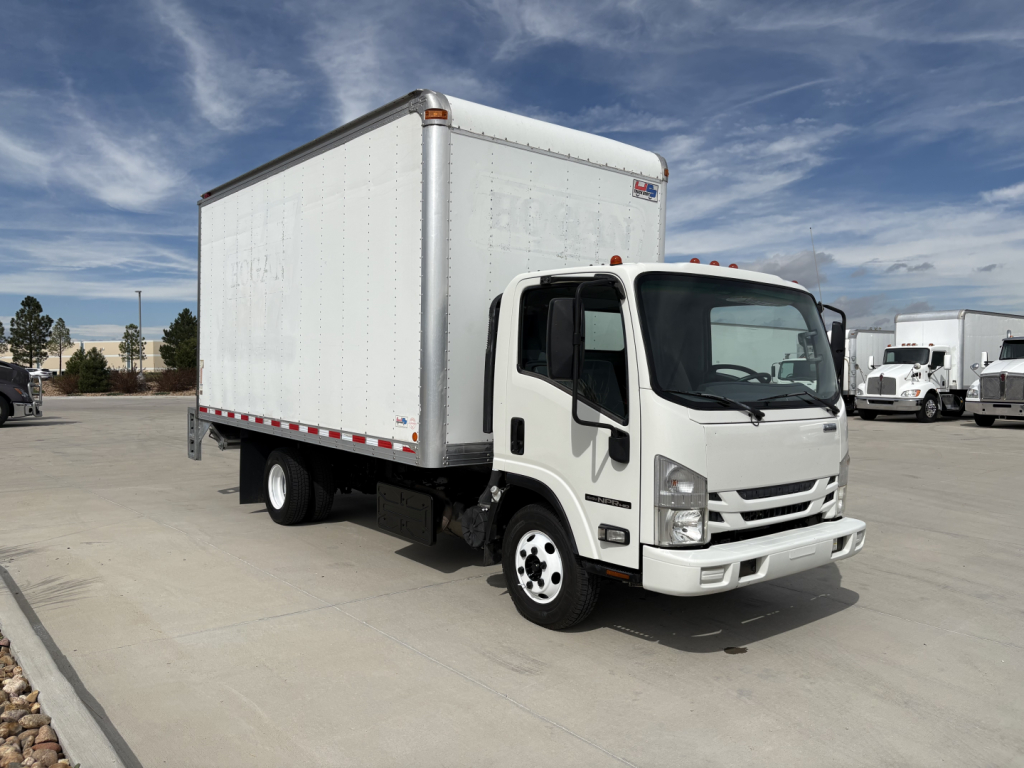
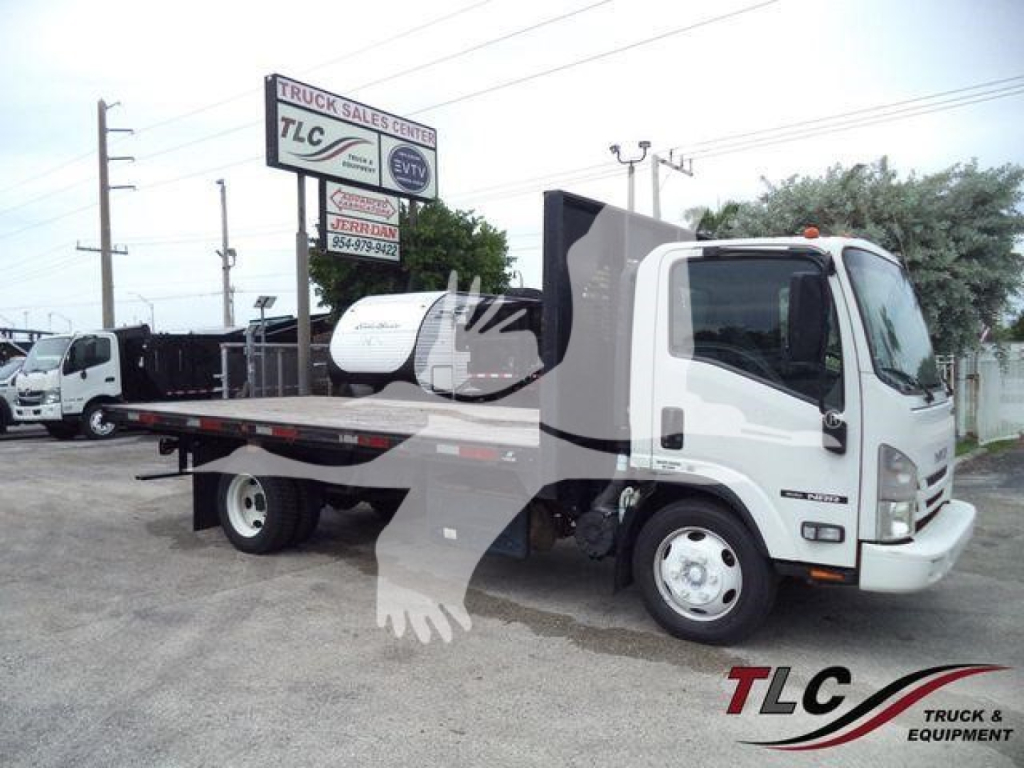
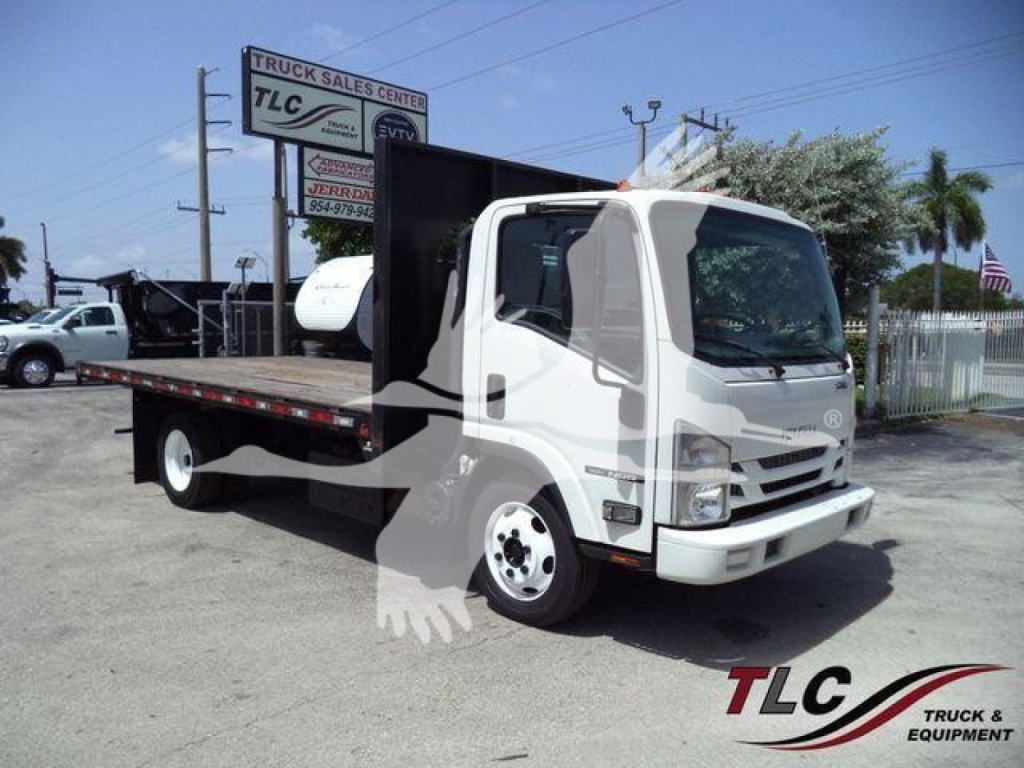
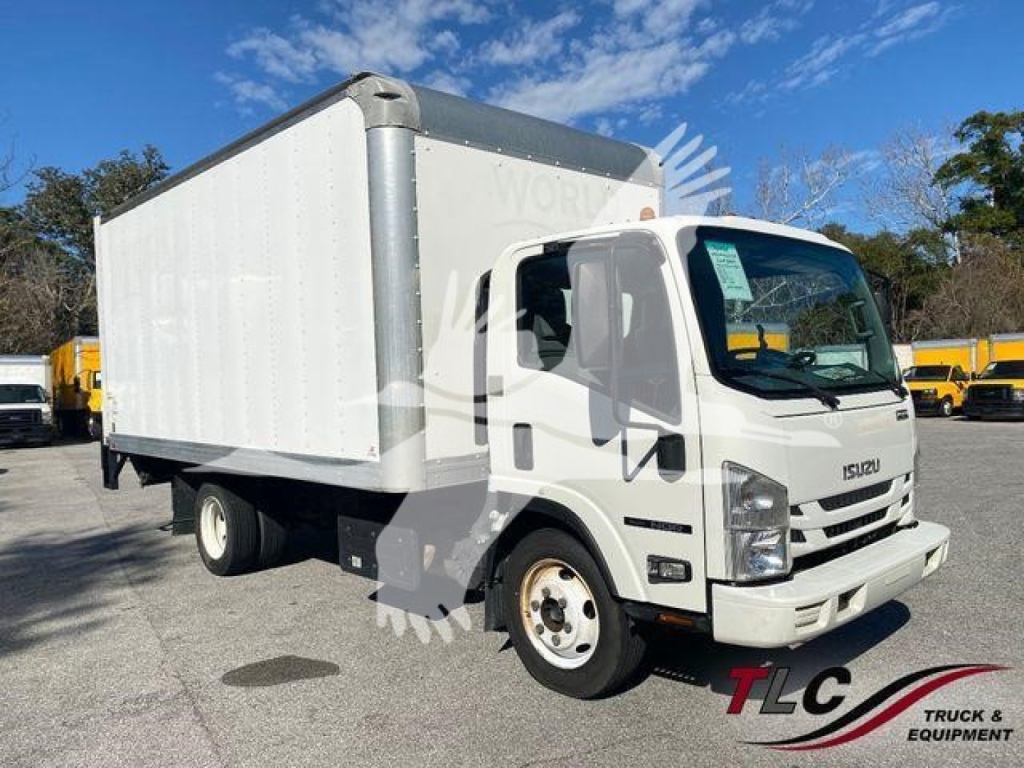
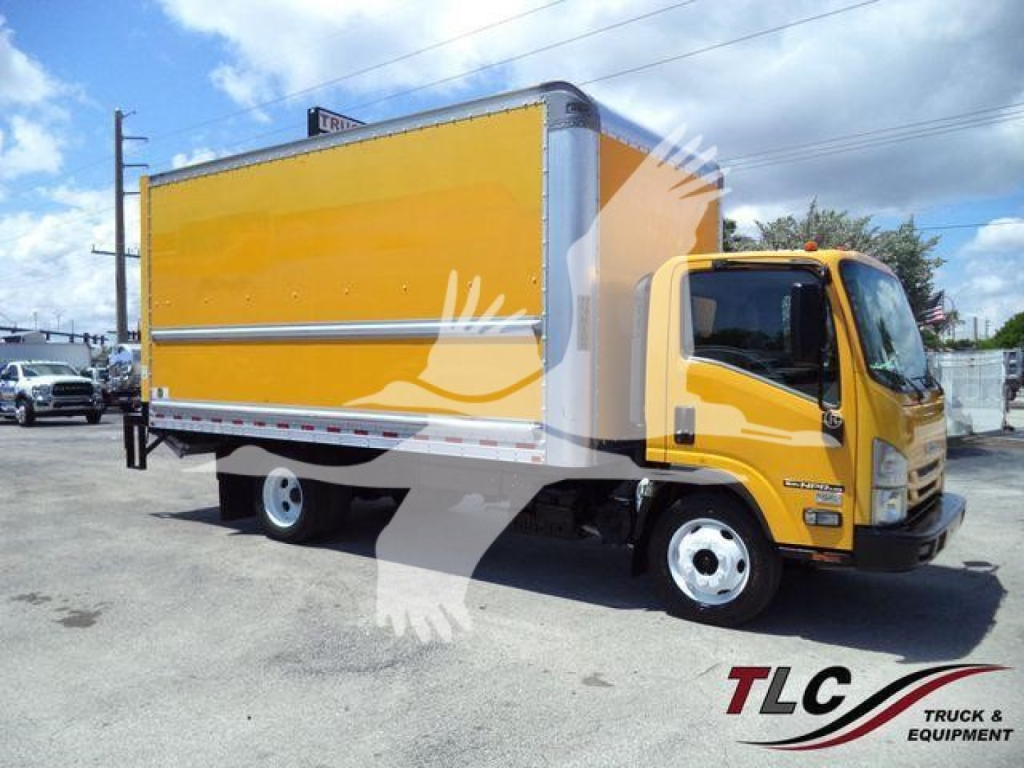
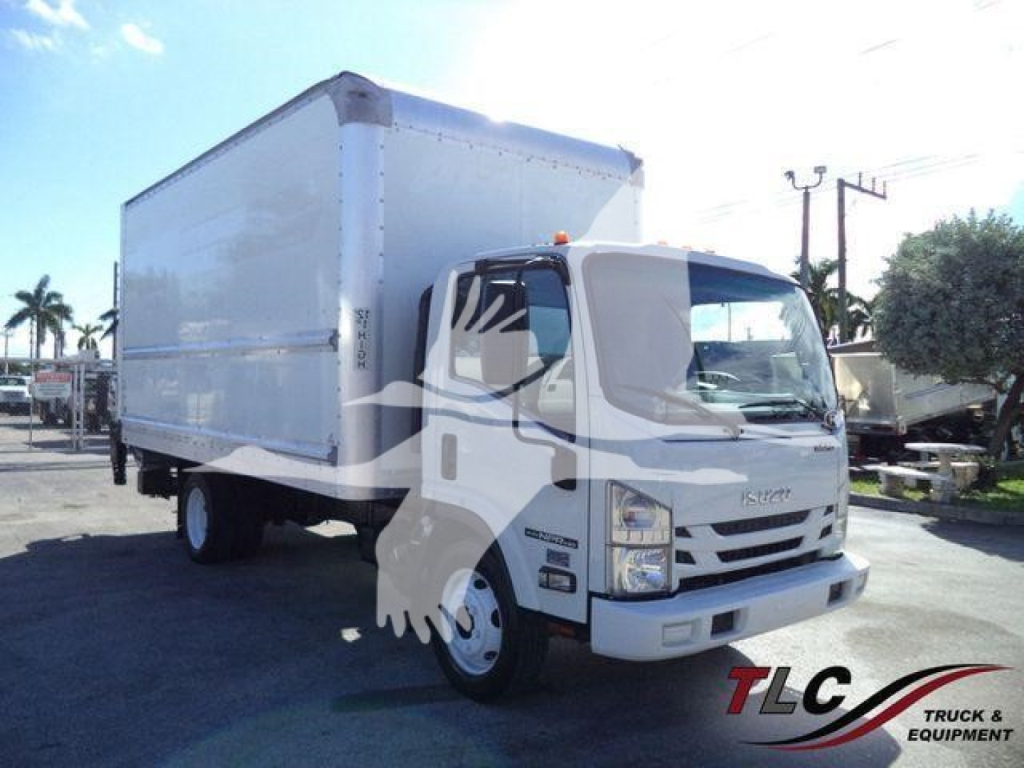
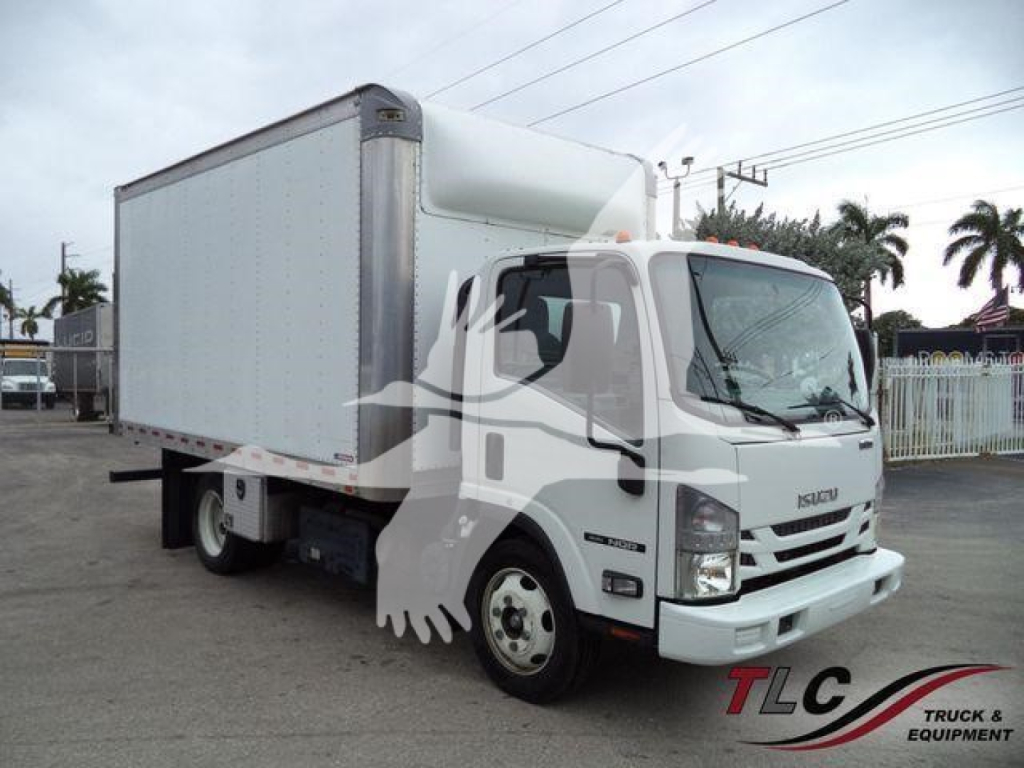
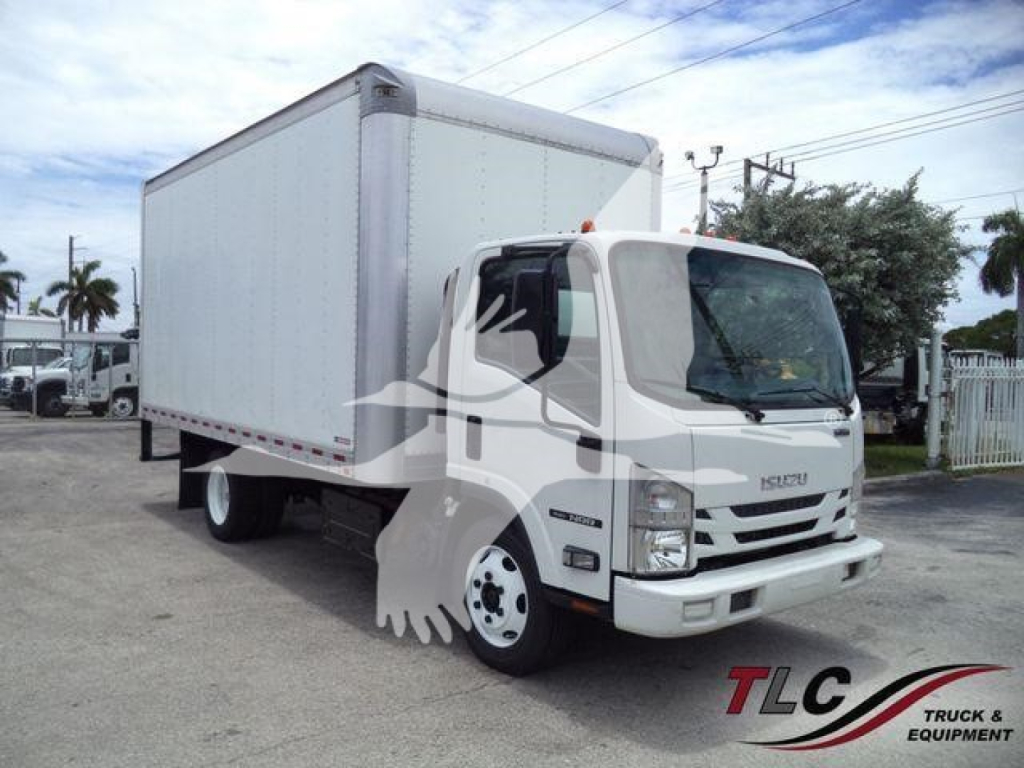
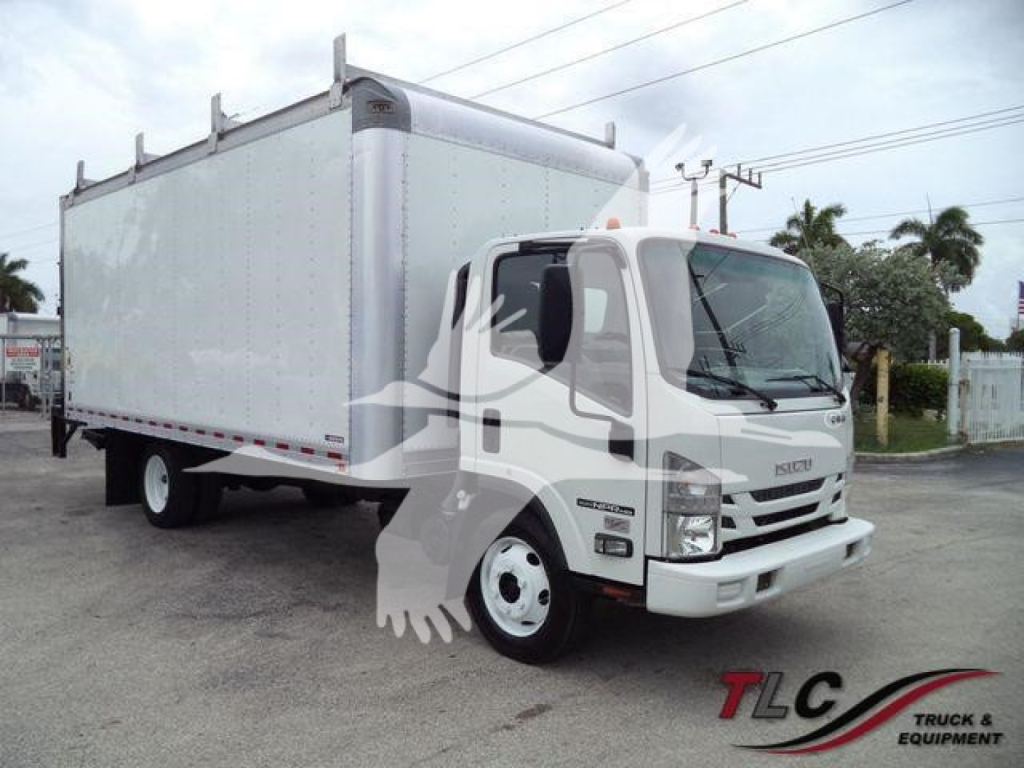
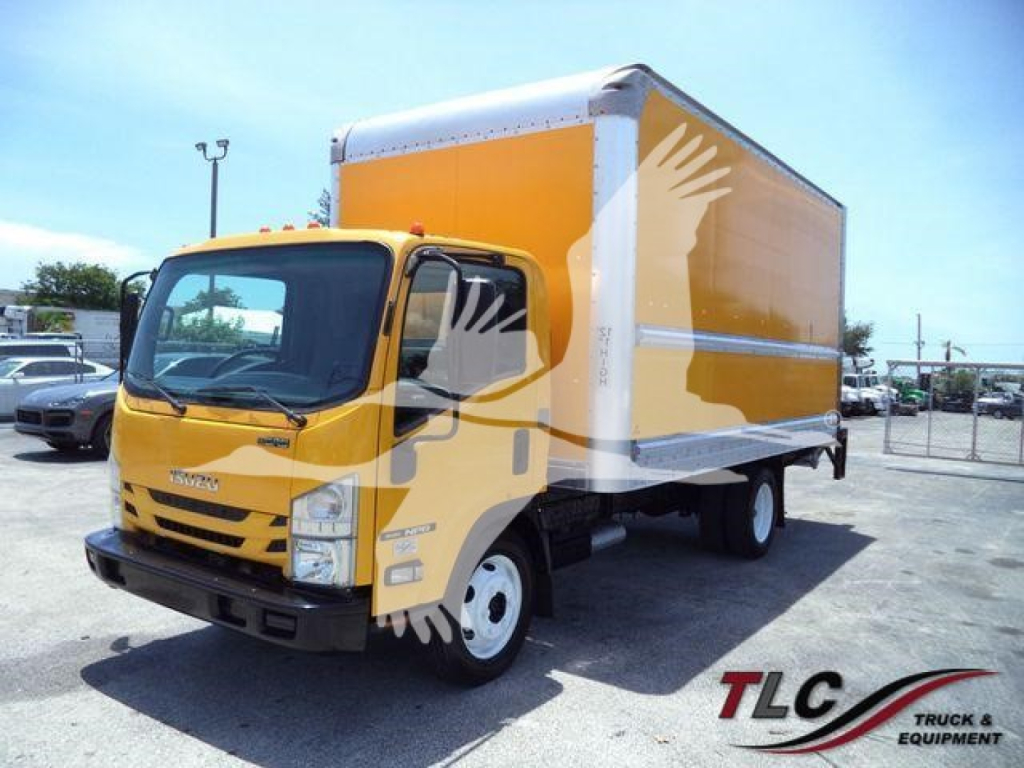
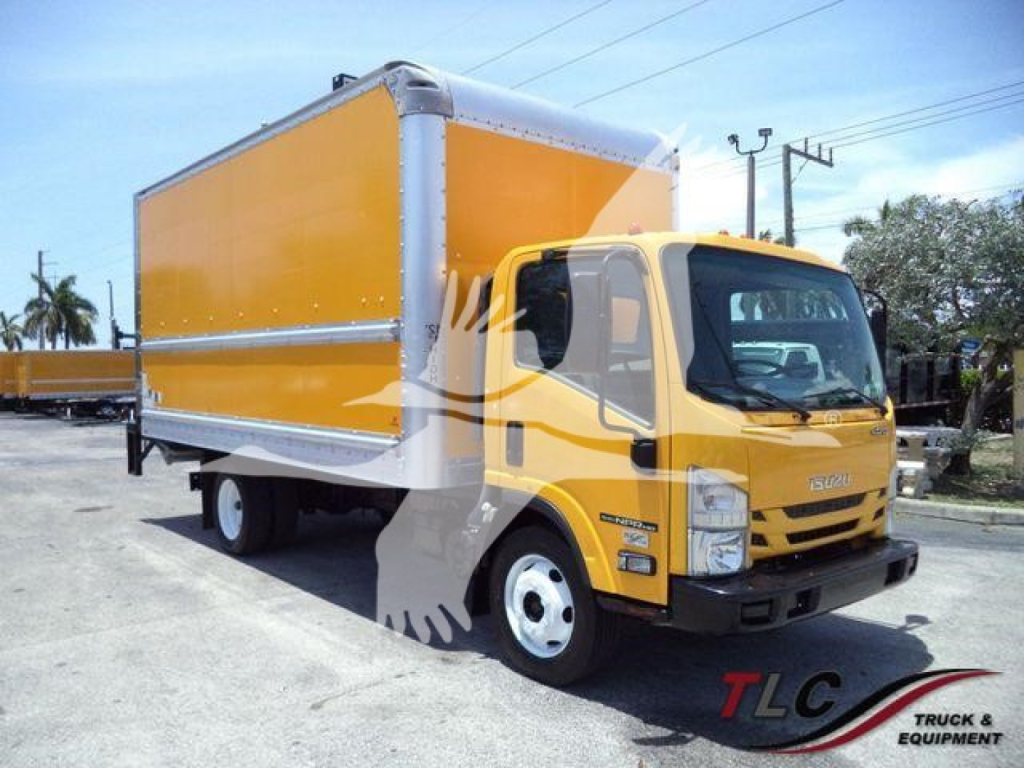
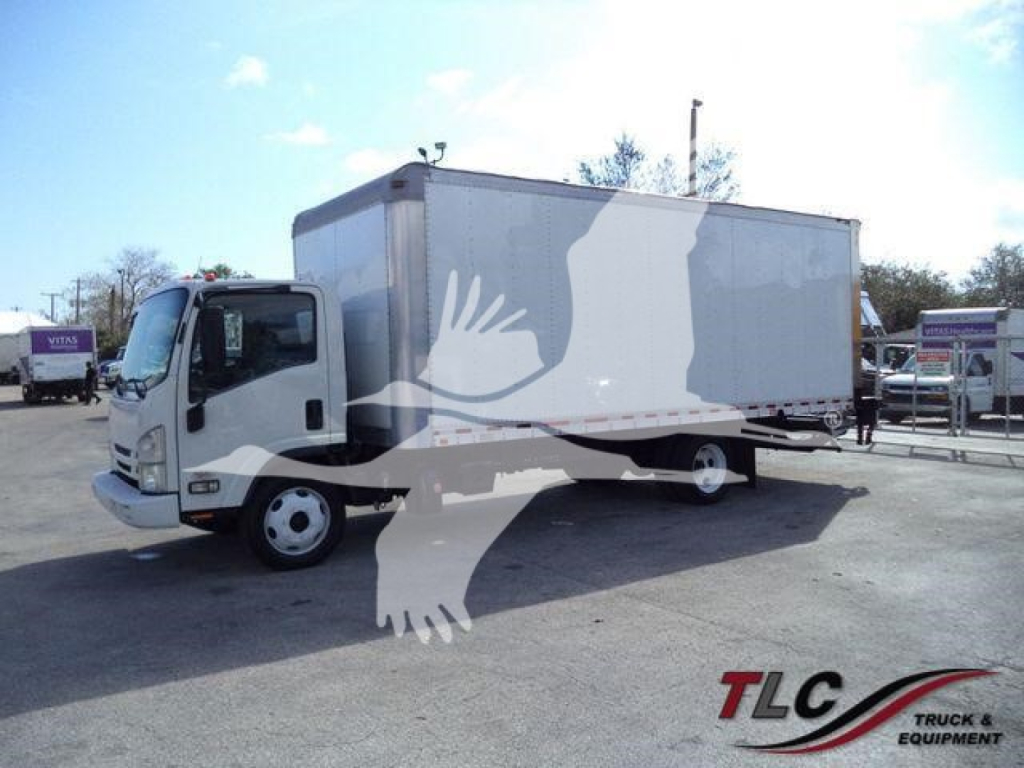
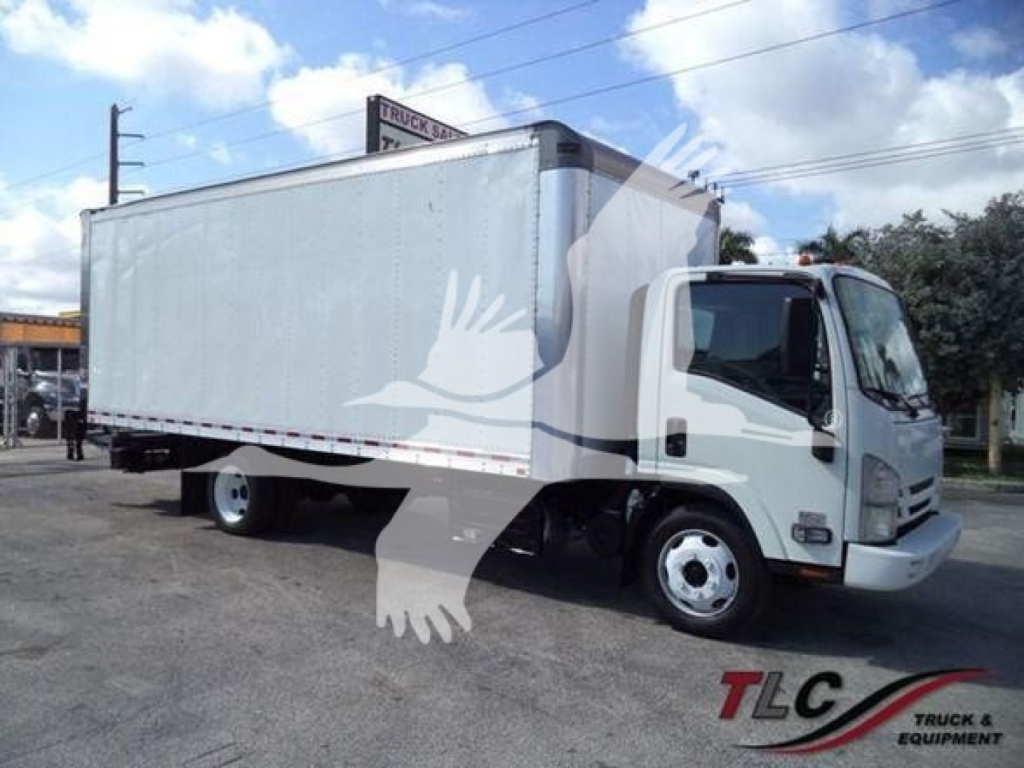
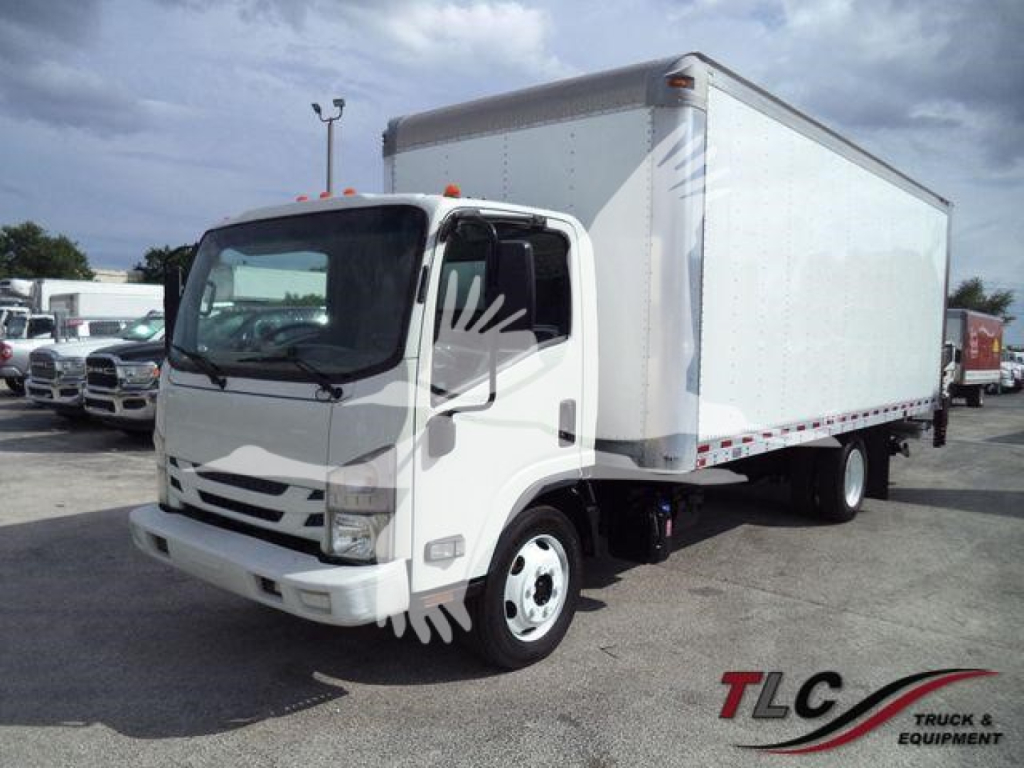
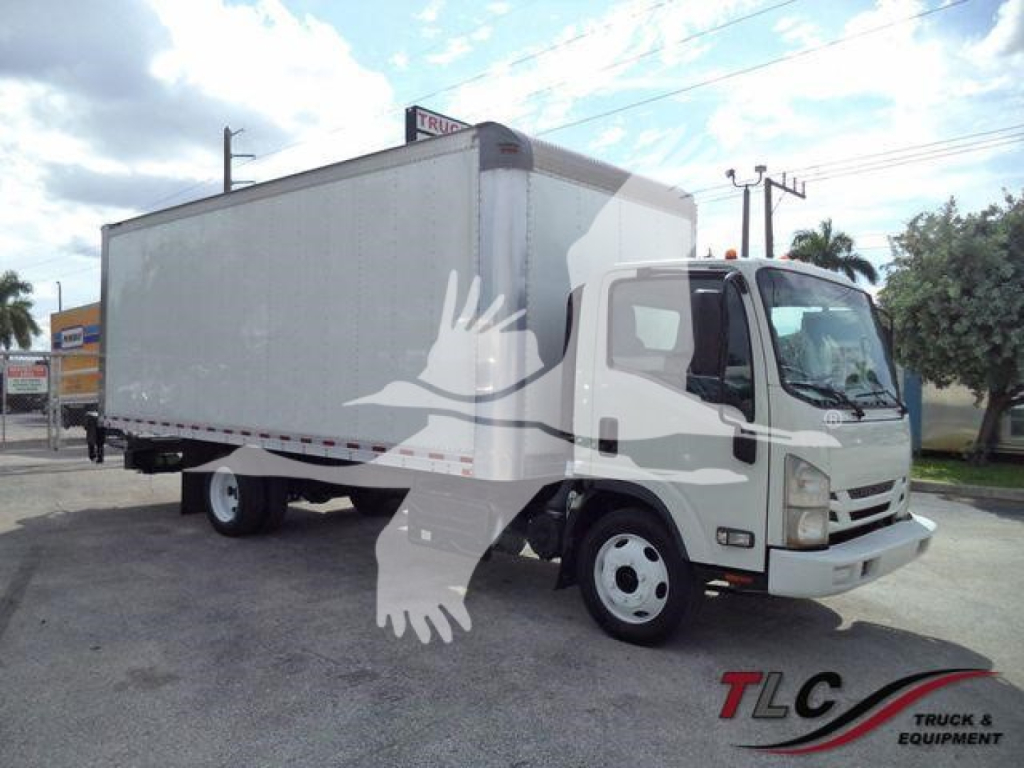
Selling a 2019 isuzu truck? List your 2019 isuzu truck for sale and reach thousands of commercial buyers.
2019 Isuzu Trucks
Powertrain and GVWR matter more than trim level on a 2019 Isuzu. Many 2019 units are equipped with Isuzu diesel engines, commonly the 5.2L turbo diesel, paired with an automatic transmission. Gas-engine variants also exist in some chassis classes, so buyers should confirm fuel type, emissions equipment, and intended duty cycle before comparing listings. Typical GVWR ranges can run from around 12,000 pounds in lighter NPR configurations up into the 16,000 to 19,500 pound range on heavier models such as the NPR-HD or NQR, depending on exact specification. Wheelbase, axle rating, and frame length determine what body can be installed, so it is important to match the truck to the planned body size, payload, and loading method.
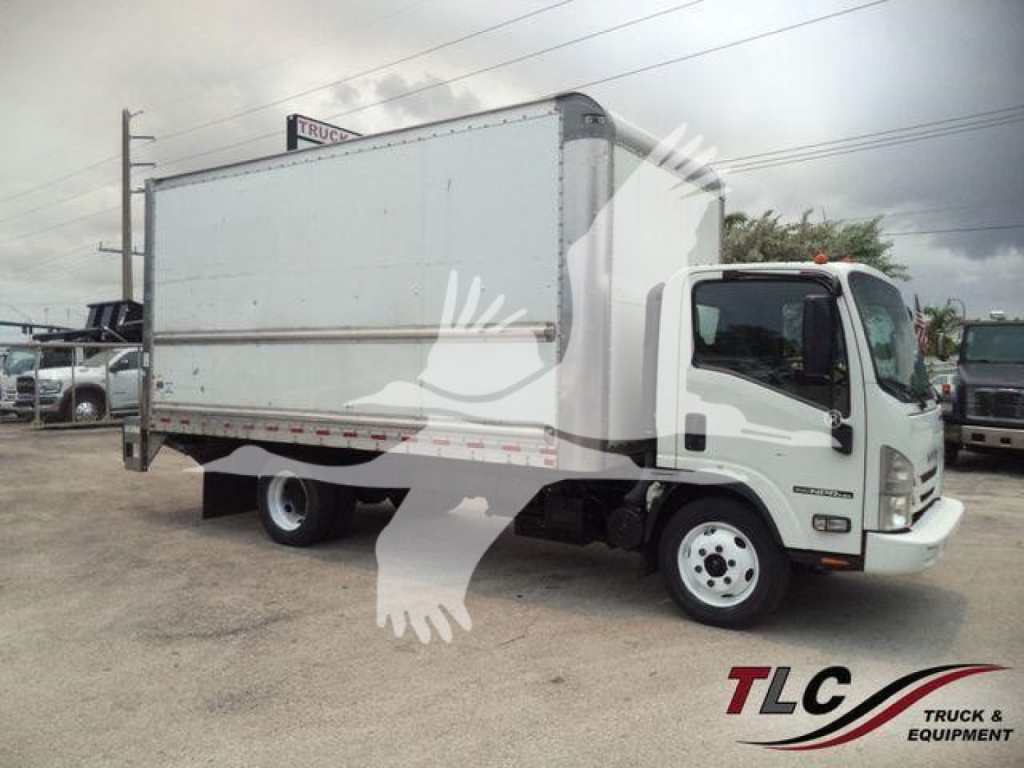
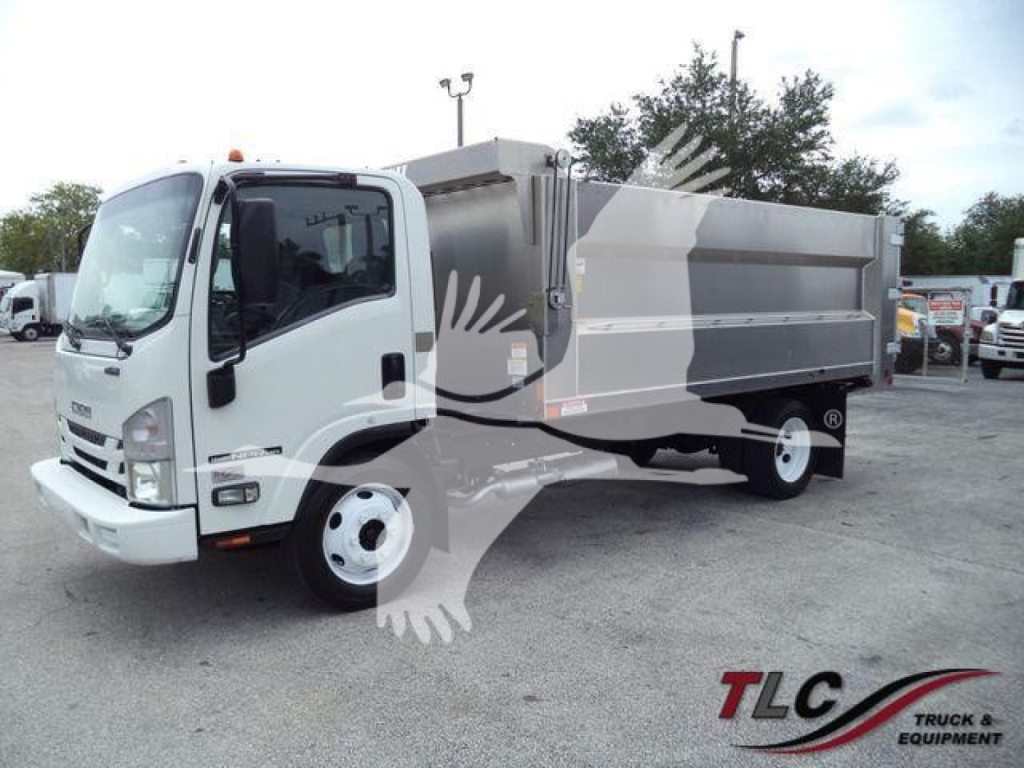
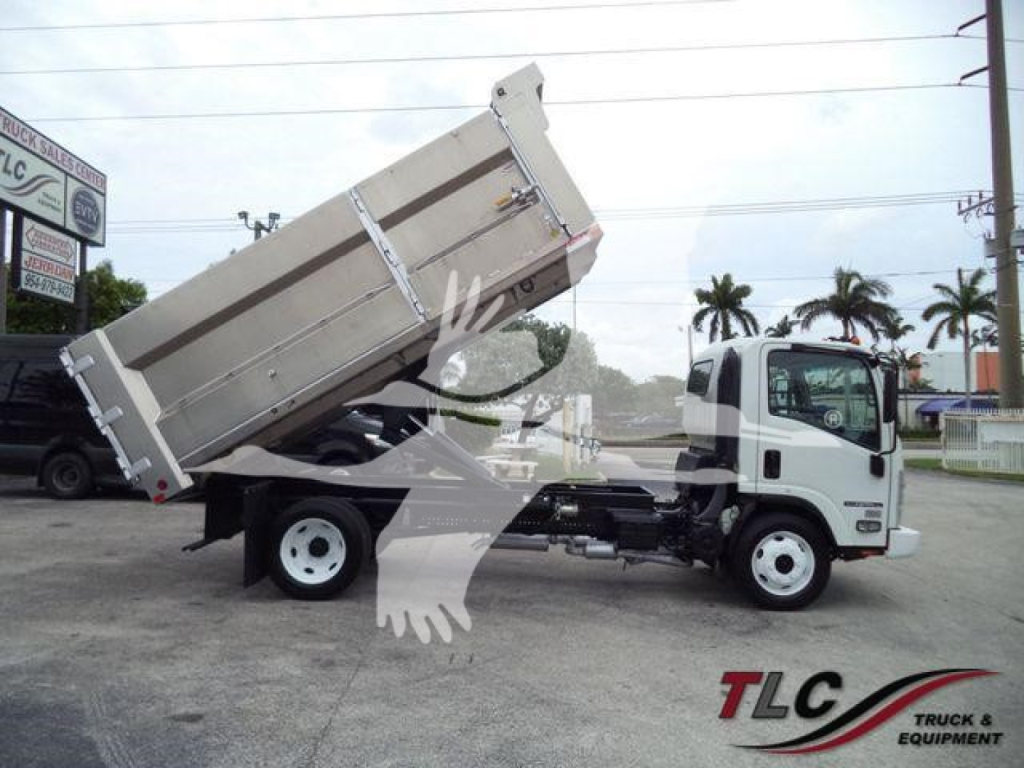
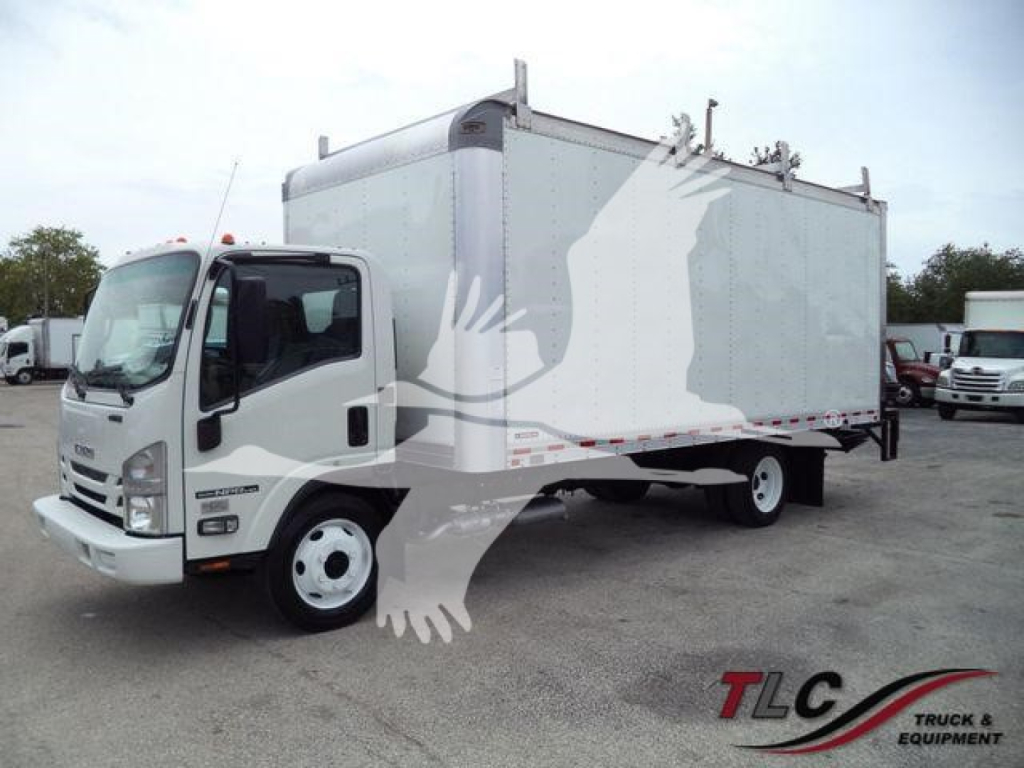
For many buyers, the real decision is application-specific. A 2019 Isuzu box truck or cargo truck is often chosen for local delivery, furniture moving, parcel work, and route service. A dump or landscape build needs the right hoist, side height, hitch setup, and rear door arrangement. Reefer buyers should pay close attention to reefer unit hours, insulation condition, and door seal integrity in addition to chassis mileage. On a cab-and-chassis truck, check remaining frame length, PTO capability if needed, and whether the wheelbase supports the upfit you have in mind. Because these trucks are frequently used in stop-and-go commercial service, maintenance history, brake condition, tires, suspension wear, and body mounting quality can tell you as much as the odometer.
A 2019 Isuzu truck can fit buyers who want an urban-friendly commercial chassis with good visibility and a wide range of body options. The strongest listings are usually the ones with a clear GVWR, known body dimensions, documented engine and transmission specs, and service records that show consistent fleet-style maintenance. If the truck already has an upfit, inspect how well that body matches the truck's axle capacity and intended route work. Buyers comparing 2019 Isuzu trucks should focus on chassis class, engine type, wheelbase, body configuration, and prior vocational use before making price the deciding factor.
Frequently Asked Questions about 2019 Isuzu Trucks
What are the most common 2019 Isuzu truck models buyers look for?
The most common 2019 Isuzu truck models in the market are typically the NPR, NPR-HD, and NQR. These are medium-duty low-cab-forward trucks used for box bodies, dumps, landscape beds, refrigeration bodies, and other commercial upfits. The right model depends on GVWR, axle ratings, wheelbase, and how much payload or body length the application requires.
Is a 2019 Isuzu truck good for city delivery routes?
Yes, a 2019 Isuzu truck is often well-suited for city and suburban route work because the cab-over design improves turning radius and forward visibility. That layout helps in alleys, loading zones, tighter warehouse yards, and dense downtown traffic. Buyers should still confirm that the body length, rear overhang, and payload rating are appropriate for the route and dock conditions.
What should I check on a used 2019 Isuzu truck before buying?
Key inspection points include the engine type, transmission operation, GVWR tag, wheelbase, axle ratings, brake wear, tire condition, suspension components, and any signs of frame damage or corrosion. If the truck has a body installed, inspect the floor, door hardware, subframe mounts, liftgate or hoist operation, and electrical connections. Service records are especially valuable because many Isuzu trucks spend their lives in high-stop commercial duty cycles.
Are 2019 Isuzu trucks usually diesel or gas?
Many 2019 Isuzu trucks are equipped with diesel engines, especially in common NPR-HD and NQR work applications, but gas versions are also found in some configurations. Buyers should verify the engine in each listing rather than assuming by model name alone. Fuel type affects maintenance planning, emissions components, operating cost, and suitability for the truck's intended duty cycle.
How do I choose the right 2019 Isuzu truck for an upfit?
Start with the body type you need, then work backward to wheelbase, usable frame length, GVWR, and axle capacity. A box truck, reefer, dump body, flatbed, or service body all place different demands on the chassis. It is important to confirm that the truck can legally and safely carry the finished body plus cargo, fuel, driver, and any equipment without exceeding ratings.