
2019 Cab and Chassis Trucks For Sale
Shop 2019 cab and chassis trucks built for upfitting. Compare wheelbases, CA lengths, GVWR, axle ratings, powertrains, and PTO-ready specs.

Have 2019 cab and chassis truck to sell? List it here to reach thousands of buyers.
2019 Cab and Chassis Trucks
On the spec side, 2019 cab and chassis trucks are often available with regular cab, extended cab, or crew cab layouts, plus diesel or gas power depending on class and application. Medium-duty and heavy-duty models may include air brakes, Allison automatic transmissions, PTO provisions, locking differentials, and rear axle ratios selected for either start-and-stop vocational work or highway miles between jobsites. Frame rail strength, straight frame condition, suspension type, and front axle capacity matter if the truck will carry concentrated weight from cranes, compressors, generators, or heavy service bodies. If the chassis will take a dump, mixer, or other PTO-driven equipment, buyers should confirm PTO compatibility, transmission openings, hydraulic plumbing provisions, and available space for tanks, pumps, and toolboxes.
For body installation, 2019 cab and chassis trucks are commonly evaluated by cab-to-axle, cab-to-end-of-frame, wheelbase, and back-of-cab clearance. Those dimensions determine whether the truck can accept the body length you need without awkward overhang or weight distribution problems. A buyer should also look at rear suspension capacity, tire size, fuel tank placement, exhaust routing, DEF tank location on diesel units, and any factory upfitter switches or wiring provisions. If the truck will tow in addition to carrying a body, check GCWR, hitch compatibility, cooling capacity, and whether the chassis was ordered with trailer brake controls or integrated towing equipment.
The 2019 model year appeals to many buyers because it is modern enough to offer current safety and emissions systems while still being familiar to most fleet maintenance departments and body installers. Depending on make and class, that can include electronic stability features, backup camera provisions, improved telematics support, and cleaner packaging for vocational upfits. The best 2019 cab and chassis truck is the one that matches the finished truck you intend to build, with enough axle, frame, brake, and drivetrain capacity to handle the work cycle without being oversized for the route.
Frequently Asked Questions about 2019 Cab and Chassis Trucks
What is a cab and chassis truck?
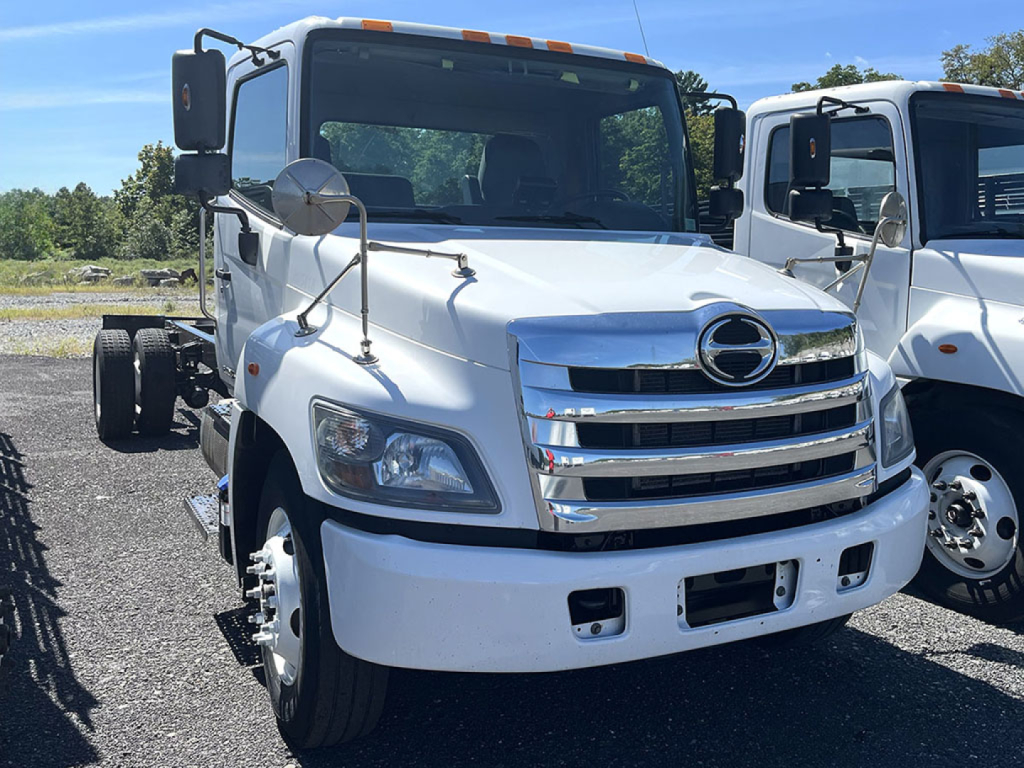
A cab and chassis truck is a stripped truck platform that includes the cab, frame, drivetrain, axles, and running gear, but not the final work body. It is designed for upfitting with bodies such as flatbeds, dump bodies, utility bodies, service bodies, box bodies, tow bodies, and other vocational equipment. Buyers choose a cab and chassis when they need the truck built around a specific payload, body length, or job function.
What dimensions matter most when buying a 2019 cab and chassis truck?
The most important dimensions are wheelbase, cab-to-axle, and cab-to-end-of-frame. Those measurements determine what body can be installed and how the weight will sit on the axles. Buyers should also verify frame height, back-of-cab clearance, and axle placement so the finished truck has proper balance, legal axle loading, and enough room for accessories like toolboxes, outriggers, hydraulic tanks, or liftgate equipment.
How do I choose the right GVWR and axle ratings for a cab and chassis?
Start with the completed truck weight, not the empty chassis weight. Add the body, mounted equipment, payload, fuel, passengers, and any trailer tongue weight, then compare that total to the truck's GVWR, front GAWR, and rear GAWR. A service truck with cranes or compressors may load the front axle heavily, while a dump or box body may stress the rear. Matching axle ratings and frame capacity to the actual work cycle helps prevent overload, poor handling, and premature suspension or brake wear.
Are 2019 cab and chassis trucks good for PTO and vocational upfits?
Yes, many 2019 cab and chassis trucks were ordered specifically for vocational service and can be strong candidates for PTO-driven applications. The key is confirming the truck has the right transmission and PTO openings, adequate engine torque for the equipment being powered, and room on the frame for hydraulics and accessories. Factory upfitter switches, body-builder wiring, and clear frame layout can reduce installation time and simplify future service.
What should I inspect on a used 2019 cab and chassis before buying?
Focus on the frame, suspension, brake system, drivetrain, and any signs of prior upfit work. Check for frame modifications, extra holes, corrosion, cracked crossmembers, uneven tire wear, and wiring splices from removed bodies or accessories. On diesel trucks, review emissions system service history, DEF components, and idle-hour usage if available. It is also smart to confirm the exact cab-to-axle measurement and compare it to the body you plan to install before committing to the chassis.