
2019 Landscape Trucks For Sale
Shop 2019 landscape trucks with dump bodies, high side walls, PTO hoists, and towing setups for mulch, debris, brush, and crew work.
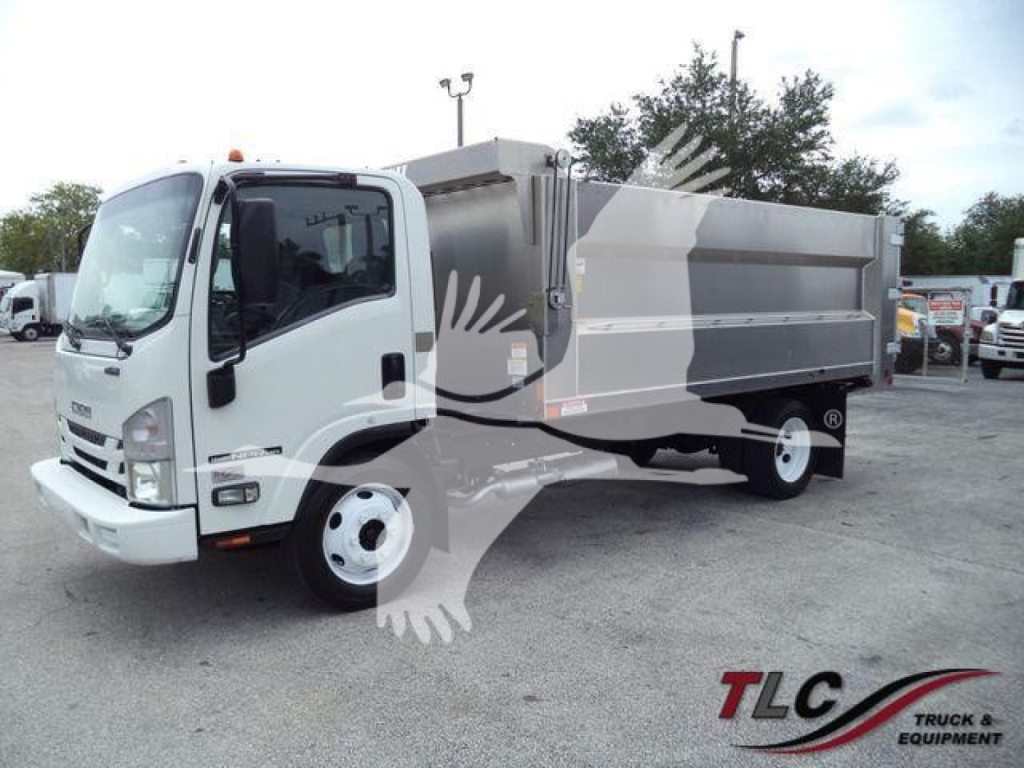
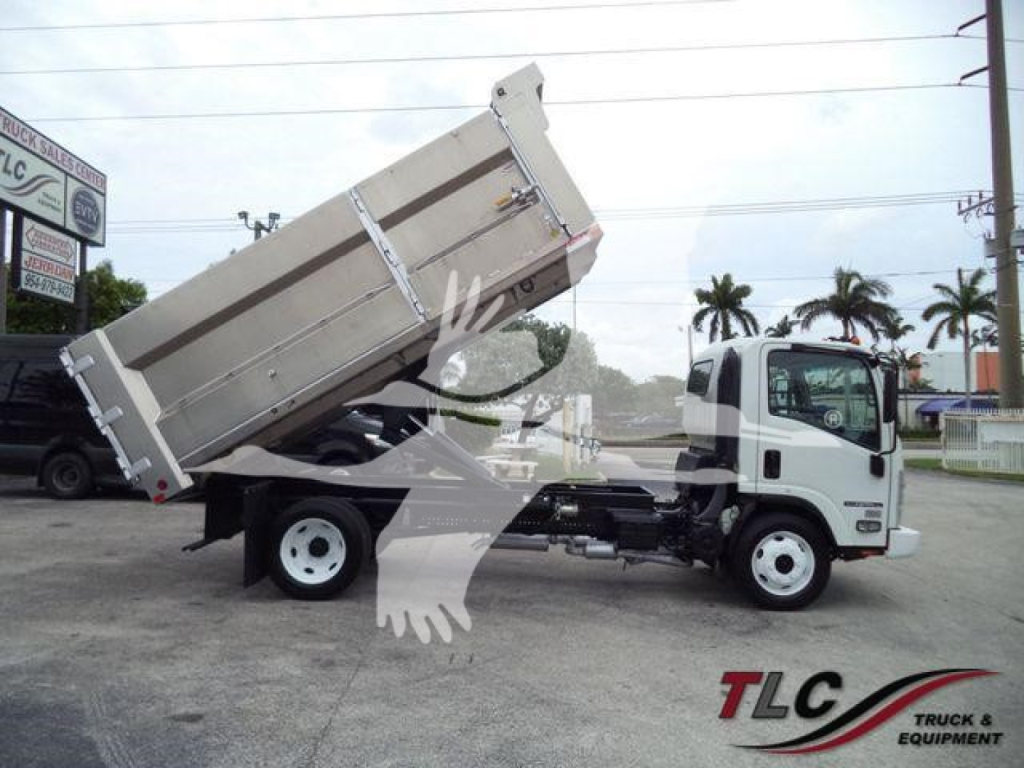
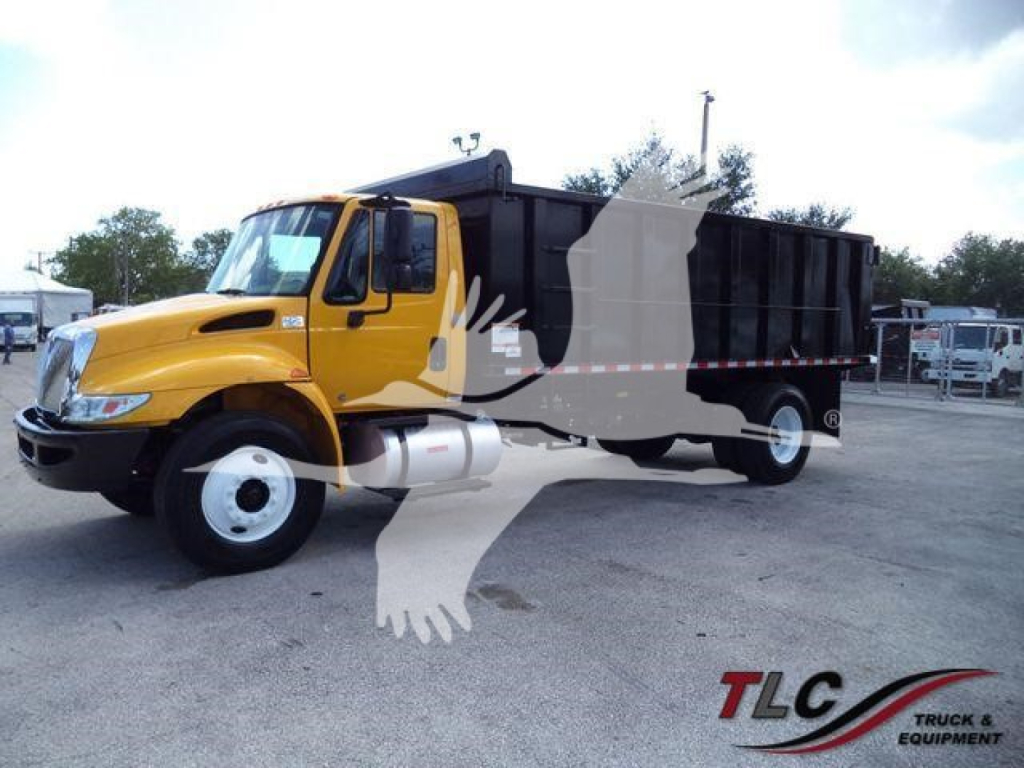
Selling a 2019 landscape truck? List your 2019 landscape truck for sale and reach thousands of commercial buyers.
2019 Landscape Trucks
Frequently Asked Questions about 2019 Landscape Trucks
What should I look for first on a 2019 landscape truck?
Start with the body and hoist setup, because that determines how the truck works day to day. Body length, side wall height, rear door style, tarp system, and PTO hydraulic hoist capacity matter as much as the chassis. After that, verify GVWR, axle rating, brake type, and towing equipment so the truck matches your payload and trailer needs. A truck with the right dump body but the wrong weight class or brake system can create operating limits you feel every week.
What GVWR is common for a 2019 landscape truck?
2019 landscape trucks are commonly found in light- and medium-duty ratings from about 14,500 GVWR up to 26,000 GVWR. Lower-GVWR models are popular for tighter residential routes, easier licensing requirements in some operations, and lighter payloads such as mulch or bagged material. Trucks closer to 25,999 or 26,000 GVWR are more common when buyers need an 18-foot body, higher-volume debris hauling, or more towing capacity without moving into CDL-required territory in many jurisdictions.
Are gas or diesel engines better in a 2019 landscape truck?
It depends on route profile, payload, and maintenance priorities. Gas engines are common in lighter Class 4 and 5 chassis and can make sense for local work with lower annual miles and simpler service needs. Diesel engines are more common in heavier medium-duty trucks where torque, durability, and sustained loaded operation matter more. On a 2019 model, buyers should also consider emissions-system service history, especially on diesel units used in frequent stop-and-go duty cycles.
Why do so many landscape trucks have high side walls and swing doors?
High side walls increase cubic capacity for light material such as brush, mulch, and leaves, which is the core advantage of a landscape body. A single swing rear door or barn-door style rear access helps with hand loading, unloading tools, and managing mixed debris at the jobsite. This design is less about dense payload and more about containing bulky material efficiently, which is why body volume and rear access are usually more important than raw dump-bed ton rating in this category.
Is towing equipment important on a 2019 landscape truck?
Yes. Many landscape trucks are expected to pull equipment trailers carrying mowers, skid steers, mini excavators, or stump grinders. A receiver hitch, brake controller or electric brake hookup, and appropriate chassis rating can add major flexibility. Buyers should confirm that the truck's hitch equipment, GCWR, and brake configuration align with actual trailer use, not just that a hitch is present.