
2019 Landscape Trucks For Sale in Florida
Shop 2019 landscape trucks for Florida work. Compare dump bodies, flatbeds, GVWR, diesel chassis, ramps, tarps, and towing setup.
Selling a 2019 landscape truck? List your 2019 landscape truck for sale and reach thousands of commercial buyers.
2019 Landscape Trucks in Florida
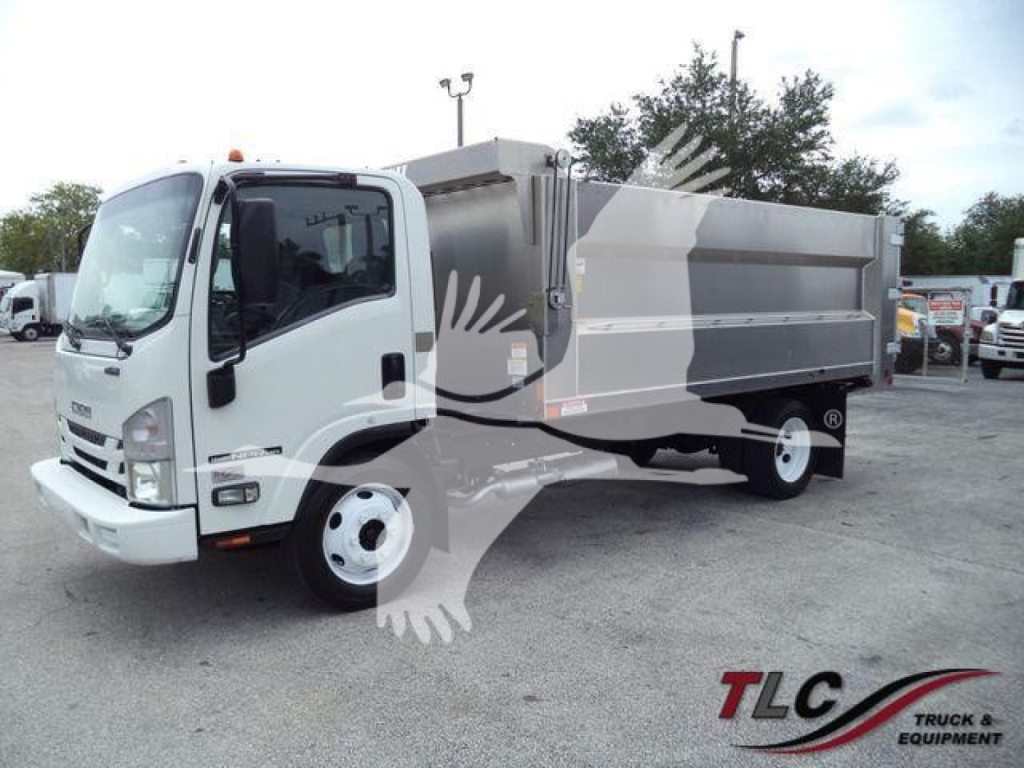
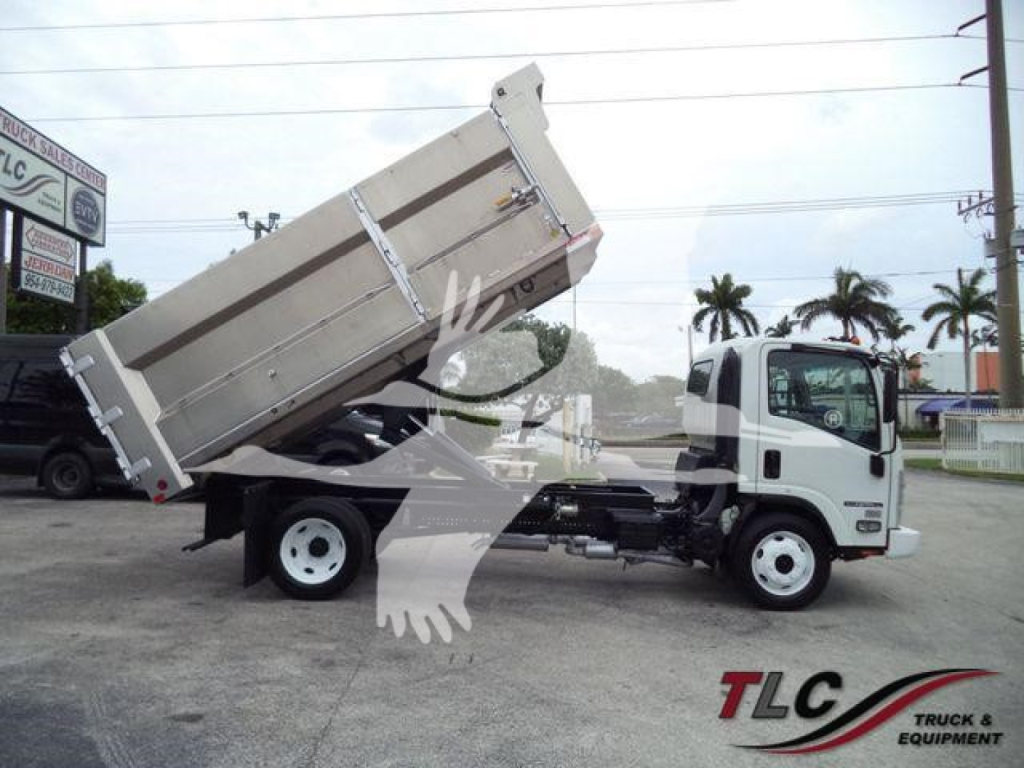
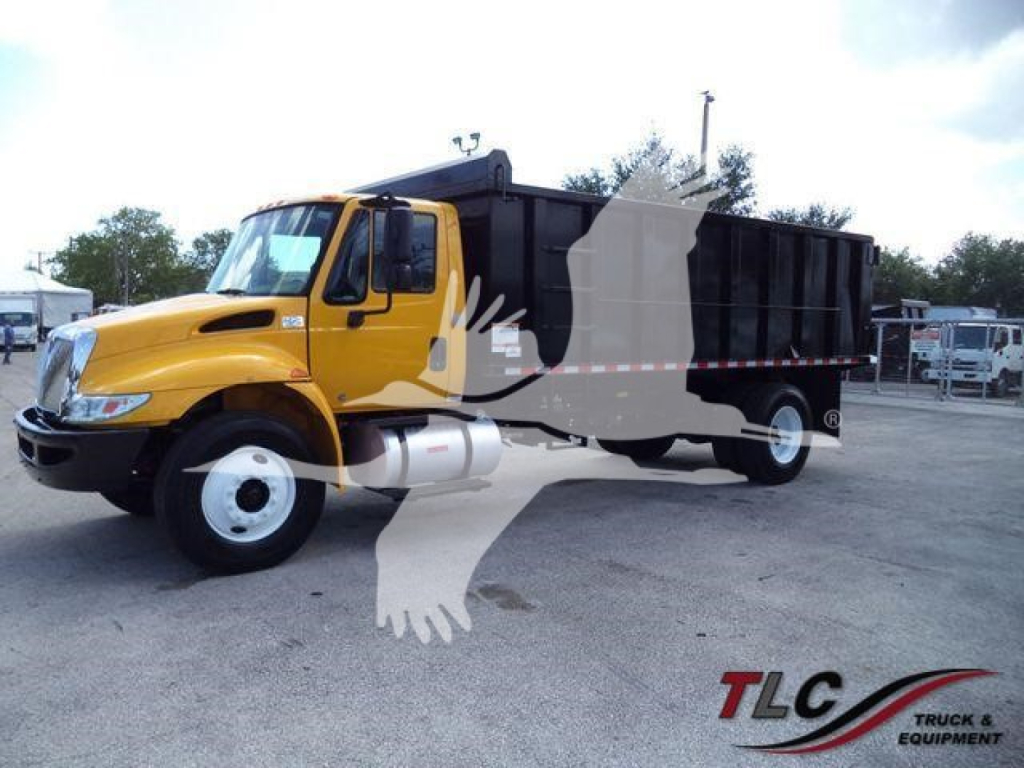
Body configuration should be the first buying decision. A landscape dump body with 48-inch to 54-inch sides is common for hauling loose material, storm debris, tree trimmings, and jobsite cleanup. Aluminum bodies help reduce curb weight and improve payload, while steel bodies usually hold up well in harder debris service and repeated loading with skid steers or compact loaders. Buyers should pay attention to rear door style, including barn doors, single-swing gates, and spreader-style options, because unloading method affects daily productivity. Flat deck landscape trucks with expanded metal sides, dovetails, and spring-assisted ramps are better suited for crews moving mowers, stand-on units, compact machines, and palletized material. Tool storage, headboard height, hitch rating, electric trailer brake setup, and tarp system are all practical details that make a difference in field use.
On the chassis side, most 2019 landscape trucks in this class use diesel power with an automatic transmission and GVWRs ranging from about 14,500 pounds up to 26,000 pounds. That spread is important. Lighter non-CDL trucks are easier to assign across a crew and often fit urban routing better, while 25,950 to 26,000 GVWR trucks give a meaningful step up in body size, axle capacity, and towing ability. Florida operations that run mixed routes often prioritize maneuverability, tight turning radius, and low cab step-in height, which is why cabover models remain popular in landscape service. Conventional chassis can offer a more familiar driving position, higher-capacity upfits, and better fit for larger dump bodies. Check the hoist type, PTO engagement, suspension rating, brake type, wheel size, and tire class against the actual work the truck will do, not just the body dimensions.
A strong 2019 landscape truck should be evaluated as a complete package, not just a chassis with a fresh body. Buyers should look for consistent maintenance records, smooth hoist cycling under load, solid hinge points, clean hydraulic lines, proper tarp function, and evidence that the truck has not been overloaded. If towing is part of the plan, confirm the hitch capacity, receiver size, trailer plug type, and brake controller setup. Landscape trucks are also commonly referred to as landscape dump trucks, trash dump trucks, lawn service trucks, or landscape body trucks depending on the upfit. The right truck is the one that matches crew size, material type, dump frequency, and trailer use while staying within the weight class and operating costs the business can support.
Frequently Asked Questions about 2019 Landscape Trucks in Florida
What is the difference between a landscape dump truck and a flatbed landscape truck?
A landscape dump truck is built to carry and unload loose material such as mulch, brush, yard waste, and demolition debris through a hydraulic hoist system. A flatbed landscape truck is better for transporting equipment, mowers, palletized supplies, and hardscape materials, especially when equipped with a dovetail and loading ramps. The better choice depends on whether the truck spends more time dumping bulk material or loading machines and secured cargo.
Is a 2019 landscape truck a good choice for a landscaping or tree service business?
A 2019 model year can be a strong value because it is new enough to offer modern diesel chassis, automatic transmissions, and current commercial body designs, but old enough to avoid the premium attached to late-model units. For a landscaping or tree service business, the key is overall condition rather than model year alone. Service records, body integrity, hoist condition, and signs of overloading matter more than cosmetic appearance.
What GVWR should I look for in a 2019 landscape truck?
GVWR should match the material weight, body size, and trailer use expected in daily operation. Trucks around 14,500 pounds GVWR are often easier to run for lighter-duty landscape work and local routes. Trucks in the 25,950 to 26,000 pound range offer more body capacity and better commercial-grade components for heavier debris, larger crews, and more demanding applications. Buyers should compare empty weight to legal payload, not just body length.
Are aluminum or steel landscape bodies better?
Aluminum landscape bodies usually provide lower tare weight, which can translate into better payload and fuel efficiency. They are popular in mulch, lawn, and general landscape service where weight savings matter. Steel bodies are typically preferred when the truck sees rougher material, repeated loading by equipment, or harder debris that can be abusive to the body. The better material depends on payload goals, operating environment, and how aggressively the truck is used.
What features matter most on a used 2019 landscape truck in Florida?
For Florida use, buyers often focus on reliable air conditioning, clean hydraulic systems, solid body floors, proper door sealing and latching, and a chassis that handles stop-and-go commercial work well. A working tarp system, trailer brake wiring, hitch setup, toolbox storage, and easy cab access are also valuable on crew trucks. Because many Florida operations run year-round, downtime from neglected hoists, worn hinges, or poor electrical work can be more costly than paying more for a better-maintained truck.