
2019 Commercial Trucks For Sale in Minnesota
Browse 2019 trucks for sale in Minnesota, including highway tractors, vocational trucks, and medium-duty work trucks with varied specs and applications.


Have 2019 commercial truck to sell? List it here to reach thousands of buyers.
2019 Commercial Trucks in Minnesota
For highway use, many 2019 trucks were spec'd with automated manual or fully automatic transmissions, aerodynamic packages, collision mitigation systems, and higher-efficiency diesel engines from Cummins, PACCAR, Detroit, Volvo, or Navistar. Day cabs in this year range are common in regional freight, tanker, and local haul applications, while sleeper trucks are often found in over-the-road service with 72-inch to 80-inch bunks and 400 to 500 horsepower ratings. Buyers comparing 2019 semi trucks should pay close attention to rear axle ratio, suspension type, wheelbase, fuel capacity, and fifth wheel setup. A low numerical ratio can favor fuel economy on flat interstate lanes, while a vocational or heavy-haul spec may carry deeper gearing, heavier suspensions, and locking differentials.
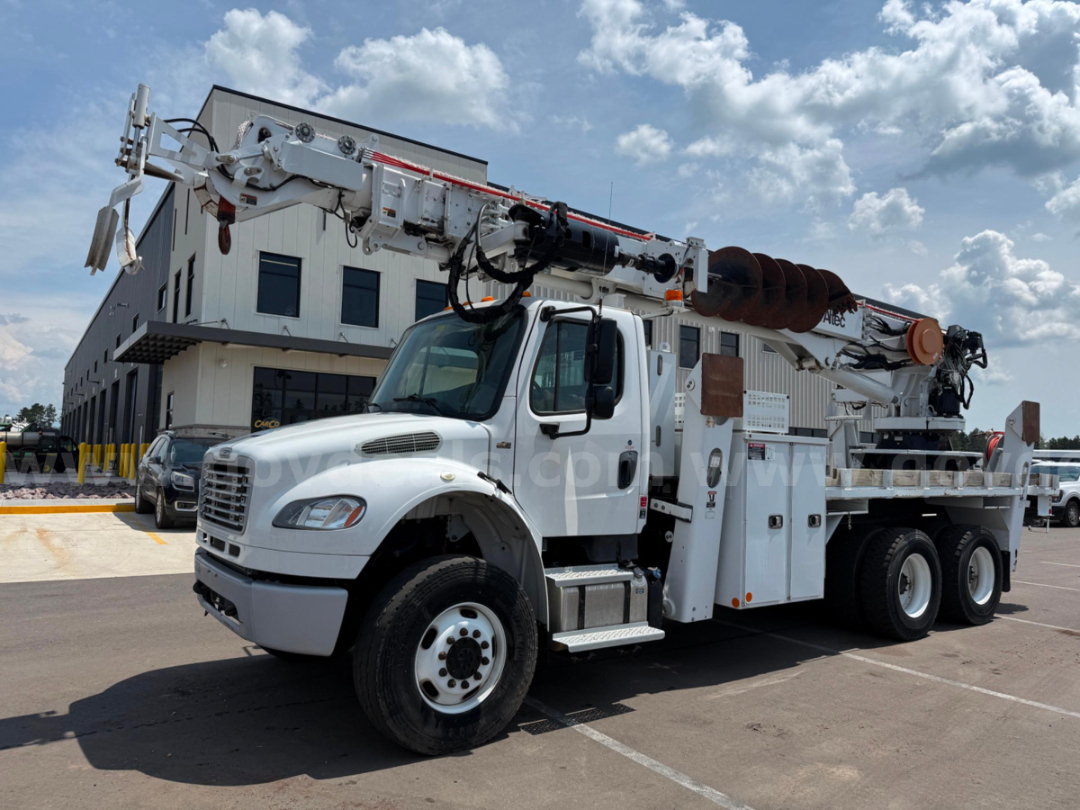
For vocational buyers, 2019 trucks can vary widely based on the body and PTO equipment installed. Bucket trucks, grapple trucks, hooklift trucks, and utility bodies often depend as much on hydraulic system condition and boom hours as they do on engine mileage. In Minnesota, winter exposure matters. Check for frame corrosion, cab corner rust, brake line condition, suspension wear, and the condition of electrical connectors and harness routing. If the truck has a work body or specialty attachment, confirm boom certification records, outrigger operation, hydraulic leaks, pump performance, and body mounting integrity. On medium-duty trucks, common gas and diesel engines from Ford, GM, Cummins, and International each bring different service profiles, emissions systems, and operating costs.
A buyer looking at 2019 trucks for sale should also match registration class, CDL requirements, and payload needs to the intended work. GVWR, front axle capacity, rear axle capacity, and tire ratings need to support the body and cargo, not just the chassis. Minnesota operators may also prioritize cold-weather starting performance, block heater use, tire selection, and traction features such as full lockers or inter-axle differential locks. Service history, idle hours, and application history often tell more than odometer miles alone. A 2019 truck that spent its life in steady regional runs will present differently than one used for municipal stop-and-go work or utility fleet service.
Frequently Asked Questions about 2019 Commercial Trucks in Minnesota
What should I look for when buying a 2019 used truck in Minnesota?
Start with the truck’s original application and current configuration. A 2019 truck in Minnesota should be inspected for winter-related corrosion on the frame, crossmembers, brake components, electrical connections, cab mounts, and body hardware. Review engine hours, idle time, maintenance records, tire age, suspension condition, and any signs of rust at cab corners or underbody components. On vocational trucks, inspect the upfit separately from the chassis, including hydraulics, PTO operation, outriggers, boom structure, and body mounts.
Are 2019 trucks a good balance between price and modern features?
Yes, for many buyers a 2019 truck offers a strong value point. This model year is generally modern enough to include updated drivability features, better cab comfort, and available safety technology such as collision mitigation and automated transmissions, while still pricing below newer late-model units. The exact value depends on mileage, engine hours, maintenance history, emissions condition, and how the truck was used. A well-maintained 2019 truck can still fit demanding regional, municipal, or vocational service.
How important are engine hours compared with mileage on a 2019 truck?
Engine hours are very important, especially on vocational and municipal trucks. Mileage alone does not show how much time the engine spent idling, powering hydraulics, or operating PTO-driven equipment. A truck with modest miles but very high hours may have more engine wear than a highway truck with higher miles and fewer idle hours. For bucket trucks, grapple trucks, and other work trucks, also review PTO hours or boom hours when available.
What specs matter most on a 2019 semi truck?
The most important specs depend on the freight lane and trailer type, but core items include engine make and horsepower, transmission type, rear axle ratio, suspension, wheelbase, brake type, fuel capacity, and fifth wheel configuration. Day cabs used for local or regional hauling are often spec'd differently than sleeper tractors used in long-haul service. Rear axle gearing affects cruise RPM and fuel economy, while wheelbase and suspension choices influence maneuverability, ride quality, and body or trailer compatibility.
Do vocational 2019 trucks need a different inspection than highway tractors?
Yes. A vocational truck requires both a chassis inspection and an equipment inspection. In addition to engine, transmission, brakes, and suspension, the buyer should inspect hydraulic pumps, hoses, cylinders, controls, PTO engagement, subframe mounting, and the structural condition of the installed body or boom. For utility and aerial equipment, certification records, dielectric testing where applicable, and evidence of proper maintenance are critical. The condition of the attachment can have as much impact on value as the truck itself.